Klipdrift Distillery

Klipdrift Distillery sits on Voortrekker Street in Robertson, South Africa's inland brandy heartland, and holds a Pearl 2 Star Prestige rating for 2025. The distillery represents the older, agricultural strand of Western Cape spirits production, brandy-led, landscape-tied, and distinct from the Cape's wine-tourism mainstream. Robertson's warm valley climate and alluvial soils provide the raw-material conditions that define the house style.
- Address
- 4 Voortrekker Street, Robertson, Western Cape, 6705, South Africa
- Phone
- +27236263027
- Website
- klipdrift.co.za
 Saves & bookings on Pearl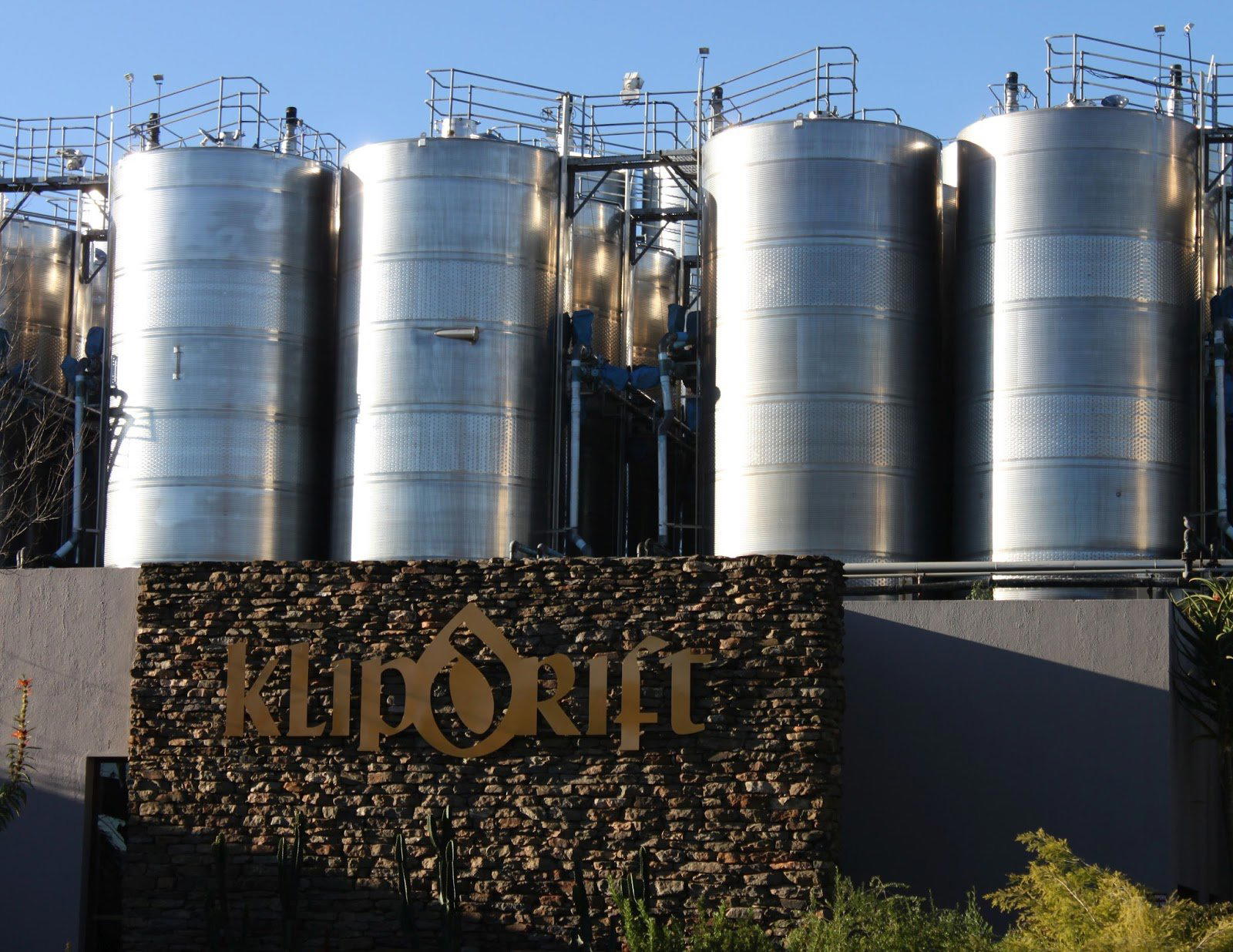
Robertson's Brandy Tradition and Where Klipdrift Sits Within It
South Africa's brandy belt runs inland from the Cape Peninsula through Paarl and into the Breede River Valley, where Robertson marks one of its furthest eastern anchors. The region is better known internationally for its Chardonnay and Shiraz, estates like De Wetshof Estate and Graham Beck Wines have built reputations that travel well beyond South Africa, but the valley's warm, dry summers and fertile alluvial floor have long supported the grape volumes that South African brandy production depends on. Klipdrift Distillery, at 4 Voortrekker Street, is among the most recognisable names in that brandy tradition, a category that operates on different logic from the wine estates clustered along the same valley roads.
South African brandy sits within a tightly regulated production framework. The country's pot still brandy classification requires a minimum of three years in oak and a minimum 90 percent pot still distillation, placing it among the more demanding brandy designations globally. That regulatory architecture shapes everything downstream: the grape varieties selected, the distillation approach, the maturation period, and the profile of the finished spirit. Klipdrift, as a volume-significant South African brandy producer, operates within those parameters and draws on Robertson's grape supply to do so. The Pearl 2 Star Prestige award for 2025 places it within a recognised tier of quality acknowledgement in the South African drinks industry. Klipdrift Distillery is now permanently closed.
The Robertson Valley as a Spirits and Wine Production Zone
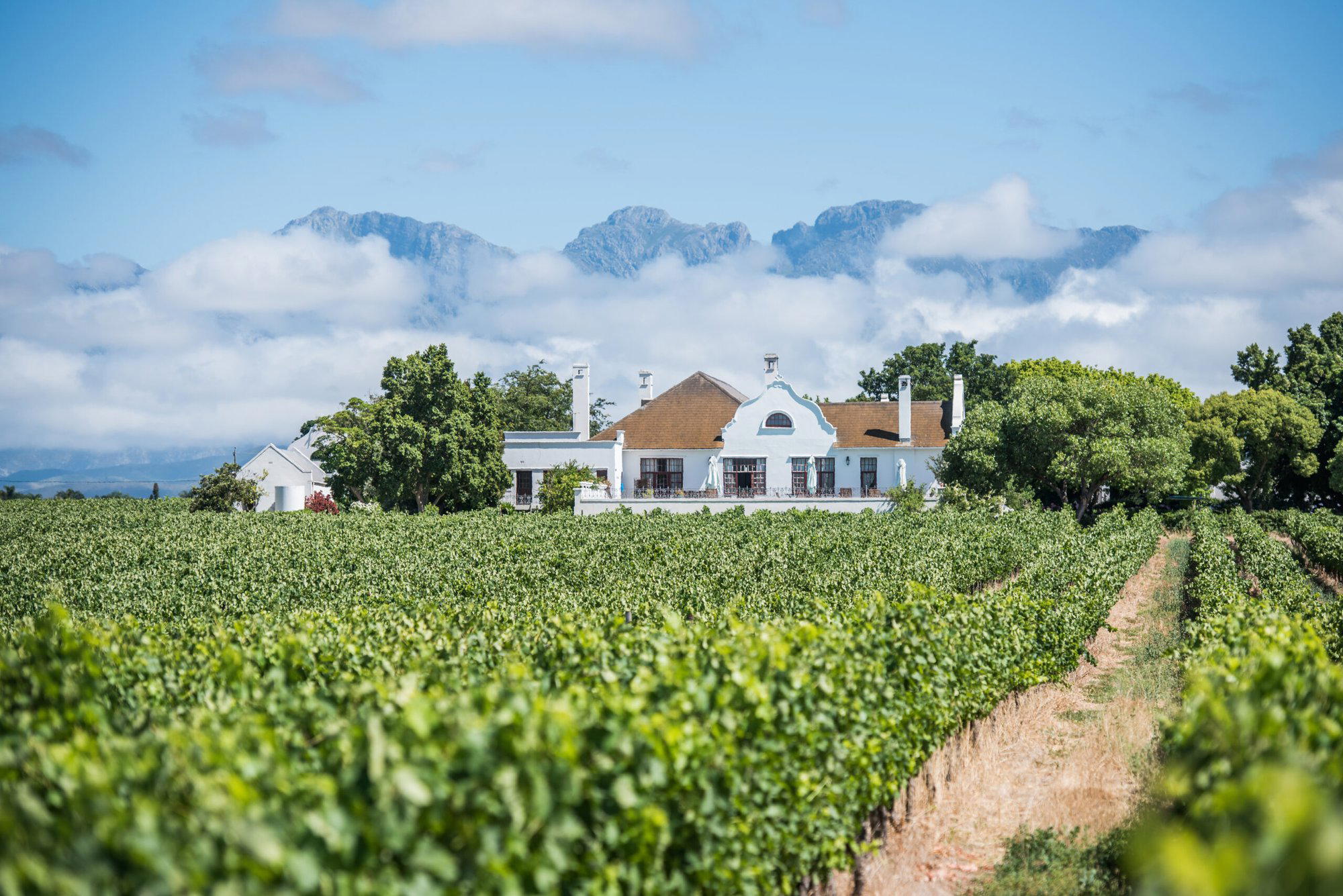
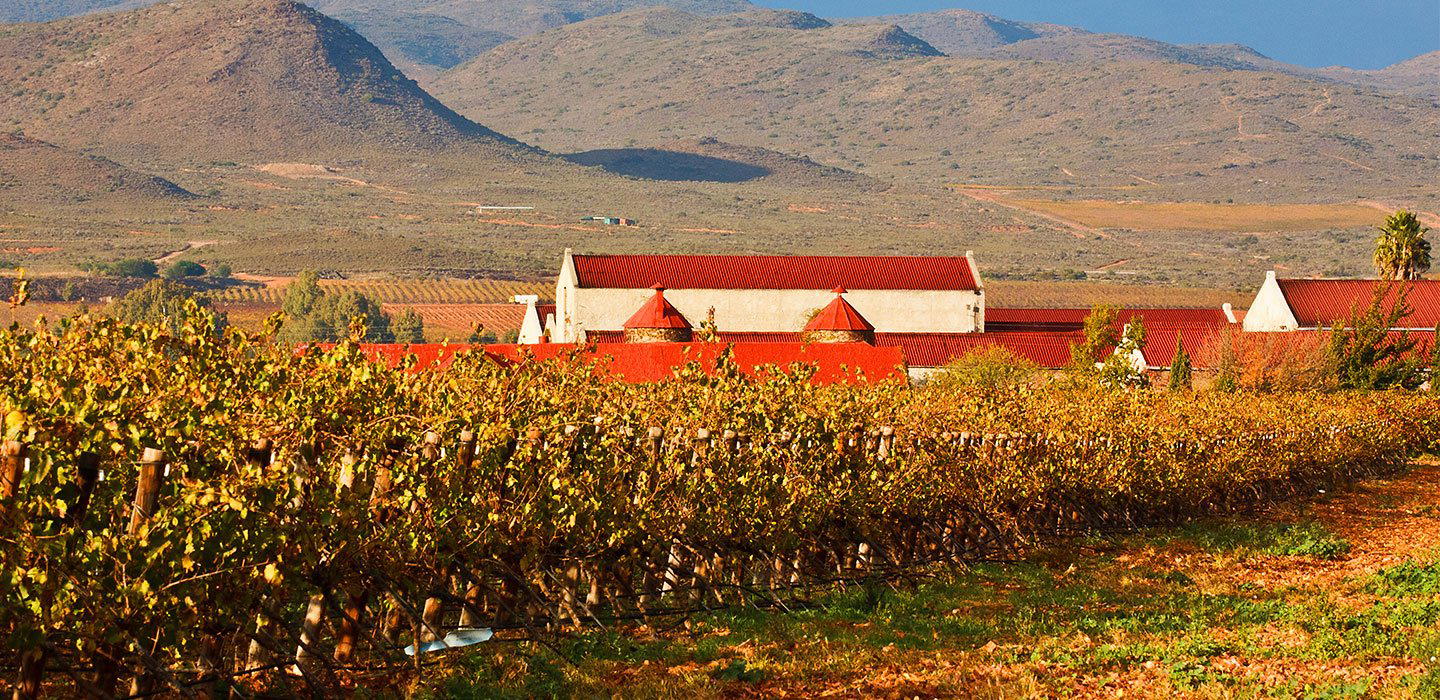
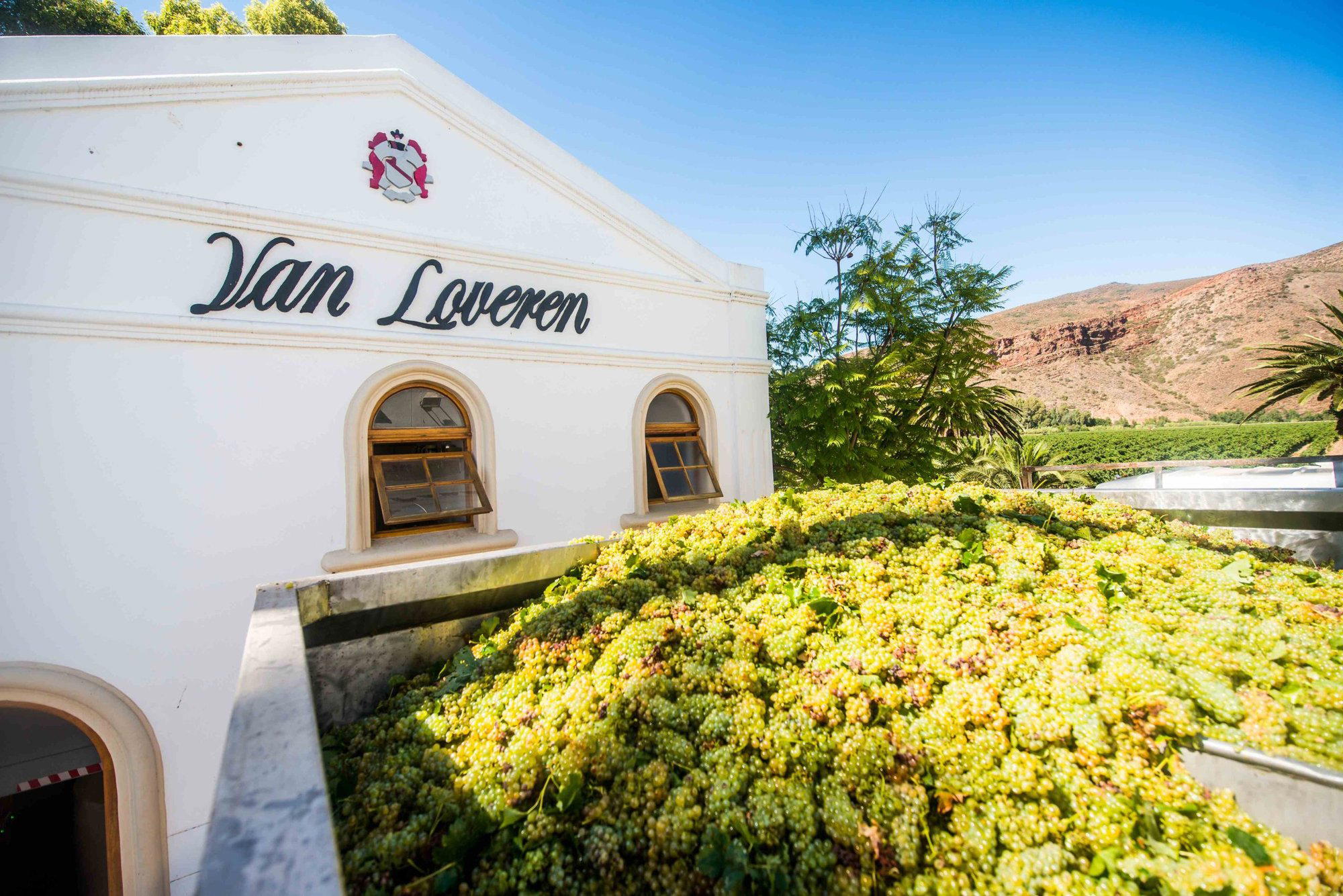
Robertson's agricultural character differs from Stellenbosch or Franschhoek in ways that matter to understanding how a distillery like Klipdrift functions here. The valley receives less maritime influence than the coastal wine regions, which pushes ripening conditions toward higher sugar accumulation, useful for base wines destined for distillation, where volume and neutral fruit character matter more than the varietal precision that premium table wine requires. Cooperative structures have historically dominated Robertson's production, with Robertson Winery being the clearest example of that model. Family estates like Van Loveren Family Vineyards and Springfield Estate have carved out their own identities within the same geography, but the valley's underlying agricultural scale, and the infrastructure that supports it, remains the enabling condition for brandy production at Klipdrift's level.
The sustainability dimension of that production context deserves attention. Robertson's water supply depends heavily on the Breede River system, and the valley's farming community has faced the same pressure around water stewardship and soil health that affects all of the Western Cape's wine and spirits producers. At the broader regional level, the shift toward more responsible vineyard management, reducing chemical inputs, preserving riparian buffers, managing irrigation more precisely, is a live conversation across Robertson, Stellenbosch, and beyond. How individual producers participate in that conversation varies, but the conditions of the valley make it inescapable. Visitors coming to Robertson from wine-led estates with documented sustainability commitments will encounter that same underlying context at a distillery operation.
Approaching the Distillery: What the Address Signals
Voortrekker Street runs through Robertson's town centre, which gives Klipdrift a different address logic from the valley's wine estates, most of which sit along agricultural roads outside town. A distillery on a main street rather than a farm lane positions itself as a destination for town visitors as much as for those driving the wine route. Robertson itself is a working agricultural town rather than a tourist village, it lacks the curated restaurant density of Franschhoek or the cellar-door cluster of Stellenbosch, which means a visit here rewards those who engage with the production story rather than those seeking a polished lifestyle circuit. That distinction is worth holding when planning a Breede River Valley itinerary.
The physical experience of a distillery visit, as a format, differs from a winery cellar door. Still rooms, spirit-safe rooms, and barrel warehouses operate on an industrial register that wine estates rarely show. The sensory environment, copper equipment, the particular warmth of a working still room, the concentrated spirit vapour that sits in any actively distilling space, communicates production process in a way that a tasting room pouring finished bottles does not.
How Klipdrift Compares Within the Broader South African Spirits Picture
South African brandy production has a smaller international profile than the country's wine sector, but it has accumulated serious quality recognition over time. Comparison points are worth drawing. Oude Molen Distillery in Grabouw represents a smaller-scale, craft-inflected end of the South African brandy spectrum, operating in the apple and pear growing country of the Elgin Valley. Klipdrift, by contrast, sits within Robertson's grape-growing heartland and operates at a scale that reflects the valley's agricultural capacity. The Pearl 2 Star Prestige recognition for 2025 signals that the quality argument holds at that scale.
For visitors building a broader Cape spirits and wine itinerary, it is worth knowing that the region offers significant range. Wine estates with strong sustainability credentials, Vergelegen Wine Estate in Somerset West, with its UNESCO World Heritage landscape and documented conservation programme, or Babylonstoren in Franschhoek, with its biodynamically managed farm and kitchen garden, represent a different tier of the Cape's agricultural tourism. Creation Wines in Hermanus and Constantia Glen in Cape Town sit at the cooler, maritime end of the Cape's wine geography. Neethlingshof Estate in Stellenbosch and Val de Vie Estate in Paarl add further reference points for the Winelands belt. Klipdrift occupies a distinct position within that geography: an inland brandy producer tied to Robertson's agricultural scale, rather than a small-production estate wine operation.
For those interested in how distillery traditions develop in different agricultural contexts, reference points outside South Africa are useful. Aberlour in Scotland illustrates how a distillery embedded in a specific regional grain-growing and water supply context builds long-term identity. Accendo Cellars in St. Helena shows a different model, micro-production, allocation-driven, that sits at the opposite end of the volume and accessibility spectrum from Robertson's brandy operations.
Planning a Visit
Robertson sits approximately two hours east of Cape Town by road, via the N1 through Paarl or the R60 through Worcester. The drive through the Hex River Valley on the N1 route is one of the more dramatic approaches in the Western Cape, passing through mountain passes before the valley opens out toward Robertson. The Pearl 2 Star Prestige rating for 2025 gives a quality anchor.
A Credentials Check
Comparable venues nearby, for context on price, style, and recognition.
| Venue | Cuisine | Price | Notes |
|---|---|---|---|
| Klipdrift DistilleryThis venue — the venue you are viewing | Chenin Blanc, Colombard | $$ | |
| Springfield Estate | Sauvignon Blanc, Chardonnay | $$ | Robertson Wine Valley |
| De Wetshof Estate | Chardonnay, Pinot Noir | $$$ | Robertson Wine Valley |
| Robertson Winery | Chenin Blanc, Chardonnay | $$ | Robertson |
| Van Loveren Family Vineyards | Sauvignon Blanc, Chardonnay | $$ | Robertson |
| Graham Beck Wines | Chardonnay, Pinot Noir | $$$ | Robertson |
At a Glance
- Rustic
- Cozy
- Classic
- Group Outing
- Wine Education
- Historic Building
Friendly, unpretentious country atmosphere filled with country hospitality where time stands still.