De Wetshof Estate

Falstaff Winery - Listed
De Wetshof Estate sits on the R317 between Robertson and Bonnievale, where the Breede River Valley's calcium-rich soils and semi-arid heat have shaped one of South Africa's most consistent Chardonnay addresses.

Pearl is the En Primeur Club membership app — saves, bookings, and concierge access live there. Same editors, same standards.
- Address
- R317 between Robertson & Bonnievale, Robertson, 6705
- Phone
- +27 23 615 1853
- Website
- dewetshof.com
- Directions
- Get directions
Limestone Country: What the Breede River Valley Puts in the Glass
Drive the R317 between Robertson and Bonnievale on a clear morning and the geology announces itself before any signage does. The valley floor is pale and chalky, the soils visibly calcium-rich, the surrounding mountains holding in heat that would scatter in the coastal wind corridors of Stellenbosch or Hermanus. This is semi-arid winemaking country, where water is managed rather than assumed, and where the land imposes a discipline on viticulture that no winemaker can override. De Wetshof Estate sits squarely in that terrain, and its wines are as much a product of the valley's limestone geology as of any decision made in the cellar.
Robertson has historically occupied a secondary position in the South African fine wine conversation, overshadowed by the Cape Winelands' more photogenic corridors. That position has shifted over the past decade as the region's white wine producers demonstrated that calcareous soils and consistent sunshine hours produce Chardonnay with a structural profile that cooler, wetter appellations simply cannot replicate. De Wetshof has been central to that argument.
Terroir as the Primary Argument
South African wine has spent considerable energy in the past two decades making the case that its leading addresses belong in the same conversation as European benchmark regions. The estates that have made that argument most convincingly are the ones where the land, not the marketing, does the work. In Robertson, the case rests on calcium carbonate. The valley's soils are derived from weathered limestone and alluvial deposits, creating a subterranean structure that drives vine roots deep, moderates water retention, and contributes a mineral tension to white wines that shows in the glass as a kind of taut, chalky persistence on the finish.
That geological character is what separates Robertson's Chardonnay tier from the fruit-forward, oak-influenced styles that dominated South African white wine production in the 1990s. Estates like De Wetshof, which have committed to expressing the valley's specific terroir rather than producing a generic premium white, have helped shift critical perception. For context, comparable terroir arguments are being made at the other end of the Cape's wine geography: Constantia Glen in Cape Town makes the case for cool Atlantic-influenced slopes, while Creation Wines in Hermanus works with the maritime conditions of Walker Bay. Robertson's argument is different in kind: it is a hot, dry, limestone valley that produces whites with grip and mineral length rather than oceanic freshness.
The distinction matters because it shapes what you expect in the glass. Robertson Chardonnay from a limestone-focused producer carries weight and texture alongside its fruit profile. The heat gives ripeness; the calcium carbonate gives architecture. When those two forces are in balance, the result is a wine that holds its shape across several years in bottle rather than collapsing into soft tropical fruit.
Robertson's wine community is more internally varied than its compact geography suggests. At one end, there are large cooperative and commercial operations that produce accessible, widely distributed wines across multiple varieties. At the other, a smaller group of estate producers has positioned itself around quality benchmarks and international recognition. De Wetshof sits in that latter tier, alongside estates like Springfield Estate, which has built its own reputation on terroir-driven whites with strong international followings.
The region also accommodates a different category entirely: Graham Beck Wines built its prestige on Méthode Cap Classique sparkling wine rather than still Chardonnay, demonstrating that Robertson's cool cellar conditions and limestone base also suit extended secondary fermentation. Klipdrift Distillery operates in an entirely different category, producing South Africa's most recognised brandy from the same valley's grape surplus. These are not competitors in any meaningful sense; they illustrate how a single agricultural region can generate multiple premium categories from the same raw material.
Viewed against the wider South African winemaking geography, De Wetshof occupies a specific niche: a limestone-focused estate in a warm inland valley, with a track record in Chardonnay that predates the current wave of critical interest in the variety. Estates like Neethlingshof Estate in Stellenbosch, Babylonstoren in Franschhoek, and Vergelegen Wine Estate in Somerset West all operate within the better-known Cape Winelands corridor and attract more footfall as a result. De Wetshof's location on a regional road between two small towns means it draws a more deliberate visitor: one who has made the decision to come specifically rather than stopping en route to somewhere more prominent.
Getting There and Planning the Visit
The estate's address on the R317 places it in genuine farm country, roughly midway between Robertson town and Bonnievale. The drive from Cape Town takes approximately two hours via the N1 and R60, passing through Worcester and into the Breede River Valley. The approach along the R317 gives a ground-level read of the terrain before you arrive: flat valley floor, mountain backdrop, the pale soil colour that signals the limestone geology the wines depend on. This is not a wine route with boutique accommodation and restaurant clusters at every turn. It is a working agricultural valley, and visiting it requires the same self-sufficiency as any rural wine estate visit: book ahead, confirm hours directly with the estate, and treat the trip as a destination in its own right rather than a stop on a broader itinerary.
For those building a Robertson itinerary, the estate pairs logically with nearby producers including Springfield Estate and Graham Beck Wines, and the town of Robertson itself has its own hospitality layer covered in our full Robertson restaurants guide. Robertson sits close enough to the main Cape Winelands circuit that it can function as either a day trip from Stellenbosch or Franschhoek, or as an overnight base for travellers willing to trade coastal familiarity for valley quiet.
Where It Sits in the Broader Premium Wine Map
South Africa's premium wine tier is no longer concentrated exclusively in the historic Stellenbosch and Franschhoek corridors. Producers across a wider geography have accumulated enough sustained recognition to make the case for their specific terroir on international terms. Val de Vie Estate in Paarl and Oude Molen Distillery in Grabouw represent different expressions of this geographic broadening. Beyond South Africa, the logic of limestone-driven whites has parallels in regions as distant as Burgundy and as recent as Accendo Cellars in St. Helena and Aberlour in Aberlour, though the production categories differ entirely. What connects them is the underlying premise that the most interesting wines carry a geological signature that survives the winemaking process.
It is a signal that belongs in the upper tier of South African wine recognition, not a participation trophy for regional membership. For a visitor making decisions about where to spend time in the Robertson Valley, that distinction carries weight.
Comparison Snapshot
Comparable venues nearby, for context on price, style, and recognition.
| Venue | Cuisine | Price | Awards | Notes |
|---|---|---|---|---|
| De Wetshof EstateThis venue — the venue you are viewing | Chardonnay, Pinot Noir | $20–30 | Falstaff Winery - Listed | Not listed |
| Springfield Estate | Sauvignon Blanc, Chardonnay | Not listed | Falstaff Winery - Listed | Robertson Wine Valley |
| Robertson Winery | Chenin Blanc, Chardonnay | Not listed | Falstaff Winery - Listed | Robertson |
| Van Loveren Family Vineyards | Sauvignon Blanc, Chardonnay | $10–20 | Not listed | Robertson |
| Graham Beck Wines | Chardonnay, Pinot Noir | $20–30 | Falstaff Winery - Listed | Robertson |
Recognition history
Dated appearances from independent guides and award organizations, with the underlying list record or original source where available.
Falstaff Winery - Listed
Falstaff
Continue exploring
More in Robertson
Wineries in Robertson
Browse all →

Bars in Robertson
Browse all →
Restaurants in Robertson
Browse all →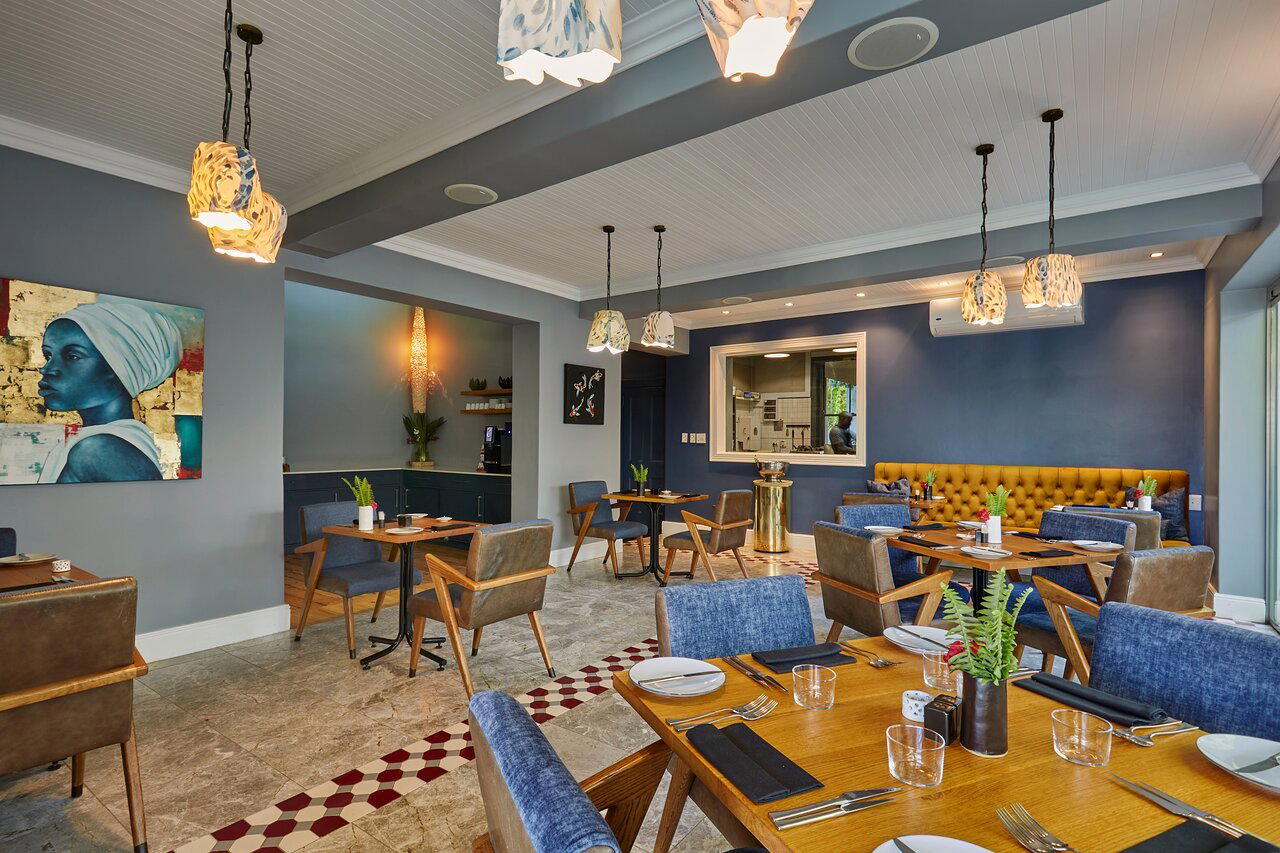
Details
- Classic
- Elegant
- Scenic
- Rustic
- Wine Education
- Special Occasion
- Solo Exploration
- Vineyard Tour
- Estate Grounds
- Historic Building
- Panoramic View
- Vineyard
- Mountain
- Garden
- Chardonnay
- Pinot Noir
- Still White
- Sparkling
- Still Rosé
- Cave Tasting
- Private Tasting
- English
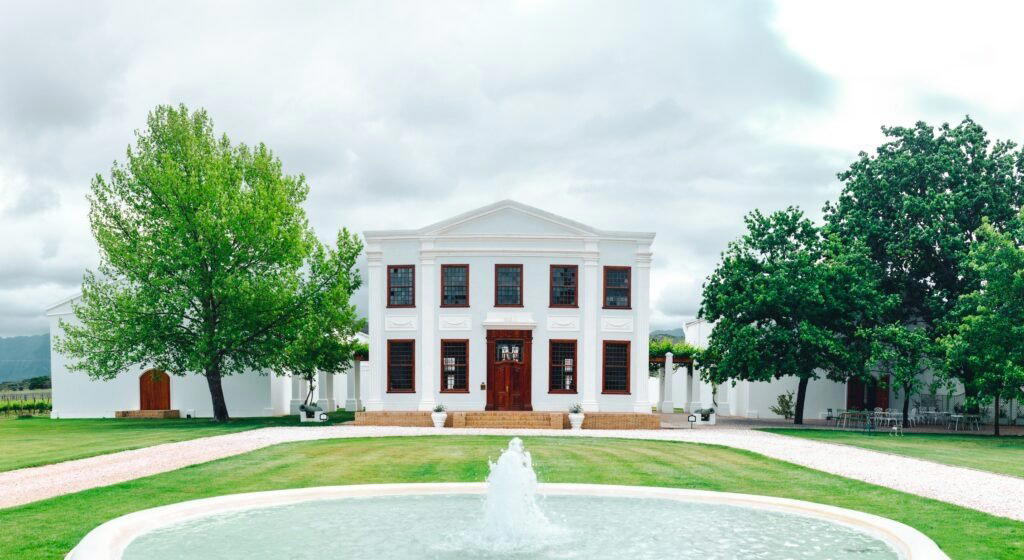
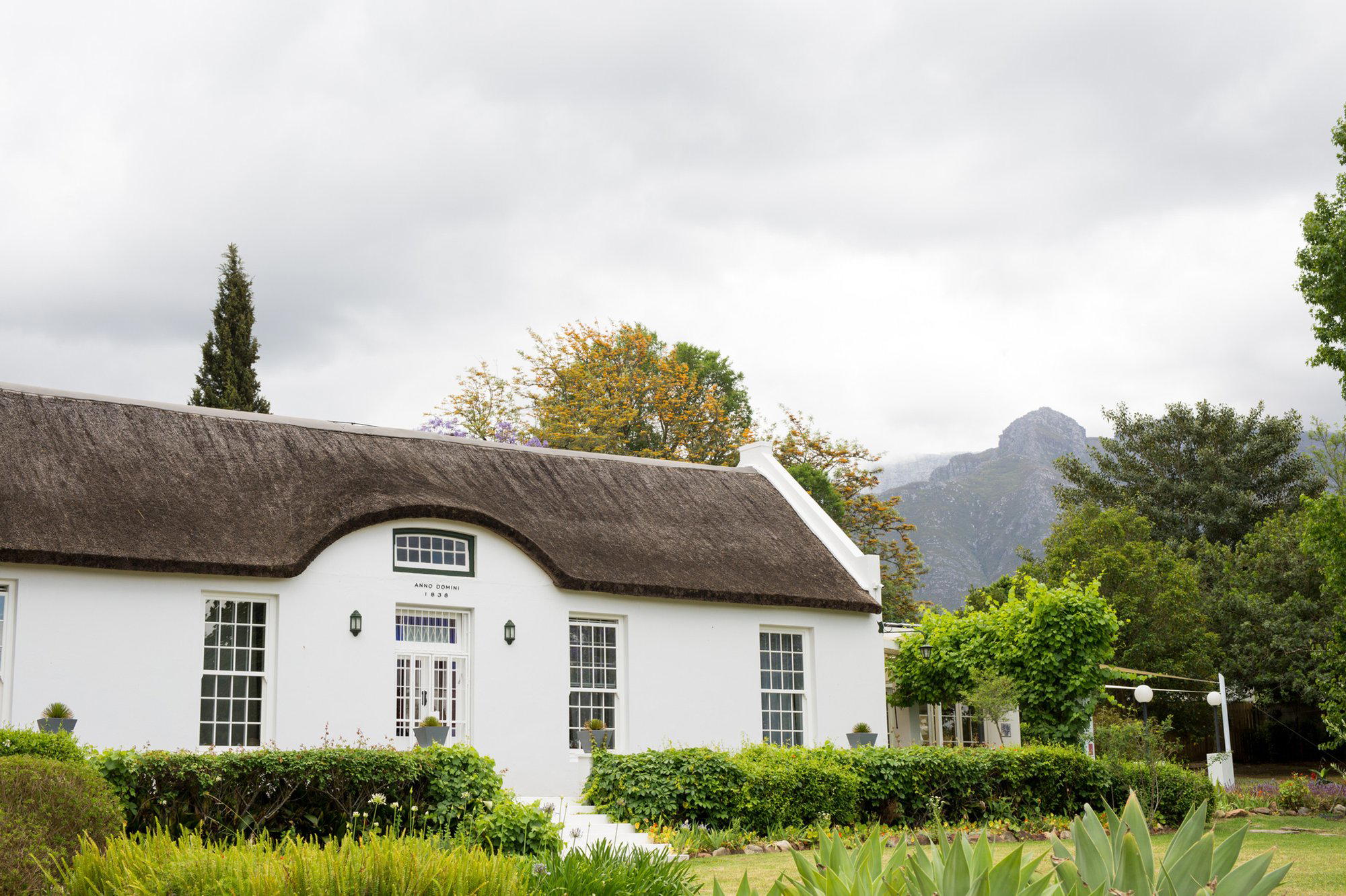
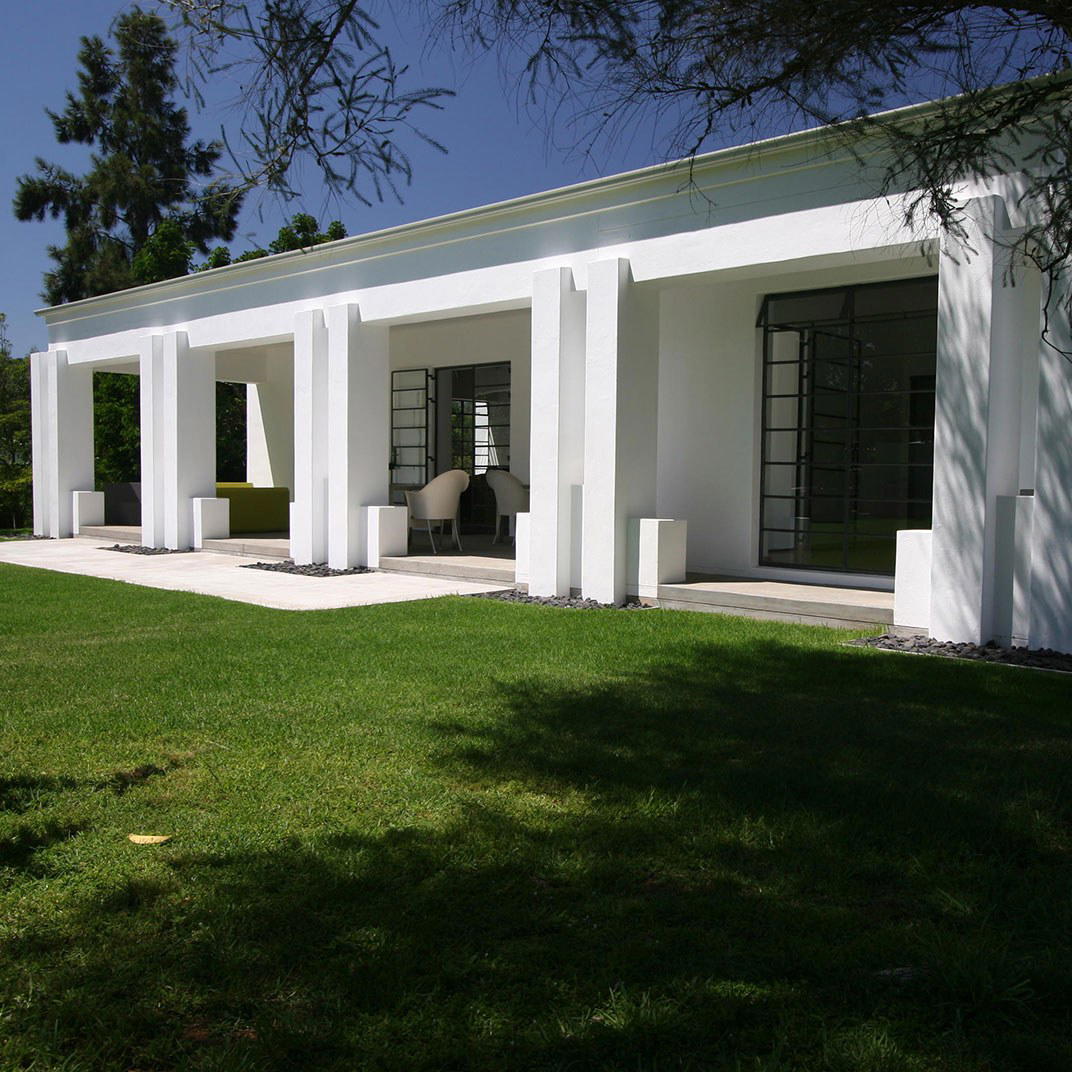
Elegant and historic with crisp white buildings, rose bushes, jacaranda trees, and dramatic vineyard views.