Van Loveren Family Vineyards
Van Loveren Family Vineyards sits along the R317 in Robertson, one of the Breede River Valley's most established wine-producing districts.. Visitors encounter a tasting format that reflects the valley's characteristically approachable, fruit-forward style alongside serious production credentials.

Pearl is the En Primeur Club membership app — saves, bookings, and concierge access live there. Same editors, same standards.
- Address
- R317, Robertson, 6707
- Phone
- +27(0) 23 615 1505
- Website
- vanloveren.co.za
- Directions
- Get directions
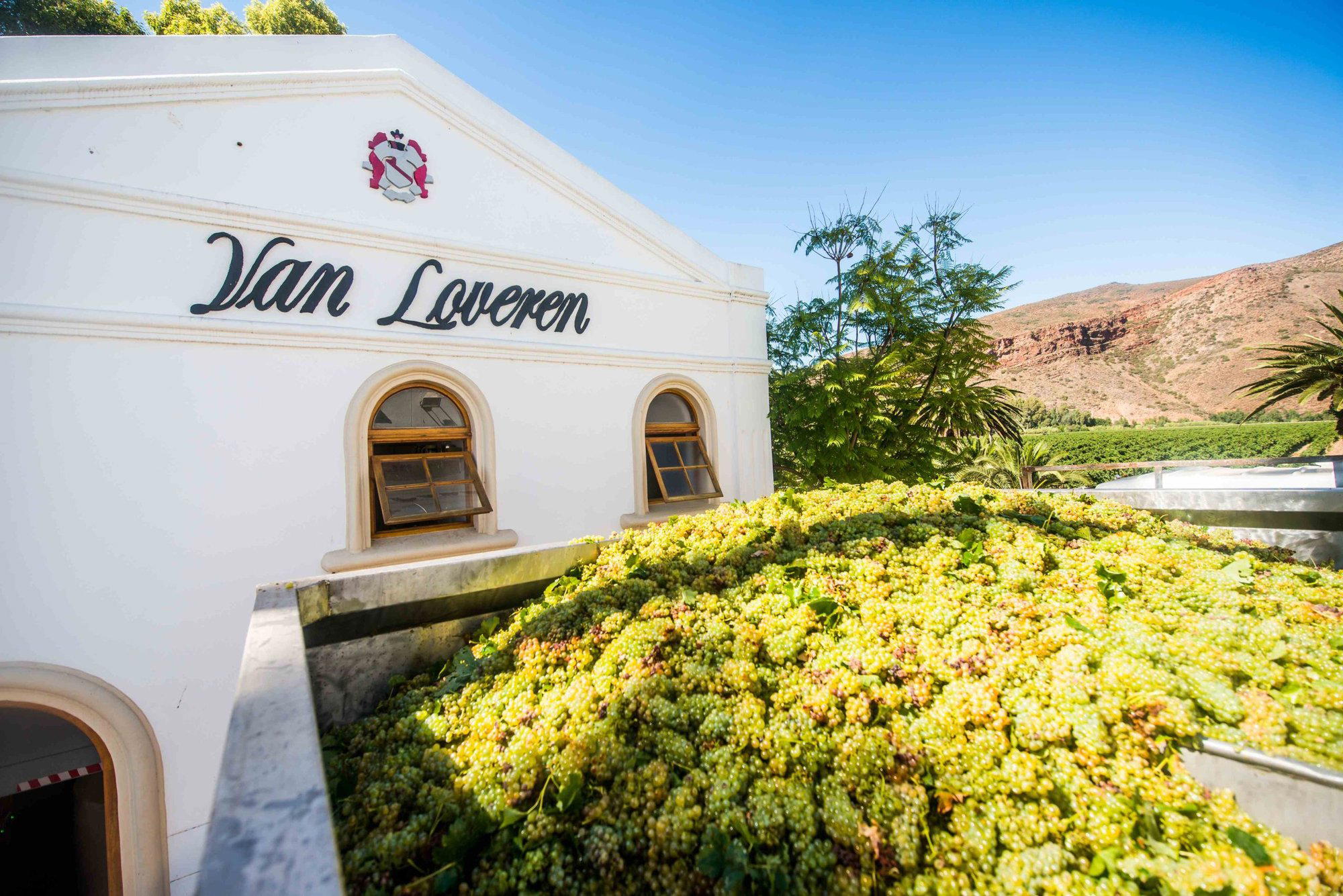
Robertson's Wine Character and Where Van Loveren Sits Within It
The Breede River Valley town of Robertson has built its wine identity on a combination of limestone-rich soils, high sunshine hours, and river-cooled nights that push producers toward expressive, fruit-forward whites and increasingly serious reds. The district sits roughly two hours east of Cape Town, far enough from the Winelands tourist circuit to feel grounded in actual farming culture rather than hospitality performance. Among the valley's estates, Van Loveren Family Vineyards operates along the R317 corridor, a road that connects several of Robertson's most established producers and functions as an informal tasting route through the district.
Robertson's wine scene has historically been associated with value-driven production at scale, but the district's better estates have spent decades complicating that story. De Wetshof Estate established Chardonnay credentials that compete with Western Cape benchmarks, while Graham Beck Wines built a cap classique reputation that extends well beyond regional boundaries.
The Tasting Experience on the R317
Arriving along the R317, the Robertson landscape reads as agricultural before it reads as scenic: vineyards run close to the road, the Langeberg mountains anchor the southern horizon, and the infrastructure of actual wine farming is visible rather than concealed. Estates in this part of the valley don't perform countryside drama the way properties in Franschhoek sometimes do; the setting is matter-of-fact, and the tasting experience tends to follow that register. At Van Loveren, the format positions visitors within a working estate context rather than a curated wine theatre.
This approach is characteristic of Robertson's stronger producers. Where estates at Babylonstoren in Franschhoek or Val de Vie Estate in Paarl lean into landscape spectacle and resort-adjacent hospitality, Robertson's version of premium tasting tends to be more direct. The focus shifts to what's in the glass and the staff knowledge behind it, rather than the architecture or the gardens. For visitors who have done the Stellenbosch circuit, the contrast is instructive: this is wine country that still smells like wine country.
Pearl assessments apply consistent criteria across South Africa's wine estates, which means the 2 Star Prestige tier reflects wine quality rather than hospitality infrastructure or marketing reach. That distinction matters when comparing estates: an award tied to production rather than experience tells a different story than a hospitality accolade.
Robertson in the Broader Western Cape Wine Map
Understanding Van Loveren's position requires some orientation to where Robertson sits relative to South Africa's other recognised wine districts. Stellenbosch commands the premium red wine narrative, Franschhoek the historic estate prestige, and Constantia the cool-climate white wine identity. Robertson operates in a different register, where the combination of alluvial soils and continental heat has historically favoured Colombard, Chardonnay, and Muscadel alongside Cabernet and Shiraz. The district produces volume, but its better estates have demonstrated that volume and quality are not mutually exclusive here.
Across the Cape Winelands more broadly, estates like Vergelegen Wine Estate in Somerset West and Neethlingshof Estate in Stellenbosch operate with higher international visibility and deeper cellar reputations. Creation Wines in Hermanus has built a food-and-wine pairing format that attracts dedicated visitors from Cape Town. Van Loveren's positioning is less about competing in those registers and more about anchoring the Robertson tasting route as a property with genuine production credentials and a 2025 Prestige award to substantiate them.
Robertson also supports producers beyond wine. Klipdrift Distillery has operated in the valley for decades and draws visitors interested in South Africa's brandy tradition, while Robertson Winery and Springfield Estate round out a tasting day with distinct production philosophies. The R317 corridor makes sequential visits practical, and Van Loveren functions logically as part of a half-day or full-day route rather than a standalone destination requiring dedicated travel.
Planning a Visit
Van Loveren sits at R317, Robertson, 6707. Robertson is accessible from Cape Town via the N1 and R60, with the drive running approximately two hours depending on traffic through Worcester. The town itself is compact, and the R317 estates are within easy reach of the Robertson town centre. Visitors combining Van Loveren with neighbouring estates like De Wetshof or Graham Beck should allow a full day; attempting more than three tastings in an afternoon reduces the value of each. The harvest season, running roughly February through April in Robertson's continental climate, brings the valley to life with production activity visible across the estates. Outside peak summer weekends, the tasting rooms along the R317 tend to be unhurried, which suits the format well. For broader context on visiting the area, the full Robertson restaurants and winery guide covers the district's dining and hospitality options alongside its wine estates.
Cuisine and Recognition
Comparable venues nearby, for context on price, style, and recognition.
| Venue | Cuisine | Price | Awards | Notes |
|---|---|---|---|---|
| Van Loveren Family VineyardsThis venue — the venue you are viewing | Sauvignon Blanc, Chardonnay | $10–20 | Not listed | Not listed |
| Robertson Winery | Chenin Blanc, Chardonnay | Not listed | Falstaff Winery - Listed | Robertson |
| Graham Beck Wines | Chardonnay, Pinot Noir | $20–30 | Falstaff Winery - Listed | Robertson |
| De Wetshof Estate | Chardonnay, Pinot Noir | $20–30 | Falstaff Winery - Listed | Robertson Wine Valley |
| Springfield Estate | Sauvignon Blanc, Chardonnay | Not listed | Falstaff Winery - Listed | Robertson Wine Valley |
Continue exploring
More in Robertson
Wineries in Robertson
Browse all →

Bars in Robertson
Browse all →
Restaurants in Robertson
Browse all →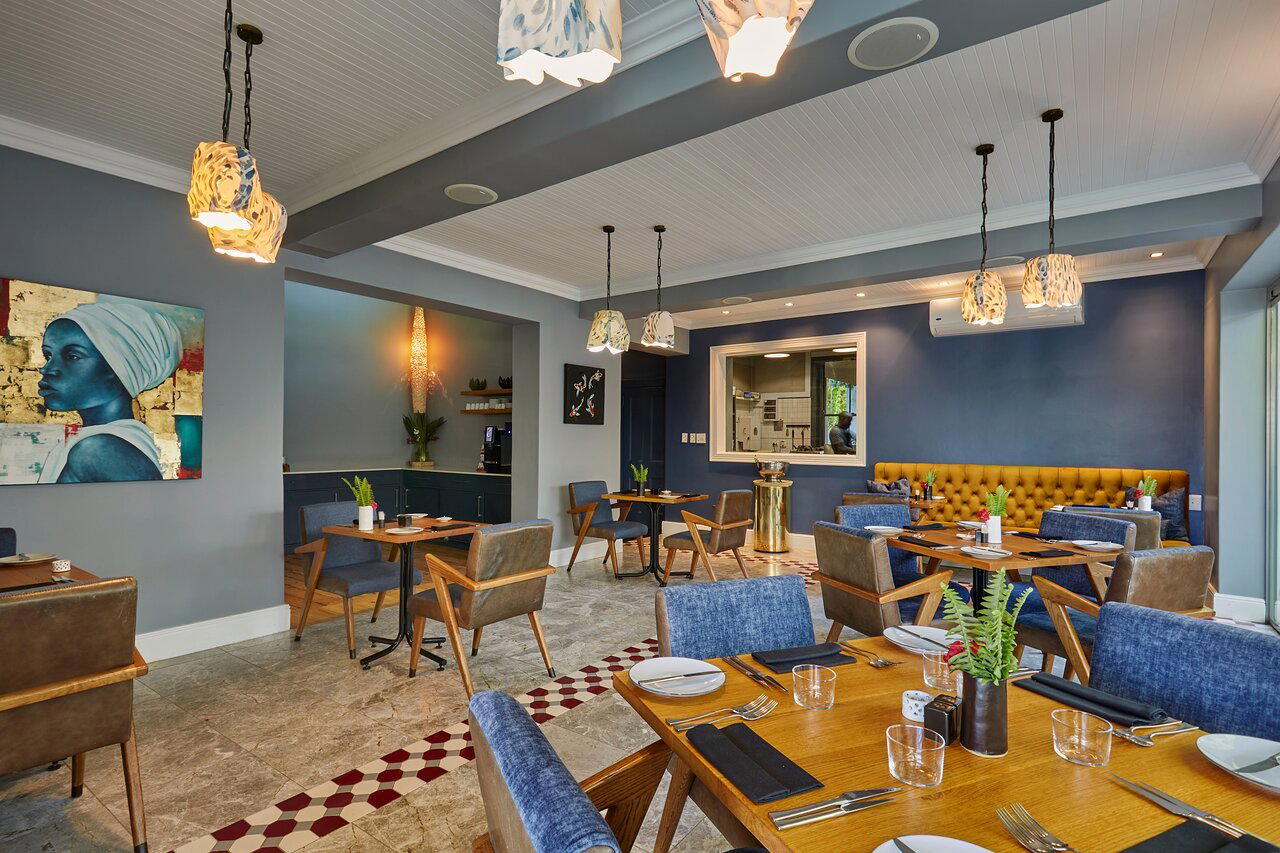
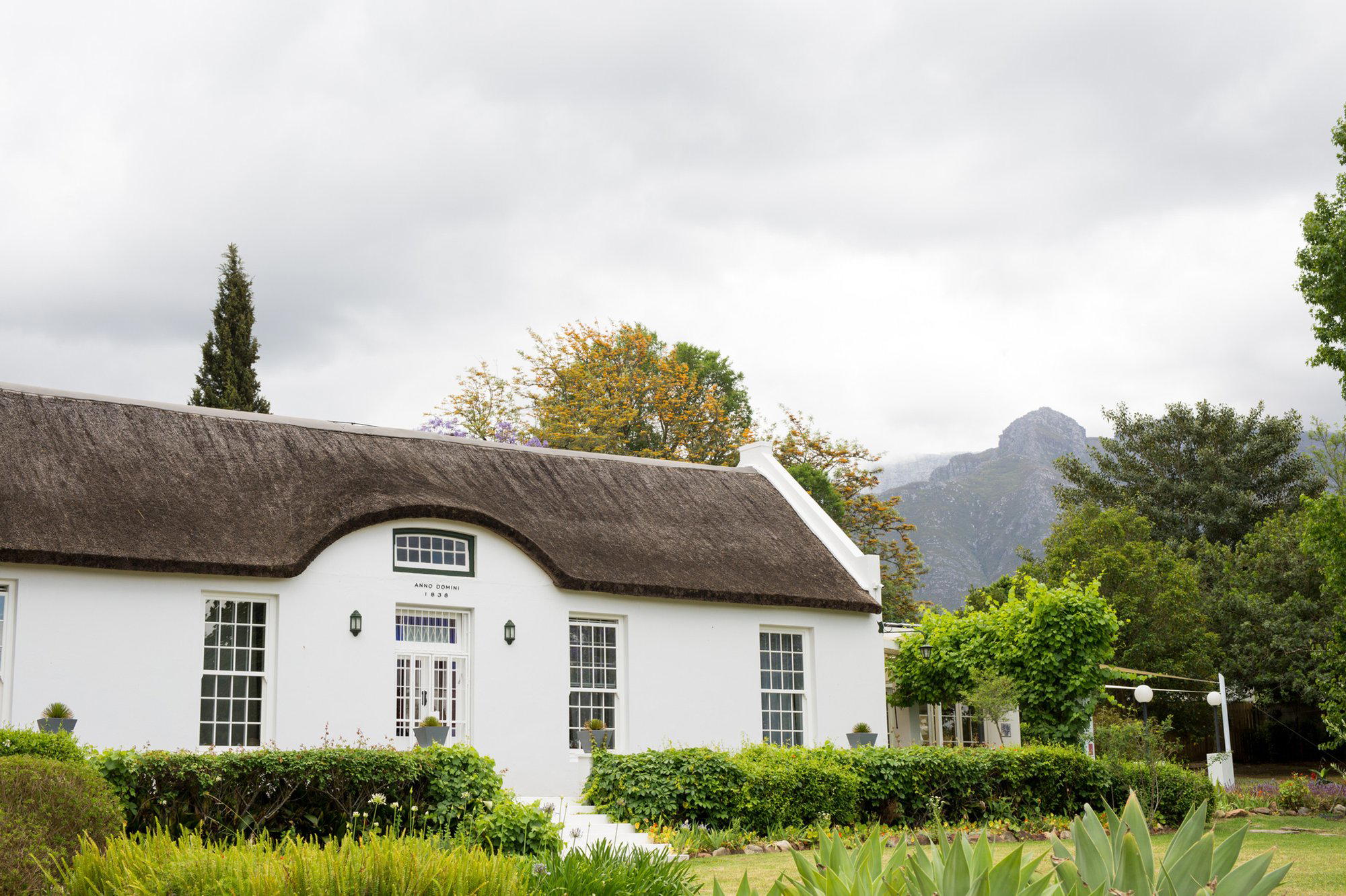
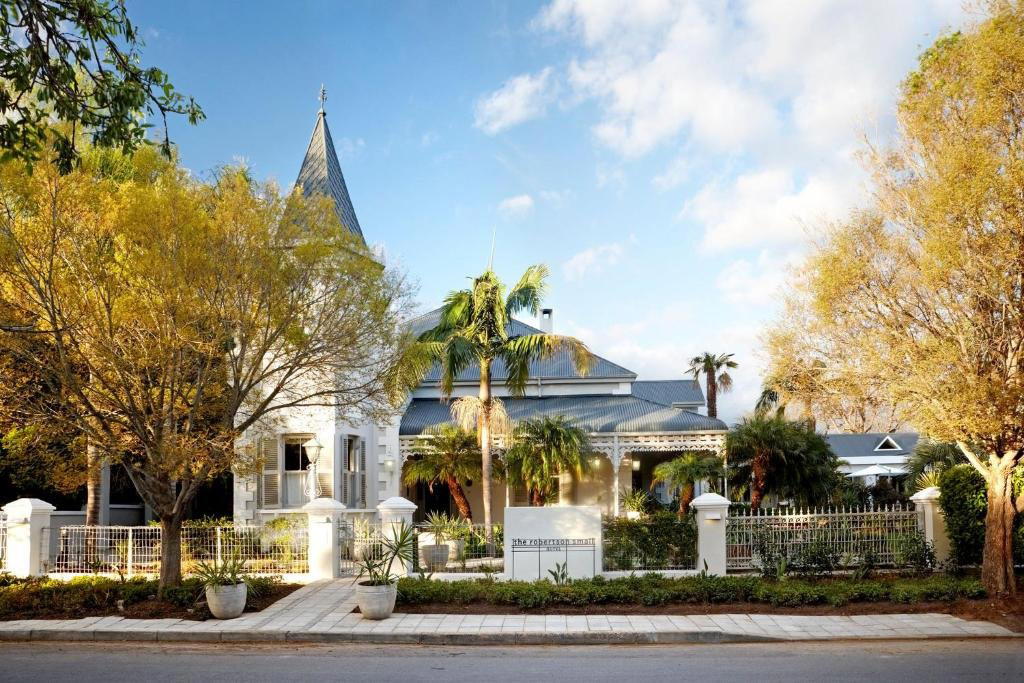
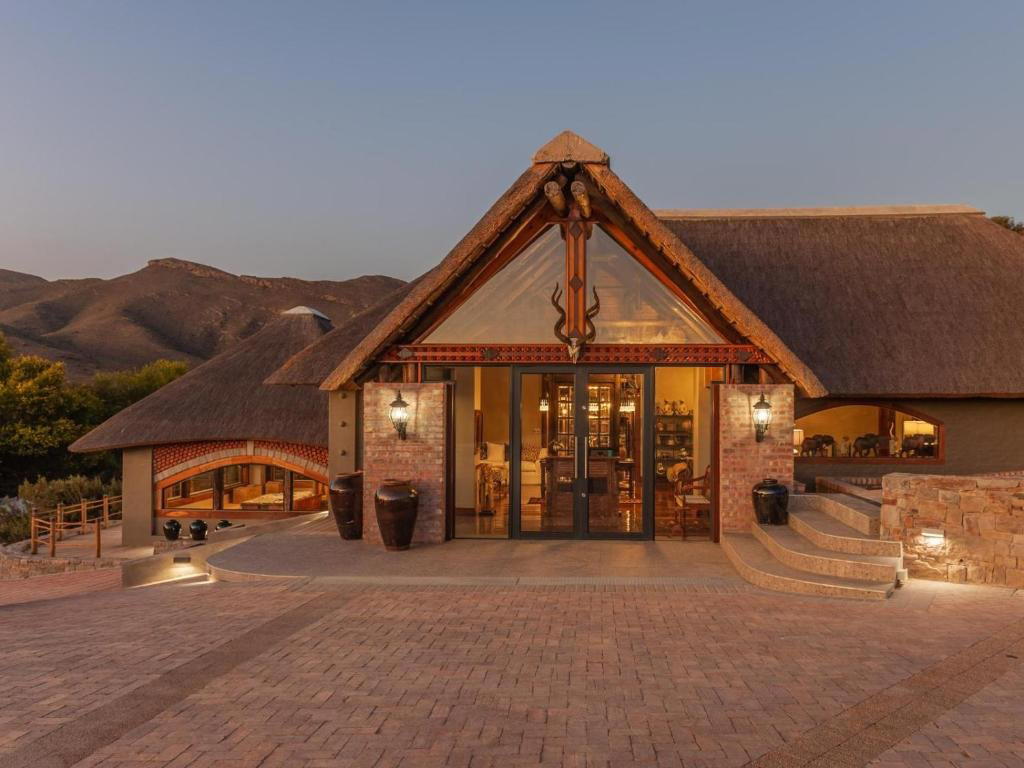
Details
- Rustic
- Scenic
- Family
- Group Outing
- Wine Education
- Vineyard Tour
- Garden
- Estate Grounds
- Sustainable
- Vineyard
- Garden
- Sauvignon Blanc
- Chardonnay
- Chenin Blanc
- Pinotage
- Cabernet Sauvignon
- Merlot
- Shiraz
- Pinot Noir
- Still Red
- Still White
- Still Rosé
- Sparkling
- Dessert
- Wine Tasting
- Master Tasting
- Food Pairing
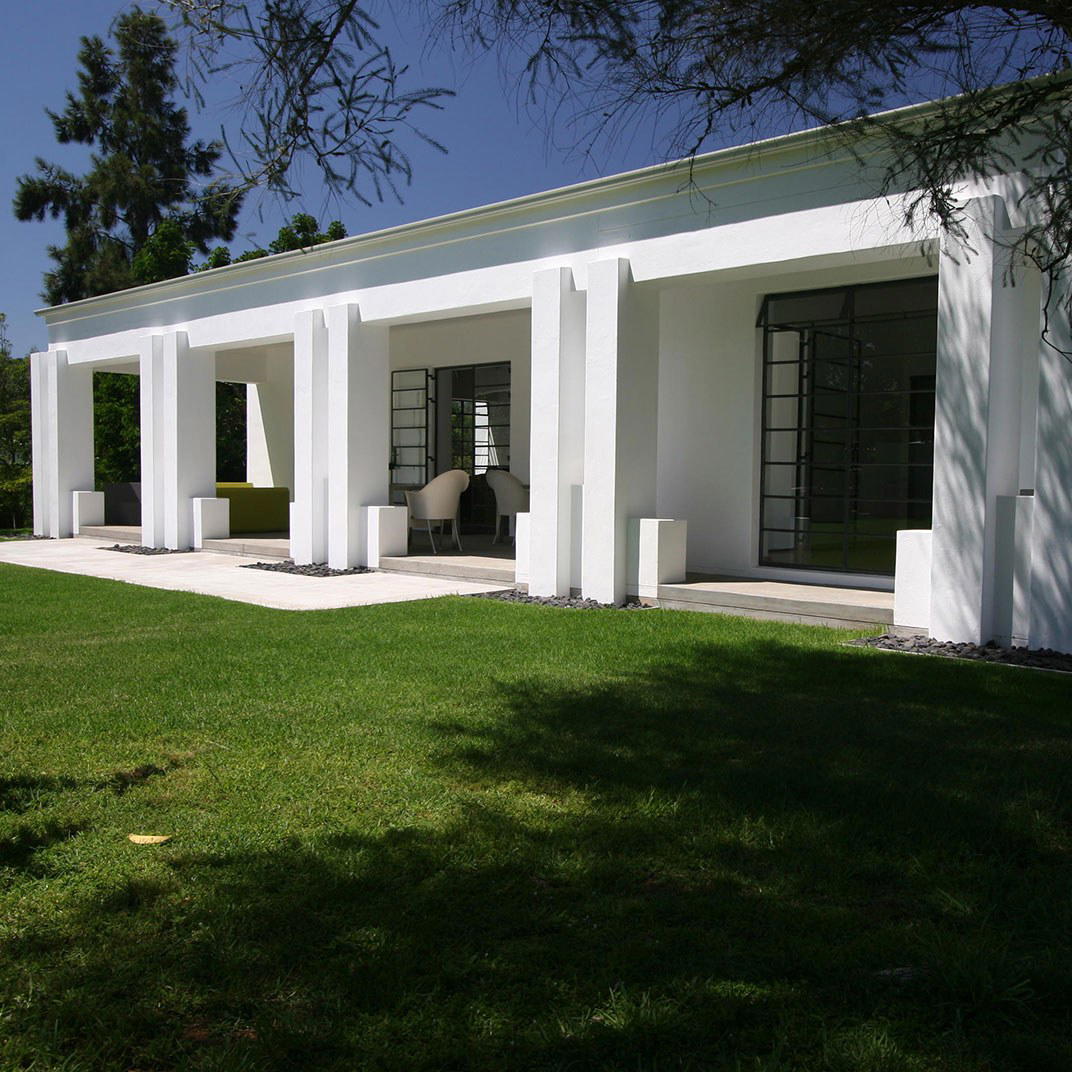
Charming outdoor garden seating under 300-year-old trees with lush flowering vegetation, offering a relaxed and picturesque family atmosphere.