Robertson Winery

Falstaff Winery - Listed
Sitting within easy reach of Robertson town's other notable estates, it represents the valley's cooperative winemaking heritage in a form that has drawn formal critical recognition.

Pearl is the En Primeur Club membership app — saves, bookings, and concierge access live there. Same editors, same standards.
- Address
- Robertson St, Robertson, 6705
- Phone
- +27 23 626 3059
- Website
- robertsonwinery.co.za
- Directions
- Get directions
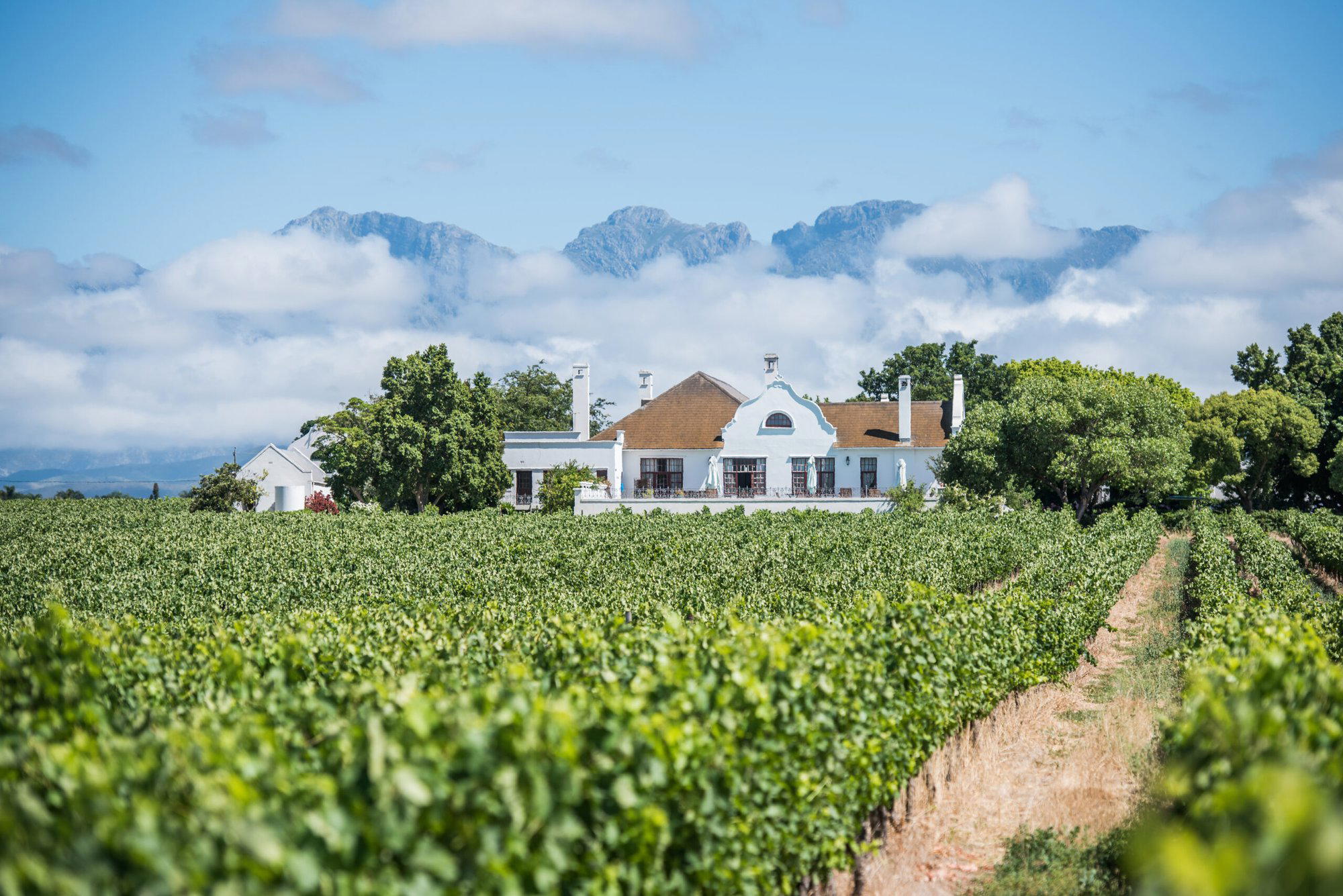
Robertson Valley: Limestone, Light, and the Estates That Define It
The Robertson Valley sits roughly two hours east of Cape Town, beyond the Hex River Mountains, where the Breede River runs through a wide, flat basin of white limestone soils and intense afternoon sun. This is not the Cape Winelands of tourist postcards — not the oak-lined avenues of Stellenbosch or the drama of the Franschhoek valley. Robertson is working wine country, a region that built its reputation on volume and value before its better producers began demonstrating that the terroir could support wines of real precision. The limestone here does what limestone does in Chablis or in parts of Burgundy: it holds water through summer heat, forces roots deep, and produces wines with a mineral tension that the region's warmth alone would not generate.
Robertson Winery, located on Robertson Street in the town itself, sits within that tradition. Within Robertson itself, that award places Robertson Winery in identifiable company: Graham Beck Wines has long anchored the region's premium reputation, particularly for Méthode Cap Classique sparkling wine, while De Wetshof Estate is internationally cited for Chardonnay from these limestone slopes. Robertson Winery operates in that same recognized tier, distinct from the larger-volume cooperatives that also call the valley home.
The Physical Setting: What the Valley Looks Like
Approaching Robertson from the west on the R60, the character of the landscape shifts noticeably from the mountain passes of the Winelands proper. The valley opens up, the road flattens, and the rows of vines stretch to the base of the Langeberg range to the south and the Rooiberg hills to the north. These are not vineyards pressed dramatically against hillsides. They are planted across broad alluvial floors and gentler slopes, which gives the region a different visual register than, say, the terraced farms above Franschhoek or the steep granite slopes around Constantia Glen in Cape Town.
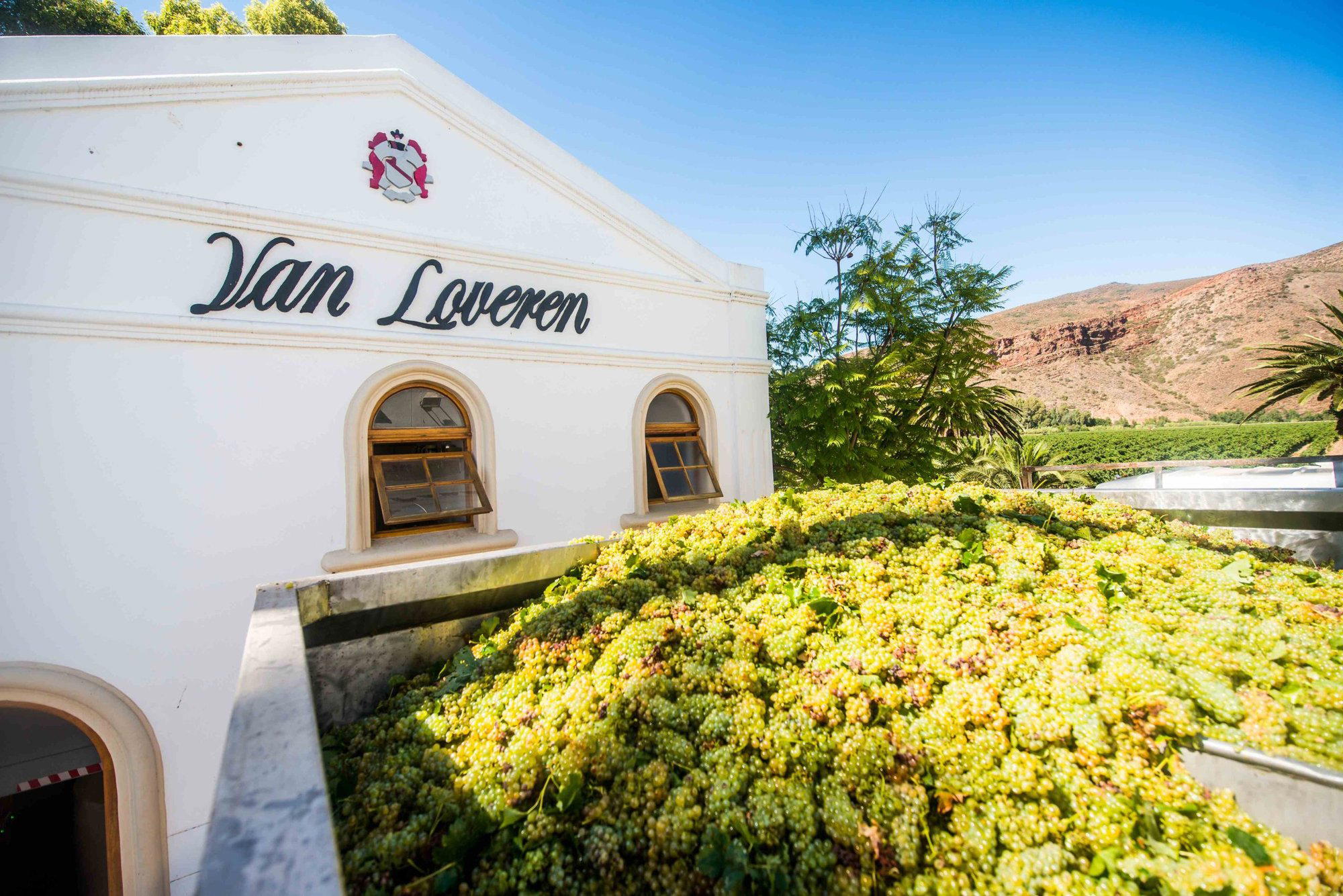
The Robertson town address puts the winery at the center of a compact wine route. Springfield Estate and Van Loveren Family Vineyards are close neighbors on the same route, and Klipdrift Distillery — one of South Africa's most recognized brandy producers, operates nearby, reflecting the valley's broader culture of fermented and distilled production beyond wine alone. For visitors building a day or a weekend around the Robertson route, the concentration of notable producers within a short drive is one of the valley's practical advantages over more spread-out wine regions.
Terroir as the Argument: Limestone, Heat, and What the Region Produces
Robertson's identity in South African wine has historically centered on white varieties, particularly Chardonnay and Colombard, though Shiraz and Cabernet Sauvignon have expanded the region's red wine profile over the past two decades. The limestone soils that dominate the valley floor are the structural argument for the region's whites: they produce natural acidity in a climate warm enough that acidity would otherwise be a concern. De Wetshof's decades of internationally recognized Chardonnay production is the clearest evidence of what the region can do with the variety at the leading end.
Robertson Winery's formal award places it in conversation with these estates, though the specific varietal strengths that earned the recognition are worth confirming directly when visiting or ordering.
Robertson in the Wider Cape Wine Picture
Robertson sits further from the Cape Town wine tourism circuit than the established Winelands towns. That distance has consequences for visitor patterns: the region draws fewer day-trippers from the city, fewer international wine tourists making short Cape Town extensions, and more dedicated wine travelers who have come specifically for the valley's character. The result is a wine route that feels less developed for hospitality theater and more oriented toward the wines themselves, which some visitors prefer.
The contrast with more tourism-dense destinations is instructive. Babylonstoren in Franschhoek and Val de Vie Estate in Paarl have built substantial hospitality programs around their wine production, attracting visitors as much for the estate experience as for the bottles. Robertson's estates, including Robertson Winery, operate in a more production-focused register.
For South African wine enthusiasts looking further afield, the range of recognized producers across the country offers useful comparisons: Creation Wines in Hermanus operates in the cooler Walker Bay region, offering a contrast to Robertson's warmer, limestone-driven style, while Oude Molen Distillery in Grabouw represents the Cape's strong distilling tradition alongside its wine culture.
Planning a Visit to Robertson Winery
Robertson town is accessible via the R60 from Worcester or the N1 from Cape Town, with the drive from the city running approximately two hours depending on traffic through the Hex River Pass. The winery's address on Robertson Street places it in the town itself, making it a logical anchor for a broader valley itinerary that might include Springfield, Van Loveren, Graham Beck, and De Wetshof across a full day. Visitors should confirm current tasting hours directly with the winery, as operational schedules in smaller South African wine regions can vary by season. For a broader picture of what the Robertson area offers across wineries and dining, see our full Robertson restaurants guide.
Within that frame, Robertson Winery sits at a meaningful point in the valley's quality hierarchy, drawing from the same limestone terroir and warm-climate viticulture that has made the region one of South Africa's most productive and increasingly respected wine districts.
The Minimal Set
Comparable venues nearby, for context on price, style, and recognition.
| Venue | Cuisine | Price | Awards | Notes |
|---|---|---|---|---|
| Robertson WineryThis venue — the venue you are viewing | Robertson, Chenin Blanc, Chardonnay | Not listed | Falstaff Winery - Listed | Not listed |
| Springfield Estate | Not listed | Not listed | Falstaff Winery - Listed | Robertson Wine Valley, Sauvignon Blanc, Chardonnay |
| De Wetshof Estate | Not listed | $20–30 | Falstaff Winery - Listed | Robertson Wine Valley, Chardonnay, Pinot Noir |
| Graham Beck Wines | Robertson, Chardonnay, Pinot Noir | $20–30 | Falstaff Winery - Listed | Not listed |
| Van Loveren Family Vineyards | Robertson, Sauvignon Blanc, Chardonnay | $10–20 | Not listed | Not listed |
Recognition history
Dated appearances from independent guides and award organizations, with the underlying list record or original source where available.
Falstaff Winery - Listed
Falstaff
Continue exploring
More in Robertson
Wineries in Robertson
Browse all →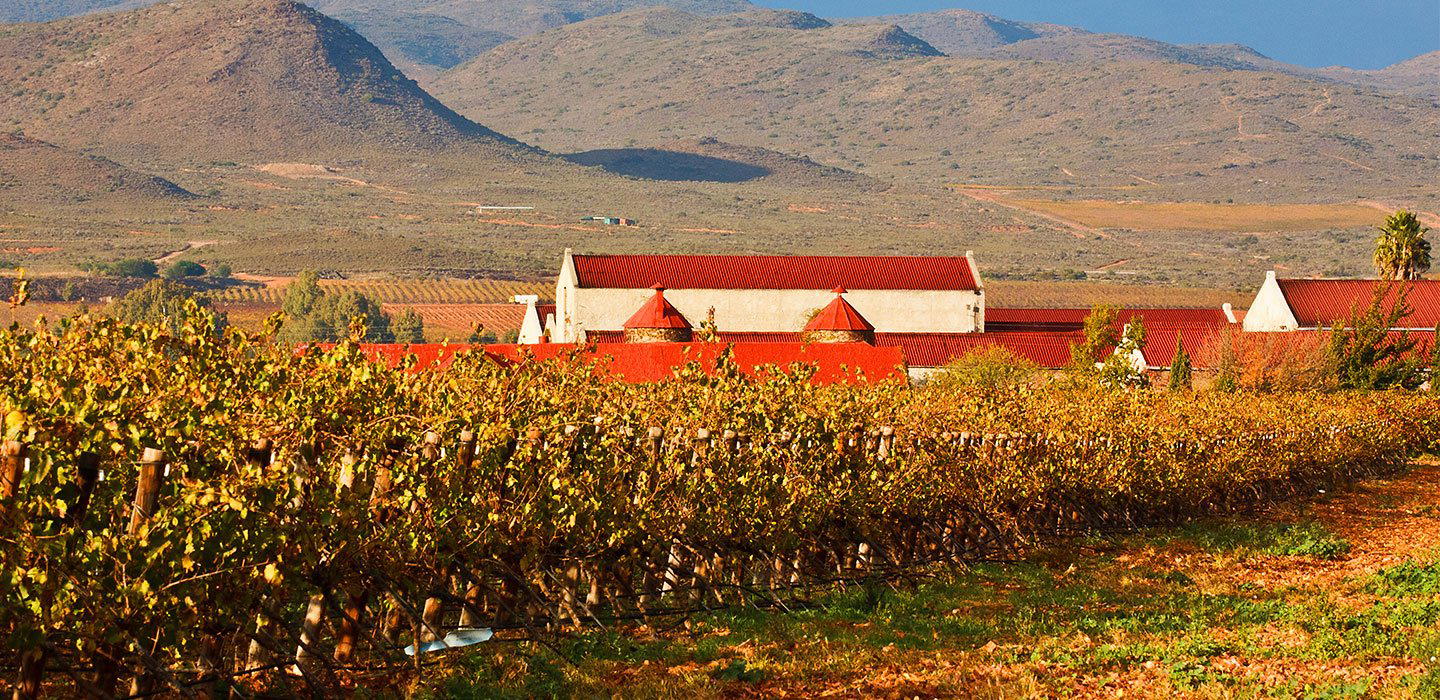
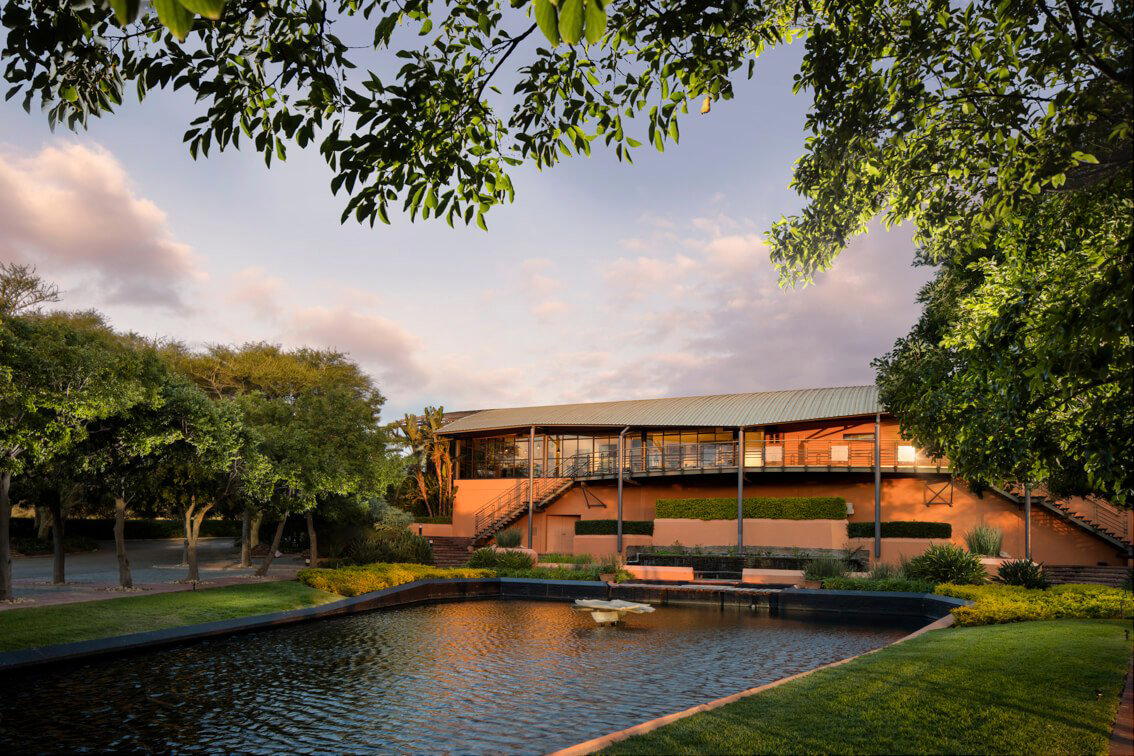
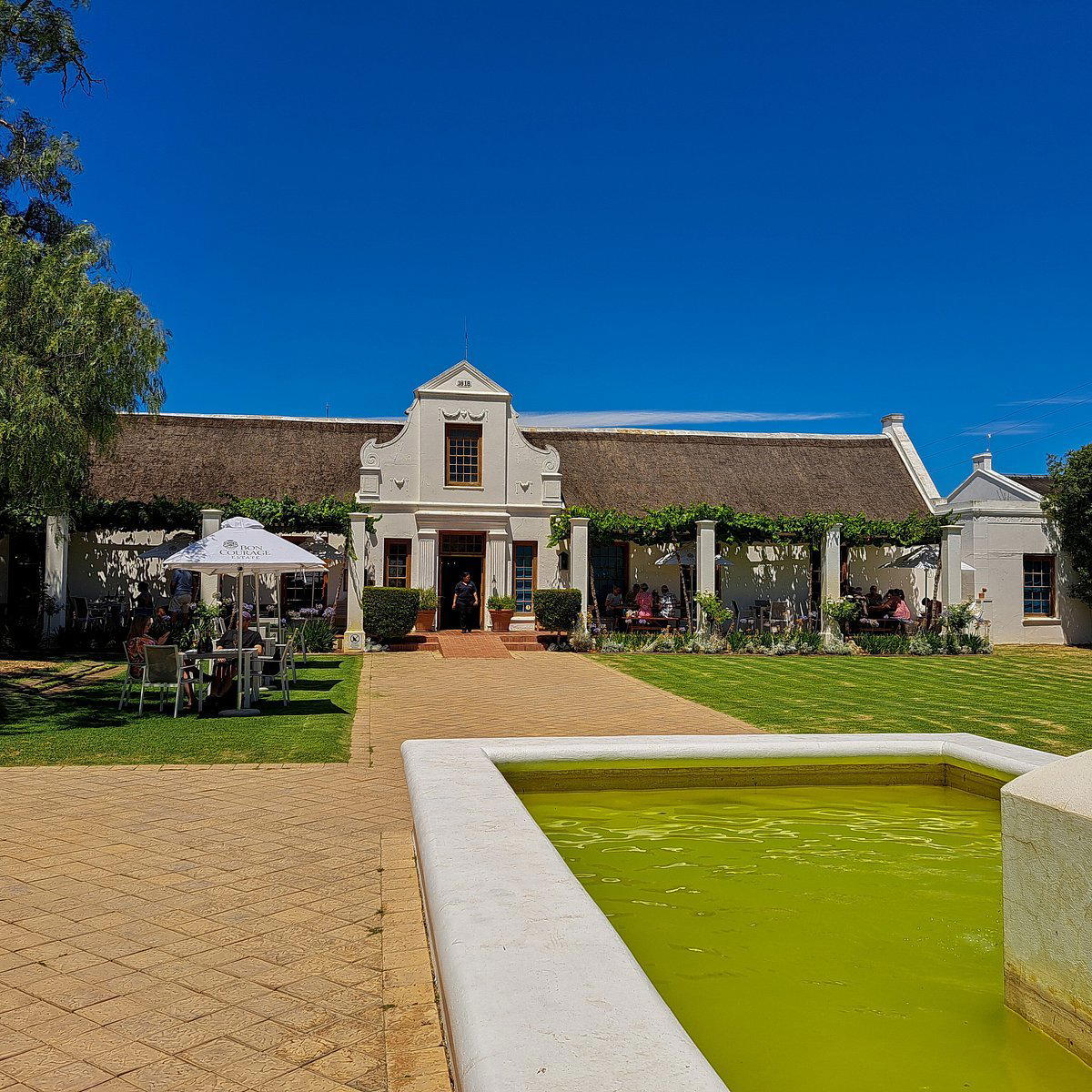

Bars in Robertson
Browse all →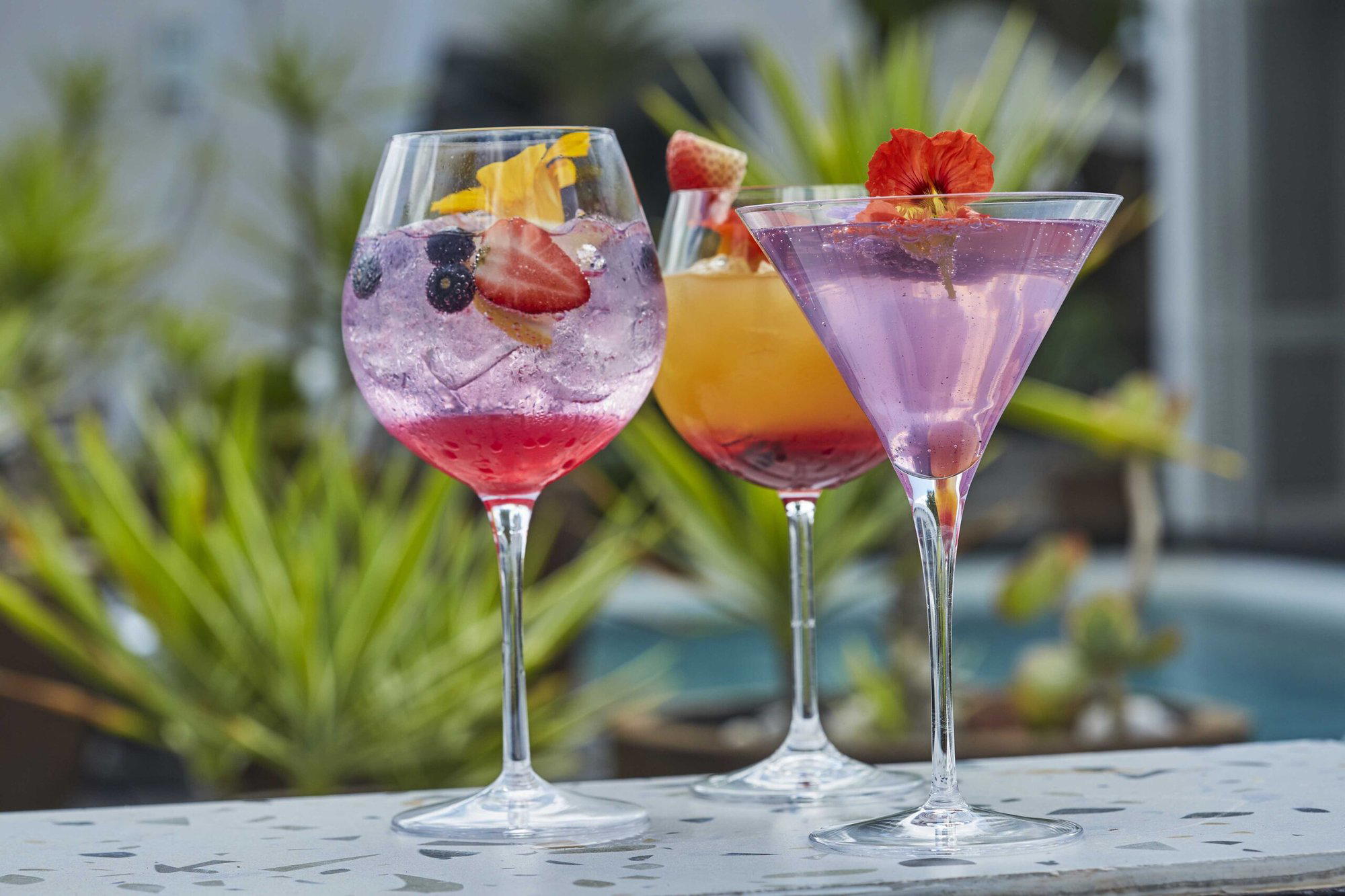
Restaurants in Robertson
Browse all →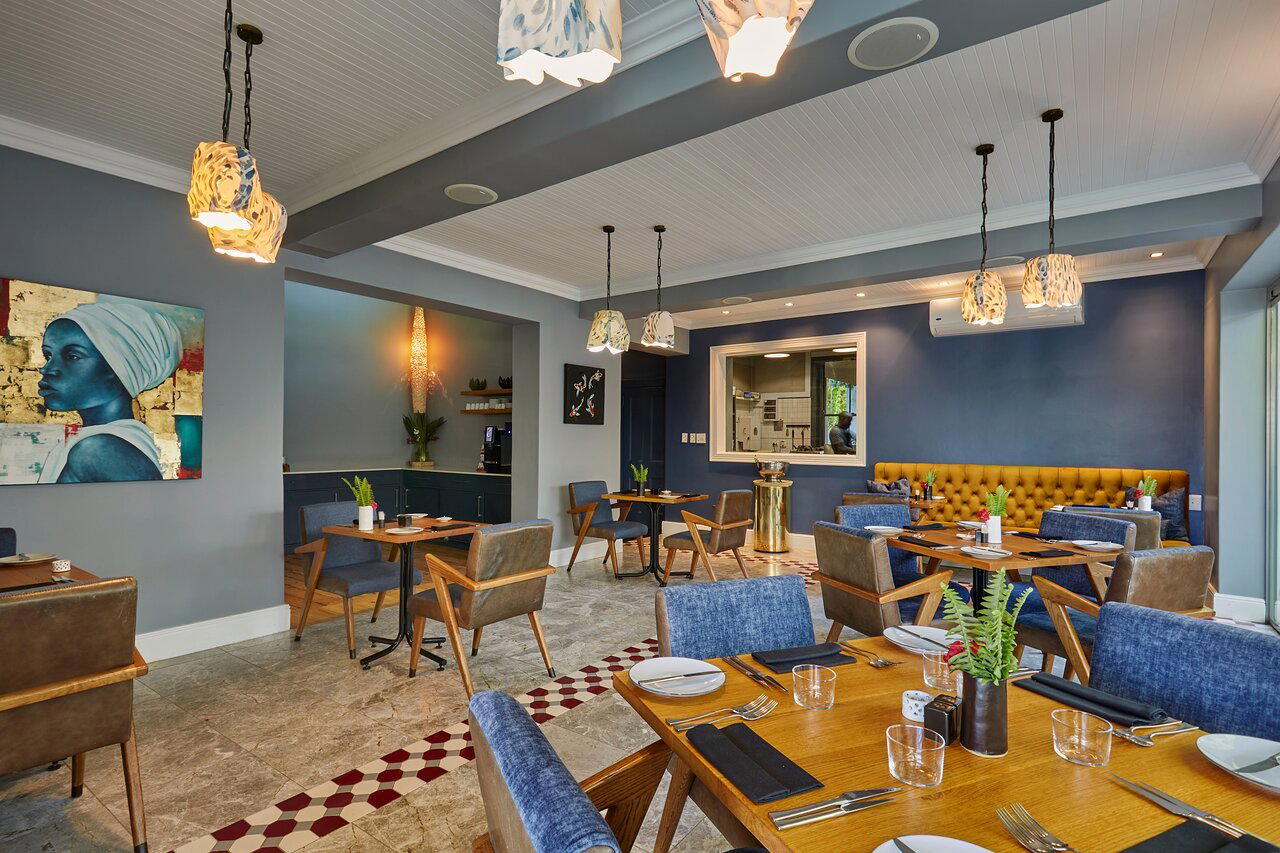
Hotels in Robertson
Browse all →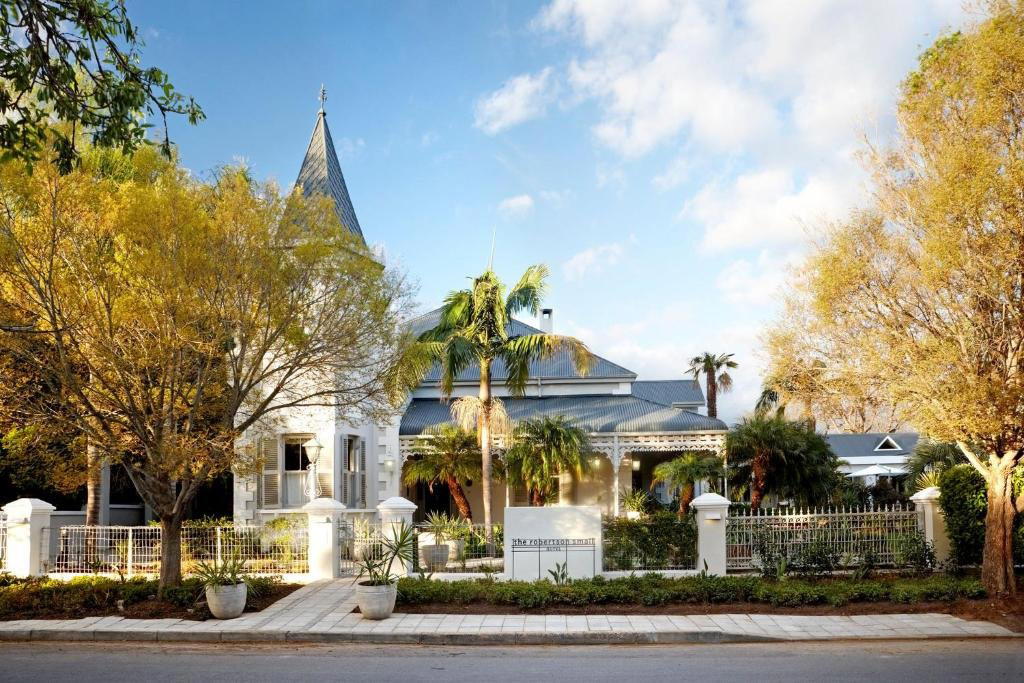
Details
- Classic
- Rustic
- Scenic
- Wine Education
- Group Outing
- Vineyard Tour
- Estate Grounds
- Vineyard
- Mountain
- Garden
- Chenin Blanc
- Chardonnay
- Pinotage
- Cabernet Sauvignon
- Shiraz
- Merlot
- Sauvignon Blanc
- Still Red
- Still White
- Sparkling
- Formal Tasting
Relaxed and scenic with dramatic views of vineyards, Langeberg Mountains, and Breede River in a historic setting.