

Kechris Winery in Kalochori, Macedonia, holds a Pearl 2 Star Prestige rating (2025), placing it in a select tier among northern Greek producers. Situated near the Thessaloniki plain, the winery draws on the region's distinct terroir to shape its portfolio. It is a reference point for understanding how Macedonia's soils and climate translate into bottle.
Pearl is the En Primeur Club membership app — saves, bookings, and concierge access live there. Same editors, same standards.
- Address
- Olimpou, Delta 570 09
- Phone
- +30 231 075 1283
- Website
- kechri.gr
 Saves & bookings on Pearl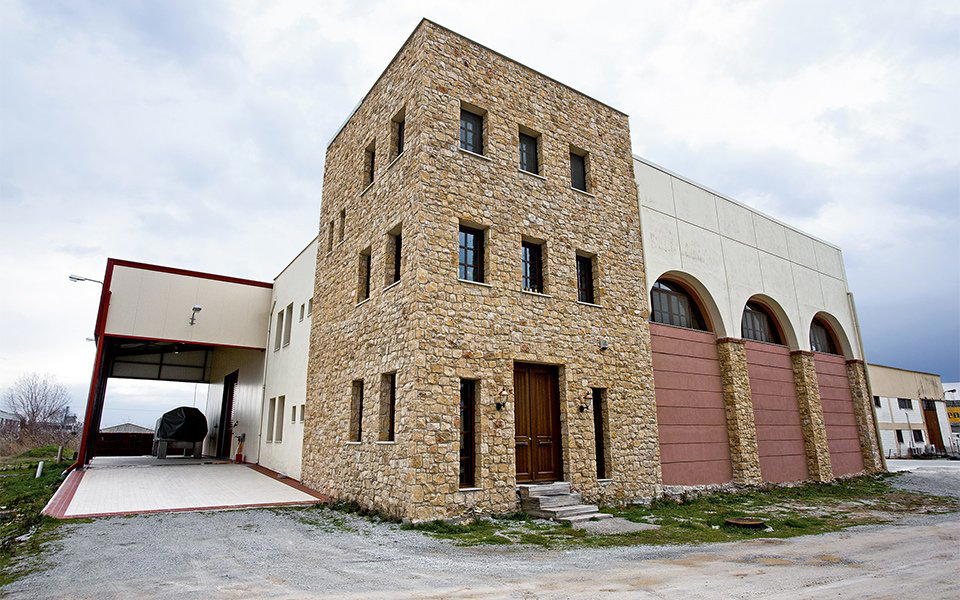
Northern Macedonia's Wine Country and Where Kechris Fits
The flatlands and low hills surrounding Kalochori, just west of Thessaloniki, do not carry the same international name recognition as Naoussa or Santorini, but they function as a serious production zone for anyone tracking Greek wine beyond its most marketed appellations. Northern Macedonia sits at a latitude that produces longer growing seasons than the Aegean islands, with continental temperature swings that concentrate character in ways the island zones cannot replicate. Kechris Winery, based at Olimpou in Delta, is a winery in northern Greece with a 2025 Pearl 2 Star Prestige rating.
That rating matters as a reference point. Greece's wine scene has been reorganizing around a smaller set of producers who take terroir expression seriously, and the Pearl 2 Star designation signals that Kechris operates within that cohort. For context across the country's producing regions, Abraam's Vineyards in Komninades, Akrathos Newlands Winery in Panagia, and Artisans Vignerons de Naoussa in Stenimachos represent a similar tier of regional specificity, each rooted in distinct soil profiles and microclimates.
What the Terroir Around Kalochori Actually Produces
The Delta municipality, where Kechris sits, borders the Axios River delta and the broader Thermaic Gulf basin. Soils here lean toward alluvial composition, carrying minerals deposited by river systems that have been reshaping the plain for millennia. This is meaningfully different from the volcanic rock that defines Artemis Karamolegos Winery in Santorini or the high-altitude schist of Amyntaio, where Alpha Estate in Amyntaio works with Xinomavro at elevation. The terroir around Kalochori is quieter in its expression, but producers who understand it work with that restraint rather than against it.
Northern Greek summers are hot and dry, with winters cold enough to force genuine dormancy in the vine. That diurnal range, the gap between daytime heat and nighttime cool during the ripening window, helps preserve acidity and aromatic complexity in the grapes.
The Winery in Its Regional comparable set
Greek wine's commercial map has historically concentrated visibility on the Peloponnese, Santorini, and Crete, with northern Macedonia receiving attention primarily through Naoussa's Xinomavro and the broader PDO framework. That hierarchy has been shifting. Producers across Macedonia and Thrace have been building recognition outside the established appellations, using indigenous varieties and site-specific practices to carve out credible positions in the export market. Anatolikos Vineyards in Xanthi and Avantis Estate in Chalkida are among the producers making that case in different parts of the country.
Within the immediate Thessaloniki catchment, Kechris operates as one of the more formally recognized names. The winery's address on Olimpou in Delta places it in a part of Macedonia where the agricultural character of the land is still dominant. For visitors comparing it to larger heritage operations, Achaia Clauss in Patras represents a different tradition entirely, a nineteenth-century Peloponnesian producer whose scale and history make it a reference for Greek wine tourism broadly rather than a direct peer for Kechris's terroir-driven position. Acra Winery in Nemea and Aiolos Winery in Palaio Faliro complete a picture of how geographically dispersed Greece's quality production tier has become.
Planning a Visit to Kechris
Kalochori sits approximately fifteen kilometres west of central Thessaloniki, which makes Kechris accessible as a day visit from Greece's second city without requiring overnight arrangements. Thessaloniki itself is a strong base for anyone exploring northern Greek wine country, with direct flights from major European hubs and a well-developed food and hospitality scene of its own. The winery's address at Olimpou, Delta 570 09 is the working navigation reference; visits are by appointment only.
The timing question for northern Macedonia winery visits has a clear answer: the harvest window in September and October gives the most direct access to the winemaking process, while late spring, from May through early June, offers the landscape at its greenest before summer heat sets in. If the broader Greek wine circuit is the goal, pairing a Kechris visit with time elsewhere in northern Greece builds a practical itinerary. For those extending internationally, Aberlour in Aberlour and Accendo Cellars in St. Helena show how single-region focus translates across very different wine cultures.
Why the 2025 Rating Carries Weight
A Pearl 2 Star Prestige designation in 2025 places Kechris within a recognized cohort of Greek producers. Greece's wine industry has moved through a significant professionalization phase over the past two decades, with younger producers and some established houses investing in both vineyard management and cellar technology. The rating system's two-star tier, sitting above the baseline Pearl level, indicates a margin of distinction that the assessors found consistent enough to acknowledge. It is the kind of signal that justifies treating Kechris as a reference producer for the Kalochori and Delta area rather than an undifferentiated regional name.
Side-by-Side Snapshot
Comparable venues nearby, for context on price, style, and recognition.
| Venue | Cuisine | Price | Notes |
|---|---|---|---|
| Kechris WineryThis venue — the venue you are viewing | Assyrtiko, Roditis | $$$ | |
| Filippou Distillery | Winery | , | Lesvos |
| Helion Distillery | Winery | , | Athens |
| Malamatina Winery | Savatiano, Roditis | $$ | Kalochori |
| Fos Distillery | Winery | , | Volos |
| Varsamis Distillery | Winery | , | Tinos |
Continue exploring
More in Kalochori
Wineries in Kalochori
Browse all →


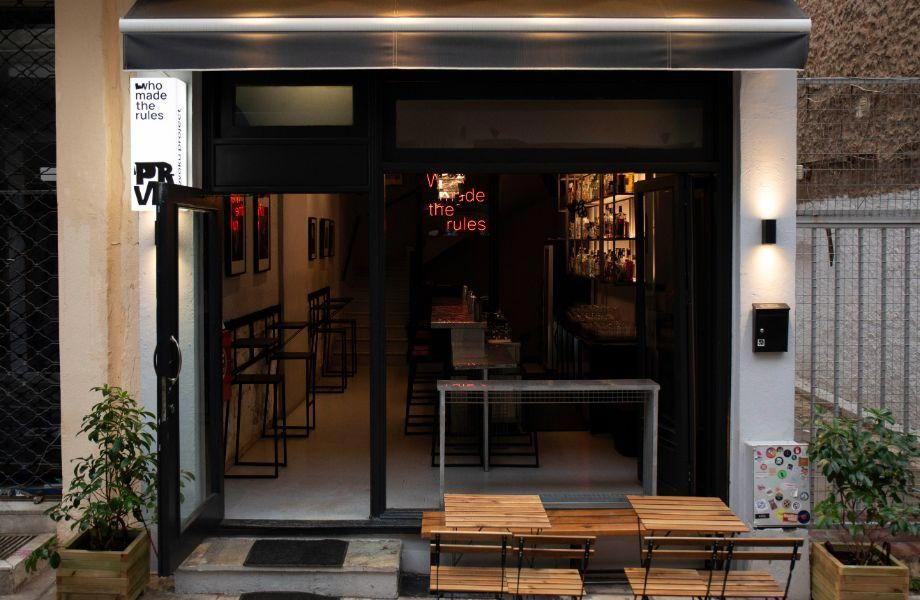
Bars in Kalochori
Browse all →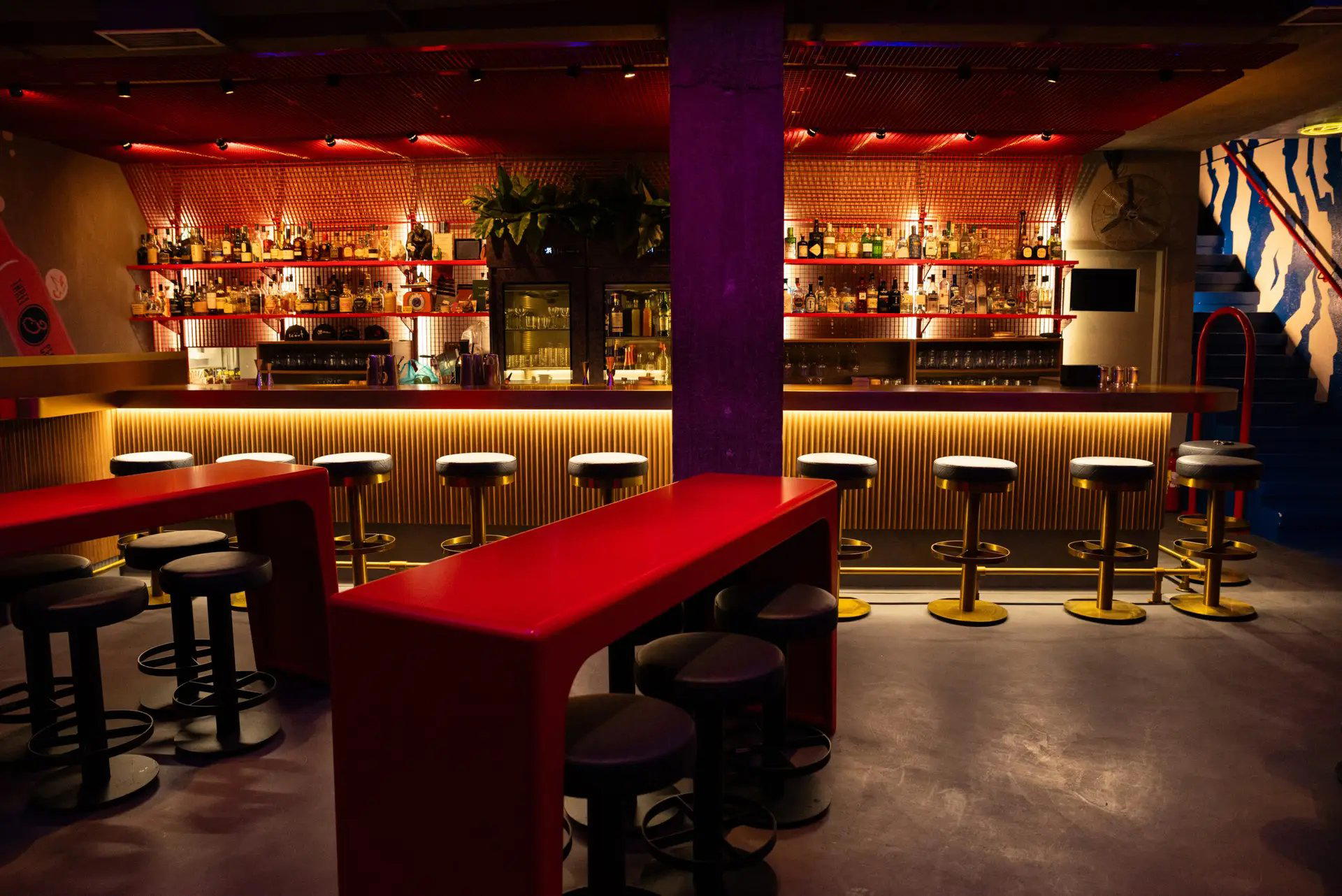
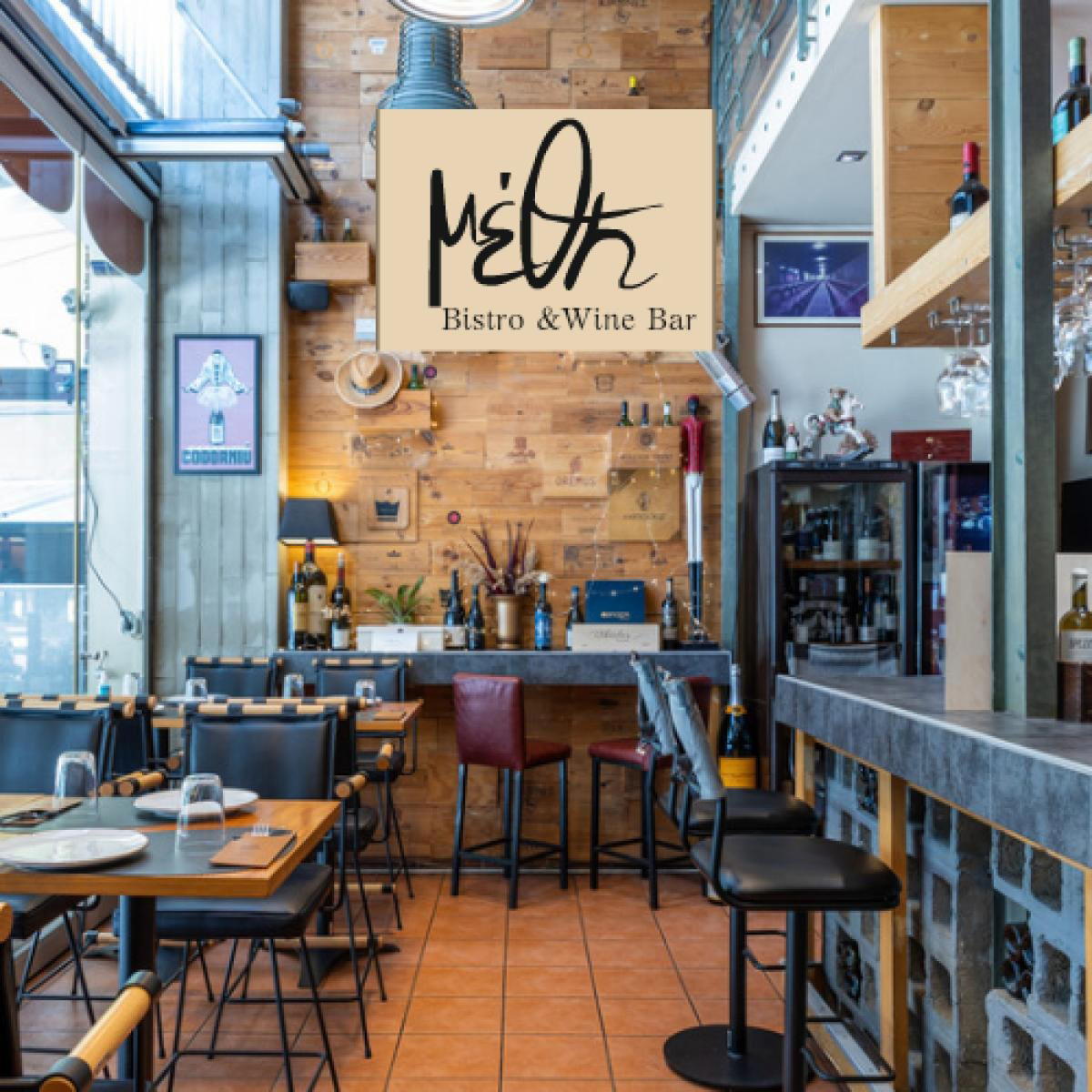
Restaurants in Kalochori
Browse all →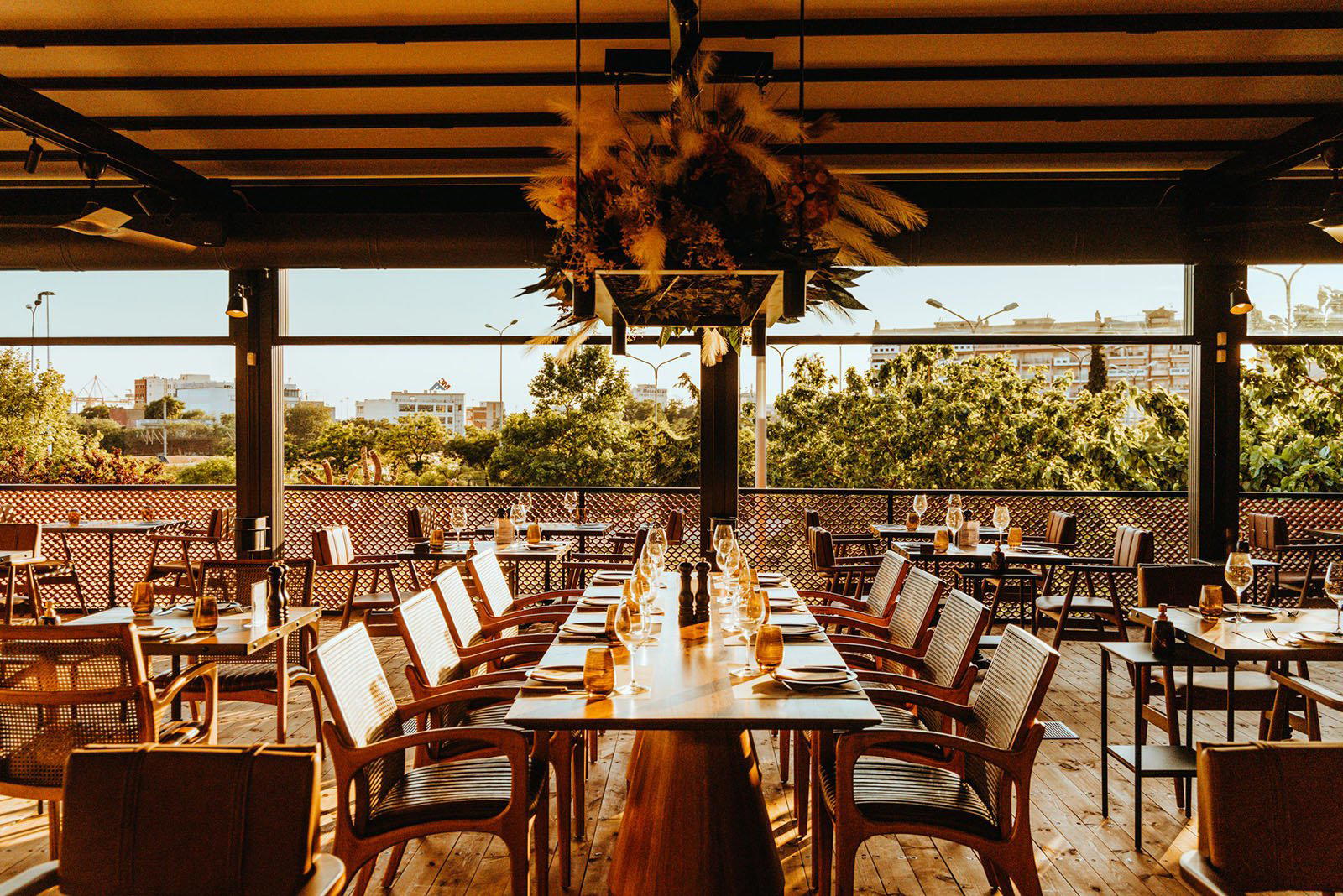
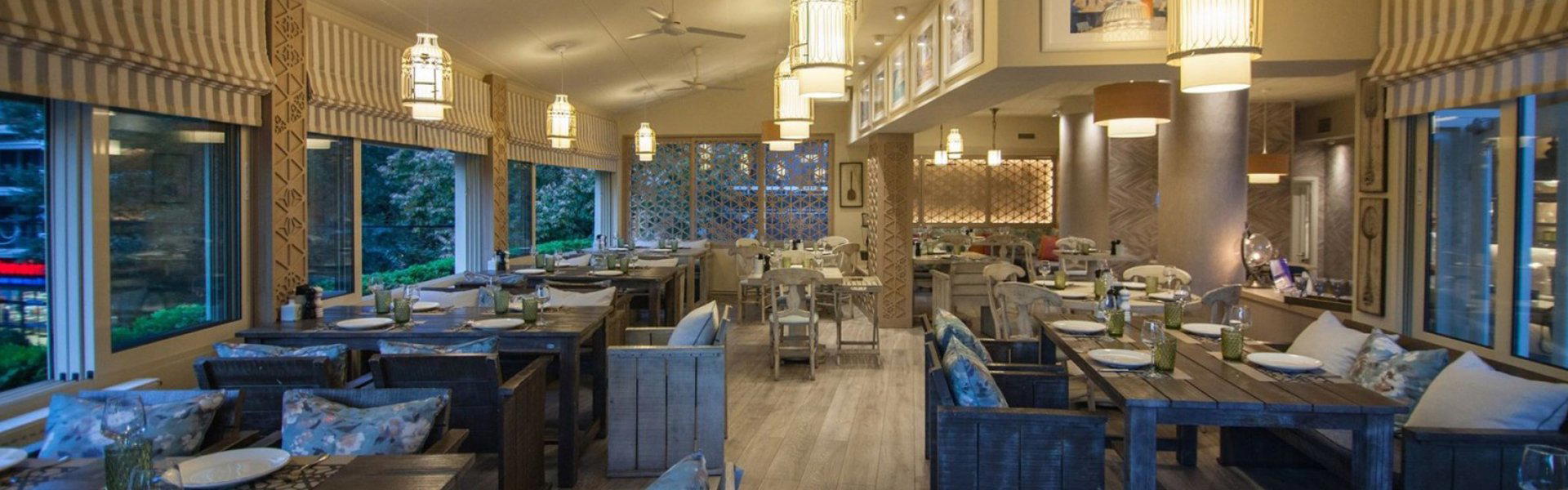
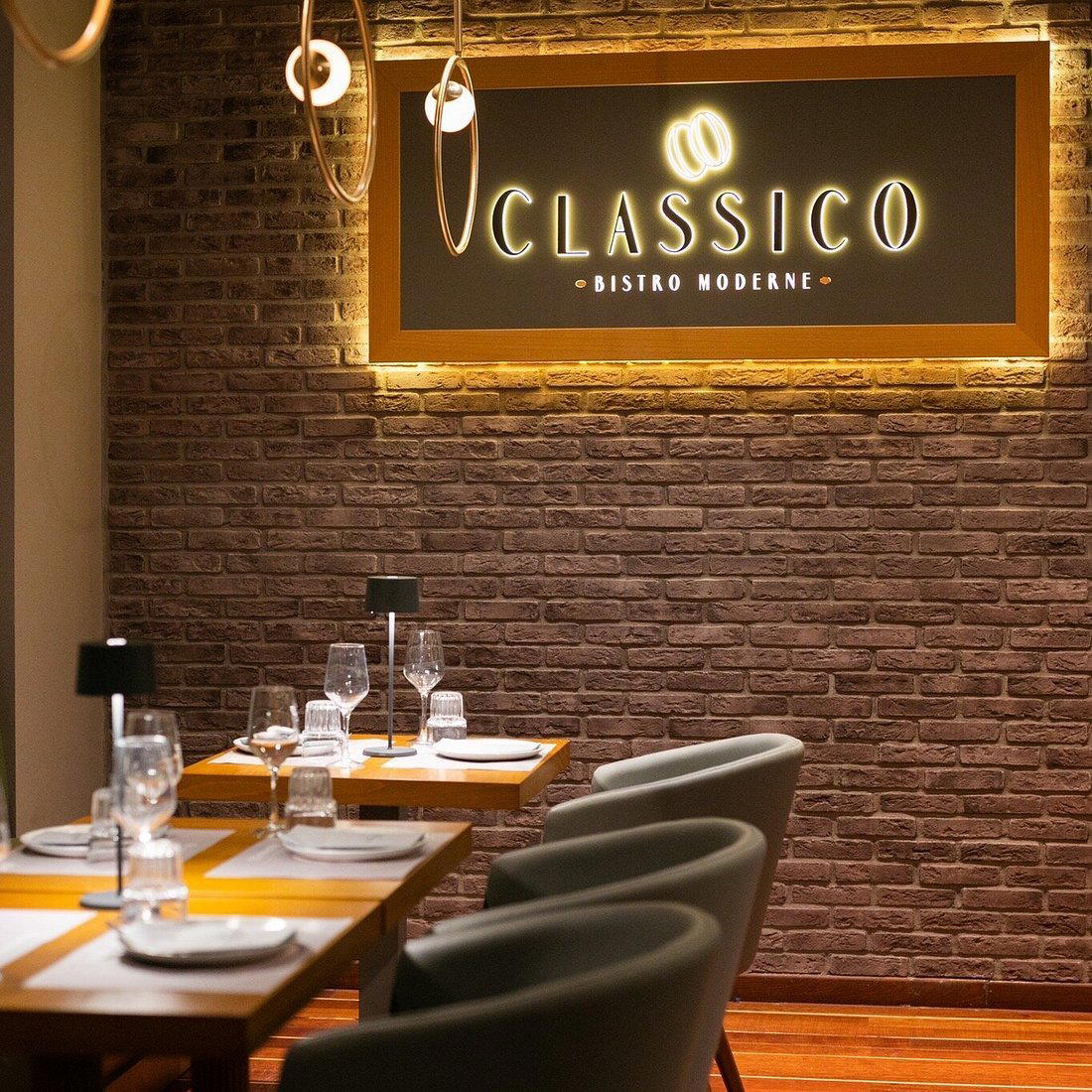


At a Glance
- Modern
- Classic
- Elegant
- Rustic
- Wine Education
- Special Occasion
- Private Tasting
- Sustainable
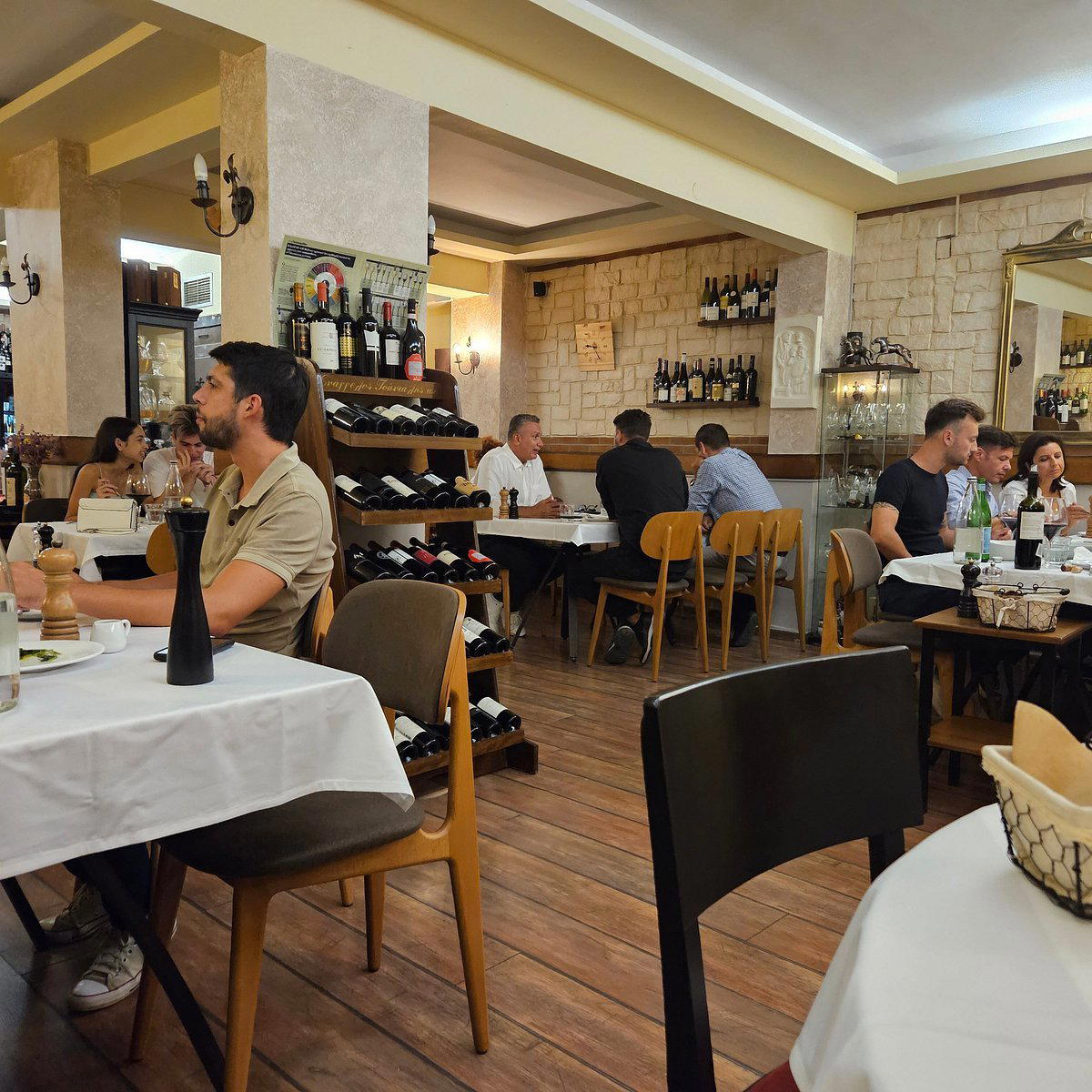
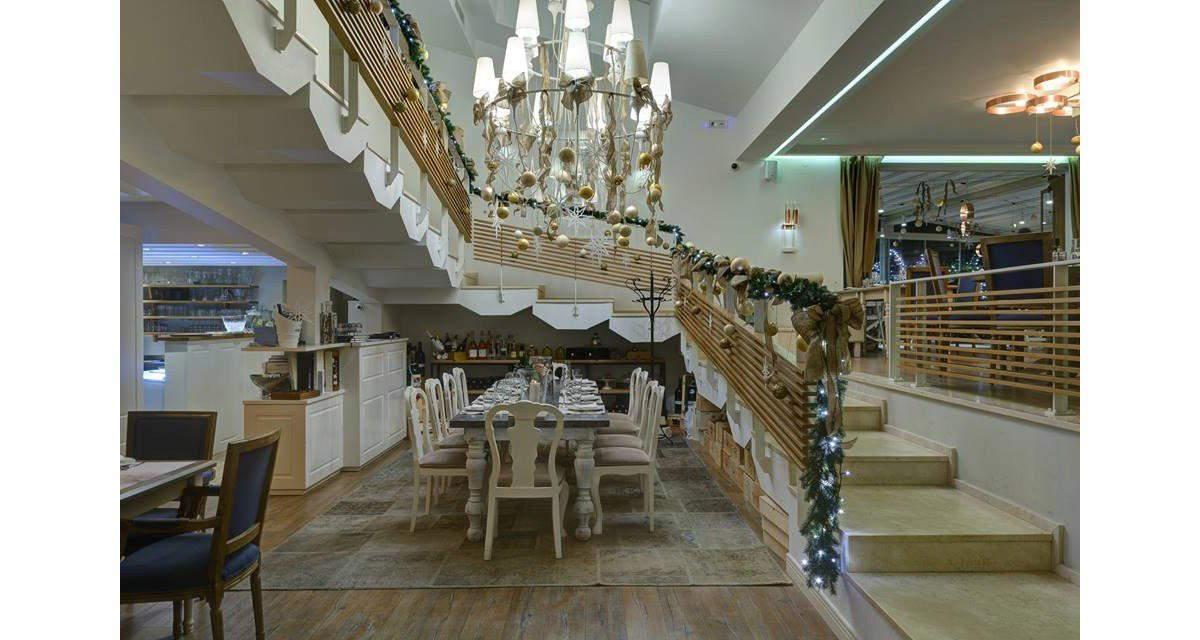
Harmonious blend of tradition and innovation in modern facilities, creating an educational and authentic wine tasting atmosphere.