
Kakhatian Traditional Winemaking suits travelers who want Georgian wine explained through production rather than polished cellar-door theatre. The Tbilisi facility links an urban headquarters setting with Kakheti-facing tradition, guided tastings, production tours, qvevri technique, and a broad wine focus that runs from still reds and whites to skin-contact, sparkling, fortified, and dessert styles.

Pearl is the En Primeur Club membership app — saves, bookings, and concierge access live there. Same editors, same standards.

Industrial winery spaces change the rhythm of a tasting. Instead of vineyard views and slow terrace service, the encounter begins with equipment, working surfaces, production language, and the sense that wine is being treated as a craft system rather than a lifestyle accessory. In Tbilisi, that format matters: the capital is often where visitors first meet Georgian wine, and an urban production facility can make traditional Georgian winemaking easier to understand.
Kakhatian Traditional Winemaking fits that educational lane. The picture is not of a leisurely restaurant-style venue, but of an industrial winery headquarters and production facility focused on traditional Georgian winemaking. Its appeal rests on the combination of modern equipment with heritage qvevri techniques, giving visitors a practical way to see how older vessel culture can sit alongside contemporary production infrastructure.
Qvevri tradition seen through a working Tbilisi facility
Georgia’s wine identity is closely associated with qvevri, the clay vessels used in traditional winemaking. For travelers used to more familiar cellar categories, this can feel like a different grammar. The discussion often turns toward vessel, clay, fermentation practice, and time rather than only toward labels or familiar international categories.
The value of this kind of Tbilisi stop is context. Kakhatian Traditional Winemaking presents traditional qvevri technique within a working production setting, so the visit reads less like a romantic tasting-room narrative and more like an educational look at process. That distinction is useful. Georgian wine tourism can become abstract when it is detached from production; here, the stronger angle is the meeting point between heritage method and modern winery equipment.
Because the information centers on the facility and its qvevri-focused production role, it is best not to approach the venue as though it were a conventional dining room or a scenic vineyard estate. The more grounded expectation is a functional wine-education stop: a place where the structure of the visit is tied to the winery’s production identity rather than to leisurely hospitality.
Tbilisi is the access point rather than the vineyard story itself. The useful reading is how a capital-city facility can introduce visitors to Georgian winemaking practices before they continue with other dining, drinking, or regional travel plans. Kakhatian Traditional Winemaking is strongest when treated as an interpretive stop: a way to put qvevri and production language into a practical setting.
A functional tasting format for wine education, not a lounge experience
The atmosphere is best understood as industrial, functional, and educational. That is not a drawback if the purpose is to understand how Georgian production works. It does mean the visit belongs in a different category from a wine bar crawl or a scenic afternoon built around lingering service. The useful comparison is between passive drinking and structured explanation: a production-focused environment puts the emphasis on method, equipment, and tradition.
The facts support tours and tastings rather than a full restaurant premise. For serious tasters, that clarity can be an advantage, because traditional qvevri methods often benefit from explanation before they are treated simply as another glass on a list. For travelers looking for a long meal, the better move is to pair this with a separate dining plan in Tbilisi rather than expect the winery to carry the whole afternoon or evening.
Setting should also be approached with practical expectations. This is a headquarters and production facility, not a venue defined by soft lounge atmosphere. Visitors who get full value from it are likely to arrive with questions about how the winery works, how traditional techniques are presented in a modern facility, and how qvevri culture fits into Georgia’s broader wine identity.
How to place it within a Tbilisi wine itinerary
Tbilisi’s wine scene rewards contrast. A production-focused stop can explain mechanics, while other dining and drinking in the city can show how Georgian wines appear in more social or restaurant-oriented contexts. The winery is therefore strongest as an anchoring appointment for travelers who want a practical introduction to traditional Georgian winemaking before building the rest of the day around food, bars, or cultural plans.
For broader planning, use the winery as one part of a Tbilisi itinerary rather than treating it as the whole experience. The price category is $$, and one important expectation is format: industrial winery headquarters, modern equipment, heritage qvevri techniques, and an atmosphere that is more functional and educational than leisurely.
If you are comparing it with other options, keep the comparison broad. The winery is not best judged against a restaurant, hotel bar, or countryside estate; it is better understood as a Tbilisi production facility that gives structure to the story of Georgian wine. Other dining in Tbilisi can round out the day, but the reason to come here is the production context itself.
The editorial case for the winery is clear: use it when the priority is understanding Georgian wine production in Tbilisi, especially the relationship between qvevri tradition and modern facilities. It is a sharper fit for wine education than for leisure-driven hospitality, and that distinction is exactly what makes the stop useful.
Recognition history
Dated appearances from independent guides and award organizations, with the underlying list record or original source where available.
Falstaff Winery - Listed
Falstaff
Continue exploring
More in Tbilisi
Wineries in Tbilisi
Browse all →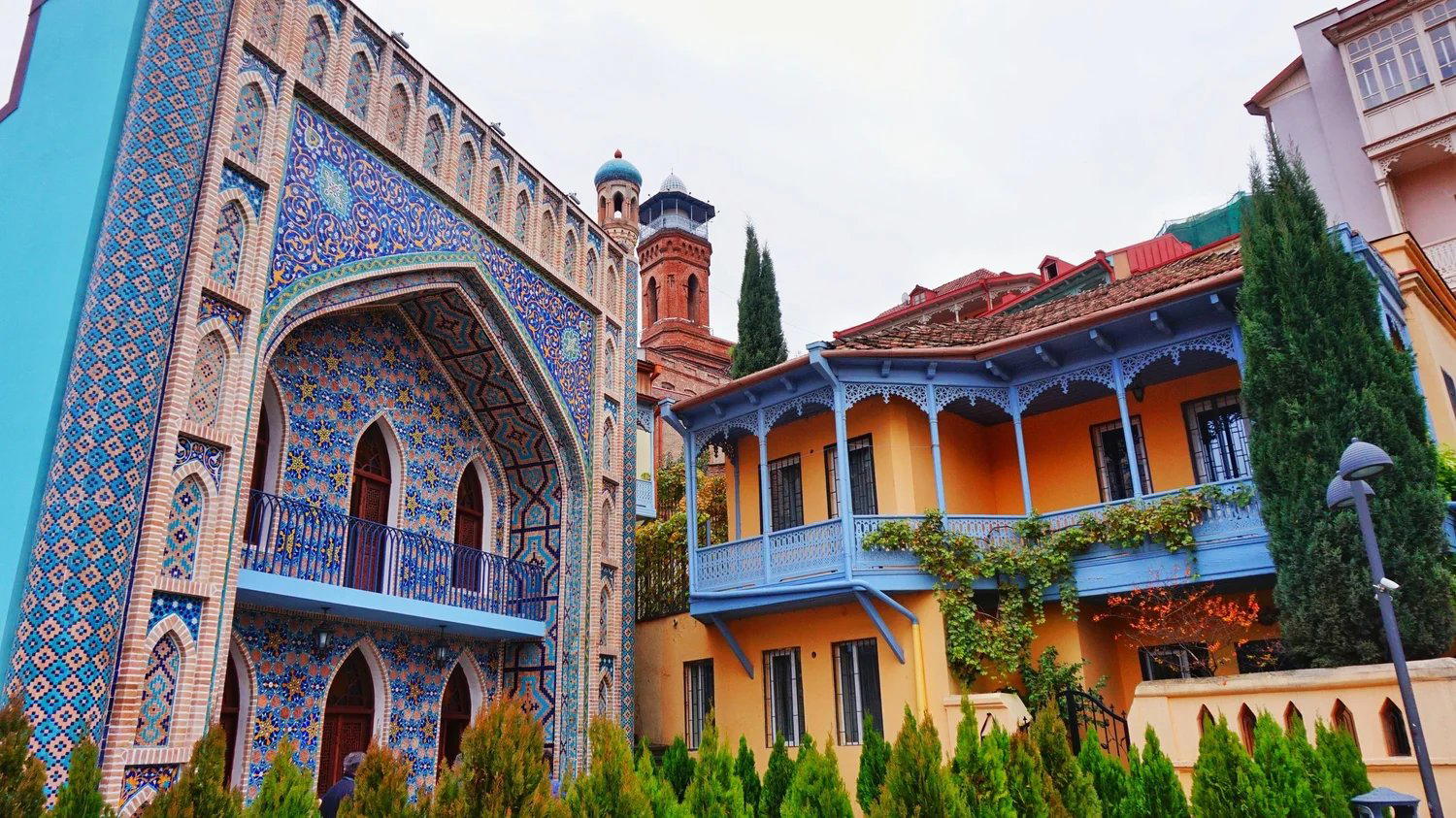
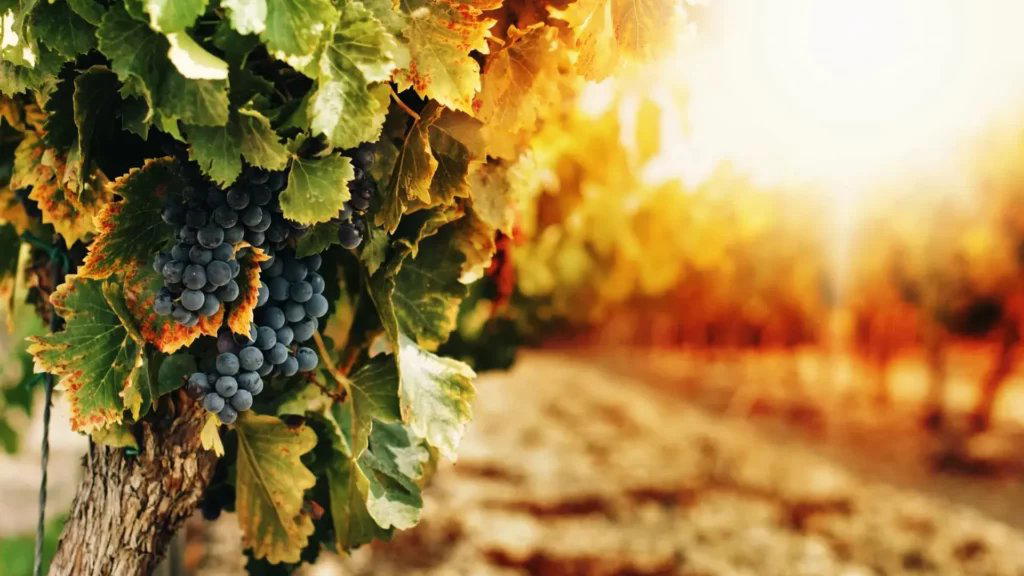
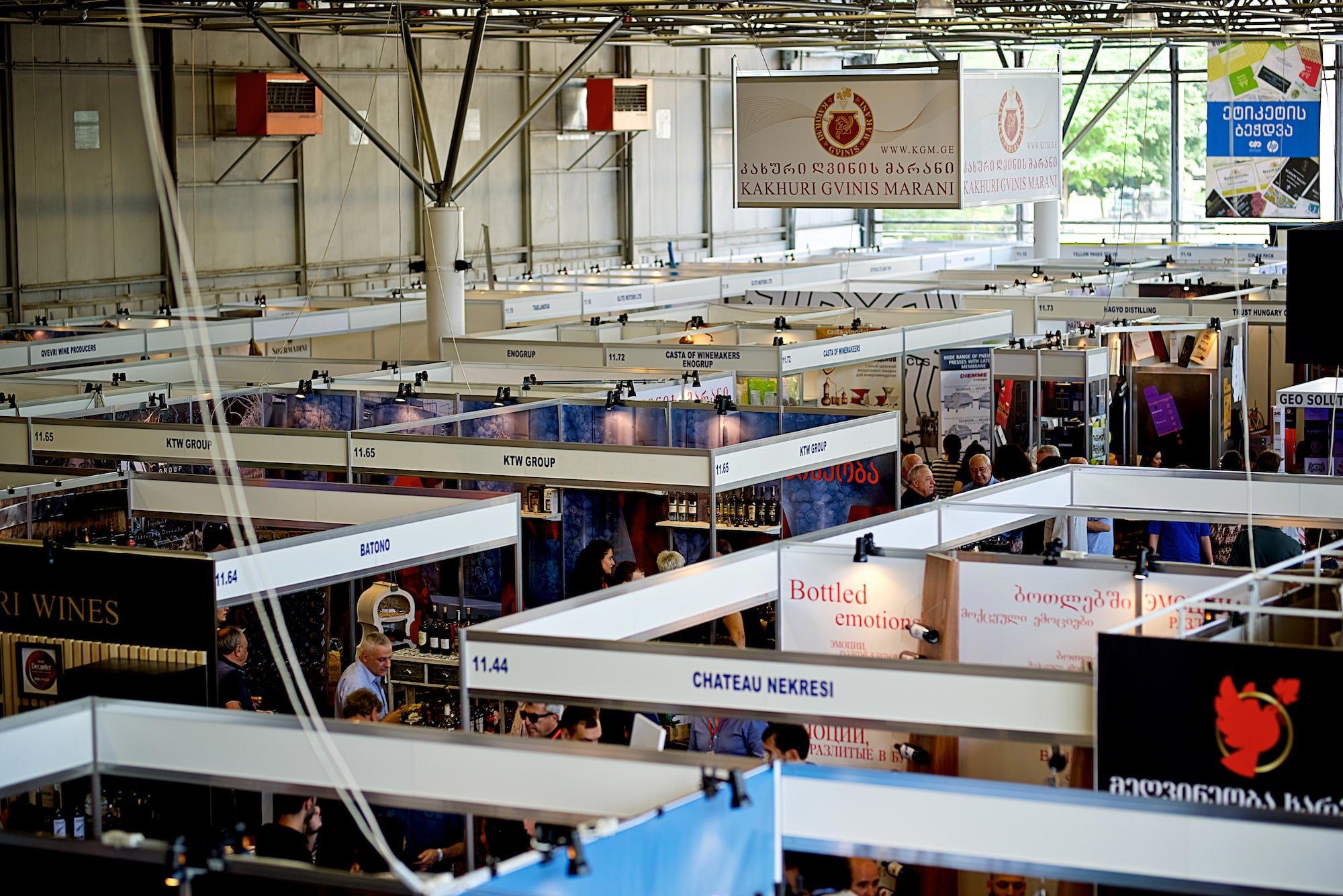
Bars in Tbilisi
Browse all →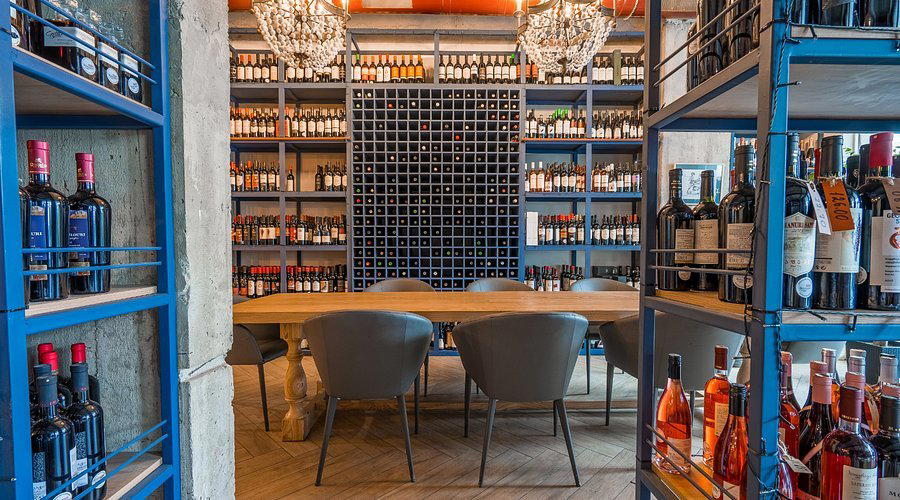
Restaurants in Tbilisi
Browse all →


At a Glance
- Classic
- Rustic
- Industrial
- Group Outing
- Wine Education
- Solo Exploration
- Private Tasting
- Kakheti
- Still Red
- Still White
- Sparkling
- Fortified
- Dessert
- Skin Contact
- Guided Tasting
- Production Tour
Industrial winery headquarters and production facilities focused on traditional Georgian winemaking, combining modern equipment with heritage qvevri techniques; atmosphere is more functional and educational than leisurely, with tours and tastings centered on explaining the production process and showcasing substantial, traditional wines.