Il Cocco

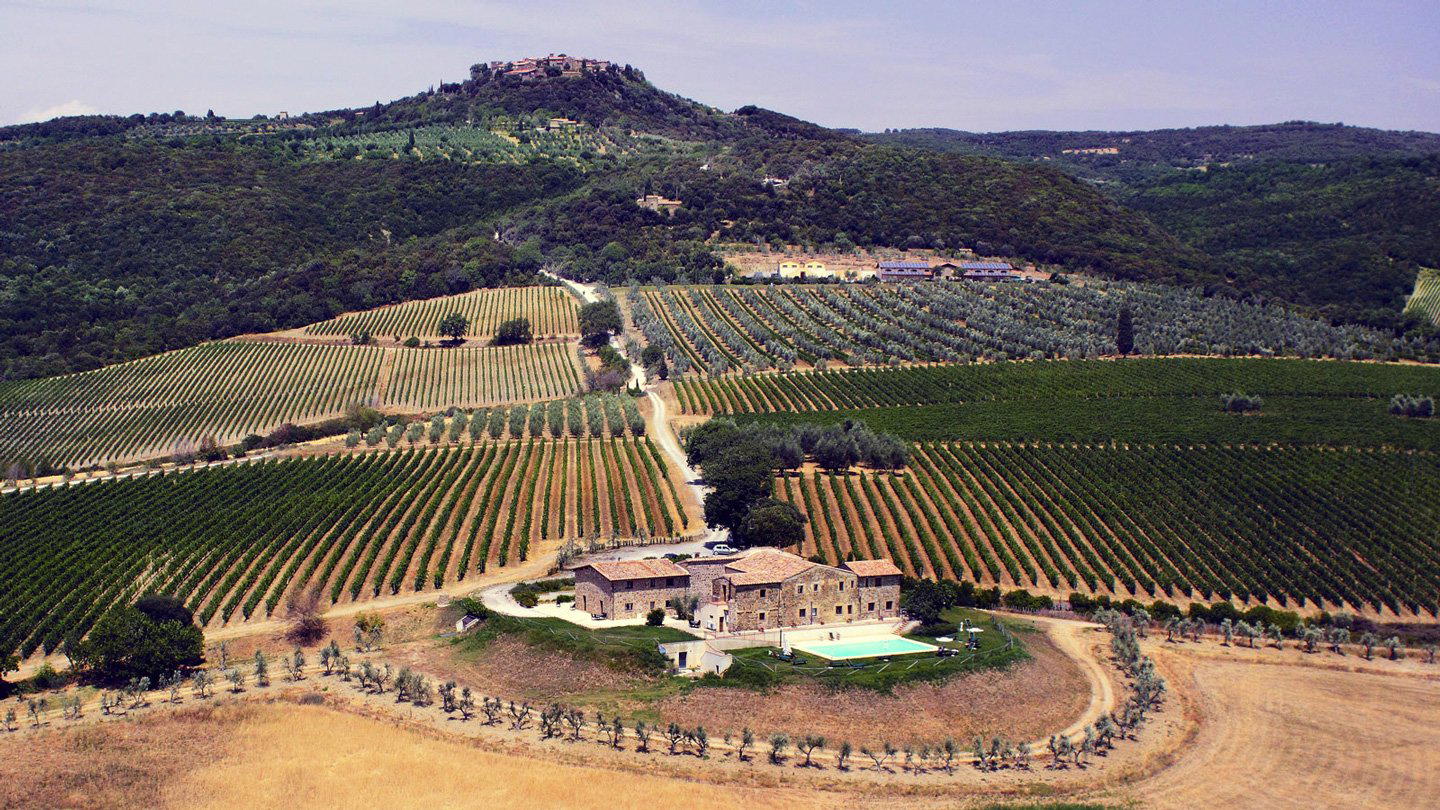
Il Cocco is a small organic Brunello estate in Montalcino where wine, agriturismo hospitality, olive oil and distillates sit within the same hillside farm identity. Its strongest story is terroir-led: Sangiovese grown at about 600 meters, organic farming since 2000, and a visitor format shaped by vineyards, cellar work and rural quiet rather than polished tasting-room theatre.
Pearl is the En Primeur Club membership app — saves, bookings, and concierge access live there. Same editors, same standards.
- Address
- Montalcino, Tuscany, Italien
- Directions
- Get directions
 Saves & bookings on Pearl
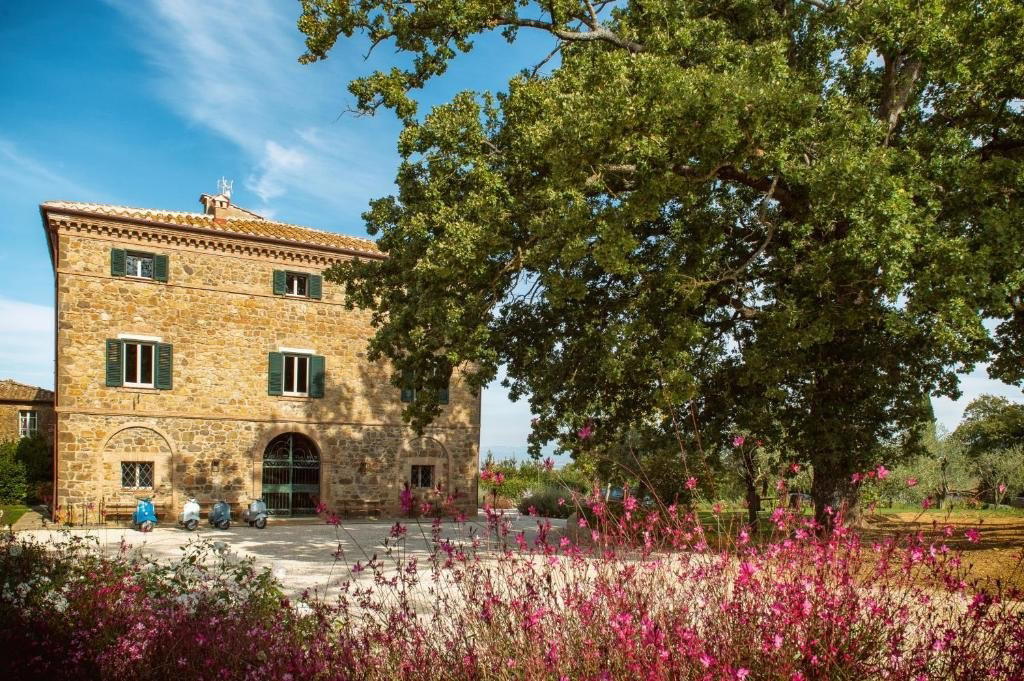
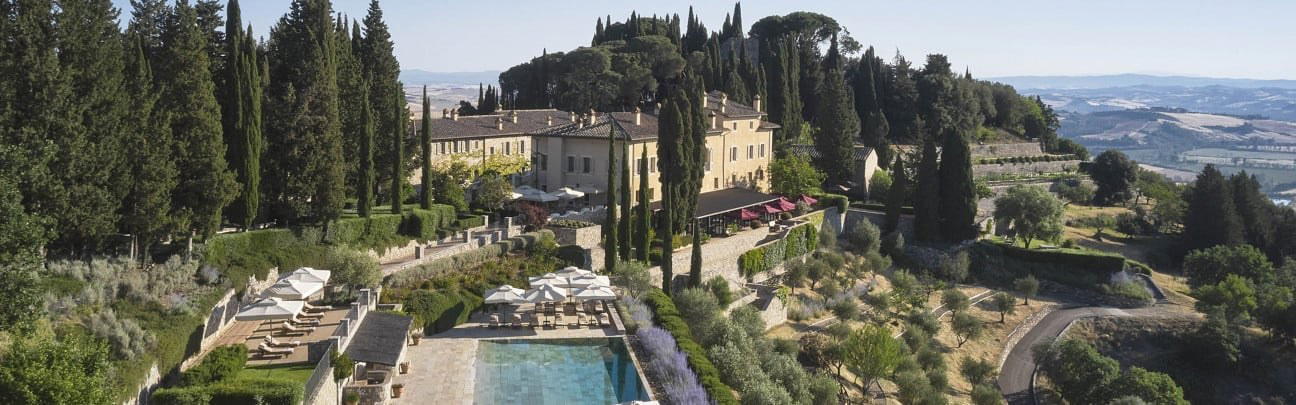
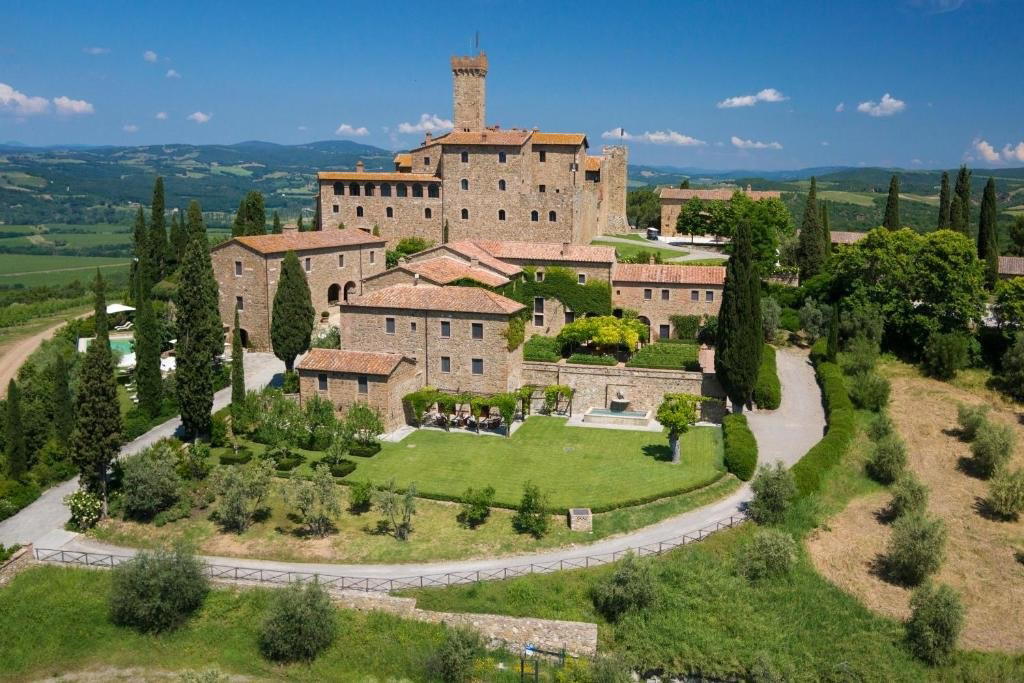
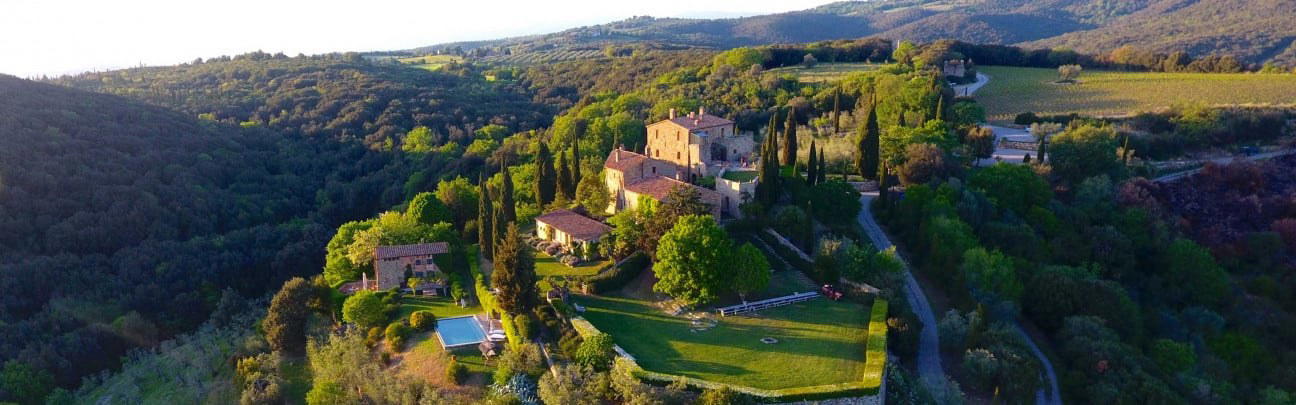
Approaching a hilltop Brunello estate at 600 meters changes the rhythm of a Montalcino visit. The town’s wine culture is often discussed through cellar prestige and release calendars, but altitude, wind and farm structure matter just as much when the experience moves from bottle to place. Il Cocco belongs to that quieter side of the appellation: an organic agriturismo where the farmhouse, vineyard rows, cellar, olive oil, distillates and guest stays form one rural system rather than separate visitor products.
Montalcino’s global reputation rests on Brunello di Montalcino DOCG, yet the region is not a single hospitality model. Some estates foreground formal tastings and collector language; others make more sense as agricultural households that happen to produce serious Sangiovese. This is the category Il Cocco occupies. The estate has operated as an agriturismo since 1972 and has farmed organically since 2000, two dates that explain its character better than any decorative description: hospitality came first as rural continuity, then organic viticulture became the explicit agricultural frame.
High-altitude Brunello seen through farm life
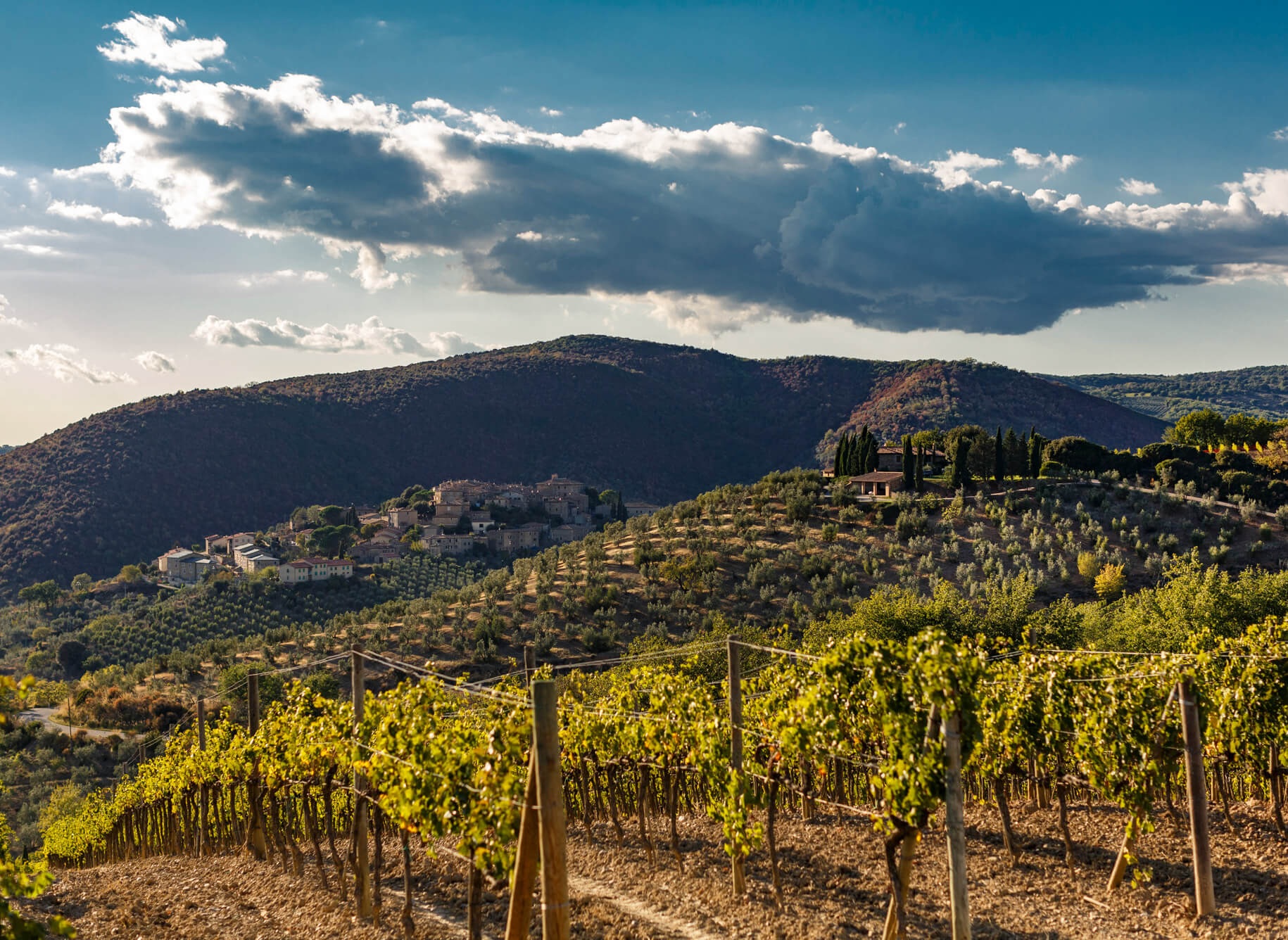
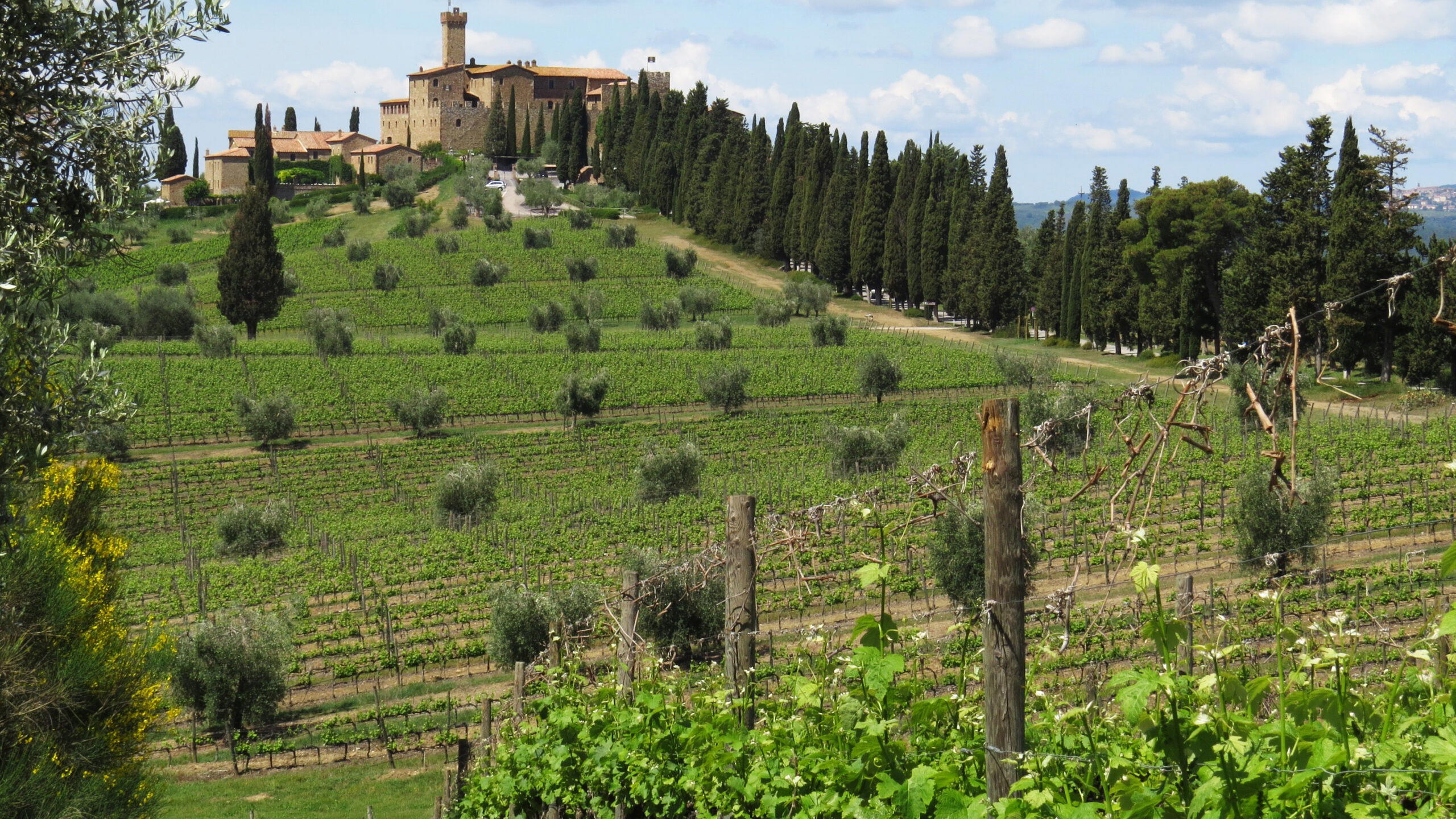
Terroir is often reduced to soil talk, but in Montalcino elevation is a practical force. At about 600 meters, Il Cocco presents itself through cooler air, open countryside and vineyard exposure rather than cellar spectacle. That setting matters because Sangiovese is a grape that records site conditions with unusual clarity: ripening pace, acidity, tannin shape and aromatic lift all respond to altitude and farming choices. The estate’s emphasis on nature and breeze is not just scenic language; it is part of how the place wants its Brunello identity understood.
The farming story is more concrete than many sustainability claims in wine tourism. The winery describes organic cultivation without chemical and synthetic products, using low copper and sulphur treatments, natural fertilizers and older peasant techniques. Between the rows, wheat, barley and beans are sown to return organic matter to the soil. That detail is useful because it moves the conversation from virtue-signalling to vineyard mechanics: soil fertility, cover cropping and biodiversity become part of the wine’s context before a glass is poured.
The core wine identity remains Sangiovese under the Brunello di Montalcino DOCG appellation, with Rosso di Montalcino sitting alongside it as the younger regional expression. The broader range, however, gives the estate a less rigid personality than a Brunello-only address. Rosé Bongiorno, Laila Sparkling Wine, White Wine Balù and Toscana IGT labels sit beside the DOCG and DOC wines, while grappa and brandy extend the farm’s output beyond still wine. In a region where the cellar door can sometimes feel narrowed to flagship bottles, that breadth makes the visit read as an agricultural tasting rather than a prestige tasting alone.
A Montalcino visit built around the estate, not a showroom
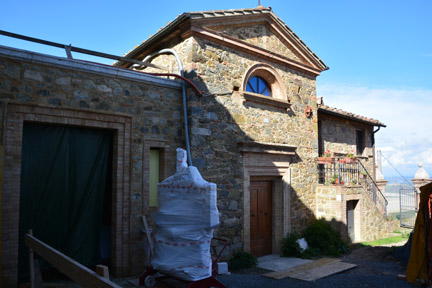
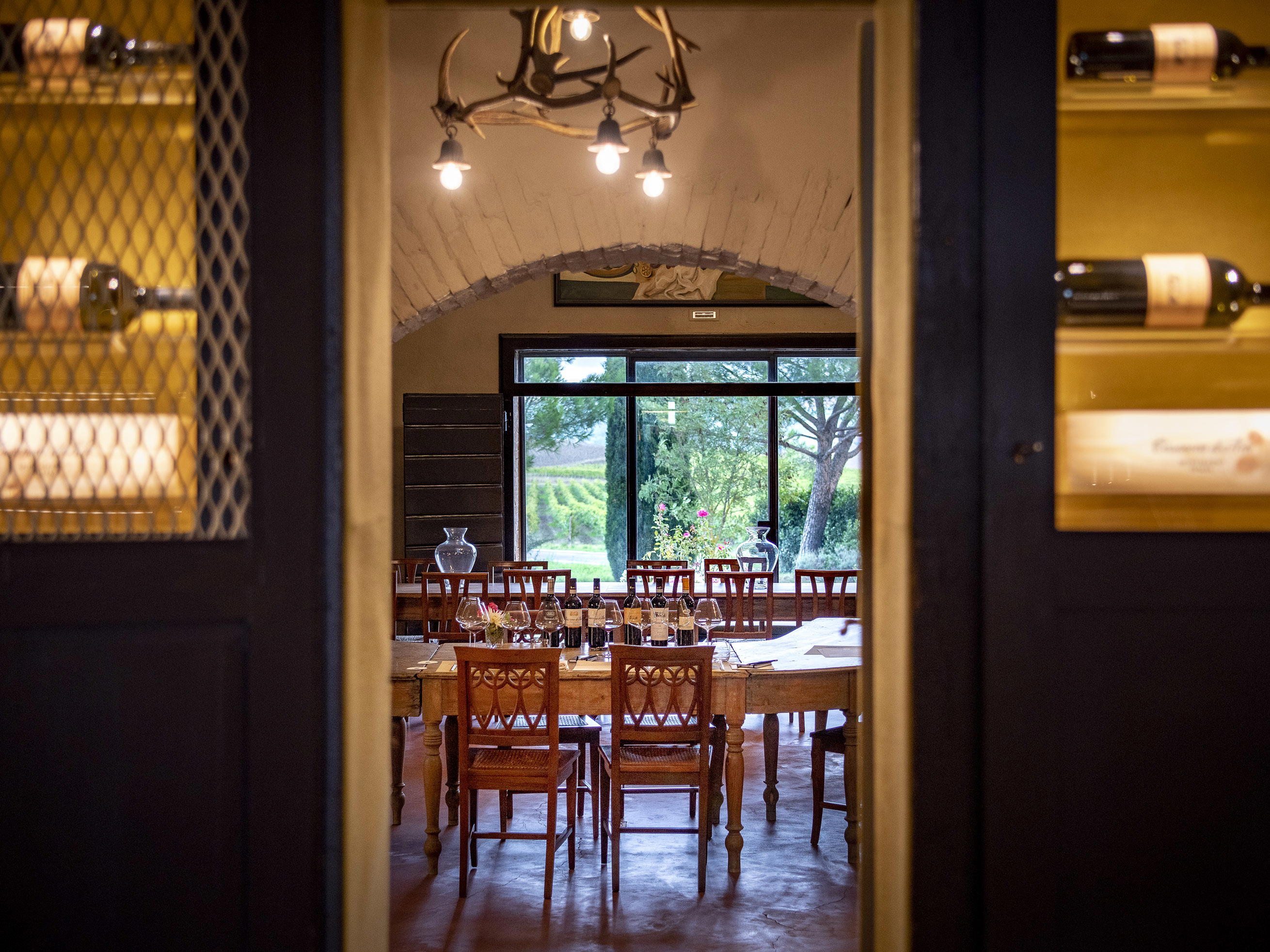
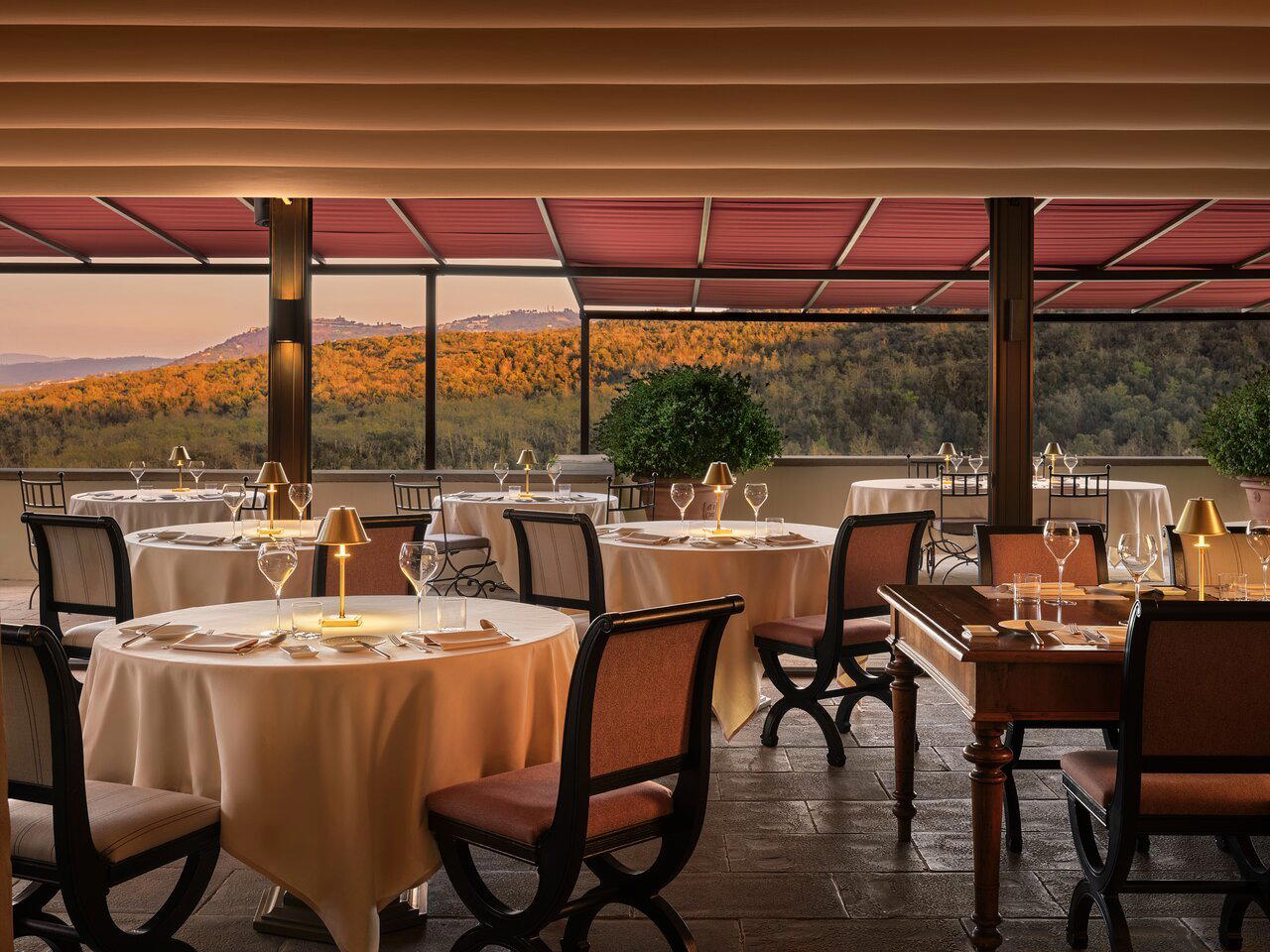
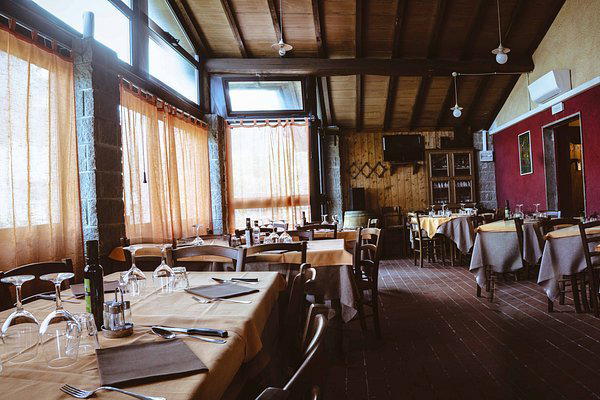
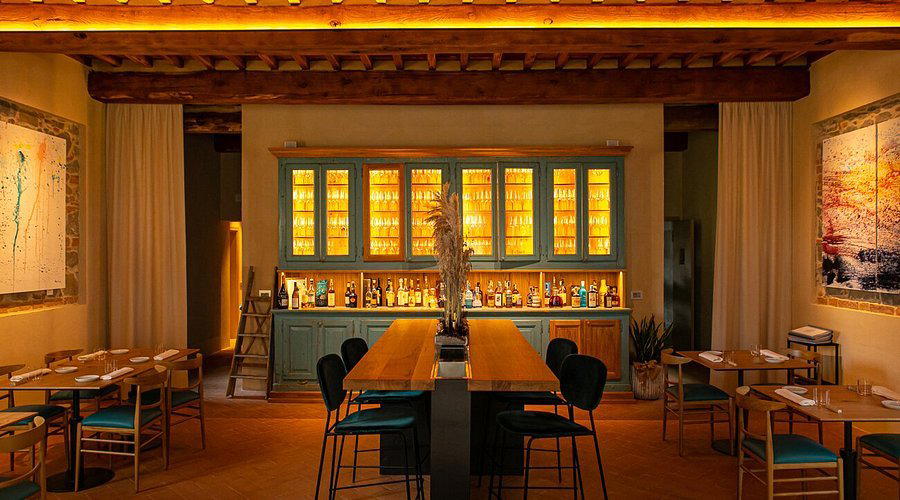
Hospitality format is small-scale and personal in tone, with guided estate tastings, cellar tours with tasting and private group lunches with pairings listed as part of the experience. The important distinction is that the setting does much of the interpretive work. A tasting here is framed by vineyard views, farmhouse buildings and a working organic farm, which places the wines inside the daily logic of production rather than separating them into a designed tasting room narrative.
That integrated model fits a broader shift in premium wine travel. Serious visitors increasingly want to understand how a bottle connects to farming, not just how it performs in a lineup. The winery’s advantage is that the answer is visible in its structure: agriturismo rooms, cellar, vineyards, olive oil, distillates and countryside stays are not peripheral add-ons. They create a single estate economy where Brunello is the anchor, but not the only expression of place.
The estate’s own agricultural language also resists the polished anonymity that can creep into famous wine regions. “Living with the earth” is a simple phrase, but the stronger evidence is operational: organic farming since 2000, cover crops between vine rows, estate-linked grappa from grape marc, and a production scale described as small and family-run. Those facts place the winery closer to the agrarian tradition of Montalcino than to the luxury-retail end of Brunello tourism.
For readers mapping a wider Montalcino itinerary, the estate works as a counterweight to more formal cellar visits. It pairs naturally with broader regional planning through Our full Montalcino wineries guide, while dining, lodging and after-hours context sit in Our full Montalcino restaurants guide, Our full Montalcino hotels guide, Our full Montalcino bars guide and Our full Montalcino experiences guide. Other Montalcino winery pages worth cross-checking for itinerary shape include Aglieta Roberto, Agostina Pieri, Agricola Poggio Rubino, Aisna and Altesino.
Who this estate suits
The winery makes sense for travellers who value context over ceremony. The appeal is not a trophy wall or a grand architectural statement; it is the chance to read Brunello through a working organic farm at altitude. The estate’s small capacity tier, quiet noise profile, outdoor setting and countryside views point toward slow-paced wine education, romantic rural stays, group tastings and travellers who prefer a cellar tour with a clear agricultural backbone.
The practical expectation should be rural and informal, with casual dress fitting the setting and on-site parking supporting countryside access. Tours are listed in Italian, English and French, and the estate’s hospitality range includes tastings, vineyard and cellar elements, and private group lunch formats with pairing. Shipping availability also matters for serious buyers, because a small estate visit often becomes more meaningful when bottles can follow the traveller home.
In editorial terms, the winery is strongest when approached as a terroir lesson rather than a luxury stop. Its Brunello sits inside the formal prestige of Montalcino, but the more interesting story is how altitude, organic practice, mixed farm production and agriturismo hospitality pull that prestige back toward land and labor. For broader wine-country comparison outside Tuscany, EP Club’s winery index also includes 3GP SRL in Treviso, 47 Anno Domini in Trebaseleghe, A Mano Wine in Noci, »der Steiner« Hans Steiner in Podersdorf am See and & Handwein in Mannheim.
Recognition history
Dated appearances from independent guides and award organizations, with the underlying list record or original source where available.
Falstaff Winery - Listed
Falstaff
Continue exploring
More in Montalcino
Wineries in Montalcino
Browse all →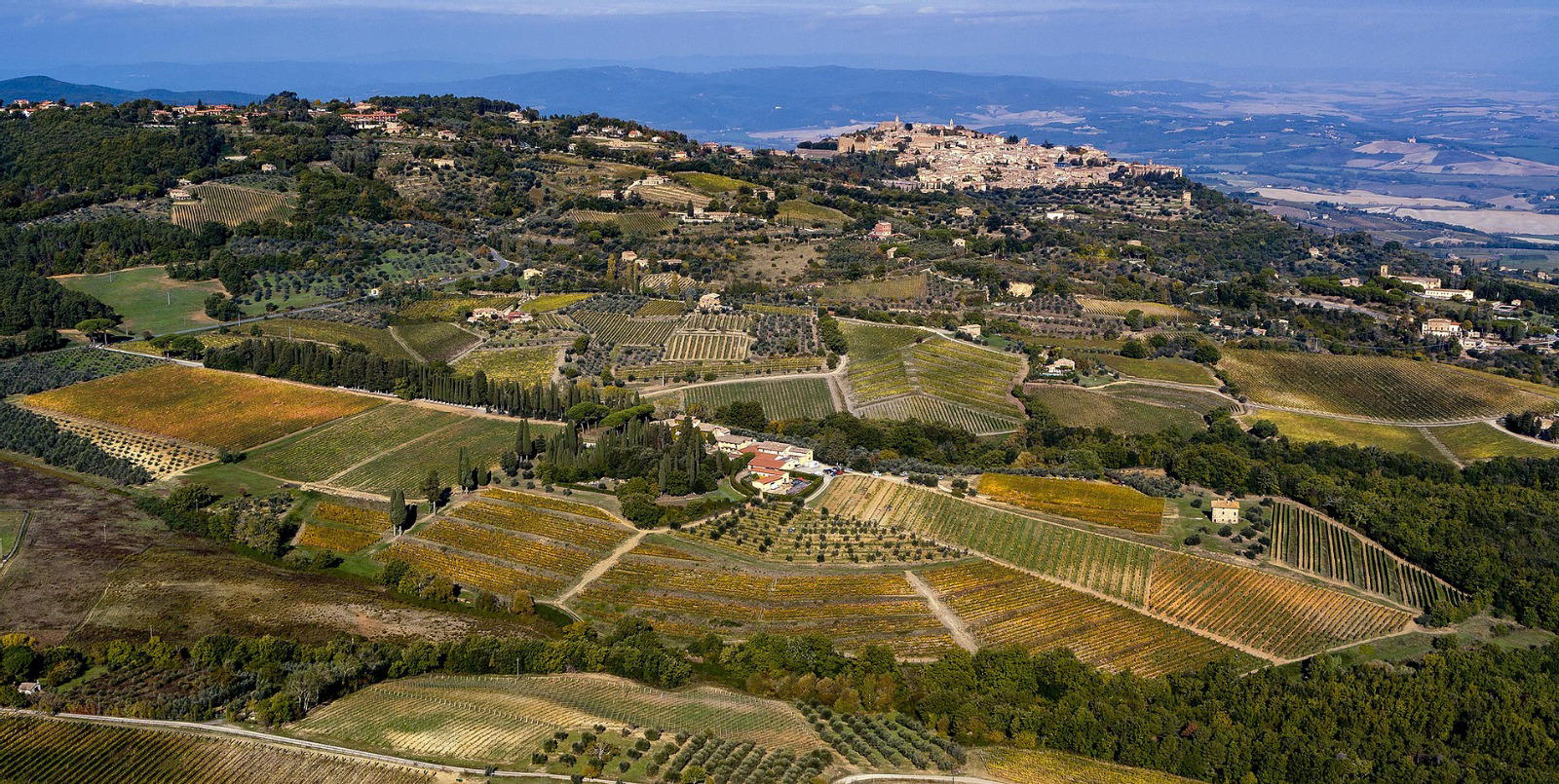
Bars in Montalcino
Browse all →
Restaurants in Montalcino
Browse all →
At a Glance
- Rustic
- Scenic
- Cozy
- Romantic
- Intimate
- Romantic Getaway
- Group Outing
- Wine Education
- Special Occasion
- Solo Exploration
- Estate Grounds
- Vineyard Tour
- Private Tasting
- Panoramic View
- Historic Building
- Organic
- Sustainable
- Vineyard
- Mountain
- Garden
- Brunello Di Montalcino DOCG
- Sangiovese
- Still Red
- Still Rosé
- Still White
- Sparkling
- Guided Estate Tasting
- Cellar Tour With Tasting
- Private Group Lunch With Pairing
Small family-run organic Brunello estate with an intimate, relaxed farmhouse feel, surrounded by quiet Tuscan countryside and vineyards at about 600 meters elevation, emphasizing authenticity and connection with nature.