
Hochriegl Sektkellerei belongs to Vienna’s older sparkling-wine tradition rather than the city’s vineyard-tavern circuit. The house dates to 1890, works in an urban production-cellar idiom in Döbling, and is now part of the Schlumberger group, with a portfolio centered on approachable Austrian sekt and spumante styles.
Pearl is the En Primeur Club membership app — saves, bookings, and concierge access live there. Same editors, same standards.
- Address
- Vienna, Österreich
- Directions
- Get directions
 Saves & bookings on Pearl
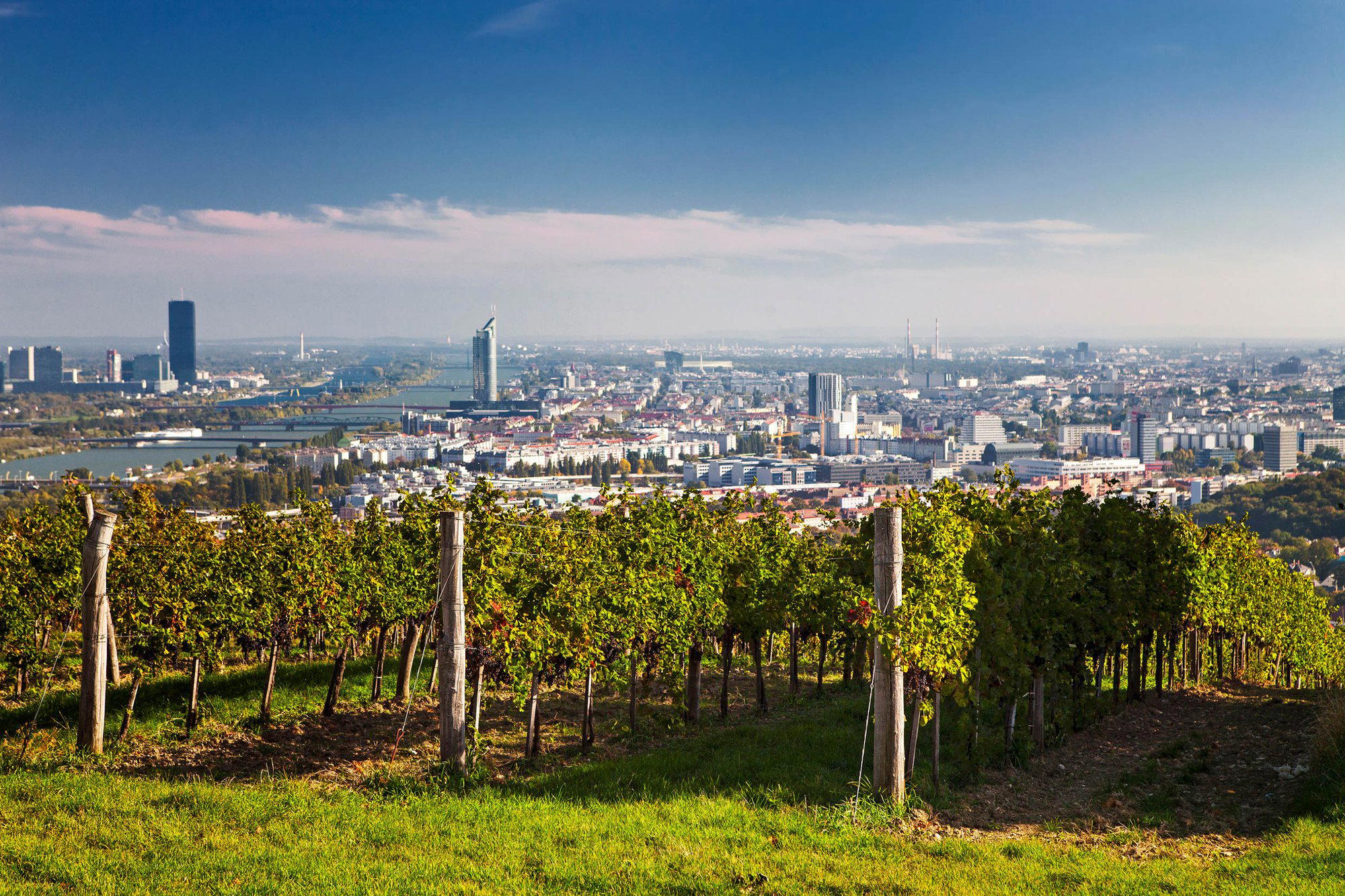
Vienna’s wine culture is often associated with still wine, vineyard visits, and relaxed tavern traditions. Hochriegl Sektkellerei asks for a different lens: the sparkling cellar and the work of producing classic Austrian sekt. The picture is narrower than a full visitor-estate profile, but it is clear enough to place Hochriegl as a traditional Viennese sparkling wine operation with a more industrial-production-oriented character.
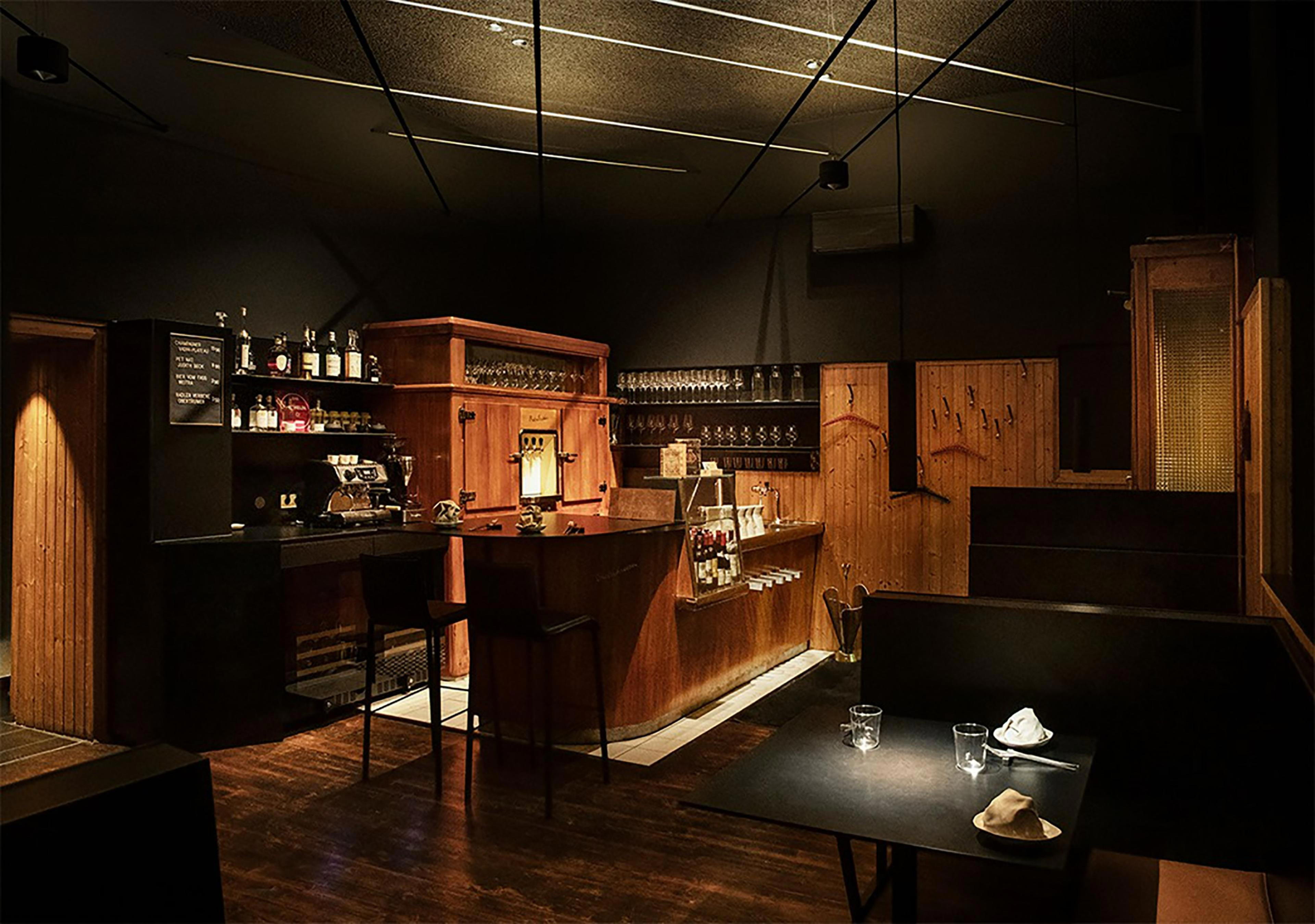
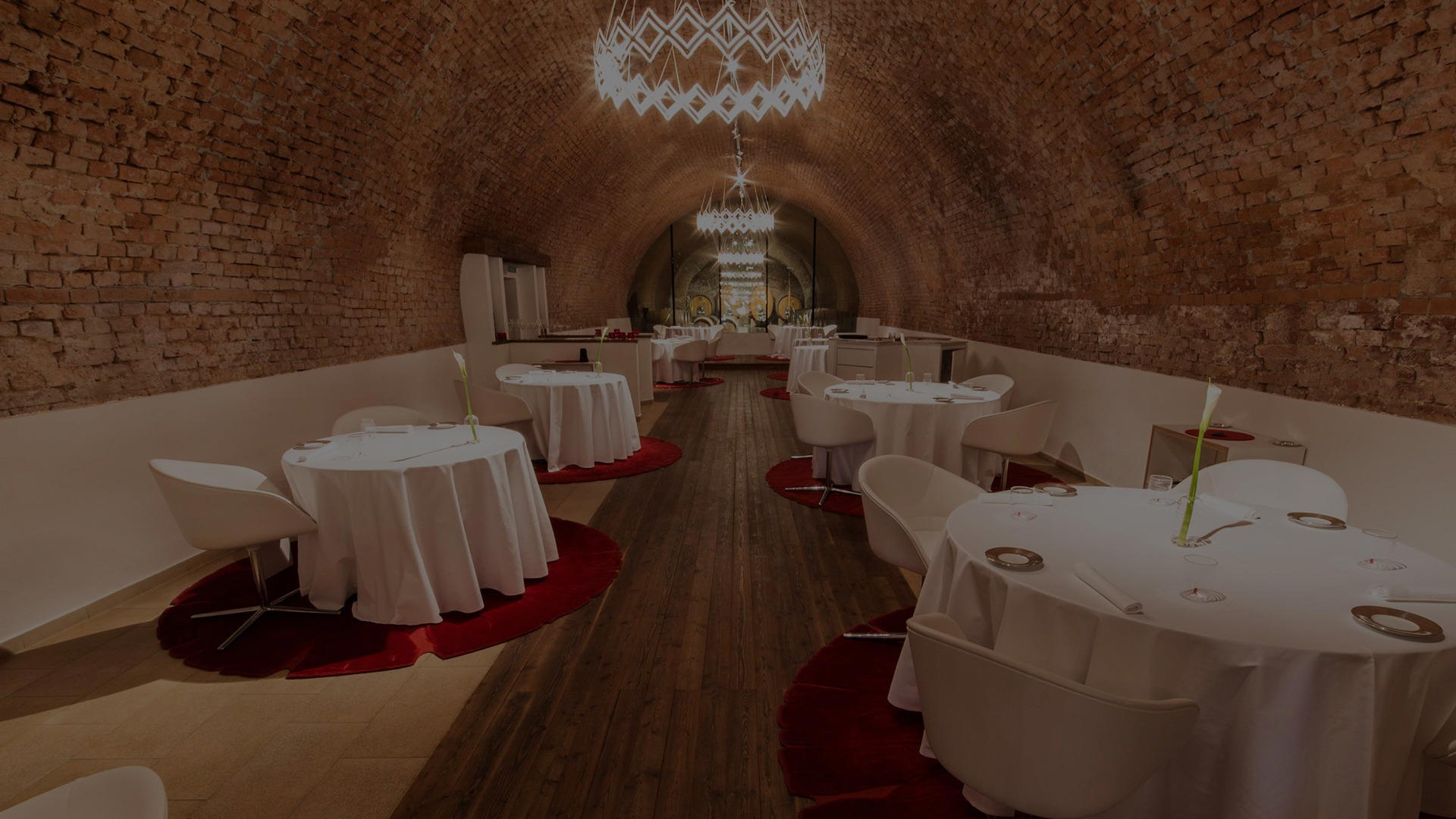
That distinction matters for travelers deciding what kind of wine experience they are looking for. Hochriegl Sektkellerei is best understood through Austrian sparkling heritage and approachable sekt rather than through a leisurely estate narrative. The atmosphere revolves around cellar production and tradition, not a broad hospitality format, so the appeal is less about lingering over a pastoral setting and more about recognizing another, more cellar-driven side of Vienna’s drinks culture.
Vienna sekt through a cellar lens, not a vineyard-tavern lens
Hochriegl Sektkellerei sits within Vienna’s sparkling-wine story as a producer focused on classic, accessible sekt. That makes it useful as a point of orientation for visitors who may arrive with a still-wine image of the city and want to understand where sparkling wine fits into the same cultural frame.
For travelers, that means setting expectations carefully. This is not a page to build around claims about specific tastings, cellar tours, seating, food pairing, or a named bottle range. The grounded editorial point is simpler: Hochriegl represents the sparkling side of Vienna’s wine culture, with an emphasis on classic sekt and an industrial-leaning cellar mood. It is a venue to think about through production, continuity, and category rather than through a checklist of hospitality amenities.
Placed against other dining and drinking possibilities in Vienna, the winery is useful because it highlights a different part of the city’s wine identity. Rather than focusing on restaurants, bars, or vineyard-facing hospitality, it points toward Austrian sparkling production and the continuity of a cellar tradition. That contrast is the main reason it belongs in the conversation: it broadens the mental map without needing to overstate what is publicly confirmed.
What the wines say about place when the place is urban
The winery’s identity is tied to Vienna and to sekt, not to a detailed public profile of specific vineyards, varieties, or cuvées. That makes it more accurate to describe the venue through its role and atmosphere than through unsupported technical claims. It is a traditional sparkling wine cellar operation, with an approachable style and a production-oriented feel.
In that sense, the sense of place is urban and cellar-based. Vienna’s wine culture is not only about vineyard scenery; it also includes sparkling wine made and presented through established production traditions. Hochriegl’s relevance is that it keeps Austrian sekt within that broader city story. The urban setting changes the emphasis: instead of framing place through open slopes or tavern conviviality, the focus shifts to the cellar, the producer identity, and the everyday accessibility of the sekt category.
Rather than overstating recognition, the safer editorial view is that winery is notable here for its category: a Viennese sparkling wine cellar centered on classic, approachable sekt.
How to position it in a Vienna drinks itinerary
The winery is best positioned as a specialist sparkling-wine reference within Vienna. It should not be framed as a confirmed full-service hospitality estate, a restaurant, or a broad drinks venue unless separate details are available. The grounded expectation is a traditional sekt producer with a more industrial-production-oriented atmosphere.
Readers building a Vienna itinerary can use Hochriegl as a way to think beyond still wine and restaurant drinking. It offers a lens on Austrian sparkling heritage, while other Vienna dining and drinking stops can fill in the broader food, bar, and hospitality picture. In that role, it works well as context: a reminder that the city’s drinks identity can include cellars and production traditions as much as tables, terraces, and vineyard-facing experiences.
The editorial case for Hochriegl is therefore focused and modest: it is a Vienna sparkling-wine cellar operation centered on classic, approachable sekt, with an atmosphere shaped more by production and Austrian sparkling tradition than by leisurely estate hospitality. For travelers interested in Vienna’s wine culture beyond the usual still-wine image, that is the reason to keep it in view. It gives the itinerary a sharper sparkling-wine reference point, while leaving room for other venues to provide the wider social and culinary setting.
Recognition history
Dated appearances from independent guides and award organizations, with the underlying list record or original source where available.
Falstaff Winery - Listed
Falstaff
At a Glance
- Classic
- Industrial
- Well Known
- Vienna
- Chardonnay
- Pinot Noir
- Glera
- Mixed White Varieties
- Sparkling
- Still White
- Still Rosé
A traditional Viennese sparkling wine cellar operation focused on producing classic, approachable sekt, more industrial-production-oriented than a leisurely visitor estate, with the atmosphere revolving around Austrian sparkling heritage rather than on-site tourism.