Greystone Wines


Greystone Wines earned a Pearl 2 Star Prestige rating in 2025, placing it among North Canterbury's most closely watched producers. Set in the Waipara Valley, the winery works with a region defined by its limestone soils and Canterbury's dry, wind-exposed growing conditions. For visitors exploring New Zealand's South Island wine circuit, Greystone makes a strong case for the Waipara stop.
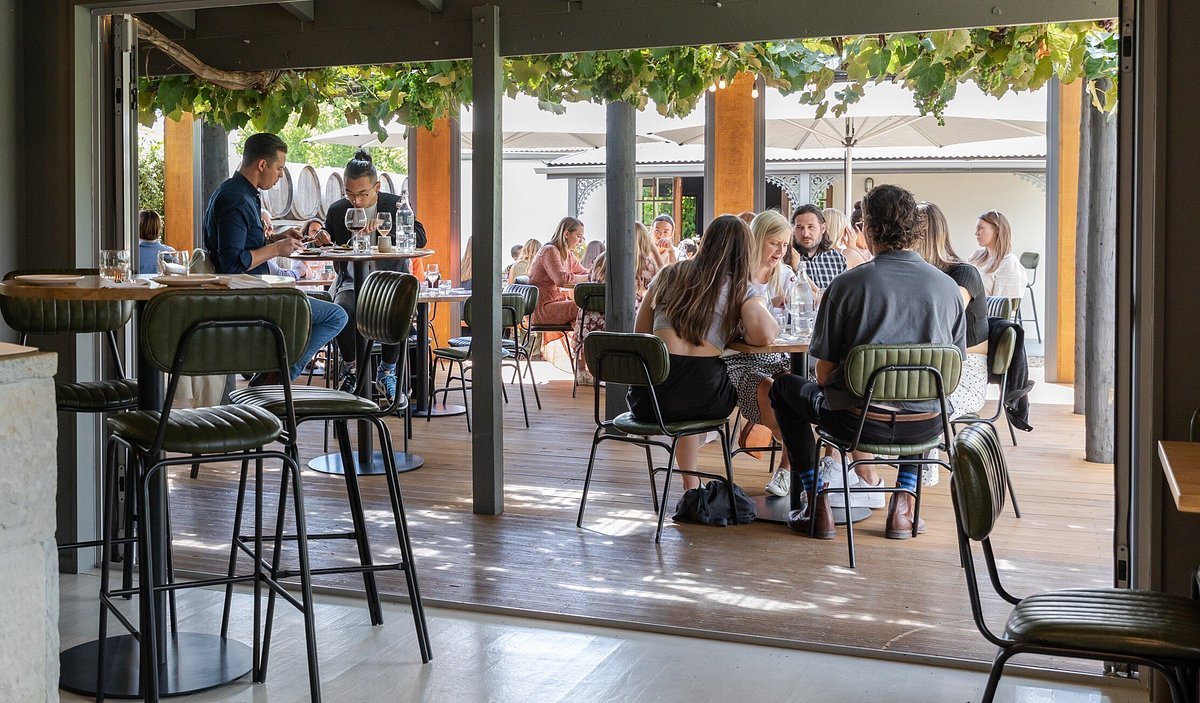
North Canterbury's Limestone Logic
The Waipara Valley sits roughly an hour north of Christchurch, separated from the Pacific coast by the Teviotdale Hills, which block enough wind to make viticulture viable in an otherwise bracing Canterbury climate. The result is a region with a thermal advantage: warm, dry growing seasons with cool nights that slow ripening and concentrate flavour without accelerating sugar accumulation. On that topographic foundation, the valley's limestone-rich soils add their own pressure on the vine. Greystone Wines operates from the heart of this geography, at 8 Vineyard Lane, Waipara, where the landscape's logic runs directly through what ends up in the glass.
Waipara has spent three decades positioning itself as distinct from Marlborough, the dominant South Island wine identity. Where Marlborough's Sauvignon Blanc built New Zealand's international reputation through volume and consistency, Waipara pursued a narrower path: Pinot Noir, Chardonnay, and Riesling, produced in quantities that rarely attract mass-market attention but that regularly attract serious collector interest. Greystone fits this pattern precisely. Its 2025 Pearl 2 Star Prestige award signals a producer operating at the region's upper tier, competing in a peer set defined not by national market share but by critical recognition and allocation-based demand.
What Limestone Does to a Wine Region
The term 'terroir expression' is overused in wine writing, but limestone genuinely changes the parameters. Calcareous soils drain freely, forcing vine roots to extend deep in search of water and nutrients. That stress produces smaller berry clusters with concentrated juice and, in regions with the right ambient temperature, a mineral texture in the finished wine that no winemaking technique fully replicates. Waipara's limestone outcrops share a geological family resemblance with parts of Burgundy and the Wachau, which is why producers here have long drawn comparisons to those European benchmarks for Pinot Noir and Riesling respectively.
For Chardonnay, the combination of lime-rich soils and North Canterbury's cooler overnight temperatures creates wines that sit closer to Burgundian structure than to the fuller, riper profiles found in warmer New Zealand regions. Greystone's recognition at prestige level in 2025 places it alongside the producers who have most consistently argued that Waipara can compete at that register. Among comparable South Island producers working limestone-influenced sites, the evidence points consistently toward Waipara as the region with the most Burgundy-adjacent geological conditions, and Greystone as one of its key advocates. For a broader view of how New Zealand's premium wine geography maps out, our full Waipara wineries guide covers the valley's key producers in context.
How Greystone Sits in the New Zealand Premium Tier
New Zealand's fine wine segment has consolidated around a handful of regional identities: Martinborough for Pinot, Marlborough for Sauvignon Blanc and increasingly serious Chardonnay, Central Otago for Pinot at altitude, and Waipara for the limestone-driven, cooler-climate register. Within Waipara, the producer field is smaller than in those other regions, which means reputational signals carry more weight per winery. A Pearl 2 Star Prestige rating in 2025 is a strong placement within that compact field.
Comparing across New Zealand's premium tier, producers like Ata Rangi in Martinborough, Felton Road in Bannockburn, and Kumeu River Wines in Kumeu operate with similar logic: small production, site-specific focus, recognition through awards rather than advertising. Greystone belongs to that cohort in terms of critical positioning, even if Waipara remains less visited than Central Otago or Marlborough on the international wine circuit. That relative quietness, incidentally, is part of what makes the region worth the detour. Producers operating outside the main tourism corridors tend to offer more considered cellar door experiences, since they're not managing large-volume visitor throughput.
For reference on how other critically recognised New Zealand producers approach the cellar door format, Wairau River Wines in Rapaura, Craggy Range in Hastings, and Cloudy Bay Vineyards in Blenheim each offer useful points of comparison across different regional contexts.
Planning a Visit to Waipara
The Waipara Valley is accessible from Christchurch in under an hour via State Highway 1, making it a workable day trip and a natural stop for anyone moving between Christchurch and Kaikōura. The valley clusters its key producers within a short driving radius, so cellar door visits can be combined without covering significant ground. Greystone sits at 8 Vineyard Lane, North Canterbury, Waipara 7483, and the address situates it in the established vineyard corridor where the limestone geology is most pronounced.
Given the region's scale and the prestige-tier positioning of producers like Greystone, visits tend to work better with prior contact than as spontaneous drop-ins. Waipara doesn't operate at the visitor volume of Marlborough's Blenheim hub, and smaller wineries calibrate their cellar door hours accordingly. Checking directly before arrival is practical, particularly outside the main November-to-April summer season. The Canterbury foothills get cold winters and the region quietens considerably between May and October.
For anyone building a broader South Island itinerary, Waipara works well paired with time in Christchurch, which has a developed accommodation and restaurant scene. Our Waipara hotels guide, restaurants guide, and experiences guide cover the broader visitor context for the valley, alongside our Waipara bars guide for evening options.
The Broader New Zealand Argument
New Zealand's wine geography rewards those willing to move past the Marlborough shorthand. Rippon in Wānaka, for instance, demonstrates what glacial lake-edge biodynamic farming produces in Central Otago. Bosman Family Vineyards in Wellington and Abadía Retuerta in Sardón de Duero further illustrate how critically regarded estate producers pursue site-specific arguments through their wines, independent of regional fame. Greystone represents Waipara's version of that same argument: a limestone-driven case for what North Canterbury's soils and climate can produce at serious levels. The 2025 Pearl 2 Star Prestige award confirms that the case is being heard.
For those building a research list of New Zealand's prestige-tier producers before visiting, Aberlour offers a useful comparative reference for how single-estate focus shapes long-term reputation across different production categories. The principle transfers: concentrated geographic identity, patient production, critical recognition over time. Greystone in Waipara follows the same route.
Frequently Asked Questions
Is Greystone Wines more formal or casual?
Waipara's cellar door culture sits firmly in the informal register. The valley operates at small scale, without the high-volume visitor infrastructure of Marlborough, and producers tend to receive guests in an unpretentious, conversation-led format. Greystone's Pearl 2 Star Prestige standing in 2025 signals a winery taken seriously by critics, but that doesn't translate to a formal visitor experience in the New Zealand context. Expect engaged, knowledgeable hosts rather than ceremony. Smart-casual is the working dress standard across the region.
What should I taste at Greystone Wines?
Waipara's limestone-dominant geology most visibly expresses itself through Pinot Noir, Chardonnay, and Riesling, which are the varieties that have defined the valley's critical reputation. Any tasting at a Waipara producer at prestige level should prioritise these three, as they reflect the soil and climate argument most directly. Greystone's 2025 award recognition makes its Pinot Noir and Chardonnay the most obvious reference points for understanding what the site produces at its leading. Specific current releases and tasting formats should be confirmed directly with the winery.
What makes Greystone Wines worth visiting?
The combination of geological specificity and critical recognition is the core argument. Waipara is one of the few New Zealand regions where limestone soils create a direct structural analogy with European benchmark regions, and producers operating at prestige level within it are making wines that invite serious comparison. Greystone's Pearl 2 Star Prestige rating in 2025 places it at the upper end of that group. For visitors interested in understanding how North Canterbury's terroir differs from Central Otago or Marlborough, a visit here provides a clear answer. Logistics are direct from Christchurch, and the valley's compact scale makes Greystone easy to combine with other Waipara producers in a single day.
Quick Comparison
These are the closest comparables we have in our database for quick context.
| Venue | Cuisine | Price | Awards | Notes |
|---|---|---|---|---|
| Greystone Wines | Pearl 2 Star Prestige (2025); Waipara | This venue | ||
| Wairau River Wines | ||||
| James Sedgwick Distillery (Three Ships & Bain’s) | ||||
| Ata Rangi | ||||
| Cloudy Bay Vineyards | ||||
| Craggy Range |
Access the Cellar?
Our members enjoy exclusive access to private tastings and priority allocations from the world's most sought-after producers.
Access the Concierge