Goldeneye Winery

Falstaff Winery - Listed
Goldeneye Winery sits along Highway 128 in Philo, at the heart of California's Anderson Valley, where cool Pacific-influenced air defines what cool-climate Pinot Noir looks like at its most precise..

Pearl is the En Primeur Club membership app — saves, bookings, and concierge access live there. Same editors, same standards.
- Address
- 9200 CA-128, Philo, CA 95466
- Phone
- (707) 895-3202
- Website
- goldeneyewinery.com
- Directions
- Get directions
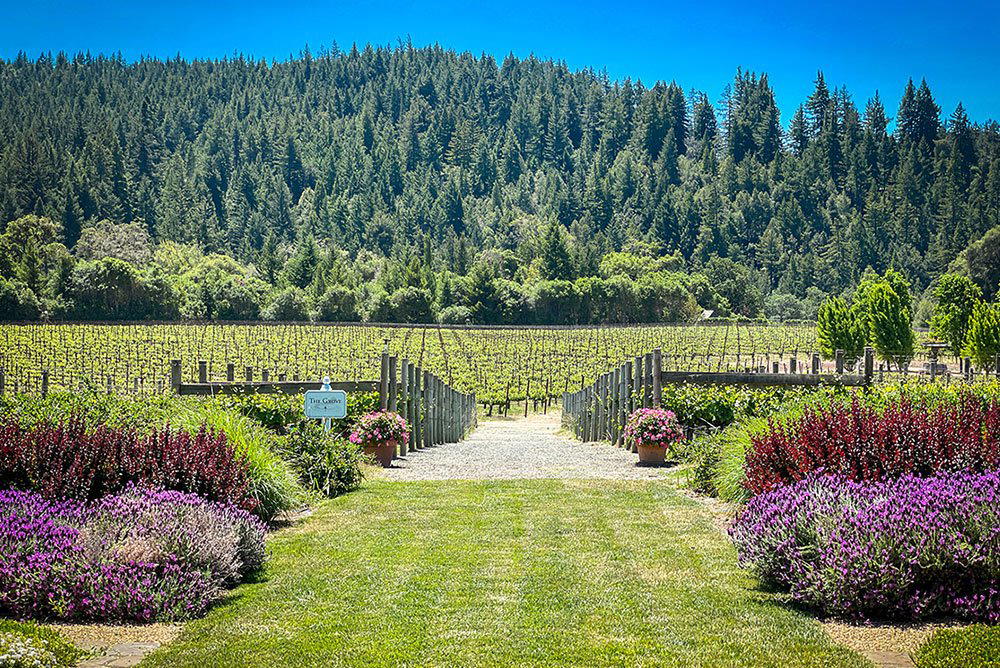
Anderson Valley's Argument for Cool-Climate Pinot
The drive along CA-128 through Philo tells you most of what you need to know about why serious Pinot Noir ends up here and not fifty miles east. The redwood corridors break into open ridge lines, the afternoon marine layer pushes in from the Navarro River gap, and the temperature differential between a summer midday and midnight can exceed thirty degrees Fahrenheit. These are not comfortable conditions for easy viticulture. They are, however, the conditions that force vines to work, extend hang time, and produce the kind of structural tension that distinguishes Anderson Valley Pinot from warmer coastal California expressions. Goldeneye Winery, positioned along that same highway corridor at 9200 CA-128, sits inside this argument rather than above it.
California wine has long carried a reputation for generosity to a fault: ripe, full-bodied, high-alcohol expressions that trade elegance for impact. Anderson Valley represents the state's sustained counter-argument, and Goldeneye is among the producers that have consistently made the case within that tradition.
Viticulture as the Central Practice
The most consequential decisions at any serious estate winery happen in the vineyard, not the cellar. Across Anderson Valley's established producers, the gap between those committed to organic or biodynamic farming and those operating conventionally has widened meaningfully over the past decade. Soil health, vine stress management, and the reduction of synthetic inputs have moved from fringe practice to competitive signal among producers in the prestige tier. Goldeneye's Anderson Valley properties are farmed with an orientation toward sustainability that shapes the character of the fruit before any cellar intervention takes place.
Cool-climate viticulture in this part of Mendocino County presents specific farming demands. Botrytis pressure increases as the fog lingers, requiring canopy management that balances sun exposure against berry integrity. Yields are naturally constrained by the lean soils on the valley's benchland sites and the shortened growing window imposed by early-season cold. These pressures are not problems to be engineered away; they are the mechanism through which the valley's wines acquire their tension and longevity. Producers who farm with the valley's character rather than against it tend to produce wines that read as distinctly Andersonian rather than generic California Pinot.
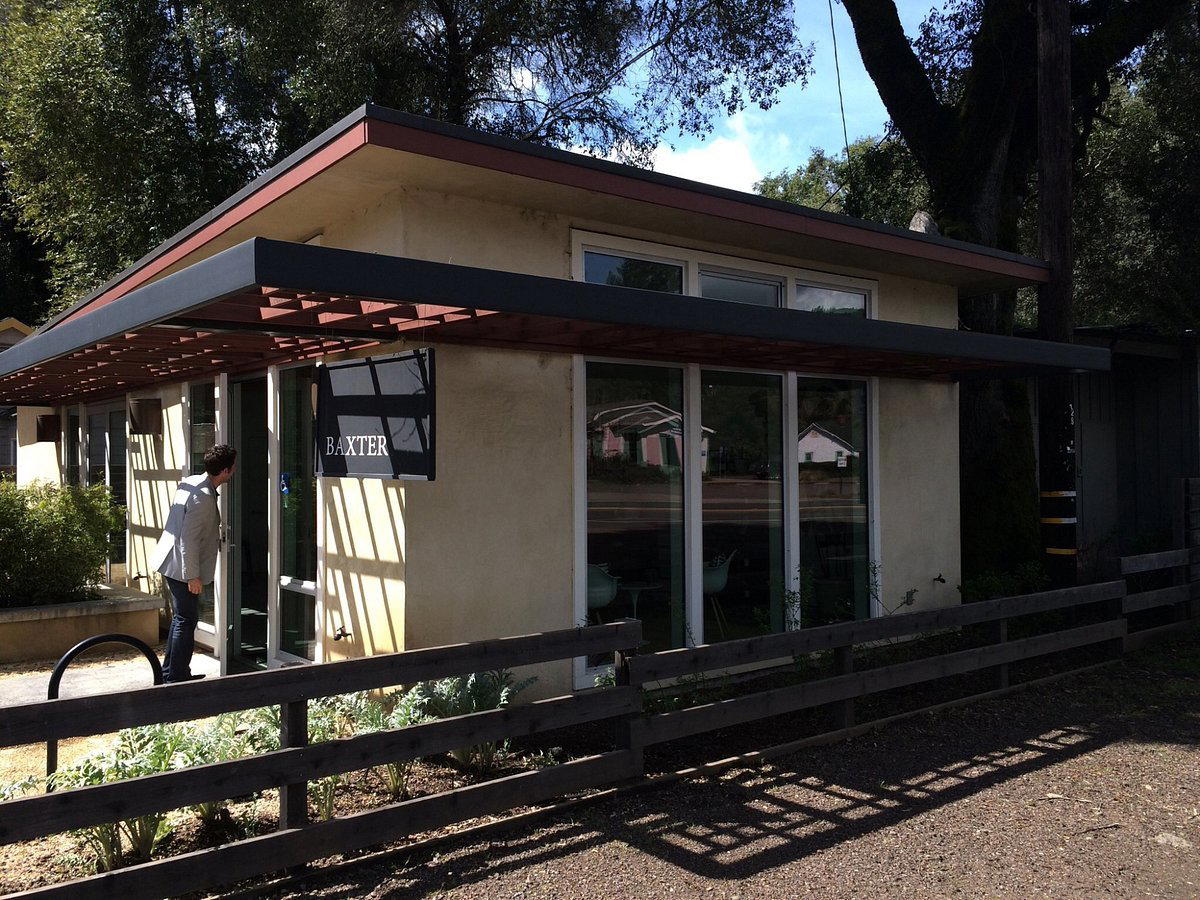
For context on how Goldeneye sits within the Philo winemaking community, Lazy Creek Vineyards and Baxter Winery represent the valley's commitment to restrained, site-specific production, while Brashley Vineyards and Edmeades Winery round out a peer group that collectively defines what Anderson Valley does at its most considered. The sparkling wine benchmark, Roederer Estate, demonstrates that cool-climate discipline in this appellation extends across formats and price tiers.
The Tasting Room Along the Highway
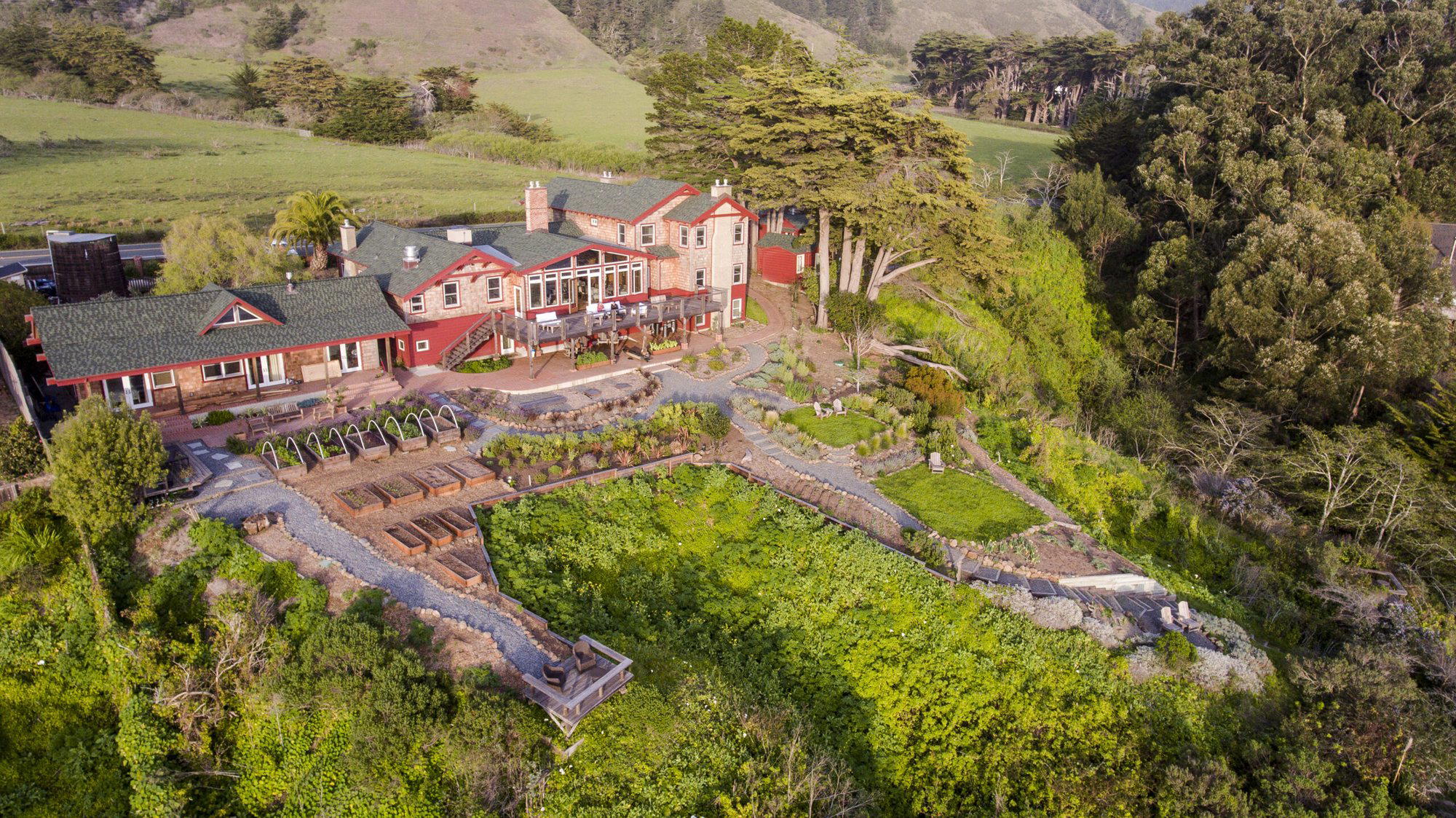
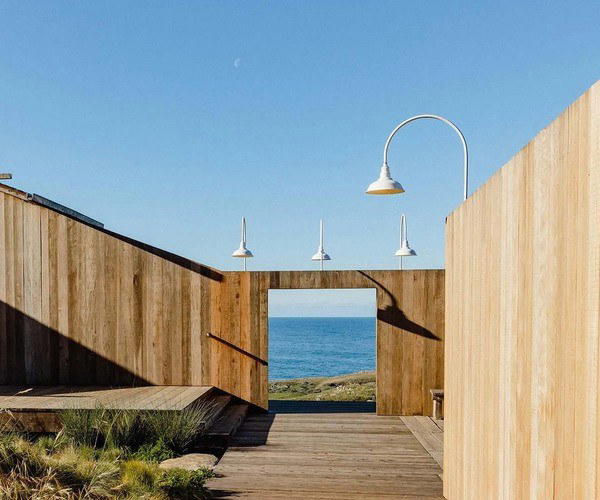
Arriving at Goldeneye along CA-128, the property reads immediately as a working estate rather than a visitor-centre-with-vines. The physical environment organises itself around the land: the creek-adjacent setting, the open sky above the valley floor, and the visual rhythm of the vine rows on the surrounding hillsides create a context that positions the tasting as an encounter with a specific place rather than a product presentation. This is not incidental. The better Anderson Valley producers have understood for some time that the tasting room experience functions as the primary education mechanism for wines that require context to be fully appreciated.
Philo itself offers no urban distractions. The town's isolation along the coastal route means that visitors have, by the time they arrive, committed to the valley's pace. That commitment tends to produce more attentive tasters, and the wineries that have built their programs around that attentiveness, Goldeneye included, have structured their experiences accordingly. Visitors planning a day across the valley's corridor should note that the drive from the coast through the redwood section alone warrants building buffer time into any itinerary. The our full Philo guide covers the valley's broader dining and producer landscape for those building a multi-stop visit.
Where Goldeneye Sits in the California Fine Wine Map
California's premium winery tier has stratified considerably. At the leading, Napa Cabernet estates operate in a category defined by allocation lists, secondary market prices, and hospitality programs that function almost as standalone businesses. Anderson Valley's prestige-tier Pinot producers occupy a different but coherent position: smaller production volumes, region-specific identity, and a visitor experience grounded in the vineyard rather than in architecture or celebrity association.
Across California's other coastal Pinot strongholds, the comparable benchmark estates tend to share a common profile: site-specific sourcing, restrained winemaking, and a tasting room experience calibrated for the wine rather than the occasion. Producers like Accendo Cellars in St. Helena and Adelsheim Vineyard in Newberg operate in adjacent premium tiers with comparable orientation toward site fidelity, offering useful reference points for visitors whose palates are calibrated to that register. For the broader California fine wine context, Alpha Omega Winery in Rutherford and Alexander Valley Vineyards in Geyserville represent the Cabernet-dominant end of the state's premium conversation, a useful contrast for understanding why Anderson Valley's Pinot specialists occupy such a distinct position.
Beyond California, the cool-climate commitment visible at Goldeneye has counterparts across the Western wine world. Adelaida Vineyards in Paso Robles, Alban Vineyards in Arroyo Grande, and Andrew Murray Vineyards in Los Olivos demonstrate that California's commitment to site-driven winemaking extends well beyond the North Coast. Further afield, Aberlour in Aberlour and Achaia Clauss in Patras show how deeply embedded the idea of place-specific production is across the global fine beverage canon.
Planning a Visit to Philo
Goldeneye Winery is located at 9200 CA-128, Philo, CA 95466, along the main highway corridor that links the coast to Mendocino County's inland wine towns. Anderson Valley's tasting rooms generally operate on appointment-based or structured experience formats at the prestige tier, and Goldeneye aligns with that model. Given the drive time from San Francisco (roughly three hours) and from the Mendocino coast (approximately forty-five minutes), most visitors combine a Goldeneye visit with two or three additional producers along the highway.
Awards and Standing
Comparable venues nearby, for context on price, style, and recognition.
| Venue | Cuisine | Price | Awards | Notes |
|---|---|---|---|---|
| Goldeneye WineryThis venue — the venue you are viewing | Pinot Noir | $20–30 | Falstaff Winery - Listed | Not listed |
| Wentworth Vineyard & Ranch | Pinot Noir, Chardonnay | Not listed | Not listed | Philo |
| Thomas T. Thomas Vineyards | Pinot Noir, Chardonnay | $30–50 | Not listed | Philo |
| Long Meadow Ranch (Anderson Valley) | Pinot Noir, Chardonnay | $30–50 | Not listed | Philo |
| Toulouse Vineyards | Pinot Noir, Pinot Gris | $20–30 | Not listed | Philo |
| Esterlina Vineyards | Winery | Not listed | Not listed | Philo |
Recognition history
Dated appearances from independent guides and award organizations, with the underlying list record or original source where available.
Falstaff Winery - Listed
Falstaff

Details
- Elegant
- Scenic
- Rustic
- Romantic Getaway
- Wine Education
- Estate Grounds
- Terrace
- Panoramic View
- Sustainable
- Vineyard
- Mountain
- Pinot Noir
- Still Red
- Seated Tasting
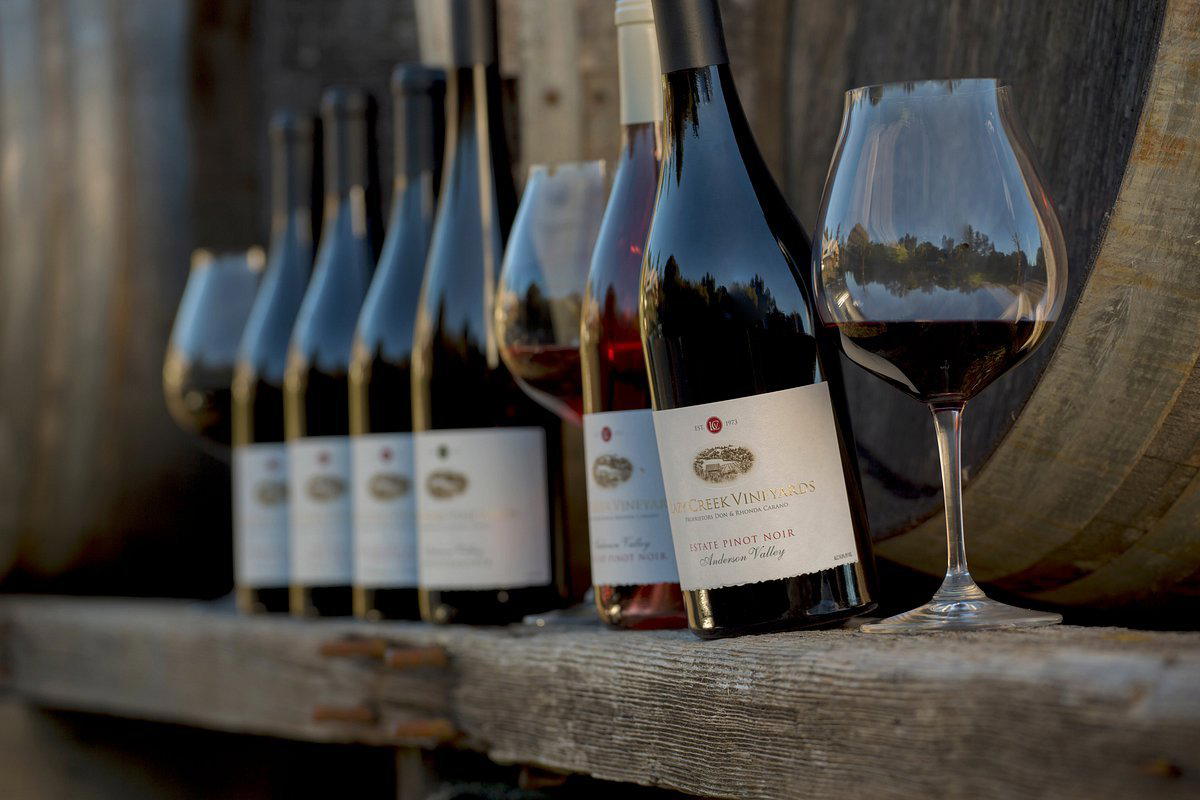
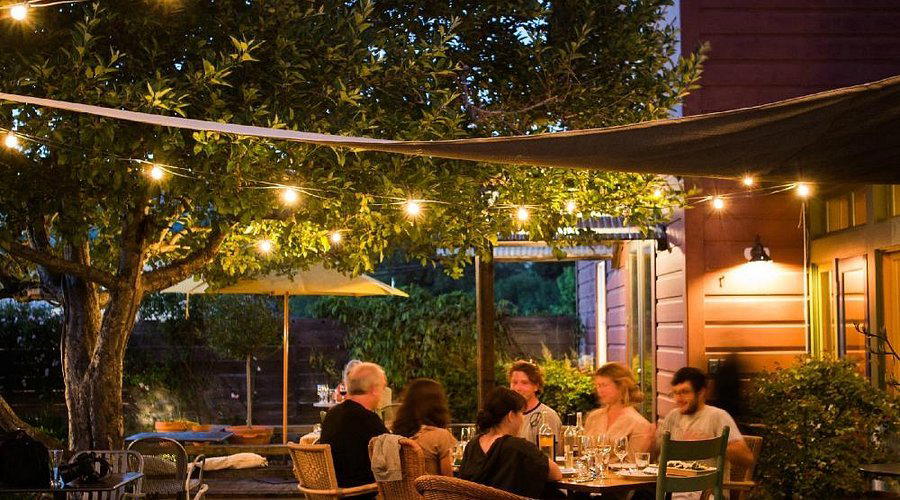
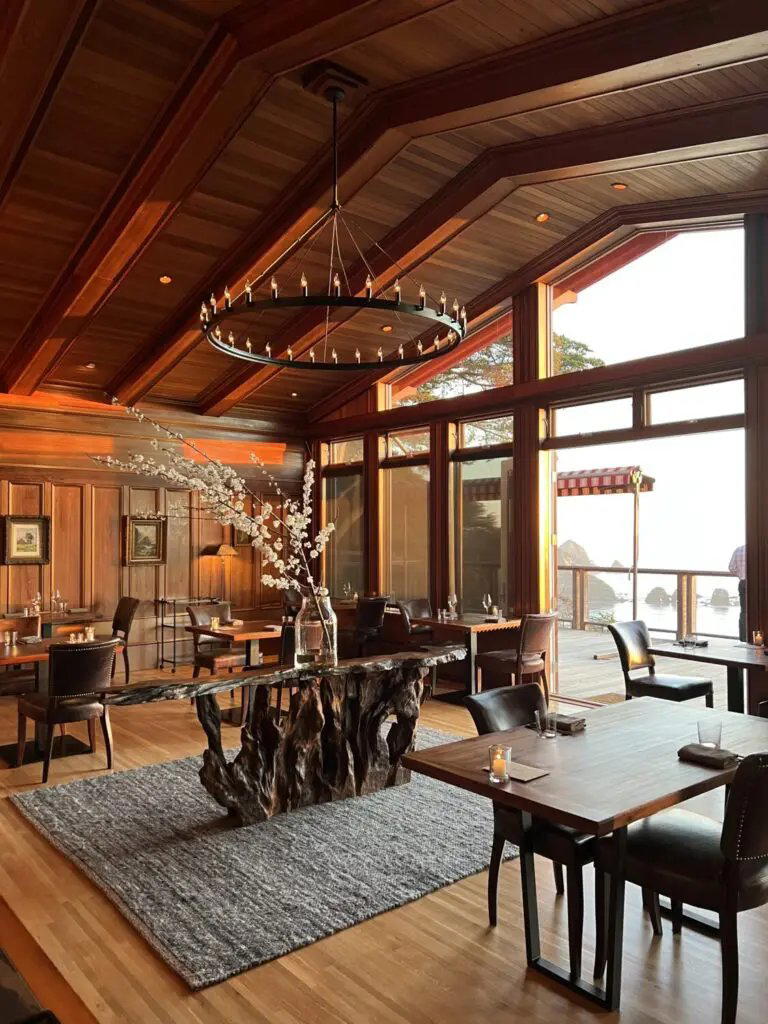
Relaxed and elegant with comfortable patio seating overlooking picturesque vineyards and natural surroundings.