Cafe Maritime
Our verdict
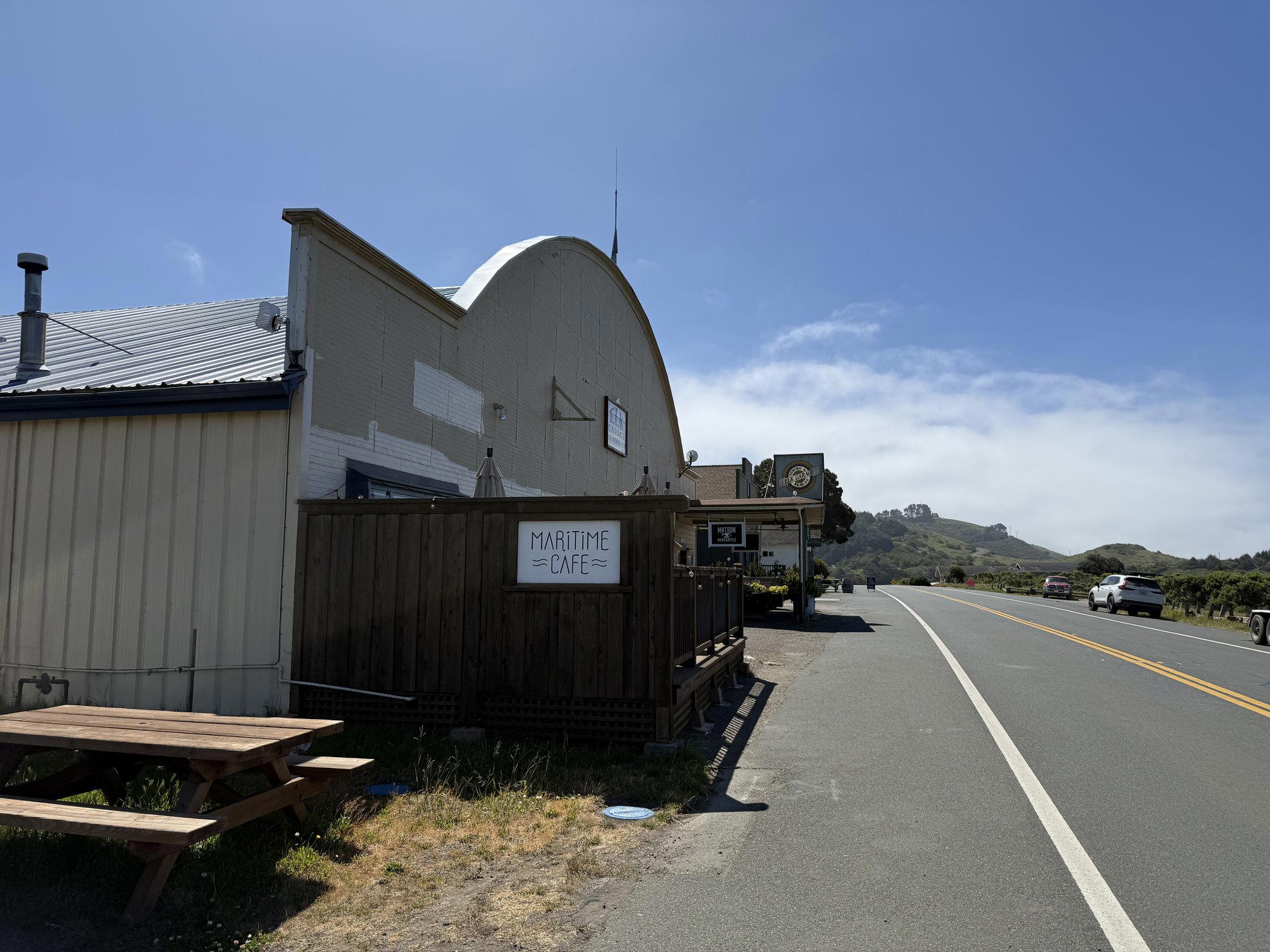
Cafe Maritime sits on Highway 1 in the small coastal village of Elk, California, where the Mendocino coastline sets the terms for what ends up on the plate. Sourcing from the cold Pacific waters and the farmland running inland from the bluffs, it occupies a tier of coastal dining where proximity to the ingredient is the operating principle. For the Mendocino coast dining scene, see our full Elk restaurants guide.

Pearl is the En Primeur Club membership app, where members save venues, book tables and use the concierge.
The menu
What to order
- Buttermilk pancakes
- Roast chicken sandwich
Where the Highway Meets the Bluff
Highway 1 through Mendocino County is one of the more unforgiving stretches of California coast road, two lanes, no shoulder, the Pacific dropping away to the west in sheer bluffs. Elk sits at mile marker territory where the villages are small, the population thins to a few hundred, and the restaurants that survive do so because the land and sea around them are genuinely productive. Cafe Maritime, at 6061 CA-1, occupies that context directly. The address is the story: a building on the coastal highway in a village of this scale is positioned by geography before it is positioned by ambition.
Small coastal towns on the Mendocino stretch have historically supported a particular type of restaurant, one that does not try to replicate what San Francisco does but instead works with what the immediate region provides. The cold Mendocino waters produce Dungeness crab, rock cod, salmon, and abalone. The inland valleys run toward small farms growing year-round produce in conditions that differ substantially from the Central Valley monoculture. A restaurant named Maritime, in this context, is making a declaration about its reference points.
The Sourcing Logic of the Mendocino Coast
The broader farm-to-table framing has become so diluted across American dining that it rarely carries meaning on its own. What distinguishes serious coastal sourcing from the marketing version is specificity: not just "local fish" but identified fisheries, named farms, relationships with suppliers that predate the current season. On the Mendocino coast, that specificity is easier to achieve than in most places, because the supply chains are short by necessity. Elk has no wholesale distribution infrastructure of its own. Restaurants in the village either build direct relationships with fishermen working out of Fort Bragg or Albion, or they absorb the cost of trucking product in from further away. The former approach produces food that reflects the actual biology of the coastline; the latter produces food that could have been made anywhere.
This is the sourcing question worth asking at any Mendocino coast restaurant: how close is the fish to the water it came from, and how recent is the catch? At the scale Cafe Maritime operates, a small venue in a village on a two-lane highway, the answer is typically closer than in most California coastal cities, where volume requirements push kitchens toward larger, more distant suppliers. Compare this to a destination like Le Bernardin in New York City, where sourcing excellence requires active effort against a system optimized for scale, or Providence in Los Angeles, where the kitchen's Michelin-recognized seafood program demands constant logistics management across long supply lines. The Mendocino model is structurally different: the constraint of remoteness enforces a local sourcing discipline that bigger-city restaurants have to engineer intentionally.
Elk's Place in the Northern California Dining Pattern
Northern California's fine dining conversation tends to anchor in San Francisco, Napa, and Sonoma, with occasional reaches to Healdsburg, where Single Thread Farm has demonstrated what farm-integration can mean at a high-investment level. The Mendocino coast sits north of that cluster, less trafficked by food press, and home to a quieter version of the same philosophy. Harbor House, also in Elk, has drawn national attention for its Progressive American approach to the local larder, with Michelin recognition that places it in a different competitive tier. Cafe Maritime operates in the same village, in the same ingredient environment, as part of the broader Elk dining picture that makes the town worth the drive from Mendocino or the Bay Area.
Those are destination tasting-menu institutions built around culinary abstraction and significant capital investment. The Mendocino coast restaurant tradition runs closer to the Blue Hill at Stone Barns principle in spirit, place-driven, ingredient-led, honest about what the region produces, but without the institutional scale or the Tarrytown endowment model behind it. In Elk, the constraints are real: the season, the catch, the small farms, the weather off the Pacific. Those constraints produce a more contingent kind of cooking, dependent on what actually arrived that week.
For the broader picture of what Elk offers beyond its restaurants, the Elk hotels guide, bars guide, wineries guide, and experiences guide map the full range of what this stretch of coast offers for a longer visit. The Brickery is another Elk option for different register and format. Our full Elk restaurants guide contextualizes all of them together.
Planning a Visit
Elk sits roughly three hours north of San Francisco by car, the final stretch of which runs on Highway 1 through Bodega Bay and the Sonoma coast before climbing into Mendocino County. The road does not encourage rushing. Visitors who treat the drive as part of the experience rather than an obstacle tend to arrive in the right frame of mind for a coastal village dinner. Because Elk is small and the restaurant options are limited, timing matters more here than in a city: arriving without a clear plan for where to eat on a weekend in summer or fall is a different proposition than the same approach in San Francisco, where alternatives are always nearby. Current hours and reservation availability for Cafe Maritime are best confirmed directly with the venue before making the drive. Given the scale of the village, walk-in availability on busy weekends is not something to rely on.
For comparable experiences in larger California markets, Addison in San Diego represents what regional California cooking looks like with significant institutional backing, and Atomix in New York City shows how rigorous sourcing discipline operates at the other end of the scale and formality spectrum. The Mendocino coast sits outside both of those models, and is better for it.
Frequently asked questions
Would Cafe Maritime be comfortable with kids?
Elk itself is a small, quiet coastal village on Highway 1, and Cafe Maritime reflects that unhurried pace. The setting is unlikely to suit families expecting high-chair infrastructure or children's menus, call ahead to clarify, as the venue's contact details are not currently listed publicly. The remote location, roughly three hours north of San Francisco, also means dining here tends to attract adults on deliberate coastal itineraries.
What kind of setting is Cafe Maritime?
Cafe Maritime sits at 6061 CA-1 in Elk, a village where Highway 1 runs tight against the Pacific bluffs of Mendocino County. The setting is coastal and rural rather than resort-polished, expect the atmosphere of a working stretch of California coastline, not a curated oceanfront terrace. Elk has fewer than a few hundred residents, which shapes the scale and character of everything along this corridor.
What makes Cafe Maritime worth stopping for on a Highway 1 road trip through Mendocino County?
Elk sits at one of the less-trafficked points on the Mendocino coast, beyond the heavier tourist pull of Mendocino town itself, which means Cafe Maritime operates in a dining corridor that sees fewer opportunistic drop-ins than venues further south. At 6061 CA-1, the address places it directly on the highway rather than tucked into a town center, making it a natural pause point on a northbound or southbound coastal drive. The Mendocino coast's proximity to small-scale fishing operations and inland farms gives kitchens here a sourcing context that distinguishes them from highway stops elsewhere in California.
What should I order at Cafe Maritime?
Given the venue's position on the Mendocino coast, regional seafood and locally sourced produce are the logical anchors of any serious kitchen operating here, the surrounding waters and farms give this stretch of California coast a sourcing context that most inland restaurants cannot replicate.
How do I find Cafe Maritime?
Cafe Maritime is located at 6061 CA-1, Elk, CA 95432, Elk.
Is Cafe Maritime reservation-only?
Reservation policy for Cafe Maritime is not publicly listed, and no phone number or website is currently available through the venue's public record. Elk is remote enough, the last stretch of Highway 1 from Bodega Bay takes over an hour, that arriving without confirming access carries real risk of a wasted drive. If you can reach the venue through local directories before your trip, doing so is advisable.
Comparison Snapshot
Comparable venues nearby, for context on price, style, and recognition.
| Venue | Cuisine | Price | Awards | Notes |
|---|---|---|---|---|
| Cafe MaritimeThis venue (the venue you are viewing) | Farm-to-Table Seafood Cafe | $20–30 | Not listed | Not listed |
| The brickery | Wood-Fired Pizza | $20–30 | Not listed | Mendocino Village |
| Harbor House | Hyper-local Coastal Fine Dining | Not listed | 2 Michelin Stars · La Liste Top Restaurants | Elk |
| Patxi's Pizza | Chicago Deep Dish Pizza | Not listed | Not listed | Downtown Palo Alto |
| Hen House | Southern Soul Food - Chicken and Waffles | Not listed | Not listed | Jack London District |
| Belle’s Bagels, Sierra Madre | Modern Jewish Deli Bagels | $10–20 | Not listed | Sierra Madre |
Continue exploring
More in Elk
Restaurants in Elk
All restaurants in Elk →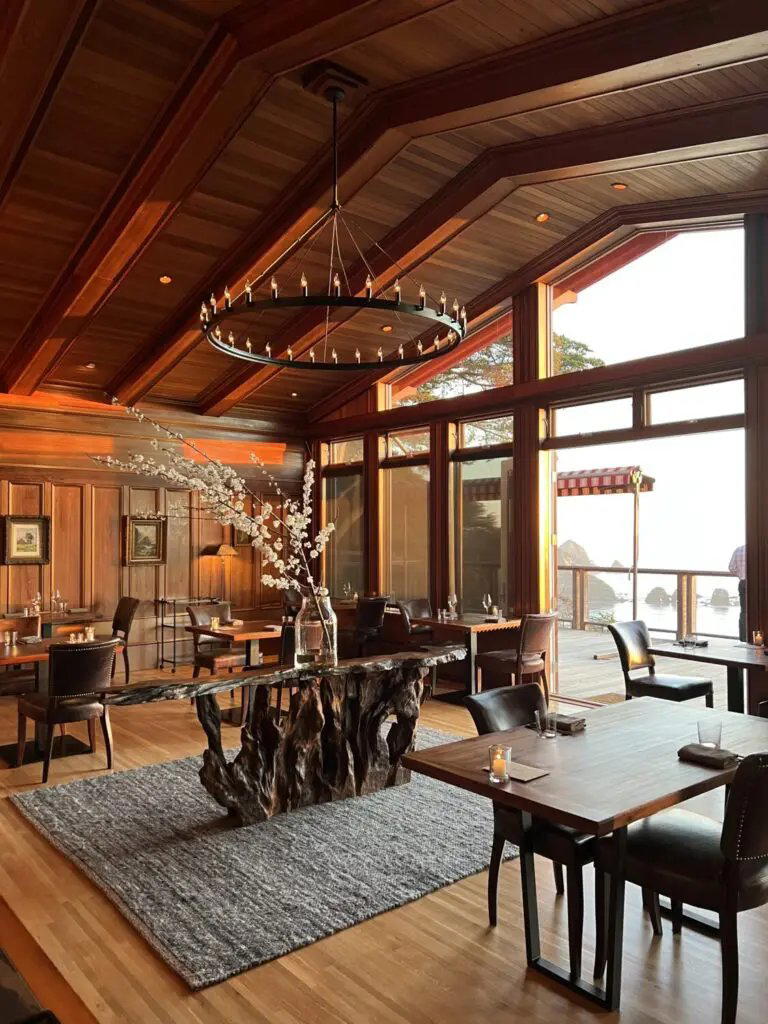
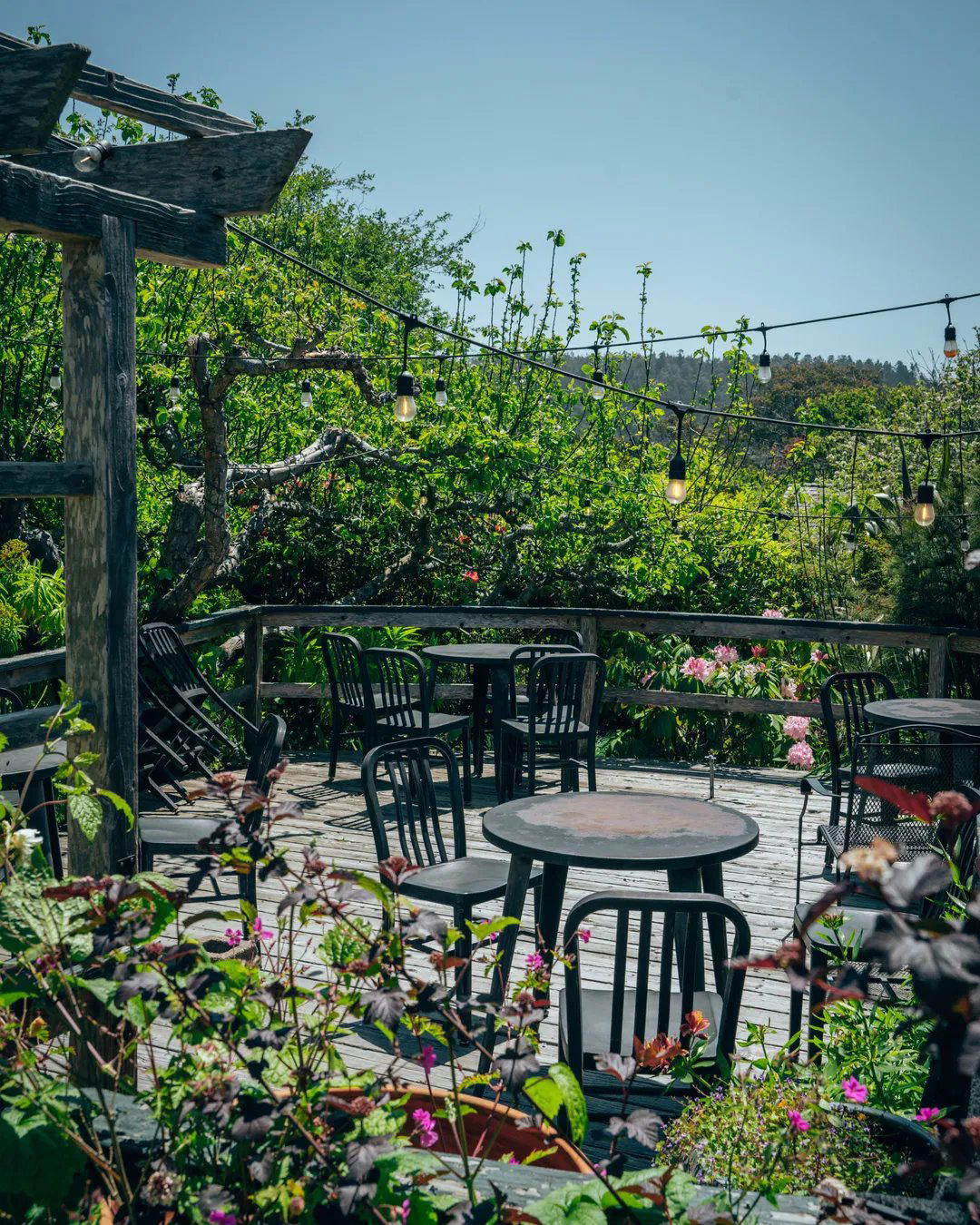
Hotels in Elk
Browse all →

Details
- Cozy
- Rustic
- Scenic
- Casual Hangout
- Brunch
- Waterfront
- Natural Wine
- Local Sourcing
- Farm To Table
- Waterfront
- A La Carte
- Natural Wine
- Vegetarian Friendly
Current opening hours
- Monday
- Closed
- Tuesday
- Closed
- Wednesday
- Closed
- Thursday
- 5–8 PM
- Friday
- 5–8 PM
- Saturday
- 11 AM–3 PM, 5–8 PM
- Sunday
- 11 AM–3 PM
Hours can change for holidays and private events. Hours as of .
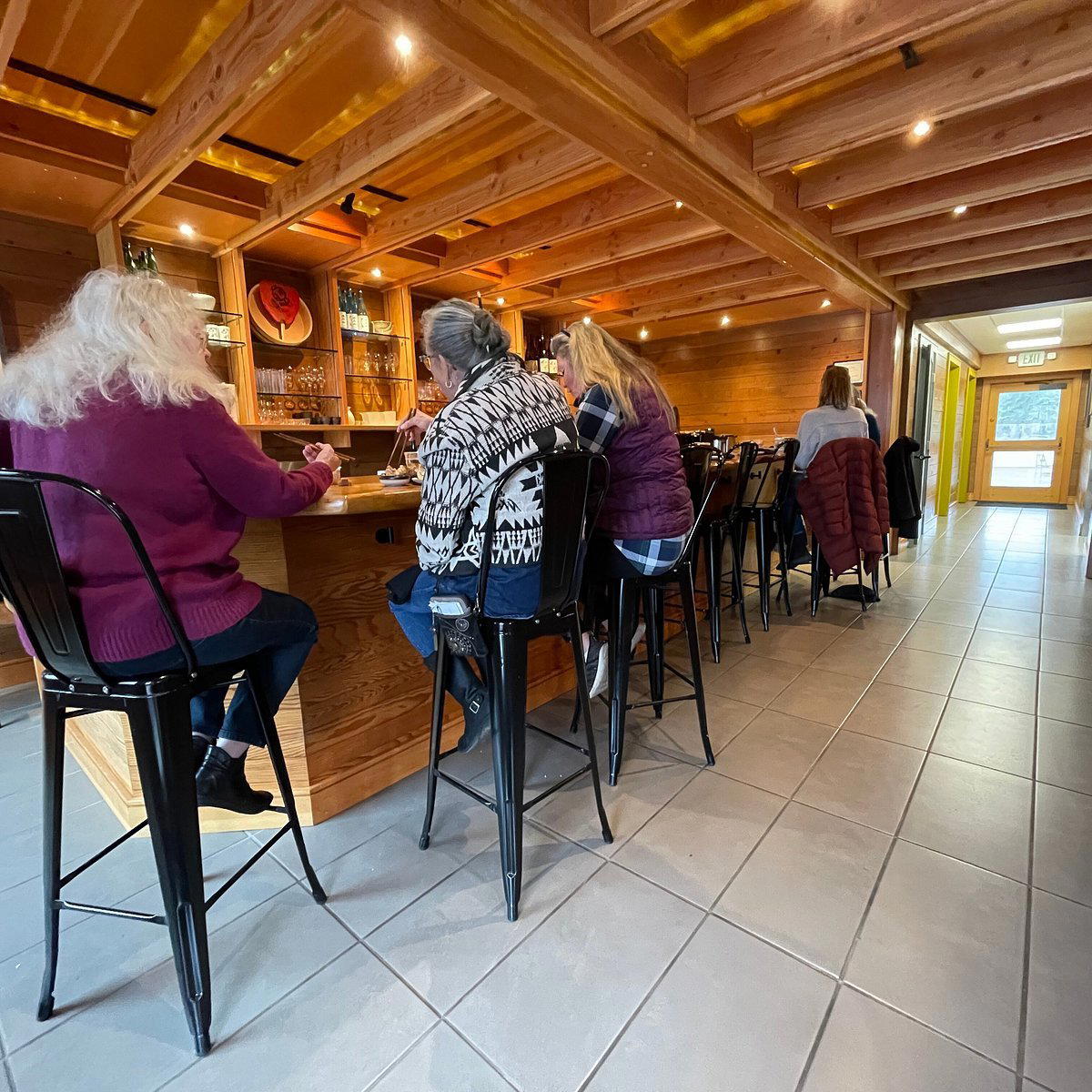
Casual interior with sea articles, counter stools, tables, large windows offering ocean views, and background music creating a cozy, effortlessly cool atmosphere.