Izakaya Gama
Our verdict
On the Mendocino Coast, where supply chains are short and fishing boats dock within a few miles of the table, Izakaya Gama brings an izakaya sensibility to Point Arena's Main Street. The format — small plates, shared rhythm, ingredient-first — suits a coastline where local sourcing isn't a marketing position but a practical reality.

Pearl is the En Primeur Club membership app — saves, bookings, and concierge access live there. Same editors, same standards.
- Address
- 150 Main St, Point Arena, CA 95468
- Phone
- (707) 485-9232
- Hours
- Mon–Tue ClosedWed–Sat 5–9 PMSun Closed
- Website
- izakaya-gama.com
- Directions
- Get directions
- Booking
- Book on Tock
The menu
What to order
- Gyoza
- Karaage
- Uni
- Black sesame ice cream
The Coastline as Kitchen
Point Arena sits roughly 115 miles north of San Francisco on a stretch of Highway 1 where the Pacific dictates the rhythm of daily life. The town's fishing pier, one of the few remaining working piers on the Mendocino Coast, positions local seafood not as a premium addition to a menu but as the baseline assumption. Restaurants here don't source from the coast for distinction; they source from it because it's what exists. Izakaya Gama, at 150 Main St, operates within that logic. The izakaya format — rooted in Japan's tradition of small-plate drinking-and-eating establishments where the food is serious but the register is informal — travels well to a coastal California town where the supply chain from boat to kitchen can be measured in miles rather than logistics chains.
The izakaya tradition, in its original Japanese context, sits closer to a neighbourhood pub than to a fine dining room. The food is technically considered but served without ceremony. Portion sizes are designed for sharing. The evening builds through rounds rather than courses. That structure, transplanted to a Northern California fishing community, aligns with local eating habits better than many imported formats do. The parallels between a coastal Japanese fishing village and Point Arena's relationship to the Pacific are more than atmospheric, both traditions treat whatever came out of the water that day as the starting point for the menu.
Ingredient Geography on the Mendocino Coast
The editorial case for ingredient-focused restaurants strengthens considerably when the geography supports it. The Mendocino Coast produces Dungeness crab, wild salmon, black cod, and sea urchin in volumes that support commercial fishing operations, and the same waters provide abalone, though at heavily regulated quantities. Inland, the region's ranches and small farms extend the local sourcing logic to meat and produce. A restaurant operating in this environment, particularly one whose format prizes small, precise preparations over volume cooking, has access to a raw-material base that restaurants in denser urban markets spend considerable effort trying to approximate.
This matters editorially because the ingredient-first framing isn't a style choice at this latitude; it's the structurally sensible approach. Consider how Single Thread Farm in Healdsburg has built its entire identity around hyper-local Sonoma County sourcing, or how Blue Hill at Stone Barns in Tarrytown has made the farm-to-table relationship a governing principle rather than a footnote. Along the Mendocino Coast, the same logic applies at a smaller scale and with less institutional infrastructure, which, depending on your perspective, makes the sourcing either more precarious or more authentic.
The Izakaya Format in a Small-Town Setting
Urban izakaya culture, as it has developed in cities like Tokyo, Osaka, and increasingly in U.S. markets through spots that share competitive territory with places like Atomix in New York City on one end and neighbourhood Japanese restaurants on the other, depends on density. The format works because it attracts repeat visitors, because staff know regulars, and because the kitchen can calibrate to what's moving quickly on a given night. Translating that to a town the size of Point Arena, with a population under 500, requires adaptation. The pace is slower, the clientele more mixed between locals and visitors driving the coast, and the margin for error on ordering and waste is narrower.
That constraint, practically speaking, tends to produce tighter menus with fewer SKUs and stronger dependence on what's fresh and available. For visitors accustomed to urban izakaya formats, the long laminated menus of 80 or more small plates, the Point Arena version is likely to read as more focused. This is a feature rather than a limitation: a shorter menu built around today's catch and this week's produce reflects the izakaya's original premise more faithfully than an encyclopedic list engineered for year-round consistency.
Where Izakaya Gama Sits in Point Arena's Dining Scene
Point Arena's dining options are limited by scale rather than ambition. The town supports a small number of independent restaurants, a handful of cafes, and the kind of informal spots that serve the fishing and farming community that lives here year-round. Pearl's recommendations function as a credentialing layer for restaurants that don't necessarily occupy the same competitive bracket as, say, The French Laundry in Napa or Providence in Los Angeles, but that deliver consistent, deliberate cooking within their context. At this latitude and price tier, that framing is the appropriate one.
For visitors building a longer Mendocino Coast itinerary, Point Arena functions as a midpoint between Bodega Bay to the south and Mendocino and Fort Bragg to the north. The town has a working pier, the Point Arena Lighthouse (the tallest lighthouse on the U.S. Pacific Coast), and a small but active arts community. Dining options are worth planning around rather than treating as afterthoughts. Our [full Point Arena restaurants guide]() covers the broader dining picture, and for those building out the full trip, our guides to [Point Arena hotels](), [Point Arena bars](), [Point Arena wineries](), and Point Arena experiences are worth consulting alongside this entry.
Planning Your Visit
Point Arena is a driving destination. The approach from San Francisco via Highway 1 takes approximately three to four hours depending on conditions, and the road north from Bodega Bay is slow by design, tight curves, coastal views, and the kind of driving that rewards patience. Izakaya Gama is located at 150 Main St, in the small commercial core of Point Arena. The izakaya format suits an unhurried evening, so arriving without a firm departure time is the correct posture.
Frequently asked questions
Is Izakaya Gama suitable for children?
The izakaya format — multiple small plates designed for sharing — tends to work well for families who eat adventurously, since the variety lets different appetites find something suitable. Point Arena itself is a quiet coastal town, so the pace is generally relaxed rather than frenetic.
What's the overall feel of Izakaya Gama?
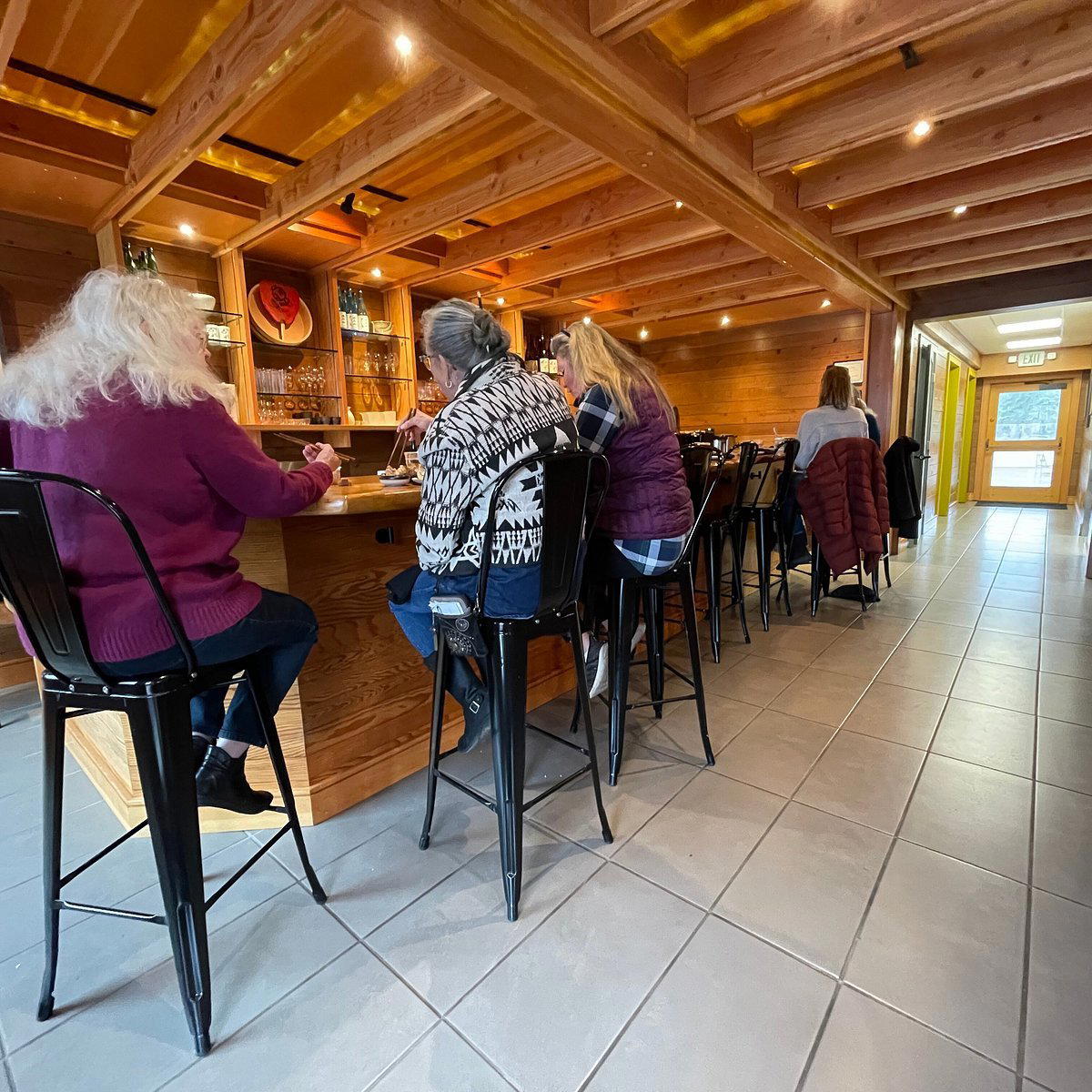
The setting is Point Arena — a small Highway 1 town where the Pacific sets the pace — so expect a neighbourhood-scale room rather than a city-sized production. The izakaya model, by design, favours conviviality over ceremony.
What should I eat at Izakaya Gama?
The izakaya format typically organises around shared small plates, which on the Mendocino Coast points naturally toward local Dungeness crab, rockfish, and seasonal produce from the surrounding agricultural corridor. Ordering broadly across the menu rather than committing to a single dish is standard practice at any izakaya.
Where do I go for Izakaya Gama?
Izakaya Gama is located at 150 Main St, Point Arena, CA 95468, Point Arena.
How far ahead should I plan for Izakaya Gama?
Visitors driving Highway 1 from San Francisco, a roughly three-to-four-hour trip, should contact the restaurant before making the journey to confirm availability, particularly on weekends.
Quick Comparison
| Venue | Cuisine | Price | Awards | Notes |
|---|---|---|---|---|
| Izakaya GamaThis venue — the venue you are viewing | Authentic Izakaya | $50–100 | Not listed | Not listed |
| Le Bernardin | French Seafood Fine Dining | $300–500 | 3 Michelin Stars · World's 50 Best #13 | French, Seafood |
| Atomix | Modern Korean Tasting Menu | $300–500 | 2 Michelin Stars · World's 50 Best #7 | Modern Korean, Korean |
| Lazy Bear | Modern American Tasting Menu | Not listed | 2 Michelin Stars · World's 50 Best #25 | Progressive American, Contemporary |
| Alinea | Avant-Garde Molecular Gastronomy | $300–500 | 2 Michelin Stars · World's 50 Best #37 | Progressive American, Creative |
| Masa | Seasonal Hokkaido Tempura Omakase | $150–200 | Tabelog 100 #34 | Sushi, Japanese |
Continue exploring
More in Point Arena
Restaurants in Point Arena
Browse all →
Hotels in Point Arena
Browse all →

Details
- Cozy
- Intimate
- Rustic
- Date Night
- Casual Hangout
- Special Occasion
- Open Kitchen
- Sake Program
- Local Sourcing
- Small Plates
- A La Carte
- Sake
- Vegan Options
- Vegetarian Friendly
Current opening hours
- Monday
- Closed
- Tuesday
- Closed
- Wednesday
- 5–9 PM
- Thursday
- 5–9 PM
- Friday
- 5–9 PM
- Saturday
- 5–9 PM
- Sunday
- Closed
Hours can change for holidays and private events. Last verified .
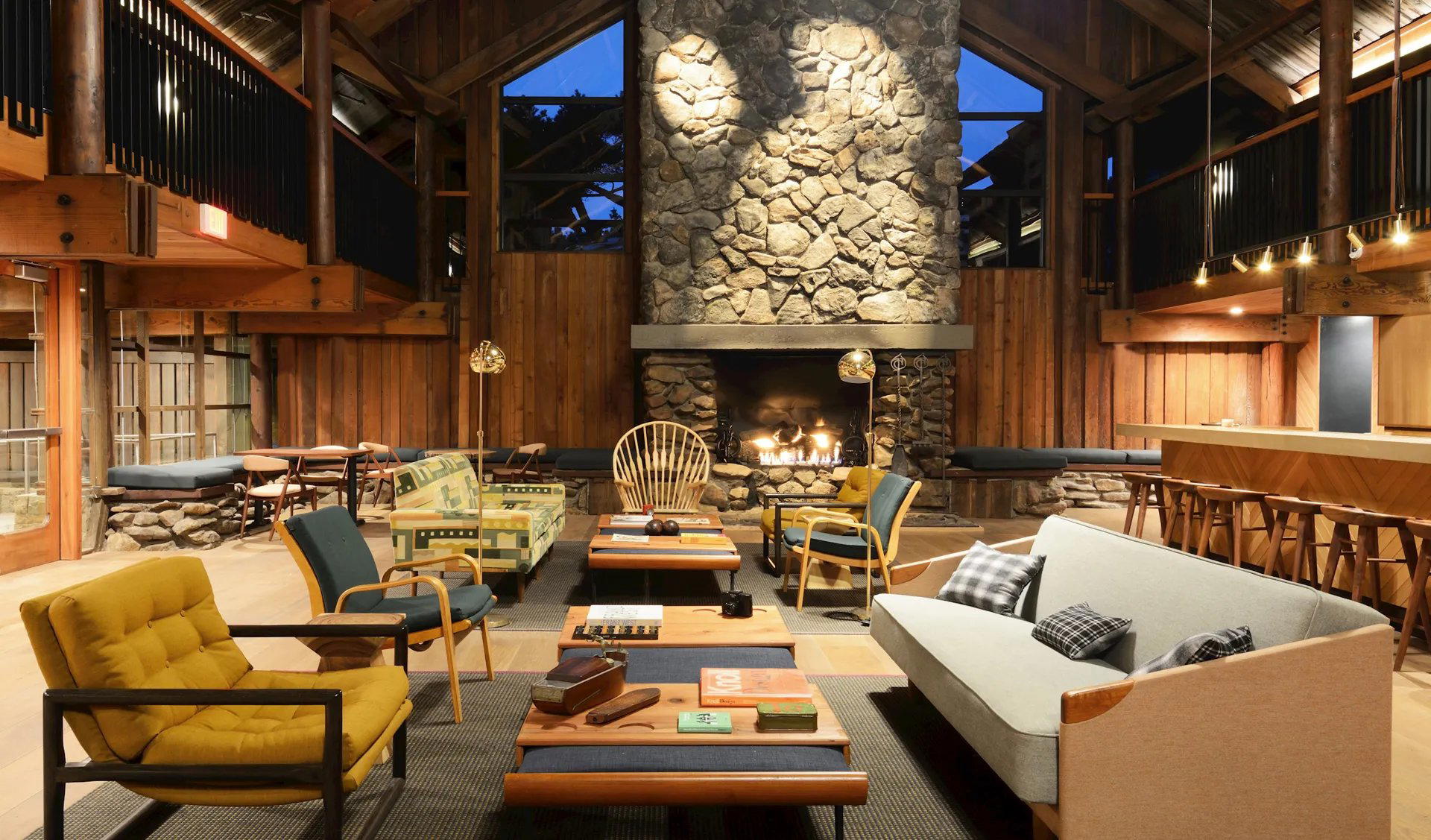
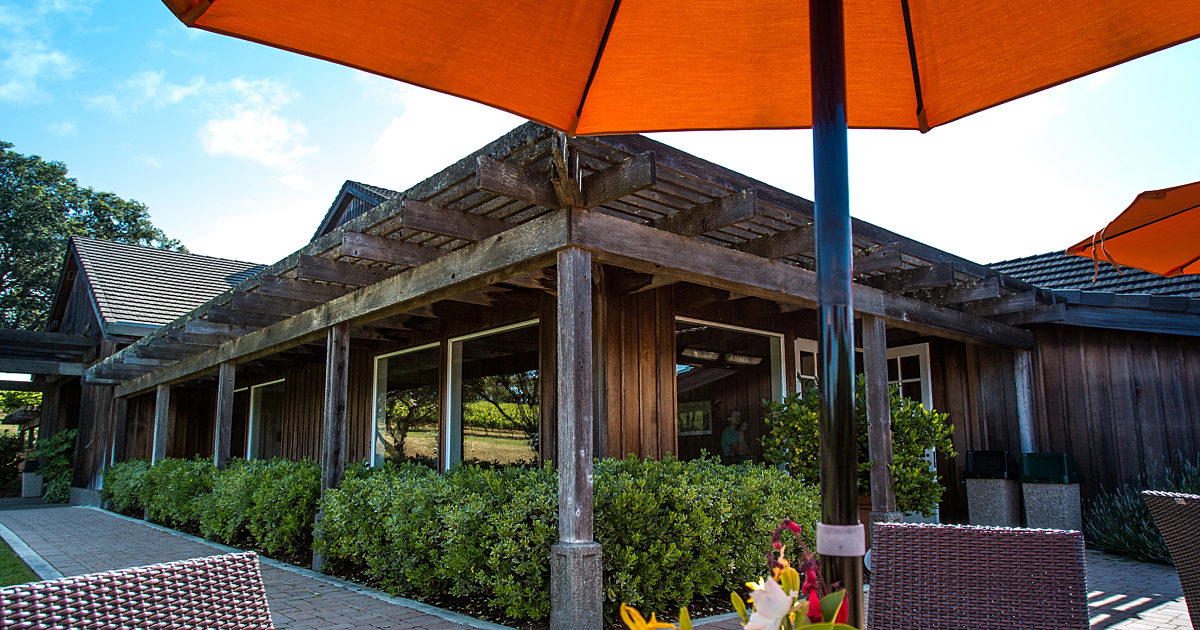
Charming and comfortable with live-edge cedar woodwork, inviting atmosphere, though some note uncomfortable metal chairs.