Fratelli Vagnoni

Falstaff Winery - Listed
Fratelli Vagnoni is a family-run organic winery in San Gimignano with roots in 1955 and first bottled production beginning in 1965. Its appeal is tied to the agricultural shape of the estate: Vernaccia di San Gimignano, a grape-drying room for Occhio di Pernice Vinsanto, and a hill-country setting shaped by vineyards, olive groves, orchards, woodland, and arable land.

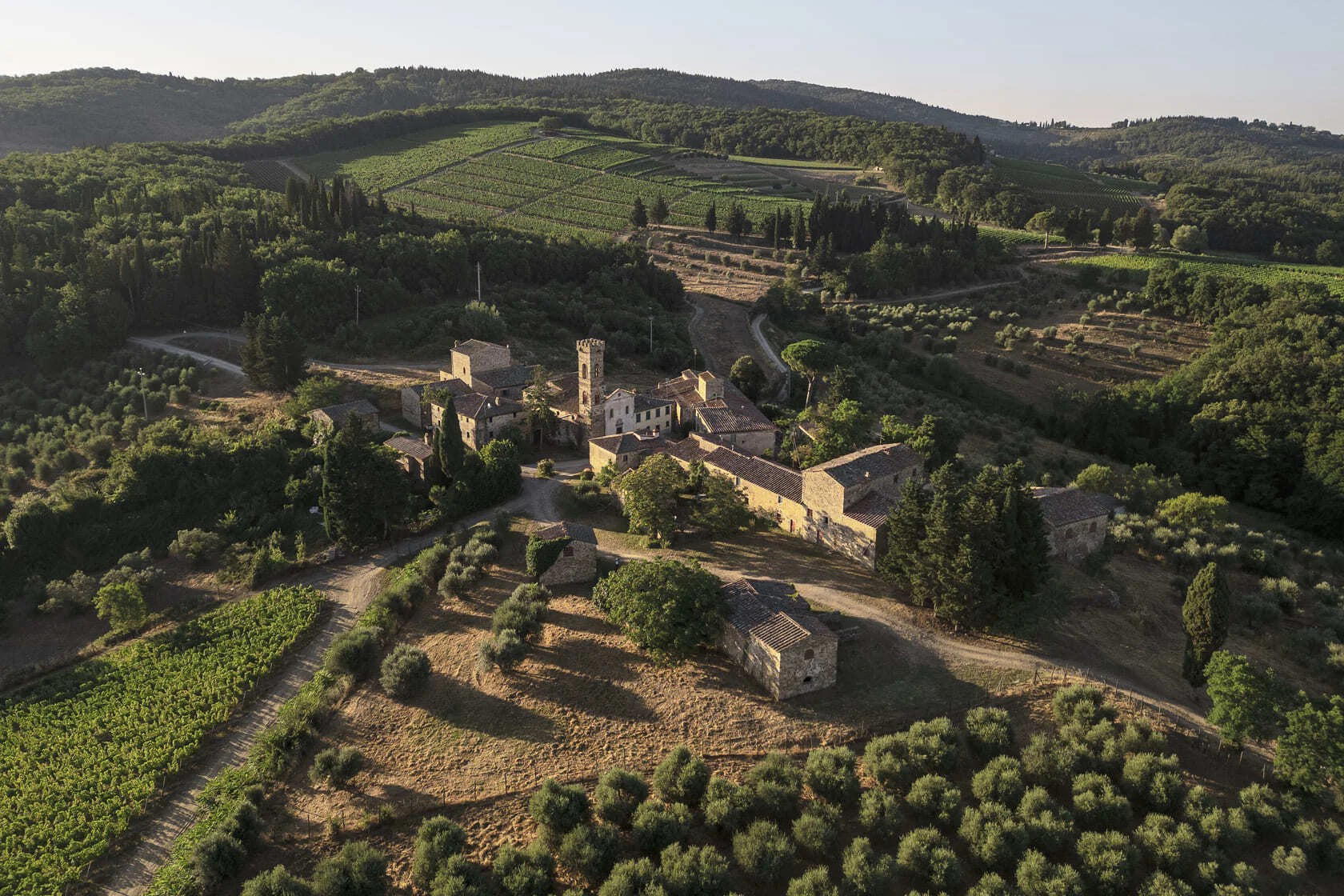
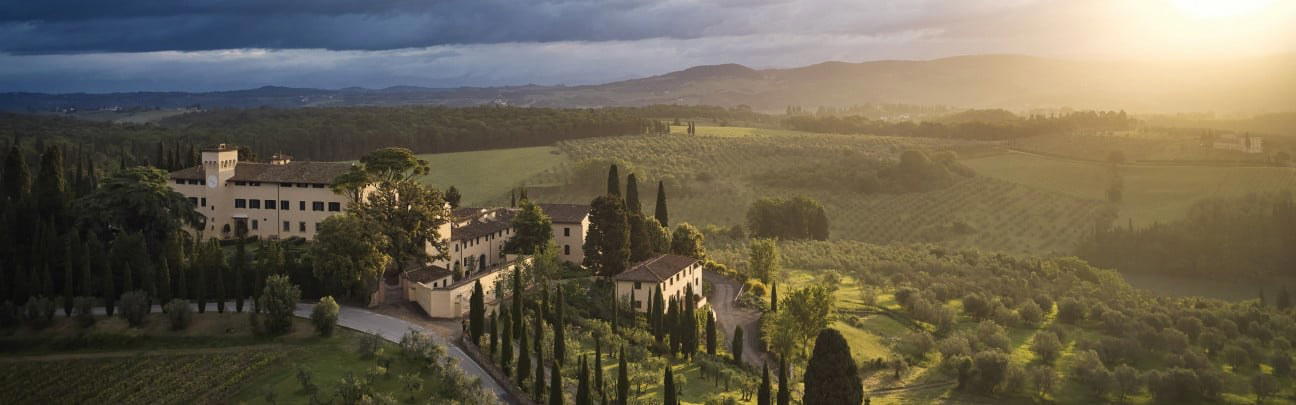
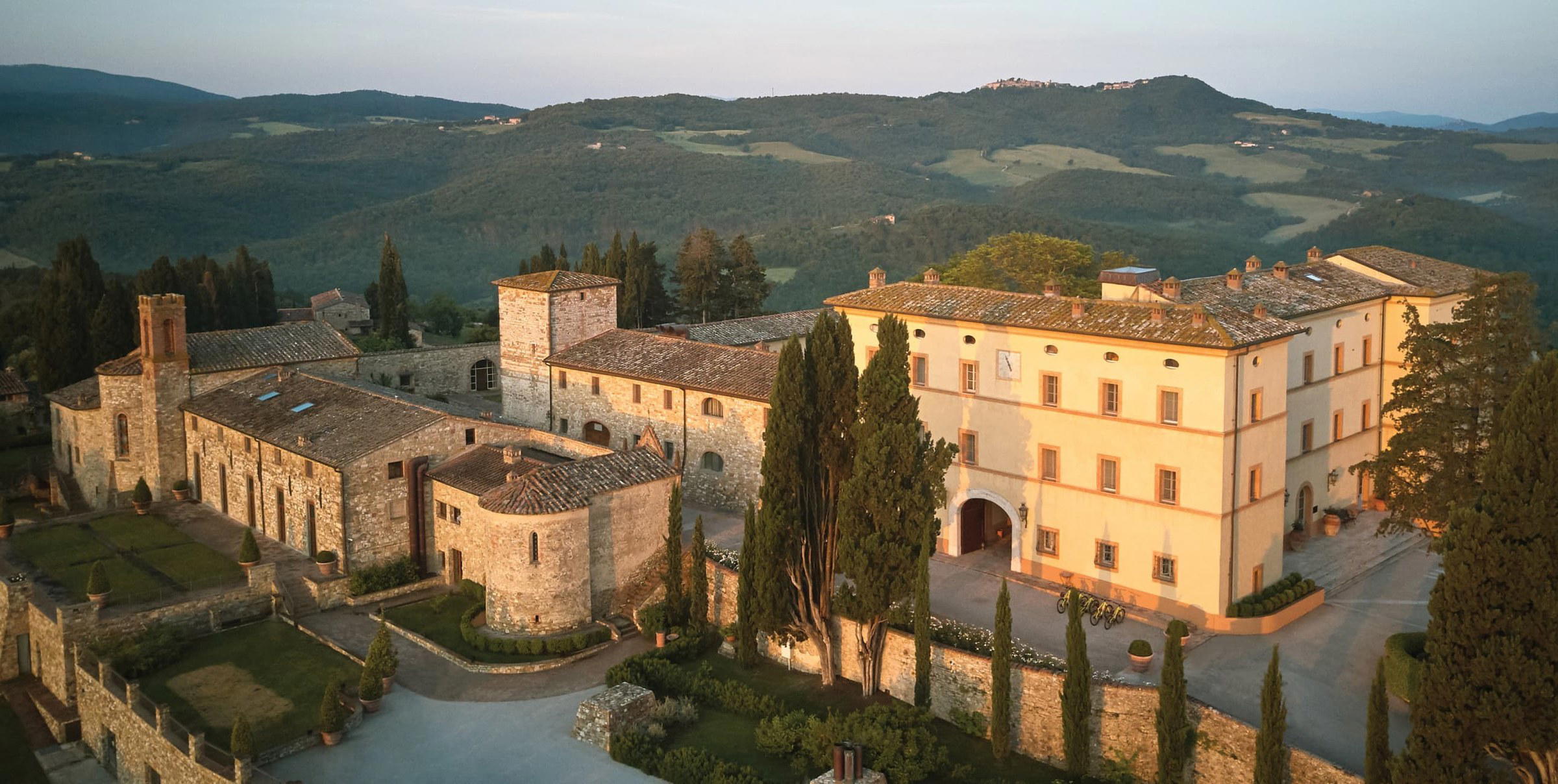
The approach to Fratelli Vagnoni is not an urban wine-bar prelude dressed up as countryside. This is the San Gimignano wine zone in its agricultural form: hill country, vines, olive groves, orchards, woodland, and worked land around a family estate whose identity depends on farming as much as pouring. The useful lens here is terroir, not scenery for its own sake. Vernaccia di San Gimignano has always carried a different Tuscan message from the red-wine corridors farther south and west: white wine with local definition, tied to a medieval town whose towers can too easily distract from the vineyards around it.
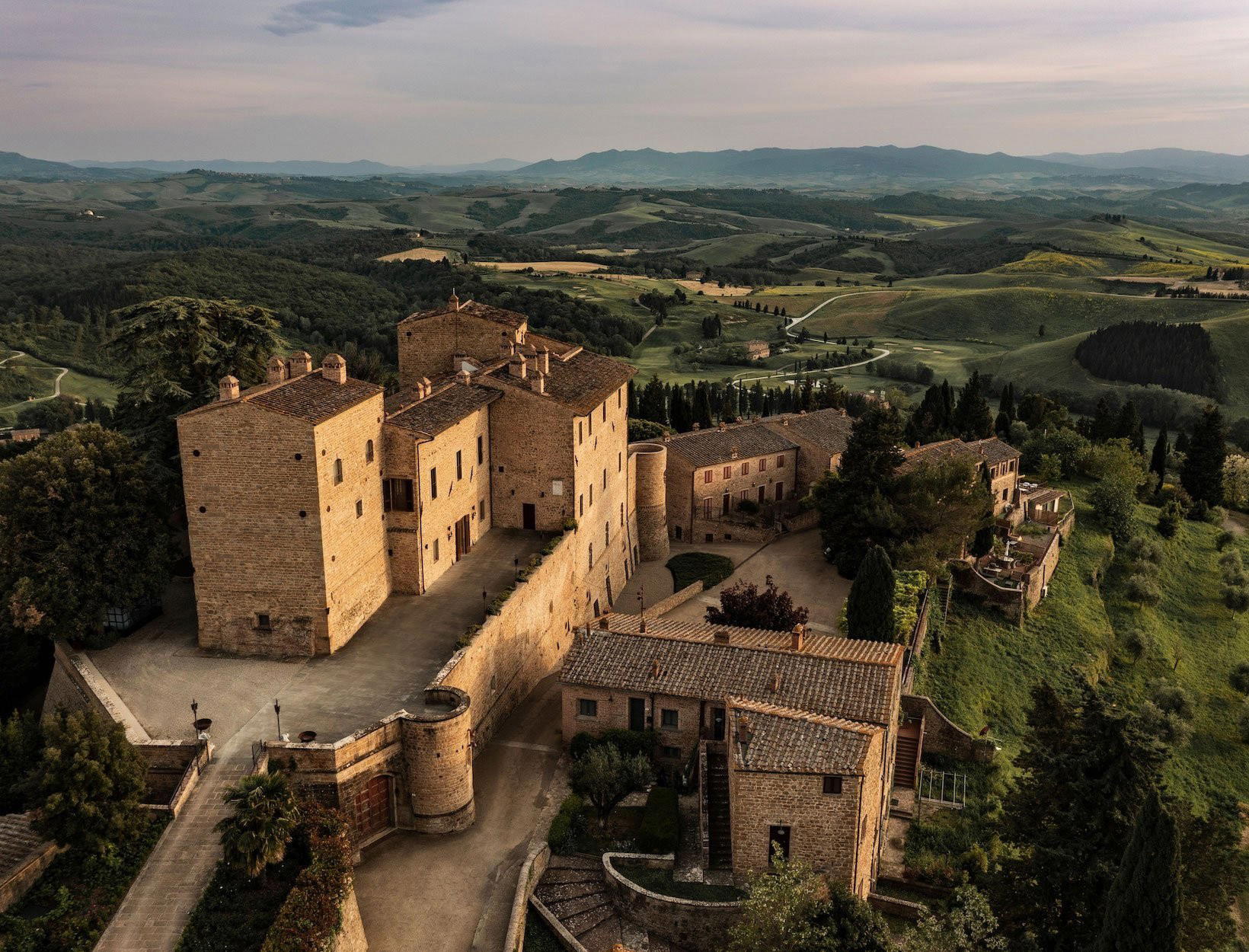
Fratelli Vagnoni belongs to the quieter side of that equation. Founded in 1955, with bottled wine production beginning in 1965, it reads as a long-running farm winery rather than a trophy-label tasting room. The estate covers about 42 hectares, with 16 hectares under vine and the rest given over to olives, fruit trees, woodland, and arable land. That mixed-use structure matters. In Tuscany, the difference between a wine brand with a view and a rural estate with wine at its center is often visible in the land around the cellar.
Vernaccia in a mixed Tuscan farm, not a single-crop showroom
San Gimignano’s wine identity is unusually specific within Tuscany because Vernaccia gives the area a white-wine signature in a region often discussed through Sangiovese and cellar-aged reds. Fratelli Vagnoni’s association with the Vernaccia di San Gimignano appellation places it inside that local frame, and at least one vintage-labeled Vernaccia di San Gimignano has circulated under the estate name. The point is not a long list of labels; it is the way the winery’s commercial identity aligns with the DOCG that defines the town’s wine reputation.
The estate’s craft signal becomes clearer with Occhio di Pernice Vinsanto. A grape-drying room is not decorative infrastructure. It points to a slower Tuscan tradition in which dried grapes, time, and cellar patience carry cultural weight beyond the standard tasting pour. For visitors trying to understand San Gimignano through production rather than postcard imagery, that detail is useful: this is a Vernaccia producer with a foot in a broader Tuscan dessert-wine practice.
Organic certification since 2011 gives the farming an objective marker. The term is often overworked in wine tourism, but here it sits alongside a landholding that is not planted wall to wall with vines. The combination of vineyard, olive grove, orchard, woodland, and arable land frames stewardship as part of a working estate model. It does not need inflated claims; certified organic viticulture and a diversified farm footprint already say enough.
For readers mapping the area, nearby San Gimignano wine pages such as Casa Alle Vacche, Casa Lucii, Cesani, Fattoria di Fugnano, and Fattoria San Donato help show how varied the local wine circuit can be, even inside one compact Tuscan town.
A tasting room shaped by agritourism rather than spectacle
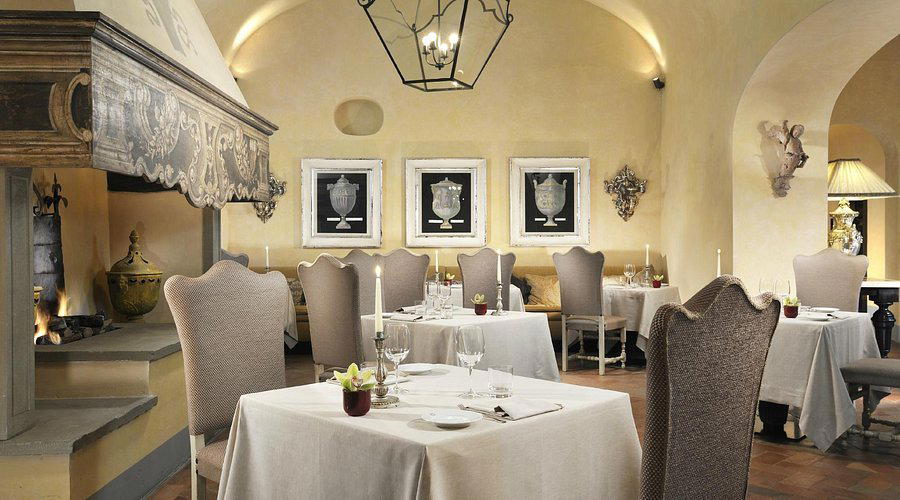
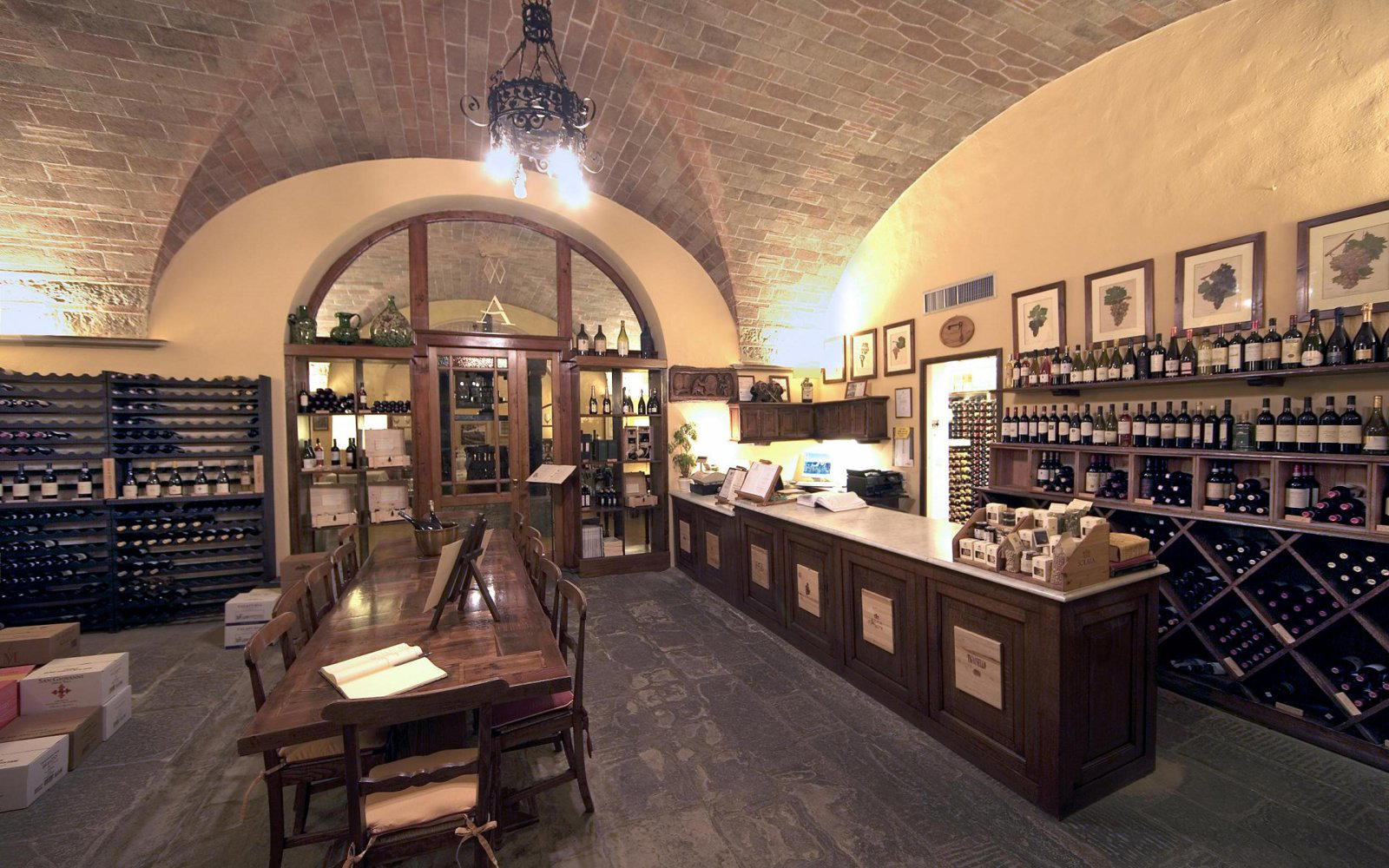
The hospitality format follows the estate logic. Fratelli Vagnoni has a large tasting room and a guesthouse that opened in 1985, a date that matters because it places wine tourism here well before the current wave of polished rural hospitality. The underlying idea is educational: guests are meant to understand the work of the countryside, not only taste through a sequence of glasses. That makes the estate more relevant for travelers who want the agricultural context of San Gimignano’s wines than for those chasing a high-gloss cellar performance.
The setting near Pancole, a hamlet associated with Etruscan habitation, also gives the visit a layered sense of place. San Gimignano’s towers dominate the visual imagination of the area, but the wine story sits outside the walls, across farms that turn the town from monument into living territory. A hilltop position roughly 5 km from San Gimignano puts the estate in that rural band where architecture, vines, and agritourism overlap without needing urban polish.
There are no public award claims or critic scores that should lead the conversation here. The trust signal is different: family continuity from 1955, first bottled production in 1965, organic certification since 2011, inclusion in the Vernaccia di San Gimignano ecosystem, and a hospitality model with a decades-old guesthouse. That profile is less about prestige theater than about continuity, land use, and a local white-wine tradition that deserves attention on its own terms.
Planning a San Gimignano itinerary works better when the winery visit is placed alongside the town rather than treated as an afterthought. EP Club’s broader city coverage includes Our full San Gimignano restaurants guide, Our full San Gimignano hotels guide, Our full San Gimignano bars guide, Our full San Gimignano wineries guide, and Our full San Gimignano experiences guide. For a wider wine-travel map beyond Tuscany, see 3GP SRL in Treviso, 47 Anno Domini in Trebaseleghe, A Mano Wine in Noci, »der Steiner« Hans Steiner in Podersdorf am See, and & Handwein in Mannheim.
Frequently asked questions
What kind of setting is Fratelli Vagnoni?
Fratelli Vagnoni is a family-run countryside winery estate near Pancole, in San Gimignano, Tuscany, Italien. The property includes vineyards, olive groves, orchards, woodland, a tasting room, a grape drying room, and a guesthouse.
Where do I go for Fratelli Vagnoni?
Fratelli Vagnoni is located at San Gimignano, Tuscany, Italien, San Gimignano.
How pricey is Fratelli Vagnoni?
Pricing at Fratelli Vagnoni is listed as $$.
What makes Fratelli Vagnoni worth visiting?
The draw is its 1955 origin, organic production, and focus on Vernaccia di San Gimignano. It also combines estate tasting with a grape-drying room for Vinsanto and guest accommodations, which gives it more depth than a standard tasting stop in San Gimignano.
Do they take walk-ins at Fratelli Vagnoni?
Visits are appointment only, and the reservation policy is recommended. That makes advance planning the safer option for a tasting at the San Gimignano estate.
Recognition history
Dated appearances from independent guides and award organizations, with the underlying list record or original source where available.
Falstaff Winery - Listed
Falstaff
Request a visit to Fratelli Vagnoni
Tell us when you would like to go and how many people, and we put the request to the estate and reply to you by email.
Continue exploring
More in San Gimignano
Wineries in San Gimignano
All wineries in San Gimignano →
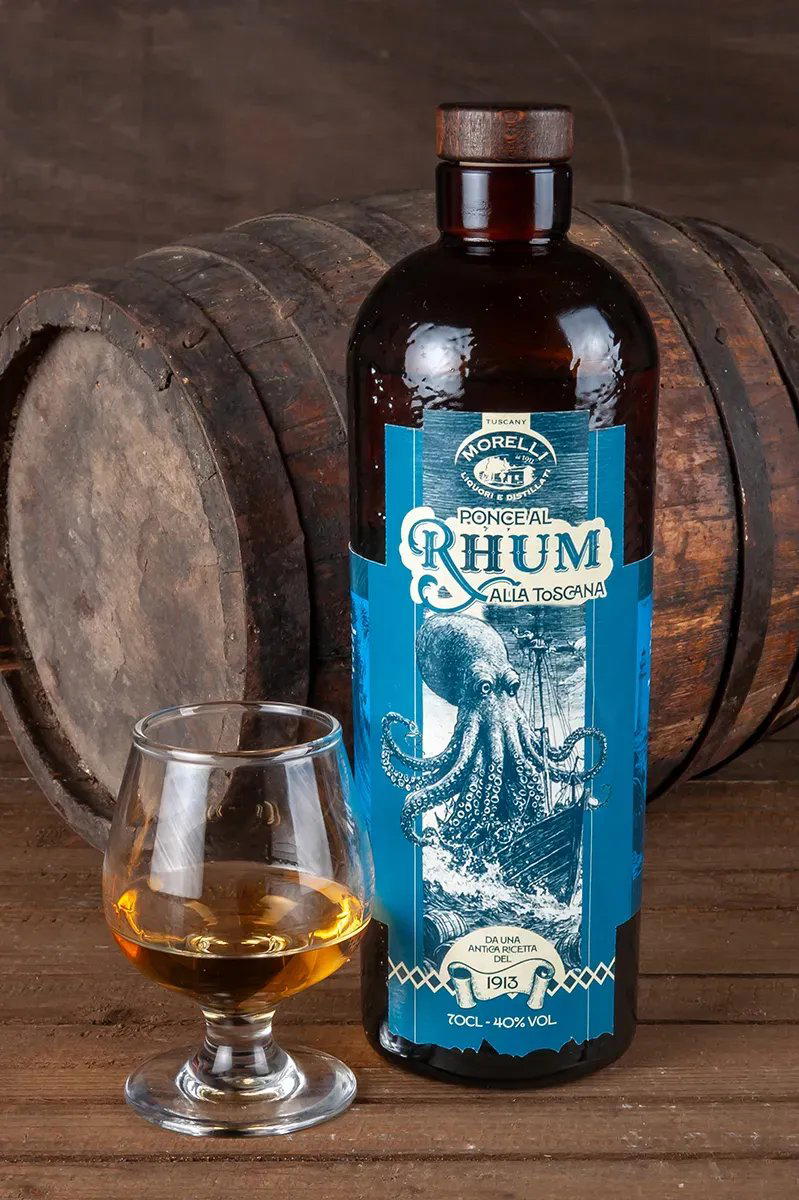
Bars in San Gimignano
Browse all →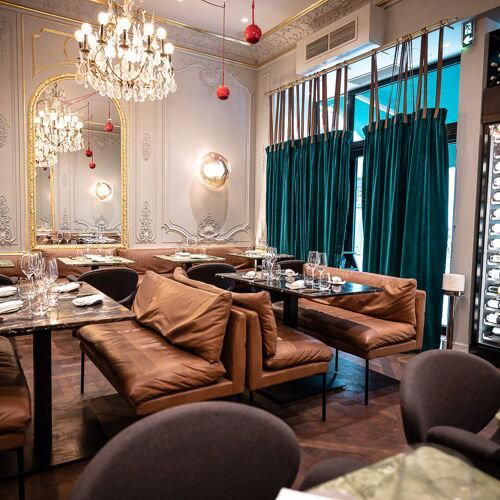
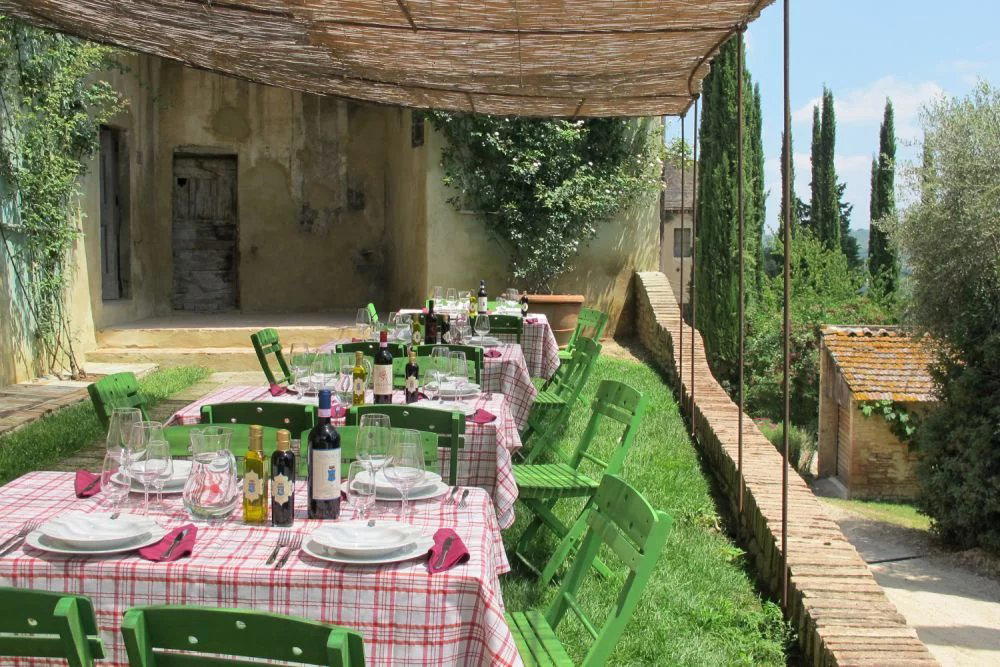
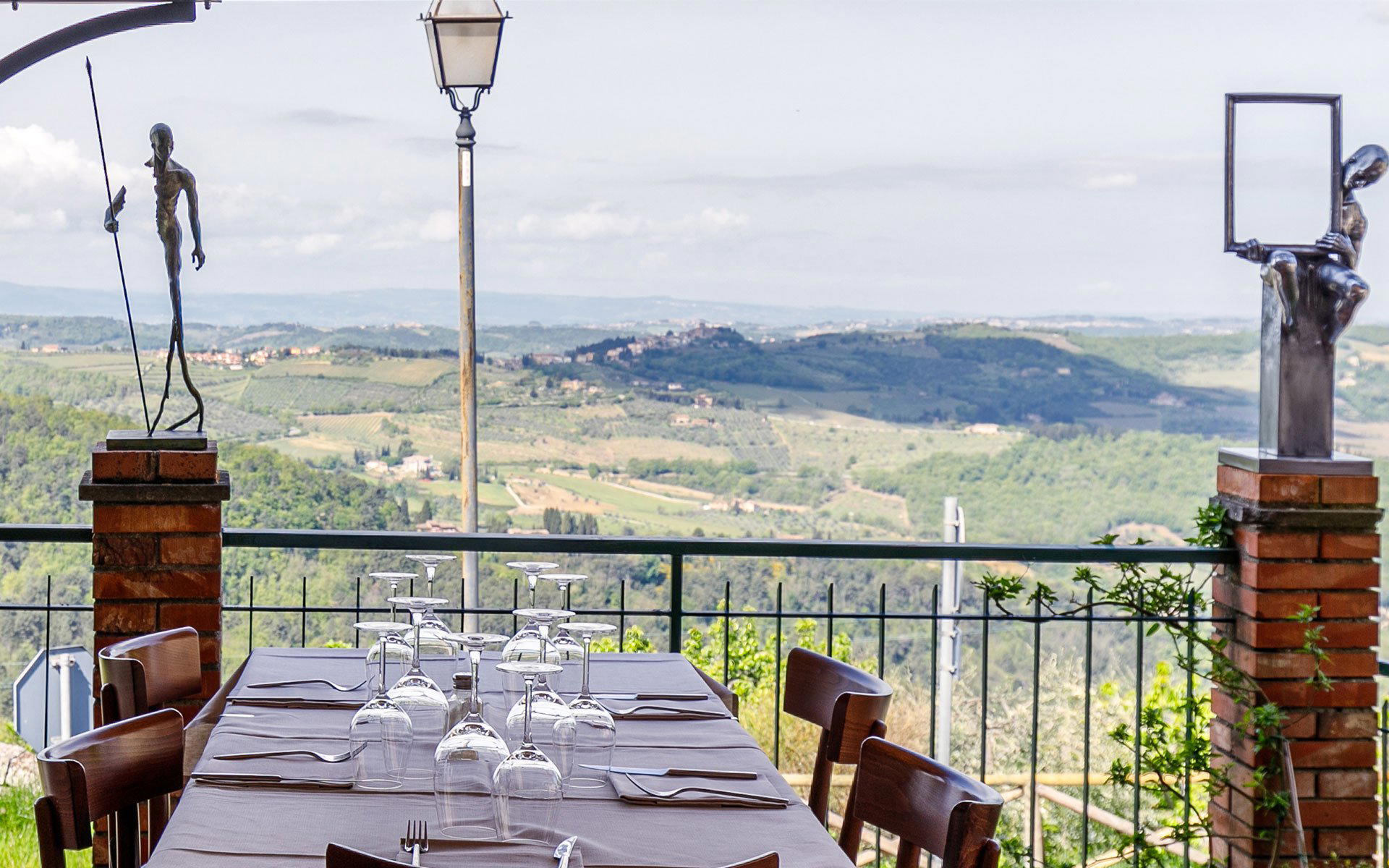
Restaurants in San Gimignano
All restaurants in San Gimignano →
Details
- Quiet
- Rustic
- Scenic
- Classic
- Family
- Group Outing
- Wine Education
- Estate Grounds
- Historic Building
- Private Tasting
- Organic
- Vineyard
- Garden
- Vernaccia
- Still White
- Fortified
- Wine Tasting
- Estate Tasting
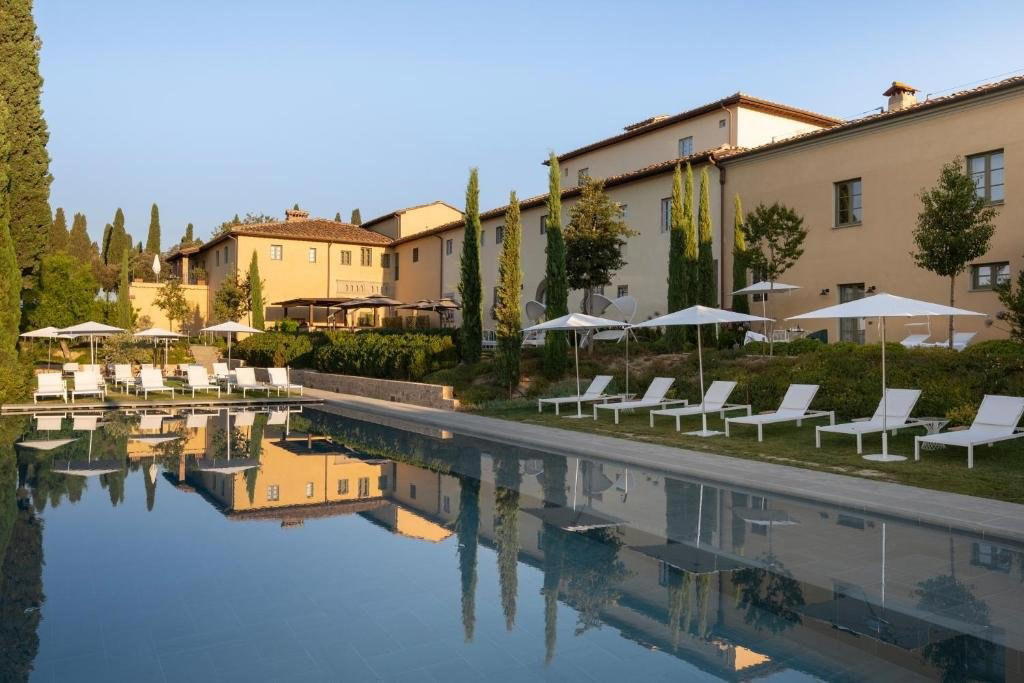
Family-run countryside winery with a large tasting room, set on a hill overlooking the area near San Gimignano; the setting is rural, quiet, and surrounded by vineyards, olive groves, orchards, woodland, and arable land.