Fighting Gully Road
The winery sits along the road that shares its name, in a region increasingly recognised for Chardonnay and Shiraz that trade volume for precision. For visitors to northeast Victoria, it belongs on the same itinerary as Giaconda, Savaterre, and Sorrenberg.

Pearl is the En Primeur Club membership app — saves, bookings, and concierge access live there. Same editors, same standards.
- Address
- Fighting Gully Rd, Beechworth VIC 3747
- Phone
- +61407261373
- Directions
- Get directions
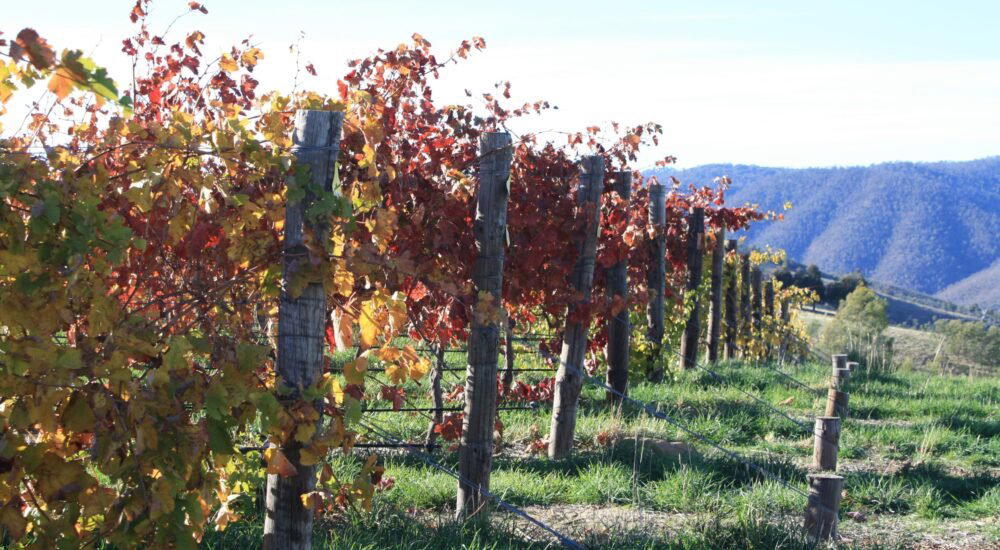
Where Beechworth's Granite Soils Find Their Voice
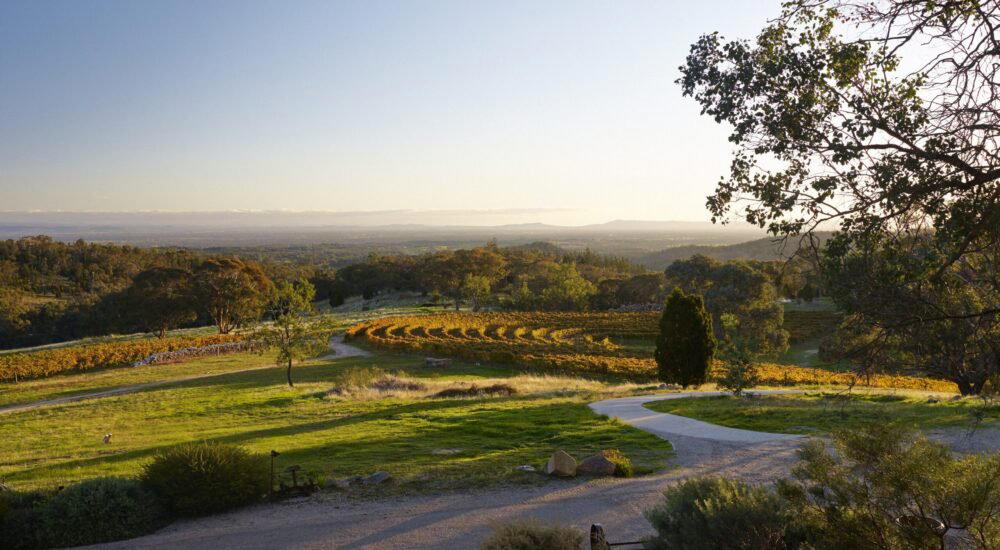
The road from Beechworth township out toward the winery country follows a route that has shaped northeast Victoria's wine identity more than its modest signage suggests. This is granite country, with thin soils and altitude that slow ripening and push wines toward structure over softness. Fighting Gully Road, which takes its name from the track it occupies, is part of a cluster of small producers who have collectively made Beechworth one of Australia's most closely watched cool-climate regions over the past three decades.
Beechworth's wine story is not a large-volume one. The region produces comparatively little wine, and most of what it does produce comes from producers operating at the scale where single-vineyard thinking is not a marketing claim but an operational reality. Sitting inside that competitive set with a Prestige-tier rating is a meaningful signal.
The Region That Earns the Attention
Beechworth's elevation sits broadly between 500 and 700 metres above sea level. That altitude, combined with the granitic decomposed soils that characterise the area, produces wines with a tension between ripeness and acidity that distinguishes them from lower-altitude Victorian regions. Shiraz from this area tends toward pepper and cool-fruit character rather than the jammy weight associated with warmer Australian expressions. Chardonnay, which has become something of a calling card for the region's leading estates, leans toward structure and restrained fruit rather than the tropical register that defined Australian Chardonnay's less-regarded period.
Those site characteristics are not unique to any one producer. They are a regional inheritance that every winery along these roads draws on, then interprets through viticultural and winemaking choices. The producers who have risen to the best of Beechworth's hierarchy, including Fighting Gully Road at its 2 Star Prestige level, are distinguished by what they do with that inheritance rather than simply by possessing it. Sorrenberg and Eldorado Road represent other points on that spectrum, each with a distinct approach to the same underlying terroir.
In a region where the benchmark is already high, that recognition carries more weight than it might in a larger, more heterogeneous wine area. Beechworth does not have many average producers; the economics of small-scale viticulture in this part of Victoria tend to filter for commitment. A Prestige-level award here signals something about relative standing within an already-selective peer group.
For comparison, the same northeast Victoria corridor includes estates such as All Saints Estate in Rutherglen, which occupies a different category focused on fortified and table wines from warmer country further north. The contrast is instructive: Rutherglen and Beechworth share a region but not a wine identity. Fighting Gully Road's positioning within the cooler, granite-influenced Beechworth sub-region aligns it with a style of production that looks more toward Burgundy in its structural logic than toward the warmer Australian tradition.
How Fighting Gully Road Sits Within Australian Fine Wine
Australian fine wine has undergone a significant reassessment over the past fifteen years. Producers working with lower yields, site-specific thinking, and restraint in the cellar have moved from being a minority position to representing the country's most internationally credible tier. Beechworth has been part of that shift since the early work of Giaconda established that Australian Chardonnay and Pinot Noir could sit in conversation with European benchmarks rather than simply compete on a different axis.
Fighting Gully Road operates within that broader shift. Producers at this level tend to sell primarily through mailing lists and cellar door, with limited retail presence and relatively small annual releases. That distribution pattern is itself a quality signal in the Australian fine wine context, where the most sought-after small producers routinely sell out before their wines reach the secondary market.
For readers tracking the Australian fine wine scene across regions, the comparison points are instructive. Bass Phillip in Gippsland operates on a similarly small scale with Pinot Noir that has long attracted allocation interest. Leading's Wines in Great Western represents a different tradition, with deep historical roots in the Grampians region. Brokenwood in Hunter Valley anchors its identity in Semillon and Shiraz from a warmer, older-established region.
Planning a Visit to Beechworth Wine Country
Beechworth sits roughly three and a half hours northeast of Melbourne by road, with Wangaratta the nearest major rail connection. The town itself is one of regional Victoria's better-preserved gold-rush era settlements, with a concentration of cellar doors, restaurants, and accommodation that makes it viable as a two or three-night base rather than a day trip. The wine region's cellar doors are distributed across the surrounding roads rather than concentrated in a single precinct, so a car is the practical requirement for visiting multiple producers in a day.
Fighting Gully Road's address on the road of the same name places it within the broader Beechworth viticultural area. As with most small Beechworth producers, visiting in advance of travel to confirm cellar door opening times and availability is the reliable approach. The region's leading estates do not maintain predictable walk-in hours year-round, and some operate by appointment. The harvest period from late February through April brings the most activity to the region, while the cooler months of June and July offer a different character: fewer visitors, a quieter cellar door experience, and wines that are often at an appealing point in their development. For context on the broader Beechworth scene, our full Beechworth restaurants and wine guide covers the town's dining and accommodation alongside the winery circuit.
Producers working at a comparable level of recognition in other parts of the world offer a useful frame for the experience. Accendo Cellars in St. Helena operates at the allocation-driven, small-production end of Napa, where access and timing govern the visitor experience in ways that mirror the better Beechworth estates. Bird in Hand in Adelaide Hills and Blue Pyrenees Estate in Pyrenees represent other Victorian and South Australian reference points for readers building a broader Australian wine itinerary. Those looking at the distilling side of craft production in the country's east can add Archie Rose Distilling Co in Sydney to a trip that combines wine regions with urban stops. For a broader view of Australian wine production across price tiers and styles, Angove Family Winemakers in Renmark offers the contrast of a larger-scale, family-owned operation in a warmer South Australian setting. And for those whose wine travel extends to Scotland, Aberlour represents the kind of single-estate focus, in a very different category, that serious collectors recognise across categories.
Booking and Cost Snapshot
Comparable venues nearby, for context on price, style, and recognition.
| Venue | Cuisine | Awards |
|---|---|---|
| Fighting Gully RoadThis venue — the venue you are viewing | Not listed | Not listed |
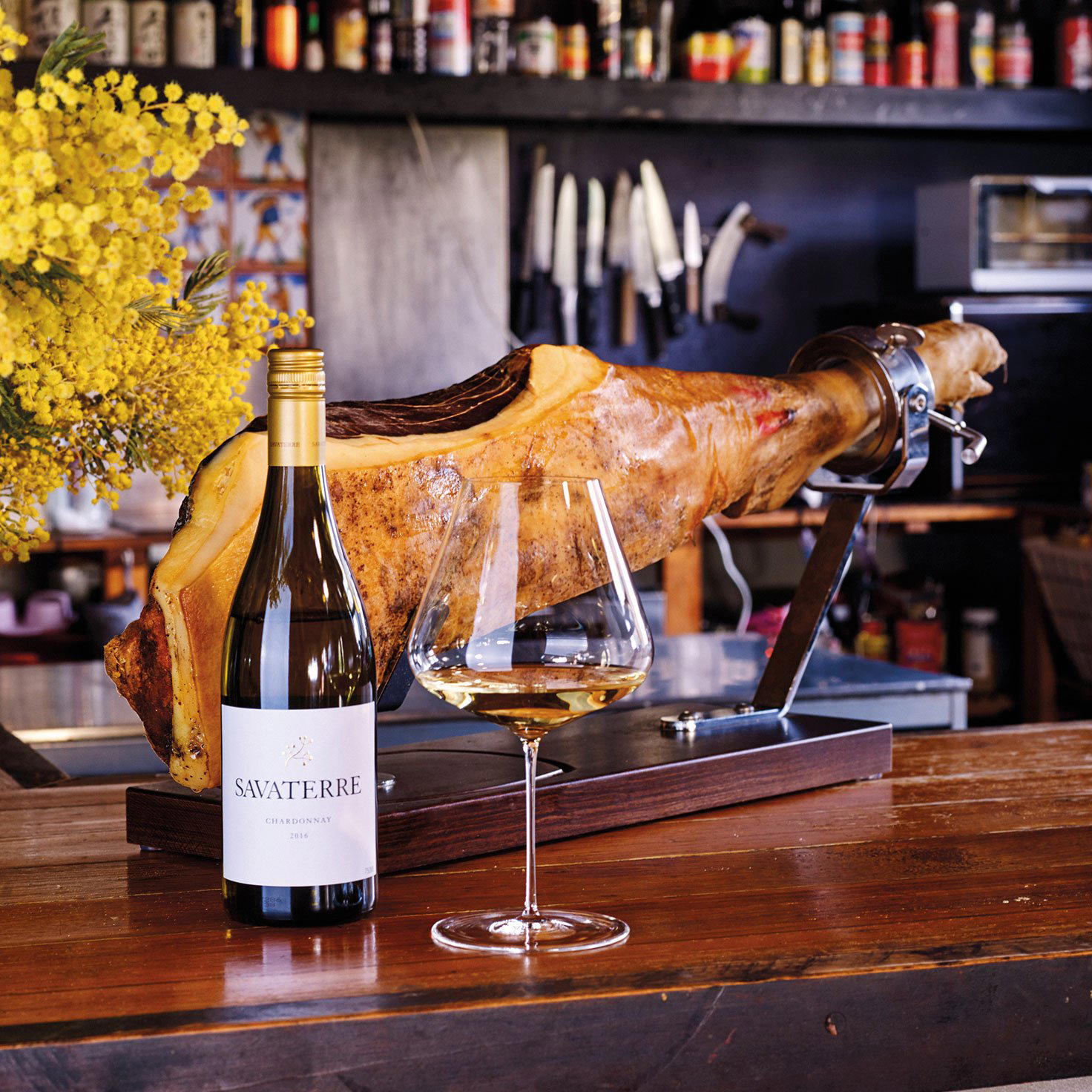
| Savaterre | Beechworth, Chardonnay, Pinot Noir | Not listed |
| Eldorado Road | Beechworth, Shiraz, Nero d'Avola | Not listed |
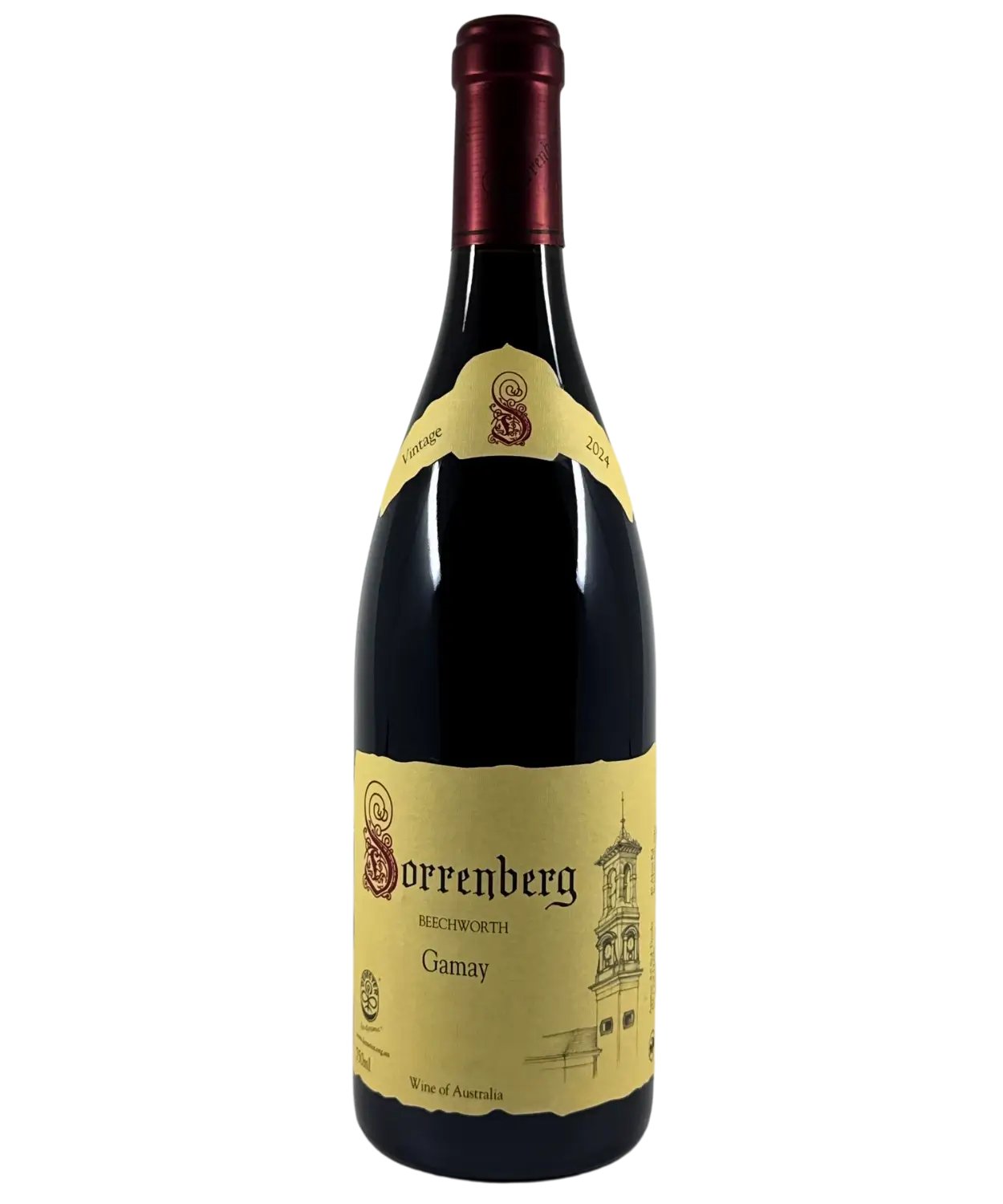
| Sorrenberg | Beechworth, Chardonnay, Sauvignon Blanc | Not listed |
| Giaconda | Beechworth, Chardonnay, Pinot Noir | Falstaff Winery - Listed |
| Corowa Distilling Co | Corowa, Winery | Not listed |
Continue exploring
More in Beechworth
Wineries in Beechworth
Browse all →
Restaurants in Beechworth
Browse all →

Details
- Rustic
- Scenic
- Intimate
- Wine Education
- Solo Exploration
- Estate Grounds
- Historic Building
- Sustainable
- Vineyard
- Mountain
- Chardonnay
- Cabernet Sauvignon
- Sangiovese
- Pinot Noir
- Tempranillo
- Petit Manseng
- Aglianico
- Shiraz
- Grenache
- Verdicchio
- Still Red
- Still White
- Wine Tasting
- Tour
Historic industrial setting with a spirit of experimentation, amidst dramatic gardens on golden granite hillsides.