Eldorado Road
Eldorado Road sits on Ford Street in Beechworth, a town that punches well above its size in Australian fine wine..

Pearl is the En Primeur Club membership app — saves, bookings, and concierge access live there. Same editors, same standards.
- Address
- 44 Ford St, Beechworth VIC 3747
- Phone
- +61 3 5725 1698
- Website
- eldoradoroad.com.au
- Directions
- Get directions
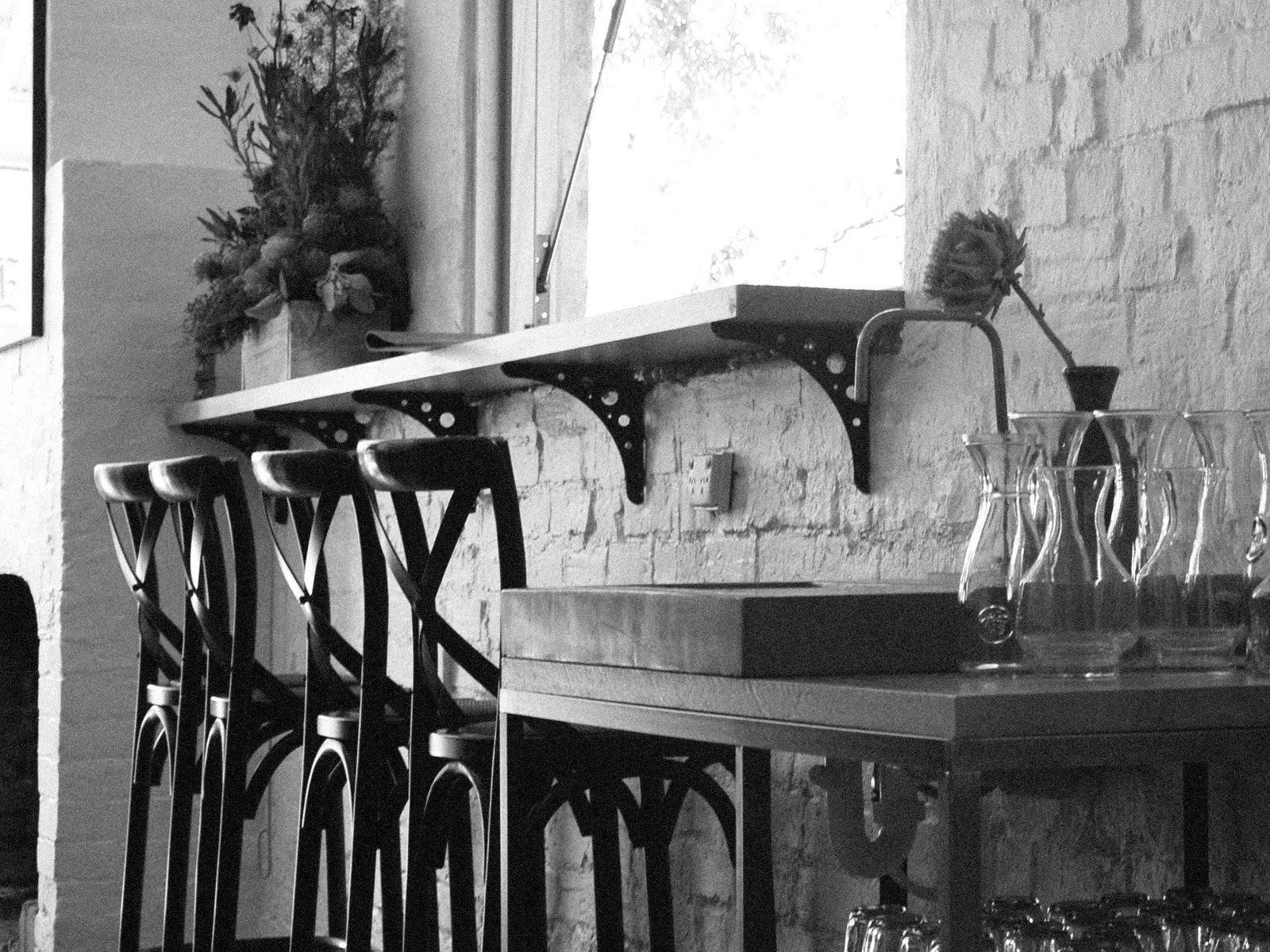
Beechworth's Upper-Tier Wine Scene, and Where Eldorado Road Sits Within It
Ford Street in Beechworth is not a grand boulevard. It is a quiet, gold-rush-era street in a Victorian town of roughly 3,000 people, flanked by bluestone buildings that pre-date Federation. That physical modesty is part of the point. The north-east Victorian wine region has built its reputation not on scale or spectacle but on the specificity of what comes out of its granite-derived soils — wines that carry a mineralic tension and aromatic precision that mark them as unmistakably local. Eldorado Road, at number 44, is part of that story.
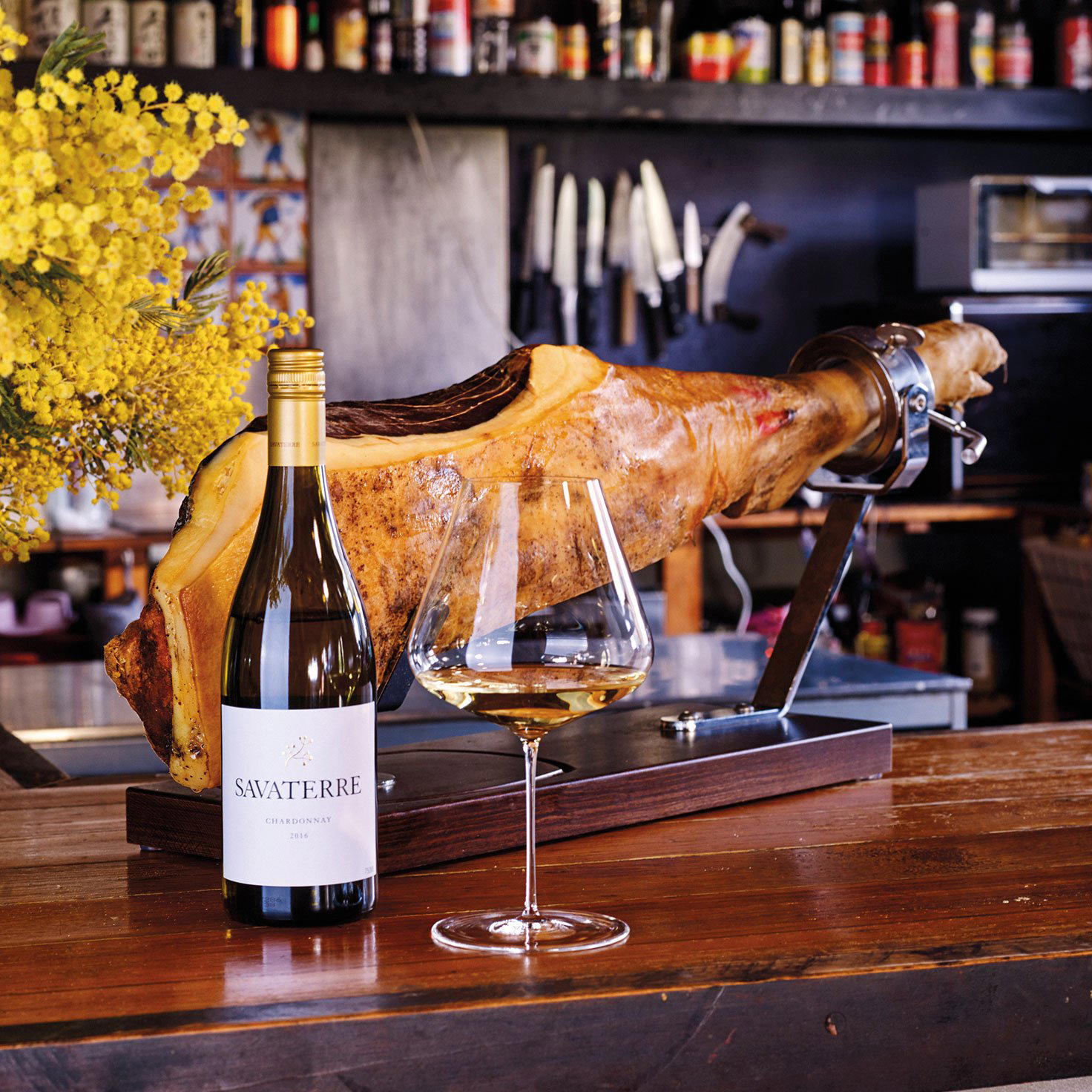
The broader Beechworth region is a relatively compact appellation, and its standing in Australian fine wine is disproportionate to its size. Giaconda established the template decades ago: small volumes, Chardonnay and Shiraz of unusual depth, and an allocation model that long predates the current fashion for mailing-list-only releases. Producers like Fighting Gully Road, Savaterre, and Sorrenberg reinforced the appellation's identity across successive vintages.
Granite, Altitude, and the Logic of North-East Victorian Terroir
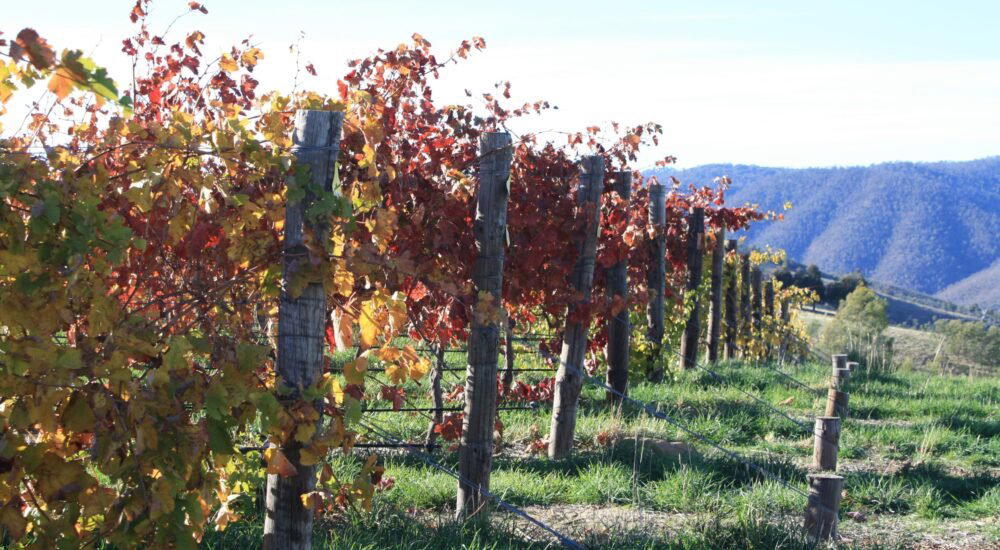
The terroir argument for Beechworth rests on a specific combination of factors. Granitic soils — decomposed and often shallow, drain readily and force vine roots to work for water and nutrients. The result tends toward wines with lower alcohol than the broader Victorian average might suggest, a taut acid line, and a mineralic or flinty quality that is harder to achieve on heavier clay-loam profiles. Altitude compounds this: the Great Dividing Range lifts much of the region above 500 metres, extending the growing season and preserving freshness into harvest.
Chardonnay benefits from this environment in a particular way. The variety rewards marginal cool-climate sites where ripening is slow and flavour development is incremental rather than accelerated by heat. North-east Victoria's Chardonnays sit structurally closer to Burgundian models than to the fuller, more tropical styles once associated with warmer Australian regions. Shiraz here reads differently from its Barossa or McLaren Vale counterparts, typically with finer tannin, more red-fruit character, and a peppery note associated with the cool growing conditions. These are region-wide tendencies, and they apply to the fruit that informs what Eldorado Road puts in the bottle.
For a broader sense of how Australian producers approach terroir expression across very different climates and soil types, the contrast with operations like Bass Phillip in Gippsland or Leading's Wines in Great Western is instructive. Each appellation has a distinct geological fingerprint, and the wines reflect it in ways that become readable with experience.
Within the Beechworth context, this matters for a simple reason: the appellation's leading producers operate in an intensely competitive space where the difference between tiers is often a question of vintage consistency and stylistic precision rather than dramatic quality gaps.
For a small appellation like Beechworth, that consistency argument is significant. Cool-climate regions can be variable; producers who maintain quality across difficult vintages distinguish themselves from those who shine only when the growing season cooperates. The rating functions as evidence of the latter.
Across Australia's diverse fine wine map, the range of approaches is wide. All Saints Estate in Rutherglen operates in a fortified-wine tradition that is geographically close but stylistically remote from Beechworth's table wine focus. Bird in Hand in Adelaide Hills and Blue Pyrenees Estate in Pyrenees each work in cool-climate Victorian and South Australian frameworks that share some structural logic with Beechworth, even if the soils and elevations differ. Brokenwood in Hunter Valley and Angove Family Winemakers in Renmark operate at larger scales and in warmer climates, providing a useful frame of reference for understanding just how different the Beechworth proposition is. Even Archie Rose Distilling Co in Sydney, though outside the wine category entirely, illustrates the premium small-producer model that has gained traction in Australian drinks culture broadly.
Further afield, the contrast with international benchmarks is equally instructive. Aberlour in Aberlour and Accendo Cellars in St. Helena represent the kind of terroir-driven, prestige-tier production that shares a philosophical kinship with what Beechworth's better producers aim for, even across entirely different categories and continents.
Planning a Visit to Beechworth
Beechworth sits approximately two and a half hours by road from Melbourne, in the foothills of the Victorian Alps. The town itself is walkable, and Ford Street is within easy reach of the main historic precinct. For a serious engagement with the region's wine, the practical reality is that most producers at this level operate on limited visiting hours, advance booking requirements, or mailing-list-priority models. Confirming current cellar door availability directly with Eldorado Road before arriving is advisable, as small-producer operations in Beechworth do not always maintain set public hours in the way larger commercial wineries might.
The autumn harvest period and the spring shoulder season tend to be the most productive times for regional wine visits: harvest brings activity and the chance to observe the winemaking process in real time, while spring offers cooler weather and the opportunity to taste newly released wines from the prior vintage. Summer in north-east Victoria can be warm, which affects both the character of cellar door visits and, in extreme years, the wines themselves.
For a comprehensive overview of where Eldorado Road sits within the full Beechworth dining and wine scene, our full Beechworth restaurants guide covers the region's key producers and venues with the editorial depth the appellation warrants.
How It Stacks Up
Comparable venues nearby, for context on price, style, and recognition.
| Venue | Cuisine | Awards | Notes |
|---|---|---|---|
| Eldorado RoadThis venue — the venue you are viewing | Shiraz, Nero d'Avola | Not listed | Not listed |
| Sorrenberg | Chardonnay, Sauvignon Blanc | Not listed | Beechworth |
| Savaterre | Chardonnay, Pinot Noir | Not listed | Beechworth |
| Fighting Gully Road | Chardonnay, Cabernet Sauvignon | Not listed | Beechworth |
| Giaconda | Chardonnay, Pinot Noir | Falstaff Winery - Listed | Beechworth |
| Baldwin Distilling Company | Winery | Not listed | Canberra |
Continue exploring
More in Beechworth
Wineries in Beechworth
Browse all →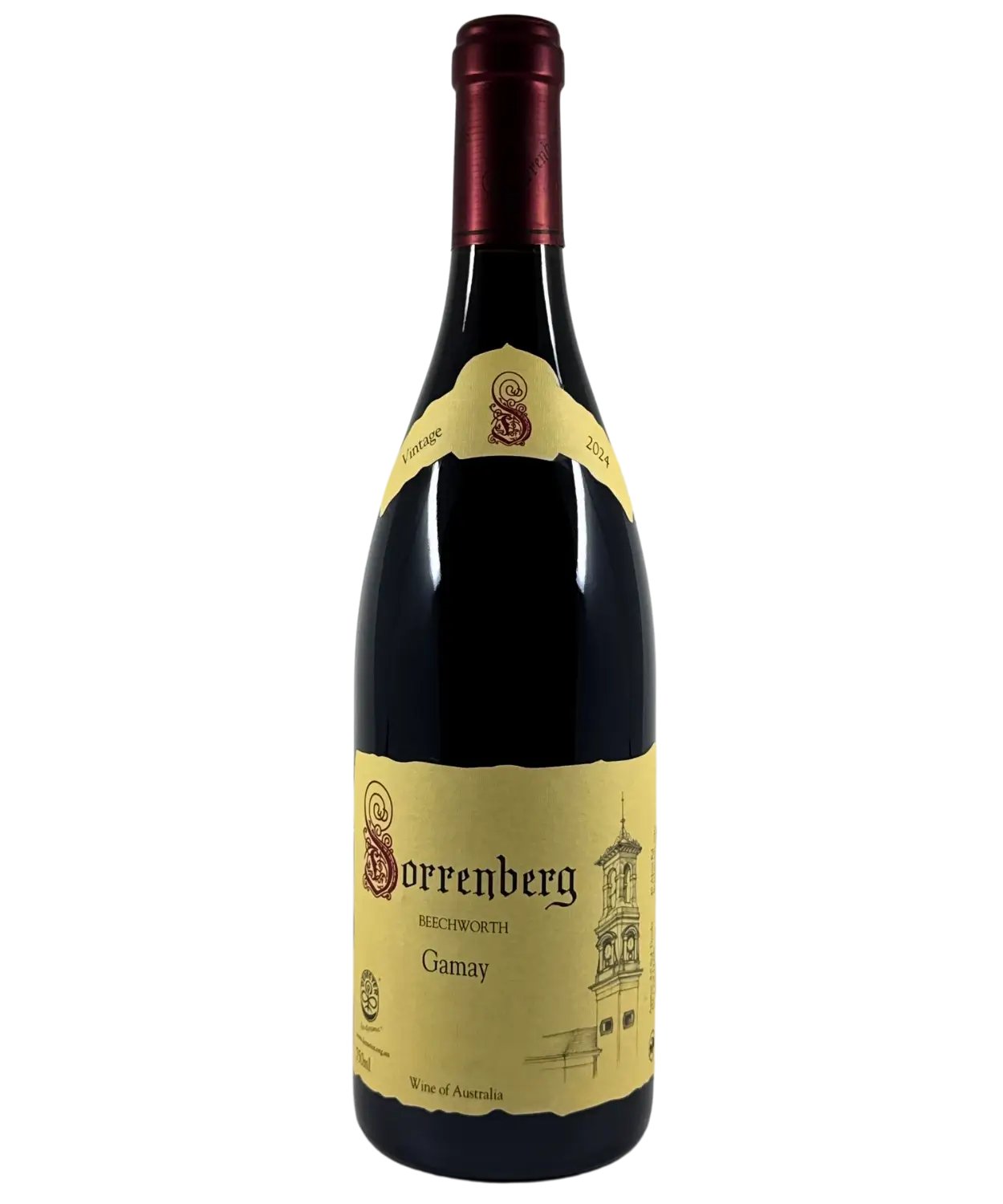
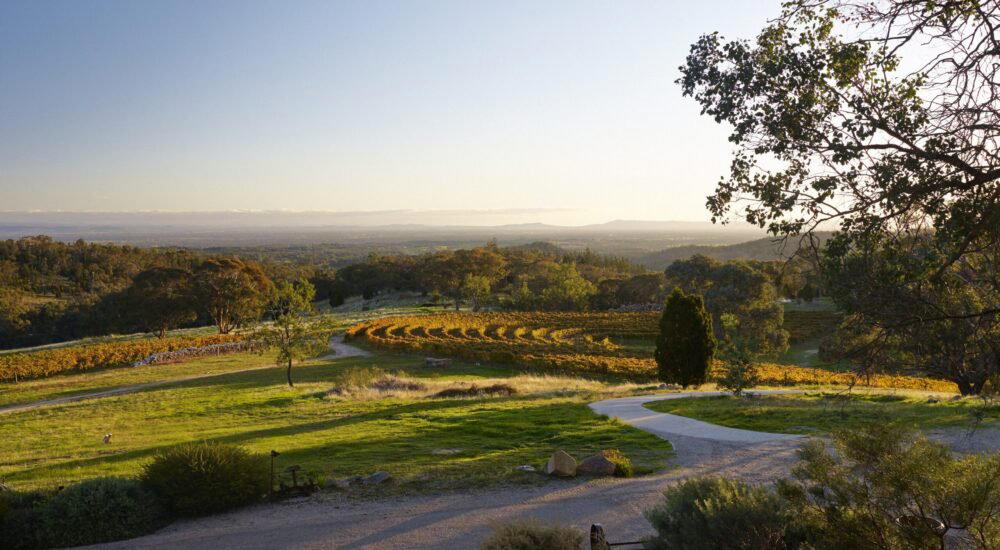
Restaurants in Beechworth
Browse all →
Details
- Rustic
- Intimate
- Scenic
- Cozy
- Solo Exploration
- Wine Education
- Romantic Getaway
- Estate Grounds
- Courtyard
- Organic
- Garden
- Shiraz
- Nero D'avola
- Durif
- Chardonnay
- Fiano
- Still Red
- Still White
- Still Rosé
- Cellar Door Tasting
Historic, warm, and friendly with an intimate tasting room featuring an open fire and a secluded shady courtyard under a tortured willow.