Sorrenberg
Sorrenberg is a small-scale Beechworth winery operating from 49 Alma Road. It sits within one of Victoria's most concentrated fine wine zones, where minimal-intervention viticulture defines the regional character. The address alone places it among the Northeast's most closely watched producers.

Pearl is the En Primeur Club membership app — saves, bookings, and concierge access live there. Same editors, same standards.
- Address
- 49 Alma Rd, Beechworth VIC 3747
- Phone
- +61 3 5728 2278
- Website
- sorrenberg.com
- Directions
- Get directions
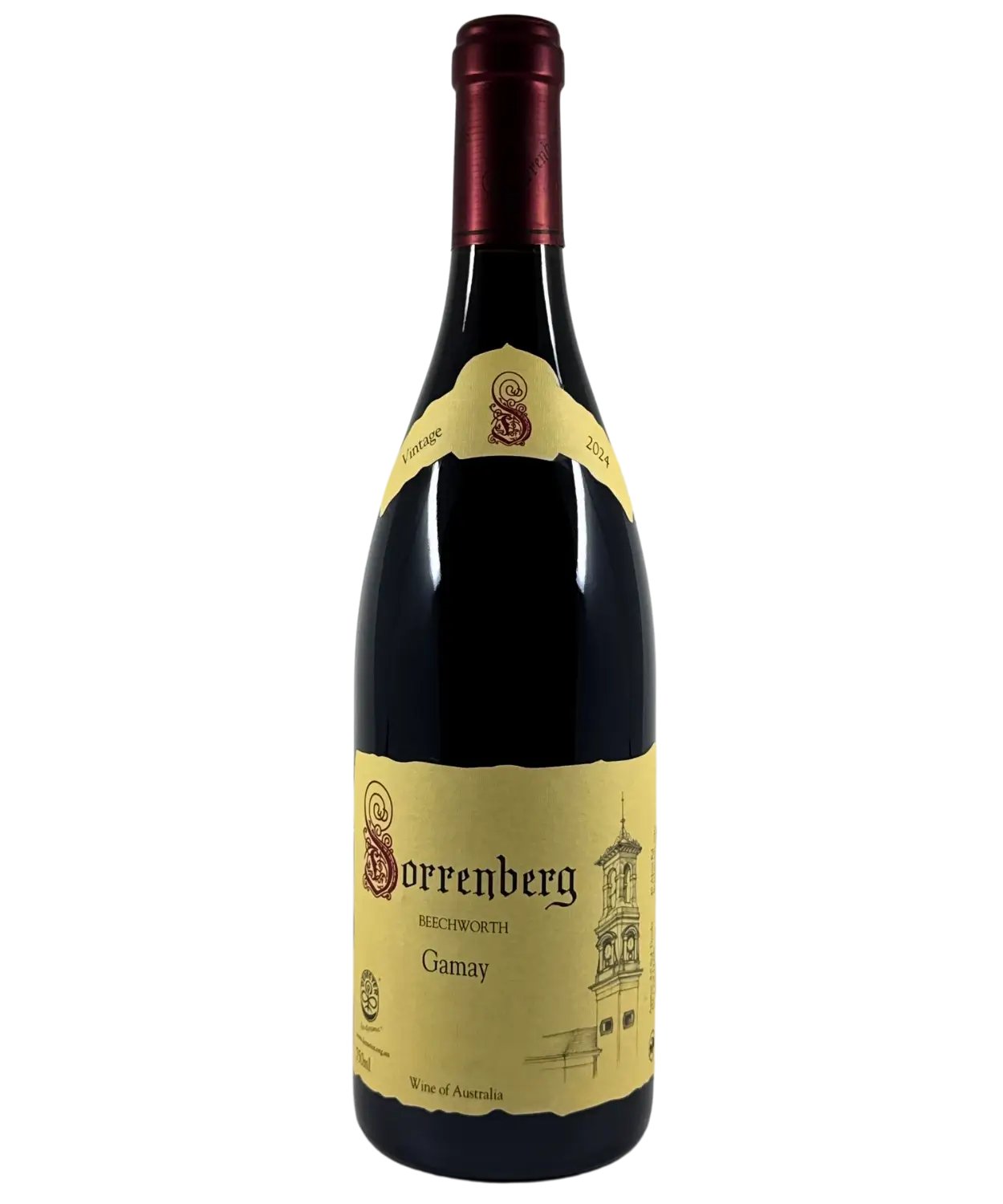
Beechworth's Quiet Intensity
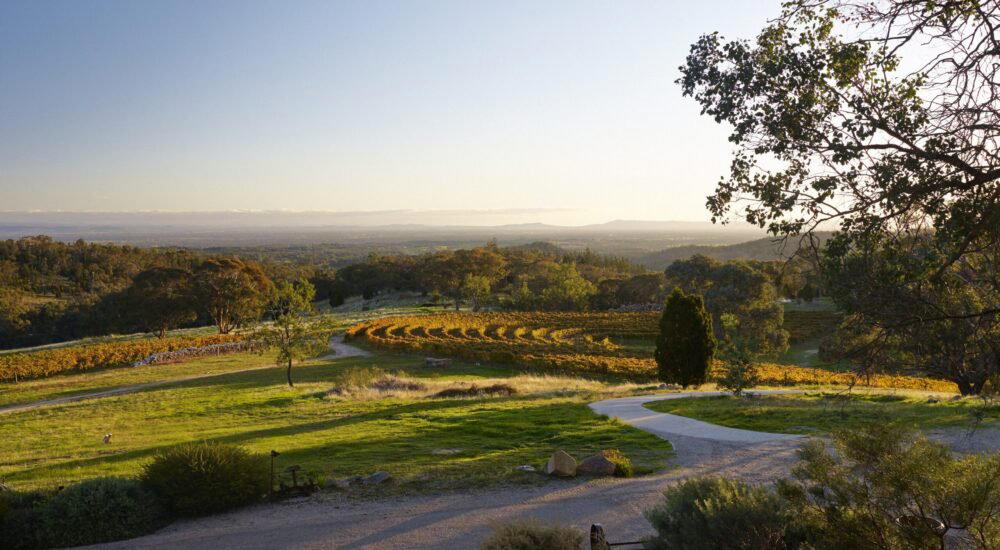
The Northeast Victorian wine belt has developed a reputation that far exceeds its physical footprint. Beechworth, in particular, has become one of Australia's most scrutinised cool-climate wine zones, not because of scale or marketing infrastructure, but because a tight cluster of producers has consistently made wines that attract serious attention from collectors, critics, and buyers who understand what the granite soils and elevation here can produce. Sorrenberg, at 49 Alma Road, sits inside that cluster.
Driving into Beechworth from the south, you pass through a kind of compressed range of old-growth timber and gold-rush-era brick that gives the region its character. The town feels considered rather than curated, and the wineries that have embedded themselves here tend to reflect that quality. Sorrenberg is not a marquee property with visitor infrastructure designed for high throughput. It represents the opposite of that model — the kind of estate where the wine is the entire argument, and where what happens in the vineyard determines everything that follows.
Viticulture as the Central Argument
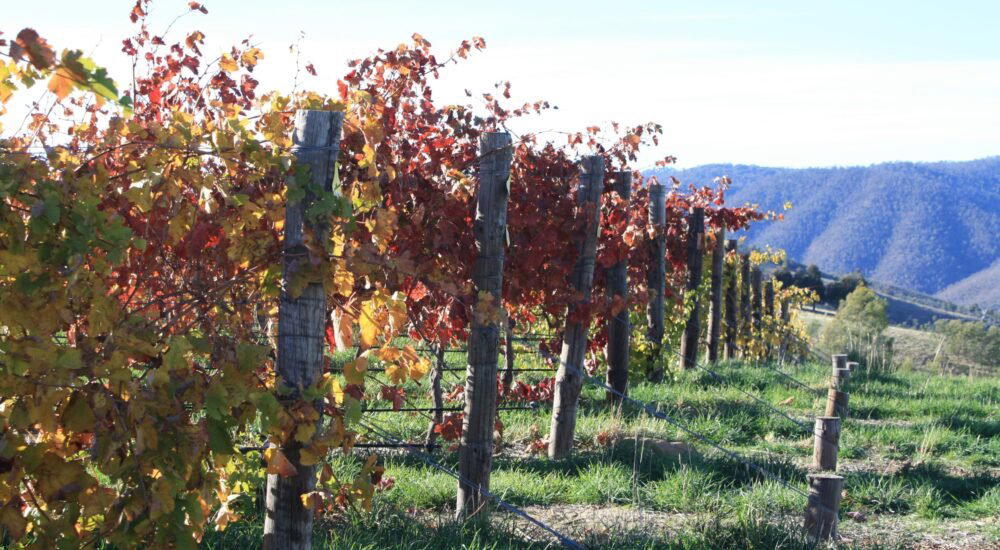
Across Beechworth's better-known estates, the consistent thread is a commitment to letting site speak without heavy intervention. This is not a regional accident. Beechworth's elevation, typically between 550 and 800 metres above sea level, produces growing conditions that are inherently cool by Australian standards, and the region's thin granite-derived soils impose a natural discipline on vine vigour. Producers who work with those conditions rather than against them tend to make wines with more tension and precision than the broader Australian market historically rewarded. That calculus has shifted considerably in the past decade, and Beechworth has benefited directly.
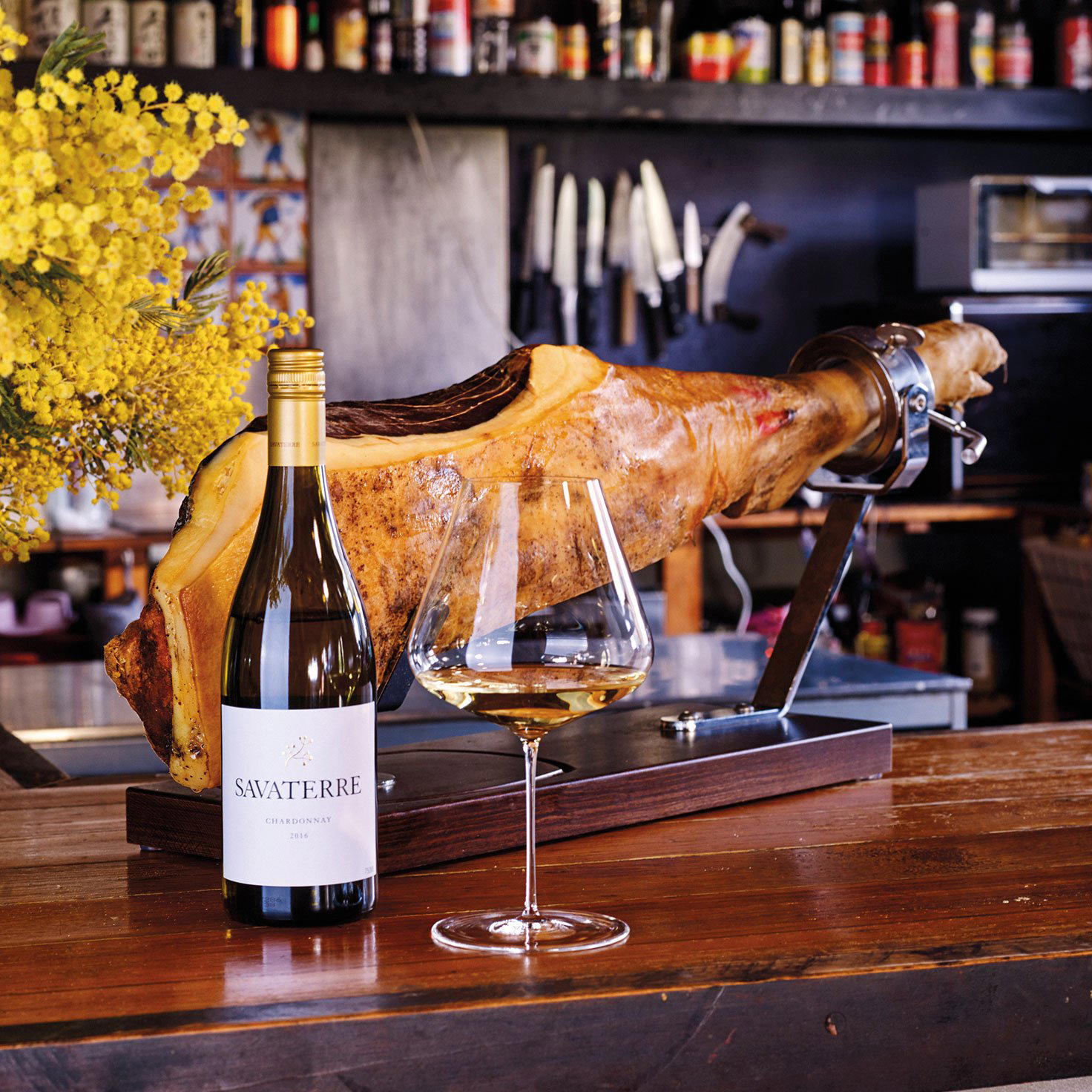
The most persuasive producers in the area, including Giaconda, Savaterre, Fighting Gully Road, and Eldorado Road, share a disposition toward working small parcels with careful attention to what the site is already doing. Sorrenberg belongs to that same school of thought. The estate's approach to viticulture, which leans on organic principles rather than chemical correction, places it within a peer group defined less by marketing category and more by a shared conviction about what makes wine worth drinking.
Organic and low-intervention viticulture in cool climates like Beechworth carries specific implications for the wines that result. Without the cushion of synthetic inputs, vine health depends on soil biology, canopy management, and a willingness to accept variation between vintages. The reward is fruit that carries genuine site character rather than a standardised house profile. For collectors and serious buyers, this variation is a feature. A 2017 Sorrenberg Gamay and a 2019 from the same estate will not taste identical, and that difference is the point. Across Australia's most serious small producers, from Bass Phillip in Gippsland to Leading's Wines in Great Western, the willingness to let the vintage speak is what separates estate-driven winemaking from commodity production.
Where Sorrenberg Sits in the Regional Picture
Beechworth's wine identity is not monolithic. The region produces Chardonnay and Pinot Noir with Burgundian reference points, but also Gamay, Cabernet Franc, and a range of varieties that would be unusual in warmer parts of Victoria. This varietal range reflects the confidence of producers who know their site well enough to experiment with what will genuinely ripen at altitude rather than what the market expects.
It positions Sorrenberg not as an entry-level regional wine but as a property whose output warrants comparison with the more established names in the Beechworth and broader Victorian fine wine conversation.
Wineries operating at this tier across Australia, whether All Saints Estate in Rutherglen or Bird in Hand in Adelaide Hills, tend to share a few operational characteristics: limited production volumes, controlled distribution, and a preference for direct relationships with buyers who understand the work behind the wines. Sorrenberg fits that pattern. It is not a winery you encounter through a supermarket shelf. Access comes through allocation lists, cellar-door visits when open, and the kind of word-of-mouth that circulates among people who pay attention to what is happening in Australia's serious wine zones.
Planning a Visit to Beechworth
Beechworth sits approximately 300 kilometres northeast of Melbourne, reachable by car in around three hours via the Hume Freeway with a turn-off toward Wangaratta. The town has accommodation options that range from federation-era guesthouses to smaller boutique properties, and it rewards a two-night stay that allows time to move between estates without rushing. The Ovens and King river valleys nearby extend the itinerary naturally, and the proximity to Rutherglen adds a contrasting wine style for those who want to bracket the cool-climate Beechworth experience with something from a warmer, stickier register.
For Sorrenberg specifically, reaching out in advance is the practical requirement. Properties at this scale and recognition level do not always maintain standard cellar-door hours, and production volumes mean that popular wines can exhaust quickly. A visit that is planned rather than spontaneous will yield a more considered experience. The address at 49 Alma Road places the estate within the broader Beechworth vineyard corridor, navigable from the town centre.
For a fuller picture of what Beechworth offers across dining, drinking, and accommodation, the EP Club Beechworth guide covers the region's full range. Those extending their travels beyond the Northeast will find relevant comparisons in the broader Australian fine wine picture, from Angove Family Winemakers in Renmark and Brokenwood in Hunter Valley to the more specialised productions of Blue Pyrenees Estate in Pyrenees and Archie Rose Distilling Co in Sydney for those whose interests extend beyond wine. Internationally, the philosophy of small-estate, site-focused production finds parallels in operations like Accendo Cellars in St. Helena and Aberlour in Aberlour, though the stylistic distance from Beechworth granite to Napa volcanic soils or Speyside is considerable.
Awards and Standing
Comparable venues nearby, for context on price, style, and recognition.
| Venue | Cuisine | Price | Awards | Notes |
|---|---|---|---|---|
| SorrenbergThis venue — the venue you are viewing | Chardonnay, Sauvignon Blanc | Not listed | Not listed | Not listed |
| Giaconda | Chardonnay, Pinot Noir | Not listed | Falstaff Winery - Listed | Beechworth |
| Savaterre | Chardonnay, Pinot Noir | Not listed | Not listed | Beechworth |
| Eldorado Road | Shiraz, Nero d'Avola | Not listed | Not listed | Beechworth |
| Fighting Gully Road | Chardonnay, Cabernet Sauvignon | Not listed | Not listed | Beechworth |
| Brown Brothers | Shiraz, Prosecco | $50–100 | Not listed | King Valley |
Continue exploring
More in Beechworth
Wineries in Beechworth
Browse all →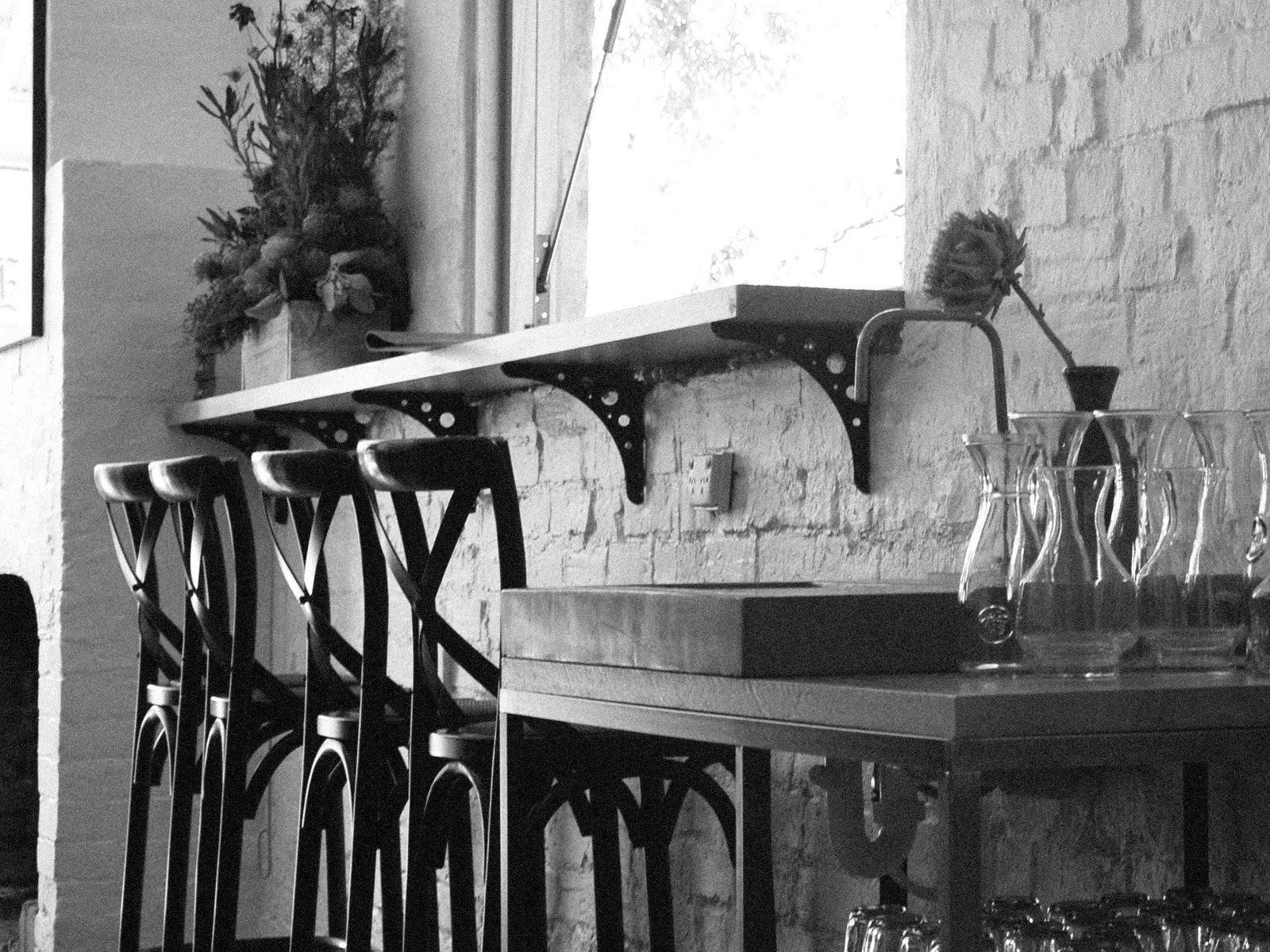
Restaurants in Beechworth
Browse all →
Details
- Rustic
- Intimate
- Scenic
- Classic
- Wine Education
- Solo Exploration
- Special Occasion
- Vineyard Tour
- Estate Grounds
- Biodynamic
- Sustainable
- Vineyard
- Garden
- Chardonnay
- Sauvignon Blanc
- Semillon
- Gamay
- Cabernet Sauvignon
- Cabernet Franc
- Merlot
- Pinot Noir
- Still White
- Still Red
- Cellar Tasting
Cozy, unpretentious underground cellar door with warm, welcoming family atmosphere reminiscent of visiting parents' home.