
Falstaff Winery - 1 Stars
Federico Paternina belongs to the old Rioja grammar: Haro scale, Ollauri cellars, long oak aging, and a portfolio built around Crianza, Reserva, and Gran Reserva rather than tasting-room theatrics. Founded in 1896, the house is useful for travelers trying to understand how Rioja Alta’s cellars, clay-limestone soils, and brand-led history shaped Spain’s traditional red-wine identity.

Pearl is the En Primeur Club membership app — saves, bookings, and concierge access live there. Same editors, same standards.
- Address
- Haro, La Rioja, Spanien
- Directions
- Get directions

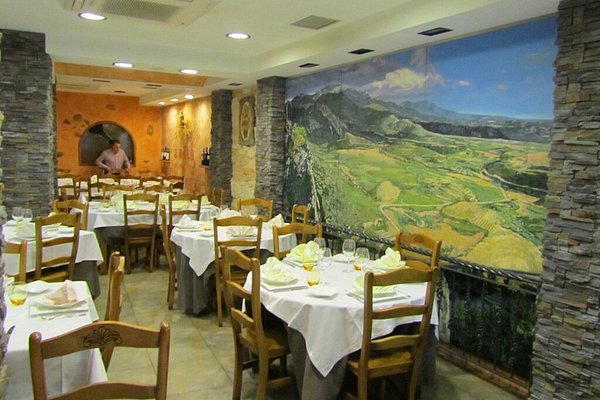
Haro’s wine culture is closely associated with historic bodegas, long maturation, and a classic Rioja sense of time. Federico Paternina fits that register: a Rioja producer connected with Haro and with 16th-century cellars at Ollauri, alongside large, modern aging facilities in Haro. The useful frame is not a boutique tasting-room story, but an old-school Rioja environment where cellar heritage and oak aging define the experience.
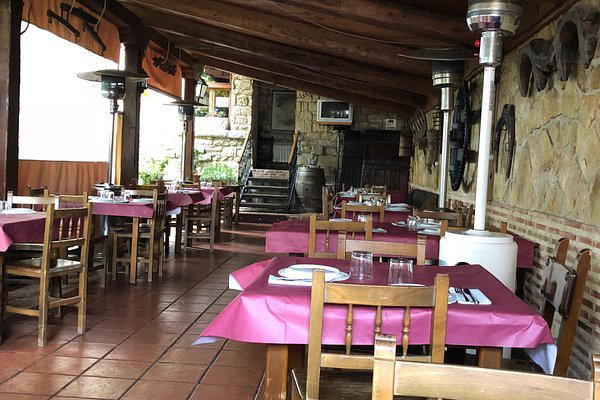
Because the public details are limited, the safest way to approach Federico Paternina is as a historic producer rather than as a restaurant-style venue with a fixed service script. Specific visit formats, menus, tour inclusions, opening hours, and reservation requirements should not be assumed from the available facts. What is clear is the setting: a traditional winery identity rooted in old cellars and supported by substantial aging facilities in Haro.
Rioja identity through cellars, oak, and time
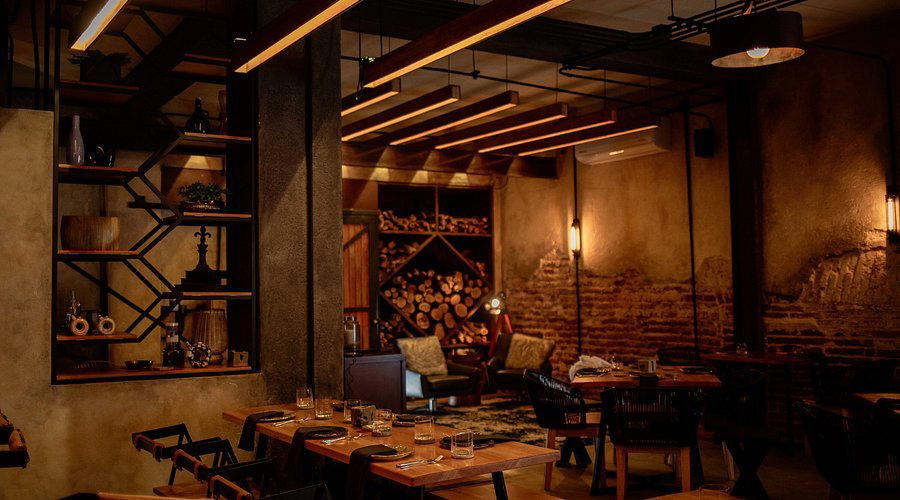
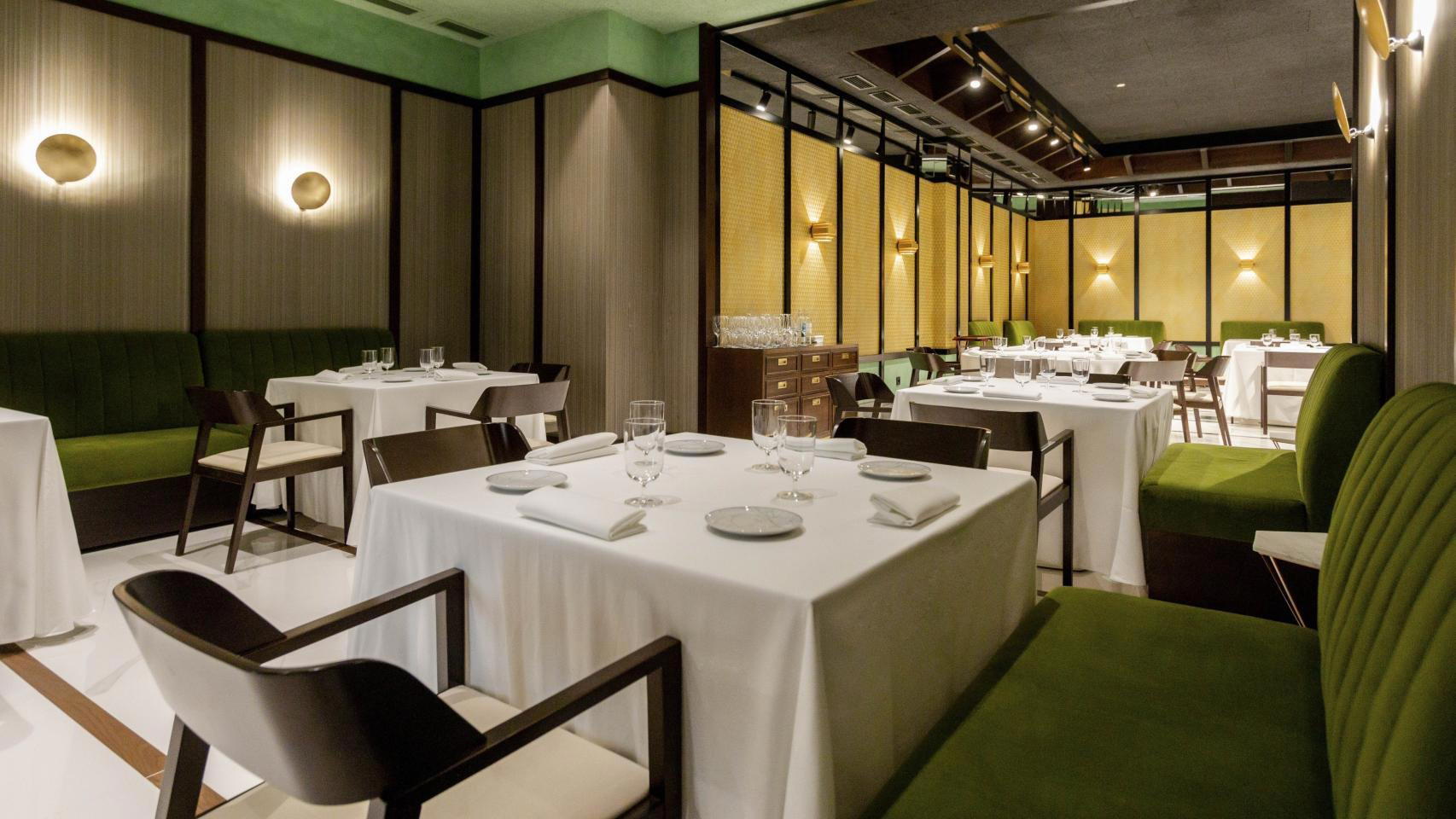
The most useful way to read Federico Paternina is through the broader Rioja tradition of aging wine over time. Its character points toward a classic, traditional bodega environment focused on long oak aging rather than a contemporary, high-design venue concept. For travelers, that distinction matters: the appeal is the sense of Rioja history and cellar culture, not a documented dining program or a confirmed tasting-menu format.
That makes Federico Paternina best understood as a name for visitors interested in the older Rioja model: cellars, barrels, patience, and a traditional winery atmosphere.
Haro scale, Ollauri depth, and the old bodega mood
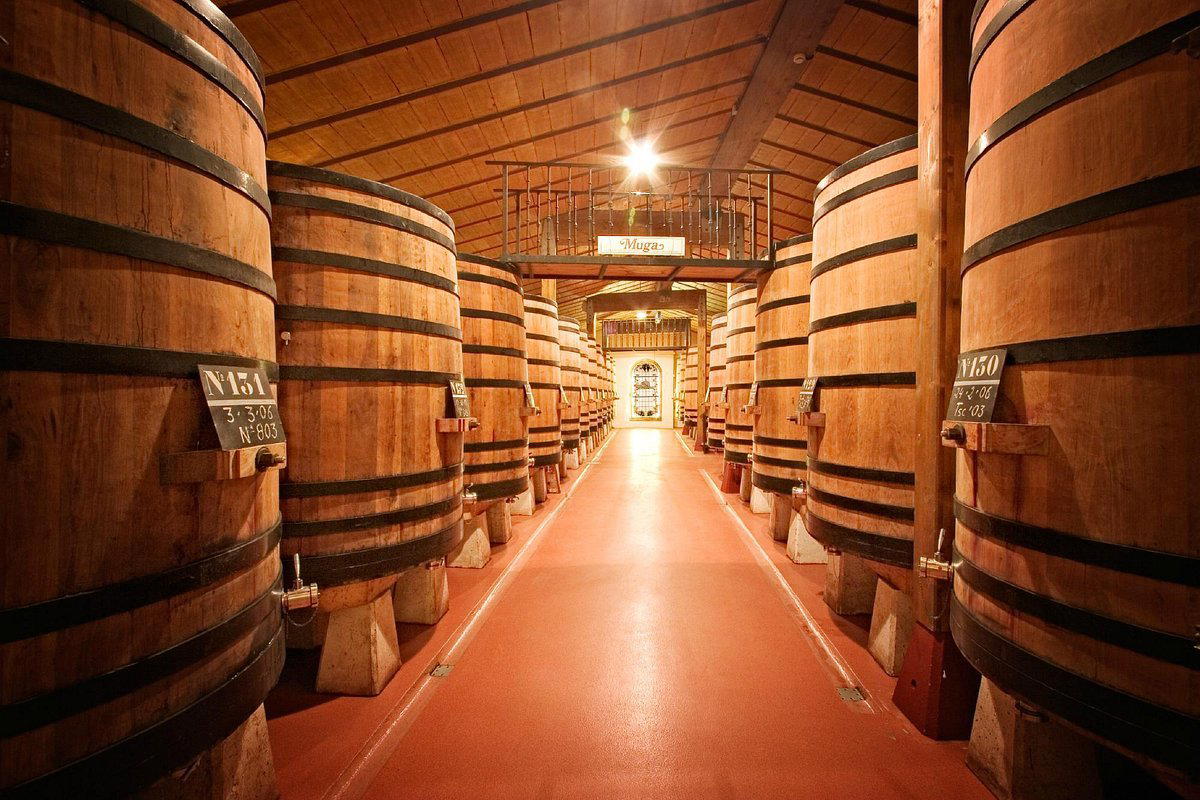
The Ollauri cellars are the most distinctive physical clue. Their 16th-century roots help explain the historic mood associated with Federico Paternina and with older Rioja maturation culture more broadly. In that sense, the cellars are not just atmosphere; they are part of the way Rioja’s identity became tied to time, storage, and the slow development of wine.
The Haro side of the story adds a second layer: large, modern aging facilities. That combination of old cellar heritage and substantial contemporary capacity is central to the profile of Federico Paternina. It gives the venue an iconic, old-school Rioja feel without needing to add claims about exact dimensions, production volumes, ownership history, awards, or visitor logistics.
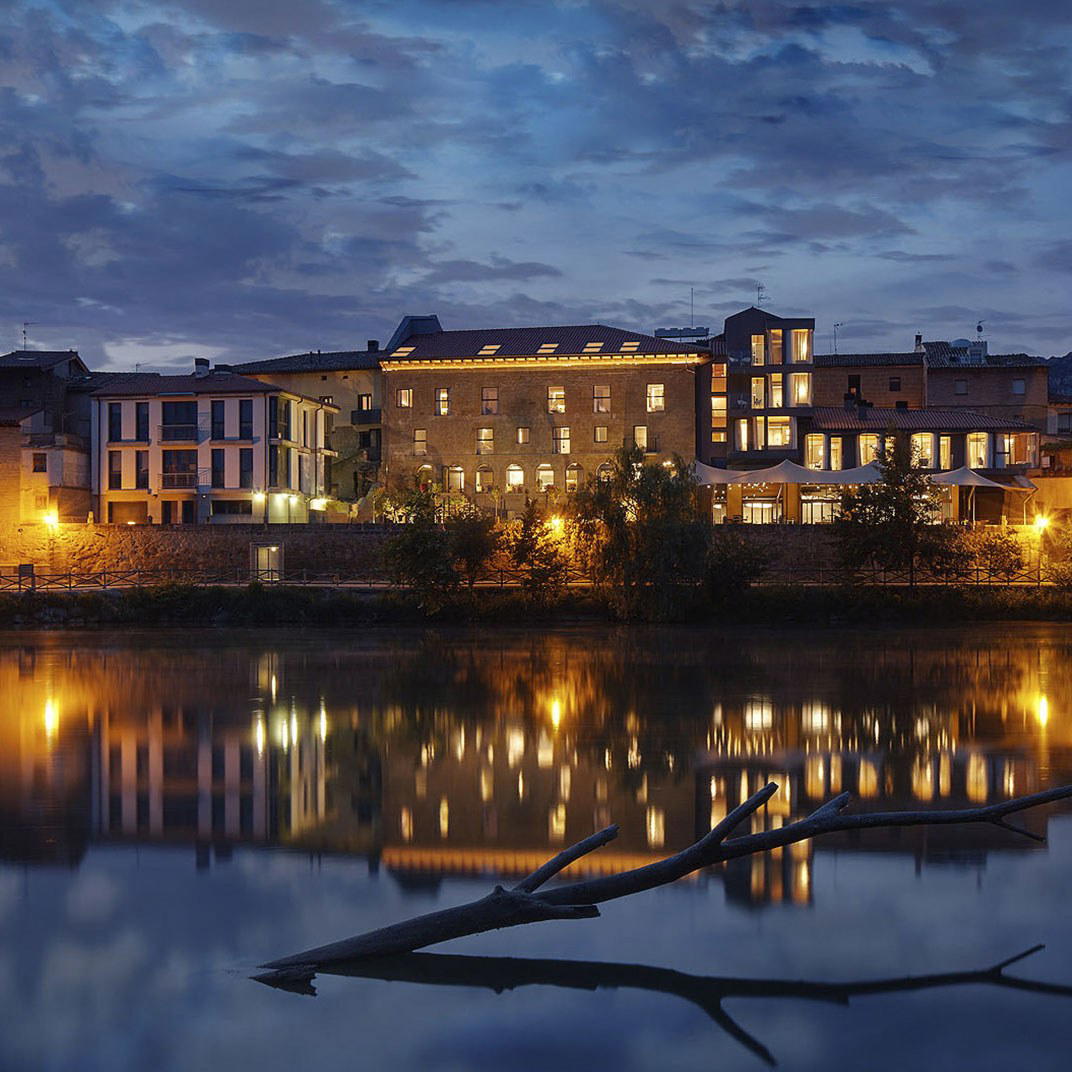
Haro remains the right base for understanding this kind of wine culture. Use broader Haro winery, restaurant, hotel, bar, and experience research to place Federico Paternina within the town’s cellar landscape. Other local dining and drinking options can round out a visit, but the grounded reason to consider Federico Paternina is its historic Rioja identity and its connection to long oak aging.
Why the name matters
Federico Paternina matters as a traditional Rioja producer with a heritage setting rather than because of any current award, ranking, score, or newly confirmed accolade. The facts support a clear but narrow claim: this is a Haro-linked Rioja name with roots in 16th-century Ollauri cellars and large modern aging facilities in Haro.
For a serious Rioja itinerary, the value lies in reading that contrast plainly. Federico Paternina represents an older promise of Rioja: a classic winery environment, long oak aging, and the sense that cellars and time are central to the region’s identity. Anything more specific, from exact wines to service format, should be confirmed directly before planning a visit.
For broader context beyond Haro, compare Federico Paternina with other winery models generically: smaller producers, larger historic houses, and more contemporary cellar projects each tell a different story. Paternina’s grounded lesson is specific enough: in Haro, the draw is a traditional Rioja bodega identity shaped by cellars, aging, and time.
Recognition history
Dated appearances from independent guides and award organizations, with the underlying list record or original source where available.
Falstaff Winery - 1 Stars
Falstaff
Details
- Classic
- Well Known
- Rustic
- Scenic
- Elegant
- Wine Education
- Group Outing
- Solo Exploration
- Special Occasion
- Romantic Getaway
- Historic Building
- Cave Tasting
- Barrel Room
- Estate Grounds
- Vineyard
- Tempranillo
- Garnacha
- Mazuelo
- Xarel·lo
- Macabeo
- Parellada
- Still Red
- Still White
- Sparkling
- Fortified
- Cellar Tasting
- Barrel Tasting
- Historical Vintage Tasting
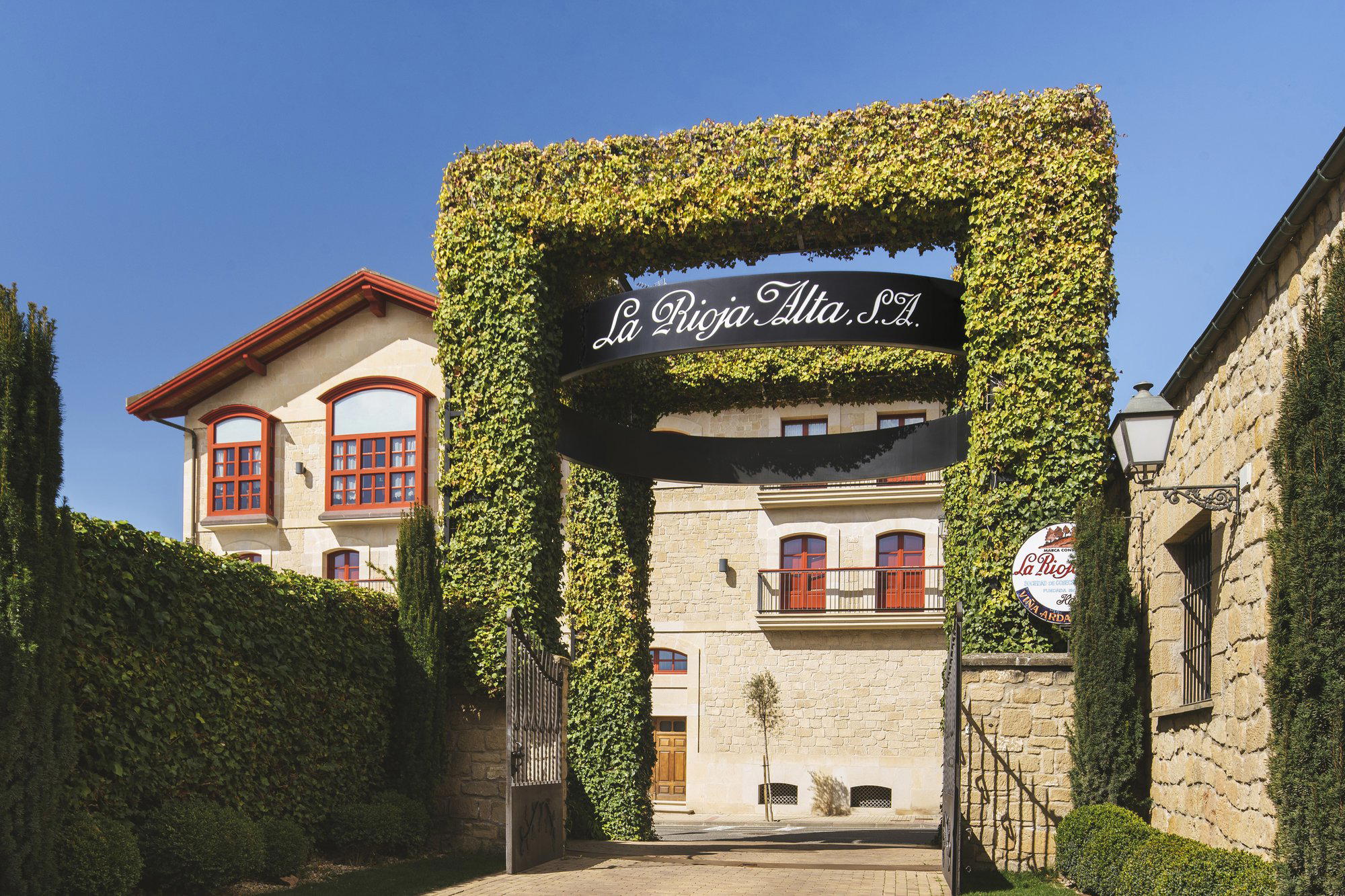
Historic Rioja producer with a classic, traditional winery environment rooted in 16th‑century cellars at Ollauri and large, modern aging facilities in Haro, conveying an well-known, old‑school Rioja feel focused on long oak aging rather than a contemporary visitor‑center experience.