Ernst Reinthaler

Falstaff Winery - Listed
Ernst Reinthaler is a small organic wine address in Obermixnitz, rooted in Lower Austria’s quieter agricultural wine culture rather than polished tasting-room theatre. Founded in 1980 and now associated with Stefan Reinthaler, it suits travelers interested in rural Austrian viticulture, restrained hospitality, and wine shaped by organic farming rather than by spectacle.

Pearl is the En Primeur Club membership app — saves, bookings, and concierge access live there. Same editors, same standards.
- Address
- Obermixnitz, Weinviertel, Lower Austria, Österreich
- Directions
- Get directions

Ernst Reinthaler is a low-price venue in Obermixnitz with a rustic, quiet character. On the available information, it reads as the kind of place whose value lies in understatement rather than in a heavily packaged identity.
For EP Club readers, that means Ernst Reinthaler should be approached as a simple Obermixnitz listing rather than as a page built around an elaborate concept. The available facts support a modest expectation: an inexpensive stop in a quiet, rural-feeling environment. They do not support claims about a tasting program, a named chef or proprietor, a founding date, special dietary policies, take-out, delivery, a particular menu style, exact hours, or a confirmed accolade history. In other words, the entry is useful precisely when it stays narrow: it can point readers toward a calm, affordable option without pretending to know more than the public record actually shows.
A quiet, rustic Obermixnitz option
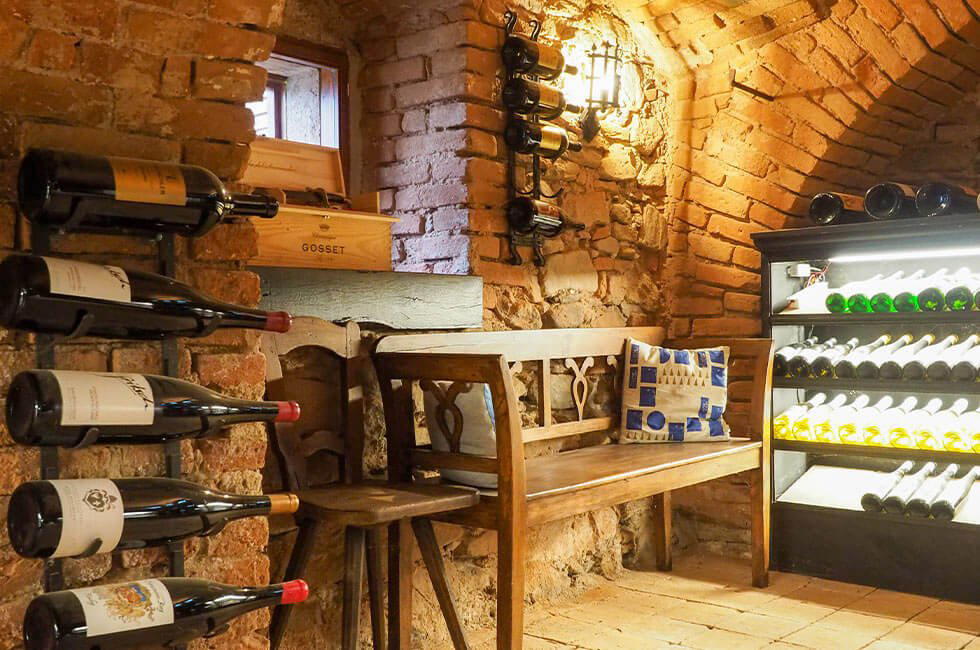
The strongest signal for Ernst Reinthaler is atmosphere. “Rustic” and “quiet” are useful words here because they set the tone without overpromising. They suggest a place better understood through restraint and simplicity than through nightlife energy, destination-restaurant spectacle, or a highly choreographed hospitality format. For a reader comparing options, those words help frame expectations: this is not being presented as a flashy or highly programmed stop, but as something more subdued.
That also affects how to read the price. A $ listing places Ernst Reinthaler at the accessible end of the guide’s pricing scale. It does not, by itself, prove what is served, how service works, whether reservations are needed, or whether any particular experience is available. It simply gives readers a practical baseline: this is not positioned as a high-price venue. The price signal is helpful, but it should be treated as a broad guide marker rather than as a substitute for current practical information.
Because the public record is thin, it is better not to add decorative detail. A guide entry can still be useful when it is honest about its limits. In this case, the reliable takeaway is that Ernst Reinthaler belongs on the radar for travelers looking at low-key options in Obermixnitz, especially if they prefer quiet settings and do not need a heavily described concept in advance. That restraint keeps the listing credible and makes the few known details easier to trust.
What is not confirmed
Several tempting hooks should be avoided unless confirmed directly before a visit. It also does not verify a street address beyond Obermixnitz, so the location should be stated only at the city level. That is an important distinction for readers, because a city-level placement can orient a search, but it should not be treated as enough for navigation or planning on its own.
That matters because hospitality pages often lean on rankings, guide mentions, or exact scores to create a sense of authority. For Ernst Reinthaler, the page should not imply that such recognition exists unless it is separately from a reliable source. The better editorial approach is to keep the description modest and grounded. A plain listing is more useful than an embellished one when the underlying information is limited.
Readers should not assume lunch, dinner, daytime visits, evening service, or any particular weekly schedule from this profile. If timing matters, the sensible next step is to confirm current availability directly through an official or current contact point before making plans. The same cautious approach applies to any practical expectation that is not stated here: treat it as unresolved until checked.
How to place it within an Obermixnitz day
Ernst Reinthaler works well in the guide as a quiet, affordable Obermixnitz option rather than as the anchor for a detailed itinerary. Treat it as one possible local stop and confirm practical details before relying on it for a meal, tasting, meeting point, or scheduled visit. That makes it well suited to flexible planning, where a reader is gathering possibilities rather than building an entire day around a single confirmed experience.
Compared with more fully documented venues, the appeal here is not a long list of confirmed amenities. It is the combination of a $ price tier and a rustic, quiet mood in Obermixnitz. That is enough to give the listing a place in a local guide, but not enough to justify inflated language about specialties, service rituals, or destination status. The page should therefore remain calm in tone, matching the understated character it is able to describe.
Use Ernst Reinthaler as a reminder that not every worthwhile listing needs to be over-described. Some entries are most helpful when they preserve uncertainty clearly: what is known is the name, the Obermixnitz location, the accessible price range, and the calm rustic atmosphere. Everything beyond that should be checked before arrival. With that framing, the listing can serve readers well without stretching the facts or creating expectations that the available information cannot support.
Recognition history
Dated appearances from independent guides and award organizations, with the underlying list record or original source where available.
Falstaff Winery - Listed
Falstaff
Continue exploring
More in Obermixnitz
Wineries in Obermixnitz
Browse all →
Bars in Obermixnitz
Browse all →
Restaurants in Obermixnitz
Browse all →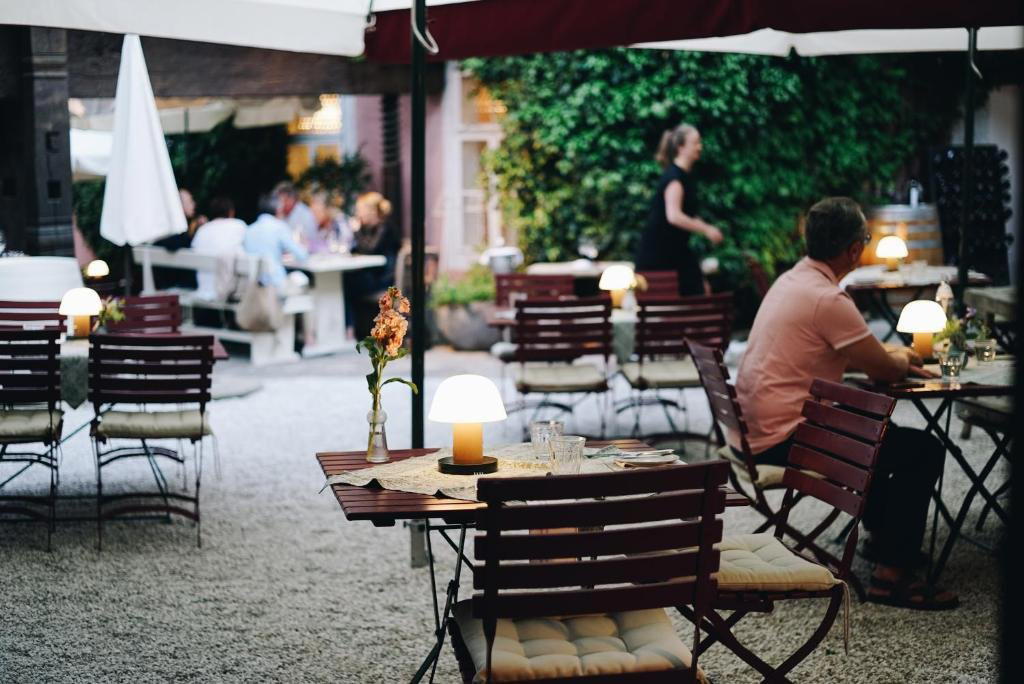
Details
- Rustic
- Quiet
- Organic
- Vineyard