Elk Cove Vineyards
Elk Cove Vineyards sits on the rural western edge of the Willamette Valley in Gaston, Oregon, where the Chehalem Mountains shape a cooler, wetter microclimate that registers clearly in the glass.. The address at 27751 NW Olson Rd places it well off the main wine-route corridor.

Pearl is the En Primeur Club membership app — saves, bookings, and concierge access live there. Same editors, same standards.
- Address
- 27751 NW Olson Rd, Gaston, OR 97119
- Phone
- (503) 985-7760
- Website
- elkcove.com
- Directions
- Get directions
- Booking
- Book on Tock
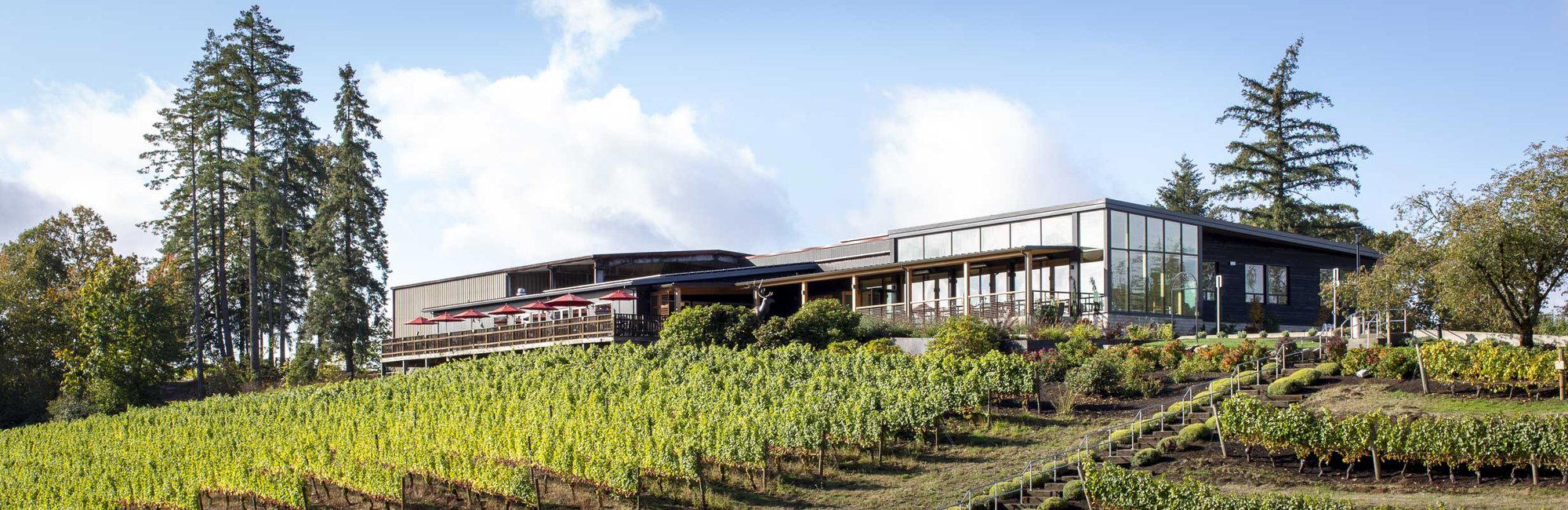
Where the Chehalem Mountains Speak First
The drive out to Gaston along NW Olson Road makes the argument before you arrive. The road narrows, the elevation climbs in increments, and the canopy closes in a way that signals you have left the flatter, more agricultural floor of the Willamette Valley behind. This is the western rim of the Chehalem Mountains AVA, a sub-appellation defined by its proximity to the Van Duzer Corridor and the consistent marine push that arrives from the Pacific. The vines here experience cooler growing temperatures and a longer hang time than much of the valley floor. That meteorological fact is not incidental to what Elk Cove Vineyards produces. It is, in many respects, the entire point.
The Chehalem Mountains sub-appellation sits within the broader Willamette Valley, but producers who farm its upper slopes operate with a noticeably different calculus than estates positioned closer to Dundee or McMinnville. Elevation and aspect slow ripening, extend the growing season, and amplify the tension between fruit and acidity that characterizes Willamette Pinot Noir at its most precise. It is the same logic that drives site selection in Burgundy's Côte de Nuits, where a few hundred feet of altitude and a slight shift in orientation can separate a village wine from a premier cru. In the Chehalem Mountains, those distinctions are still being mapped and argued over, but a cluster of serious producers has established that the elevation matters.
What the Site Imposes on the Wine
Willamette Valley's reputation rests predominantly on Pinot Noir and, to a lesser extent, Pinot Gris and Chardonnay. But within that shared varietal identity, the valley is not homogeneous. The Dundee Hills, with their iron-rich Jory soil, produce wines with a particular red-fruit brightness. The Eola-Amity Hills, exposed to strong marine influence through the Van Duzer gap, tend toward leaner, higher-acid expressions. The Chehalem Mountains, where Elk Cove farms, offer a third register: deeper volcanic soils in places, sedimentary marine deposits in others, and a microclimate where diurnal temperature swings can be pronounced enough to preserve aromatic freshness even in warmer vintages.
For comparison, estates like Adelsheim Vineyard in Newberg also work within the broader Chehalem Mountain zone, though site elevation and specific soil blocks vary significantly between producers. At the opposite end of the American wine spectrum, Cabernet-dominant estates such as Accendo Cellars in St. Helena or Alpha Omega Winery in Rutherford operate under an entirely different terroir logic, where heat accumulation and soil drainage favor the extended phenolic ripening that Cabernet requires. Understanding Elk Cove means accepting that it belongs to a cooler, slower, more tension-driven tradition, one that prizes restraint over richness.
That tradition connects more closely to producers like Au Bon Climat in Santa Barbara, which similarly built its identity on Burgundian varieties grown in a cool-climate California context, than to the high-extract Pinot programs that proliferated across the Pacific Northwest in the early 2000s. The comparison is stylistic rather than geographic, but it helps locate what Elk Cove is attempting: wines that carry place in their structure rather than obscuring it beneath oak or extraction.
The Tasting Room at the Western Edge
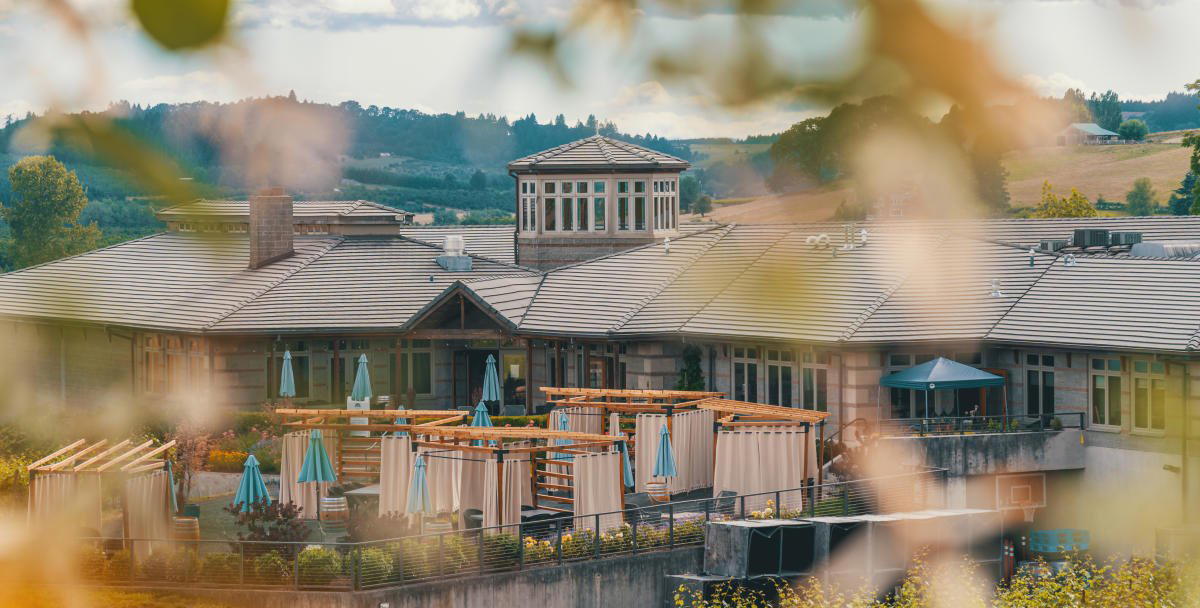
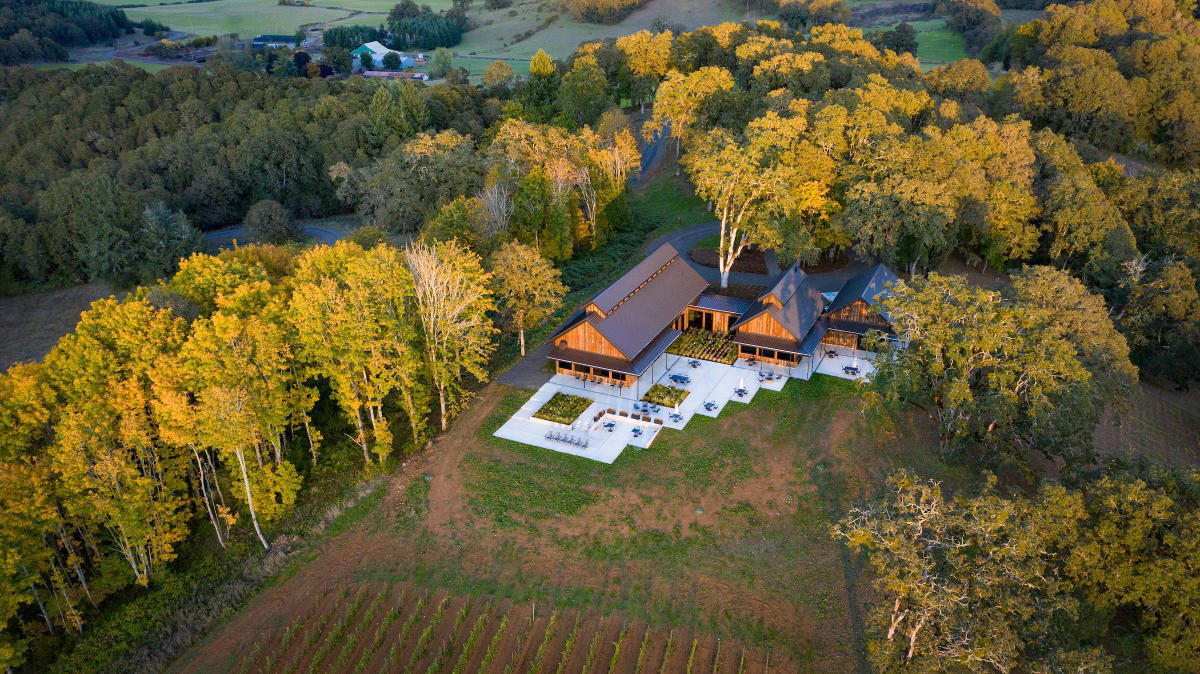
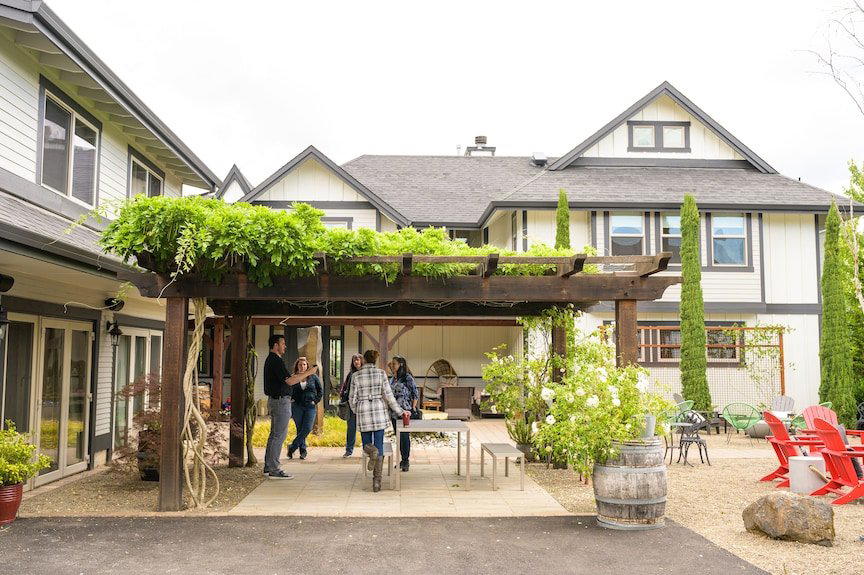
Arriving at 27751 NW Olson Rd, the setting functions as an extension of the winemaking argument. The property sits on a hillside property that orients visitors toward the vineyard blocks rather than away from them. Tasting rooms in this part of Oregon range from converted barns to purpose-built architectural statements, but the Gaston corridor tends toward the quieter end of that spectrum. The tourism infrastructure here has not been engineered at the scale of the Dundee Hills or the Willamette's central wine corridor, which means that visits to estates like Elk Cove tend to feel more agricultural than theatrical.
That relative quietness is a feature of the experience rather than a shortcoming. The Willamette Valley's premium tier has increasingly divided between high-volume hospitality operations designed for large weekend crowds and lower-key estate visits oriented toward the wine itself. Elk Cove sits closer to the latter category, in the same broad positioning as smaller specialty producers in other American wine regions, such as Aubert Wines in Calistoga or Alban Vineyards in Arroyo Grande, where the experience is structured around the wine program rather than the visitor amenity.
Booking ahead is advisable. Gaston-area wineries do not maintain the walk-in volumes of Dundee or Carlton, but estate visits typically require at least a day's notice, and weekend availability during harvest season, roughly September through October, can be limited. Visitors coming from Portland should plan for a drive of approximately 35 to 40 minutes west via Highway 47, making Elk Cove a viable half-day destination that pairs well with one or two additional Chehalem Mountain stops. Our full Gaston restaurants and wineries guide covers the surrounding area in more detail for those building a longer itinerary.
2025 Recognition and What It Signals
In the context of the Willamette Valley, where the producer count has grown substantially over the past two decades, that kind of recognition carries a sorting function: it signals a producer worth seeking out within a crowded appellation rather than simply another name on the wine trail map.
Producers awarded at this level in comparable cool-climate American wine regions include estates like Adelaida Vineyards in Paso Robles, which has built recognition around site-specific Rhône varieties, and Andrew Murray Vineyards in Los Olivos, where a focused varietal program has established a clear identity within its appellation. The common thread across these recognized producers is discipline around a defined regional identity rather than a broad stylistic range aimed at multiple market segments.
For reference, estates with broader footprints and different competitive positionings include Alexander Valley Vineyards in Geyserville, Artesa Vineyards and Winery in Napa, Babcock Winery in Lompoc, B.R. Cohn Winery in Glen Ellen, and Aberlour in Aberlour or Achaia Clauss in Patras, all operating within entirely different regional traditions.
Planning Your Visit
Elk Cove Vineyards sits at 27751 NW Olson Rd, Gaston, OR 97119, in Washington County on the western edge of the Willamette Valley. The property is reachable from Portland in under an hour, making it accessible as a standalone destination or as part of a broader Chehalem Mountain or northern Willamette Valley route. Spring and early summer typically offer the most open scheduling, while the September-to-November harvest window sees the most activity on-site but also the most competition for tasting appointments.
Comparable Venues
Comparable venues nearby, for context on price, style, and recognition.
| Venue | Cuisine | Price | Notes |
|---|---|---|---|
| Elk Cove VineyardsThis venue — the venue you are viewing | Pinot Noir, Pinot Gris | $10–20 | Not listed |
| Sokol Blosser Winery | Pinot Noir, Pinot Gris | $20–30 | Dundee Hills |
| A to Z Wineworks | Pinot Noir, Pinot Gris | Not listed | Newberg |
| Stoller Family Estate | Pinot Noir, Chardonnay | $20–30 | Dundee Hills |
| Patricia Green Cellars | Pinot Noir | Not listed | Newberg |
| Adelsheim Vineyard | Pinot Noir, Chardonnay | $30–50 | Chehalem Mountains |
Continue exploring
More in Gaston
Wineries in Gaston
Browse all →
Bars in Gaston
Browse all →


Restaurants in Gaston
Browse all →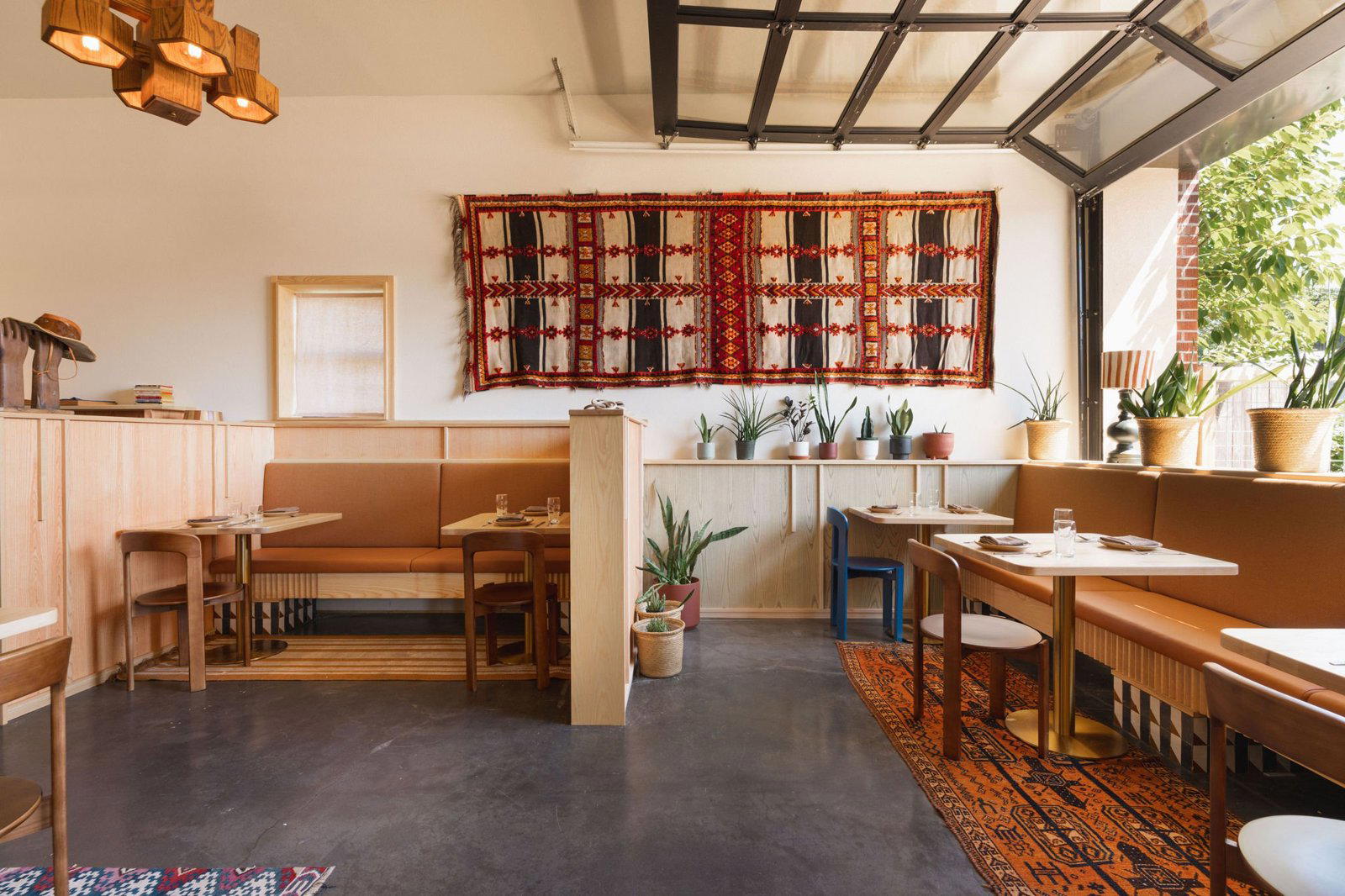





Details
- Scenic
- Elegant
- Rustic
- Intimate
- Romantic Getaway
- Group Outing
- Wine Education
- Vineyard Tour
- Estate Grounds
- Panoramic View
- Sustainable
- Vineyard
- Mountain
- Pinot Noir
- Pinot Gris
- Pinot Blanc
- Chardonnay
- Riesling
- Still Red
- Still White
- Still Rosé
- Sparkling
- Flight Tasting
- Private Tasting
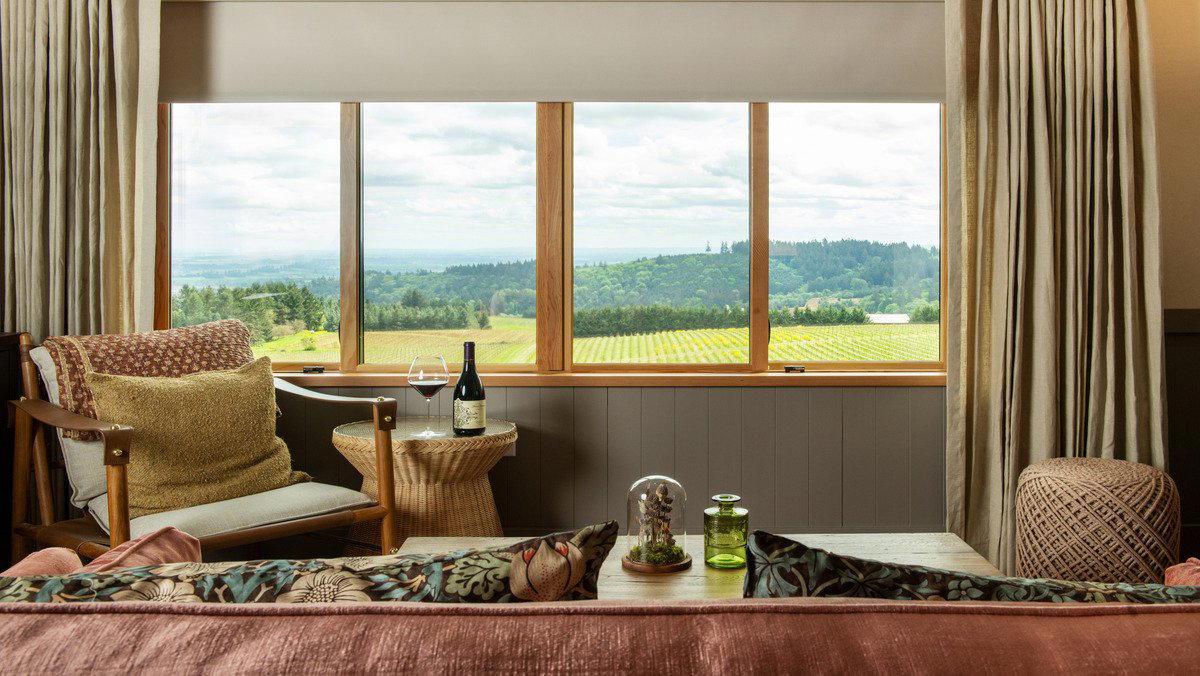
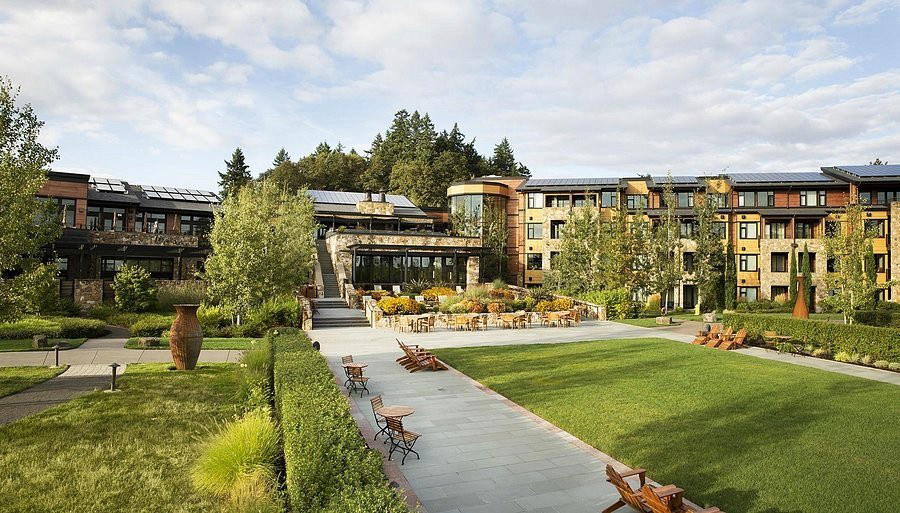
Spacious tasting room with far-reaching vineyard and mountain views, relaxed and beautiful atmosphere praised for its dramatic grounds and scenery.