Domaine Moulin Tacussel

Falstaff Winery - Listed
Domaine Moulin Tacussel suits travelers who want Châteauneuf-du-Pape through old-vine Grenache rather than cellar-door theatre. The estate works a small 7.85-hectare holding across multiple lieux-dits, with red and white AOP wines that keep the focus on Southern Rhône soils, traditional élevage, and limited production.

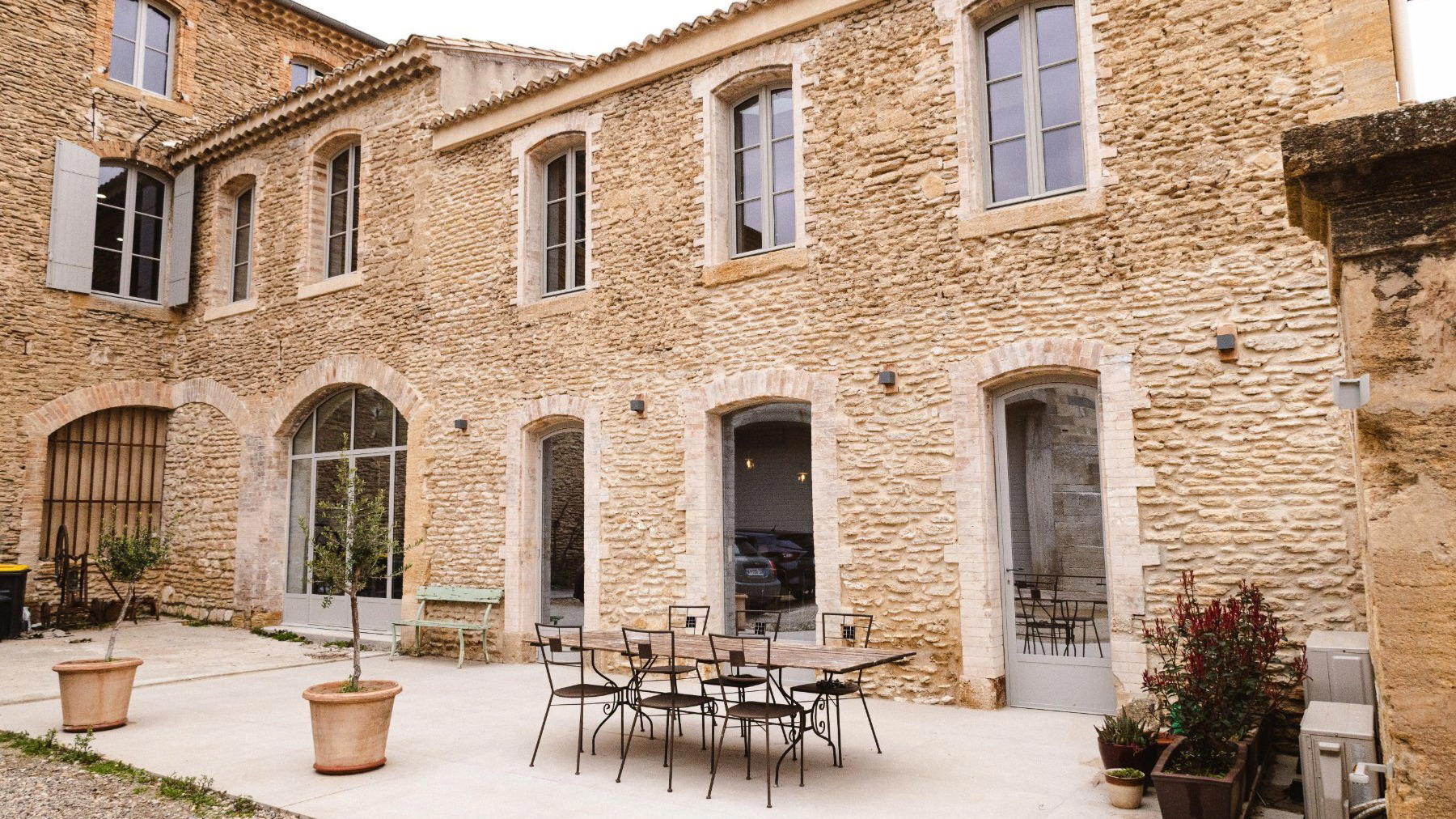
The village cellar experience in Châteauneuf-du-Pape is rarely about spectacle. It is about stone, shade, old barrels, and the direct logic of tasting wines close to the ground that shaped them. Domaine Moulin Tacussel fits that tradition: a small family-owned Rhône estate with a cellar and tasting space in the village, a quiet atmosphere, and a portfolio that keeps tightly to Châteauneuf-du-Pape AOP red and white rather than chasing regional breadth.
That restraint matters in an appellation often discussed through power and ripeness. The more interesting question is how Grenache behaves when old vines, sandy parcels, limestone, galets, and traditional cellar work are allowed to set the rhythm. Here, the answer comes through scale as much as style: 7.85 hectares of vines, 11 parcels, four named lieux-dits, and limited-case production. This is not an estate built around volume or hospitality gloss. It belongs to the village’s more traditional register, where the tasting format is close to the wines and the wines are close to the land.
Old-vine Grenache, small parcels, and the Southern Rhône argument
Châteauneuf-du-Pape’s strength has always been its plurality: permitted varieties, mixed soils, scattered parcels, and a climate that can push Grenache toward generosity unless the grower finds balance. Domaine Moulin Tacussel works within that classic frame. Its red plantings are led by Grenache, supported by Mourvèdre, Syrah, Cinsault, Counoise, Muscardin, and Vaccarese. The white side brings Grenache Blanc, Roussanne, Clairette, Bourboulenc, and Picpoul into the cellar, a blend logic that reflects the appellation’s habit of using variety as structure rather than decoration.
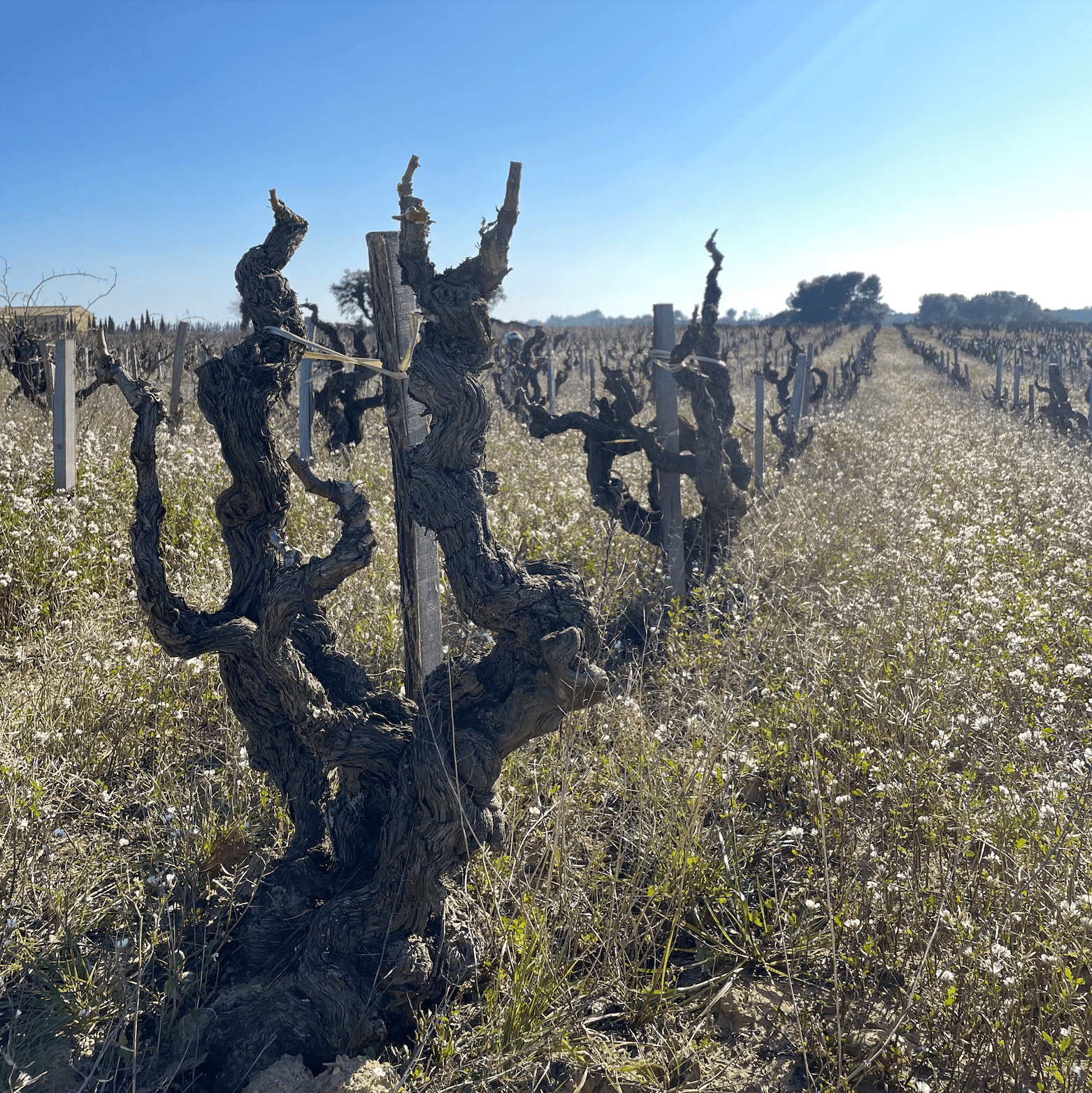
The estate’s vineyard map gives the wines their editorial interest. Colombis, Mont Pertuis, Mourre de Gaud, and le Palestor place the domaine across different Châteauneuf-du-Pape expressions, with rocks, stones, sand, and limestone in play. Le Palestor is particularly tied to Hommage à Henry Tacussel, an almost pure old-vine Grenache cuvée, while a parcel planted in 1904 gives the estate a material link to pre-modern viticulture rather than a merely nostalgic one. Average vine age is about 45 years, but that older parcel changes the conversation: it points to low-yielding material and a style that depends on depth from vine age rather than cellar make-up.
Cellar practice reinforces that point. The standard red ages in foudres, tanks, and used French oak barrels for 12 to 14 months, a combination that keeps new-oak signature from dominating the wine. Hommage à Henry Tacussel spends 13 months in demi-muids, with production around 100 cases per vintage. The white ages for 6 months in new and used French oak barrels. These are practical choices, not fashion statements: large wood, used oak, and mixed vessels preserve Grenache’s warmth while giving the wine enough frame to carry Châteauneuf-du-Pape’s natural weight.
A focused portfolio rather than a broad cellar-door range
The portfolio is concise: two reds and one white. That makes the visit easy to read. The standard Châteauneuf-du-Pape red is built on 75% Grenache, 10% Mourvèdre, 10% Syrah, and 5% other traditional varieties. Hommage à Henry Tacussel narrows the lens further, leaning almost entirely into old-vine Grenache from sandy soils. The white, with Grenache Blanc and Roussanne each at 30%, plus Clairette, Bourboulenc, and Picpoul, shows the appellation’s quieter side, where texture and freshness can be as revealing as red-wine breadth.
Critic recognition gives useful calibration without turning the estate into a scorecard. The 2019 red received 93 points, with a drinking window running from 2023 to 2035. The 2021 red received 90 points, with a window from 2024 to 2030. Those ranges say something practical about the house style: the wines are not built only for distant cellaring, but they are also not simple early-drinking village souvenirs. For travelers buying bottles after a tasting, that middle ground is valuable.
The domaine’s modern identity dates to 1976, when the vineyard passed from Henri Tacussel to Robert Moulin; the first bottled vintage followed in 1985. That timeline places it among estates shaped by the late-20th-century shift from inherited landholding to domaine-bottled identity. Today the estate is associated with Didier Latour as winemaker, but the stronger story is not personal biography. It is continuity: family lineage, old parcels, and a production scale that keeps the wines anchored in Châteauneuf-du-Pape rather than a broader Rhône brand.
How to place it in a Châteauneuf-du-Pape itinerary
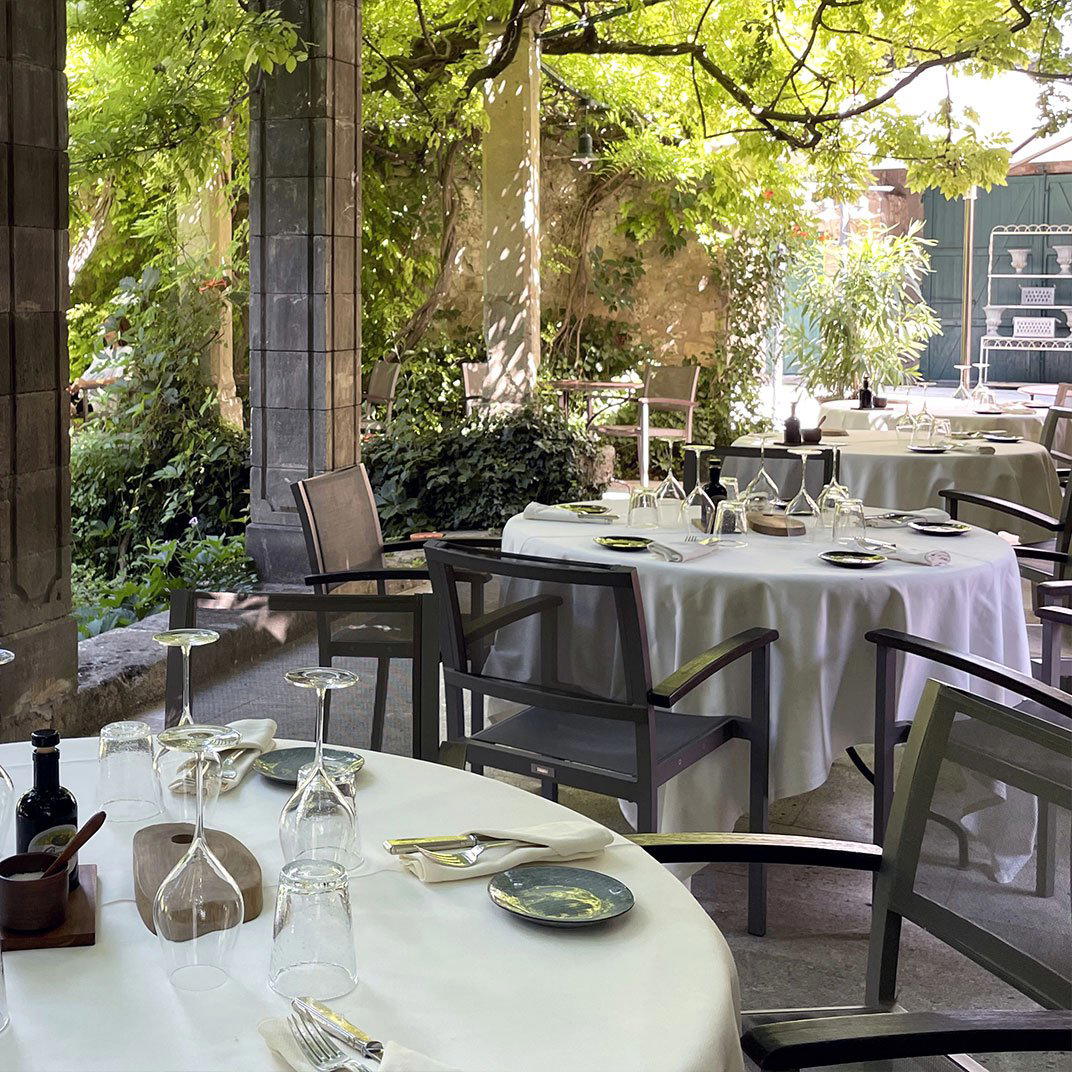
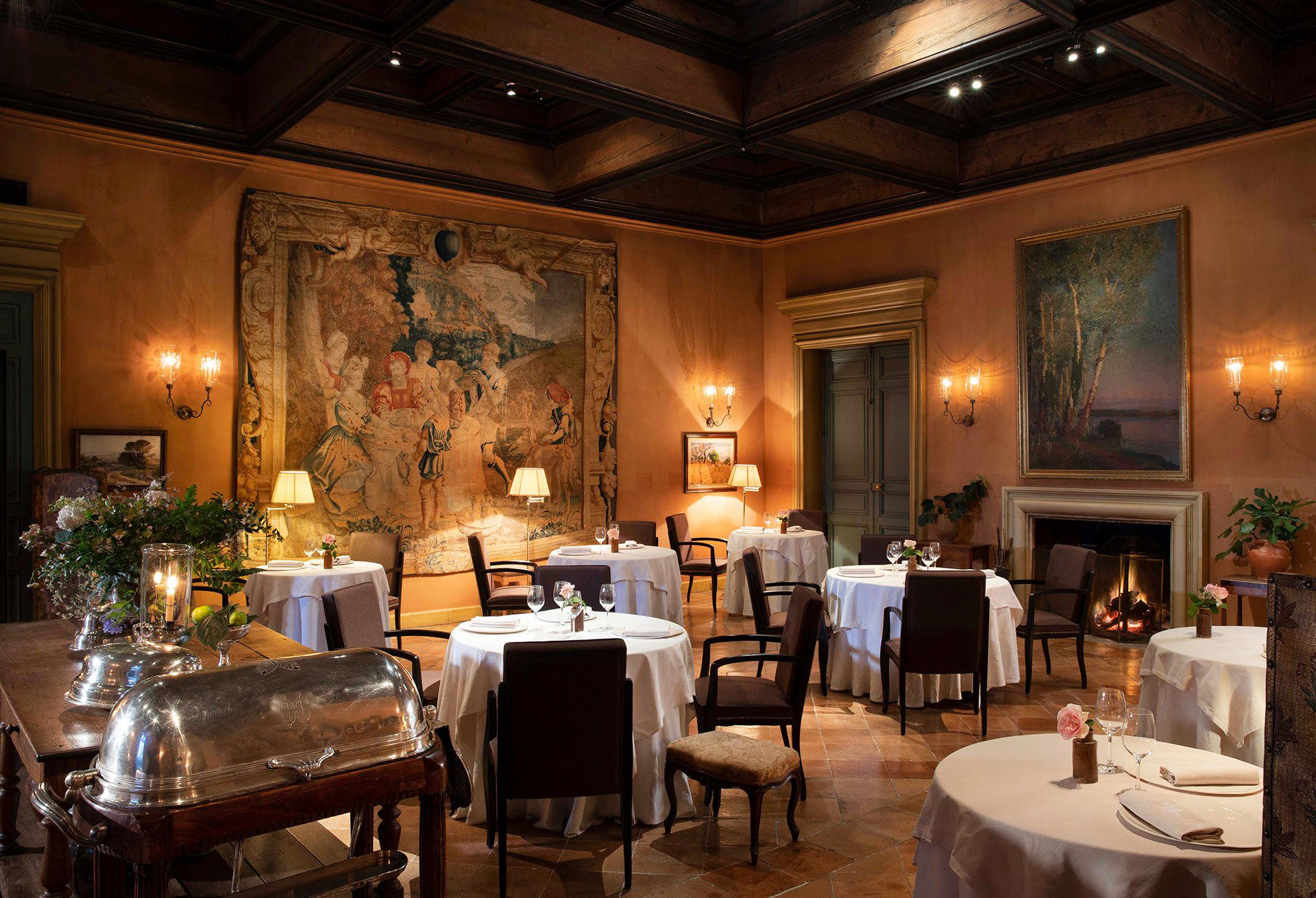
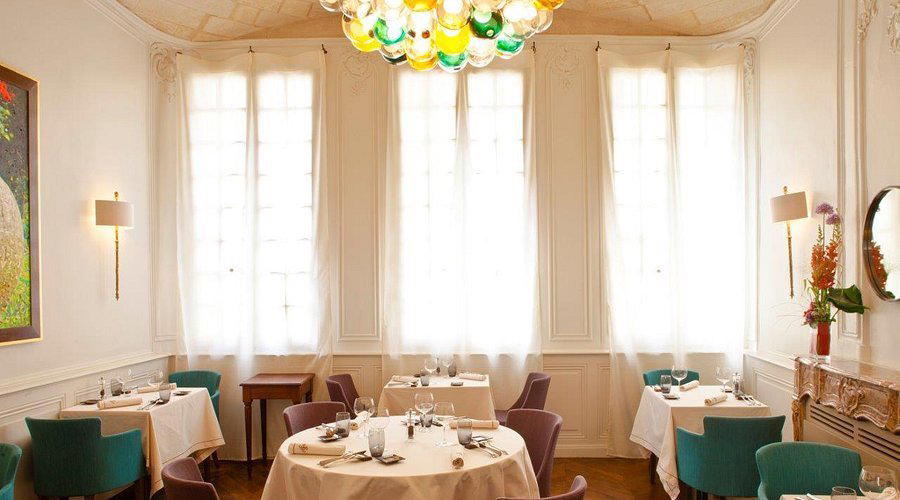
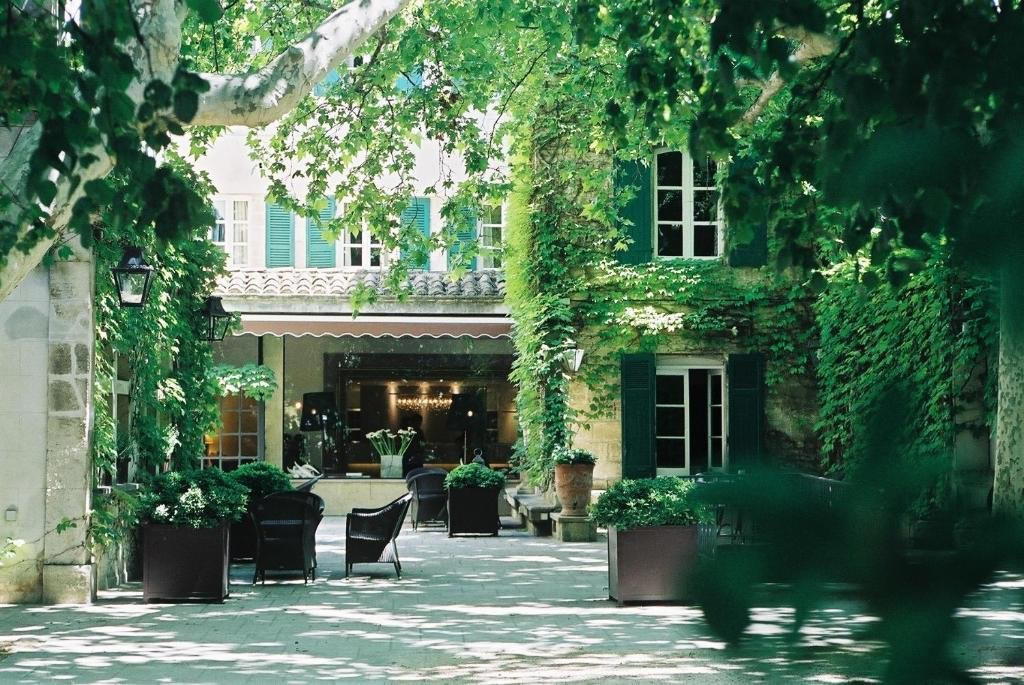
For a wine-focused day in the village, this is the kind of stop that works as a calibration point. It gives a compact view of the appellation’s traditional grammar: Grenache-led reds, mixed Rhône whites, old vines, foudres, demi-muids, and the contrast between sandy and stony parcels. The setting is quiet and intimate, with a classic winery feel rather than a resort-style tasting room. Street parking and village pacing suit visitors who prefer moving between caveaux on foot once in town.
The broader Châteauneuf-du-Pape circuit rewards planning by category. For nearby winery research, EP Club’s regional coverage includes our full Châteauneuf-du-Pape wineries guide, plus individual pages for Bertrand Gonnet Vignerons, Chateau Fortia, Chateau Rayas, Château de la Gardine, and Château du Trignon – Famille Quiot. For the rest of the village, use our full Châteauneuf-du-Pape restaurants guide, our full Châteauneuf-du-Pape hotels guide, our full Châteauneuf-du-Pape bars guide, and our full Châteauneuf-du-Pape experiences guide.
Travelers extending the wine route beyond the Southern Rhône can also use EP Club’s wider winery index, from A. Margaine in Villers-Marmery and Abbaye de Fontfroide in Narbonne to Abbotts & Delaunay in Marseillette, »der Steiner« Hans Steiner in Podersdorf am See, and & Handwein in Mannheim. Domaine Moulin Tacussel belongs on an itinerary for a specific reason: it shows how much Châteauneuf-du-Pape can say through modest scale, old Grenache, and parcels that do not need embellishment.
Frequently asked questions
What's the atmosphere like at Domaine Moulin Tacussel?
The estate feels small, quiet, and family-run, with a warm welcome in the center of Châteauneuf-du-Pape village. Expect a classic winery setting rather than a polished tasting room, with street parking and a walk-in tasting format.
Where is Domaine Moulin Tacussel located?
Domaine Moulin Tacussel is located at Châteauneuf-du-Pape, Vaucluse, Frankreich, Châteauneuf-du-Pape.
What's the cost level for Domaine Moulin Tacussel?
Pricing at Domaine Moulin Tacussel is listed as $10 per person.
What's the defining thing about Domaine Moulin Tacussel?
Its focus is terroir: about 7.85 hectares of vines on clay-limestone and galet-strewn ground in Châteauneuf-du-Pape AOP. The estate has operated since 1976 and concentrates on limited-production red and white wines, including old-vine Grenache-driven bottlings.
Recognition history
Dated appearances from independent guides and award organizations, with the underlying list record or original source where available.
Falstaff Winery - Listed
Falstaff
Request a visit to Domaine Moulin Tacussel
Tell us when you would like to go and how many people, and we put the request to the estate and reply to you by email.
Continue exploring
More in Châteauneuf-du-Pape
Wineries in Châteauneuf-du-Pape
All wineries in Châteauneuf-du-Pape →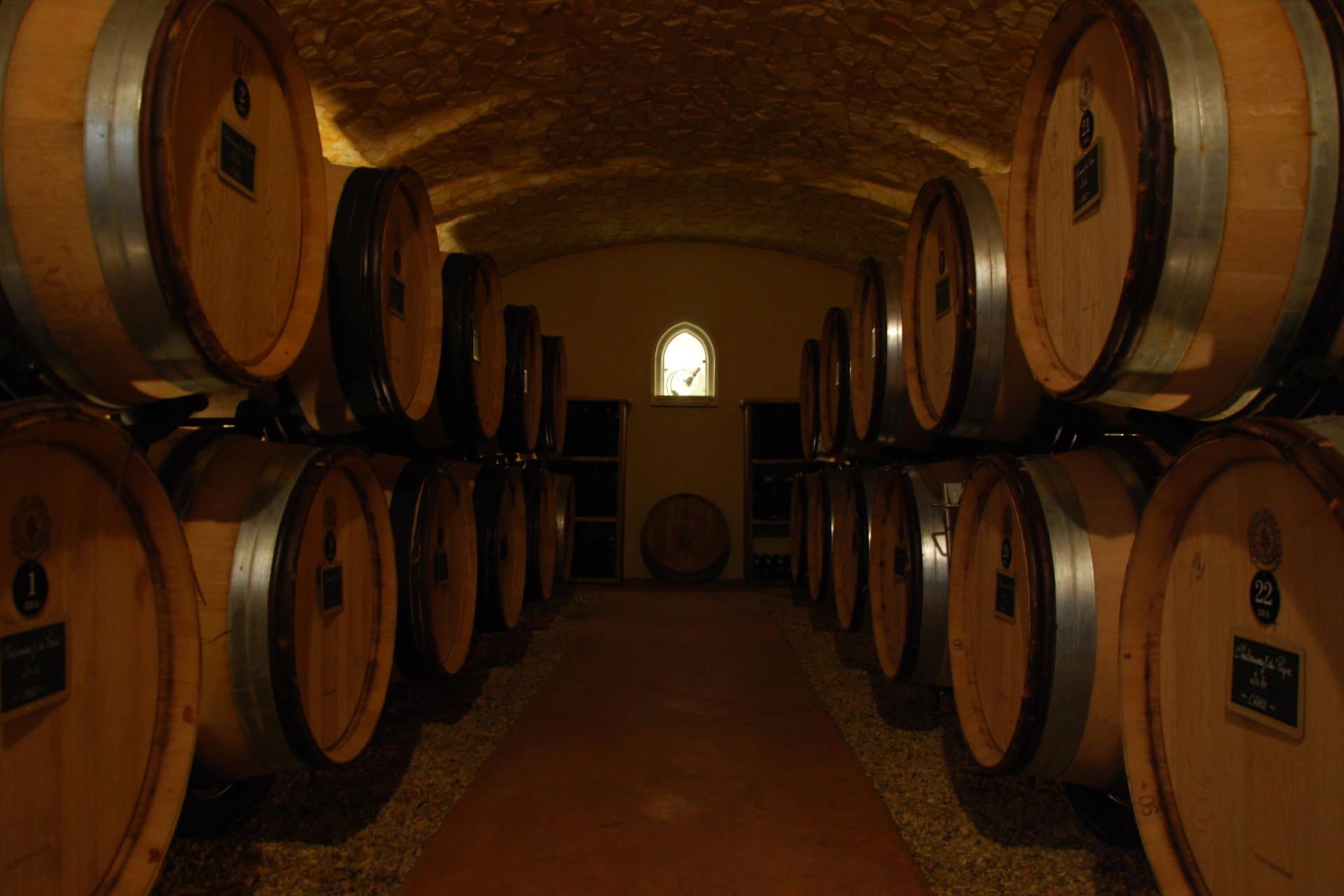
Bars in Châteauneuf-du-Pape
Browse all →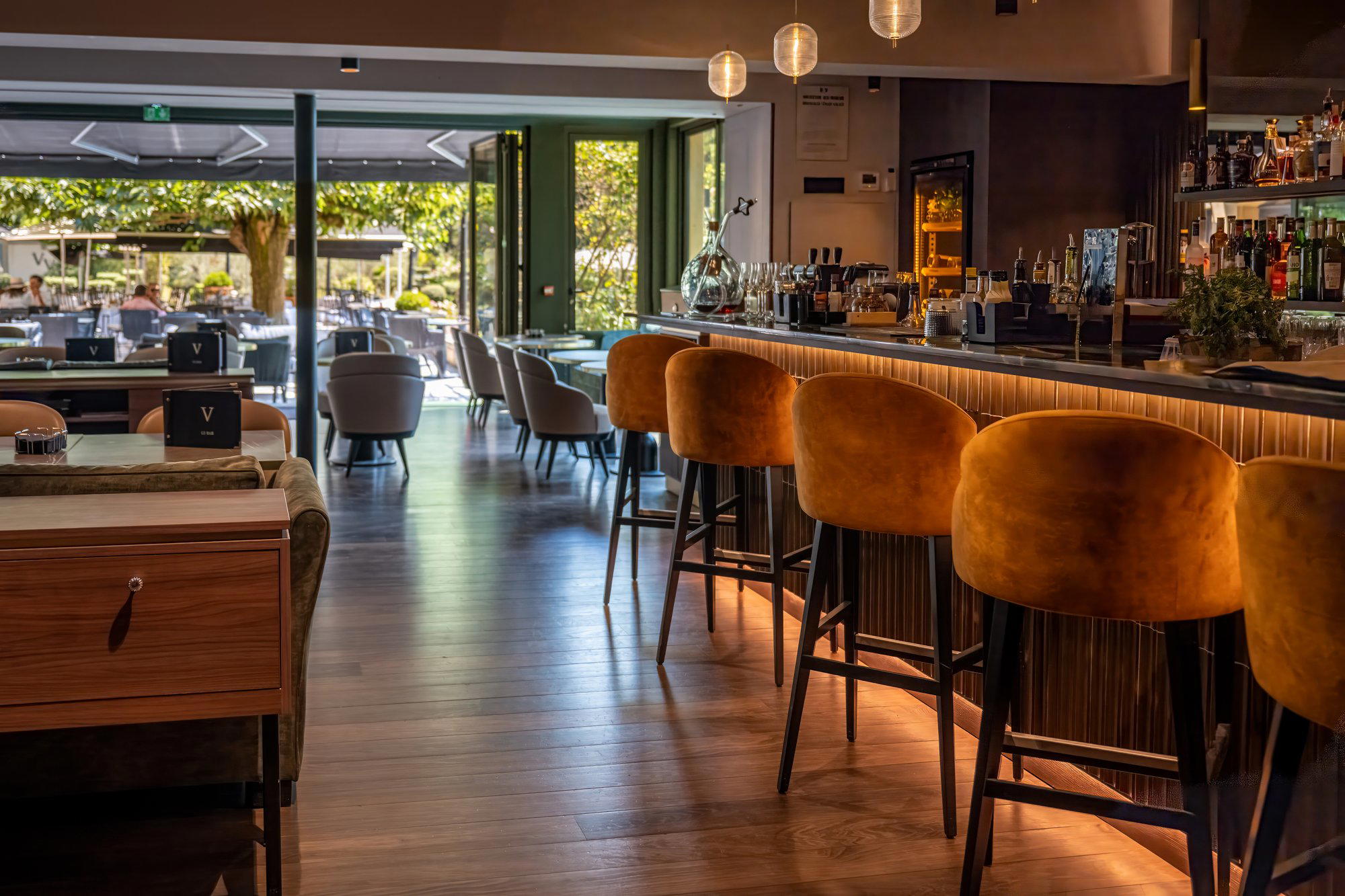
Details
- Classic
- Rustic
- Cozy
- Scenic
- Intimate
- Romantic Getaway
- Group Outing
- Wine Education
- Special Occasion
- Solo Exploration
- Estate Grounds
- Historic Building
- Vineyard
- Street Scene
- Grenache
- Syrah
- Mourvèdre
- Cinsault
- Counoise
- Muscardin
- Vaccarese
- Grenache Blanc
- Roussanne
- Clairette
- Bourboulenc
- Picpoul
- Still Red
- Still White
- Standard Tasting
- Estate Range Tasting
- Walk In Tasting
- French
- English
Current opening hours
- Monday
- 10 AM–5 PM
- Tuesday
- 10 AM–5 PM
- Wednesday
- 10 AM–5 PM
- Thursday
- 10 AM–5 PM
- Friday
- 10 AM–5 PM
- Saturday
- 10 AM–5 PM
- Sunday
- Closed
Hours can change for holidays and private events. Hours as of .
Traditional Rhône family estate in the heart of Châteauneuf-du-Pape, with a warm, convivial welcome and a classic winery feel focused on terroir-driven Châteauneuf-du-Pape wines.