
Falstaff Winery - Listed
Cellier des Dauphins is a large-scale Rhône cooperative in Tulette, built around Côtes du Rhône rather than estate intimacy. Its appeal lies in scale made legible: around 3,000 growers, about 18,000 hectares of vineyards, Grenache-led southern Rhône blends, and a production-focused setting that suits visitors interested in how a regional wine economy works.

Pearl is the En Primeur Club membership app — saves, bookings, and concierge access live there. Same editors, same standards.
- Address
- Tulette, Auvergne-Rhône-Alpes, Frankreich
- Directions
- Get directions
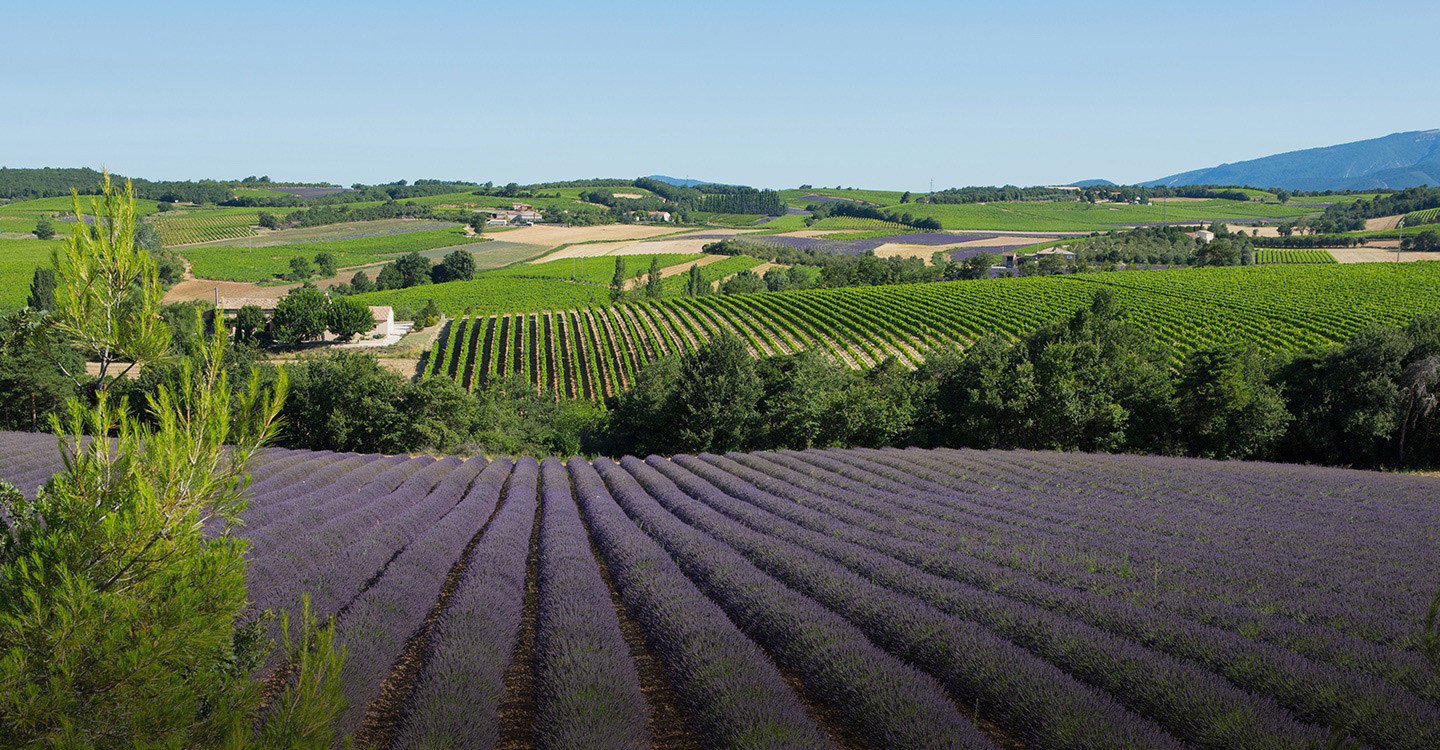
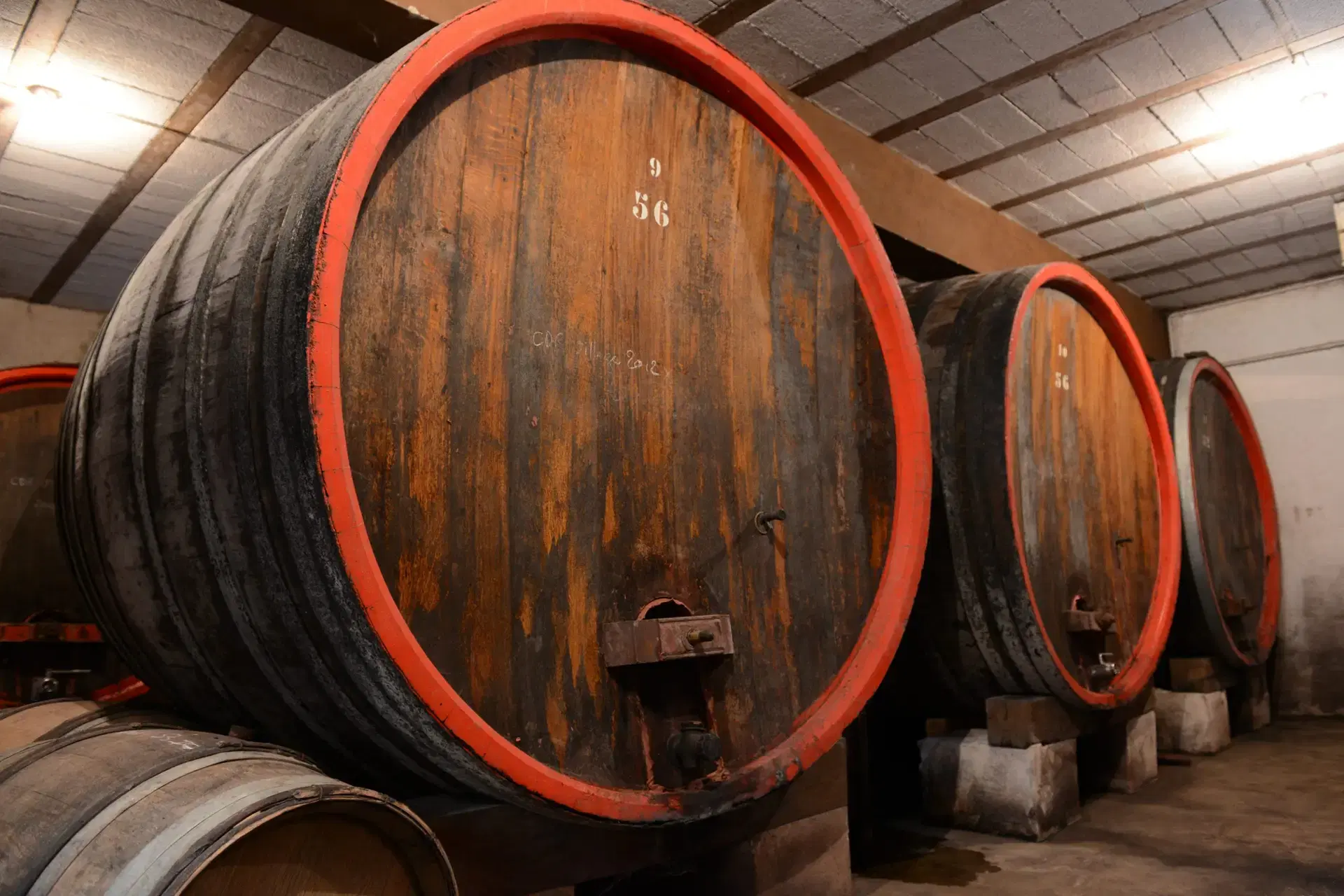
Approaching Cellier des Dauphins means entering the Rhône through scale rather than intimacy. The setting is Tulette in Drôme Provençale, with expansive Rhône Valley vineyards around a large cooperative winery complex. The atmosphere is professional and production-focused rather than that of a small, quiet estate, which is the essential context for understanding the visit. It is the kind of place where the first impression is shaped by breadth: the vineyard landscape, the working buildings and the sense that wine here is connected to a wider regional system rather than to a single secluded domaine.
Rhône Valley vineyards seen through cooperative scale
The case for Cellier des Dauphins rests on its scale and setting. This is not presented as a boutique cellar-door experience; it is a large cooperative complex in a rural, scenic wine landscape. For travellers interested in the working side of Rhône Valley wine, that production-focused character is the point. The appeal is less about a romanticised private visit and more about encountering a practical, visible expression of how wine can operate at cooperative scale within a recognisable Rhône Valley setting.
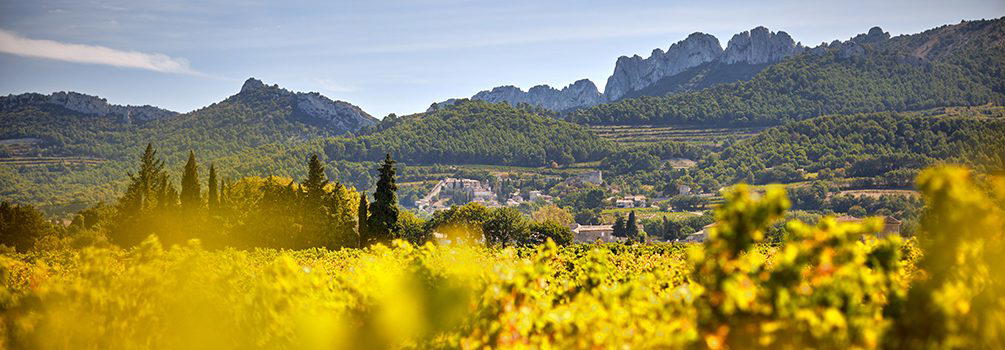
The surrounding vineyards give the place its visual identity, while the cooperative format gives it a different feel from smaller estates. The experience is best understood through atmosphere and context: rustic, scenic and iconic in a regional sense, with the scale of the complex shaping the impression as much as the countryside does. In that way, the landscape and the winery infrastructure are not separate parts of the visit; they work together to create the overall character. The countryside softens the scale, while the cooperative buildings make clear that this is a serious working wine environment.
Because public details are limited, specific claims about grape varieties, production volumes, founding dates, winemaking leadership, sustainability programs or tasting formats should be treated cautiously unless confirmed directly before visiting. What can be said confidently is that Cellier des Dauphins is a large cooperative winery presence in Tulette, set within the wider Rhône Valley vineyard landscape. That conservative framing is useful, because it keeps the focus on what is most reliably part of the experience: location, scale, setting and the broader cooperative identity.
What to expect from the cooperative setting
Rather than assuming a private-estate visit, it is safer to frame Cellier des Dauphins as a production-oriented cooperative stop whose value lies in seeing a larger winery setting in Drôme Provençale. That framing helps prevent the wrong kind of expectation. The visit is not best understood as a quiet escape into a tiny cellar, but as a chance to situate Rhône Valley wine within a more collective and operational context.
That distinction matters for expectations. Travellers seeking a small, intimate estate atmosphere may find the scale more commercial and practical, while those interested in the broader infrastructure of Rhône Valley wine may find the cooperative setting informative. The tone is professional rather than hushed or salon-like. This does not make the stop less worthwhile; it simply changes the reason to go. The strength is in the grounded, working character of the place, and in the way the cooperative environment reveals another layer of the region’s wine culture.
For planning, confirm current visit options directly with Cellier des Dauphins before making a special trip. The grounded appeal is the venue’s setting in Tulette, its expansive vineyard surroundings and its identity as a large cooperative winery complex. That is the safest and most useful basis for building it into an itinerary: treat it as a regional wine stop defined by context, not as a venue whose details should be assumed in advance. A little confirmation before arrival will matter more here than relying on generic expectations of a vineyard visit.
Planning a Tulette wine stop around the wider region
Cellier des Dauphins works as a grounded Tulette stop for travellers who want to understand a larger, production-focused side of the local wine landscape. Its atmosphere is rustic, scenic and iconic, but not intimate in the way a small estate is. That contrast is central to its usefulness as a venue reference: it gives visitors a broader lens on the Rhône Valley, especially if they are trying to understand not only picturesque vineyards but also the practical structures that sit behind regional wine.
The editorial read is clear: this is a strong option for travellers interested in scale, vineyards and the working character of a cooperative winery complex in Tulette. The landscape supplies the setting, and the cooperative atmosphere supplies the context. Seen on those terms, Cellier des Dauphins offers a coherent and grounded Rhône Valley stop: not a private-estate fantasy, but a clear view of wine culture expressed through cooperative presence, visible scale and the surrounding vineyard landscape.
Recognition history
Dated appearances from independent guides and award organizations, with the underlying list record or original source where available.
Falstaff Winery - Listed
Falstaff
Details
- Rustic
- Scenic
- Well Known
- Group Outing
- Wine Education
- Corporate Event
- Special Occasion
- Vineyard Tour
- Estate Grounds
- Panoramic View
- Sustainable
- Organic
- Vineyard
- Mountain
- Garden
- Grenache
- Syrah
- Mourvèdre
- Carignan
- Cinsault
- Still Red
- Still White
- Still Rosé
- Standard Tasting
- Vineyard Tour With Tasting
- Group Tasting
- French
- English
Large cooperative winery complex in Drôme Provençale with a professional, production-focused atmosphere surrounded by expansive Rhône Valley vineyards rather than a small intimate estate feel.