Domaine Louis Saladin & Filles

Domaine Louis Saladin & Filles belongs to the older, earthier side of southern Rhône wine: family farming, organic viticulture, hand harvests, and cellar-door intimacy rather than polished château theatre. In Saint Marcel D Ardeche, its 18 hectares connect clay-limestone slopes and galet-covered terraces to a portfolio of Côtes-du-Rhône and Côtes-du-Rhône Villages Saint-Andéol wines.
Pearl is the En Primeur Club membership app — saves, bookings, and concierge access live there. Same editors, same standards.
- Address
- Saint Marcel d’Ardeche, Auvergne-Rhône-Alpes, Frankreich
- Directions
- Get directions
 Saves & bookings on Pearl
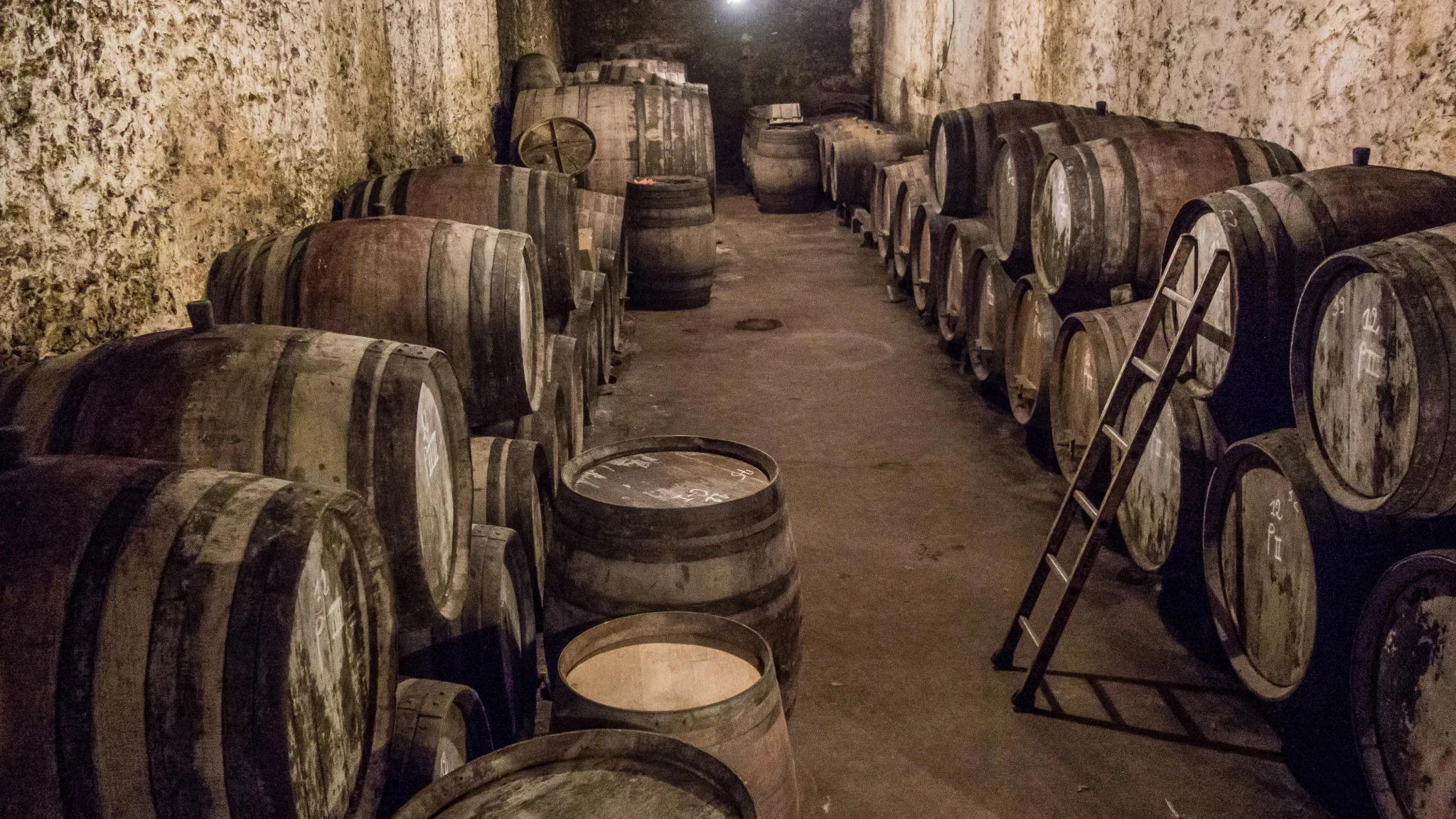
Approach the wine culture of Saint Marcel D Ardeche and the emphasis can shift from formal hospitality to a more rustic, village-rooted sense of place. Domaine Louis Saladin & Filles is best described, on the information available here, as a family-run, historic wine estate with a working cellar-door atmosphere and a long artisanal tradition. In other words, the value of the address lies less in a grand visitor narrative than in the quieter impression of a producer embedded in its local setting.
The appeal is not a polished destination built around spectacle. The setting is rooted in the vines and the village, with a classic, hidden-gem character rather than the feel of a formal venue. That distinction matters for travelers: this is the kind of wine stop to approach for atmosphere, context and a grounded sense of place, while leaving more detailed producer questions to direct confirmation with the estate.
A village-rooted wine estate
What can be stated confidently is simpler: Domaine Louis Saladin & Filles belongs in a Saint Marcel D Ardeche wine itinerary as a historic, family-run estate with a rustic working-cellar mood. The phrase “wine itinerary” is important here, because the address reads best as part of a broader local day rather than as a standalone attraction defined by extensive visitor infrastructure.
For travelers, that means the page should be read as a concise venue note rather than a technical producer profile. The picture is of a classic wine-estate setting, grounded in local vines and village context. It is a useful entry for visitors who want to understand the character of the area through a direct, unvarnished wine-estate stop, without assuming a high-gloss hospitality experience.
Because the confirmed data is limited, specific claims about vineyard scale, soil divisions, named wines, harvest practices or cellar technique should be checked directly with the estate before planning around them. This restraint is part of reading the venue accurately: the available description supports the general character of the place, but not the kind of detailed technical or logistical profile that would justify firm assumptions about what will be offered on a given visit.
Artisanal continuity without extra claims
The description supports a sense of continuity and artisanal tradition, but it does not confirm specific farming certifications, historical dates, named family members, generation counts or winemaking methods. Those details should not be treated as established here. The more reliable interpretation is broader and more atmospheric: a historic estate, family-run in character, associated with a long artisanal thread rather than a fully documented set of practices in this note.
What remains useful is the tone of the place: family-run, historic, rustic and classic, with a working cellar-door atmosphere rather than a highly formal hospitality format. That tone suggests a visit shaped by the immediate context of the estate and village, not by theatrical presentation. It also gives the venue its “hidden-gem” quality, a phrase that works well here as a cue to modesty and locality rather than exclusivity.
This makes Domaine Louis Saladin & Filles a good fit for travelers who prefer a grounded wine-estate stop in Saint Marcel D Ardeche and are comfortable confirming practical details directly before visiting. It is especially suited to those who value a concise, place-led experience: the sense of a local producer, a cellar-door mood and a rustic setting can be enough, provided expectations are kept aligned with the limited confirmed information.
How to place it in a Saint Marcel D Ardeche wine day
This is best understood as a rustic, village-rooted wine estate in Saint Marcel D Ardeche. The price marker is $, and the setting is described as classic and hidden-gem in spirit rather than formal. Taken together, those signals point toward an accessible, understated stop, where the main draw is the estate’s rootedness and working character rather than any elaborate service promise.
For a broader local frame, compare Domaine Louis Saladin & Filles with other dining and wine-related options in Saint Marcel D Ardeche generically, rather than relying on named comparisons or specific service claims. It can sit naturally alongside other local experiences in the area, but the available information does not support detailed claims about how it differs from particular neighbors, what exact format a visit takes, or what should be expected beyond the broad estate atmosphere described here.
Read that proposition at its natural scale and it becomes a useful, honest listing: not a comprehensive producer dossier, not a promise of formal hospitality, but a concise pointer toward a classic local wine estate with rustic texture and a strong sense of place.
Recognition history
Dated appearances from independent guides and award organizations, with the underlying list record or original source where available.
Falstaff Winery - Listed
Falstaff
Continue exploring
More in Saint Marcel D Ardeche
Wineries in Saint Marcel D Ardeche
Browse all →
Restaurants in Saint Marcel D Ardeche
Browse all →
At a Glance
- Rustic
- Classic
- Wine Education
- Group Outing
- Solo Exploration
- Cave Tasting
- Estate Grounds
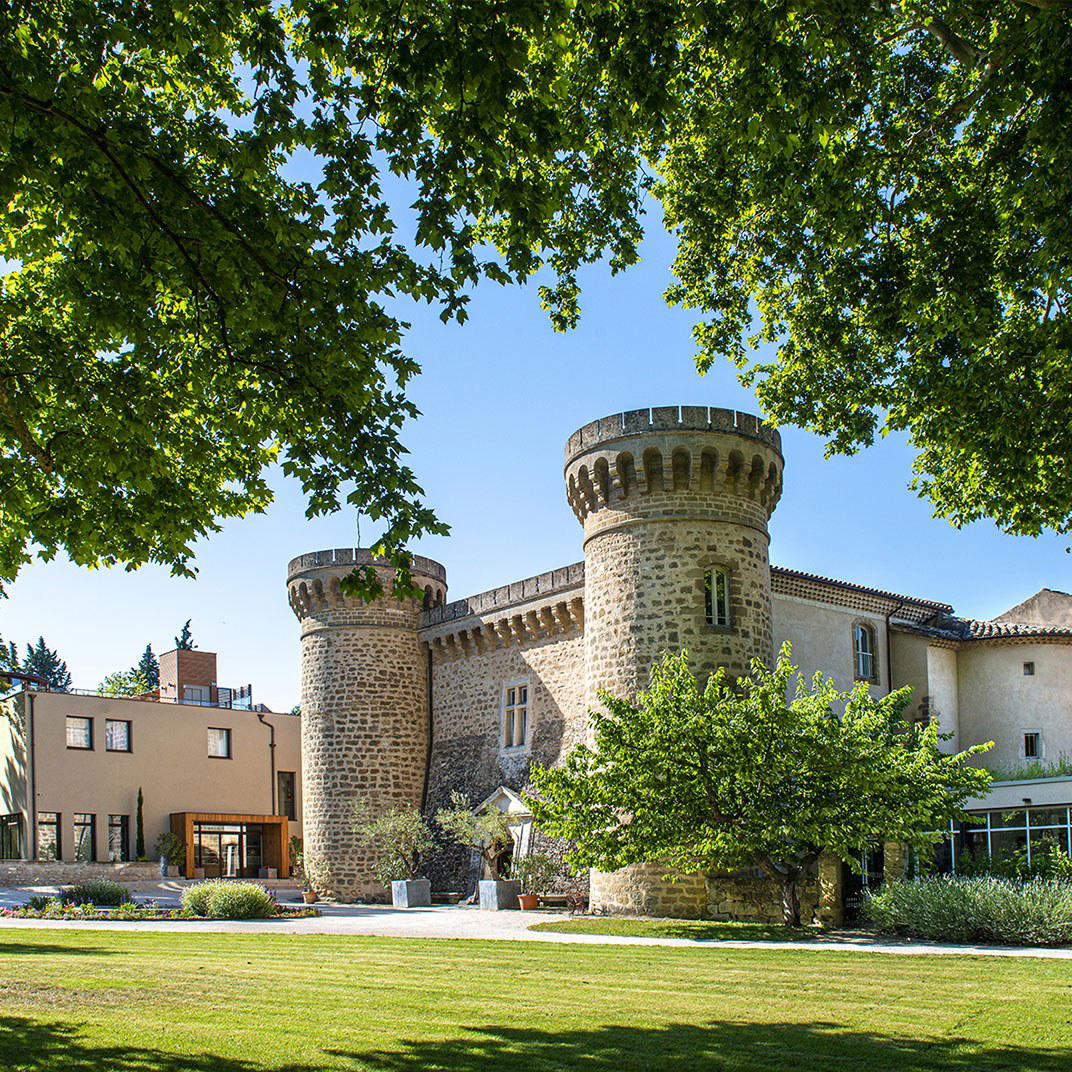
- Historic Building
- Organic
- Vineyard
- Côtes Du Rhône; Côtes Du Rhône Villages Saint Andéol
- Grenache
- Cinsault
- Carignan
- Mourvèdre
- Syrah
- Viognier
- Still Red
- Still White
- Still Rosé
- Cellar Tasting
- Appointment Tasting
Family-run, historic wine estate with a working cellar-door atmosphere and a long artisanal tradition; the setting is rooted in the vines and the village rather than a formal hospitality venue.