Domaine Guilbert-Gillet
A Savigny-lès-Beaune producer operating at Pearl prestige tier, Domaine Guilbert-Gillet earned recognition through selection for La Paulée 2026, placing it among a carefully curated cohort of Burgundy estates. The domaine sits in one of the Côte de Beaune's most underappreciated appellations, where village and premier cru sites deliver Pinot Noir and Chardonnay at a price point well below their Pommard and Volnay neighbours.
Pearl is the En Primeur Club membership app — saves, bookings, and concierge access live there. Same editors, same standards.
- Address
- 2 Chem. des Planchots, 21420 Savigny-lès-Beaune
- Directions
- Get directions
 Saves & bookings on Pearl
Savigny-lès-Beaune and the Case for the Overlooked Côte de Beaune
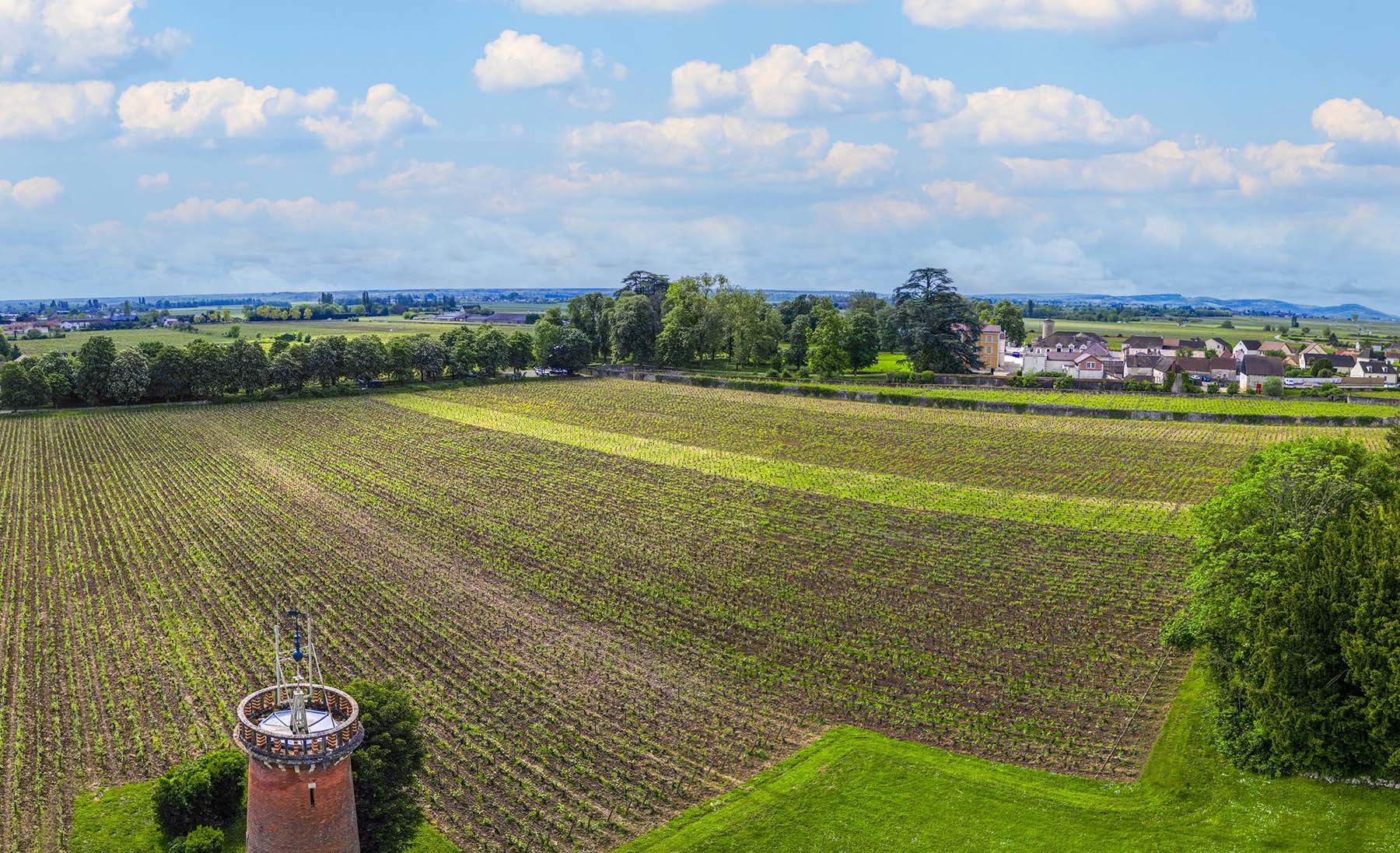
The road into Savigny-lès-Beaune descends from the Beaune ring road through a narrow valley where the Rhoin river cuts between two ridges of premier cru vineyards. It is a village that most visitors to Burgundy pass through rather than stop in, which is precisely why its serious producers operate at a structural advantage: land costs remain below those of Pommard or Volnay, competition for cellar space is lower, and the appellations, both village and premier cru, carry enough complexity to reward careful winemaking without demanding trophy-tier prices. Domaine Guilbert-Gillet works within this context, at an address on the Chemin des Planchots that places it on the quieter western edge of the village.
Savigny produces Pinot Noir across two ridge systems with meaningfully different soil profiles: the Vergelesses side to the north, with its iron-rich soils and firmer tannic structure, and the Lavières side to the south, where limestone and clay give wines a rounder, more immediately approachable character. This internal variation is one of the reasons the appellation rewards producers who pay close attention to site rather than blending for a house average. The leading estates here make wines that read as distinctly Burgundian without the Gevrey grip or the Chambolle perfume, occupying a middle register that suits the table as much as the cellar.
Pearl Prestige and the La Paulée Selection
Domaine Guilbert-Gillet holds Pearl prestige tier standing, a designation calibrated against the broader distribution of winery prestige within Burgundy and formalized through selection as a producer import for La Paulée 2026. La Paulée de New York, modelled on the harvest celebration at Meursault, operates as one of the few genuinely competitive vetting processes in American Burgundy culture: participating estates are not simply those with the largest marketing budgets, but those whose wines hold up under the scrutiny of a room filled with serious collectors and sommeliers.
Comparable estates in other appellations, such as Château Branaire Ducru in St-Julien or Château Cantemerle in Haut-Médoc, operate at similar prestige levels within their respective classifications, offering serious quality signals without the premium pricing that attaches to particularly trafficked names.
The Winemaking Tradition at This Level in Burgundy
At the Pearl prestige tier in Burgundy's Côte de Beaune, the winemaking conversation tends to centre on a set of questions that have defined quality differentiation in the region for decades: whole-cluster versus fully destemmed fermentation, the proportion of new oak in élevage, and the degree to which viticulture is managed to reduce yields and concentrate flavour at the vine rather than in the cellar. Domaine-level producers in Savigny who have earned selection recognition typically lean toward a restrained interventionist approach, allowing site character to lead rather than imposing a heavy winemaking signature.
This is not a recent innovation in Burgundy; it is a return to practice. The generation of producers who came of age in the 1990s and early 2000s often worked with higher new oak percentages and more extraction in response to international market preferences, particularly for the American market. The current cohort of serious Côte de Beaune estates has largely reversed that direction, with longer macerations at lower temperatures, reduced new oak, and greater emphasis on precision in the vineyard. Estates operating at this level in Savigny sit within that broader movement, producing wines whose ageing potential comes from tannin structure and acidity rather than from oak scaffolding.
For comparison across wine regions, producers at this prestige and philosophical tier, such as Albert Boxler in Niedermorschwihr or Accendo Cellars in St. Helena, share the characteristic of operating outside the loudest marketing channels while maintaining consistent recognition from specialist buyers and event curators.
Where Guilbert-Gillet Sits in the Savigny comparable set
Savigny-lès-Beaune carries a smaller roster of internationally recognized domaines than its neighbours to the north and south. Domaine Chandon de Briailles is the appellation's most cited reference estate, with biodynamic viticulture and a long record of critical attention setting the benchmark for what Savigny can achieve at premier cru level. Guilbert-Gillet operates within the same village but at a different scale of recognition, which in practical terms means its wines are more likely to be available through selective importers and specialist retailers than through the broadest distribution channels.
This positioning is characteristic of a segment of Burgundy producers that attracts serious interest precisely because it sits below the threshold of broad visibility. The wines of Burgundy's overlooked middle, appellations like Savigny, Chorey, Marsannay, and Monthélie, have attracted increasing attention from collectors who find the grand cru and premier cru trophies of Chambolle and Gevrey priced beyond practical allocation. Savigny premier crus, in particular, offer structured, site-specific wines that improve over five to ten years without requiring the cellar investment that Vosne-Romanée demands.
Planning a Visit: Logistics and Timing
The Chemin des Planchots address places Domaine Guilbert-Gillet within easy reach of Beaune, which sits approximately four kilometres to the south-east and serves as the practical base for Côte de Beaune exploration. Beaune's SNCF station connects to Dijon in under thirty minutes, making it accessible from Paris via TGV in under two and a half hours. For those basing themselves in Beaune, the drive to Savigny takes less than ten minutes.
Visitors should plan by appointment only.
For producers at similar prestige tiers across other French regions, the access model tends to follow a similar pattern: direct importer relationships first, then allocation lists, then occasional cellar visits by appointment. Estates such as Château Bastor-Lamontagne in Preignac, Château Clinet in Pomerol, Château Bélair-Monange in Saint-Emilion, Château Batailley in Pauillac, and Château Boyd-Cantenac in Cantenac all operate within comparable access frameworks where the importer relationship is the primary point of entry.
Price Lens
Comparable venues nearby, for context on price, style, and recognition.
| Venue | Cuisine | Price | Notes |
|---|---|---|---|
| Domaine Guilbert-GilletThis venue — the venue you are viewing | Savigny-lès-Beaune, Pinot Noir, Aligoté | $$$ | Not listed |
| Domaine Chandon de Briailles | Not listed | $$$ | Savigny-lès-Beaune, Pinot Noir, Chardonnay |
| Maison Joseph Drouhin | Beaune, Pinot Noir, Chardonnay | $$$ | Not listed |
| Domaine Marthe Henry | Meursault, Chardonnay, Pinot Noir | $$$ | Not listed |
| Domaine Ghislaine Barthod | Not listed | $$$ | Chambolle-Musigny, Pinot Noir, Chardonnay |
| Domaine Taupenot-Merme | Not listed | $$$ | Morey-Saint-Denis, Pinot Noir, Chardonnay |
Continue exploring
More in Savigny-lès-Beaune
Wineries in Savigny-lès-Beaune
Browse all →
Bars in Savigny-lès-Beaune
Browse all →
Restaurants in Savigny-lès-Beaune
Browse all →
At a Glance
- Rustic
- Classic
- Intimate
- Wine Education
- Solo Exploration
- Vineyard Tour
- Cave Tasting
- Vineyard
- Savigny Lès Beaune
- Pinot Noir
- Aligoté
- Still Red
- Still White
- Cave Tasting
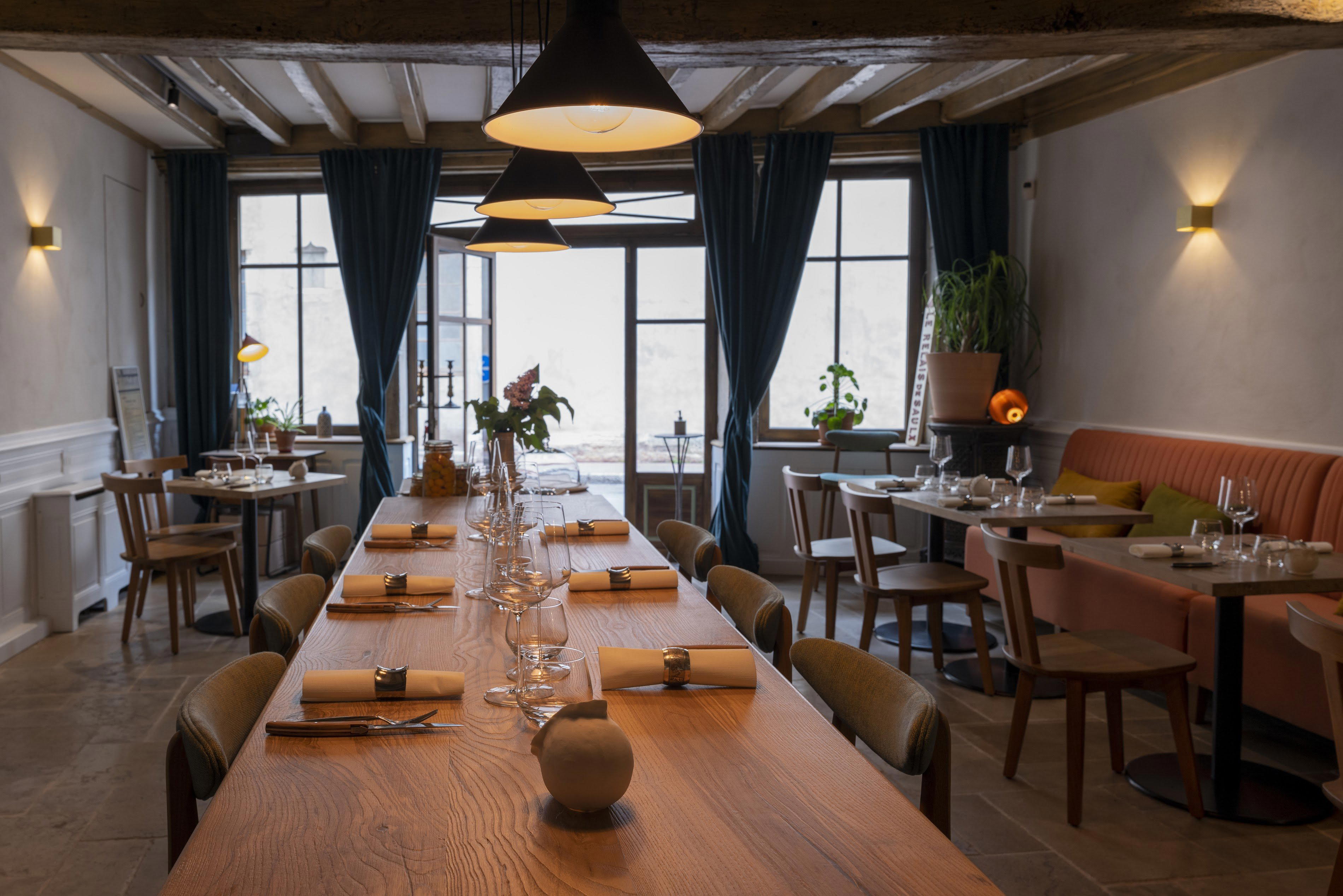
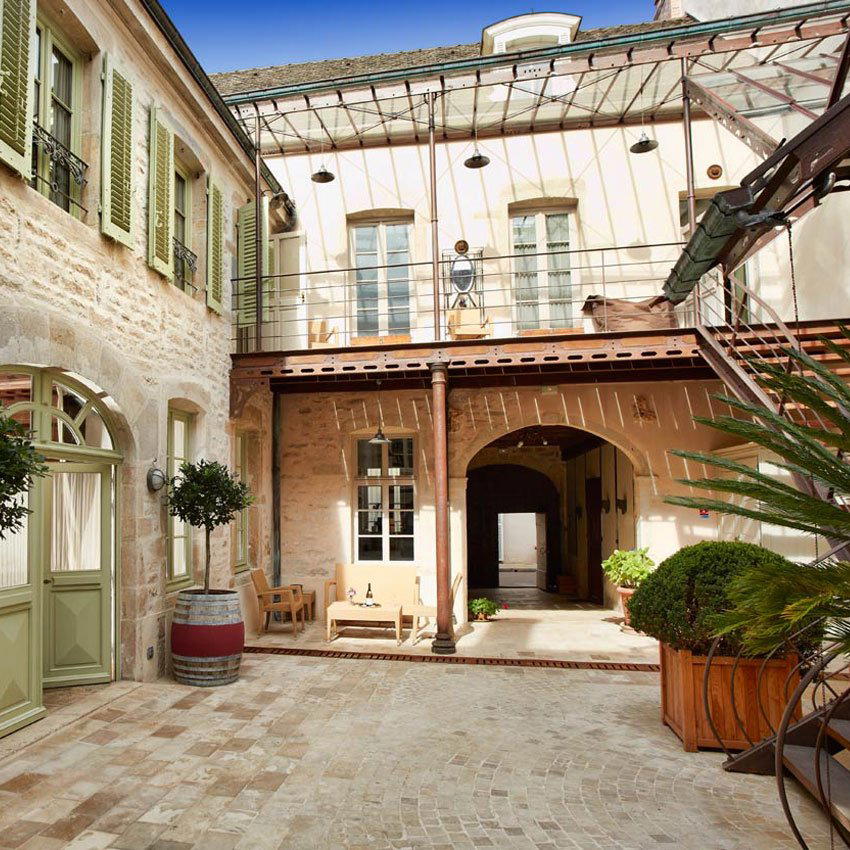
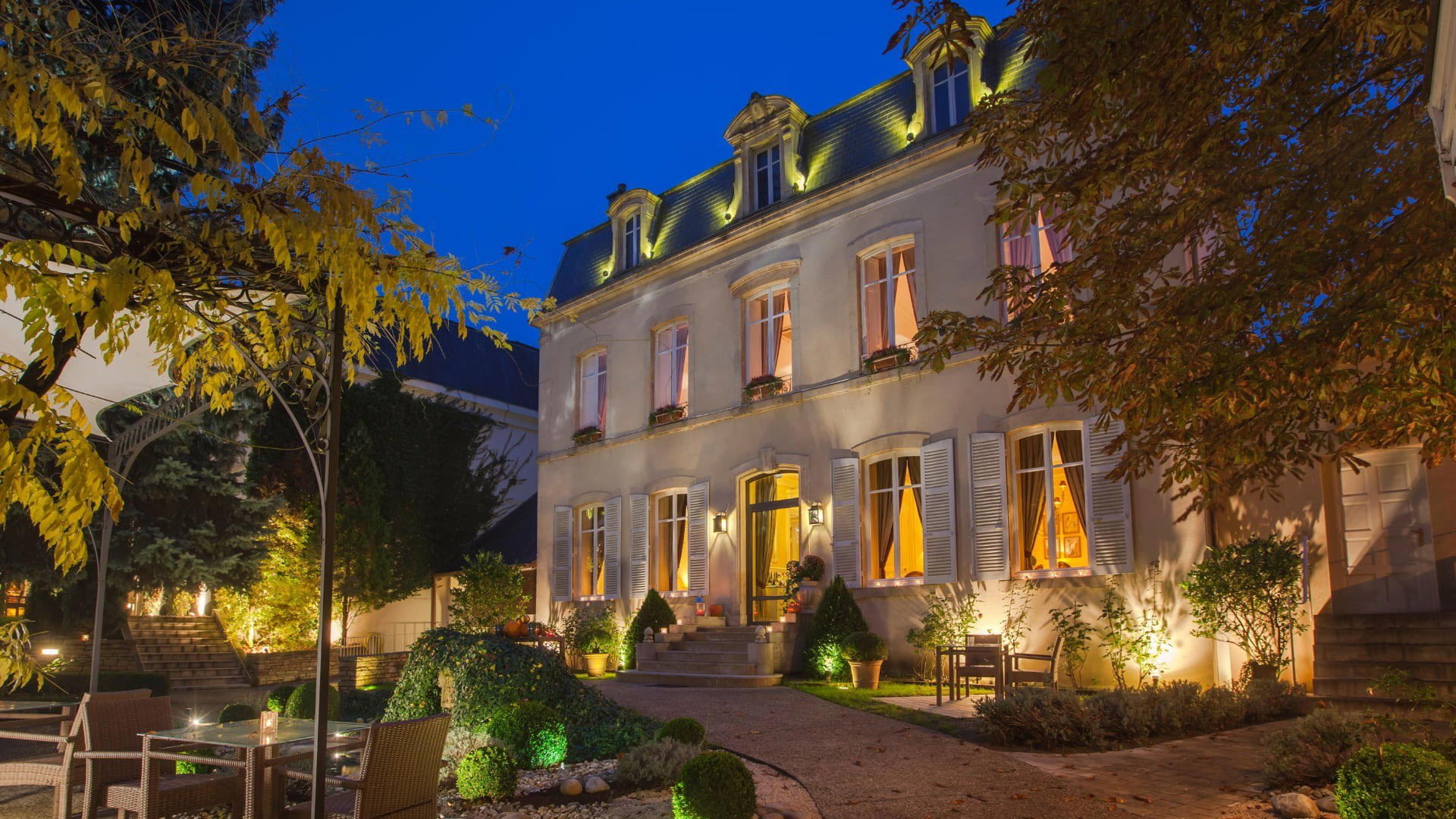
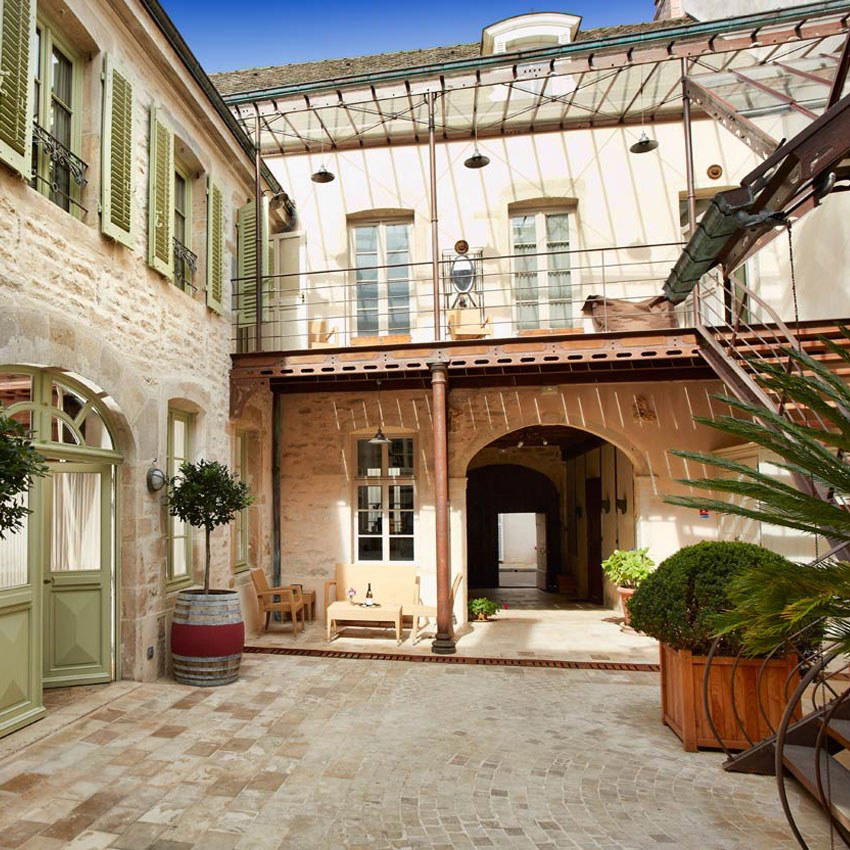
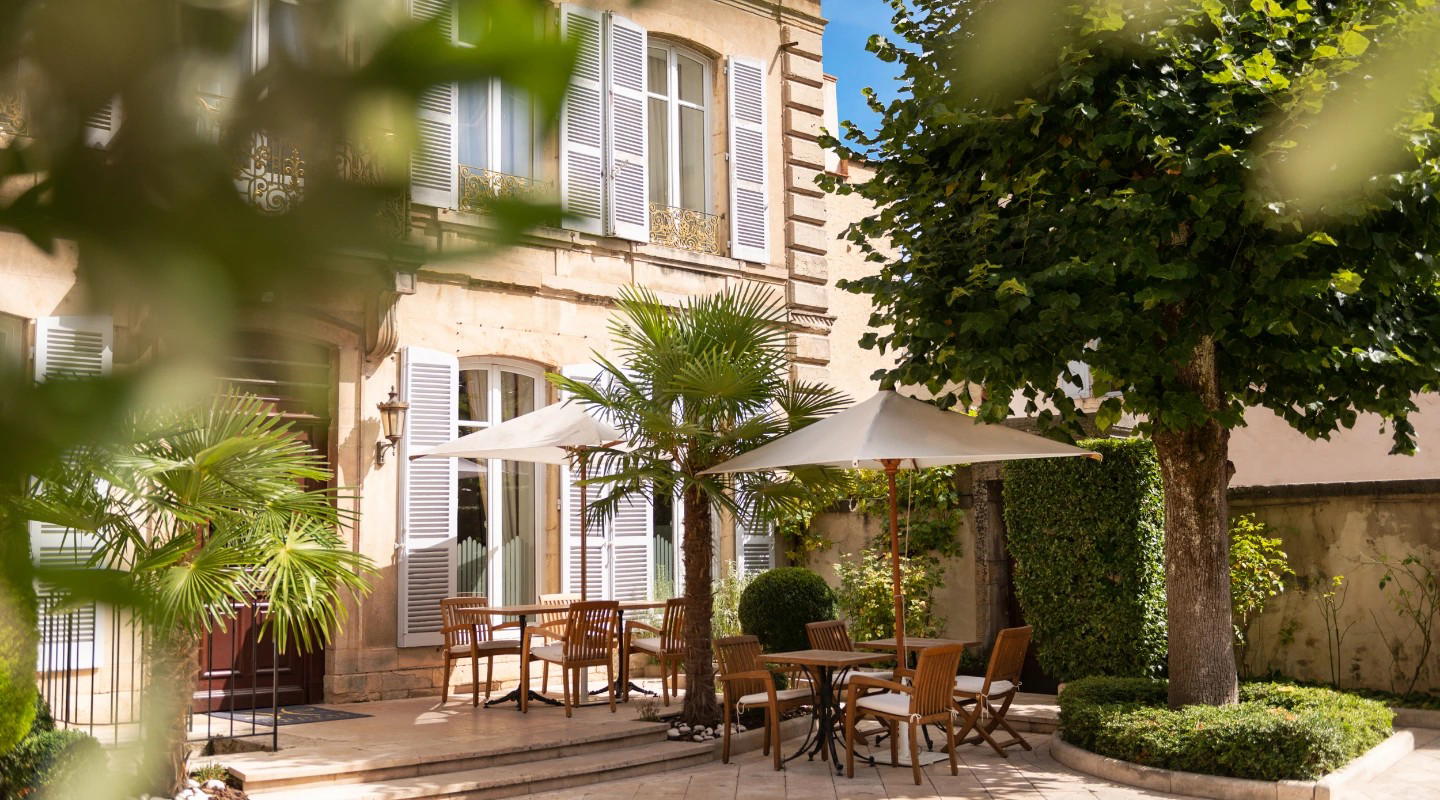
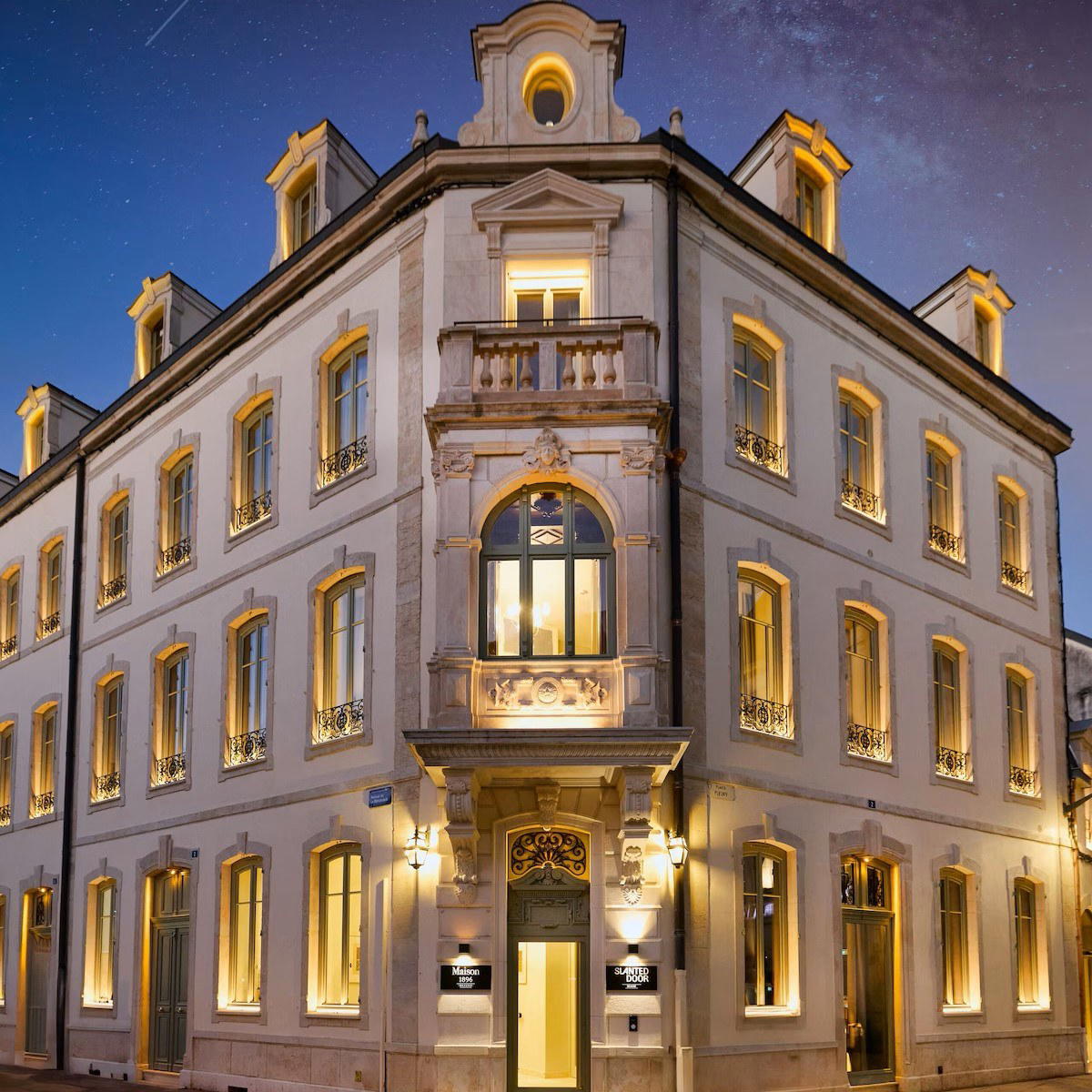
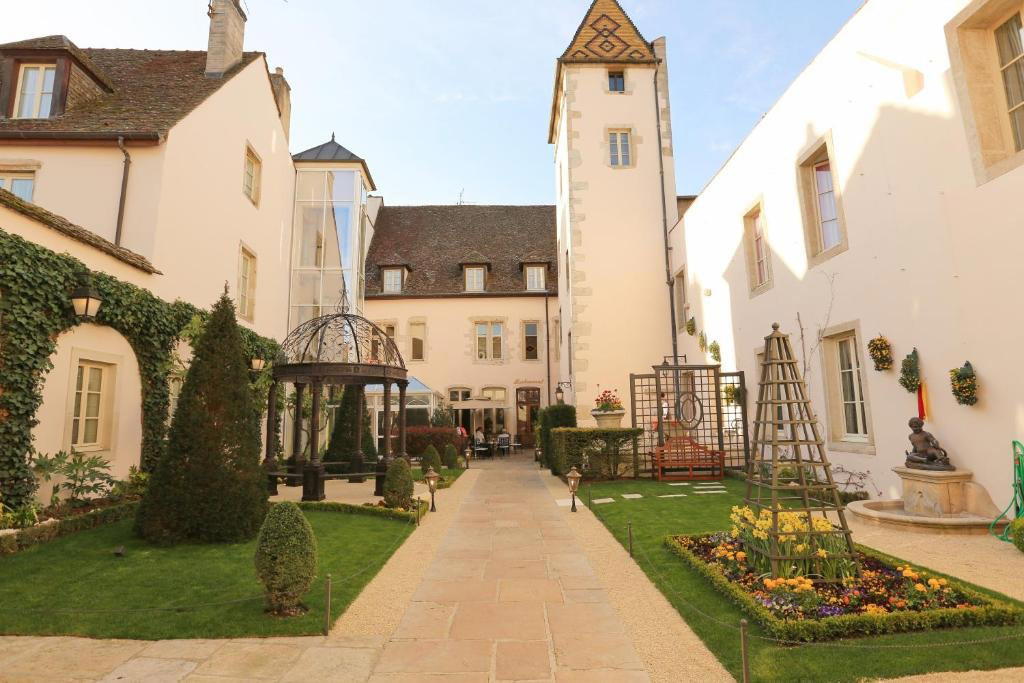
Classic rustic winery atmosphere focused on intimate wine tastings amid Burgundy vineyards.