
Domaine de Flines is a low-key Anjou estate in Martigne, shaped by clay-limestone vineyards and the Motheron family’s long tenure in Loire viticulture. The appeal is less about designed hospitality than regional range: Crémant de Loire, Cabernet d’Anjou, Rosé de Loire, Anjou reds and Val de Loire Sauvignon from a family-owned property of about 50–52 hectares.
Pearl is the En Primeur Club membership app — saves, bookings, and concierge access live there. Same editors, same standards.
- Address
- Martigné, Anjou, Center-Val de Loire, Frankreich
- Directions
- Get directions
 Saves & bookings on Pearl
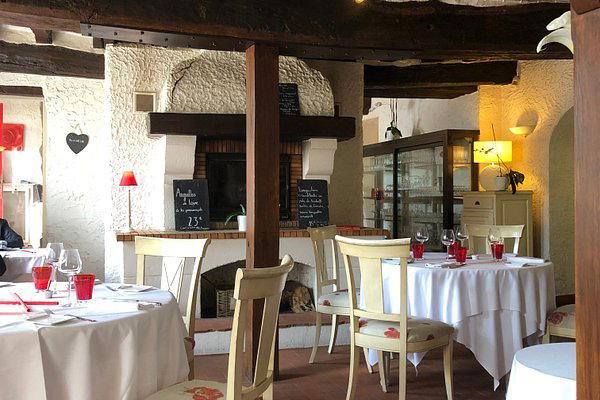
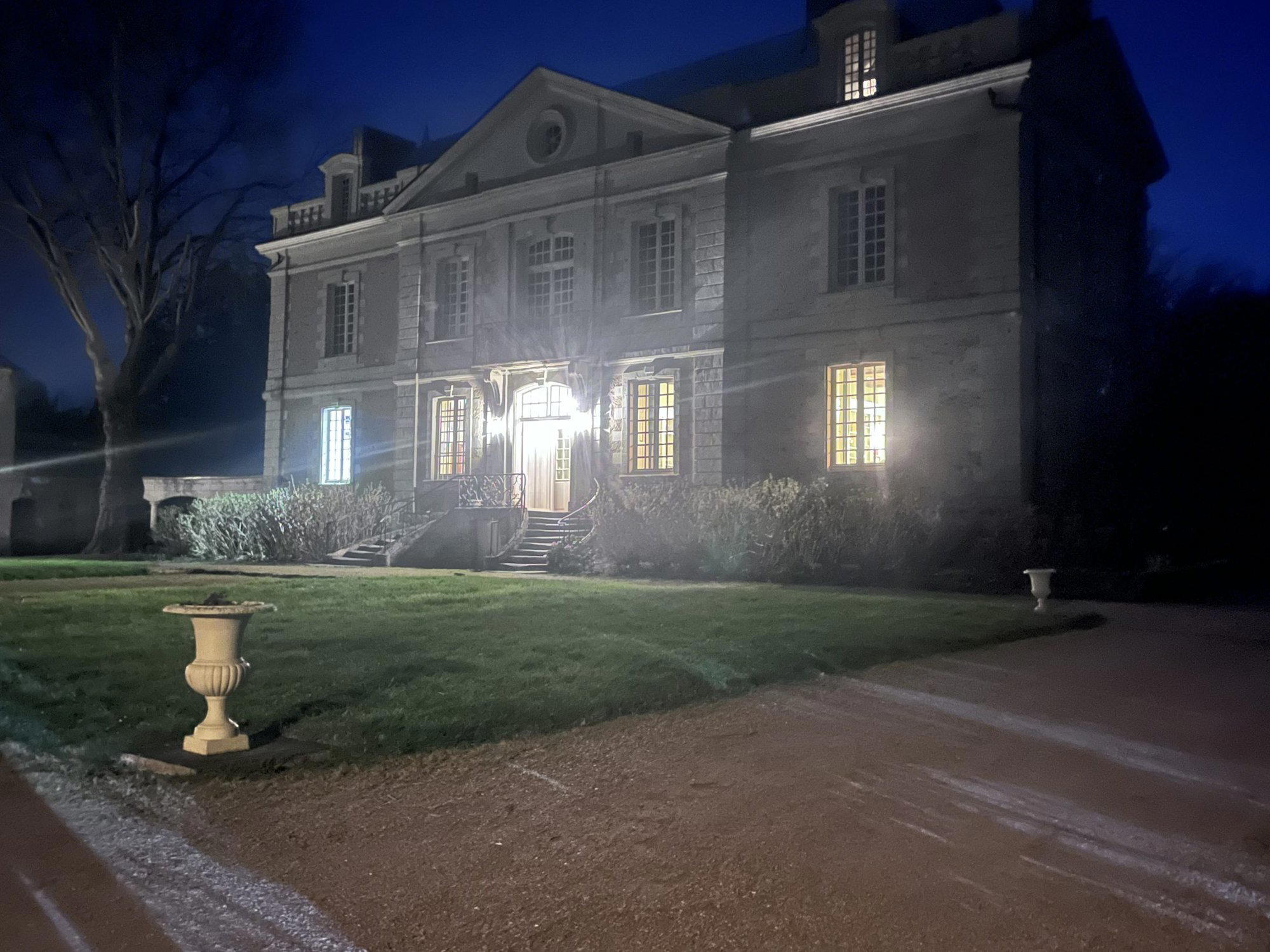
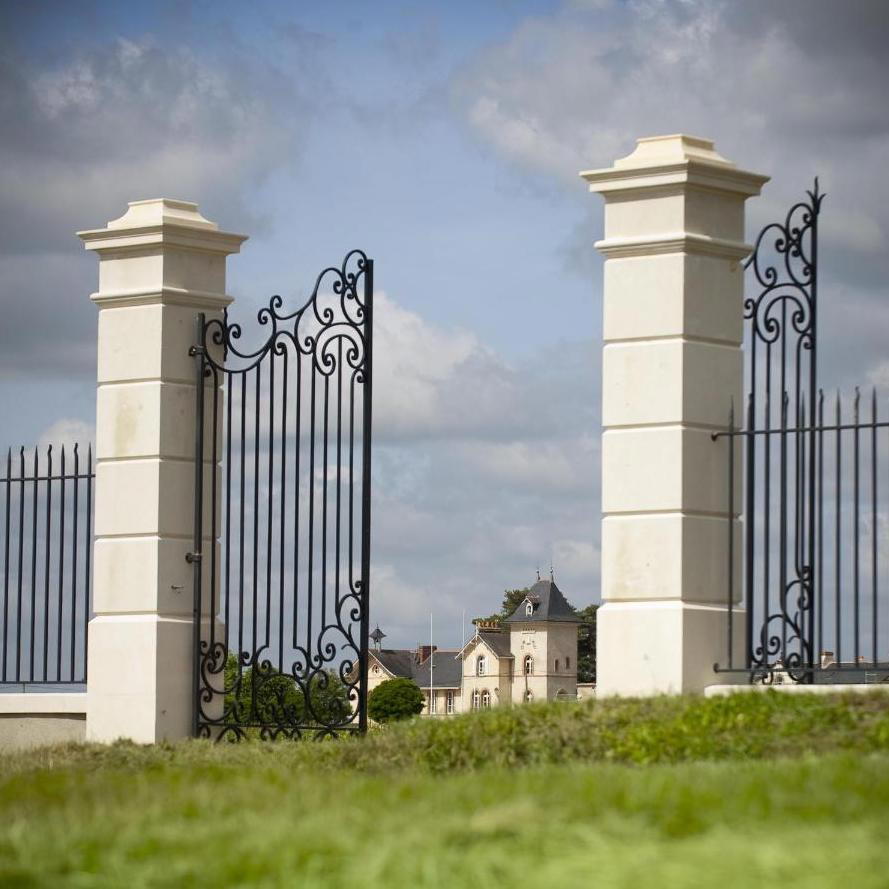
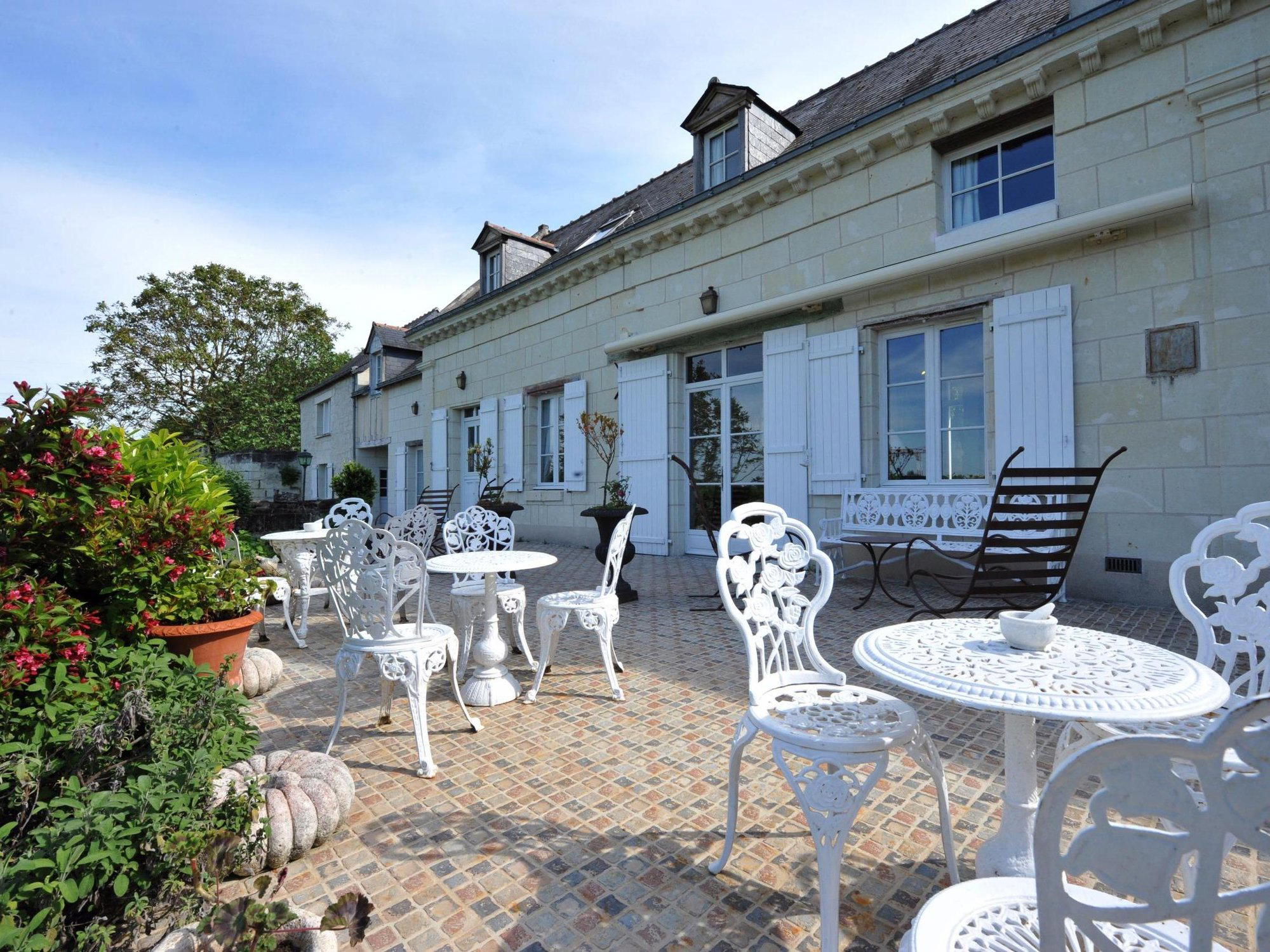
Domaine de Flines in Martigne is best understood as a quiet Loire Valley estate rather than a design-led destination. The picture is simple and deliberately unshowy: a family-run property on clay-limestone hillsides, with a traditional rural vineyard atmosphere and approachable tastings at the estate. Its appeal is rooted in setting, pace and direct contact with the vineyard context, not in elaborate staging, decorative hospitality language or a sense of spectacle. For visitors, that distinction matters. This is the kind of place to approach as a countryside stop with a clear agricultural identity, where the surrounding landscape and the working-estate feeling are central to the experience.
Clay-limestone Loire Valley setting
The clearest confirmed detail about Domaine de Flines is its landscape: clay-limestone hillsides in the Loire Valley. That gives the estate a grounded, agricultural identity and helps explain why the experience is framed around the property itself. Rather than relying on a highly styled visitor journey, the venue’s character come from the land, the slopes and the quiet continuity of a rural wine estate. The tone is rustic, classic, quiet and slightly hidden-away, making it better suited to visitors seeking a direct vineyard stop than a polished hospitality concept.
The reliable takeaway is that Domaine de Flines offers an approachable estate tasting experience in a rural Loire Valley setting. In practical terms, that means the visit should be understood through atmosphere as much as through structure: the value lies in being at the property, in the vineyard context, and in the calm rhythm of a family-run estate. It is a simple proposition, but a coherent one, especially for travellers who are more interested in place and context than in performance.
Family-run character matters here because it positions the venue as a working countryside estate rather than a personality-driven or luxury-led address. For travellers, that means the draw is the atmosphere of the place: calm, traditional and close to the vineyard landscape. It also helps set expectations. The winery should not be approached as though it were trying to compete with more theatrical wine tourism addresses; its strength is quieter, more local and more rooted in the everyday language of the Loire Valley countryside.
A rural tasting format for visitors who want context over theatre
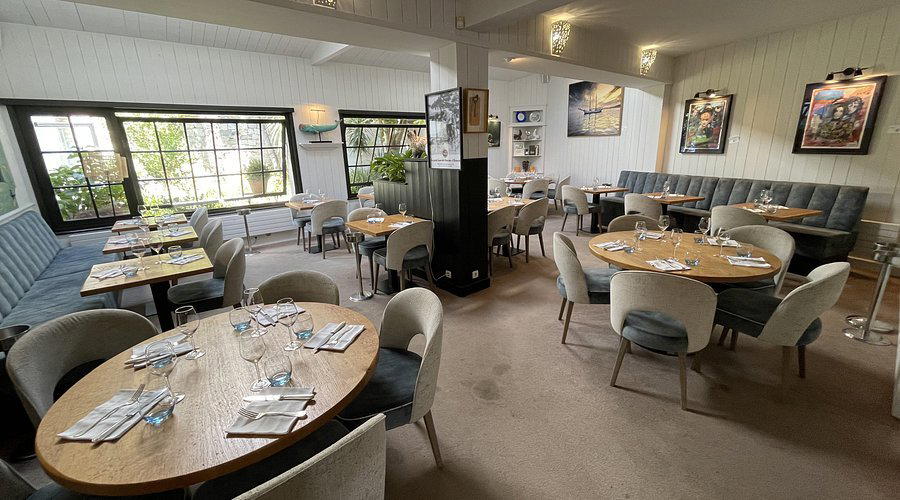
The winery is described as a place for approachable tastings at the property. That suggests a visit built around direct, low-key engagement with the estate rather than a restaurant-style experience or highly produced tasting room. The mood is quiet and classic, with the rural vineyard atmosphere doing much of the work. The emphasis, as presented, is not on ceremony or elaborate framing, but on the chance to encounter the estate in its own setting.
Visitors should treat the venue as a traditional Loire Valley vineyard stop and confirm practical details directly before making plans. That is especially important because the available picture is intentionally modest: a family-run property, a rural setting, clay-limestone hillsides and tastings at the estate. Those are enough to define the character, but they do not suggest a place where assumptions about format, timing or visitor services should be made without checking. Planning with that in mind keeps expectations aligned with the low-key nature of the venue.
For the right traveller, that restraint is part of the appeal. The winery suits people who prefer a hidden-gem countryside atmosphere and a clear sense of place over a more formal or design-driven experience. It is best read as a quiet pause in a Loire Valley itinerary, the kind of stop where the surrounding hillsides, the traditional estate character and the absence of overproduction are not limitations but the main reasons to go. Visitors looking for polish may find it too understated; visitors looking for rural context may find that understated quality exactly right.
How to place it within a Martigne itinerary
In Martigne, the winery works well as a quiet vineyard-focused stop. Build the day around the estate’s rural setting, then shape the rest of your time in Martigne according to your schedule. Because the appeal is calm and place-led, it makes sense to leave room for the visit rather than treating it as a rushed add-on. The estate’s character is not described in terms of high energy or destination spectacle, so it is better suited to a slower itinerary that allows the countryside setting to register.
For comparisons, keep the frame local and practical: the winery is not being presented as a trophy address or a high-energy venue. Its strengths are the family-run Loire Valley estate setting, clay-limestone hillsides and approachable tastings at the property. Those qualities make it easy to understand, but they also define its limits. The reason to include it is not because it promises a grand hospitality concept, but because it offers a direct encounter with a rural estate in its own landscape.
The editorial case for the winery is therefore modest but clear: it is a rustic, classic and quiet Loire Valley estate in Martigne, well suited to travellers who want a traditional rural vineyard atmosphere rather than a design-led experience. Its identity rests on the same few confirmed elements throughout: family-run character, clay-limestone hillsides, an approachable tasting format and a calm countryside mood. Taken together, those details create a coherent venue profile for visitors who value simplicity, setting and direct vineyard context.
Recognition history
Dated appearances from independent guides and award organizations, with the underlying list record or original source where available.
Falstaff Winery - Listed
Falstaff
Continue exploring
More in Martigne
Wineries in Martigne
Browse all →
Bars in Martigne
Browse all →
Restaurants in Martigne
Browse all →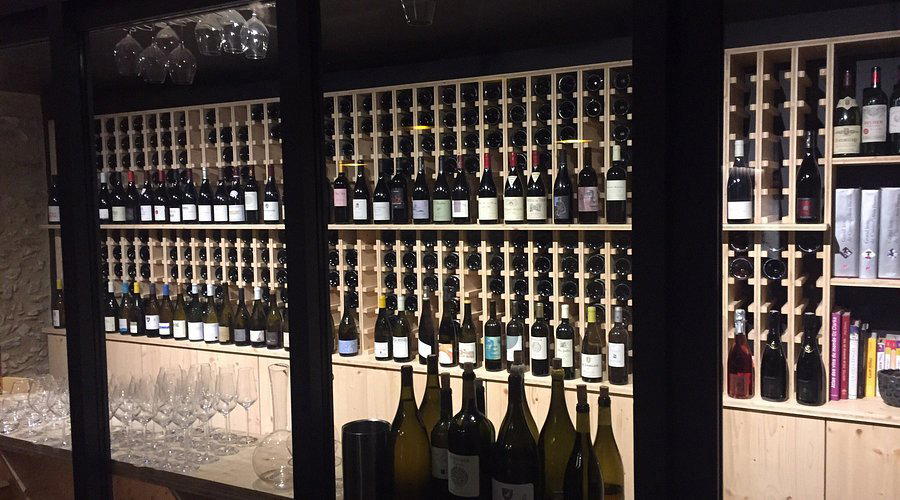
At a Glance
- Rustic
- Classic
- Quiet
- Group Outing
- Solo Exploration
- Wine Education
- Estate Grounds
- Vineyard
Family-run Loire Valley estate on clay-limestone hillsides, offering a traditional, rural vineyard atmosphere focused on approachable tastings at the property rather than design-driven experiences.