Chateau de la Mulonniere

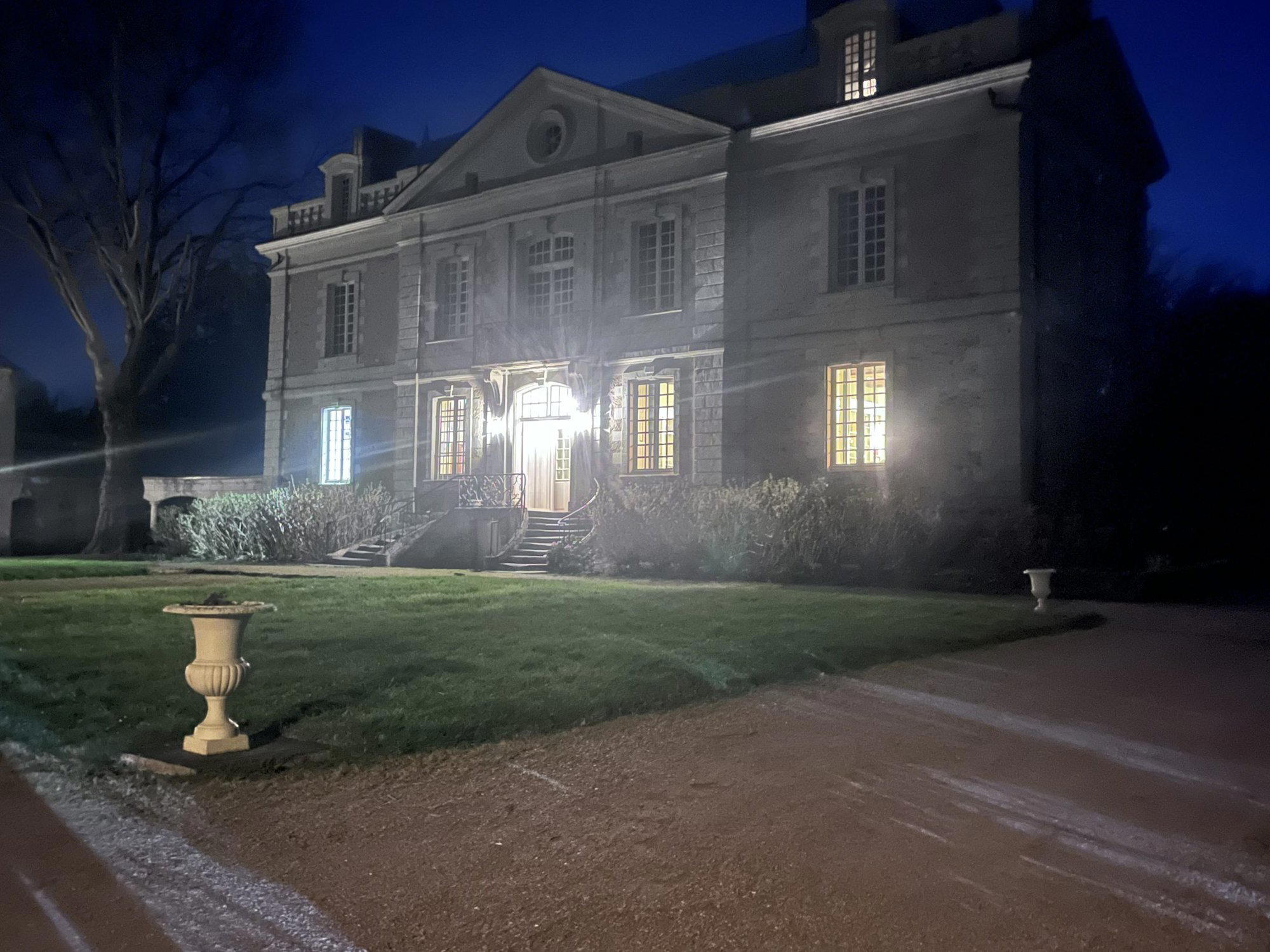
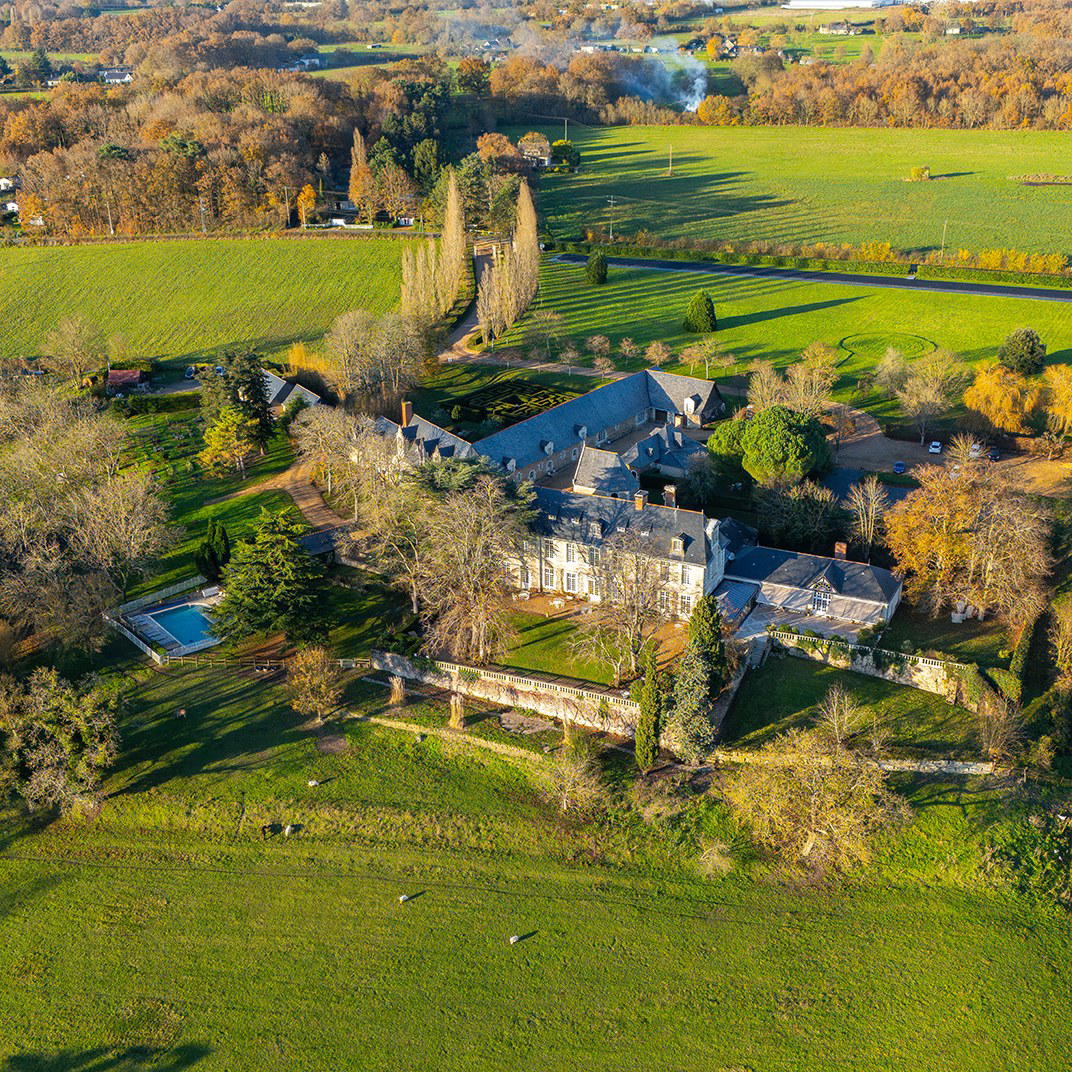
Chateau de la Mulonniere is a quiet Anjou countryside estate in Beaulieu Sur Layon, set among Coteaux du Layon vineyards with gardens, parkland and renovated 19th-century buildings. The interest here is less a conventional cellar-door spectacle than a rural estate format: Chenin Blanc country, historic wine architecture, private tasting by reservation and space suited to slower group stays or celebrations.
Pearl is the En Primeur Club membership app — saves, bookings, and concierge access live there. Same editors, same standards.
- Address
- Beaulieu-sur-Layon, Center-Val de Loire, Frankreich
- Directions
- Get directions
 Saves & bookings on Pearl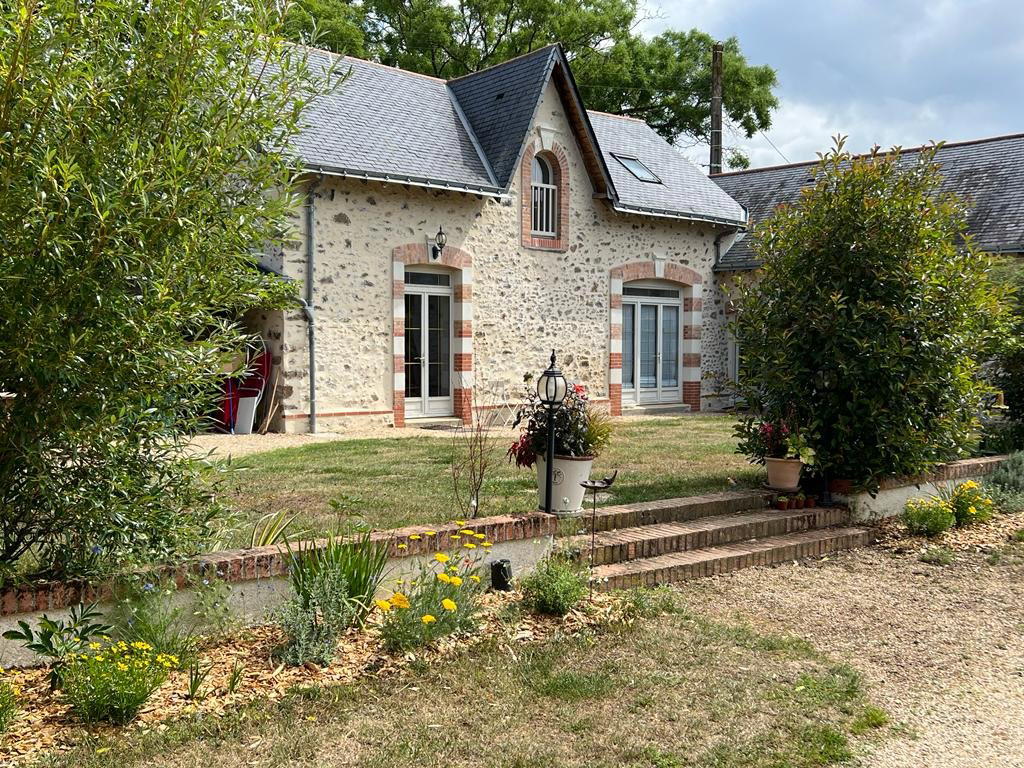
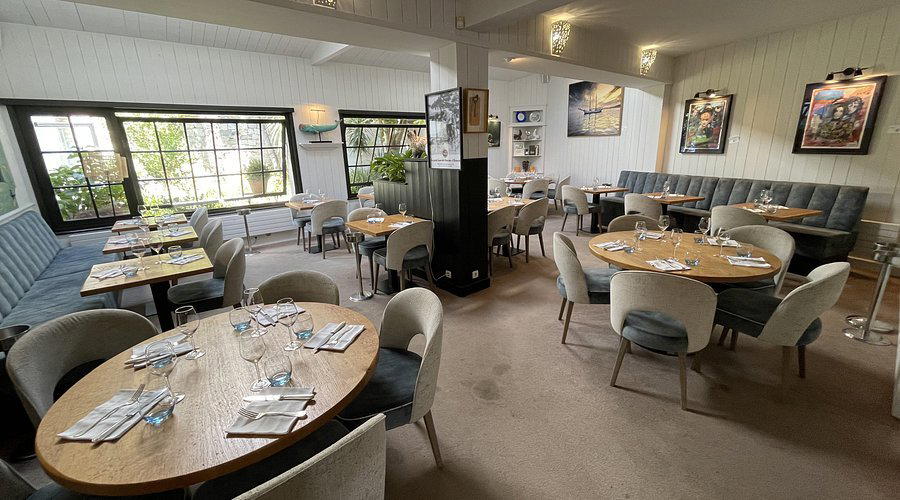
Chateau de la Mulonniere is a quiet countryside estate in Beaulieu Sur Layon, set amid Anjou vineyards with a carefully maintained garden, potager and park. Its appeal is rooted in the setting: renovated 19th-century buildings, characterful historic spaces and simple, comfortable interiors rather than urban polish. Read it first as a place shaped by landscape and old buildings, where the mood comes from the surrounding vineyard country and the softer pace of a rural estate. Nothing about the page needs to be overstated: the essential draw is the combination of Anjou scenery, historic fabric and a calm, uncluttered sense of place.
An Anjou estate in a vineyard setting
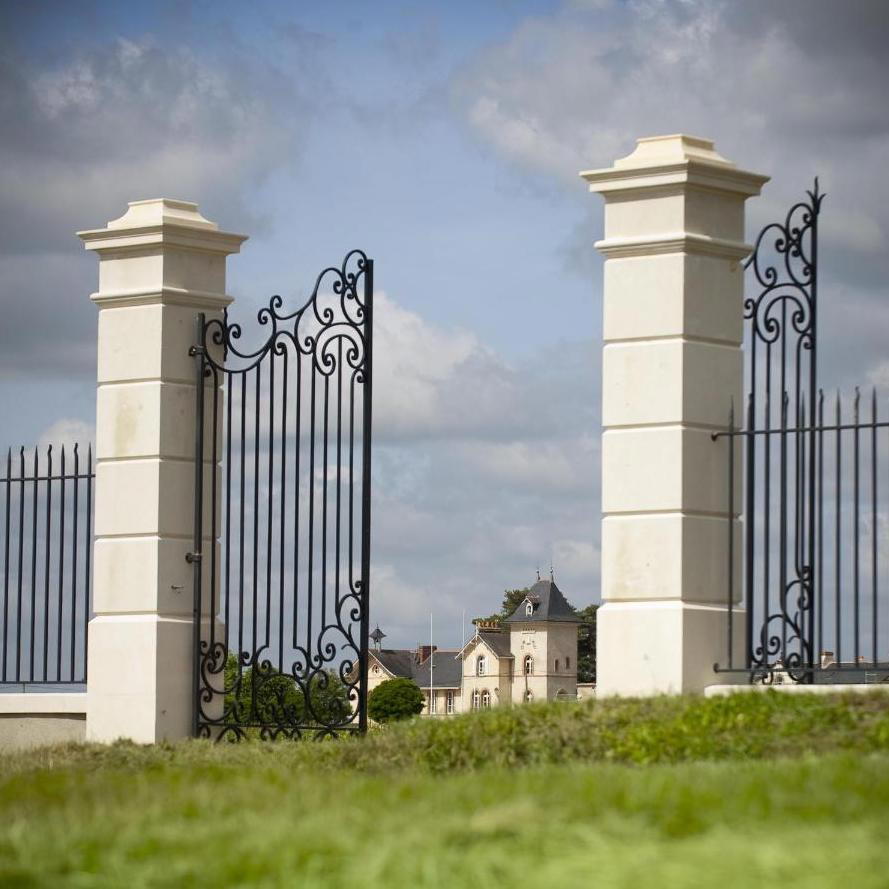
The strongest detail is the atmosphere. Chateau de la Mulonniere sits in a scenic Anjou vineyard landscape, with grounds that include a maintained garden, potager and park. Those elements are not incidental decoration; they are the core of how the estate should be understood. The maintained garden suggests care and order, the potager adds a domestic, lived-in countryside note, and the park gives the setting a broader sense of space. Together, they place the estate firmly in the rural Anjou register, where the surroundings matter as much as any interior detail.
The experience should be understood as a countryside estate setting in Beaulieu Sur Layon, not as a page with claims about a specific cuisine, tasting format, wine list, chef or restaurant service. That distinction is important for anyone using the listing to plan. Chateau de la Mulonniere can anchor a sense of place within the Layon area, but it should not be read as promising a particular dining or wine experience unless those details are confirmed elsewhere. The reliable editorial emphasis is on the estate environment itself: vineyard context, gardens, parkland and historic buildings.
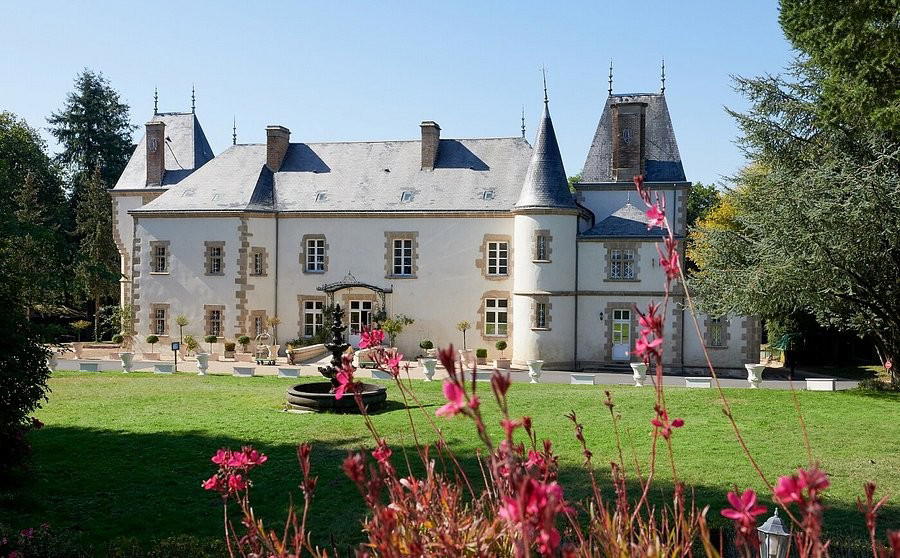
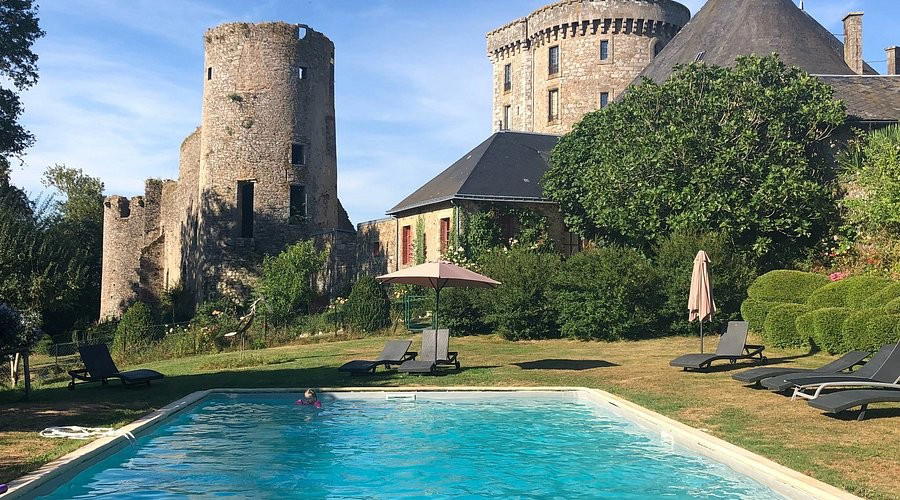
Renovated 19th-century buildings are part of the appeal, blending historic character with direct comfort. The interest is not in glossy reinvention, but in the way older structures can hold atmosphere while still feeling usable and direct. Characterful historic spaces and simple, comfortable interiors point to a restrained kind of hospitality, one that lets the architecture and countryside do much of the work. In that sense, the winery is better described through texture, calm and setting than through grand claims.
Quiet, scenic and countryside-led
Tone at the winery is quiet and scenic. It is best framed as a rural Anjou estate with gardens, parkland and vineyard surroundings, suitable for travellers who value setting and historic character. The word quiet matters here: this is not positioned as a high-energy urban address or a venue defined by a dense list of services. Its identity is countryside-led, with the garden, potager, park and renovated 19th-century buildings giving the place its shape.
That makes the estate especially easy to understand for travellers who are drawn to slower, more atmospheric stops. The appeal is in arriving somewhere that feels connected to its landscape, where Beaulieu Sur Layon is present not only as a location but as part of the visual and rural context. The Anjou vineyard surroundings provide the frame, while the maintained grounds and historic buildings give the listing its human scale. Simple, comfortable interiors reinforce that tone: the emphasis remains on ease rather than spectacle.
For readers mapping Beaulieu Sur Layon more broadly, treat the winery as a countryside estate reference point and compare it with other dining, lodging and experience options in Beaulieu Sur Layon through up-to-date local research. That approach keeps expectations accurate. It allows the estate to stand for what is actually described, a scenic, calm, historic rural setting, while leaving more specific questions about meals, tastings, events or stays to direct confirmation. In a region where many venues may combine landscape, wine and hospitality in different ways, that kind of careful reading is useful.
How to read it within a France wine itinerary
The winery works well in an itinerary as a quiet Anjou countryside estate in Beaulieu Sur Layon. The price level is $$, and the confirmed appeal lies in its vineyard setting, maintained garden, potager, park and renovated 19th-century buildings. Within a France wine itinerary, it should be treated as a place marker for landscape and estate character rather than as evidence of any unlisted programme or service. Its value is the way it represents a calm, rural side of Anjou: historic buildings, green grounds and vineyard surroundings in a Beaulieu Sur Layon context.
For wider French and European planning, use the winery as the grounded reference here and research other venues separately rather than assuming shared services, formats or accolades. The caution is not a weakness; it is simply good planning. A countryside estate can be highly appealing on the strength of its setting alone, but travellers should avoid projecting details from other chateaux, wine properties or hospitality venues onto this one. What is confirmed is enough to give it a clear identity: quiet, scenic, historic and rooted in the Anjou landscape.
The editorial case is simple: choose the winery for the scenic Beaulieu Sur Layon setting, historic estate character and calm rural atmosphere. Travellers seeking specific dining, tasting, event or accommodation details should confirm those directly before making plans. Approached in that way, the estate reads cleanly and honestly: a renovated 19th-century countryside property amid Anjou vineyards, with maintained grounds and a relaxed sense of comfort, best appreciated for its place, texture and rural calm.
Recognition history
Dated appearances from independent guides and award organizations, with the underlying list record or original source where available.
Falstaff Winery - Listed
Falstaff
Continue exploring
More in Beaulieu Sur Layon
Wineries in Beaulieu Sur Layon
Browse all →
Bars in Beaulieu Sur Layon
Browse all →
Restaurants in Beaulieu Sur Layon
Browse all →
At a Glance
- Scenic
- Rustic
- Cozy
- Classic
- Intimate
- Romantic Getaway
- Group Outing
- Celebration
- Family
- Corporate Event
- Estate Grounds
- Garden
- Historic Building
- Private Tasting
- Vineyard
- Garden
- Coteaux Du Layon AOC
- Chenin Blanc
- Still White
- Dessert
- Sparkling
- Private Tasting
Quiet and scenic countryside estate atmosphere amid Anjou vineyards, with a carefully maintained garden, potager and park, and renovated 19th‑century buildings that blend characterful historic spaces with simple, comfortable interiors.