Le Castellane - Château Le Prieuré

Set within the grounds of Château Le Prieuré in the Loire Valley, Le Castellane brings Michelin Plate recognition (2024 and 2025) to one of France's most quietly considered dining corridors. The kitchen works in a modern register, with the agricultural richness of the Anjou region providing the raw material. At the €€€ price point, it sits in a tier where serious cooking meets château setting without the formality of a starred room.
Pearl is the En Primeur Club membership app — saves, bookings, and concierge access live there. Same editors, same standards.
- Address
- Rue Comté de Castellane, 49350 Gennes-Val-de-Loire, France
- Phone
- +33 2 41 67 90 14
- Website
- prieure.com
- Directions
- Get directions
 Saves & bookings on Pearl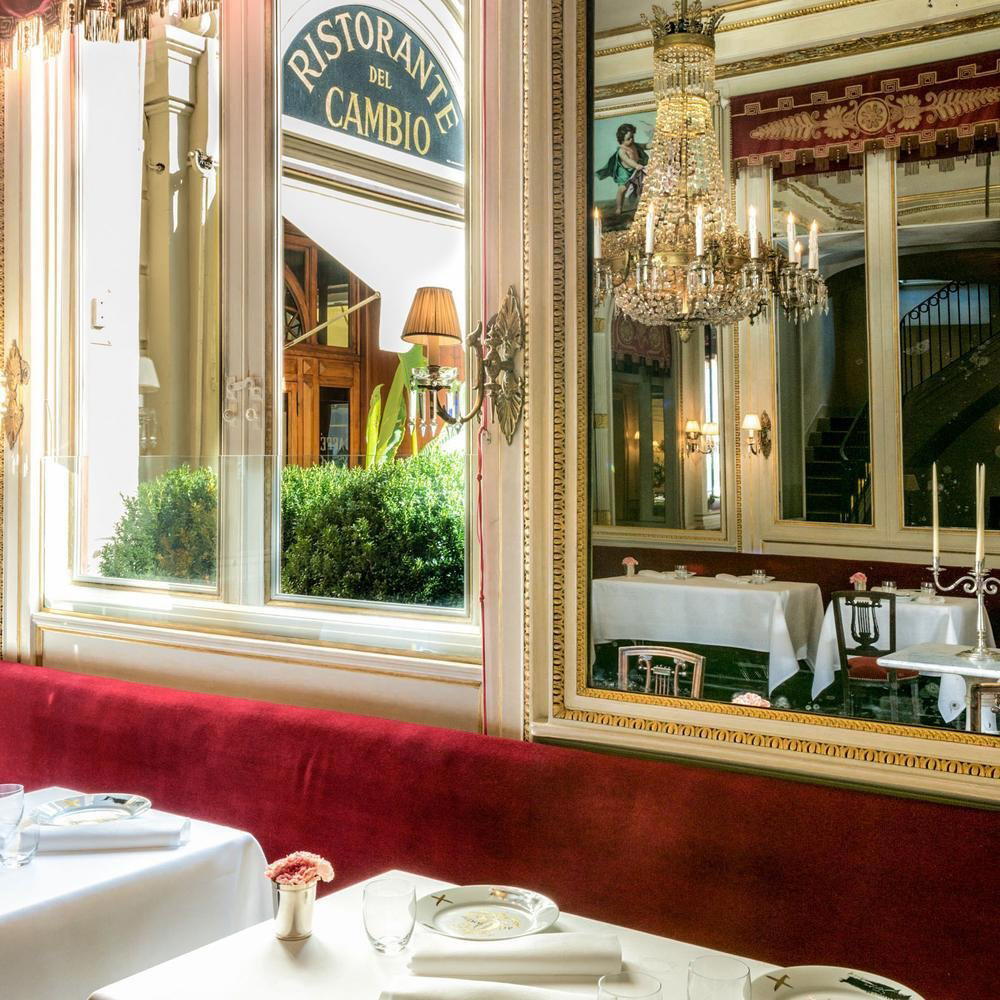
A Château Setting in the Loire's Quiet Dining Corridor
The Loire Valley's restaurant scene does not announce itself the way Lyon or Paris does. Its authority is quieter, grounded in an agricultural tradition that stretches from the market gardens of the Anjou to the tufa-carved cellars beneath village after village between Saumur and Angers. It is in this context that Le Castellane at Château Le Prieuré in Chênehutte-Trèves-Cunault earns its standing: not as a destination competing against the starred rooms of the capital, but as a serious kitchen using the terrain directly around it as its primary argument.
Approaching the château from the road that follows the Loire's south bank, the property reads as architecture first. The stone mass of the prieuré, with its terraced gardens descending toward the river, frames a dining experience that begins before you reach the table. This is a region where the built environment and the agricultural one are inseparable, and the kitchen at Le Castellane operates within that logic.
The Loire's Larder: What the Terroir Delivers to the Table
The Anjou region surrounding Chênehutte-Trèves-Cunault is one of France's most productive agricultural zones. The Loire floodplain yields notable market garden produce; the surrounding plateau supports livestock; the river itself supplies freshwater fish that rarely appear on menus outside the region. Kitchens working at this price point in this geography have a structural advantage over urban restaurants paying premium prices for the same ingredients shipped from distance: proximity to source is built into the operating model.
Modern cuisine at the €€€ tier in rural Loire tends to organize itself around this proximity. The approach at Le Castellane sits within that tradition, working a contemporary idiom with local material rather than importing a foreign aesthetic and filling it with whatever is available. This matters because the Loire's ingredient profile has a particular character: the river fish (sandre, brochet) require more technical confidence than crowd-pleasing proteins; the vegetables grown in the alluvial soil have a density and flavor that reward restraint over elaboration. A kitchen that understands its local supply chain will use those ingredients differently from one treating them as a regional novelty.
The Loire also sits at the center of one of France's most versatile wine regions. Muscadet, Savennières, Saumur-Champigny, Vouvray, and Chinon all fall within reasonable reach of the table, giving a wine pairing program here a natural coherence that many restaurant lists spend considerable budget trying to construct artificially.
Michelin Recognition in a Regional Context
Le Castellane has carried a Michelin Plate in both 2024 and 2025, a signal that the guide's inspectors consider the kitchen to be cooking at a consistent standard deserving of attention, if not yet at the star level. In France's regional dining geography, a Michelin Plate at a château-hotel restaurant is a meaningful marker: it differentiates the kitchen from a purely hotel-driven operation focused on convenience dining, and it places it in a competitive set that includes serious independent restaurants in the broader Saumur and Angers orbit.
French regional dining ranges from properties like Bras in Laguiole and Auberge du Vieux Puits in Fontjoncouse, where the kitchen is the entire point of the destination, to well-established regional institutions like Auberge de l'Ill in Illhaeusern. Le Castellane occupies a tier where the cooking justifies the setting rather than being carried by it. That distinction matters for a traveller deciding how to structure a Loire itinerary.
French modern cuisine more broadly has been renegotiating its relationship with regional identity over the past decade. Where kitchens at the level of Alléno Paris au Pavillon Ledoyen or Mirazur in Menton operate in a global register that happens to be anchored in French technique, the more interesting development has been kitchens at the €€€ level in regions like the Loire asserting a local specificity that the starred rooms occasionally sacrifice for international legibility. Le Castellane sits in that second tradition.
The Château Hotel Context
Dining at Le Castellane makes most sense as part of a longer stay at Château Le Prieuré rather than as a standalone restaurant visit from a distance. The integration of kitchen and property is a structural feature of this type of French château-hotel dining: the grounds, the wine cellar, and the dining room form a single experience rather than separate transactions. Guests staying on-property have access to that continuity; visitors arriving only for a meal lose some of that register.
The Loire's stock of château-hotel properties is substantial and ranges from properties where dining is incidental to those where it is central. Le Castellane's Michelin recognition places it in the latter category for Château Le Prieuré specifically.
The €€€ pricing structure positions the restaurant within reach for a well-planned special occasion rather than a casual drop-in. For reference, this is a step below the investment required at a starred rural destination like Flocons de Sel in Megève or Assiette Champenoise in Reims, but at a tier where the kitchen is expected to carry genuine technical weight, not simply benefit from a scenic address.
Planning a Visit
Chênehutte-Trèves-Cunault sits between Saumur and Gennes on the Loire's south bank, an area best reached by car. The drive from Saumur takes roughly fifteen minutes; from Angers, approximately forty. The château address is Rue Comté de Castellane, 49350 Gennes-Val-de-Loire. Given the integration with the hotel, booking through the property directly is the standard approach, and reservations for weekend dinners in season (late spring through early autumn, when Loire tourism peaks) warrant advance planning.
For travellers building a Loire itinerary around regional cooking, Le Castellane works as an anchor dinner rather than a detour, particularly when combined with time in the Saumur wine appellation or a visit to the troglodyte villages in the tufa cliffs nearby. The Loire's dining scene rewards the kind of itinerary thinking that treats the table and the terrain as a single proposition, and this kitchen, in this setting, operates precisely at that intersection.
At-a-Glance Comparison
Comparable venues nearby, for context on price, style, and recognition.
| Venue | Cuisine | Price | Awards | Notes |
|---|---|---|---|---|
| Le Castellane - Château Le Prieuré | Modern French Fine Dining | $$$ | Michelin Plate | Gennes-Val-de-Loire |
| Les Années 30 | Modern French Gastronomique | $$$ | Michelin Plate | Vieux Chinon (Old Town Chinon) |
| ROS[O] | Modern French Bistronomy | $$$ | Michelin Plate | Mûrs-Erigné |
| Roza | Modern French Fine Dining | $$$ | Michelin Plate | Place de la Monnaie |
| Auberge de la Rivière | Classic French Gastronomic | $$$ | Michelin Plate | Velluire |
| Le Moulin de Ponceau | Modern French Terroir Gastronomy | $$$ | Michelin Plate | historic center |
Recognition history
Dated appearances from independent guides and award organizations, with the underlying list record or original source where available.
Michelin Plate
Michelin
Michelin Plate
Michelin
Michelin Plate
Michelin
Continue exploring
More in Chênehutte-Trèves-Cunault
Restaurants in Chênehutte-Trèves-Cunault
Browse all →
Bars in Chênehutte-Trèves-Cunault
Browse all →
Hotels in Chênehutte-Trèves-Cunault
Browse all →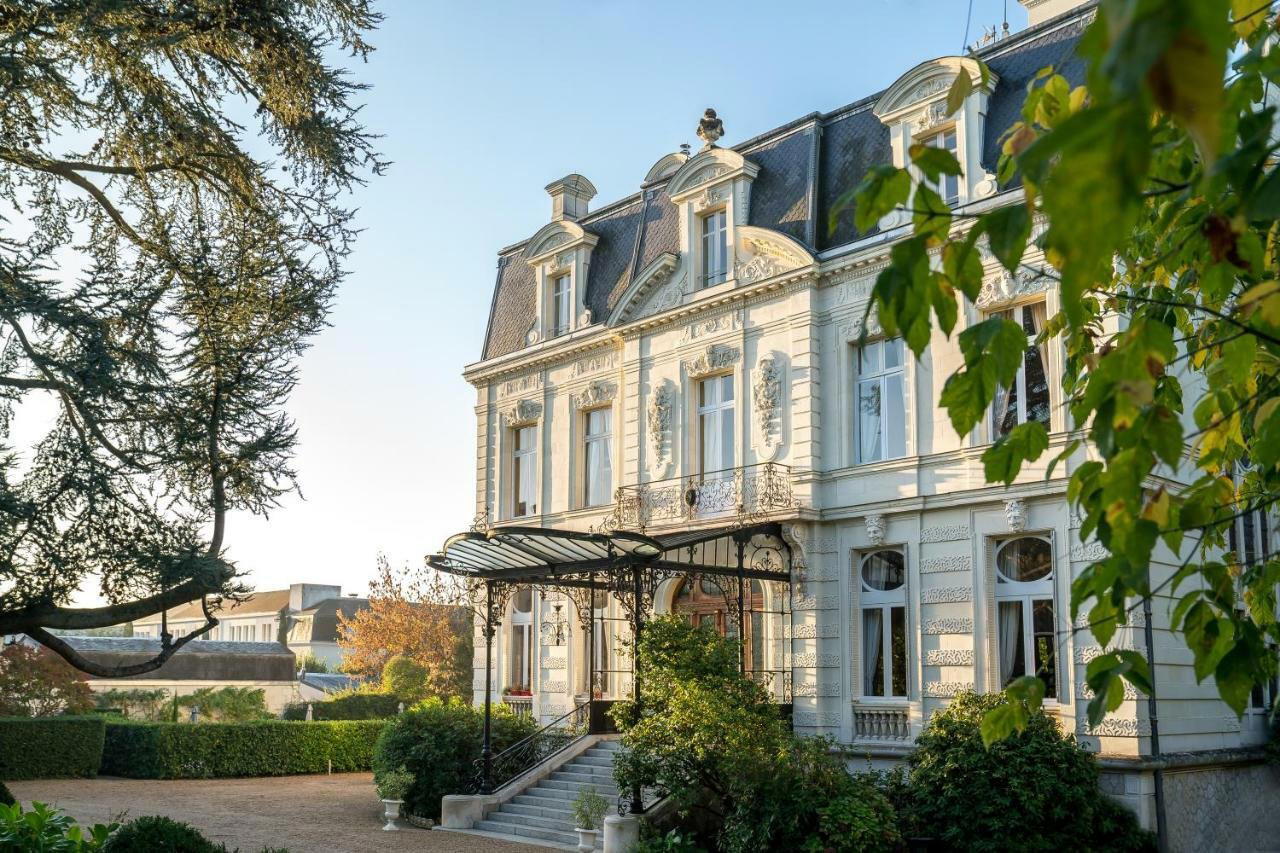
Wineries in Chênehutte-Trèves-Cunault
Browse all →

At a Glance
- Romantic
- Elegant
- Classic
- Scenic
- Intimate
- Sophisticated
- Date Night
- Special Occasion
- Family
- Business Dinner
- Terrace
- Historic Building
- Waterfront
- Hotel Restaurant
- Extensive Wine List
- Local Sourcing
- Waterfront
- Garden
Ornate Empire-style dining room with large windows, romantic and calm atmosphere, terrace overlooking the Loire.