Château de Passavant

Falstaff Winery - Listed
Château de Passavant reads through the Haut-Layon rather than through château grandeur alone: schist soils, Chenin Blanc, Cabernet Franc and Grolleau Noir set the frame. The estate’s 70-hectare domain, 56 hectares of vines, organic farming since 1998 and biodynamic work since 2011 make it a serious stop for travellers interested in Loire terroir, not just a scenic tasting room.

Pearl is the En Primeur Club membership app — saves, bookings, and concierge access live there. Same editors, same standards.
- Address
- Passavant-sur-Layon, Center-Val de Loire, Frankreich
- Directions
- Get directions
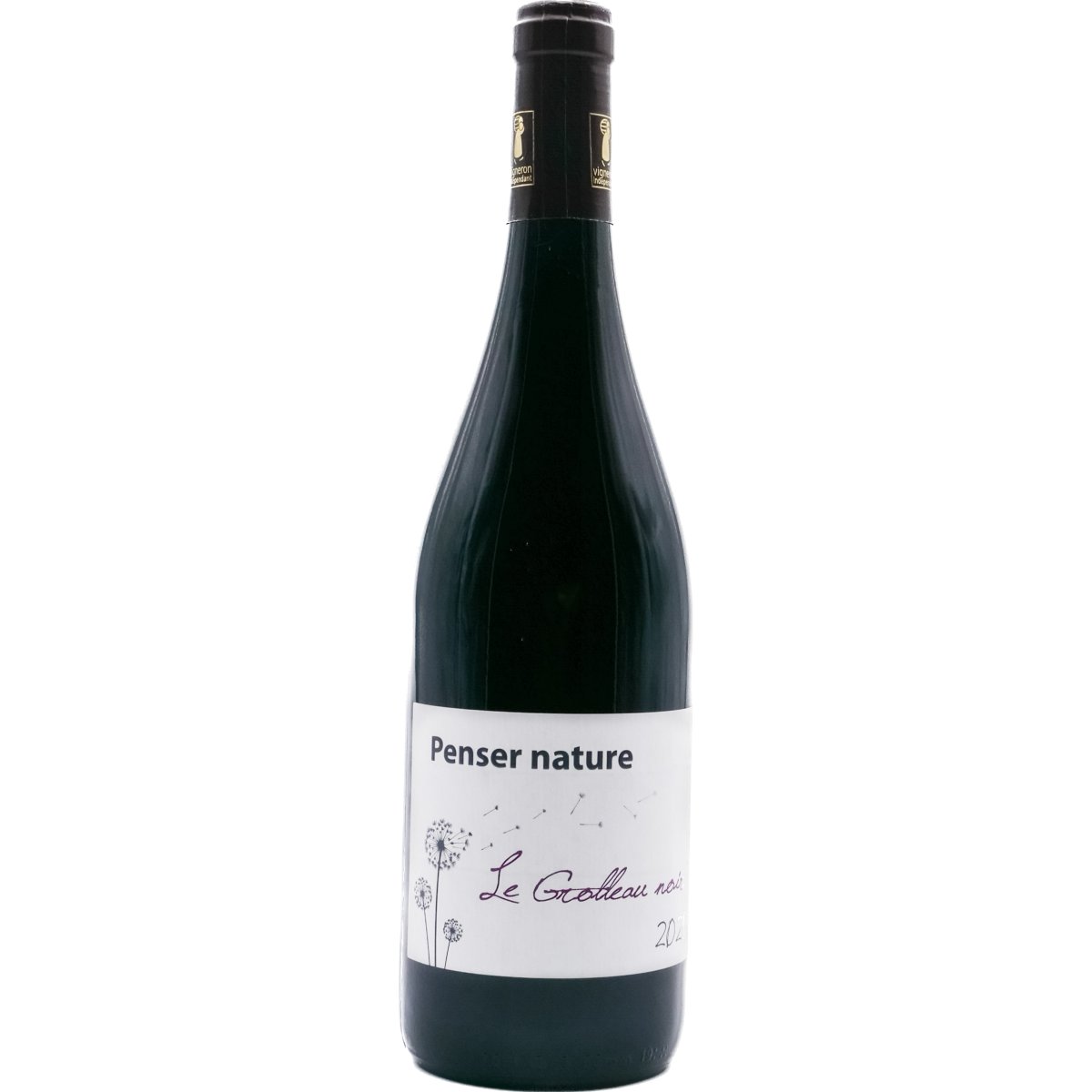
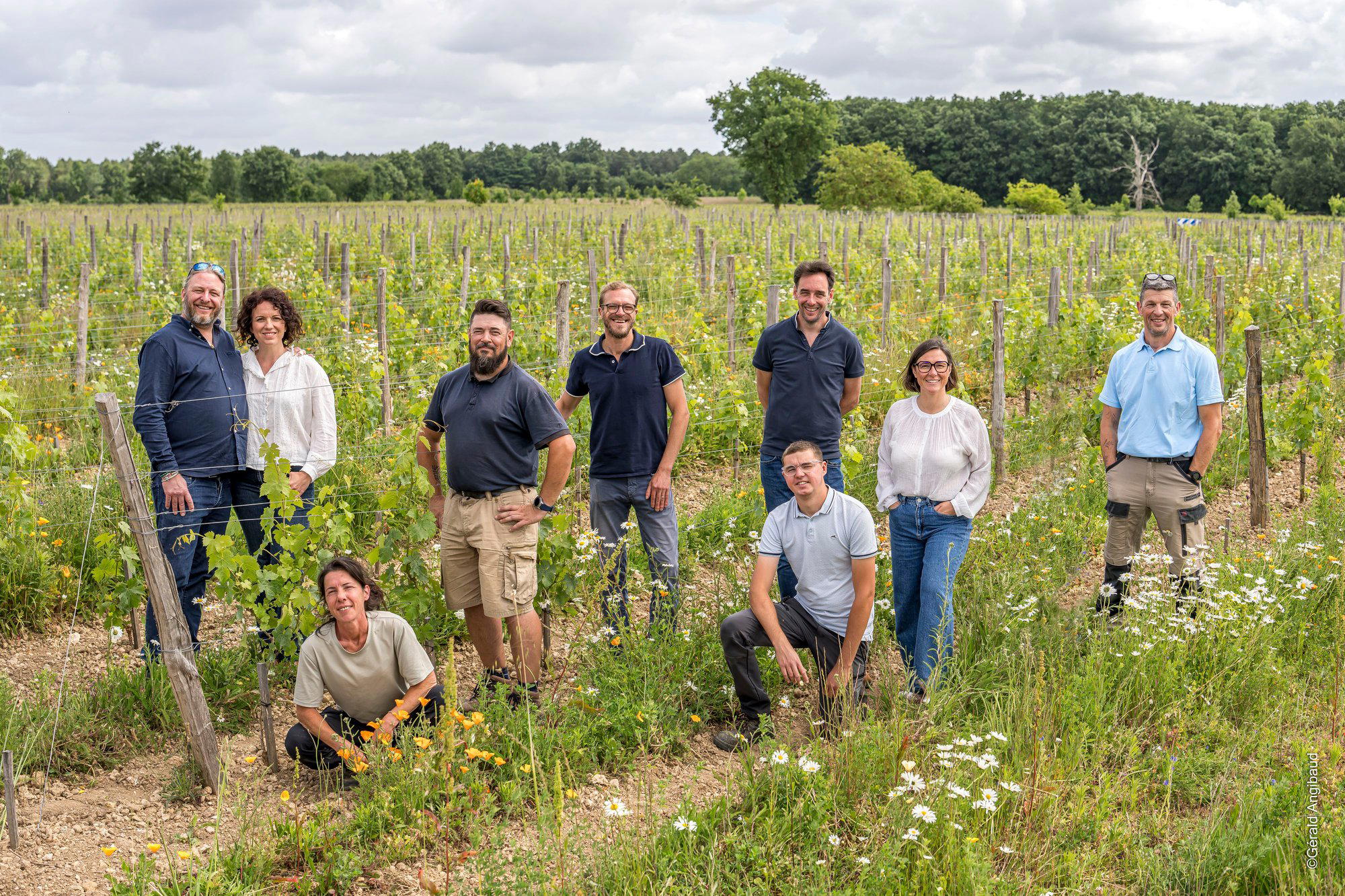
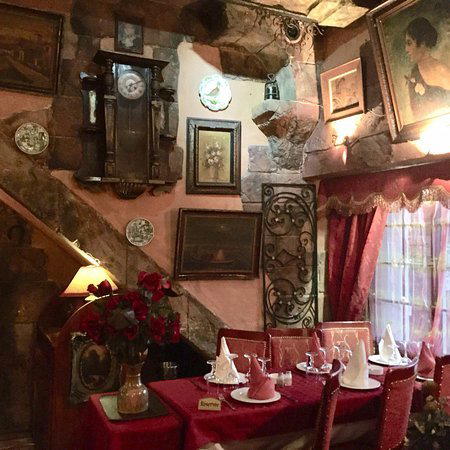
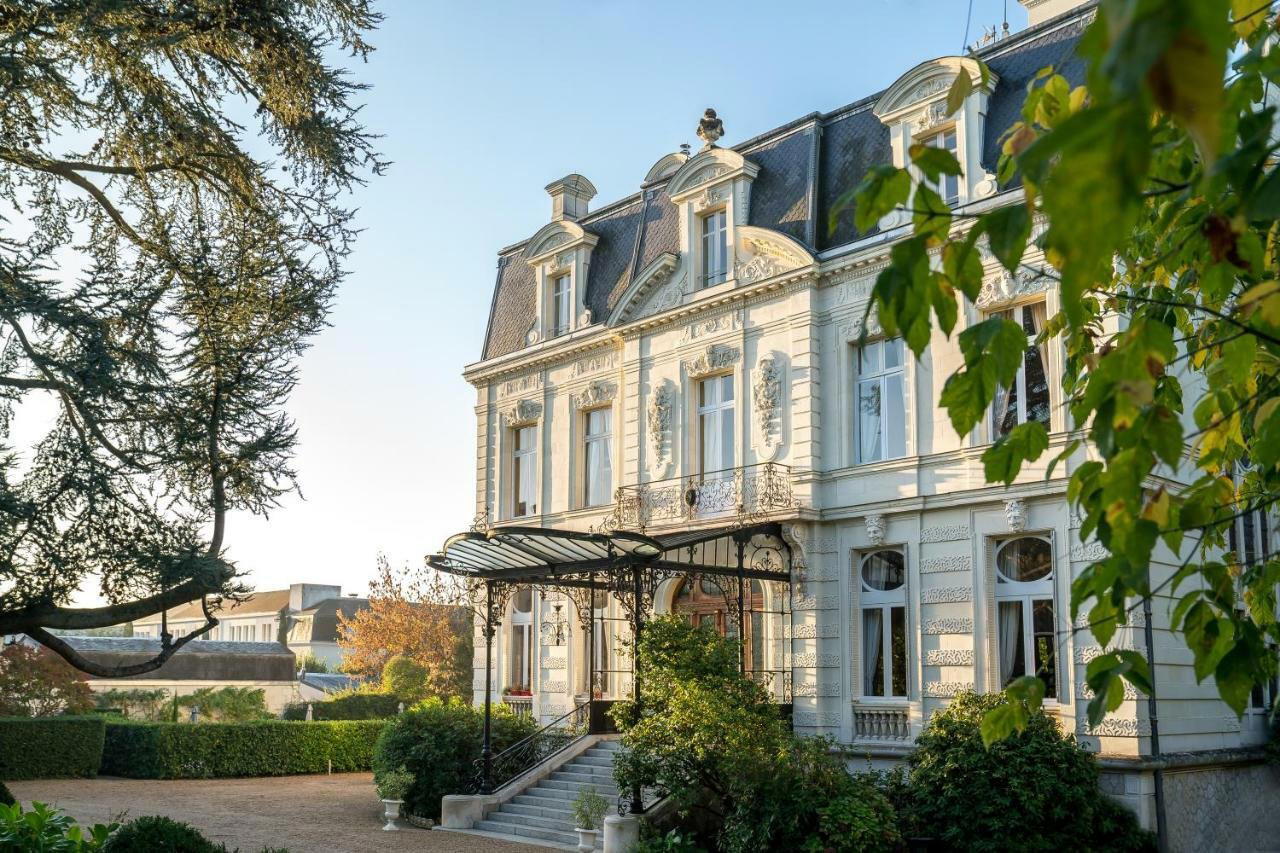
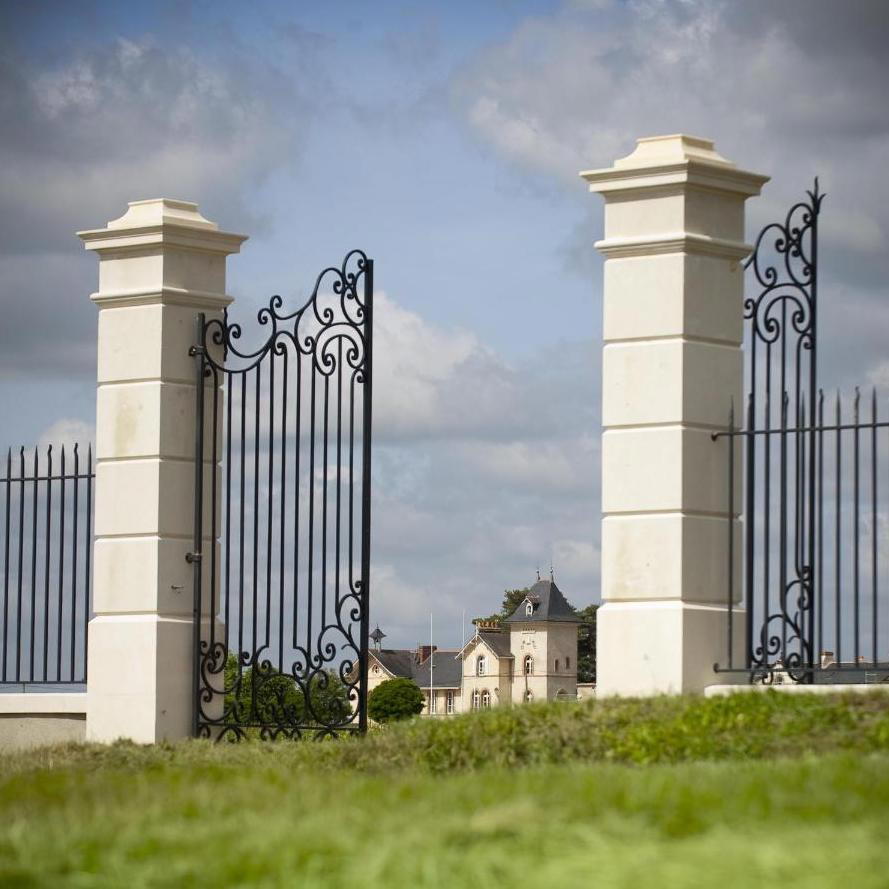
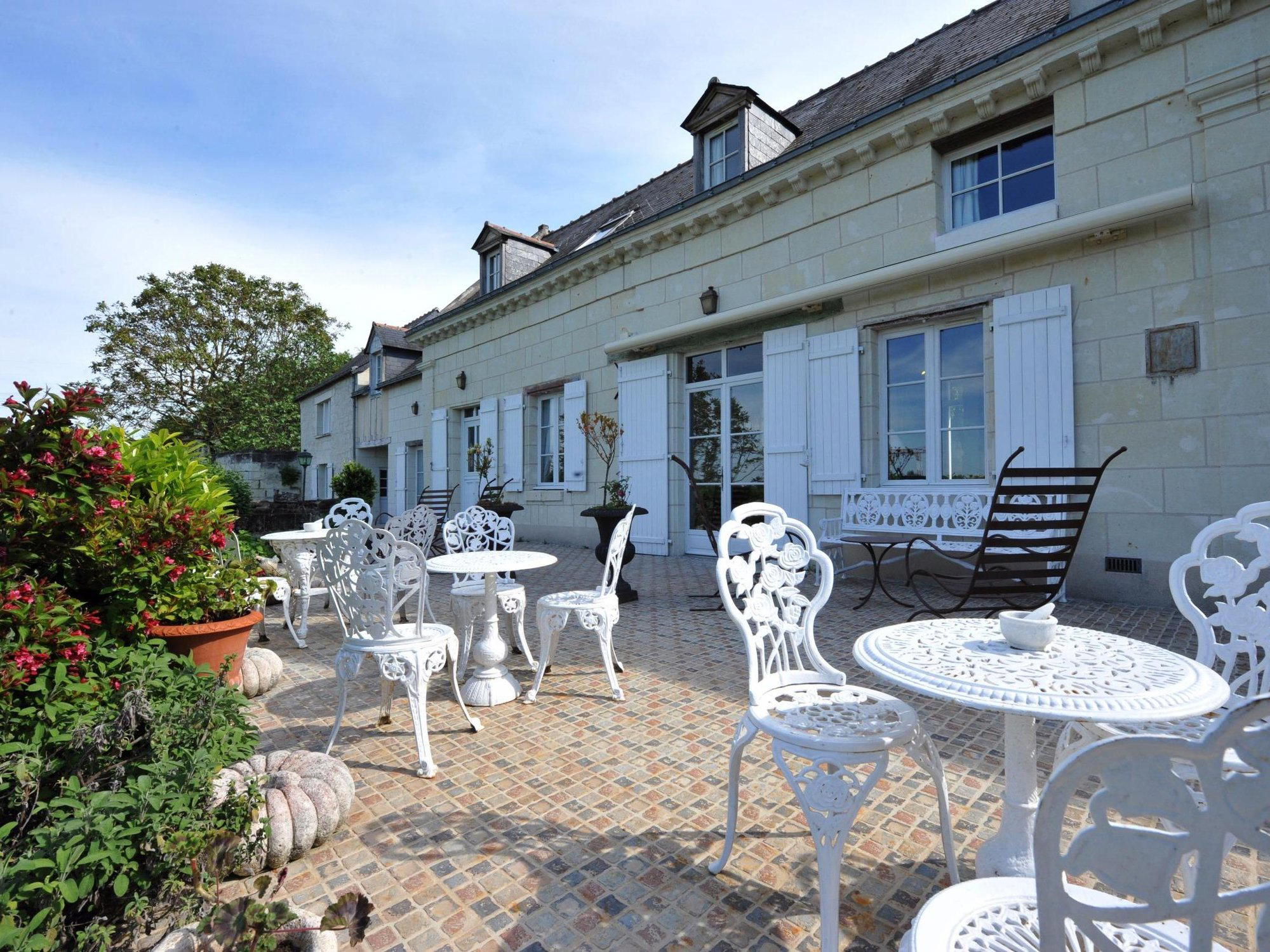
Château de Passavant is a historic wine estate in Passavant Sur Layon, set in a peaceful Haut-Layon landscape. The appeal is quiet rather than showy: rustic character, a classic château atmosphere, and a setting shaped by organic and biodynamic viticulture. It is a place where the surrounding countryside is part of the experience, and the value lies in slowing down enough to notice the estate’s rural texture.
For travellers mapping the area, it belongs naturally on a slow wine-focused itinerary, with time set aside to appreciate the Haut-Layon setting.
Historic estate character in the Haut-Layon landscape
The strongest reason to pay attention here is the setting. Château de Passavant is described as a peaceful, historic and rustic wine estate rooted in the Haut-Layon landscape, with a focus on organic and biodynamic viticulture. Those details create a clear, modest profile: heritage, countryside and land-conscious winegrowing, rather than a destination built around spectacle or polished resort-style hospitality.
The grounded picture is simpler: a quiet wine-estate atmosphere in Passavant Sur Layon, suited to visitors who value landscape, calm and a classic rural setting. The château element gives the place a sense of continuity and presence, while the rustic description keeps expectations appropriately down to earth. It is the sort of listing that works well for travellers already interested in the rhythm of wine country, where scenery, silence and a sense of place can be as important as any formal program.
The estate’s historic character, organic and biodynamic focus, and scenic Haut-Layon context create a clear profile: a historic estate to consider for atmosphere and setting.
A quiet estate setting rather than a spectacle
Château de Passavant is best approached as a calm wine-estate visit rather than a high-gloss hospitality production. The atmosphere is rustic, classic and quiet, with a hidden-gem quality that suits travellers looking for a peaceful stop in Passavant Sur Layon. That does not require grand claims; it simply positions the estate as somewhere to experience the Haut-Layon at a gentler pace, with the château and its landscape doing much of the work.
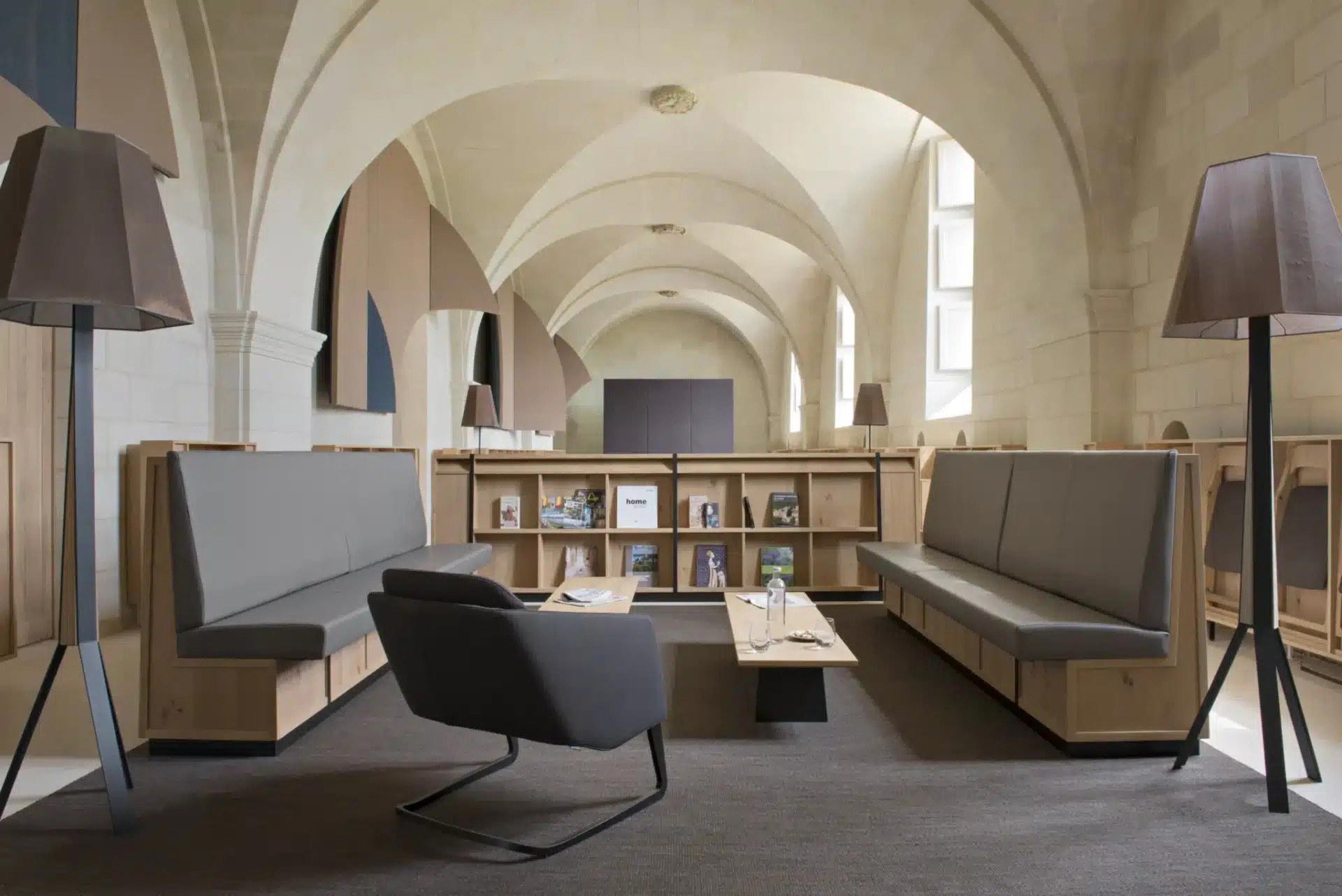
The château setting gives the visit historic weight, while the organic and biodynamic viticulture focus keeps the estate connected to the land around it. Its rural character makes setting and context central to the experience.
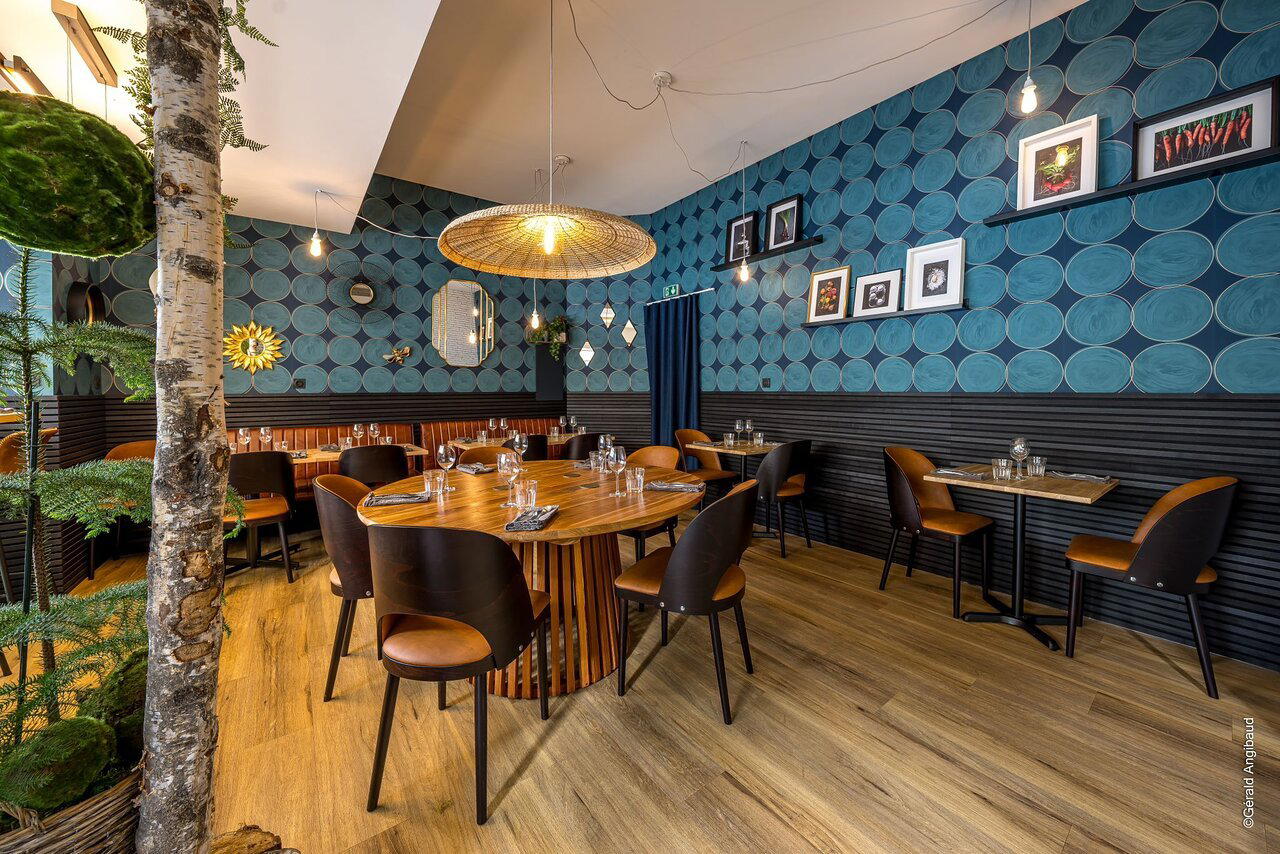
Food is not a core proposition. Plan any meals separately with other Passavant Sur Layon dining options, and keep Château de Passavant in mind primarily for its setting, wine-estate character and quiet Haut-Layon atmosphere. This makes the visit easier to fit into a day without forcing it into the role of a lunch venue, dinner plan or comprehensive hospitality stop. Its place on an itinerary is more about anchoring time in the landscape than solving every part of the day.
Why it earns a place on a Haut-Layon wine day
Château de Passavant is not presented here as a luxury performance or an awards-led destination. Its strengths are more grounded: a historic château estate atmosphere, a rustic and scenic setting, a focus on organic and biodynamic viticulture, and a peaceful position in the Haut-Layon landscape. For the right traveller, those are not minor details. They are exactly the elements that make a wine-country day feel connected to place rather than reduced to a checklist.
For travellers who prefer quieter wine-country stops, that is enough to make it worth noting. The best reason to include Château de Passavant is the chance to experience a classic, understated wine estate in Passavant Sur Layon. Treat it as a calm point in the day: a historic rural estate framed by the Haut-Layon setting, best appreciated with measured expectations and enough time to let its quiet character register.
Recognition history
Dated appearances from independent guides and award organizations, with the underlying list record or original source where available.
Falstaff Winery - Listed
Falstaff
Continue exploring
More in Passavant Sur Layon
Wineries in Passavant Sur Layon
Browse all →
Bars in Passavant Sur Layon
Browse all →
Restaurants in Passavant Sur Layon
Browse all →
Details
- Scenic
- Classic
- Rustic
- Quiet
- Wine Education
- Group Outing
- Solo Exploration
- Special Occasion
- Historic Building
- Estate Grounds
- Vineyard Tour
- Private Tasting
- Organic
- Biodynamic
- Vineyard
- Chenin Blanc
- Cabernet Franc
- Grolleau Noir
- Still White
- Still Red
- Dessert
- Guided Tasting
- Self Guided Tasting
Historic, rustic wine estate atmosphere with a focus on organic and biodynamic viticulture; the setting is described as peaceful and rooted in the Haut-Layon landscape.