Lueurs

1 Michelin Star
Our verdict
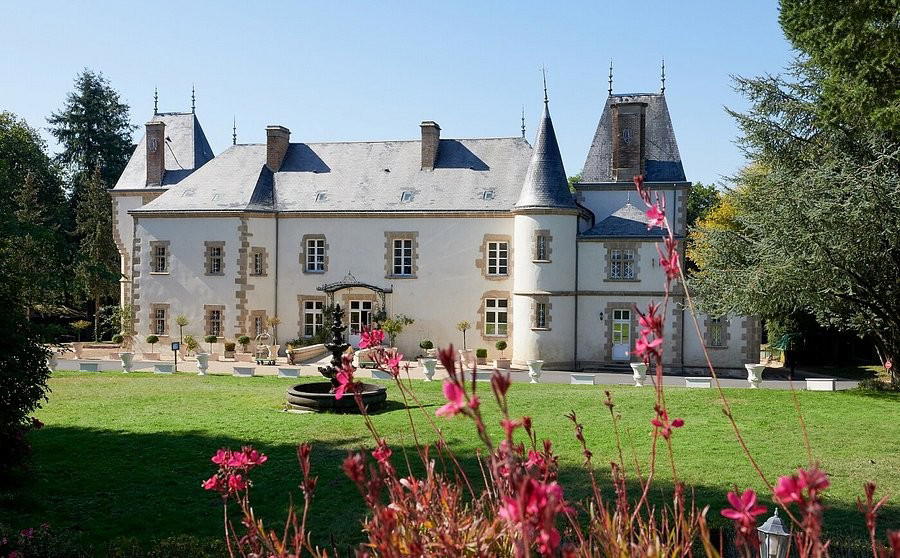
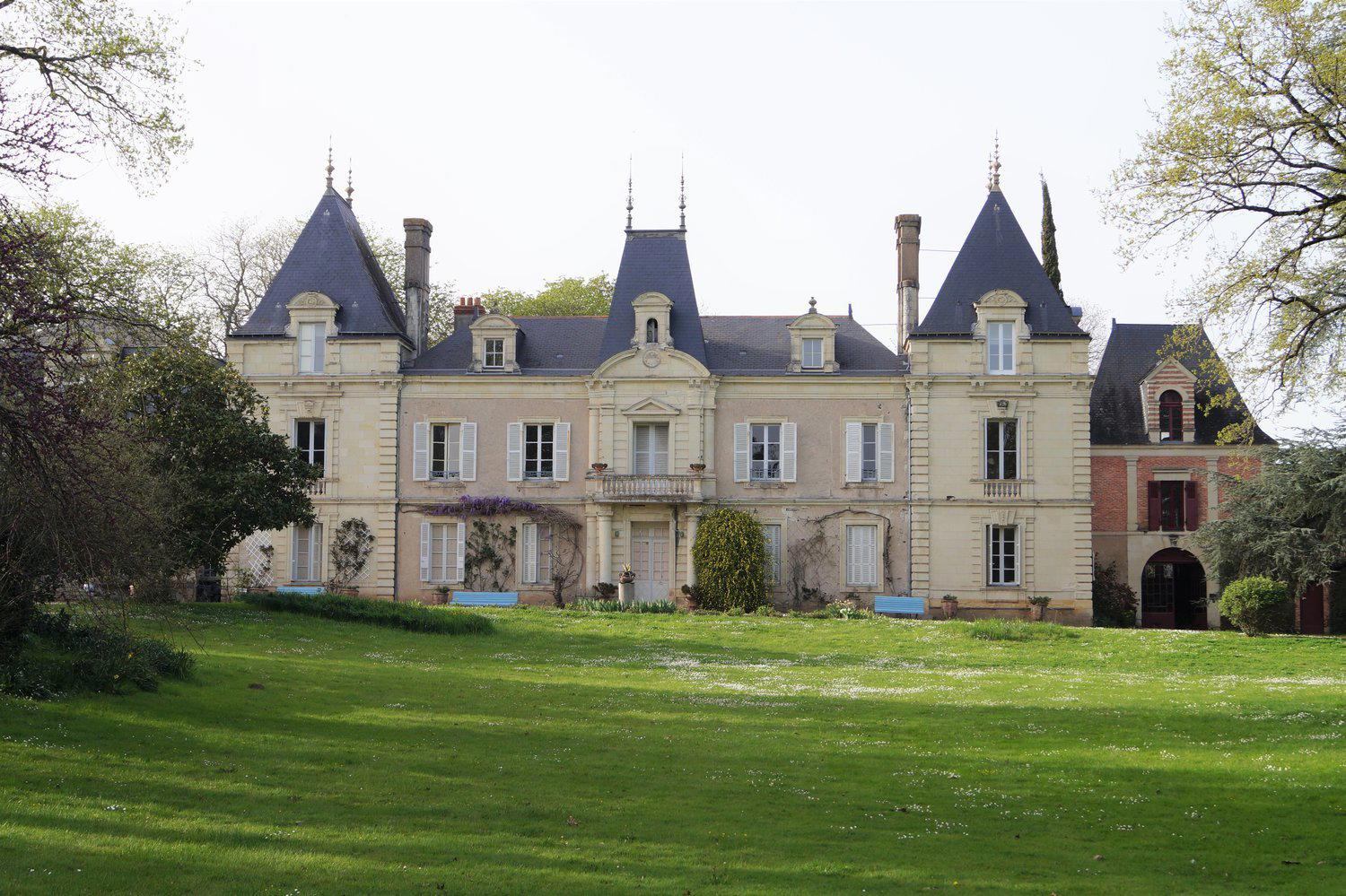
Set within Le Petit Serrant, an 18th-century manor house at the confluence of the River Maine and the Loire, Lueurs is where chef Romain Zarazaga, trained through the kitchens of Laurent Petit, Emmanuel Renaut, and the Troisgros, applies a rigorous sourcing logic to Loire Valley produce. The result is cooking that reads the region closely: line-caught sea bass, charcoal-grilled squab, and sauces that carry as much weight as the main ingredient.

Pearl is the En Primeur Club membership app, where members save venues, book tables and use the concierge.
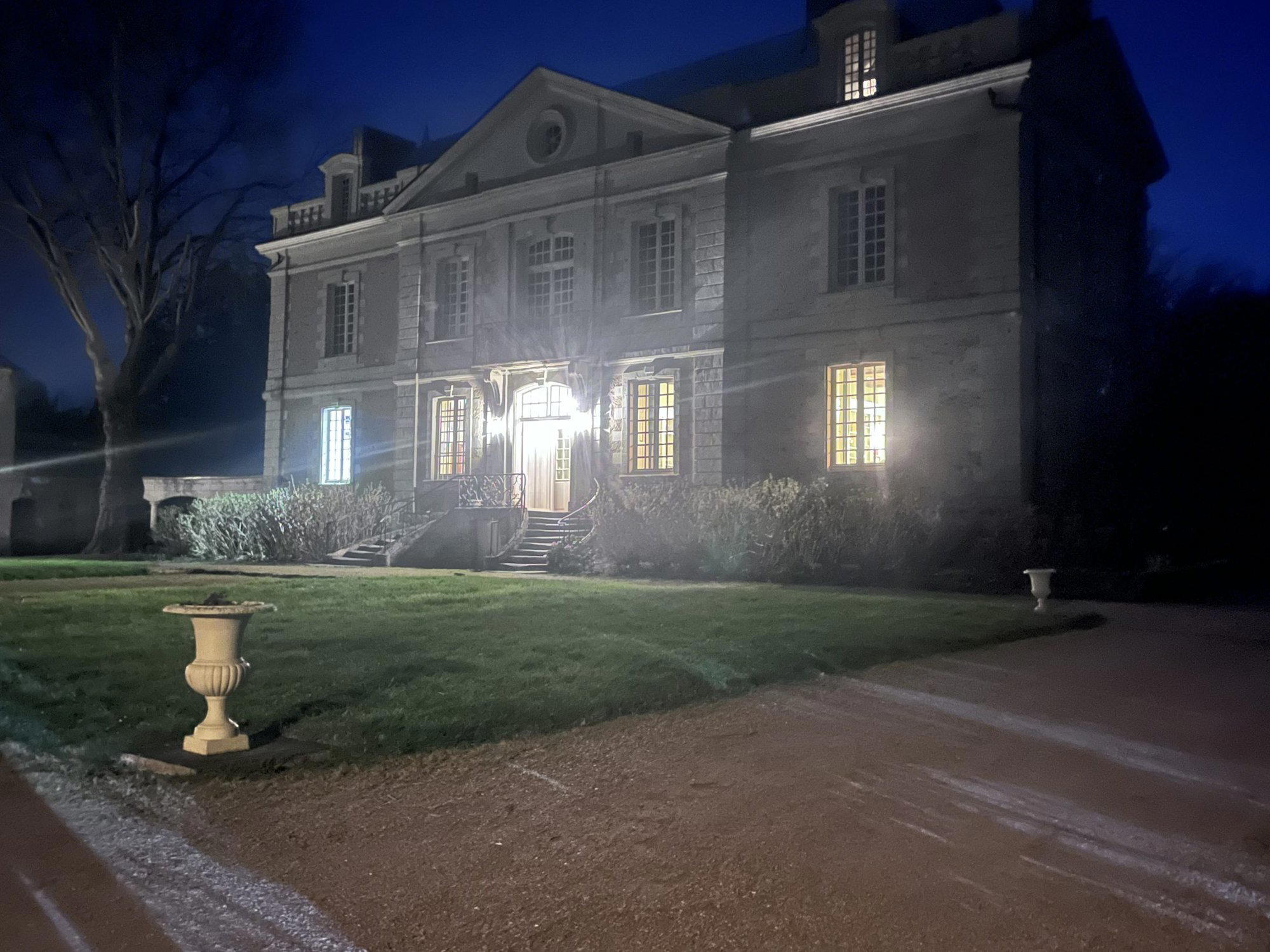
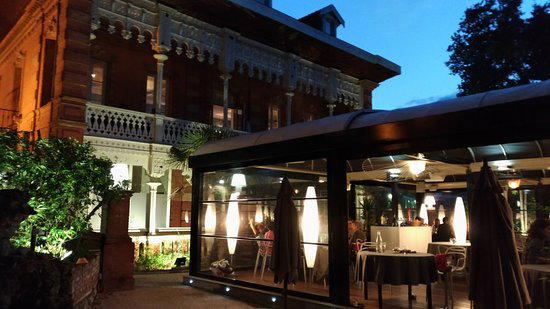
A Manor at the Confluence
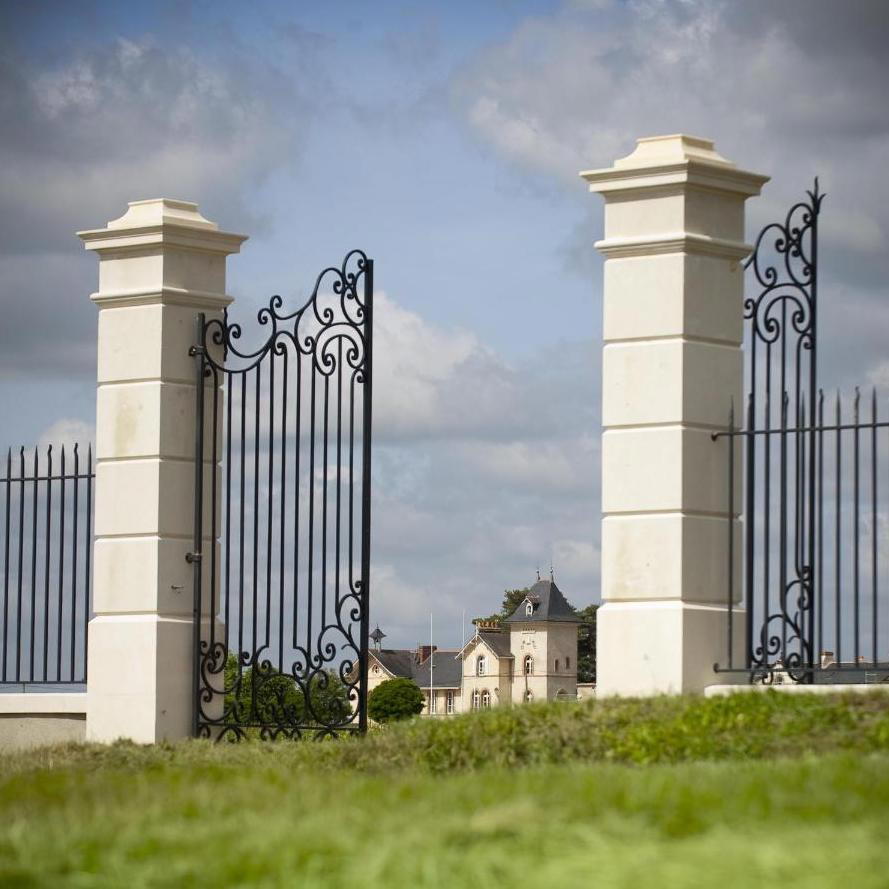
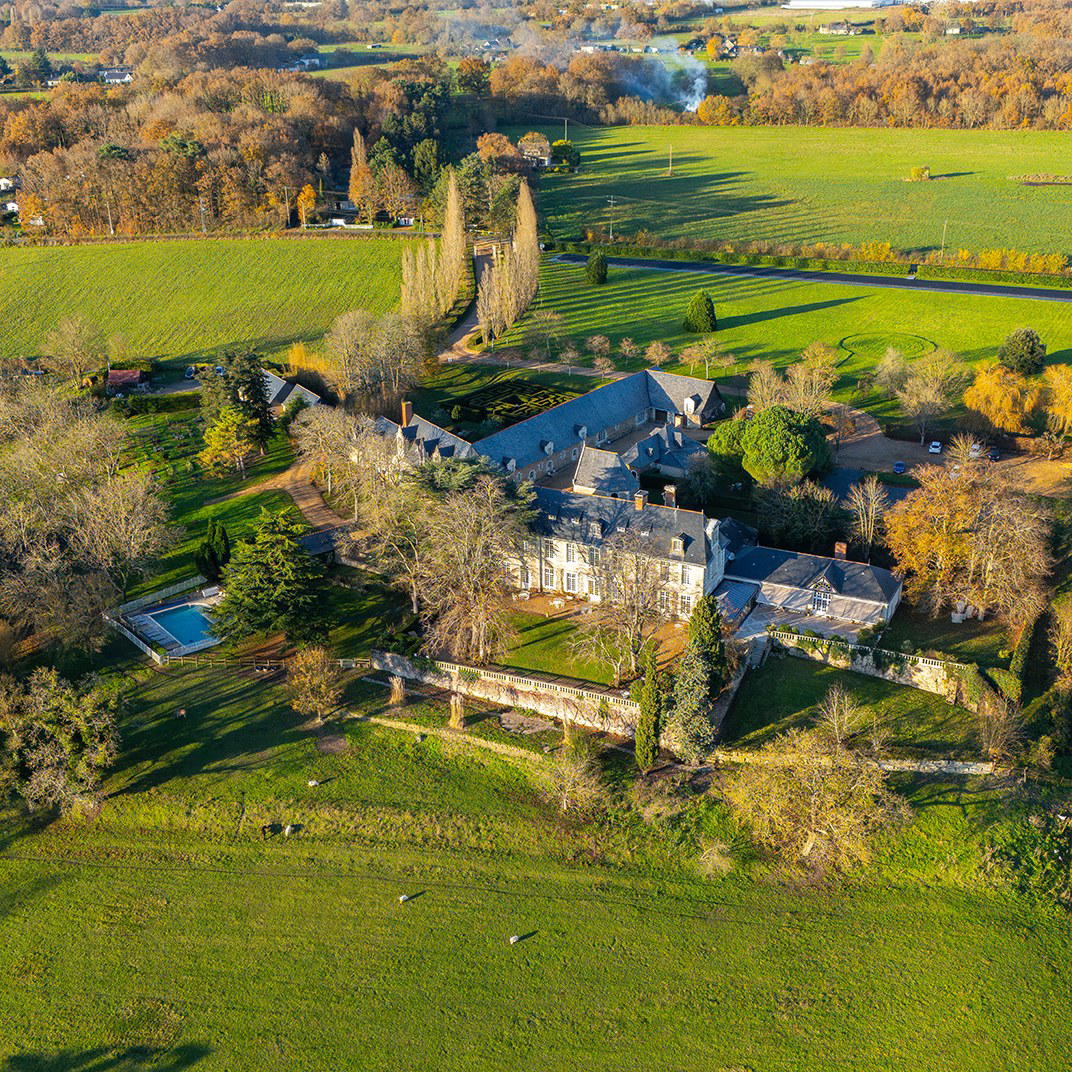
Approach Lueurs from the quay at Port-Boulet and the setting makes its argument before you reach the door. Le Petit Serrant is an 18th-century manor house positioned at the point where the River Maine meets the Loire, and the building's relationship to that water, the light off both rivers, the low agricultural horizon beyond, is not incidental to the meal. In the Loire Valley, where the interaction between landscape and table has defined the region's culinary identity for generations, a dining room with this kind of physical anchorage carries specific weight. The confluence itself is the kind of geographical detail that shapes what grows, what swims, and what gets foraged nearby, and Zarazaga's kitchen draws directly from that proximity.
The Sourcing Logic Behind the Menu
The Loire Valley's reputation for produce is well-documented: the river system, the tuffeau soil, and the temperate Atlantic climate create conditions that support a specific range of ingredients unavailable at this quality level further inland. Lueurs positions itself squarely inside that supply chain. The line-caught sea bass that appears on the menu is not a generic protein choice; line-catching in Loire tributaries is a small-scale practice that limits volume and preserves texture in ways that trawled fish cannot replicate. The fish arrives with a butter-based stock built around Domaine Mosse vermouth, a reference to the natural wine producers of Anjou, a region whose growers have, over the past two decades, made Anjou one of the more discussed appellations in France for low-intervention viticulture. Using Domaine Mosse vermouth in a cooking sauce is a signal about sourcing philosophy: the same logic that governs the wine list governs the kitchen.
That coherence between cellar and stove is one of the cleaner indicators of a kitchen operating with genuine regional intent rather than performing regionality as a marketing gesture. In France's more scrutinised dining rooms, from the Troisgros family's restaurant in Ouches (see Troisgros - Le Bois sans Feuilles in Ouches) to Bras in Laguiole, the sourcing relationship between kitchen and local producers has become foundational rather than optional. Lueurs applies the same principle at a smaller scale, in a part of France that receives less critical attention than the Rhône corridor or the Basque coast, which makes the specificity here more notable rather than less.
The Cooking: Sauces as the Main Event
Romain Zarazaga trained under Laurent Petit at Le Clos des Sens in Annecy, under Emmanuel Renaut at Flocons de Sel in Megève, and through the Troisgros kitchen, three houses that represent different expressions of rigorous French technique, from Savoyard produce-focus to the modernist arc of the Troisgros lineage. That training sequence shapes how the cooking at Lueurs reads. The emphasis on jus and sauces is not an affectation; it is a direct inheritance from kitchens where sauce-making is treated as primary craft rather than supporting element. In French haute cuisine, the ability to build a sauce that carries depth without obscuring the main ingredient has been the definitive technical test since Escoffier codified the canon. The butter-based fish stock with Domaine Mosse vermouth alongside the sea bass, and the reduced elderflower syrup sauce with the charcoal-grilled squab, both demonstrate that Zarazaga is working in that tradition with current materials rather than reproducing it literally.
The charcoal-grilled squab arrives with a condiment built from offal and a reduced elderflower syrup sauce. The combination of game bird, organ meat, and a floral reduction is a structurally complex plate: the bitterness of the offal, the smoke from the charcoal, and the aromatic sweetness of the elderflower require precise calibration to avoid any single element dominating. This is the kind of cooking that France's most demanding dining rooms, Mirazur in Menton, Alléno Paris au Pavillon Ledoyen, would recognise as technically aligned with their own standards, even if the scale and setting are entirely different.
Where Lueurs Sits in the Regional Context
The Loire Valley does not have the density of high-end restaurants that the Burgundy corridor or Paris commands, which means individual kitchens carry more representational weight for the region. That gap between location modesty and culinary ambition is precisely the kind of proposition that rewards the traveller willing to route a trip through Anjou rather than defaulting to the more trafficked dining destinations.
Anjou wine connection adds another dimension. The area around Savennières, Coteaux du Layon, and the natural wine producers clustered around Angers represents one of the more compelling wine regions in France for those who follow low-intervention and biodynamic production. A meal at Lueurs, with its explicit engagement with Domaine Mosse vermouth, sits within that broader Anjou food-and-wine conversation in a way that a generic fine-dining experience in the same geography would not. For visitors covering the Loire for its wine as much as its food, Bouchemaine and its surrounding communes offer a coherent case for a dedicated detour. See our guides to Bouchemaine wineries and Bouchemaine experiences for the fuller picture.
Planning Your Visit
Lueurs is located at 2 quai de Port-Boulet in Bouchemaine, a short drive from Angers, which is served by TGV from Paris Montparnasse in approximately 90 minutes. Given the manor house setting, the calibre of the cooking, and the critical attention it has received, booking ahead is advisable, this is not the kind of address that carries spare weekend covers during the Loire's warmer months, when the riverbank setting draws additional demand. The dress code and precise booking method are best confirmed directly, but the tone of the room, informed by an 18th-century interior and cooking at this level of ambition, suggests that smart-casual is the minimum appropriate register. For those building a longer Loire itinerary, the full Bouchemaine restaurants guide, hotels guide, and bars guide provide the supporting context.
Frequently asked questions
Would Lueurs be comfortable with kids?
Lueurs occupies an 18th-century manor house at the confluence of the Loire and Maine rivers, and the cooking, charcoal-grilled squab with offal condiment, line-caught sea bass with vermouth-laced fish stock, is firmly adult in register. Children who eat adventurously at a restaurant table would cope, but the setting and menu are not calibrated for younger diners.
Is Lueurs formal or casual?
The manor setting at Le Petit Serrant gives Lueurs a certain inherent formality, and Romain Zarazaga's pedigree, Laurent Petit, Emmanuel Renaut, the Troisgros, means the cooking is precise and considered. The atmosphere leans composed rather than stiff, with the riverside location at 2 quai de Port-Boulet adding a relaxed natural quality that keeps things from tipping into ceremony.
What's Lueurs known for in terms of accolades?
Lueurs has received recognition including: Le Petit Serrant, an 18C manor house located at the confluence of the River Maine and River Loire, is the elegant setting for this restaurant, where diners come as much for the cuisine as for the charm of the location. Romain Zarazaga, a ch….
What dish is Lueurs famous for?
Two preparations define what Zarazaga does: line-caught sea bass confit with a butter-based fish stock using Domaine Mosse vermouth, and charcoal-grilled squab with an offal condiment and reduced elderflower syrup sauce. The sauces and jus are consistently cited as the technical centre of the kitchen, not garnish, but architecture.
How do I find Lueurs?
Lueurs is located at 2 quai de Port-Boulet, Bouchemaine.
How hard is it to get a table at Lueurs?
Specific booking lead times are not published, but Lueurs operates in a region where high-end restaurant density is lower than in Burgundy or Paris, which concentrates demand on the kitchens that do serious work. A venue with Zarazaga's training lineage and a setting like Le Petit Serrant draws visitors from Angers and beyond, so booking ahead is advisable.
What's the defining dish or idea at Lueurs?
The governing idea is sauce craft: Zarazaga uses jus and reductions not as accompaniment but as the primary expression of a dish. The charcoal-grilled squab with elderflower syrup reduction and the vermouth-laced fish stock around the sea bass both illustrate a kitchen where classical French technique is applied to Loire Valley produce with specific, seasonal logic.
Quick Comparison
Comparable venues nearby, for context on price, style, and recognition.
| Venue | Cuisine | Price | Awards | Notes |
|---|---|---|---|---|
| LueursThis venue (the venue you are viewing) | Modern Creative French | Not listed | 1 Michelin Star | Not listed |
| Les Bartavelles | Modern French Gastronomic Cuisine | $50–100 | Michelin Plate | Rue Colbert, Centre-Ville |
| Ancestral | Modern French Bistro | Not listed | Michelin Plate | Doutre |
| L'Ouvrière | Modern French Marine & Vegetable Tasting Menu | $200–300 | Michelin Plate | Availles-en-Châtellerault |
| L'Instinct | Modern French Bistro | Not listed | Michelin Plate | Centre-ville |
| La Table de la Caillère | Modern French Fine Dining | Not listed | Michelin Plate | Candé-sur-Beuvron |
Recognition history
Dated appearances from independent guides and award organizations, with the underlying list record or original source where available.
Michelin 1 Star
Michelin
Continue exploring
More in Bouchemaine
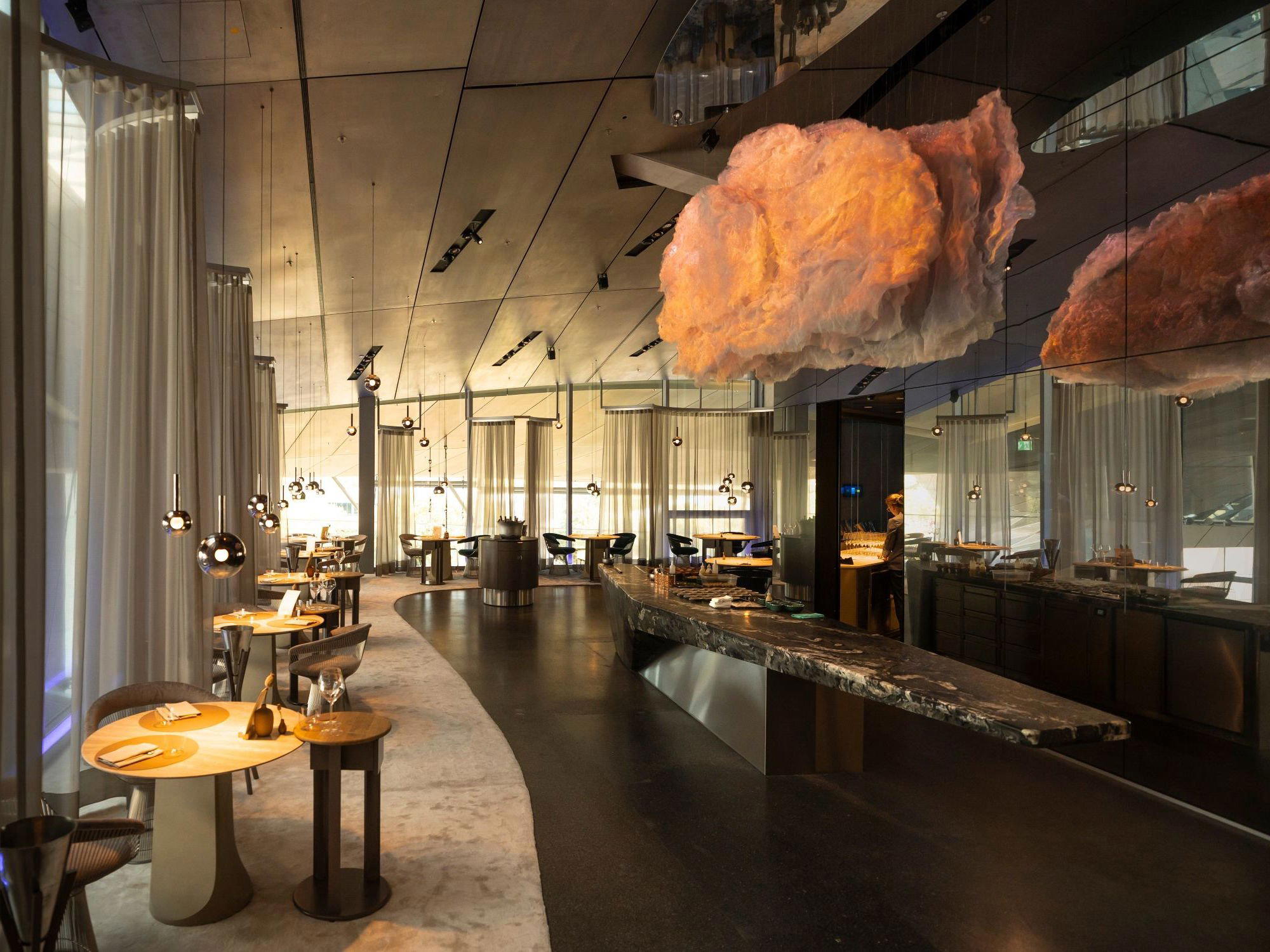
Restaurants in Bouchemaine
All restaurants in Bouchemaine →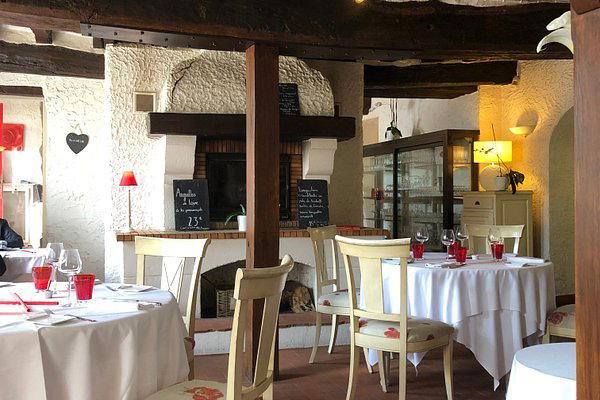
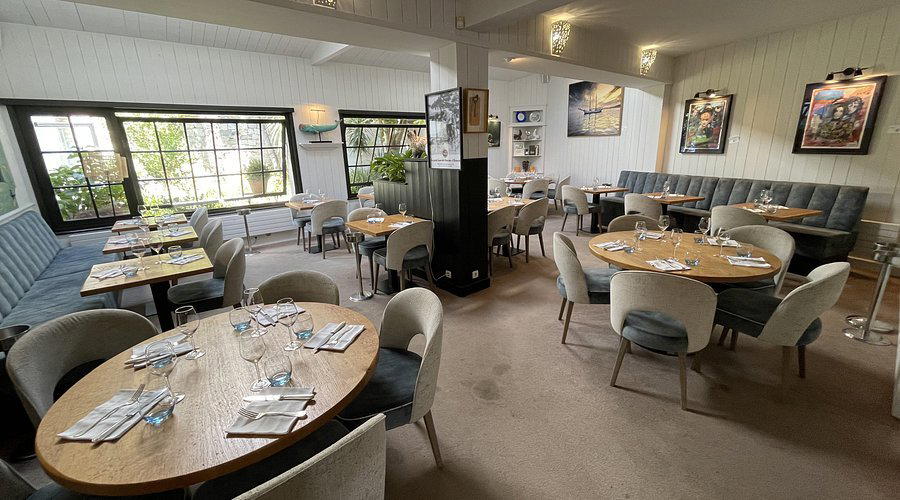
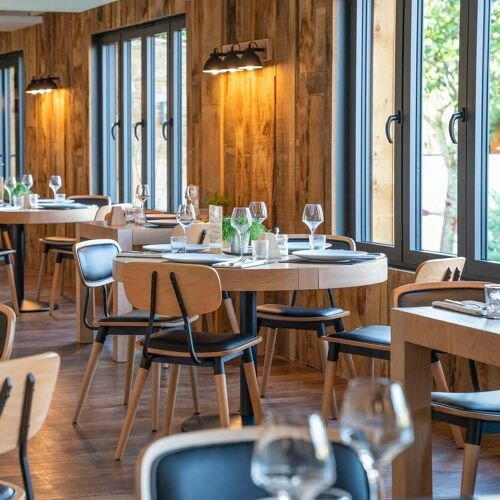
Bars in Bouchemaine
Browse all →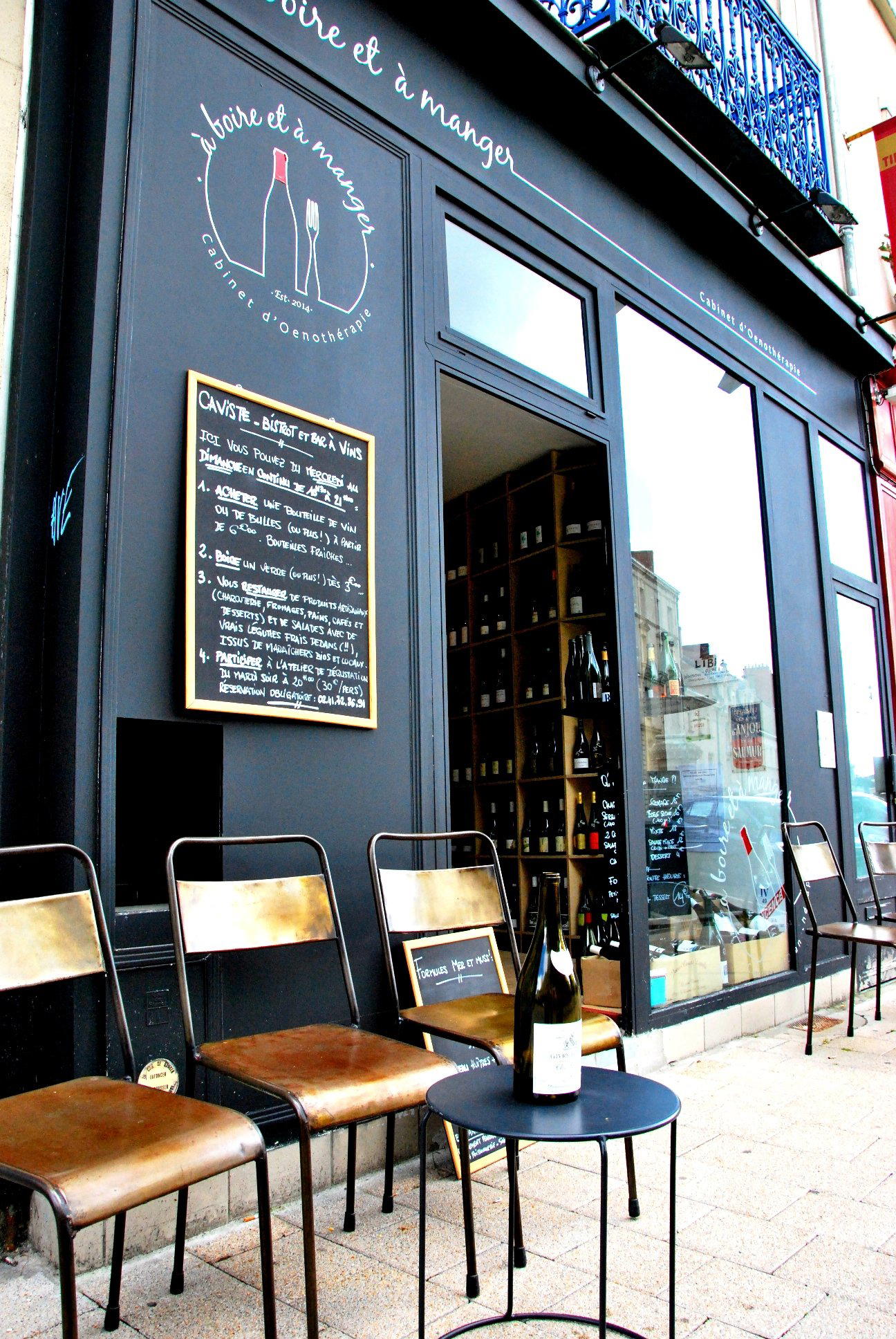
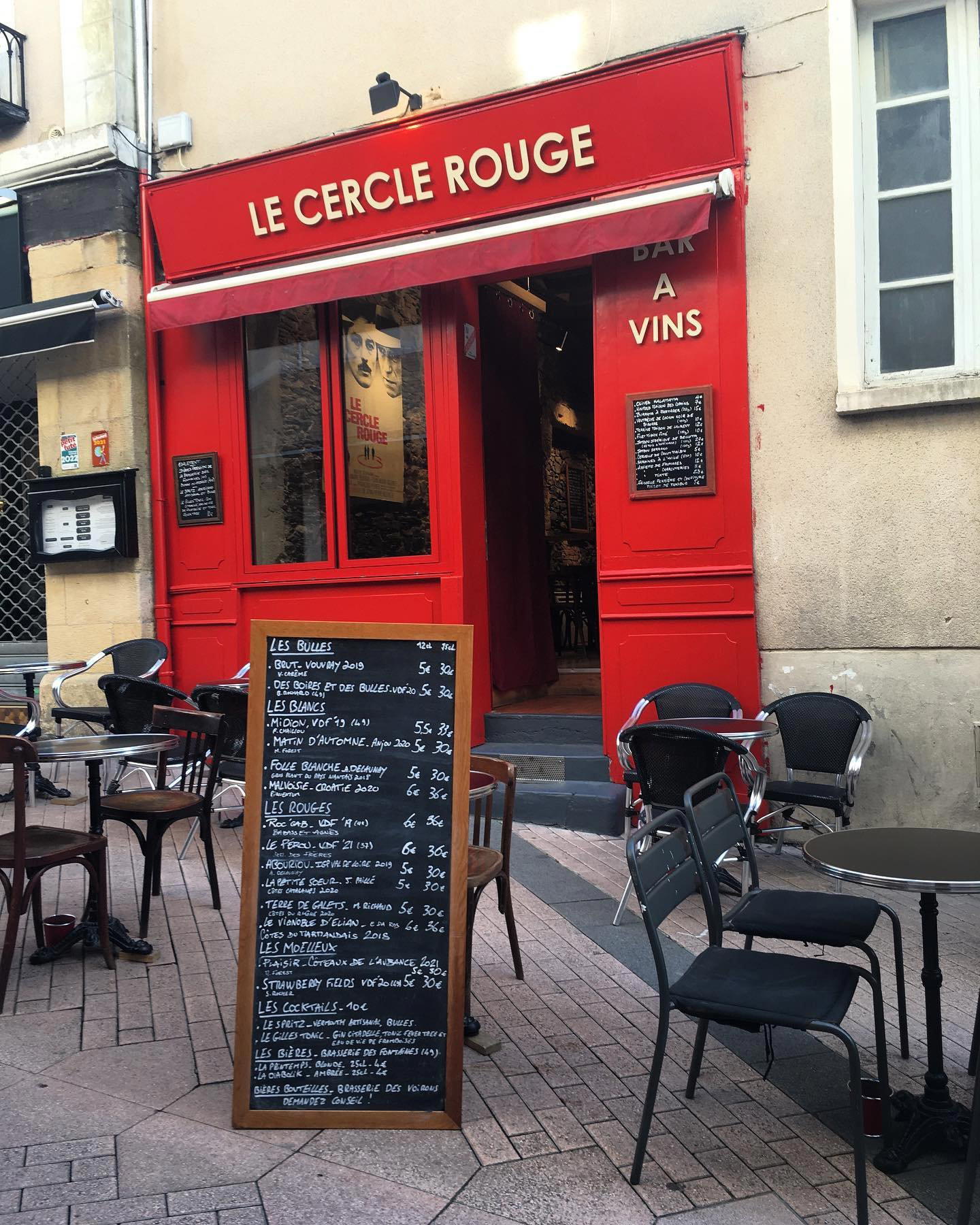
Hotels in Bouchemaine
Browse all →

Details
- Romantic
- Elegant
- Intimate
- Cozy
- Sophisticated
- Date Night
- Special Occasion
- Historic Building
- Extensive Wine List
- Local Sourcing
- Waterfront
- Tasting Menu
- Vegetarian Friendly
Current opening hours
- Monday
- 12–1:30 PM, 7:30–9 PM
- Tuesday
- 12–1:30 PM, 7:30–9 PM
- Wednesday
- Closed
- Thursday
- 12–1:30 PM, 7:30–9 PM
- Friday
- 12–1:30 PM, 7:30–9 PM
- Saturday
- Closed
- Sunday
- Closed
Hours can change for holidays and private events. Hours as of .
Elegant and warm atmosphere in historic tuffeau manor with crackling fireplace, period furniture, and soft lighting creating a romantic, serene, and intimate setting.