Domaine de la Soucherie

Michelin Selected
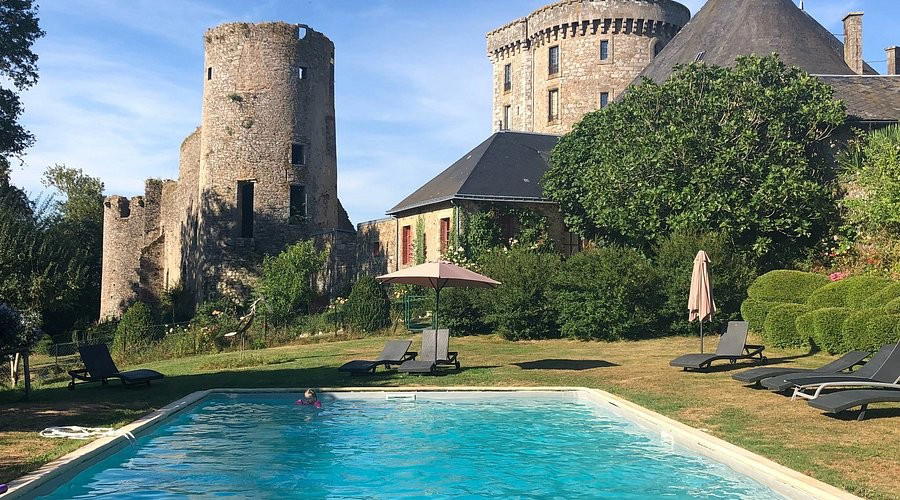
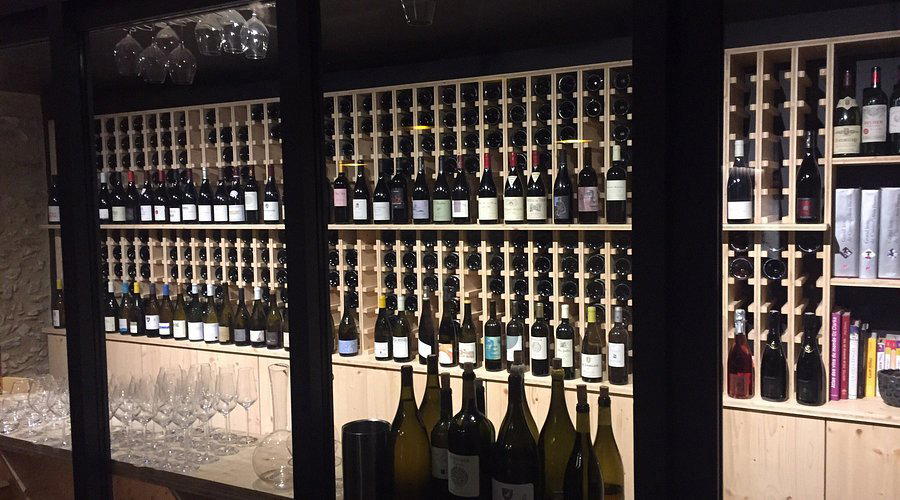
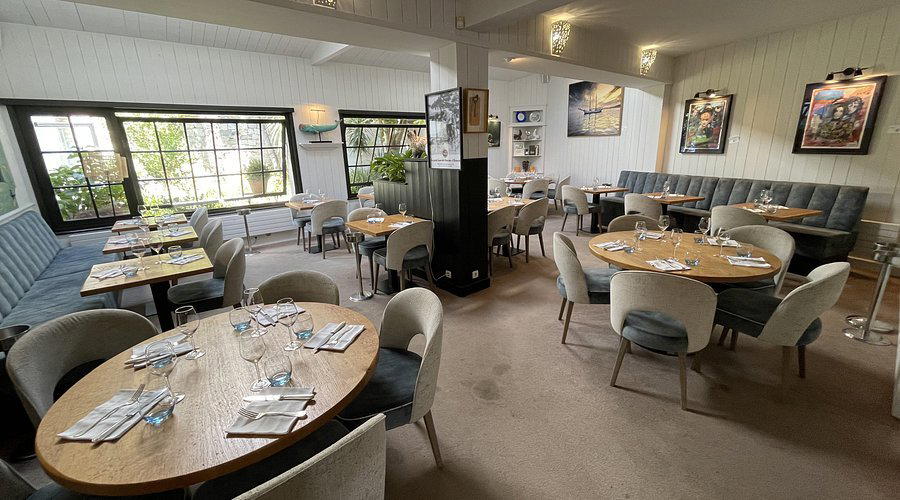
A Michelin Selected property set within the Anjou wine country of the Loire Valley, Domaine de la Soucherie occupies a working domaine in Beaulieu-sur-Layon, the heart of Coteaux du Layon appellation territory. The estate format places guests inside one of France's most underappreciated sweet wine regions, with vineyards as the immediate context rather than backdrop.

Pearl is the En Primeur Club membership app — saves, bookings, and concierge access live there. Same editors, same standards.
- Address
- lieu-dit la soucherie, 49750 Beaulieu-sur-Layon, France
- Phone
- +33 2 41 78 31 18
- Website
- soucherie.fr
- Directions
- Get directions
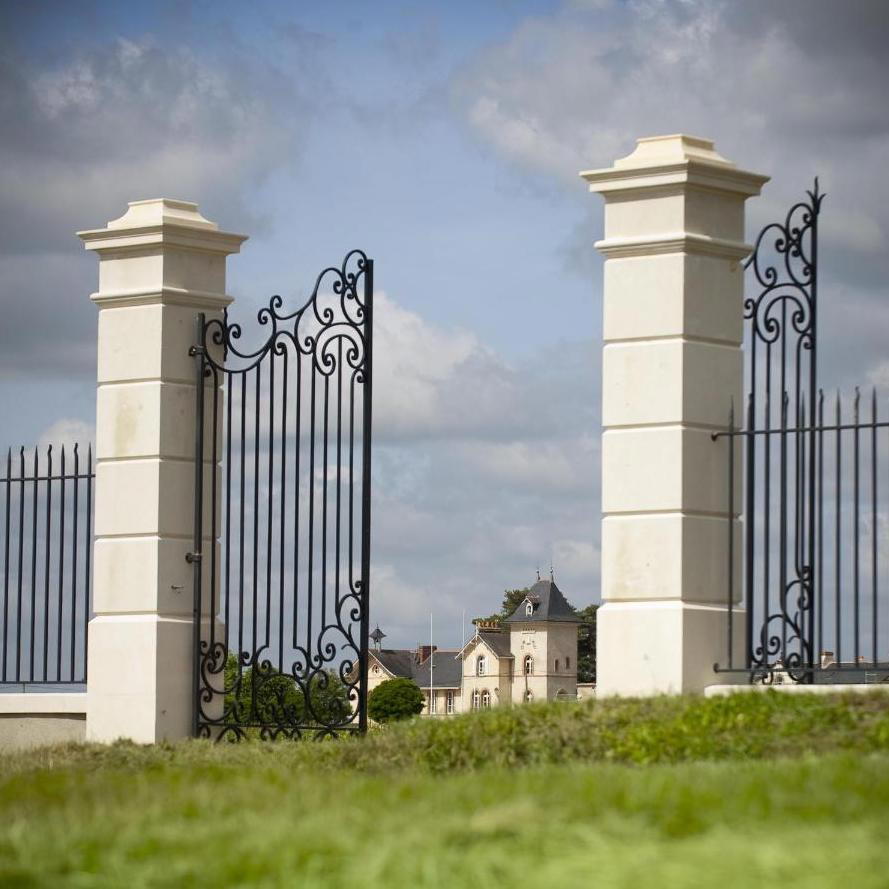
Loire Valley's Domaine Model: Where the Estate Is the Architecture
France's wine regions have produced two distinct hospitality models. The first converts grand châteaux into luxury hotels, separating guests from the working mechanics of production behind formal gardens and staffed corridors. The second, rarer type embeds accommodation directly within a functioning domaine, where the architecture of the estate, including cellars, barrel rooms, and vine rows, constitutes the physical experience itself. Domaine de la Soucherie in Beaulieu-sur-Layon belongs firmly to the second category. Michelin's hotel selection panel awarded it a place in the Michelin Selected Hotels 2025 list, a distinction that positions it alongside France's more considered smaller properties rather than its branded hotel circuit.
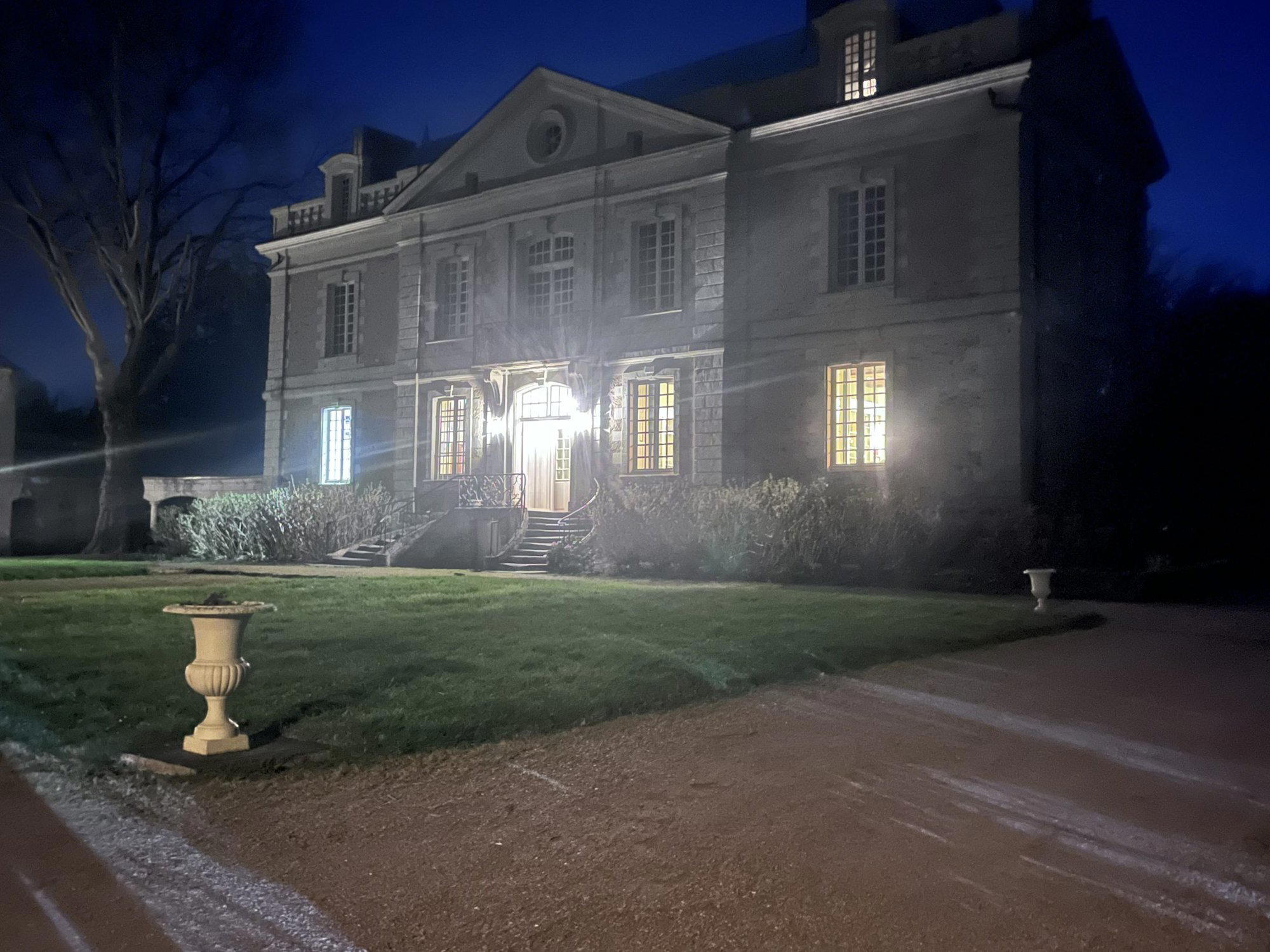
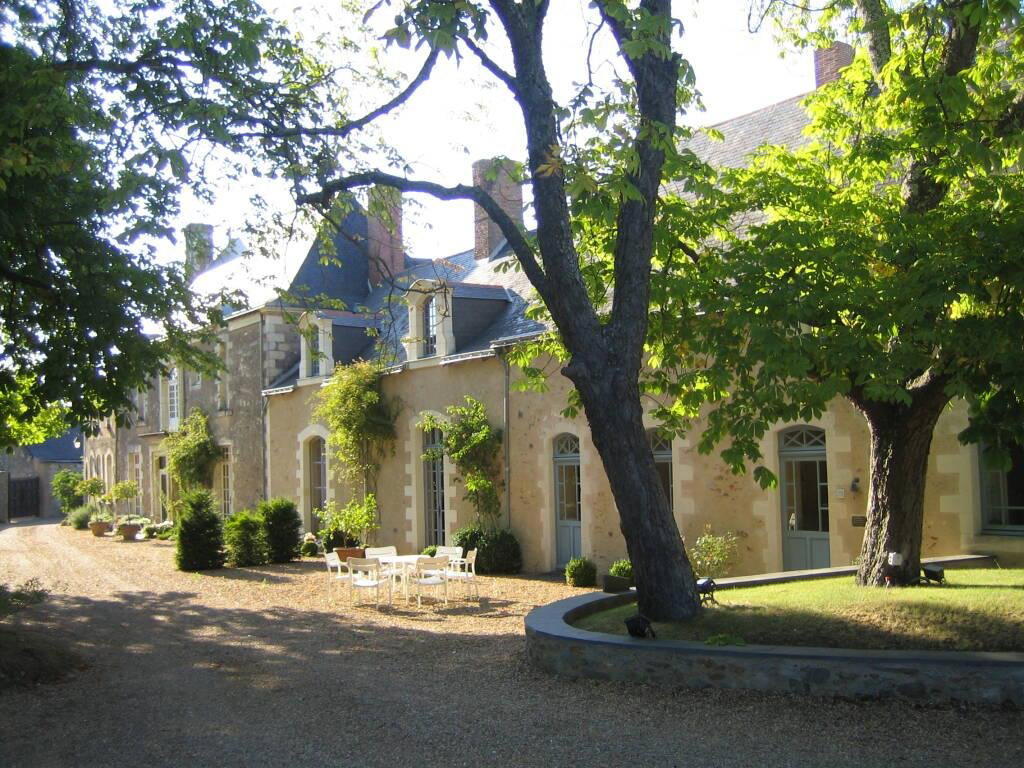
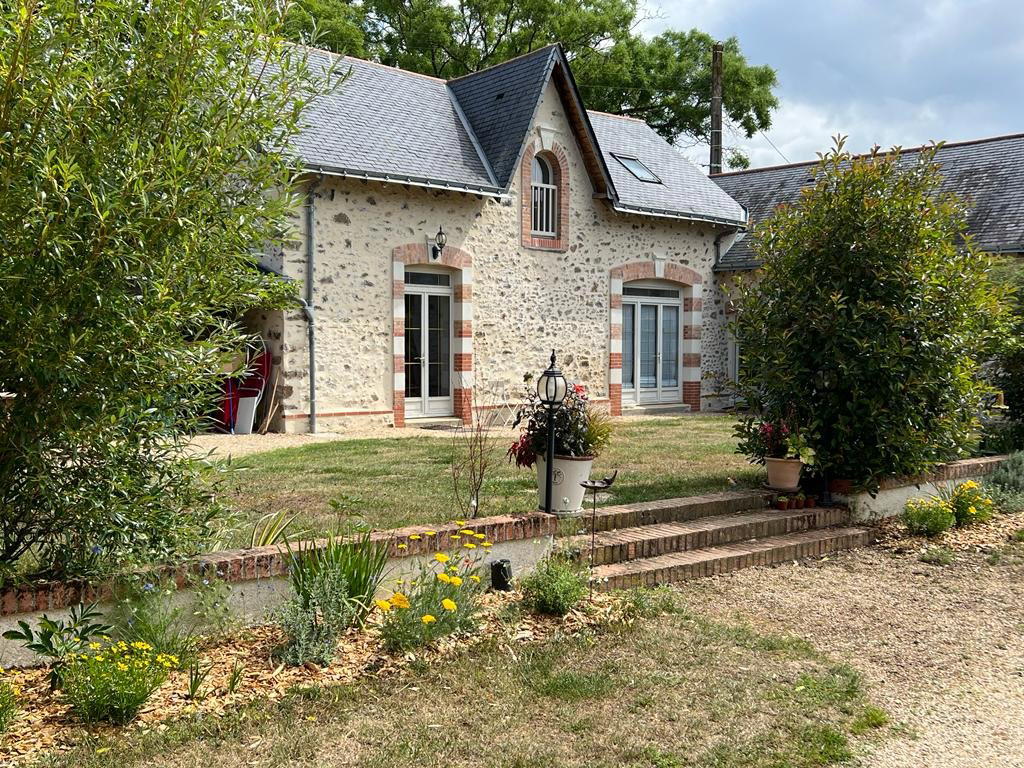
Arriving at La Soucherie, the built environment announces its agricultural purpose before anything else. The Loire Valley's domaine architecture, developed over centuries of wine production, was never designed with visitors in mind. Stone buildings cluster for functional reasons, their proportions shaped by the need to house harvests, equipment, and generations of workers. When properties like this convert to hospitality, they do so with the bones of that working history intact. The result is a physical vocabulary that no purpose-built hotel can replicate: thick stone walls, courtyard geometries, and the low horizontal sweep of a landscape that has been cultivated rather than decorated.
Beaulieu-sur-Layon and the Coteaux du Layon Context
To understand why a stay here carries a particular editorial weight, it helps to situate Beaulieu-sur-Layon within the Anjou wine geography. The village sits within the Coteaux du Layon appellation, one of the Loire's most distinctive sweet wine zones, where Chenin Blanc grapes are harvested progressively through autumn, often with botrytis influence, to produce wines with high residual sugar and the acidity structure to age for decades. This is not a well-marketed region by French wine standards. Burgundy and Bordeaux have built international tourism infrastructure around their vineyards; the Loire's sweet wine communes have not. That relative obscurity means the estates that do open to visitors operate without the support network of a saturated wine tourism corridor, and that tends to self-select for properties with genuine commitment to the domaine format rather than opportunistic hotel conversions.
Those properties, in towns like Amboise or Chinon, trade on historical scale and proximity to the Valley's most-visited monuments. Beaulieu-sur-Layon is vineyard territory first, appellation geography second, and tourist circuit a distant third. For visitors to Our full Beaulieu Sur Layon restaurants guide, the domaine model here offers a materially different base than anything available in the more travelled sections of the region.
The Physical Estate: Stone, Function, and Vine
The design identity of properties like Domaine de la Soucherie derives from what was not changed rather than what was added. Loire Valley schist, the dark, flaky local stone that underlies the Coteaux du Layon's leading vineyard sites, appears in walls and structures throughout this part of Anjou. It is a material with strong visual character, dark grey-green, irregular in texture, and visually cohesive with the vine rows that surround it. The agricultural layout of a working domaine, with its progression from entrance courtyard to production buildings to residential quarters, creates a spatial sequence that is both practical and legible as the history of a single place.
This stands in contrast to France's most prominent wine country hotels, where the relationship between accommodation and production has often become symbolic rather than operational. Properties like Les Sources de Caudalie in Bordeaux or Royal Champagne Hotel & Spa in Champillon have developed full spa and dining infrastructure around their wine credentials. La Soucherie occupies a different register: smaller, more local in material palette, and oriented toward the appellation rather than toward a broader luxury hotel market. Within the French wine estate hospitality category, that scale and specificity is a position rather than a limitation.
Placing It Within the French Michelin Hotel Selection
Michelin's hotel selection in France spans a wide range of property types, from urban palaces like Le Bristol Paris to coastal properties such as Hotel Du Cap-Eden-Roc in Cap d'Antibes and La Réserve Ramatuelle. The Selected designation, which Domaine de la Soucherie holds in the 2025 guide, is distinct from the Remarkable and Exceptional tiers above it, but it represents active editorial curation rather than self-nomination. The guide's hotel team selects properties that meet standards of quality and character; inclusion places La Soucherie within a national framework that includes architecturally significant properties like Château du Grand-Lucé in Le Grand-Lucé and La Bastide de Gordes.
For visitors calibrating options across France's wine regions, the comparison set is instructive. Domaine Les Crayères in Reims or Hôtel Chais Monnet & Spa in Cognac represent the fully developed wine-region hotel, with extensive dining and spa programming built into the offer. La Soucherie operates closer to the working estate end of the spectrum. Neither model is superior; they serve different kinds of visit and different kinds of visitor.
Planning a Stay
Beaulieu-sur-Layon is accessible from Angers, approximately 25 kilometres to the north, which has direct TGV connections to Paris Montparnasse in under 90 minutes. The surrounding Layon valley is leading visited in autumn, when harvest activity across the appellation brings the viticulture calendar into its most active phase. The domaine setting means that a stay here functions as an anchor for exploring Coteaux du Layon and the broader Anjou appellation, including producers in Saint-Aubin-de-Luigné, Rochefort-sur-Loire, and the Savennières plateau to the north. Visitors with broader Loire Valley itineraries may also look at the wider range of properties tracked through our full Beaulieu Sur Layon guide.
A Quick Peer Check
Comparable venues nearby, for context on price, style, and recognition.
| Venue | Cuisine | Price | Awards | Notes |
|---|---|---|---|---|
| Domaine de la SoucherieThis venue — the venue you are viewing | Rural luxury guesthouse blending contemporary comfort with vintage charm in a working wine estate. | $100–200 | Michelin Selected | Not listed |
| Chalet Hôtel Kaya | Comforting 4-star signature where luxury encounters authenticity in a ski chalet setting. | $300–500 | Michelin Selected | Village de Reberty |
| Hôtel Filigrane | Intimate 4-star Parisian boutique with an underground spa and a strong neighborhood-inspired identity around the Bourse and Bibliothèque de France. | Not listed | Not listed | 2nd arrondissement |
| nhow Marseille | Contemporary design hotel blending international architecture with Provençal coastal vibes. | $100–200 | Michelin Selected | La Corniche |
| Hôtel de Bouilhac | Historic boutique hotel blending 17th-century architecture with contemporary luxury in a curated collection property. | $200–300 | Michelin Selected | Montignac-Lascaux |
| NOAE by Emerald Stay | Historic 17th-century palazzo reimagined as a contemporary luxury boutique hotel with art gallery elements. | Not listed | Michelin Selected · Mr & Mrs Smith Seal of Approval | Oletta |
Recognition history
Dated appearances from independent guides and award organizations, with the underlying list record or original source where available.
Michelin Selected
Michelin
Continue exploring
More in Beaulieu Sur Layon
Hotels in Beaulieu Sur Layon
Browse all →
Bars in Beaulieu Sur Layon
Browse all →
Restaurants in Beaulieu Sur Layon
Browse all →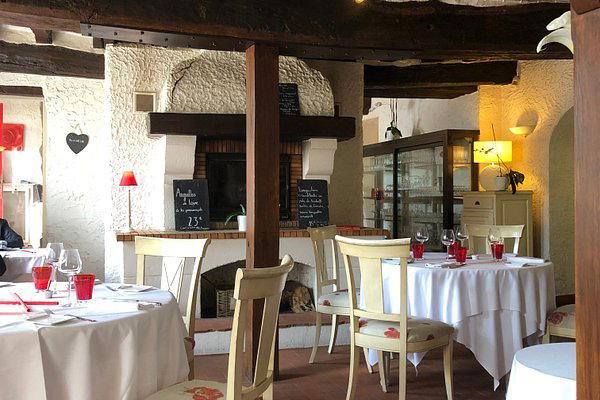

Details
- Romantic
- Quiet
- Scenic
- Elegant
- Rustic
- Romantic Getaway
- Weekend Escape
- Anniversary
- Garden
- Terrace
- Historic Building
- Panoramic View
- Wi Fi
- Pool
- Breakfast Included
- Free Parking
- Vineyard
- Garden
Serene and refined with warm hospitality; rooms feature vintage furnishings combined with modern amenities, overlooking vineyards in a peaceful, well-maintained setting.