

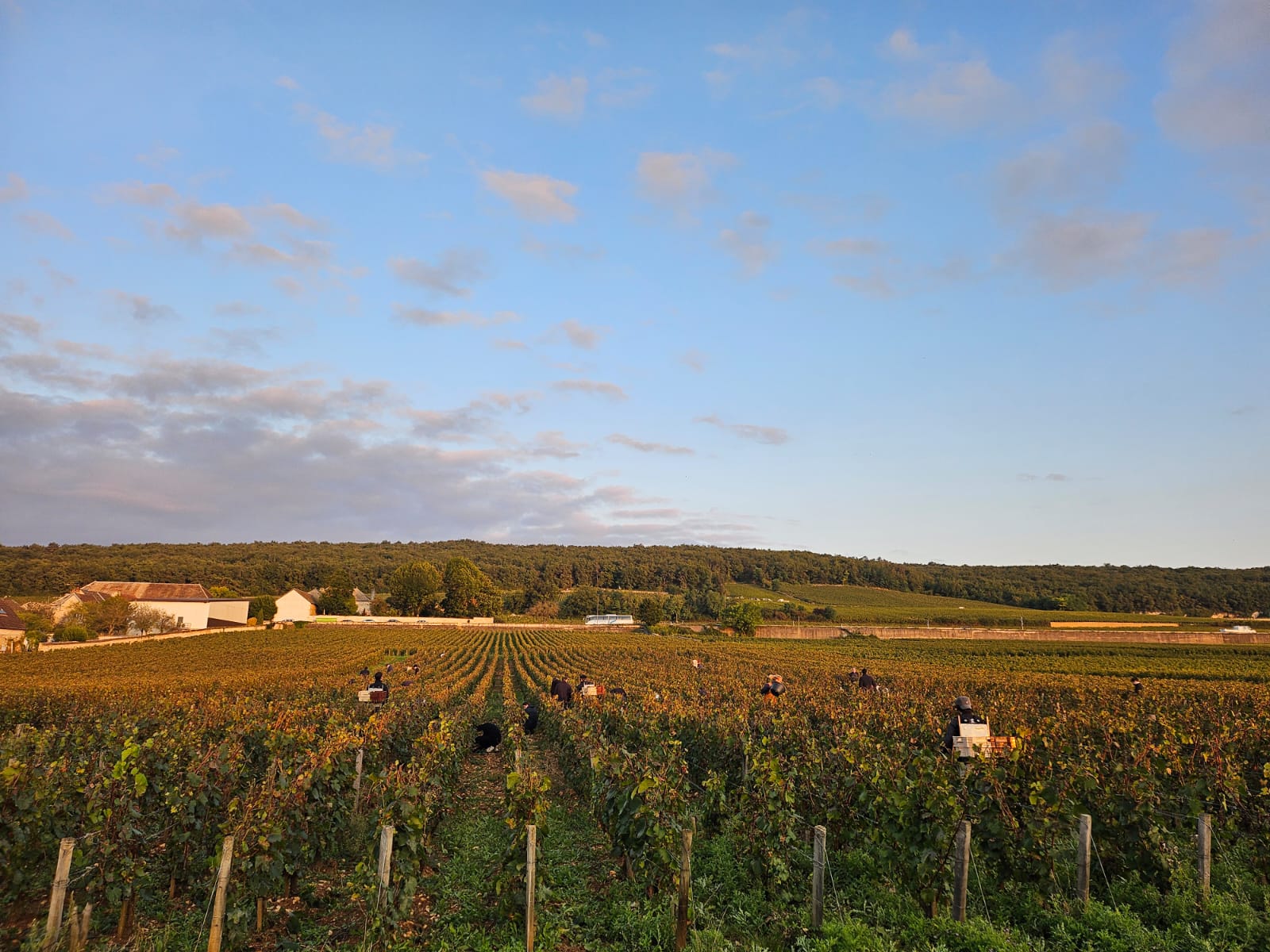
Camille Thiriet produces low-intervention Pinot Noir under the Côte de Nuits-Villages AOC on limestone soils at the northern Côte de Nuits fringe.
Pearl is the En Primeur Club membership app — saves, bookings, and concierge access live there. Same editors, same standards.
- Address
- 114 Grande Rue, 21700 Corgoloin
- Phone
- +33 6 08 91 86 83
- Website
- maisoncamillethiriet.com
 Saves & bookings on Pearl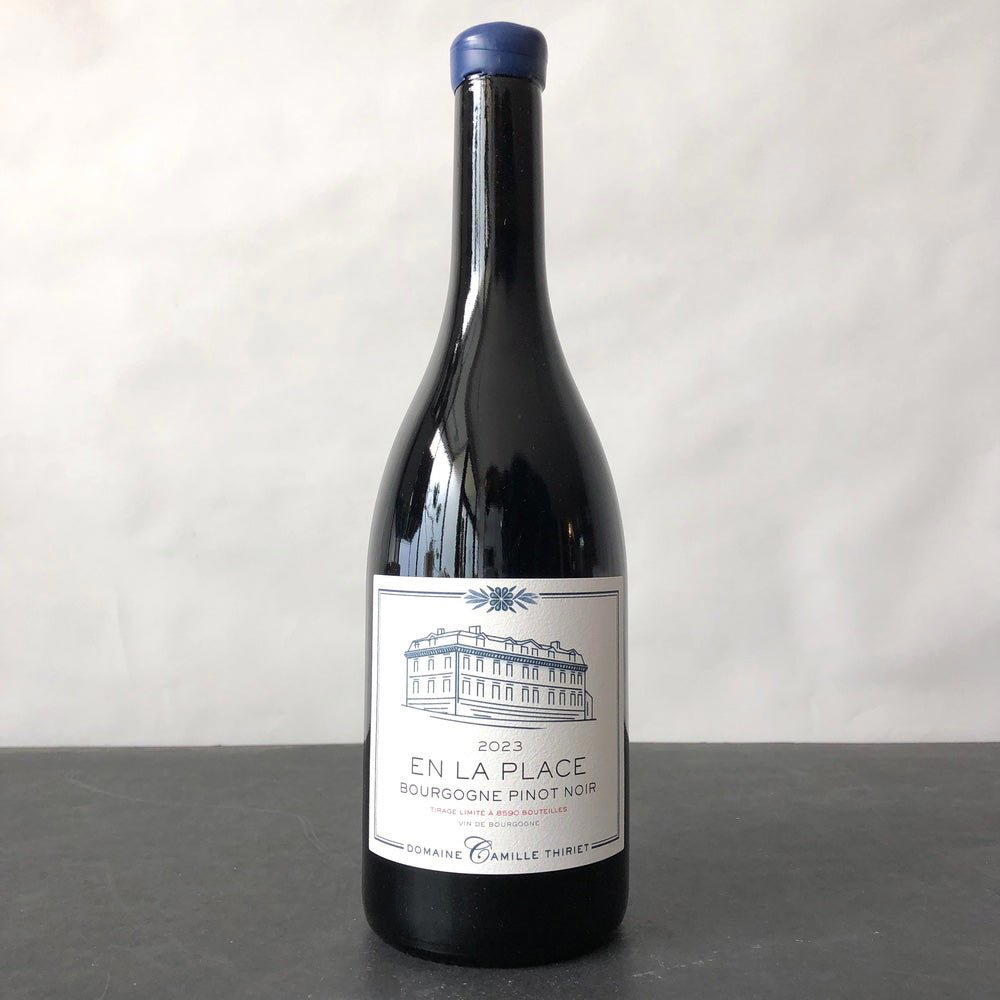
Burgundy's small-grower tradition has historically refined technical precision over production volume, with many domaines operating at scales that would be unsustainable in more industrialized wine regions. Camille Thiriet in Côte de Nuits-Villages works within this lineage, producing wines under the Côte de Nuits-Villages appellation. The Côte de Nuits-Villages appellation covers communes at both the northern and southern ends of the Côte de Nuits. The Côte de Nuits-Villages AOC covers five separate communes that lie north and south of the more acclaimed Grand Cru and Premier Cru villages: Fixin, Brochon, Premeaux-Prissey, Comblanchien, and Corgoloin, with a production footprint dominated by Pinot Noir on limestone-rich soils that share the geological backbone of the Grand Cru slopes but lack the historic market recognition that drives allocation pricing in the adjacent villages. Camille Thiriet's operation reflects the technical and economic realities of this tier: access to the same geological substrate and the same winemaking protocols that define serious Burgundy, but without the multi-decade waiting lists or four-figure bottle prices that characterize output from the classified villages immediately to the south.
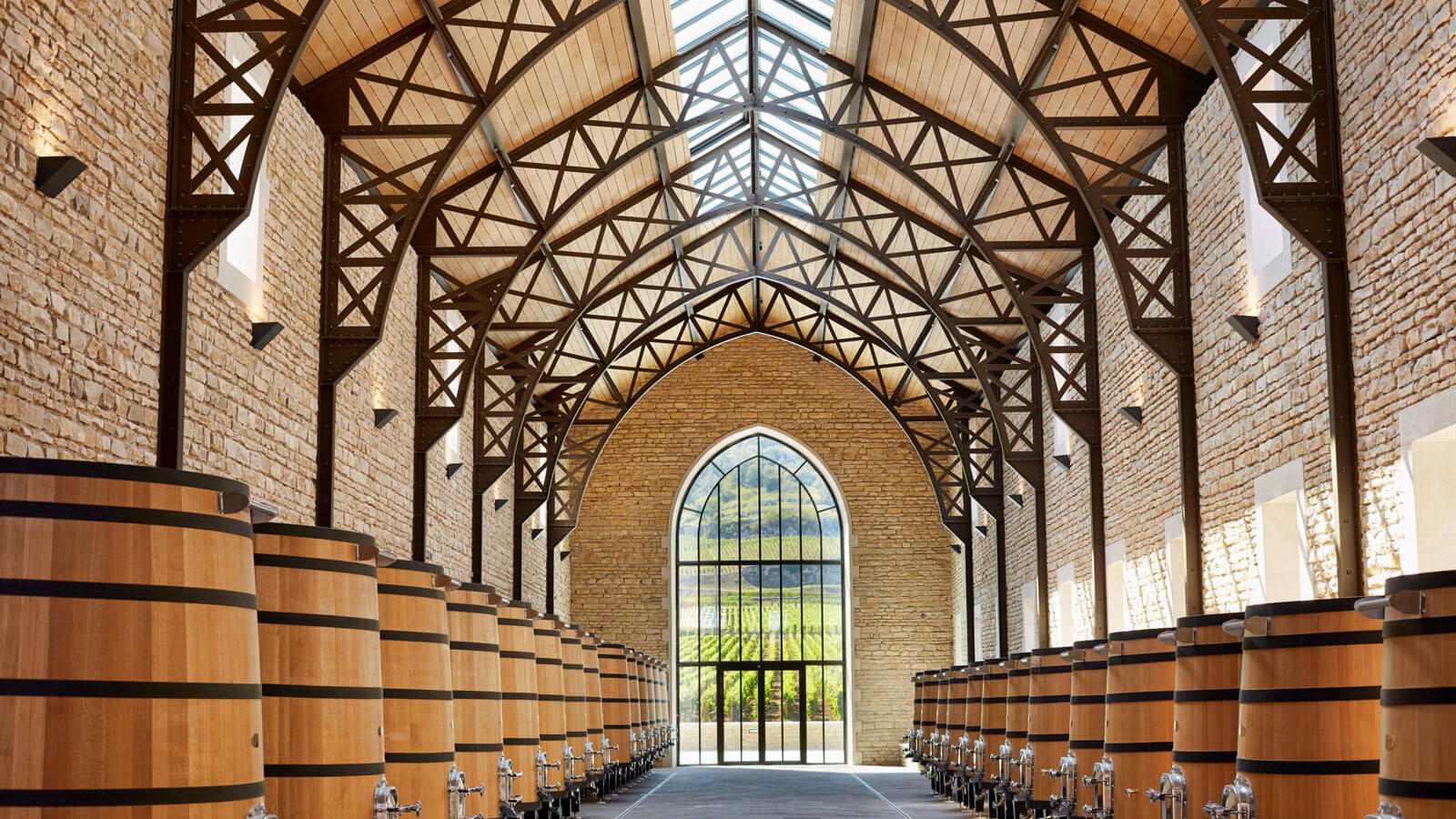
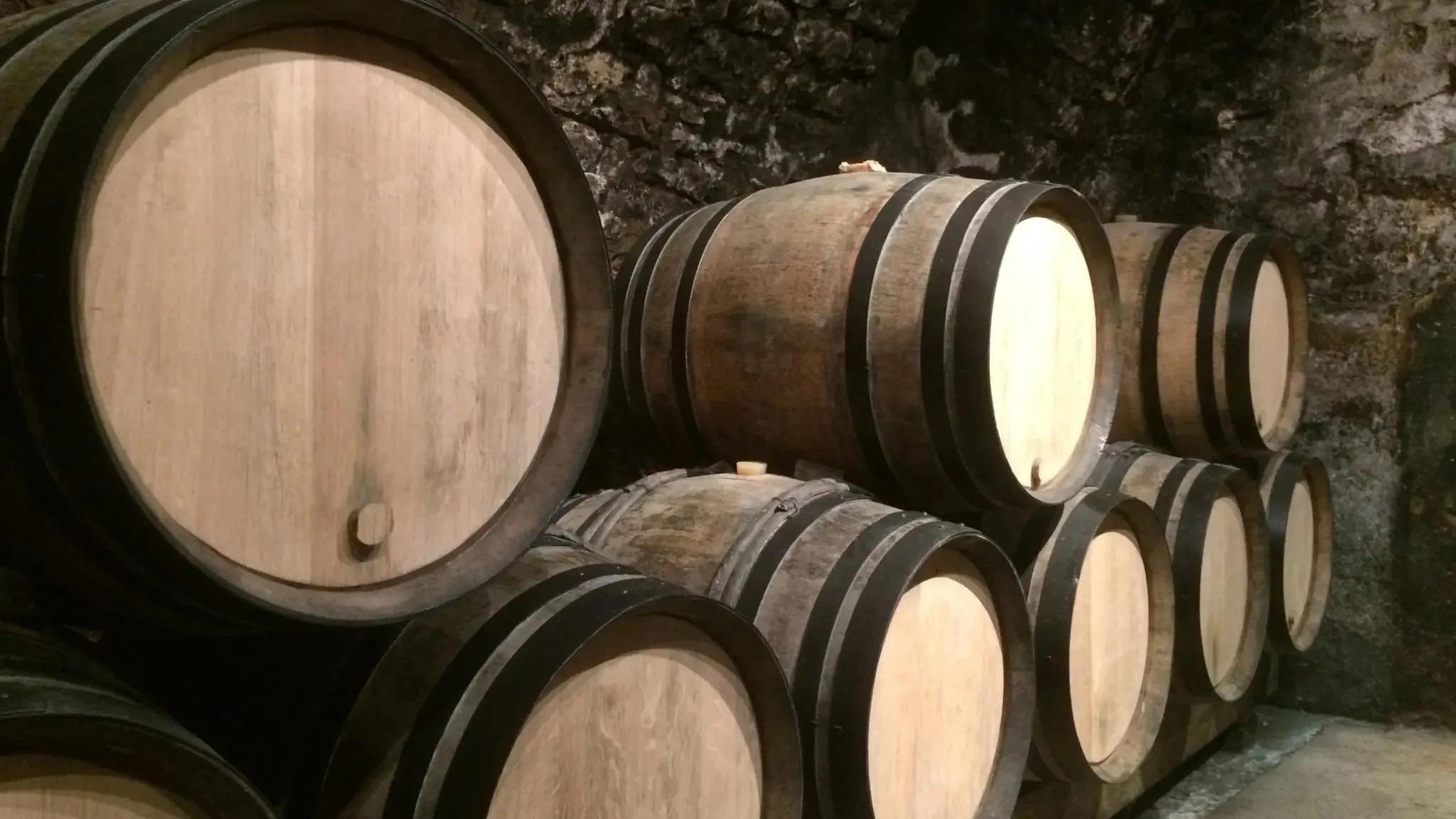
The domaine's working practice aligns with the broader low-intervention school that has gained traction across Burgundy over the past two decades, a movement rooted in the work of figures such as Henri Jayer in Vosne-Romanée and extended through disciples including Christophe Roumier at Domaine Georges Roumier in Chambolle-Musigny and Emmanuel Rouget at Domaine Emmanuel Rouget in Flagey-Échézeaux. This lineage emphasizes minimal handling in the cellar, native-yeast fermentation, restrained use of new oak (typically 20 to 30 percent across a range of barrels, with the remainder in older wood to avoid overwhelming the fruit), and an extended élevage period of 14 to 18 months before bottling. Sulfur dioxide additions are kept low, often below 50 milligrams per liter total SO2 at bottling, relying instead on cellar hygiene and careful temperature management to stabilize the wine. Camille Thiriet's bottlings sit within this technical framework. The absence of granular detail is itself characteristic of small-grower Burgundy, where transparency around cellar work varies widely and where winemakers often resist the kind of technical disclosure that has become standard in other regions.
Côte de Nuits-Villages as a category occupies a specific niche within Burgundy's hierarchy. The appellation was created in 1964, consolidating what had previously been sold as generic Bourgogne Rouge from parcels in the five permitted communes. The intention was to provide a step up in recognition and price from regional Bourgogne while remaining more accessible than the village-level wines of Gevrey, Morey, or Vosne. In practice, the appellation functions as a proving ground for younger vines, a home for parcels that do not meet the soil or exposure criteria for village classification, and a production outlet for small growers who lack sufficient holdings in Premier Cru or Grand Cru sites to build a reputation on those wines alone. The wines themselves are typically less concentrated than village-level Burgundy from the classified communes but share the same structural profile: red-fruit aromatics dominated by cherry and raspberry, medium body, relatively high acidity, and moderate tannin that softens over three to five years in bottle. The leading examples, particularly those from Fixin, where the soils transition into the limestone of Gevrey-Chambertin's lower slopes, can age for a decade or more, though the majority of Côte de Nuits-Villages production is intended for consumption within five to seven years of the vintage.
Camille Thiriet's peer set within the appellation includes a mix of small growers and larger cooperatives. Among the former, Domaine de la Poulette in Fixin and Domaine Gachot-Monot in Premeaux-Prissey represent the high end of the category, with both producing wines that sell at price points closer to village-level Gevrey or Vosne than to regional Bourgogne. These domaines benefit from holdings in Premier Cru sites within their respective communes, which provide both revenue and market credibility that refine their Côte de Nuits-Villages bottlings by association. Cooperative production, meanwhile, accounts for a significant share of the appellation's total output, with the Cave des Hautes-Côtes in Beaune and similar operations bottling Côte de Nuits-Villages under multiple labels for distribution into the mid-market French and export channels. Camille Thiriet's position within this landscape places the operation in the small-grower cohort rather than in the industrial tier.
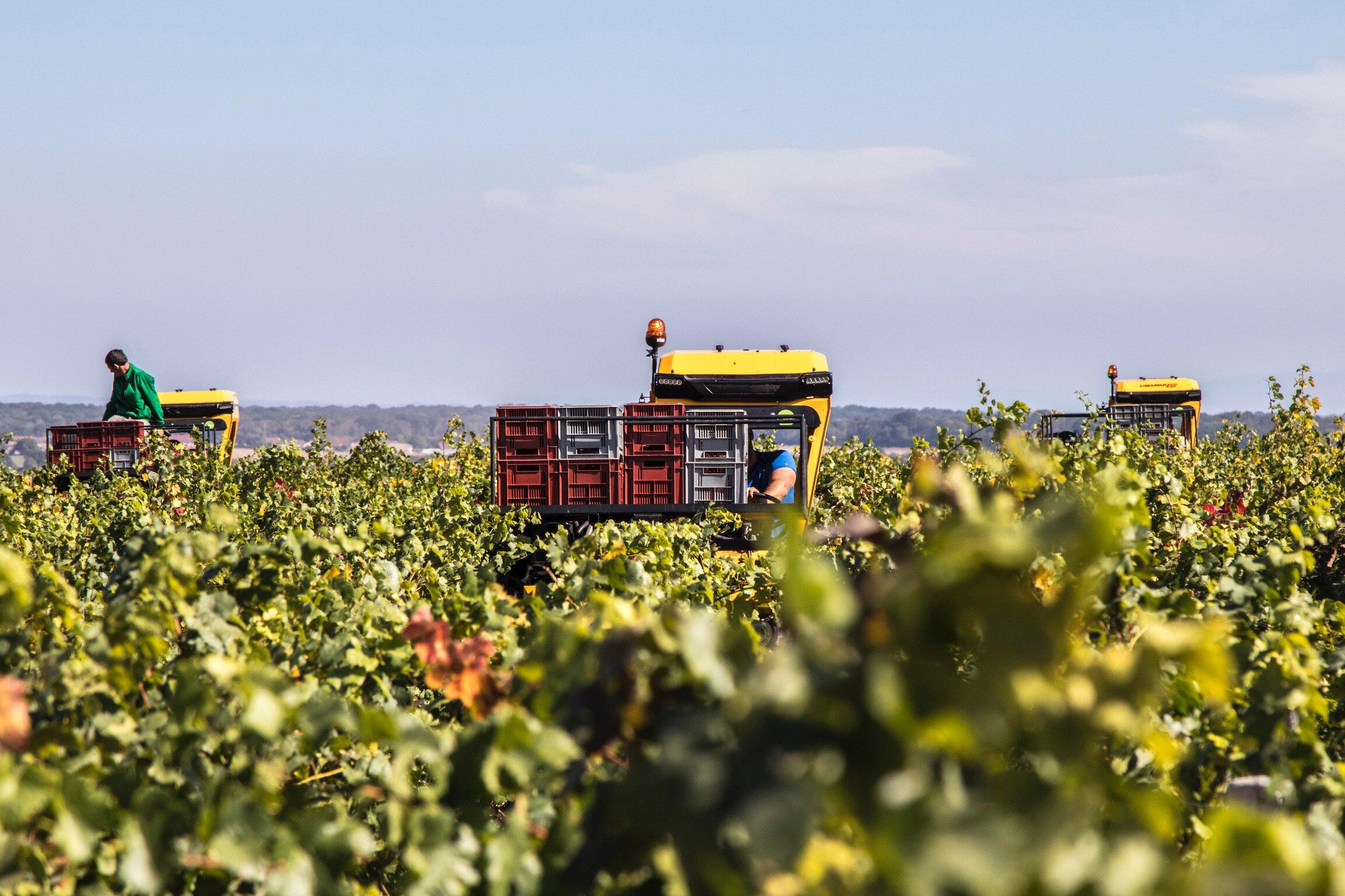
The small-grower model in Burgundy carries specific economic and operational constraints. Holdings are typically fragmented across multiple parcels, with total vineyard area often below five hectares and individual plots measuring less than one hectare each. This scale makes mechanization impractical and drives labor costs per bottle well above the levels seen in larger estates. Hand-harvesting is the norm, as is manual sorting of fruit before fermentation. Canopy management, leaf-thinning, cluster-thinning, and green-harvesting to reduce yields and concentrate flavors, requires repeated passes through the vineyard during the growing season, further increasing labor input. The result is a cost structure that depends on premium pricing to remain viable, but without the brand recognition or critical acclaim that would support the pricing premiums commanded by classified-village wines. Small growers in the Côte de Nuits-Villages appellation must therefore compete on quality within a constrained price band, typically selling at 18 to 30 euros per bottle at the cellar door and 25 to 45 euros on restaurant lists in France. Export pricing adds another 30 to 50 percent depending on the market, with the United States and United Kingdom representing the largest volume destinations outside France.
Access to Camille Thiriet's wines follows the distribution patterns common to small-grower Burgundy. Direct cellar sales account for a meaningful share of volume, with allocation preference given to long-standing customers and to buyers who purchase across multiple vintages rather than cherry-picking only the leading years. Export distribution typically runs through specialized importers focused on small-production Burgundy, with allocations to individual accounts, restaurants, wine shops, private clients, often limited to one or two cases per vintage. The secondary market for Côte de Nuits-Villages remains minimal compared to the active trading in Grand Cru and Premier Cru Burgundy, reflecting both the appellation's lower collectibility and the reality that most bottles are consumed rather than cellared long-term. This distribution structure limits visibility outside the trade and among serious collectors, but it also allows for a degree of price stability absent from the speculative segments of the Burgundy market, where allocation prices on new releases can swing by 30 to 50 percent year-over-year based on critic scores and vintage reputation.
The winemaking lineage that shaped Burgundy's current low-intervention school can be traced through several key transmission nodes. Henri Jayer, working in Vosne-Romanée from the 1950s through the 1990s, established many of the protocols now considered standard: cold pre-fermentation maceration to extract color and aromatics without excessive tannin, native-yeast fermentation without inoculation, minimal use of sulfur, and bottling without filtration. Jayer's influence extended through Emmanuel Rouget, his nephew, and through a broader cohort of Vosne winemakers who adopted and refined his methods. In parallel, the biodynamic movement, led in Burgundy by figures such as Lalou Bize-Leroy at Domaine Leroy and Anne-Claude Leflaive at Domaine Leflaive, introduced a focus on soil health, cover cropping, and the elimination of synthetic treatments in the vineyard. These two streams, low-intervention cellar work and organic or biodynamic viticulture, have converged over the past two decades into what is now often marketed as "natural" Burgundy, though the term itself remains contentious and lacks legal definition. Camille Thiriet's work sits within this broader tradition.
The Côte de Nuits-Villages appellation's geological context provides the foundation for understanding the wines produced there. The Côte de Nuits as a whole runs along the eastern edge of the Morvan hills, with vineyard parcels oriented primarily east and southeast to maximize sun exposure. The soils are limestone-based, with varying degrees of clay, marl, and gravel depending on elevation and proximity to the slope. The Grand Cru vineyards of the Côte de Nuits, Chambertin, Clos de Vougeot, Romanée-Conti, and others, occupy the mid-slope positions where limestone outcrops are closest to the surface and drainage is optimal. Village-level vineyards sit above and below these sites, with slightly deeper soils and less ideal drainage. Côte de Nuits-Villages parcels, by definition, fall outside the classified village boundaries, often at the top of the slope where soils are thinner and more prone to erosion, or at the base where heavier clay soils retain more water and can delay ripening. These differences in terroir translate directly into the wines: less concentration, lighter body, and earlier drinking windows compared to village-level and Grand Cru bottlings from the same vintage. The trade-off is price accessibility and, for producers who farm carefully, a level of quality that exceeds what is typically found at the regional Bourgogne level.
Annual case production for domaines of this profile typically ranges from 500 to 2,000 cases across all cuvées, with individual bottlings often limited to 50 to 200 cases depending on the size of the parcel and the vintage yield. Burgundy's strict appellation laws cap yields at 40 hectoliters per hectare for village-level reds and 45 hectoliters per hectare for regional appellations such as Côte de Nuits-Villages, though many quality-focused producers voluntarily reduce yields to 30 to 35 hectoliters per hectare through green-harvesting and cluster-thinning. These figures translate to roughly 2,500 to 3,000 bottles per hectare at the legal maximum and 2,000 to 2,300 bottles per hectare for low-yield producers. For a small grower with two to three hectares under vine in Côte de Nuits-Villages, total production might sit at 5,000 to 7,000 bottles per year, with the majority sold within France and the remainder allocated to export markets.
The cellar door and direct-sales model that defines much of small-grower Burgundy carries implications for both pricing and access. Without the overhead of a distributor network or the marketing costs associated with brand-building in competitive export markets, small producers can maintain lower retail prices while still covering production costs. The trade-off is limited visibility and the requirement that buyers visit the domaine in person or maintain long-standing relationships to secure allocations. This model works in Burgundy because the region's reputation draws a steady stream of trade buyers, sommeliers, and serious collectors who make annual buying trips to the Côte de Nuits and Côte de Beaune. For producers in the Côte de Nuits-Villages appellation, however, the challenge is greater: these domaines lack the name recognition of Gevrey-Chambertin or Vosne-Romanée, and buyers making the trip from Paris or Lyon often prioritize visits to the classified villages over the regional appellations. The result is a bifurcated market, with a small number of well-connected growers in Côte de Nuits-Villages securing consistent placements on serious wine lists in France and abroad, while the majority remain dependent on local sales and word-of-mouth.
Positioning Camille Thiriet within the broader Burgundy landscape requires attention to both the appellation's structural role and the domaine's production approach. The Côte de Nuits-Villages AOC functions as an entry point into serious Burgundy for buyers who find village-level wines prohibitively expensive but who seek more complexity and aging potential than regional Bourgogne typically offers. The wines are not substitutes for Grand Cru or Premier Cru Burgundy, the concentration, depth, and aging curve are simply not comparable, but they do provide access to the same winemaking traditions, the same limestone-driven terroir, and often the same cellar techniques that define the region's most acclaimed bottlings. For producers like Camille Thiriet, the challenge is to communicate this value proposition without overstating the wines' place in the hierarchy, and to build a distribution network that reaches buyers who understand the trade-offs inherent in the appellation's positioning. Success in this segment depends less on critical scores or high-profile placements, Côte de Nuits-Villages rarely garners the attention of Burgundy's most influential critics, and more on consistent quality, fair pricing, and the ability to maintain relationships with buyers who return vintage after vintage.
How It Stacks Up
Comparable venues nearby, for context on price, style, and recognition.
| Venue | Cuisine | Price | Notes |
|---|---|---|---|
| Domaine Camille ThirietThis venue — the venue you are viewing | Pinot Noir, Chardonnay | $$$ | |
| Domaine Didier Fornerol | Pinot Noir, Chardonnay | $$ | Corgoloin |
| Domaine Bruno Clair | Pinot Noir, Chardonnay | $$$ | Marsannay-la-Côte |
| Domaine Henri & Gilles Buisson | Pinot Noir, Chardonnay | $$$ | Saint-Romain |
| Maison Champy | Pinot Noir, Chardonnay | $$$ | Beaune |
| Château de la Tour | Pinot Noir, Chardonnay | $$$ | Vougeot |
Continue exploring
More in Corgoloin
Wineries in Corgoloin
Browse all →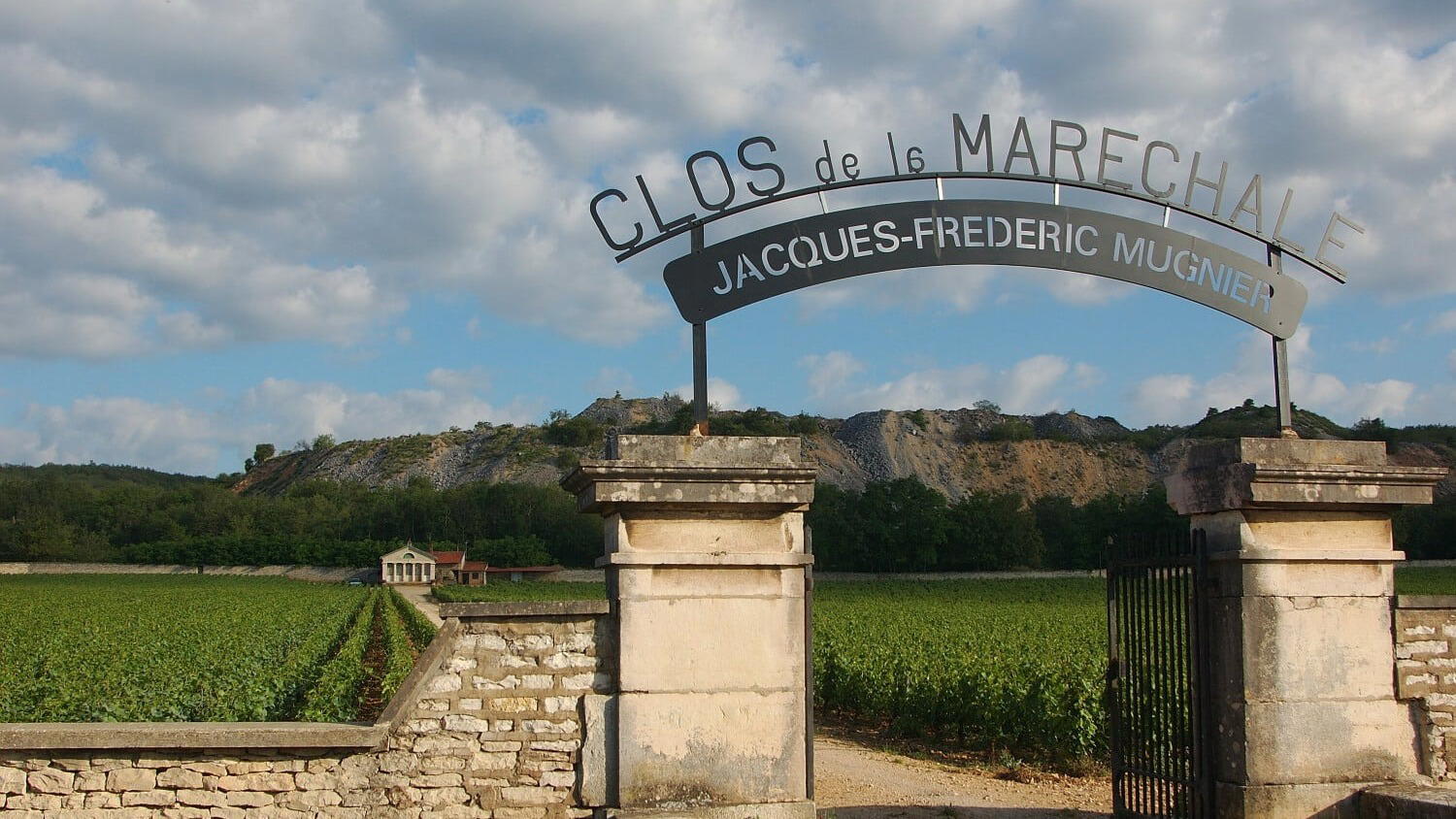
Bars in Corgoloin
Browse all →
Restaurants in Corgoloin
Browse all →
At a Glance
- Rustic
- Intimate
- Classic
- Bohemian
- Wine Education
- Solo Exploration
- Barrel Room
- Vineyard Tour
- Estate Grounds
- Private Tasting
- Organic
- Sustainable
- Vineyard
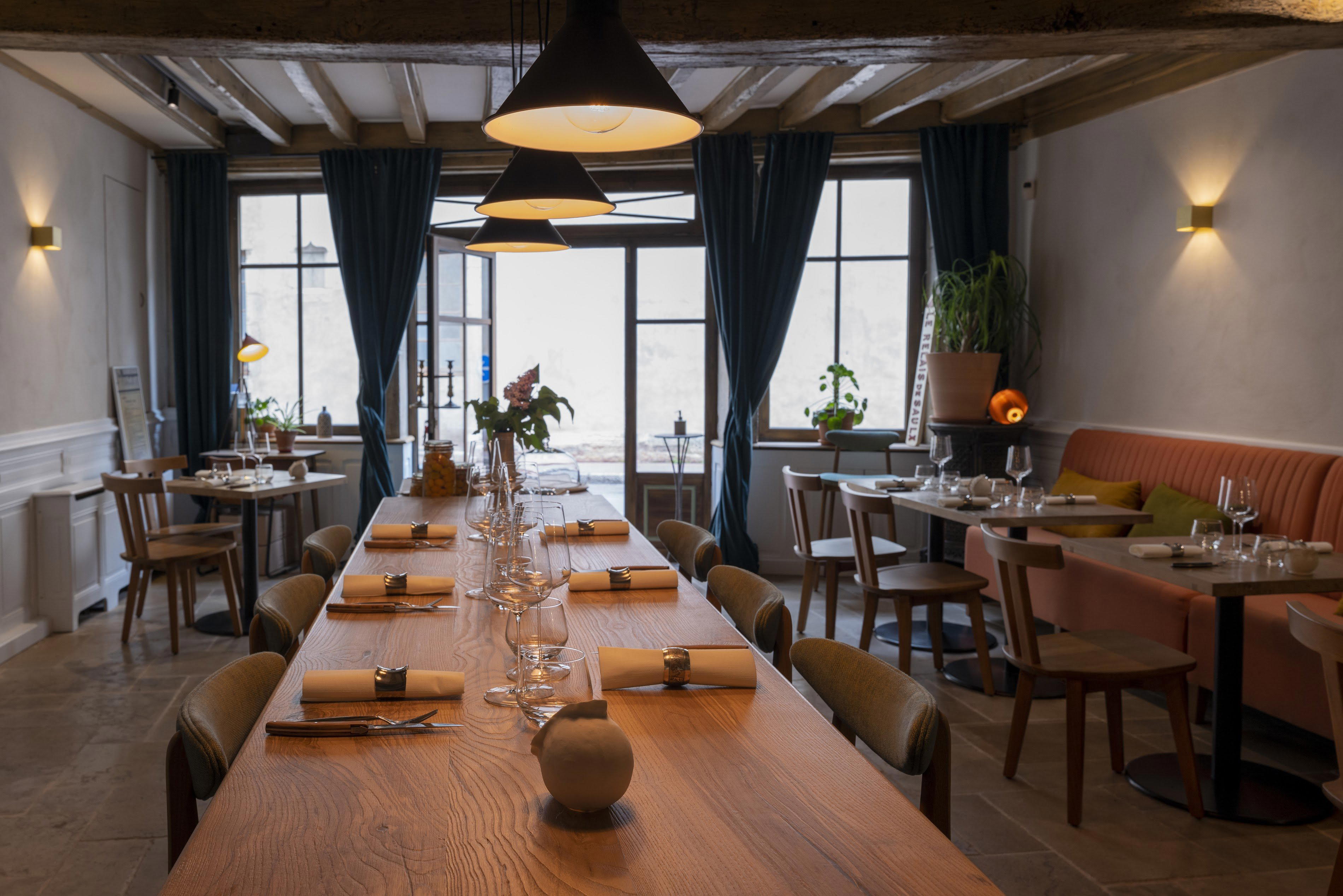
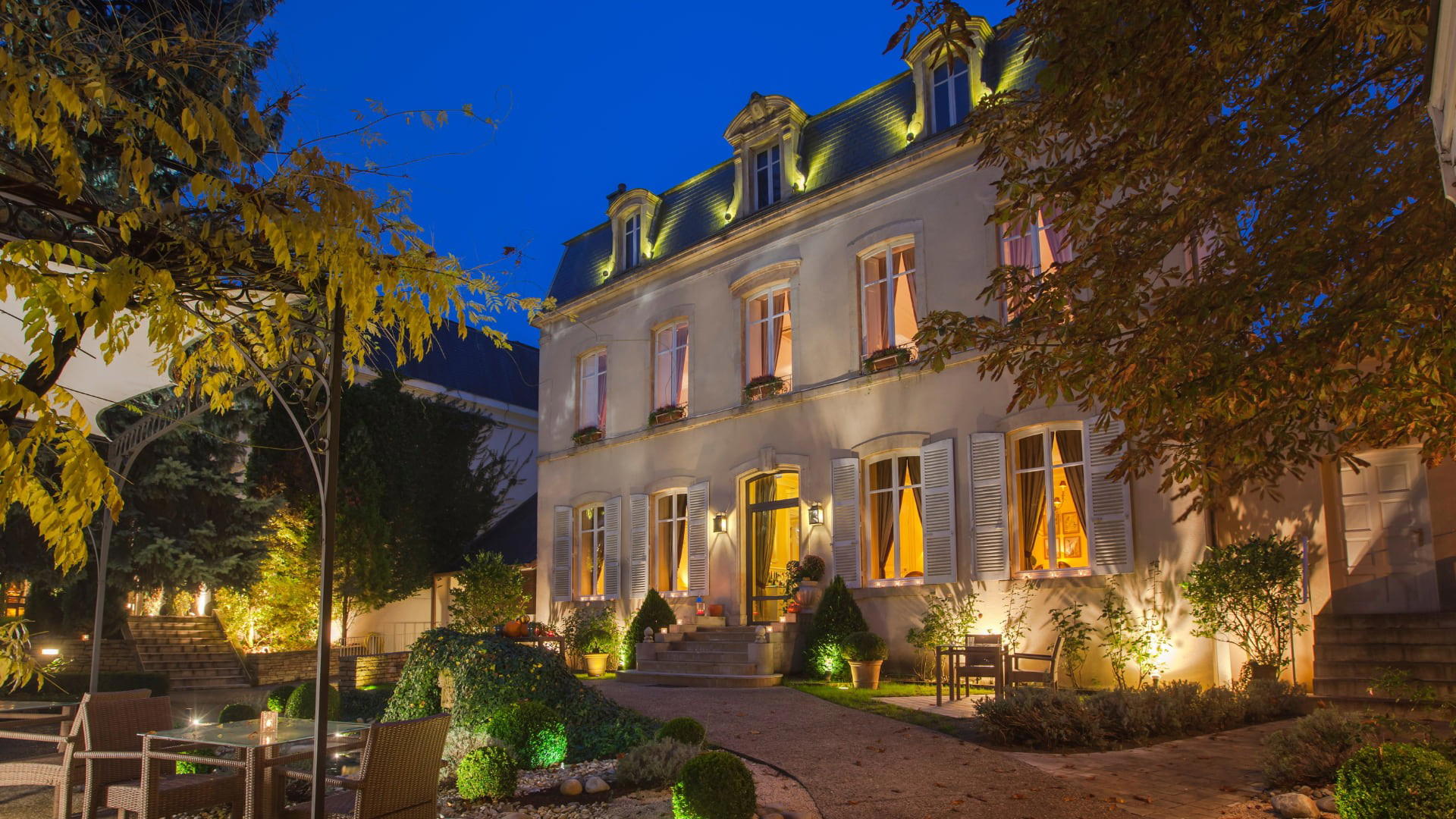
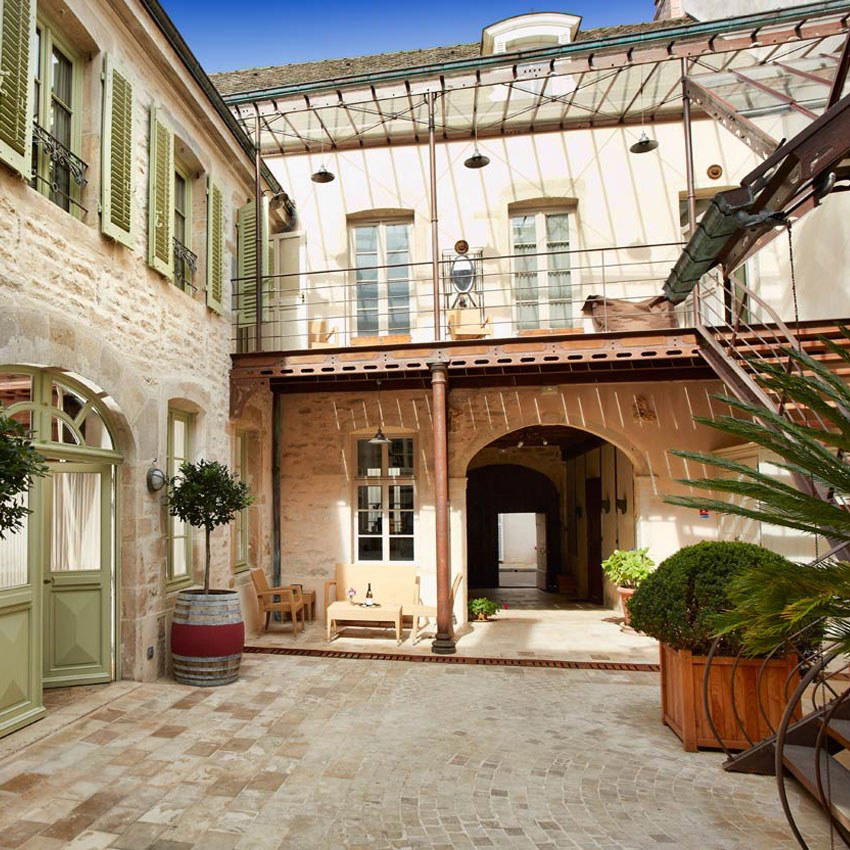
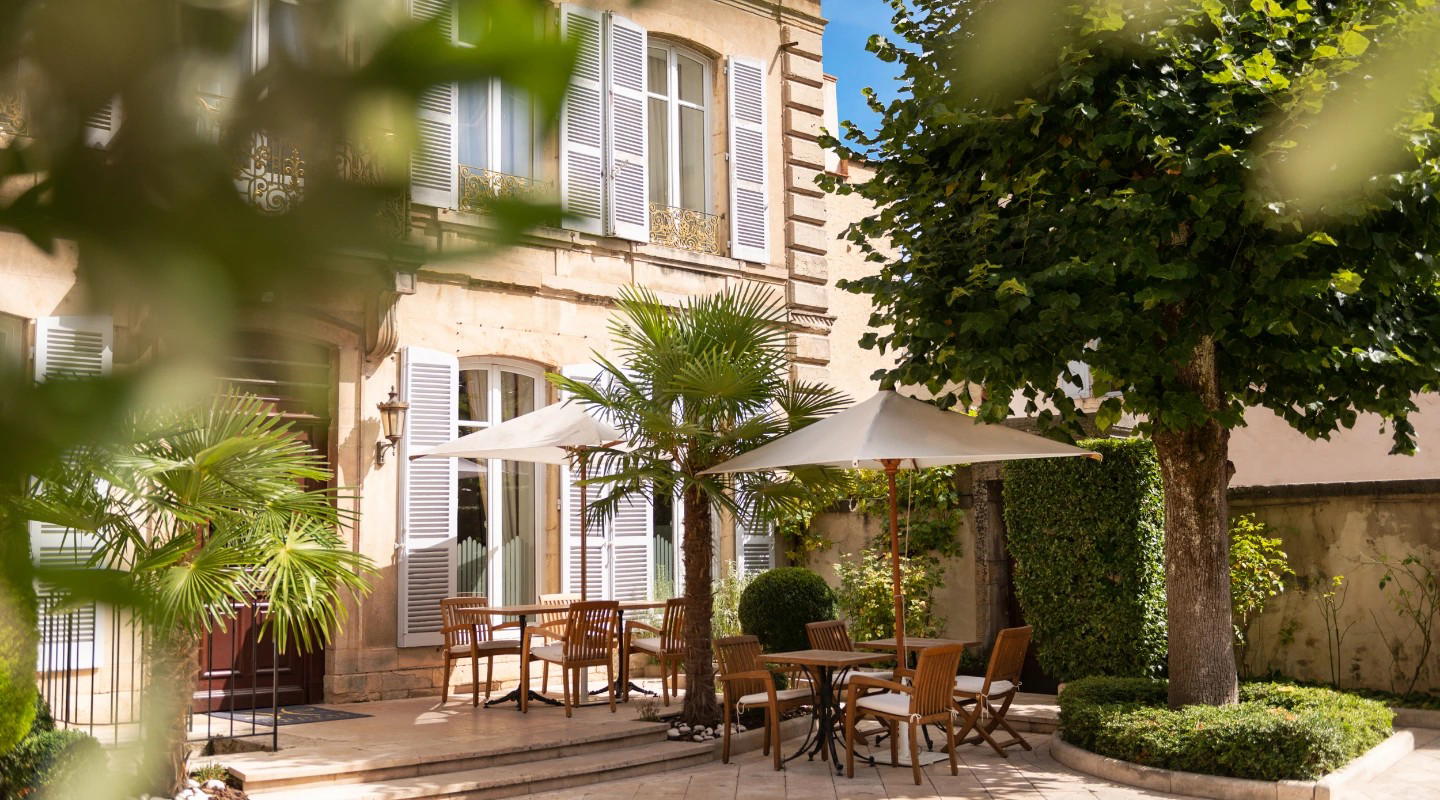
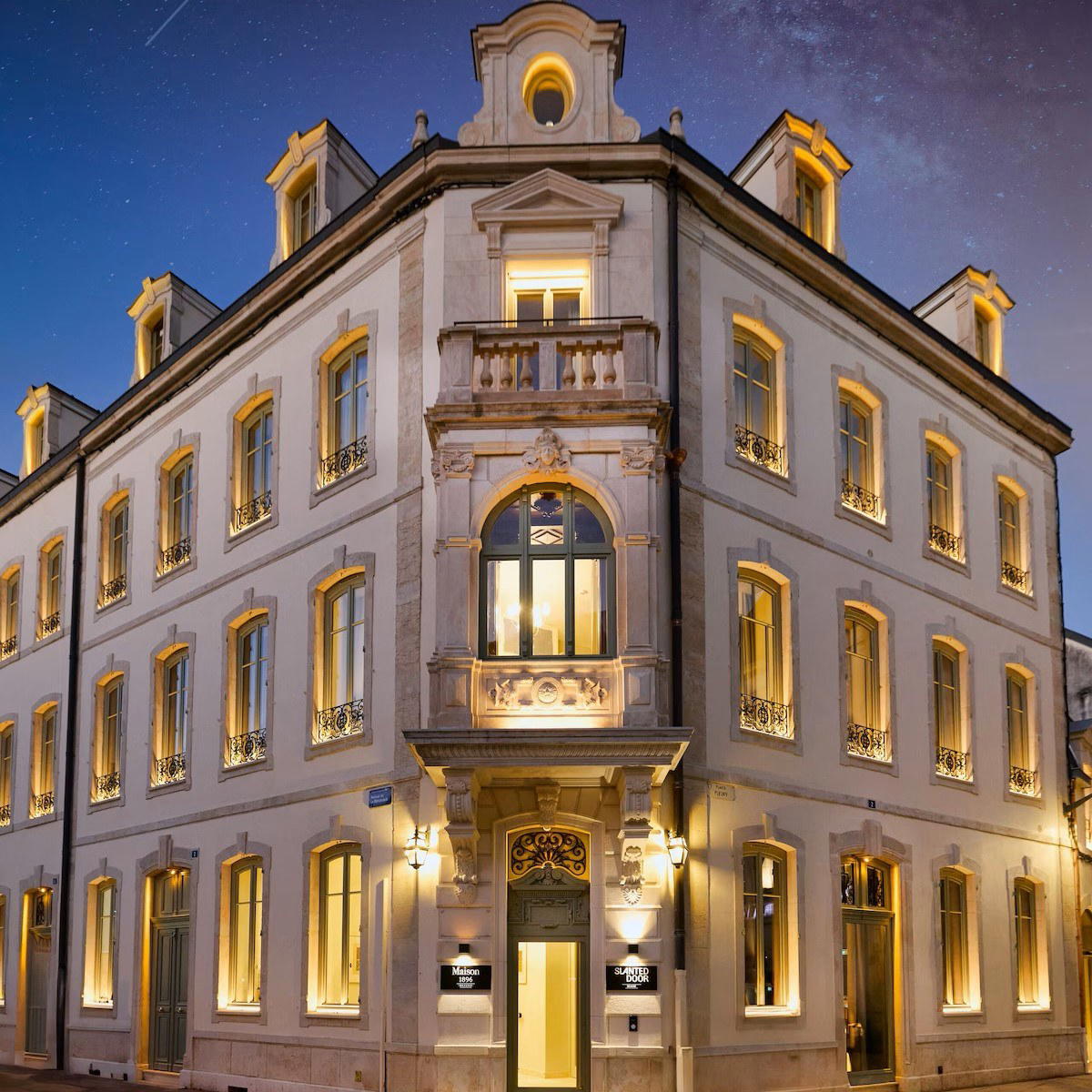
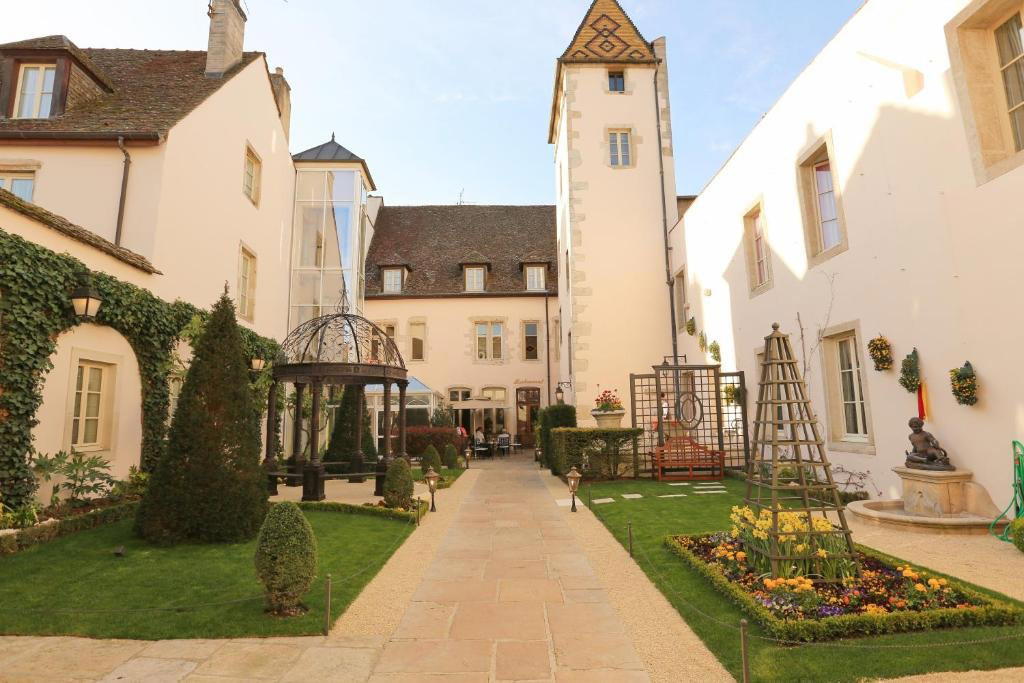
Intimate, rustic cellar environment with a focus on traditional winemaking; minimal modern amenities reflecting the domaine's artisanal philosophy and commitment to terroir expression.