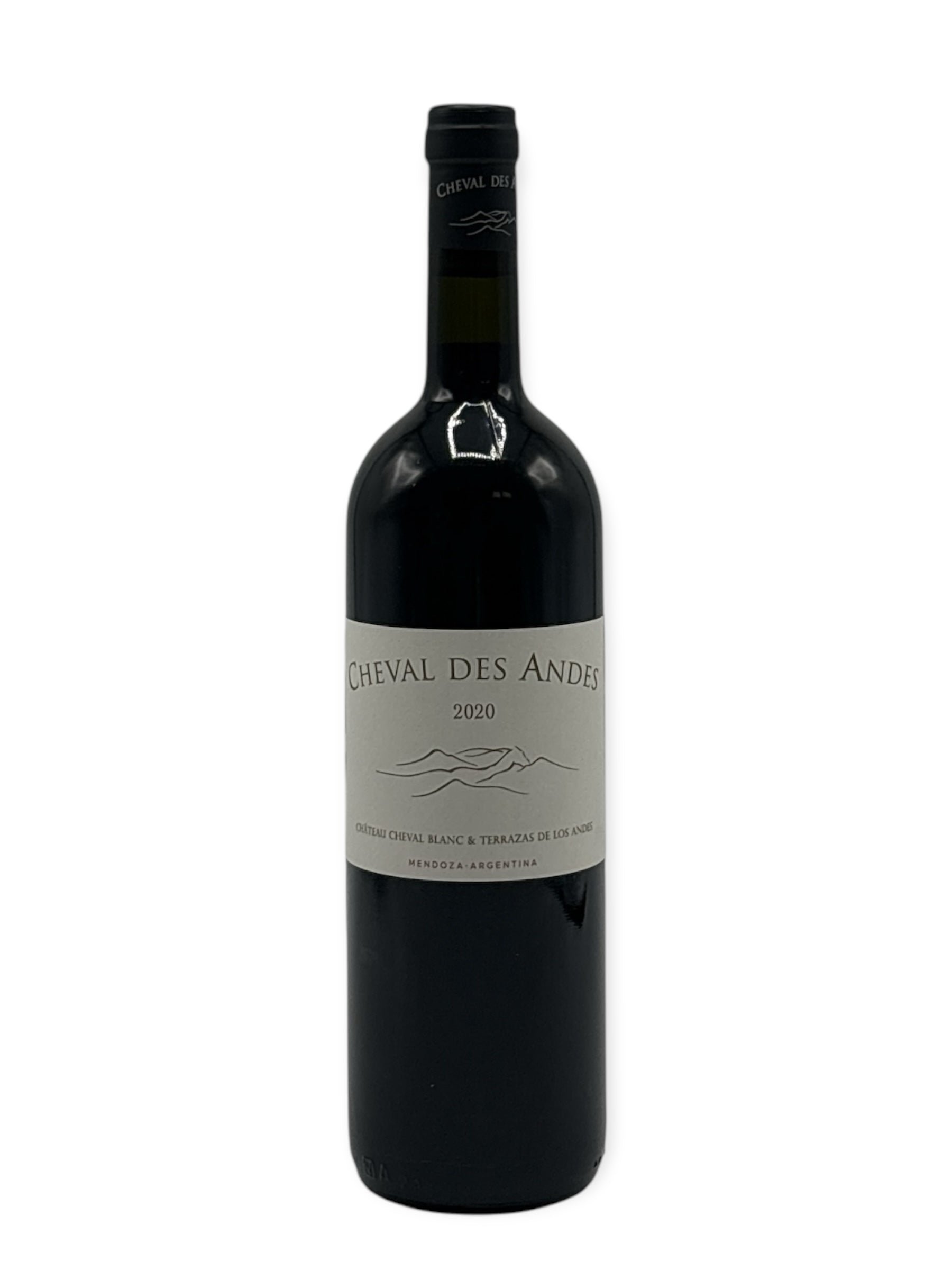
Cheval des Andes

Cheval des Andes holds a Pearl 3 Star Prestige rating (2025) and occupies one of Luján de Cuyo's most serious positions in Mendoza's premium wine tier. A joint venture between Terrazas de los Andes and Château Cheval Blanc, it produces structured, Cabernet-heavy blends that place it squarely in the region's collectible-allocation bracket, with a visiting experience calibrated to match that ambition.
Where Mendoza's High Altitude Meets Bordeaux Discipline
Approach Luján de Cuyo in the late afternoon and the light does something particular to the vine rows: it flattens the Andes behind them into a single dramatic plane, making the altitude feel less like an abstraction and more like a physical pressure. The wine district that runs south from the city along the piedmont has long been Mendoza's premium address, and within it, the properties that operate at the very leading of the allocation pyramid carry a specific kind of stillness. Cheval des Andes sits in that register. The estate functions less as a visitor attraction and more as a working argument for what this terroir can produce when paired with Old World structural thinking.
The Logic Behind a Franco-Argentine Collaboration
Mendoza's premium tier has always attracted European capital, but not all joint ventures resolve into coherent propositions. The more successful ones involve a genuine exchange of method: local altitude and fruit intensity meeting European restraint in the winemaking room. Cheval des Andes is a partnership between Terrazas de los Andes and Château Cheval Blanc — the Saint-Émilion first growth — and the collaboration is substantive enough to have shaped not just the label's reputation but its position within the regional peer set.
In a wine region where Malbec has become the default idiom, estates operating with Cabernet Franc and Cabernet Sauvignon as primary or co-primary varieties occupy a narrower, more pointed niche. That niche correlates with Bordeaux-trained methodology: blending across parcels, attention to aging architecture, and restraint in extraction. The 2025 Pearl 3 Star Prestige award confirms Cheval des Andes' placement in the upper bracket of Luján de Cuyo producers, where the peer set includes properties like Bodega Lagarde and Nieto Senetiner, though Cheval des Andes operates at a distinct price and ambition point above the broader appellation.
How the Wine Range Is Structured
The architecture of a wine portfolio functions like a menu at a serious restaurant: it reveals the producer's editorial priorities before a single bottle is opened. At Cheval des Andes, the range is deliberately narrow rather than expansive. This is not a winery trying to address every market segment with a tiered line from entry-level through reserve. The concentration of effort at the leading of the range signals that the collaboration was conceived as a prestige project rather than a volume operation.
That approach places it in a specific competitive bracket within Argentine wine. Where producers like Chakana Winery and Durigutti Winemakers explore the appellation through biodynamic or artisanal frameworks, and Bodega Norton operates across a wider commercial range, Cheval des Andes maintains a single-minded focus on structured, age-worthy blends. The decision to keep the range tight is itself a statement about the estate's relationship to the Cheval Blanc heritage, where portfolio discipline and scarcity are part of the value proposition.
The blends typically integrate Malbec with Cabernet Franc and Cabernet Sauvignon in proportions that shift with each vintage, reflecting the Franco-Argentine sensibility at the core of the project. Unlike single-varietal bottlings that make the winemaking argument simple, a blend-first approach demands that the final wine justify every component decision. It is a more complex editorial position, and visiting the estate with that framework in mind changes how tastings land.
The Luján de Cuyo Setting
Luján de Cuyo is the appellation that first anchored Mendoza's premium identity internationally, and it remains the district where altitude, drainage, and vine age converge most consistently. Properties here operate at elevations broadly between 900 and 1,100 metres, a range that moderates the heat of the growing season and extends hang time. That additional time on the vine before harvest is a primary driver of the structural complexity that the region's leading producers rely on.
The visiting infrastructure in Luján de Cuyo has matured significantly. The appellation now supports a full week of serious wine travel without repetition, connecting estate visits with the broader Mendoza offer. For context on what that full programme looks like, our full Luján de Cuyo wineries guide maps the appellation's producers across price points and styles. Nearby, our full Luján de Cuyo restaurants guide covers the dining options that pair naturally with a day on the wine road, and our full Luján de Cuyo hotels guide addresses where to stay within the appellation rather than retreating to the city each evening.
Tasting at the Estate
Visiting a prestige winery is a different exercise from dining at a restaurant, but the structural parallel holds: you are asking the host to justify a specific price and format relative to what else exists in the same tier. At the leading of Luján de Cuyo, where several estates run serious hospitality programmes, the differentiator is rarely just wine quality. It is the degree to which the visit feels calibrated rather than theatrical.
Cheval des Andes sits in the category where the wines themselves carry the argument. The tasting experience is oriented toward the blends and their development in bottle rather than toward entertainment or scale. If you are visiting Mendoza with collecting or serious study as a primary motivation, this is where the estate sits relative to the broader offer. Complement the visit with stops at more accessible properties to build comparative context before arriving at the top-tier appointments.
For those extending beyond Mendoza, the Argentine wine map at the prestige level includes properties worth significant travel: Bodega Colomé in Molinos operates at extreme altitude in the north, while Bodega El Esteco in Cafayate addresses the Torrontés and high-altitude Cabernet conversation from a different geographic base. For international reference points in the premium estate category, Bodega DiamAndes in Tunuyán represents another Franco-Argentine collaboration with a similarly focused proposition, positioned in the Uco Valley rather than Luján de Cuyo.
European estate comparisons are instructive. Properties like Abadía Retuerta in Sardón de Duero offer a useful Old World reference for what a single-estate prestige model looks like when range discipline and terroir focus are applied consistently across decades. Further afield, Aberlour in Aberlour demonstrates how a heritage-backed prestige operation sustains identity across markets , a different category but the same underlying logic of scarcity and method as the primary value signal.
Planning a Visit
Cheval des Andes is located in the Luján de Cuyo appellation within Mendoza Province. Visits to prestige estates in this district are leading arranged well in advance, as appointments at the leading of the Luján de Cuyo tier fill early, particularly during the March-April harvest season when international buyers and collectors converge. The shoulder months of October through November and late March carry the most favourable conditions for both travel logistics and cellar availability. The appellation sits roughly 30 minutes south of Mendoza city by road, making it direct to base yourself in the city and travel out for appointments, though several properties within the appellation offer accommodation for those who prefer to stay on the wine road. Check our full Luján de Cuyo bars guide and our full Luján de Cuyo experiences guide for the full picture of what the district offers beyond the cellar door.
Frequently Asked Questions
What's the vibe at Cheval des Andes?
Cheval des Andes operates in the focused, appointment-driven tier of Luján de Cuyo , the part of the appellation where the experience is calibrated around the wine rather than around hospitality spectacle. It holds a Pearl 3 Star Prestige rating (2025), which positions it at the premium end of the Mendoza producer set. Expect a serious tasting environment rather than a large-scale visitor centre. It suits collectors and travellers for whom the wine itself is the primary reason to visit, and who are comfortable with the price points that come with that positioning.
What wines is Cheval des Andes known for?
The estate is known for structured, Bordeaux-influenced blends that integrate Malbec with Cabernet Franc and Cabernet Sauvignon. The collaboration with Château Cheval Blanc gives the project a direct line to Saint-Émilion blending tradition, applied to high-altitude Mendoza fruit from the Luján de Cuyo appellation. Vintage variation is built into the blend architecture: the proportions shift year to year, which is a deliberate expression of the Old World model rather than a concession to market expectation. The 2025 Pearl 3 Star Prestige recognition anchors the estate's place in the upper bracket of Argentine premium wine.
In Context: Similar Options
A quick context table based on similar venues in our dataset.
| Venue | Cuisine | Price | Awards | Notes |
|---|---|---|---|---|
| Cheval des Andes | Pearl 3 Star Prestige (2025) | This venue | ||
| Bodega Lagarde | ||||
| Bodega Norton | ||||
| Chakana Winery | ||||
| Durigutti Winemakers | ||||
| Nieto Senetiner |
Access the Cellar?
Our members enjoy exclusive access to private tastings and priority allocations from the world's most sought-after producers.
Access the Concierge