Where the Ingredients Come From, and Why That Shapes the Plate
Sourcing-led kitchens in France divide into two rough categories: those that market the concept and those that let it govern the menu. The evidence at Le Coude à Coude points toward the latter. Vegetables arrive from a nearby farm, fruit from an orchard, fish from La Cotinière, the fishing port on the Île d'Oléron where the Atlantic shelf delivers sole, sea bass, and shellfish to the quayside most mornings. La Cotinière sits roughly 90 kilometres southwest of Jarnac-Champagne, close enough that the supply chain remains genuinely short rather than aspirationally labelled.
That Atlantic connection matters in a region better known for brandy than seafood. The Charente-Maritime coastline produces some of the most respected oysters in France, along with line-caught fish that rarely makes it far inland before being absorbed by the coastal restaurant trade. A bistro in Jarnac-Champagne that routes its fish supply through La Cotinière is making a specific logistical and culinary choice, one that places the kitchen inside a coastal sourcing tradition rather than defaulting to the broader Loire or Bordeaux wholesale networks most inland restaurants rely on.
The kitchen's treatment of this material follows a logic of precision over elaboration. Clear flavours, distinct seasoning, good technique: these are the reported operating principles, and they reflect a broader movement in French regional cooking away from classical heavy saucing and toward a cleaner register that lets primary ingredients read through. Everything is made in-house, from bread to ice cream, which signals both confidence in the brigade and a kitchen that wants control over texture and flavour at every point in the meal rather than outsourcing the margins.
A Bistro in Its Regional Context
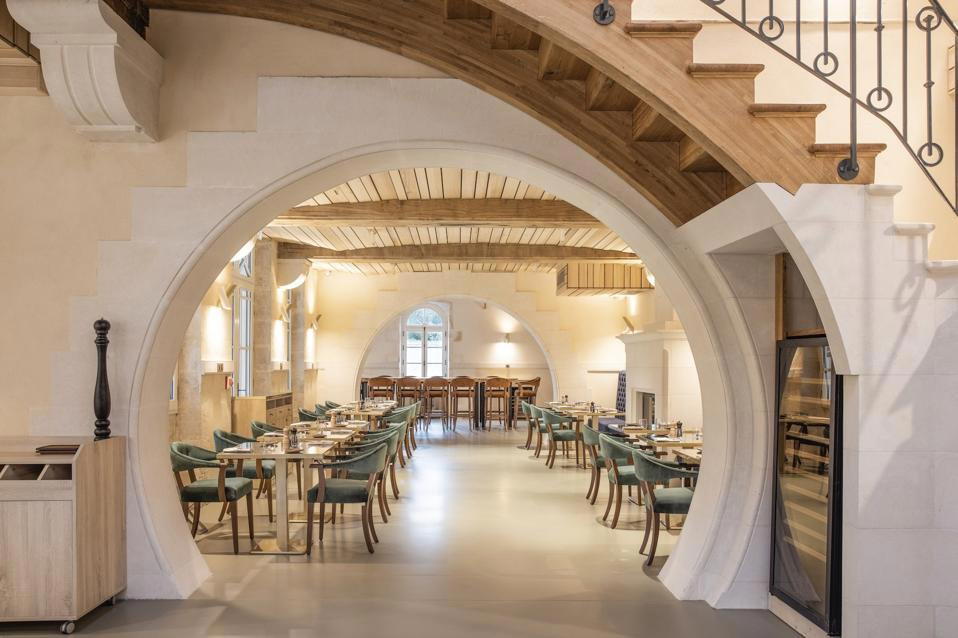
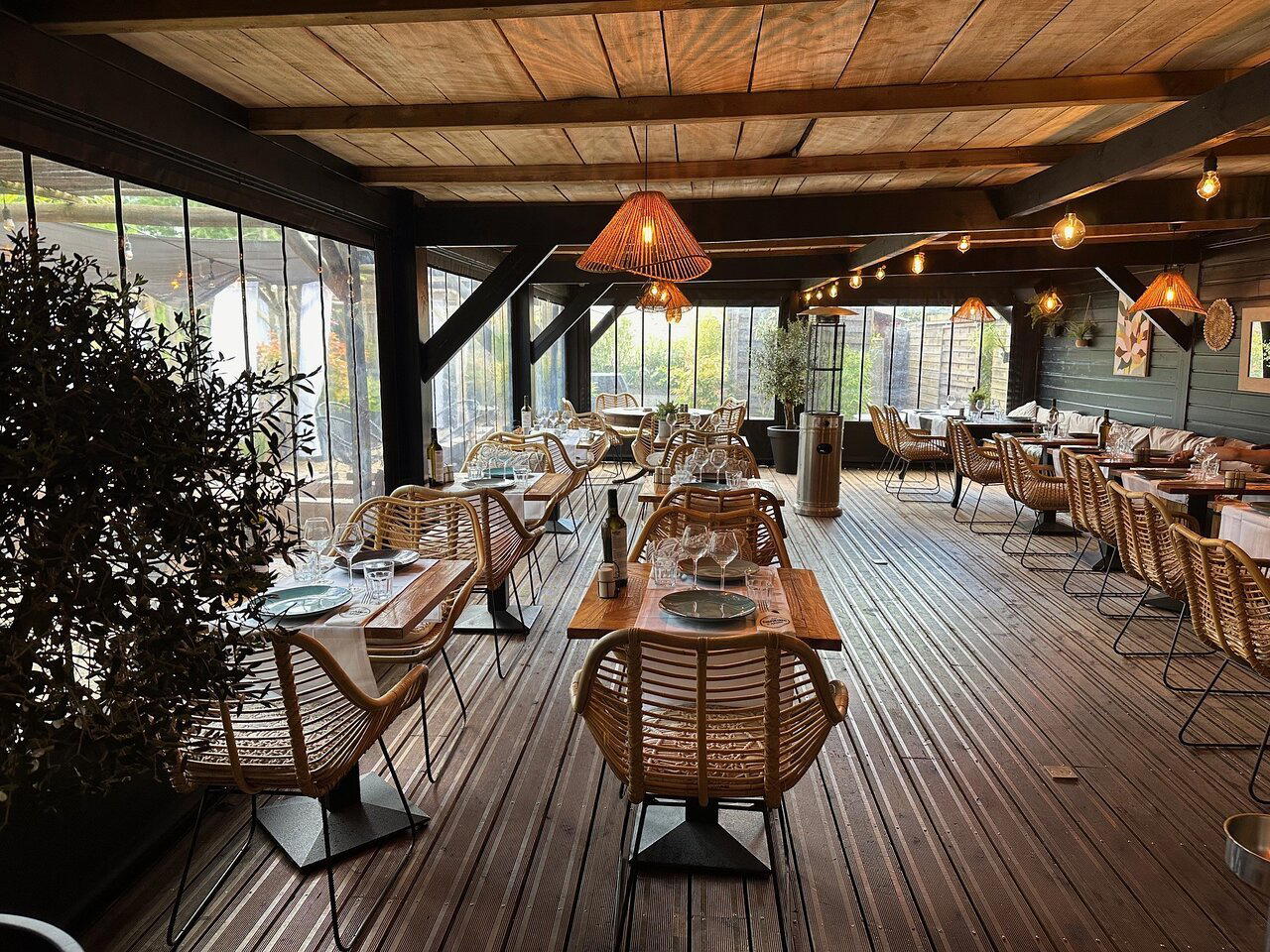
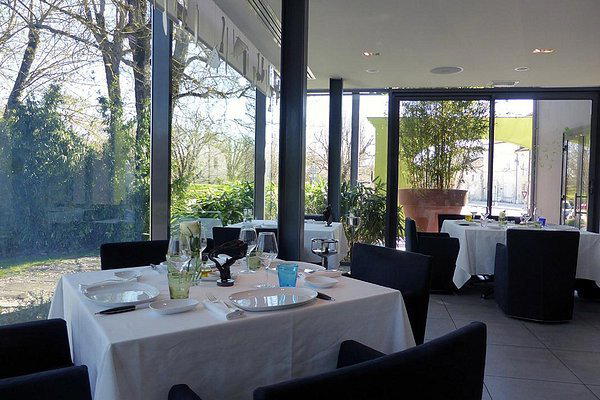
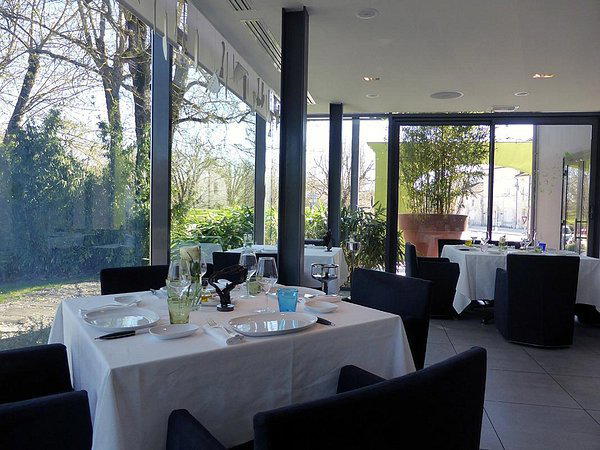
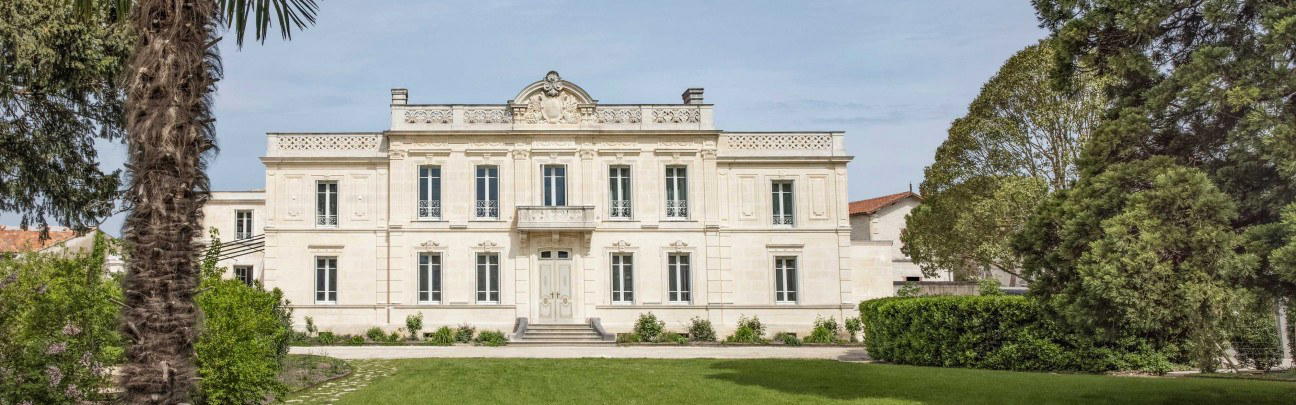
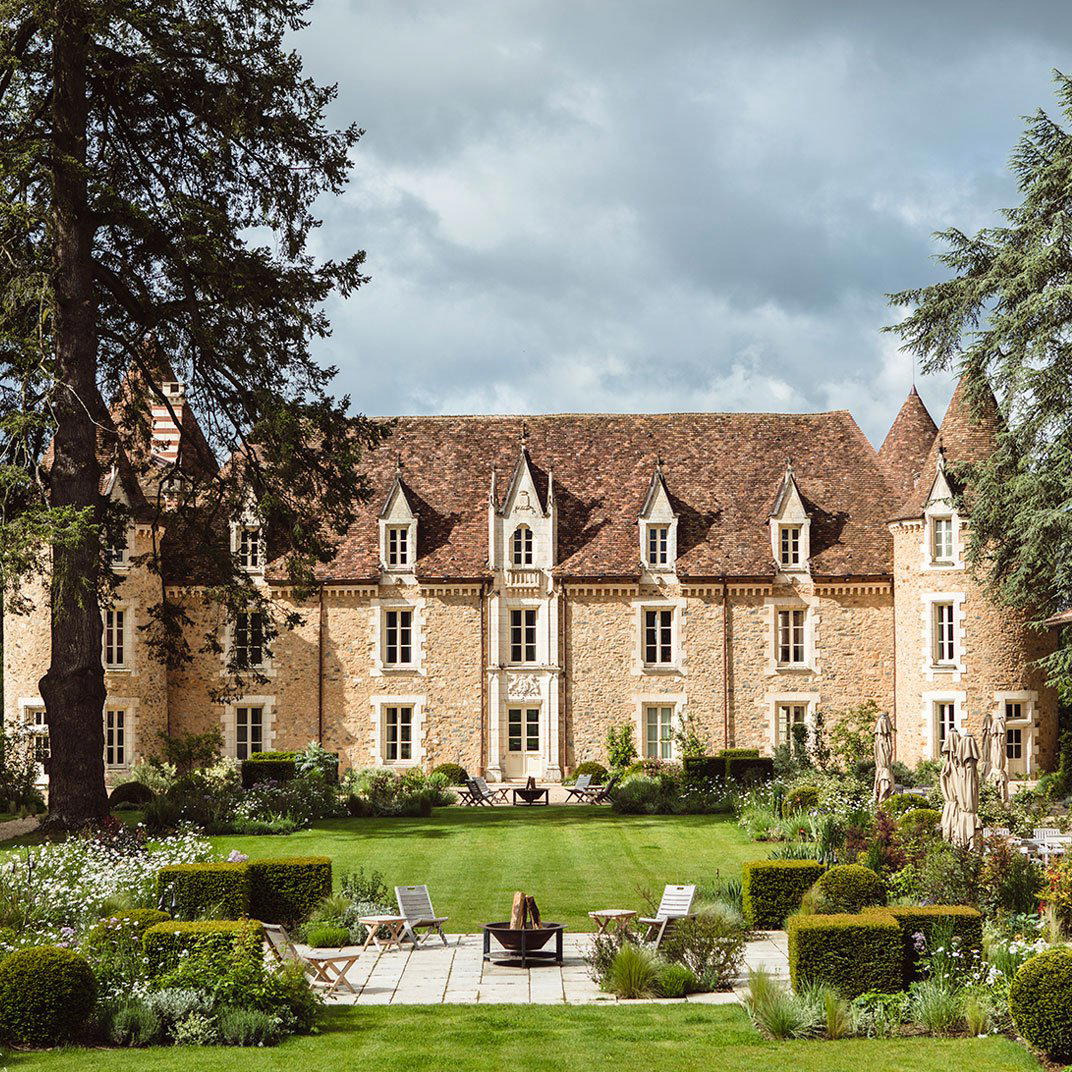
The contemporary bistro format has consolidated around a recognisable set of signals in France over the past decade: shorter menus, seasonal rotation, visible sourcing, and an interior that references local materials without tipping into folklorism. Le Coude à Coude sits inside that movement. The stone building and garden terrace are not decorative props but functional features of a space that reads as rooted rather than styled. That distinction matters in a region where the hospitality sector still leans heavily on cognac-house tourism, and where the more self-conscious design aesthetic of a Paris or Lyon bistro would feel imported.
Comparison is instructive. France's most decorated kitchens, from Mirazur in Menton to Bras in Laguiole, have built their identities around hyper-local sourcing pushed to a high technical register. Flocons de Sel in Megève, Troisgros in Ouches, and Auberge de l'Ill in Illhaeusern each operate at a scale and price point far removed from a village bistro in the Charente. But the underlying logic, cook what grows nearby, make everything yourself, season with precision, runs through both tiers of French cooking. The difference is ambition and formality, not direction of travel. Le Coude à Coude operates closer to the bistro end of that spectrum, where accessibility is part of the proposition.
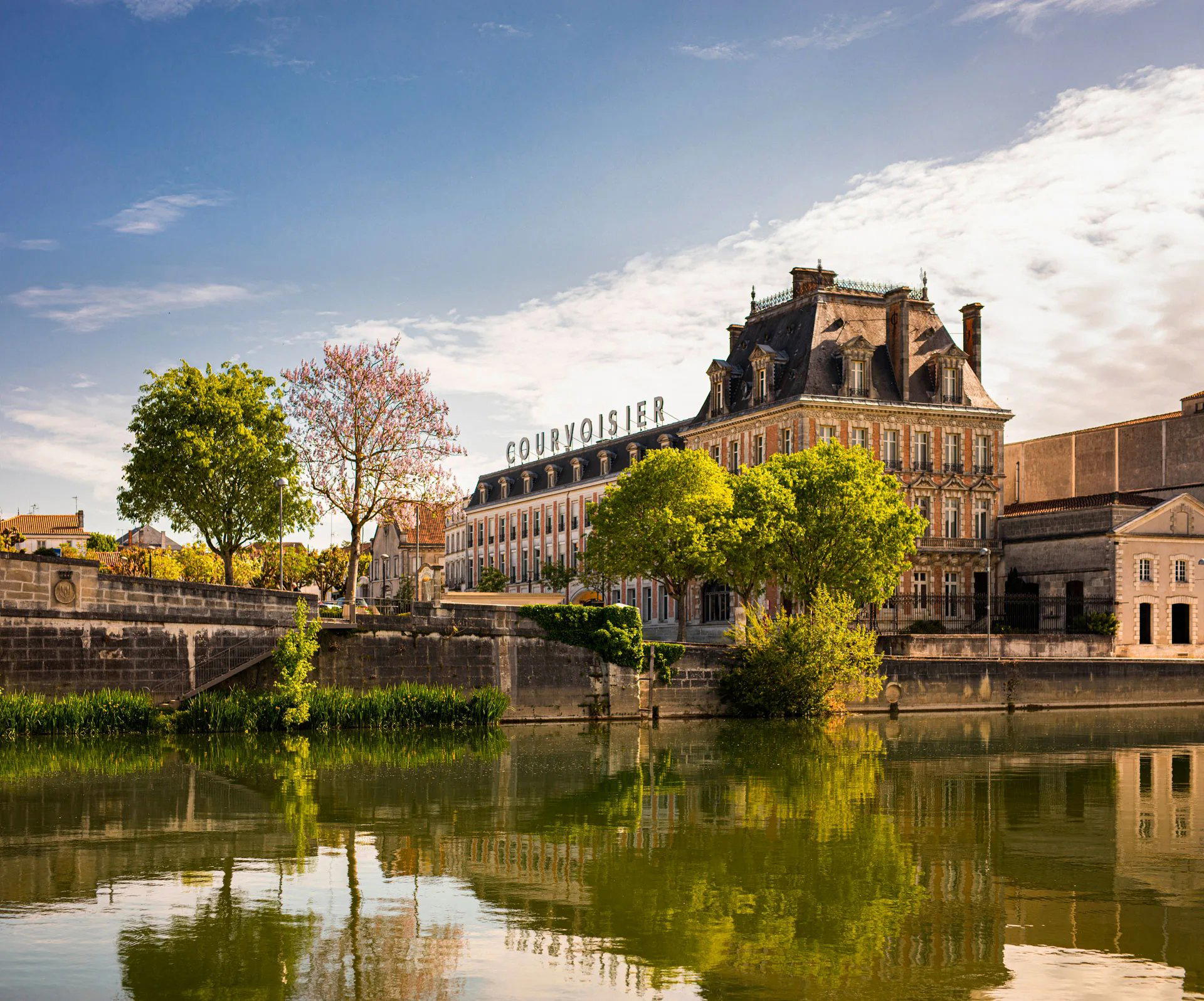
For travelers using Jarnac or Cognac as a base for cognac-house visits, the restaurant fills a specific gap: a kitchen serious enough to reward attention but informal enough to function as a lunch stop rather than an event. The terrace and garden setting makes it particularly suited to the slower rhythms of a Charente afternoon.
Planning a Visit
Le Coude à Coude is located at 8 rue de Saintonge in Jarnac-Champagne, approximately ten minutes by car from the center of Cognac. The village sits in the heart of the Grande Champagne appellation, the innermost and most prized zone of the cognac production region, which makes it a natural stop on any cognac-focused itinerary through the Charente.
Those planning a longer stay in the area will find the region's hospitality offering covered in our Jarnac-Champagne hotels guide, and cognac-house visits and broader cultural programming in our experiences guide. For drinking outside the restaurant, our bars guide covers the local options, and our wineries guide maps the production estates open to visitors.
Travelers with a broader France itinerary who want to measure regional cooking against France's more decorated rooms might look at Alléno Paris au Pavillon Ledoyen, AM par Alexandre Mazzia in Marseille, Auberge du Vieux Puits in Fontjoncouse, or Assiette Champenoise in Reims. For reference points outside France, Le Bernardin in New York and Paul Bocuse in Collonges-au-Mont-d'Or represent the formal end of the French culinary tradition at transatlantic scale. Au Crocodile in Strasbourg and Emeril's in New Orleans round out the picture of how French technique travels and adapts across different regional contexts.