
Champagne Thiénot gives Reims a contemporary counterpoint to Champagne’s older-house narrative: a family maison founded in 1985, built on estate holdings across grand and premier cru villages and presented through design-led hospitality in the historic centre. The experience is strongest for travellers who want terroir explained through blending, cellar work, and a polished urban tasting format rather than a purely rural vineyard visit.
Pearl is the En Primeur Club membership app — saves, bookings, and concierge access live there. Same editors, same standards.
- Address
- Reims, Grand Est, Frankreich
- Directions
- Get directions
 Saves & bookings on Pearl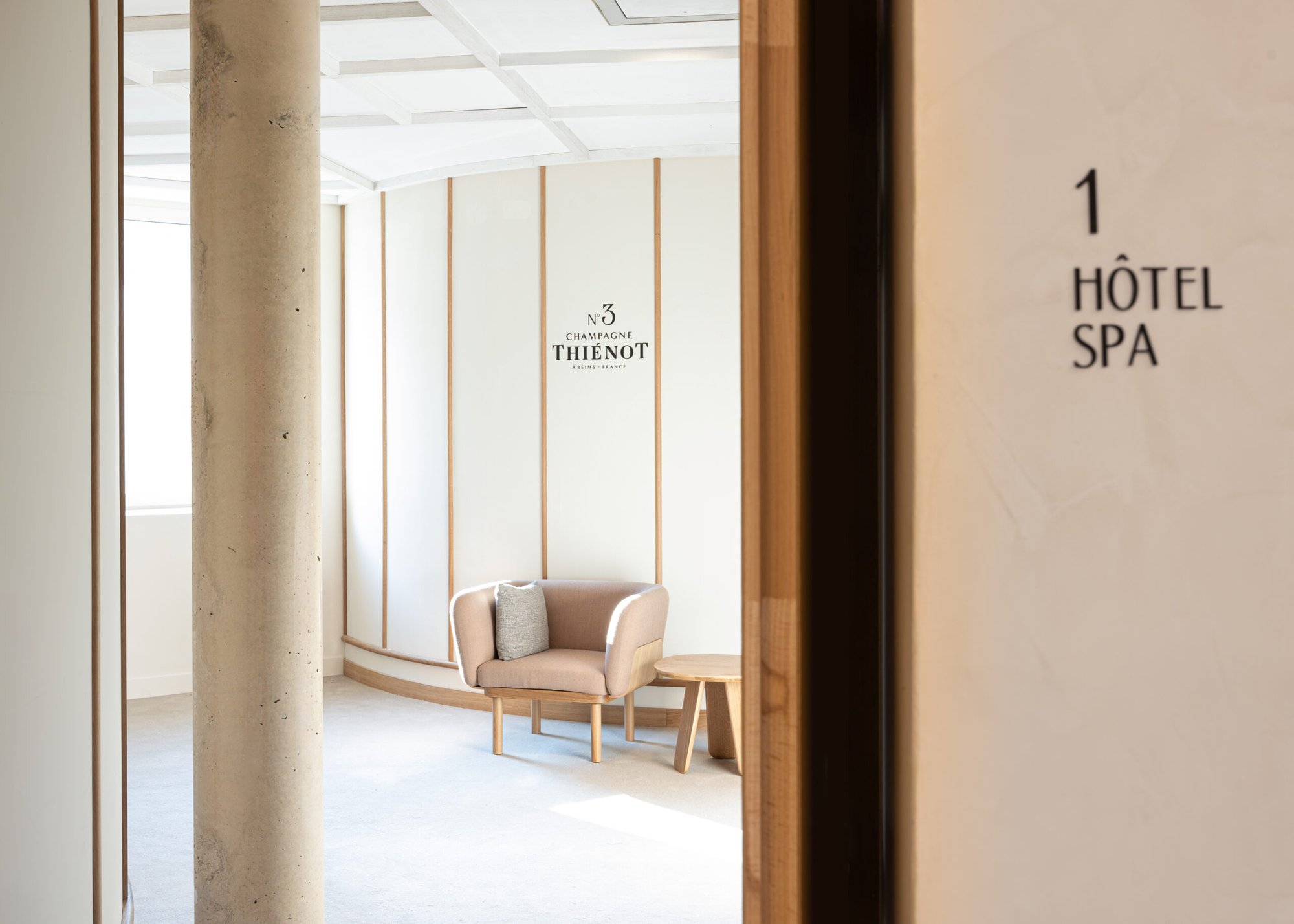
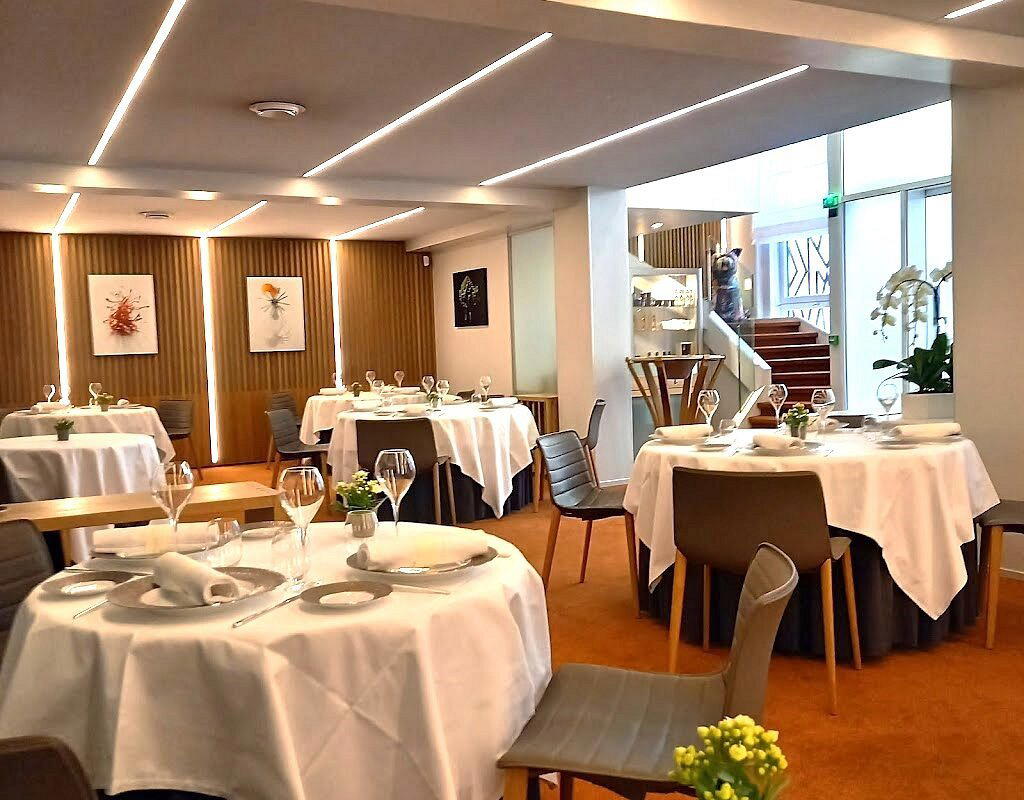
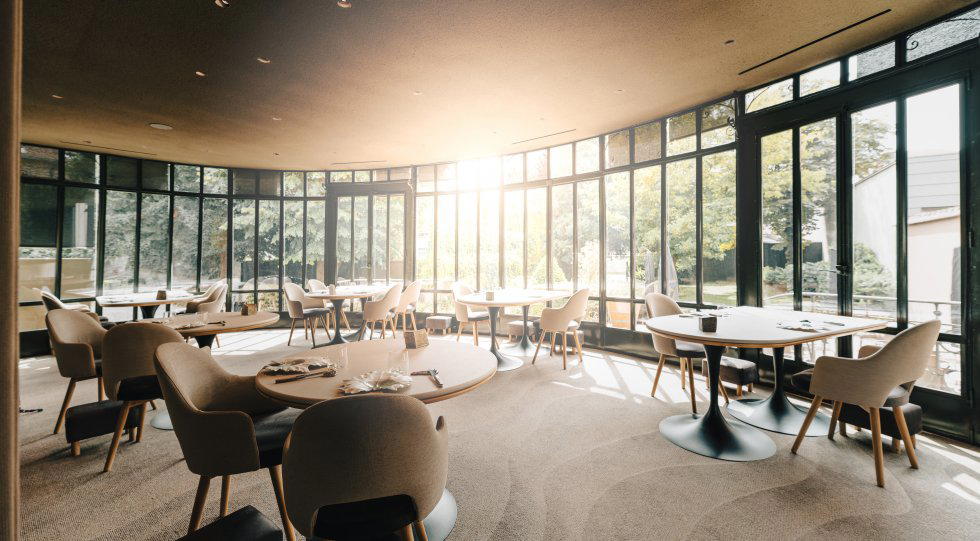
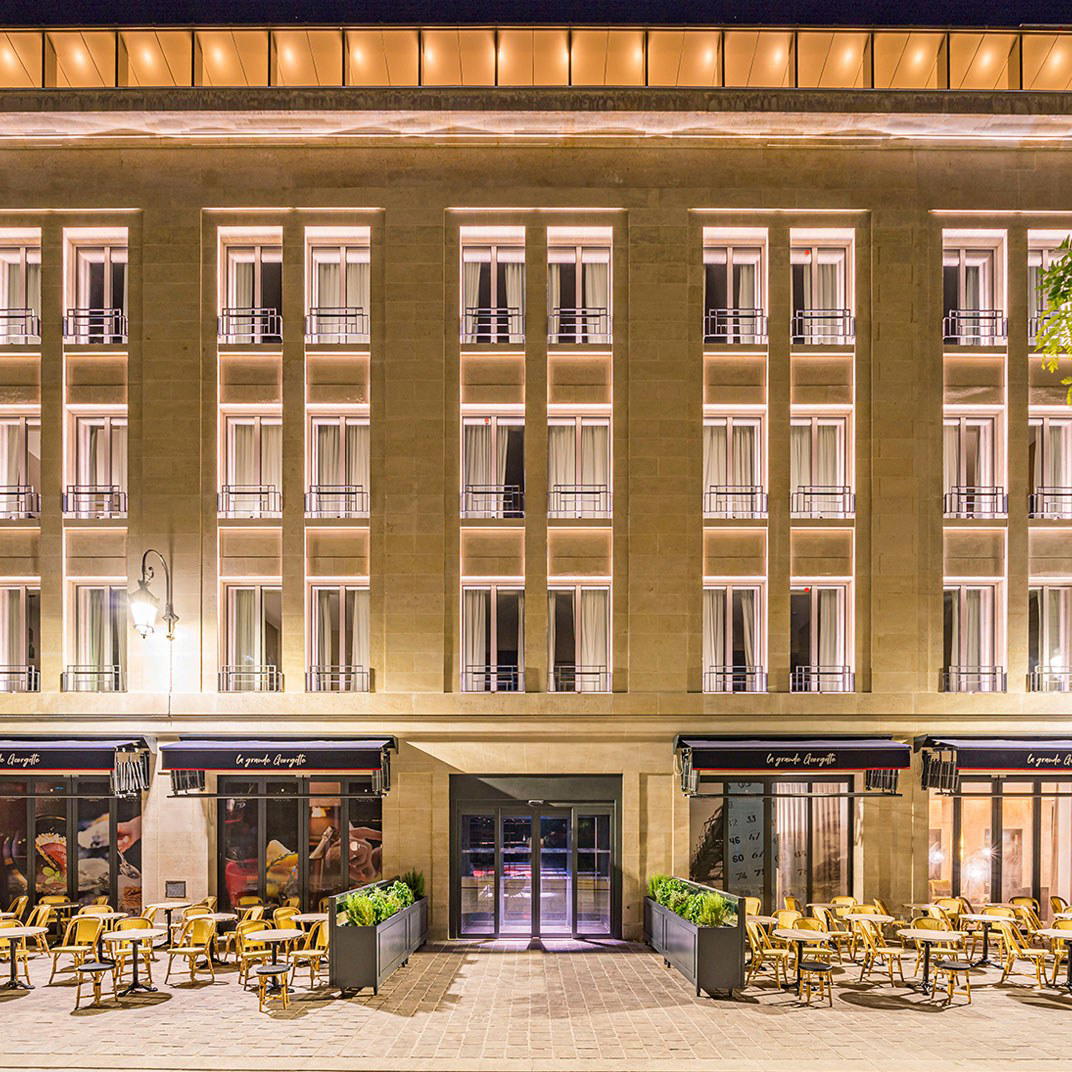
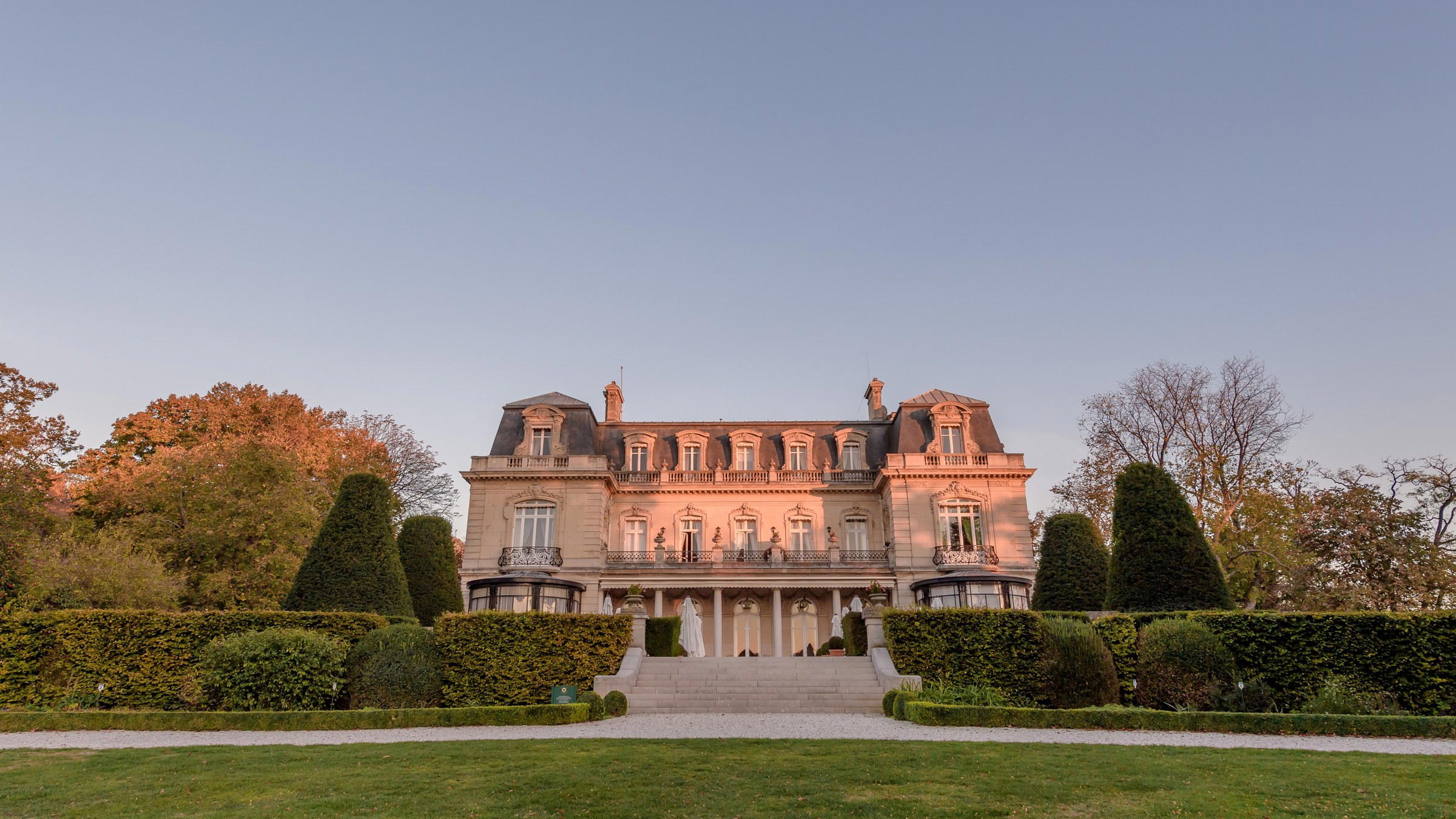
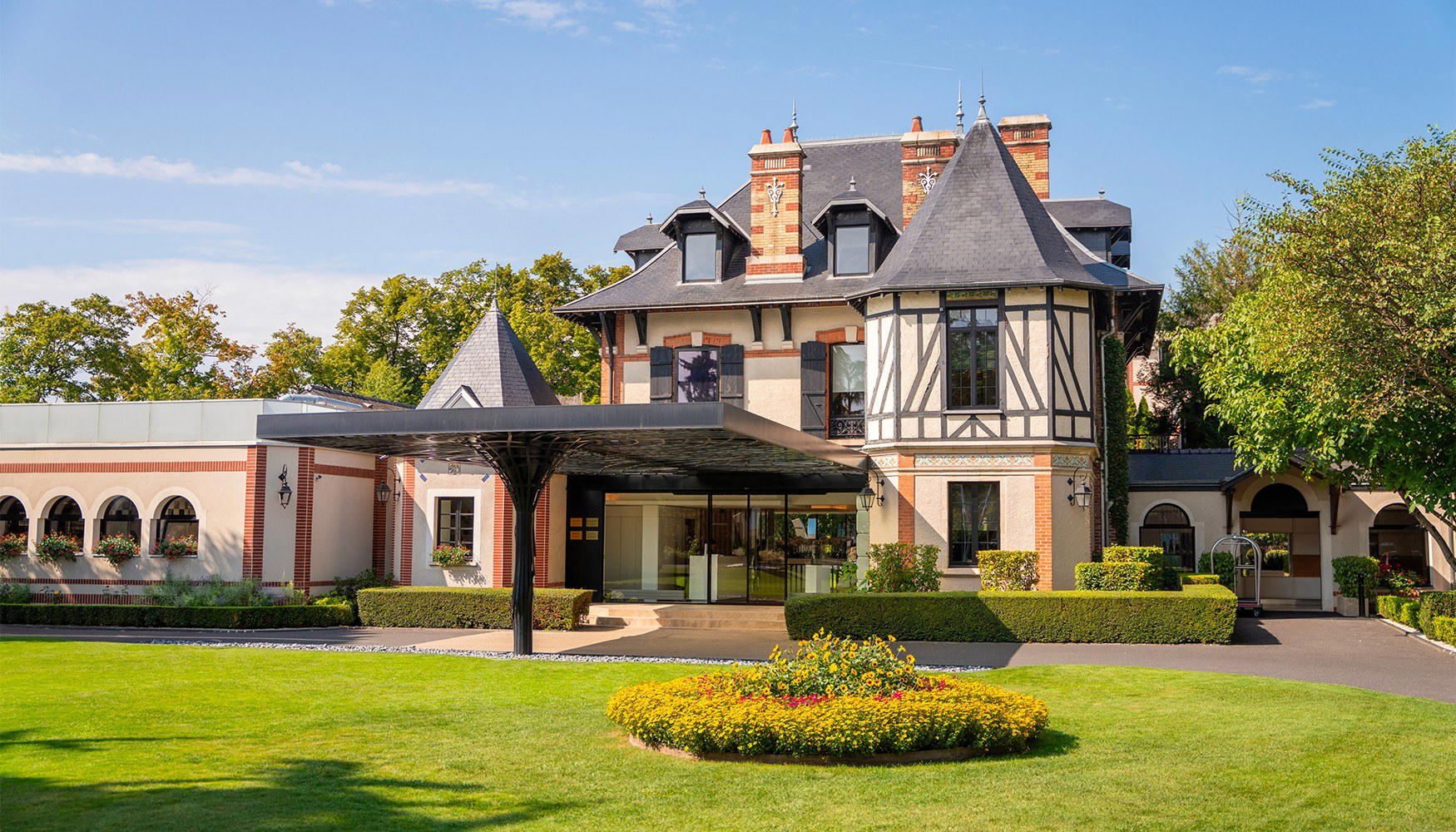
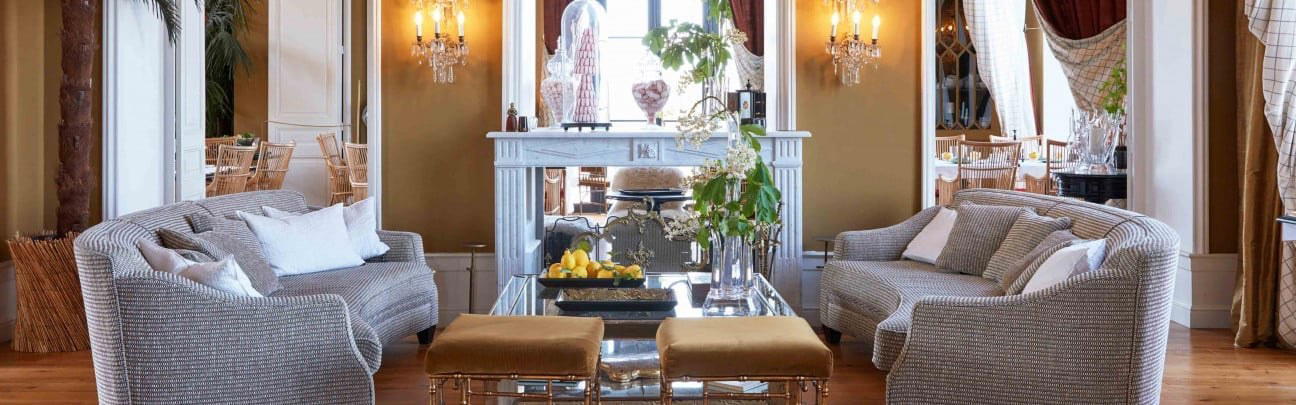
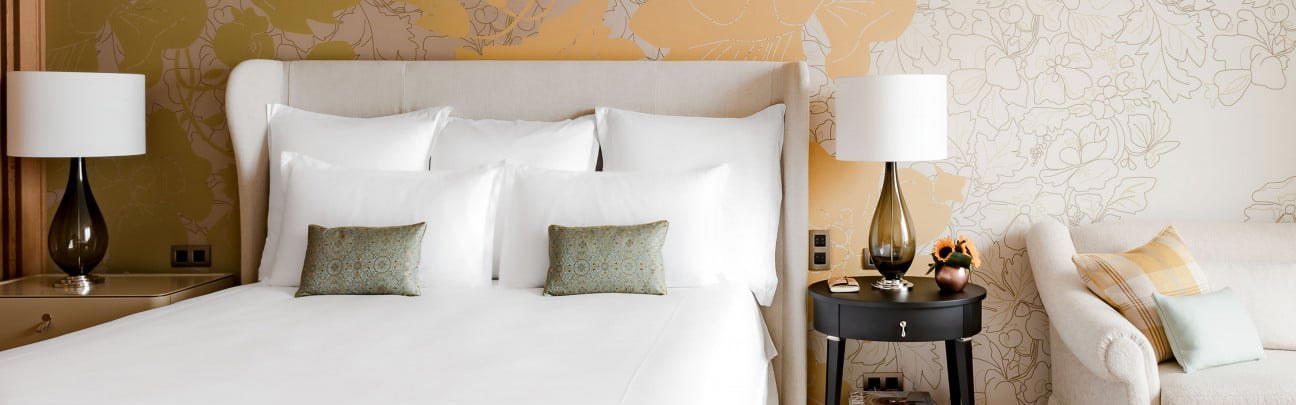
Stone, oak, and low lighting set the register before the wine does. In Reims, where Champagne tourism often trades on chalk-cellar antiquity, Champagne Thiénot uses a more contemporary vocabulary: historic underground caves, a reimagined townhouse, a cloister-style garden, immersive tasting rooms, and a rooftop Champagne bar in the same urban circuit. The effect is not rustic. It is controlled, polished, and aimed at visitors who want the region’s craft explained with design discipline rather than costume drama.
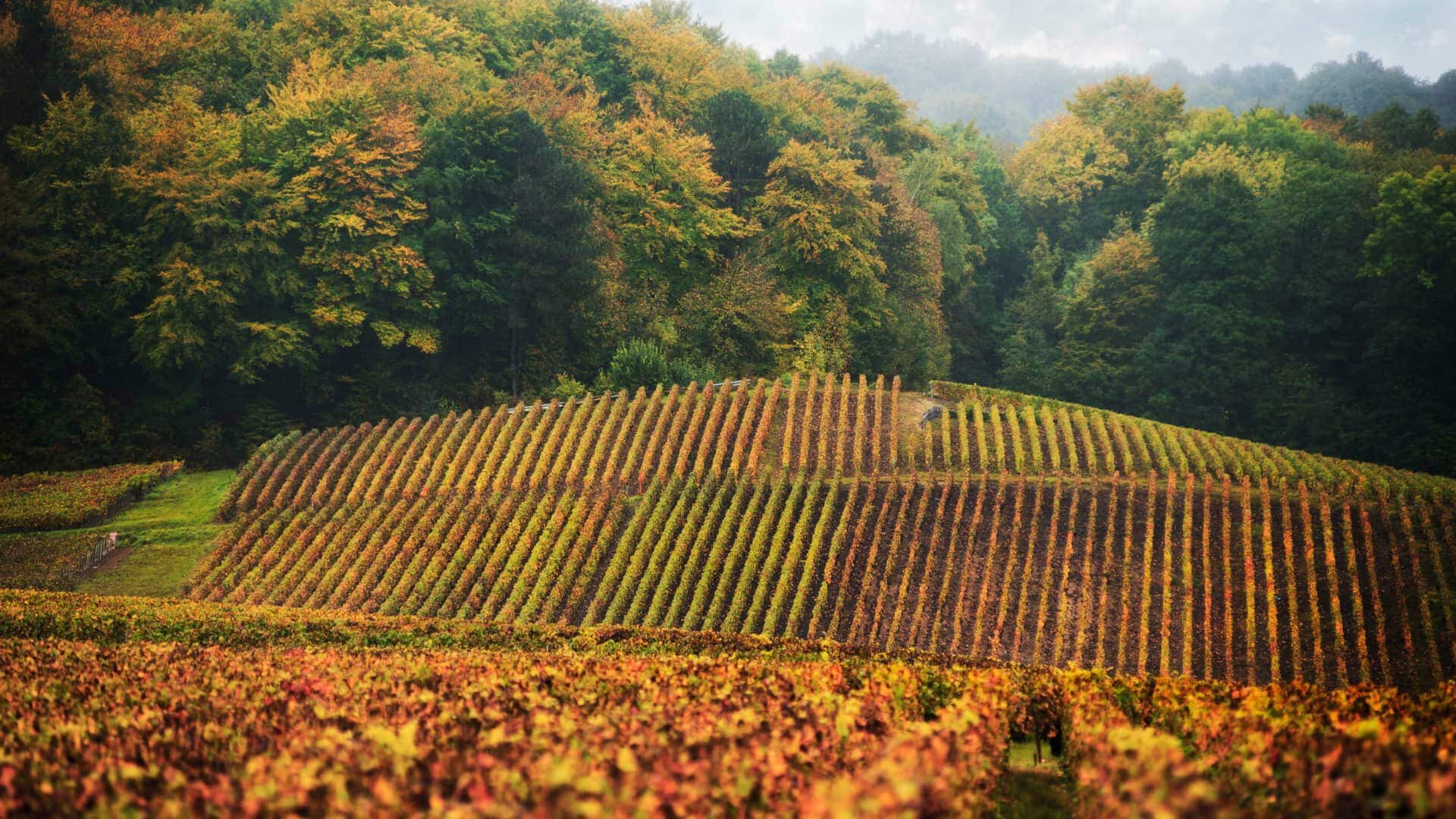
The house matters because it represents a younger strand of Champagne. Founded in 1985 by Alain Thiénot, it does not lean on a centuries-old foundation myth. Its authority comes from brokerage knowledge, family ownership, and a vineyard base that gives the blends a clearer link to place. Around 30 hectares of grands and premiers crus supply over half of its grape needs, with holdings and sourcing tied to Aÿ, the Côte des Blancs, Dizy, Cumières, the southern slopes of Épernay, Damery, Pierry, Le Mesnil-sur-Oger, and Avize. In Champagne terms, that mix is the story: Pinot Noir structure, Chardonnay precision, and Meunier breadth are assembled from villages with distinct roles rather than from a single estate model.
Grand cru sourcing, urban cellars, and a modern Reims reading of terroir
Champagne is often misunderstood by visitors as a brand hierarchy first and a terroir region second. Thiénot is useful because its format makes the blending argument visible. The house works with Pinot Noir, Chardonnay, and Pinot Meunier across Champagne AOC, then uses reserve wines, village selection, and long cellar aging to keep freshness at the centre of the style. Vintage cuvées can age on lattes for up to 16 years in two kilometres of Reims cellars, a detail that matters because time on lees is one of the region’s defining tools for texture and integration.
The cellar master role is also worth noting without turning the visit into a personality profile. Nicolas Uriel, Chef de Caves since 2017 after joining the family in 2008, brings agronomic and oenological training to a house whose production is medium-sized rather than industrial. That scale sits in an interesting middle band: large enough to maintain a full portfolio and hospitality infrastructure, but still close enough to vineyard sourcing for the terroir conversation to remain credible.
The portfolio follows the grammar of the region: Brut, Blanc de Blancs, Rosé, vintage wines, and collection-led tastings. The point is not novelty; it is how the house frames familiar categories. Blanc de Blancs pulls attention toward Chardonnay-led Côte des Blancs language, Rosé tests the house’s handling of fruit and structure, and vintage bottlings show how a single year is interpreted after longer maturation. For travellers building a Reims itinerary, this is a useful counterweight to cellar tours that treat Champagne as spectacle before agriculture.
The visit is built for learning, not just drinking
Strongest version of the experience is educational. Guided cellar tours, set-flight tastings, masterclasses, private tastings, and food-pairing formats give the visit several levels of seriousness. Tour languages include English and French, which matters in Reims: technical Champagne vocabulary can flatten quickly when translation is weak. Here, the format is designed to connect riddling, cellar aging, blending, grape variety, and cru selection into one coherent explanation.
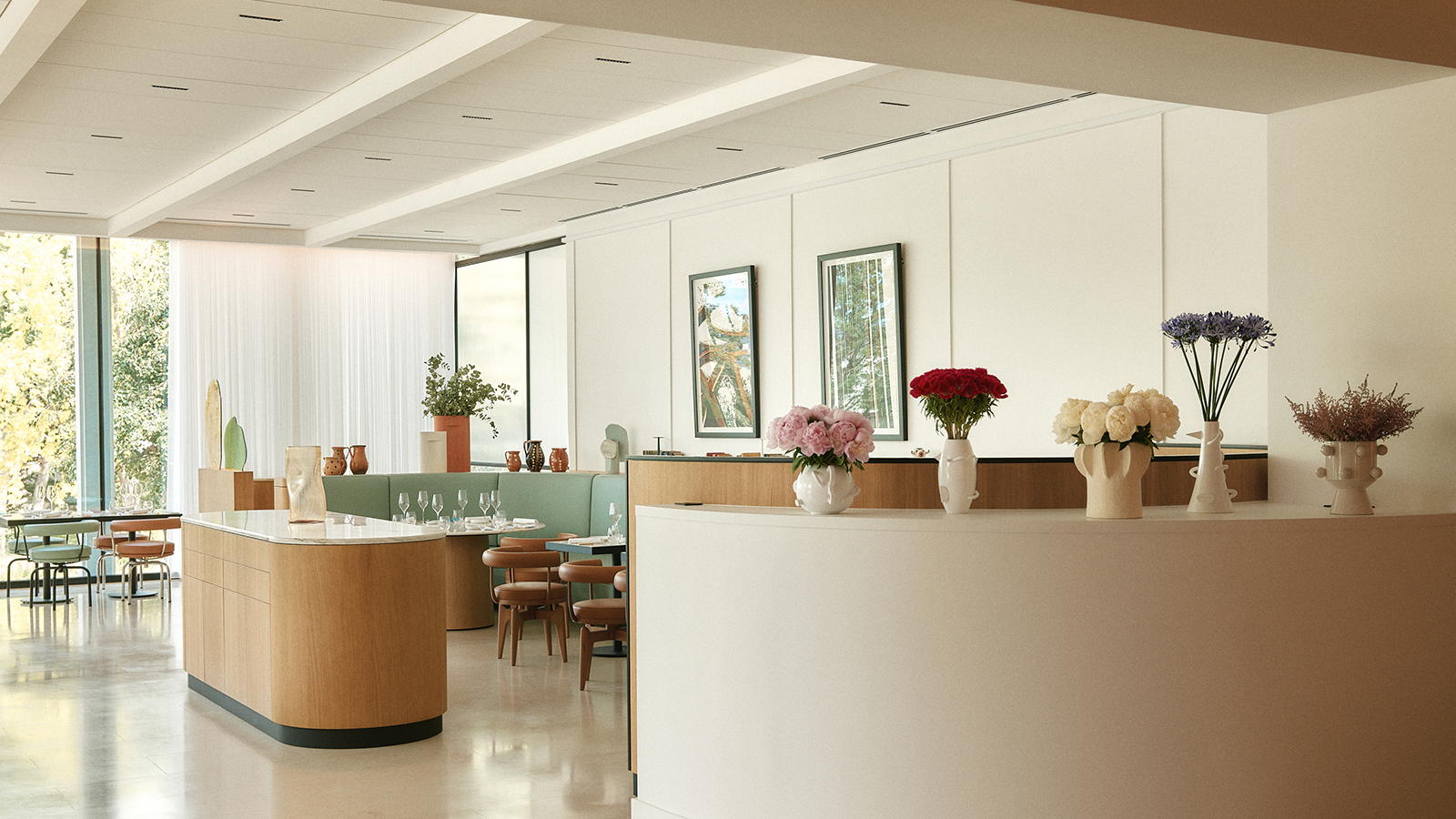
Le 3, opened in 2023, adds a hospitality layer that signals where premium wine tourism is moving. Champagne houses increasingly compete not only on cuvées but on how well they can translate production into a full-day urban experience. Thiénot folds tasting spaces, garden, terrace, spa, boutique-hotel elements, and a rooftop bar into the visit, so the address can work for a serious cellar appointment or a slower Reims afternoon built around wine education and city views. The mood is smart rather than stiff: conversational noise level, contemporary interiors, and an intimate capacity tier keep the experience from feeling like a high-volume tasting hall.
That design focus also changes who should prioritise it. Travellers looking for mud-on-boots vineyard immersion may prefer a grower visit outside the city. Travellers who want a polished Reims base, with the mechanics of Champagne explained through cellars, flights, and controlled hospitality, will find Thiénot a cleaner fit. The house is particularly strong for celebrations, couples, small groups, corporate hosting, and anyone trying to understand why Champagne’s identity depends on blending villages as much as naming grapes.
How to place it within a Reims wine itinerary
Reims rewards contrast. A strong itinerary should not be a procession of similar cellar tours; it should move between house scale, family ownership, architectural setting, and tasting format. Thiénot fills the contemporary-family-house slot, with sustainable sourcing tags, estate fruit covering more than half of grape needs, and an urban hospitality model that links cellars to a rooftop and garden setting. That makes it a practical anchor before or after broader dining and hotel planning through Our full Reims restaurants guide, Our full Reims hotels guide, Our full Reims bars guide, Our full Reims wineries guide, and Our full Reims experiences guide.
For readers comparing styles across the EP Club cellar map, nearby Reims and wider wine references can help frame the decision, from Bruno Paillard, Champagne Barons de Rothschild, Champagne Boll & Cie, Champagne Castelnau, and Champagne Charles Lafitte to grower and regional references such as A. Margaine in Villers-Marmery, Abbaye de Fontfroide in Narbonne, Abbotts & Delaunay in Marseillette, »der Steiner« Hans Steiner in Podersdorf am See, and & Handwein in Mannheim. The editorial case for Thiénot is specific: choose it when the priority is Champagne terroir translated through a contemporary Reims house, not when the brief is a bare-bones cellar tasting.
Recognition history
Dated appearances from independent guides and award organizations, with the underlying list record or original source where available.
Falstaff Winery - 3 Stars
Falstaff
Continue exploring
More in Reims
Wineries in Reims
Browse all →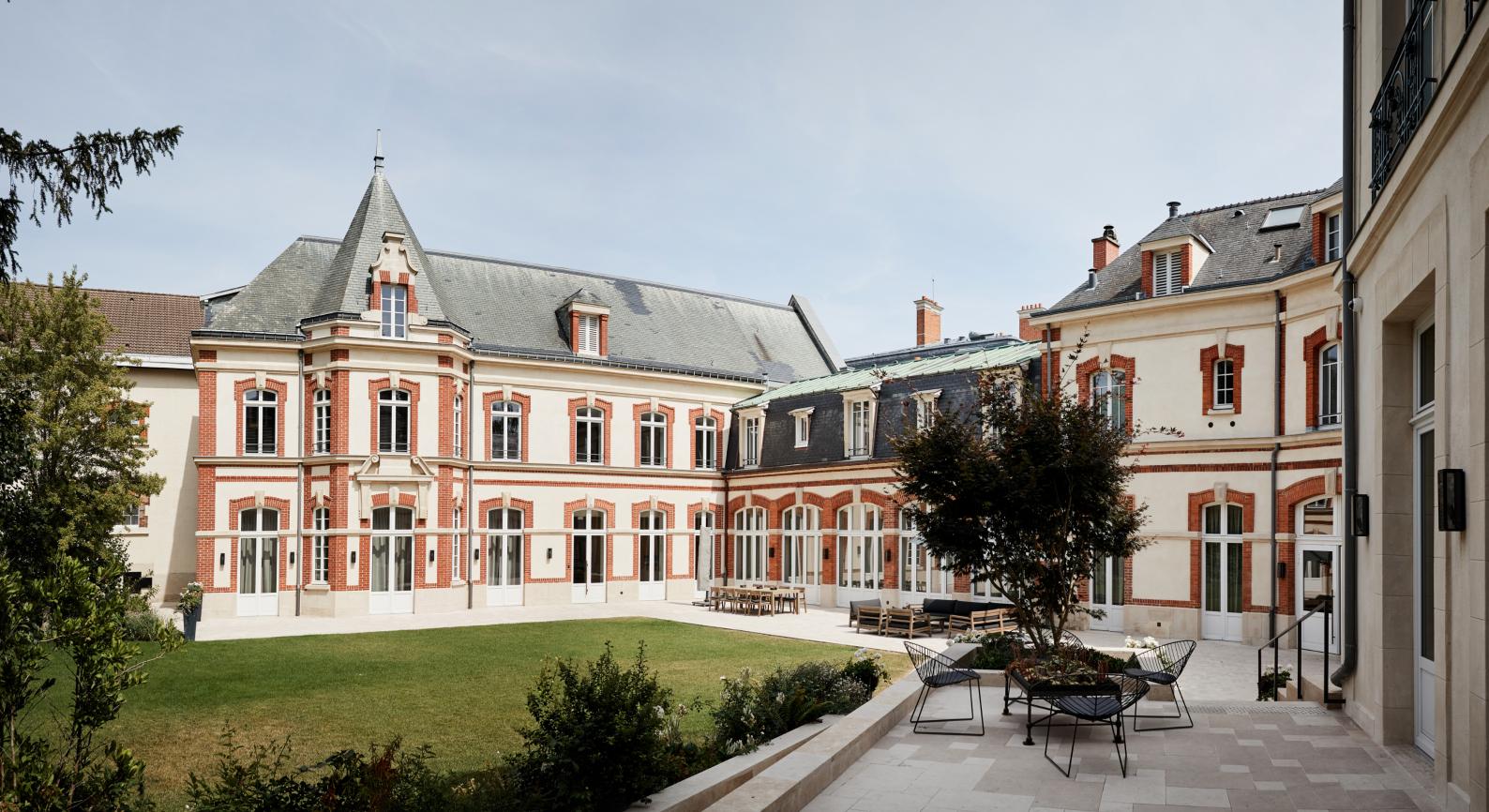
Bars in Reims
Browse all →
Restaurants in Reims
Browse all →
At a Glance
- Elegant
- Modern
- Intimate
- Scenic
- Sophisticated
- Well Known
- Romantic Getaway
- Celebration
- Wine Education
- Special Occasion
- Group Outing
- Corporate Event
- Cave Tasting
- Historic Building
- Design Destination
- Private Tasting
- Terrace
- Garden
- Sustainable
- Garden
- Street Scene
- Champagne AOC
- Pinot Noir
- Chardonnay
- Pinot Meunier
- Sparkling
- Dessert
- Guided Cellar Tour
- Set Flight Tasting
- Masterclass
- Food Pairing
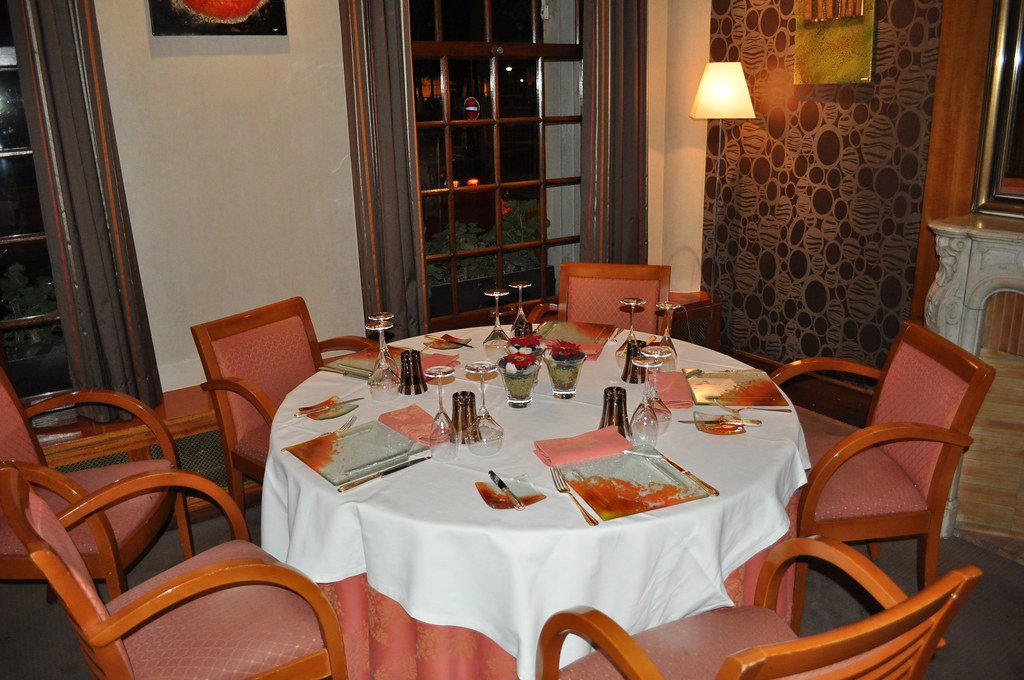
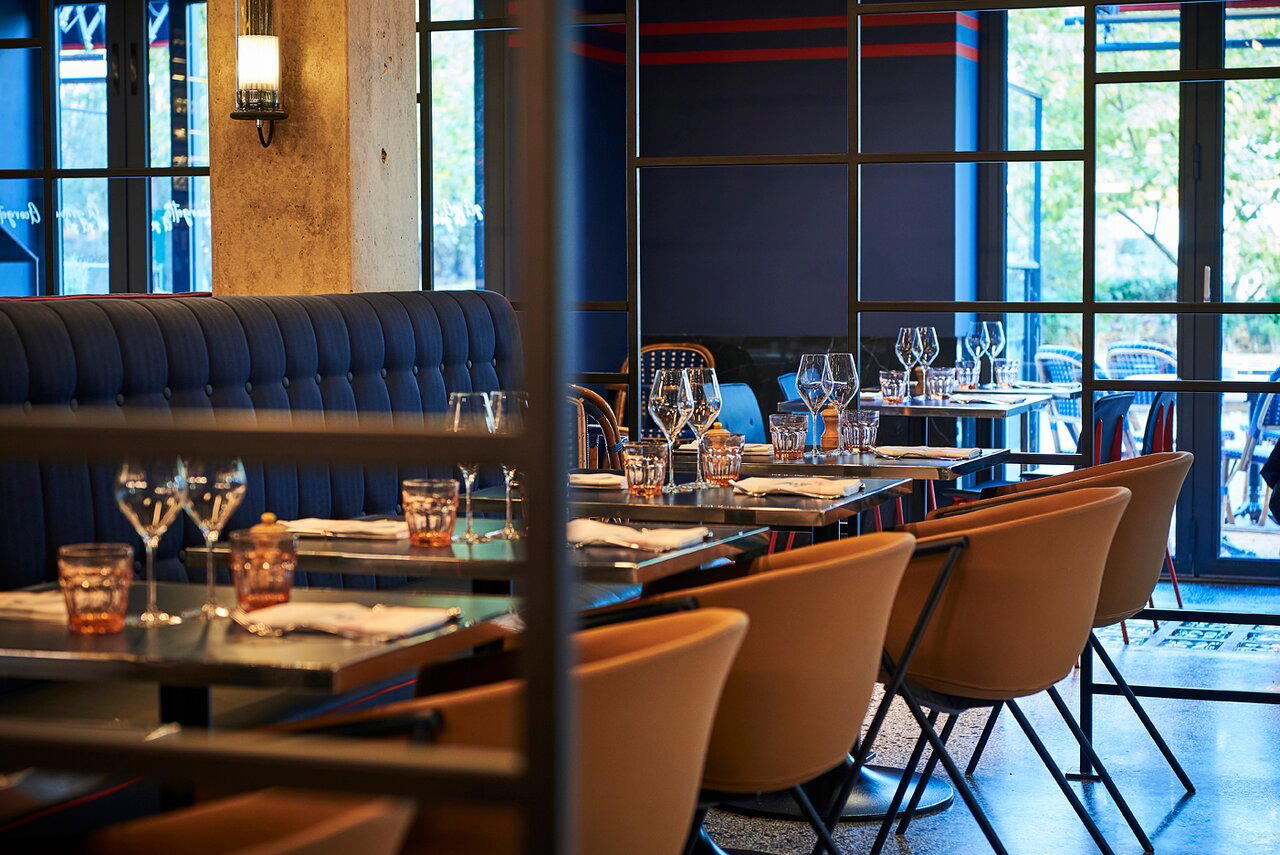
Refined and contemporary, with natural stone, French oak, and soft lighting creating a warm, elegant atmosphere that blends Champagne heritage with modern design across historic cellars, immersive tasting spaces, a courtyard cloister garden, spa, and rooftop bar.