Champagne Montaudon

Falstaff Winery - Listed
Champagne Montaudon belongs to Reims Cedex’s traditional Champagne culture: established in 1891, built around Pinot Noir, Pinot Meunier, and Chardonnay, and shaped by the cool, chalk-led conditions of Champagne AOC. Its appeal is not avant-garde cellar drama but a generous, soft-fruited house style with a broad portfolio that includes Brut NV, Blanc de Noirs, Blanc de Blancs, rosé, vintage cuvées, and an Organic Brut.

Pearl is the En Primeur Club membership app — saves, bookings, and concierge access live there. Same editors, same standards.
- Address
- Reims Cedex, Grand Est, Frankreich
- Directions
- Get directions

Reims Cedex has a particular rhythm for Champagne: cool cellar air, disciplined blending, and the quiet authority of houses that treat patience as part of the production method rather than a decorative idea. Champagne Montaudon fits that register. Founded in 1891, it belongs to the older commercial grammar of the region, where a house identity is built less from a single vineyard narrative than from the control of blend, grape selection, and continuity across releases.
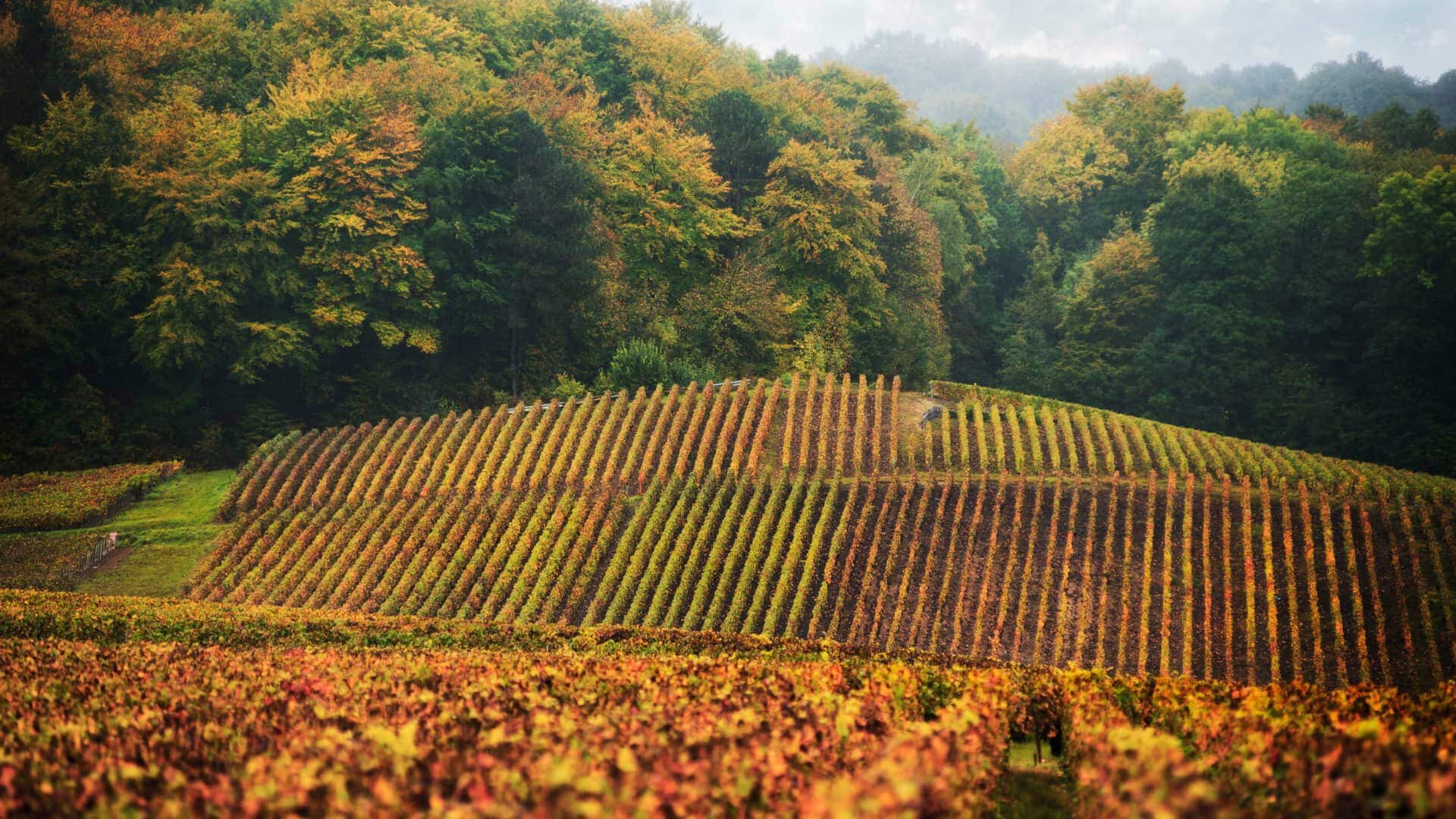
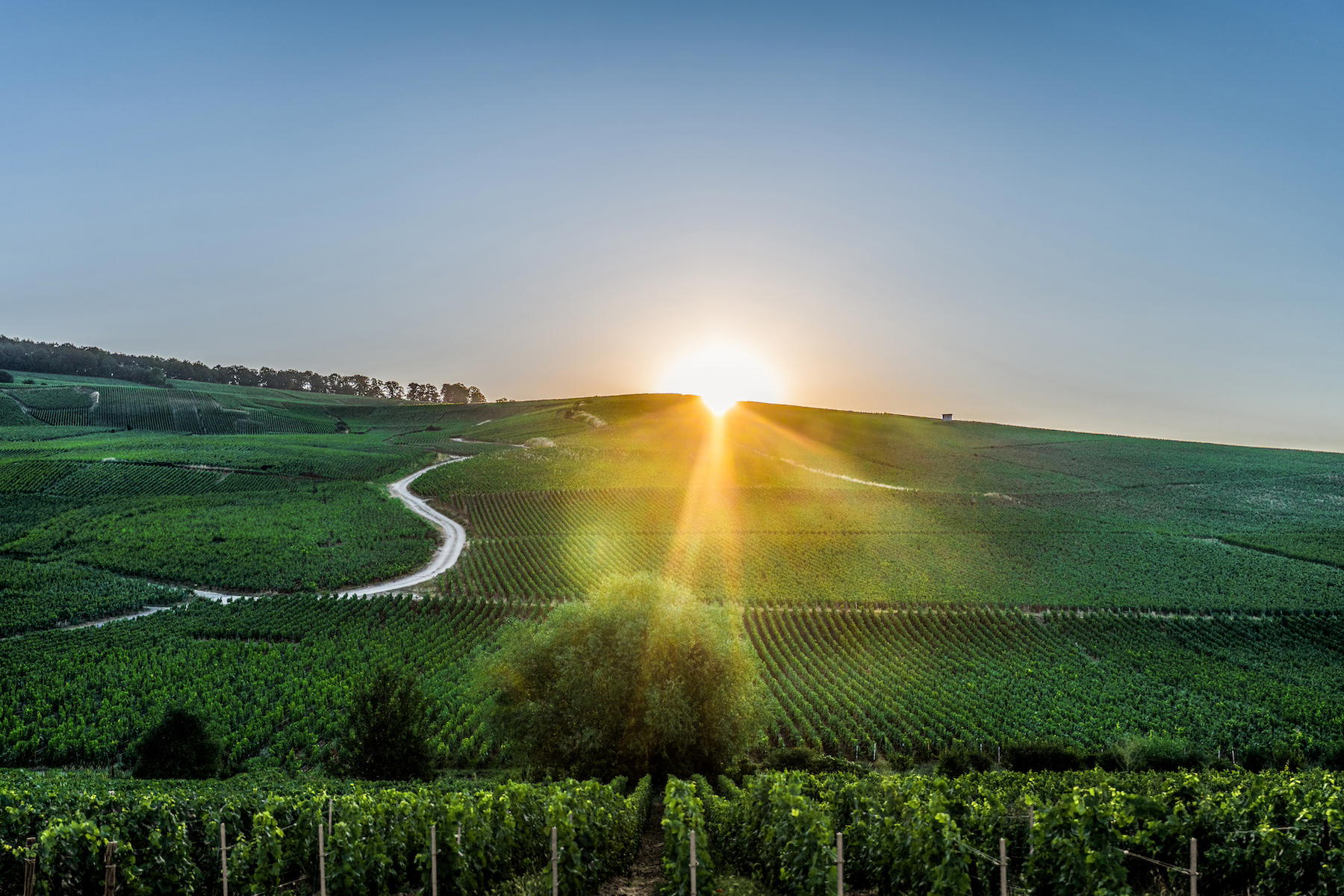
The local context matters. Champagne AOC is a cool-climate appellation where acidity, chalk, and marginal ripening set the terms of the wine. Pinot Noir, Pinot Meunier, and Chardonnay are not interchangeable ingredients here; each solves a different problem in the glass. Pinot Noir gives structure, Pinot Meunier rounds the middle, and Chardonnay brings line and lift. Montaudon’s Brut NV, with a stated blend of 40% Pinot Noir, 35% Pinot Meunier, and 25% Chardonnay, reads as a useful map of that regional logic: fruit and softness are supported by enough backbone to keep the wine in Champagne rather than simple sparkling wine territory.
Reims house style through chalk, cool climate, and blend
Champagne has always depended on compensation. The climate rarely hands growers easy ripeness, so the region answers with blending, secondary fermentation in bottle, and extended aging. Montaudon’s style sits in that tradition, presenting the category through generous, soft, fruit-led sparkling wines rather than austere single-parcel messaging. That does not make it less regional. In a climate where acidity is the natural skeleton, a rounder house style can be a deliberate counterweight.
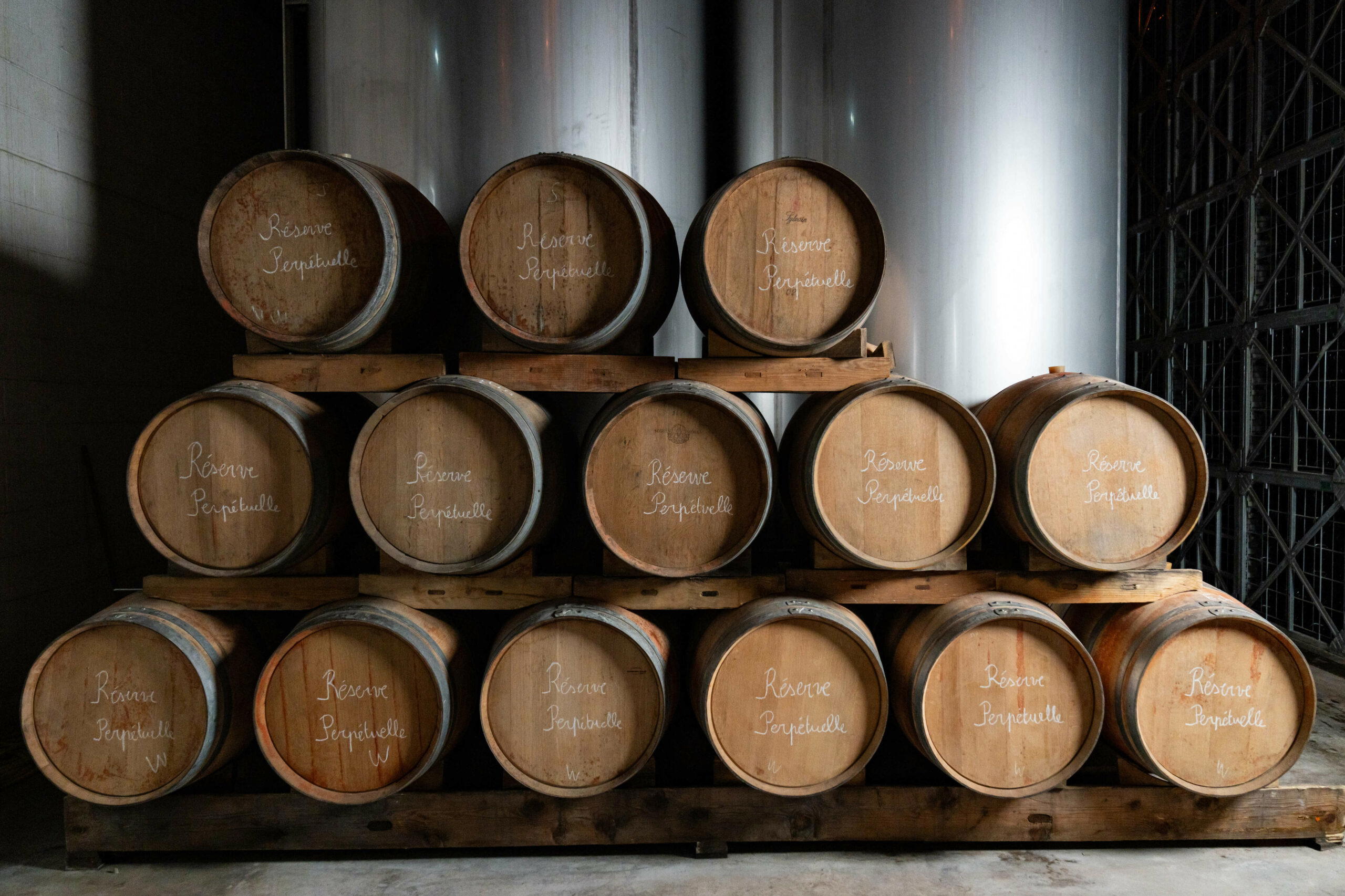
The house’s traditional method production places it inside Champagne’s defining technical discipline: base wine first, bottle fermentation second, then time on lees before release. General appellation rules give non-vintage Champagne a minimum of 15 months aging and vintage Champagne a minimum of three years, which explains why even accessible cuvées from the region carry a production burden that differs sharply from tank-method sparkling wine. Montaudon’s portfolio follows that broader structure, moving from non-vintage Brut into Blanc de Noirs, Blanc de Blancs, rosé, and named vintage bottlings.
The single-varietal cuvées are useful for understanding the house against the appellation. Blanc de Noirs, made from Pinot Noir, emphasizes the darker-fruited, fuller side of Champagne’s palette, while Blanc de Blancs, made from Chardonnay, points toward a more linear register. The rosé and Organic Brut extend the range without turning the house into a trend-chasing project. Organic Champagne remains a smaller segment in a damp, disease-prone region, so an Organic Brut signals a contemporary lane inside a house otherwise grounded in classic production.
A portfolio built for range rather than rarity
Many Champagne houses now split their messaging between prestige scarcity and broad-distribution consistency. Montaudon is more legible in the second category. The value of a house like this is in range: a Brut NV with a known grape composition, varietal-led bottlings that clarify the role of Pinot Noir and Chardonnay, rosé for a different texture of fruit, and vintage releases such as 2011 and Cuvée Alpha 2010 for drinkers who want the imprint of a single harvest.
That range also says something about Reims as a production city. Unlike grower estates that often foreground a village, slope, or family parcel, traditional Reims houses tend to speak in the language of blend and house style. The house is associated with Champagne Jacquart, and the red “M” branding gives the label a clear visual identity, but the deeper signal is structural: this is a Champagne house built around consistency, multiple cuvée formats, and a style that prizes generosity over severity.
For travelers planning a wider Reims Cedex itinerary, the category benefits from contrast. A day shaped around Champagne is stronger when cellar visits are set against the city’s restaurants, bars, and hotels rather than treated as isolated tastings. EP Club’s city coverage is split by format: Our full Reims Cedex restaurants guide, Our full Reims Cedex hotels guide, Our full Reims Cedex bars guide, Our full Reims Cedex wineries guide, and Our full Reims Cedex experiences guide help frame the house within the city rather than as a standalone label.
How to read Montaudon in a French wine itinerary
Champagne Montaudon is strongest as a study in regional method and house continuity. The founded-in-1891 timeline gives it a long operating history, while the grape mix and cuvée spread provide clearer evidence than slogans. Travelers who already know grower Champagne will find a different lesson here: Reims house Champagne is often about achieving a repeatable signature across years, not amplifying the voice of one site at all costs.
That distinction becomes clearer when placed against a broader French wine route. Champagne’s chalk, bottle fermentation, and blend culture differ sharply from the still-wine traditions found elsewhere in France, from A. Margaine in Villers-Marmery and Agrapart & Fils in Avize within the Champagne orbit to southern and regional producers such as Abbaye de Fontfroide in Narbonne, Abbotts & Delaunay in Marseillette, Advini in Saint Felix De Lodez, and Alain Brumont in Castelnau Riviere Basse. Further east and beyond France, the contrast broadens through Alain Gras in Saint-Romain, Albert Boxler in Niedermorschwihr, »der Steiner« Hans Steiner in Podersdorf am See, and & Handwein in Mannheim.
The practical takeaway is simple: approach the house through terroir and technique, not rarity theater. The Champagne AOC framework, the 1891 founding date, the use of Pinot Noir, Pinot Meunier, and Chardonnay, and the spread from Brut NV to Organic Brut give enough structure to understand what is being expressed. Montaudon is a Reims Cedex address for drinkers who want the classic Champagne house proposition: continuity, breadth, and a soft-fruited reading of a demanding northern appellation.
Recognition history
Dated appearances from independent guides and award organizations, with the underlying list record or original source where available.
Falstaff Winery - Listed
Falstaff
Continue exploring
More in Reims Cedex
Wineries in Reims Cedex
Browse all →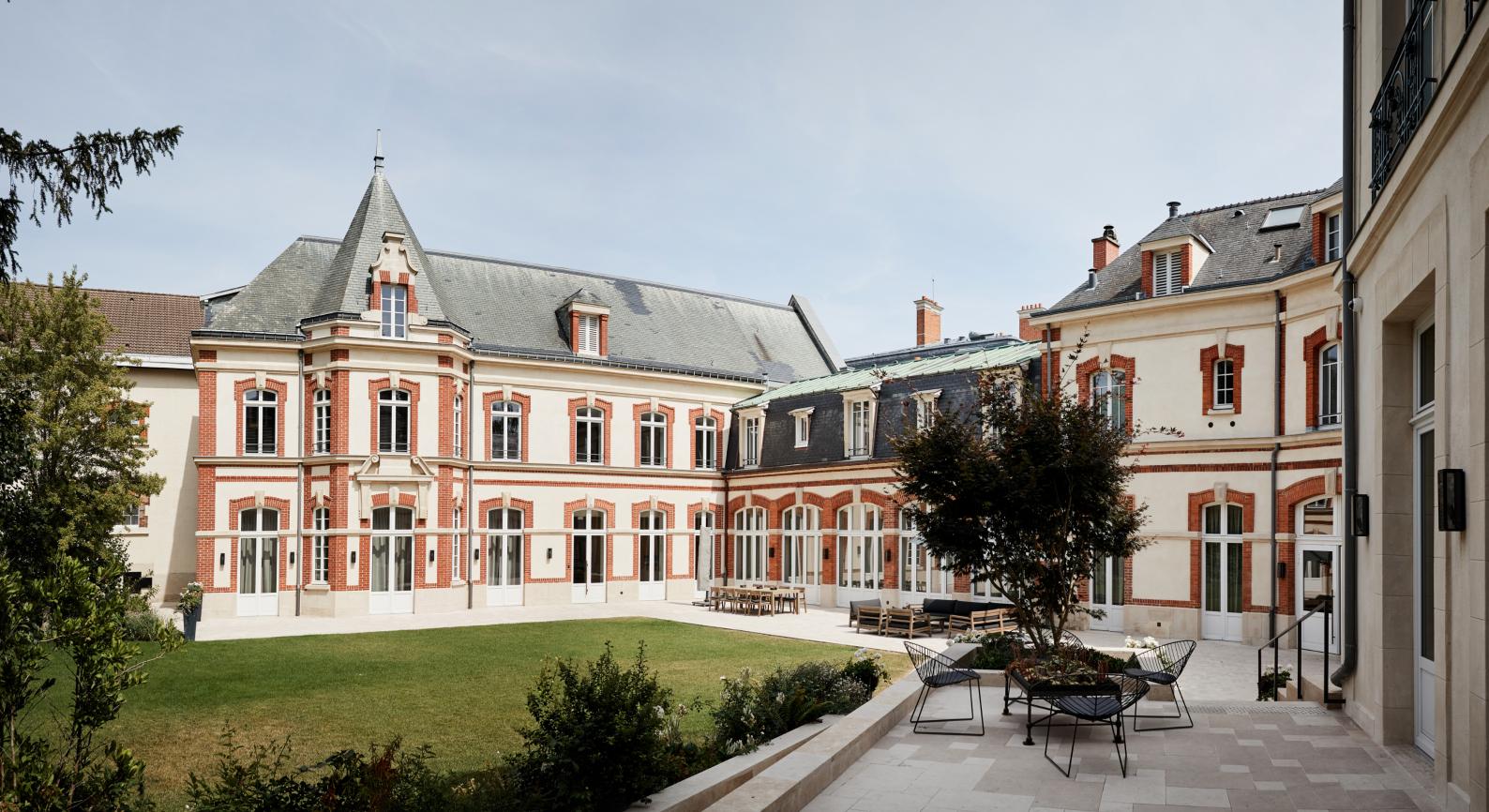
Bars in Reims Cedex
Browse all →
Restaurants in Reims Cedex
Browse all →
Details
- Classic
- Well Known
- Elegant
- Pinot Noir
- Pinot Meunier
- Chardonnay
- Sparkling