Champagne Franck Pascal

Champagne Franck Pascal is a small grower estate in Baslieux Sous Chatillon shaped by biodynamic farming, natural vinification, and zero-dosage Champagne. The visit is quiet and cellar-led, with Pinot Meunier, Pinot Noir, and Chardonnay framed through the Vallée de la Marne rather than grand-house spectacle.
Pearl is the En Primeur Club membership app — saves, bookings, and concierge access live there. Same editors, same standards.
- Address
- Baslieux-sous-Châtillon, Grand Est, Frankreich
- Directions
- Get directions
 Saves & bookings on Pearl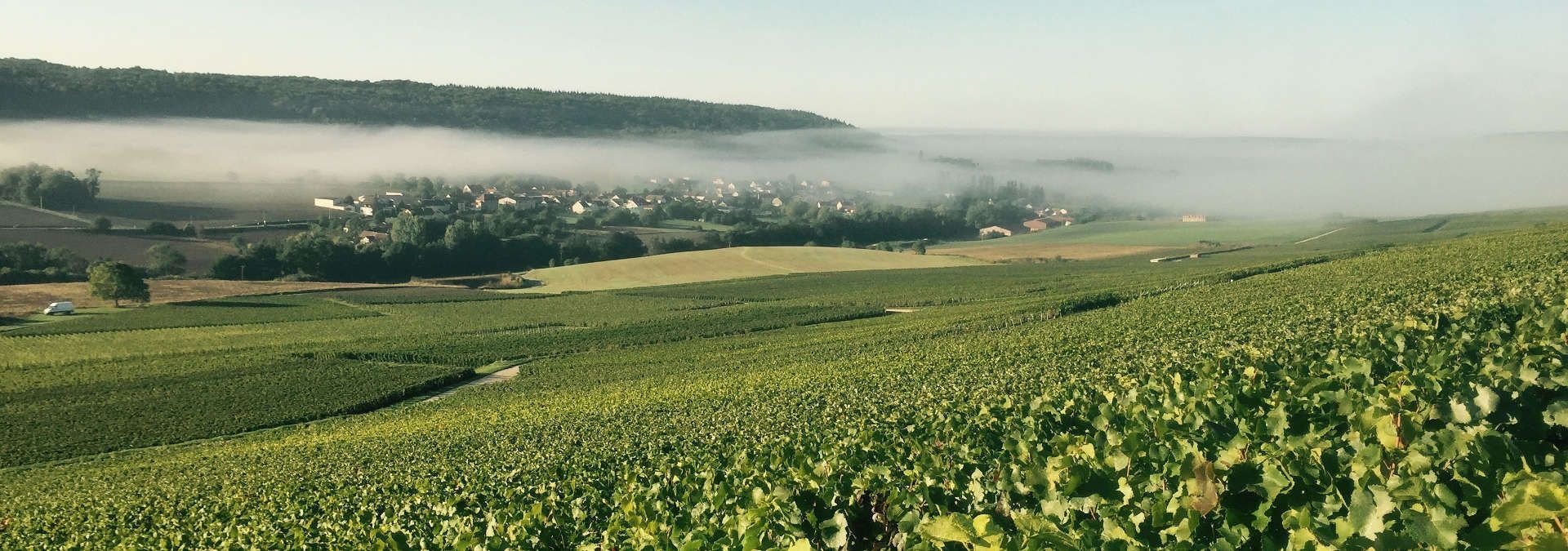
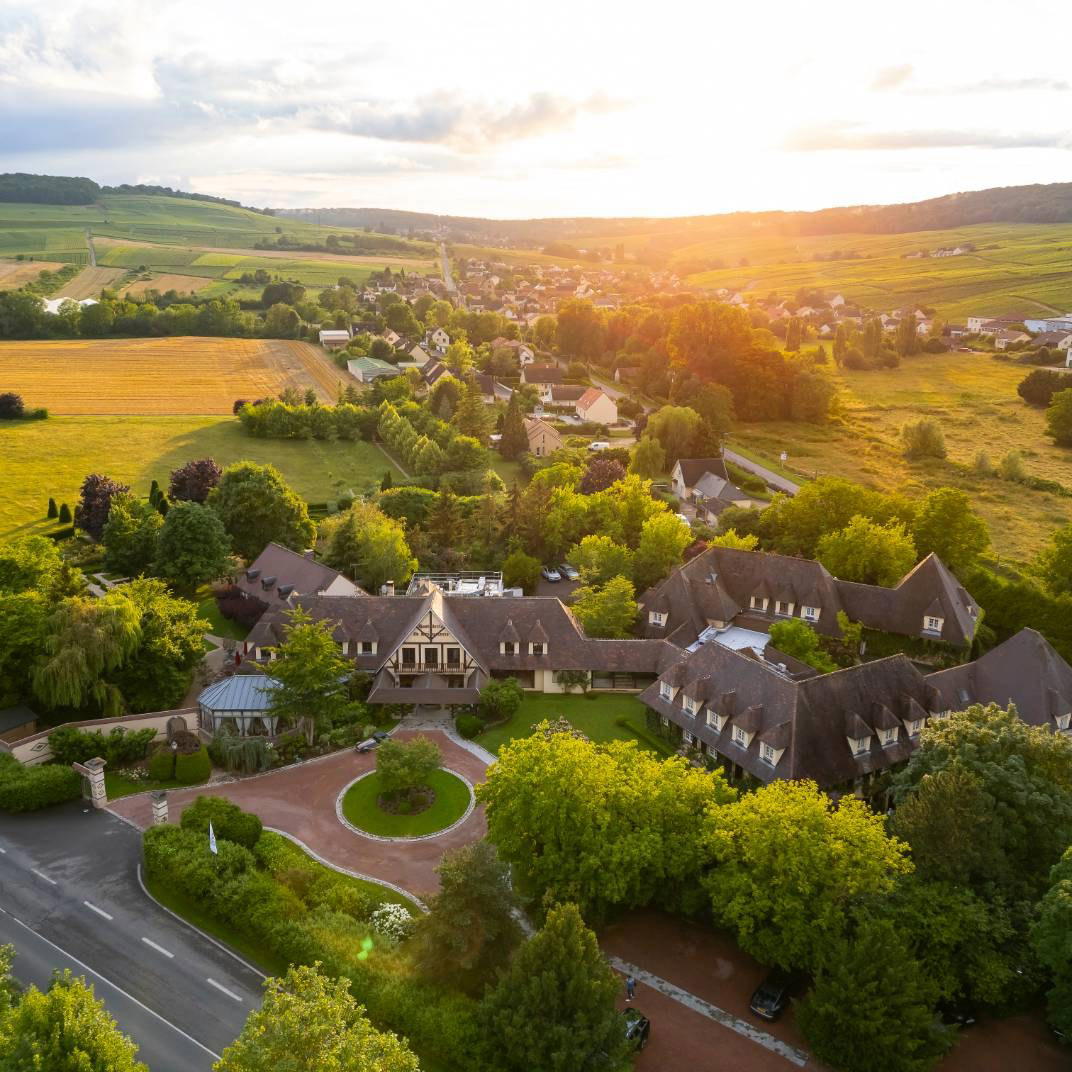
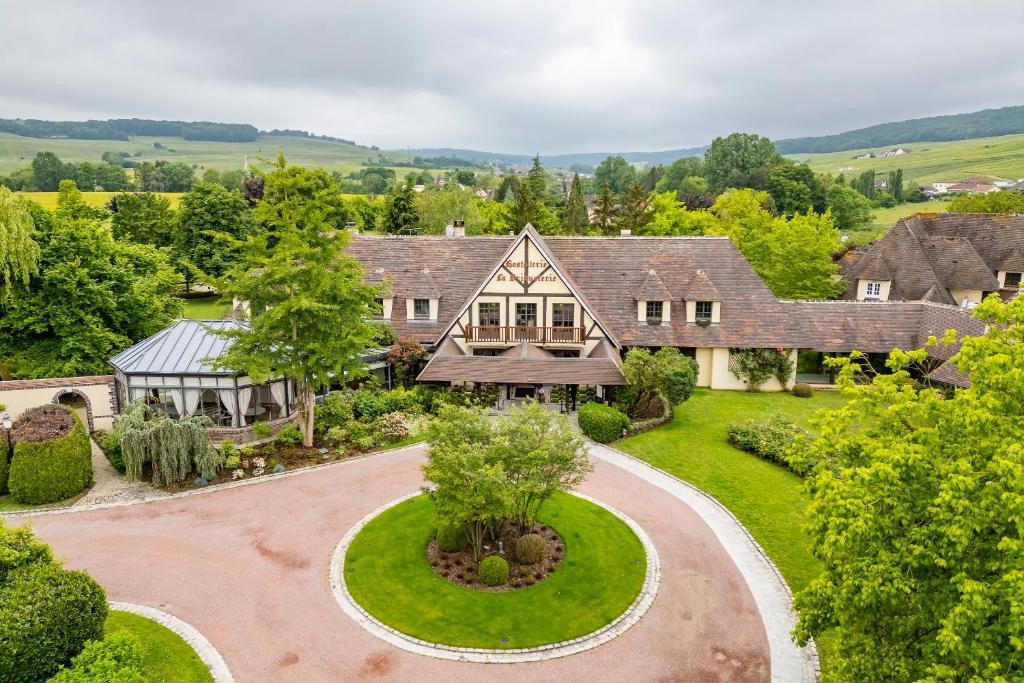
Baslieux Sous Chatillon gives Champagne Franck Pascal a quieter register: a rustic, intimate setting where the emphasis is on natural winemaking, terroir expression, and a thoughtful visit experience rather than spectacle. The profile is deliberately restrained, and that restraint is part of the point. Champagne Franck Pascal is best understood as a grower-estate visit with a hidden-gem feel and a biodynamic-leaning point of view, where the value lies less in polish or performance and more in the sense that the visit is connected to the place itself.
What can be said with confidence is that the atmosphere is quiet and intimate, the price level is listed as $$$, and the editorial reason to consider the estate is its natural-winemaking and terroir-focused identity in Baslieux Sous Chatillon. In practical terms, this is the kind of venue to approach with curiosity rather than a checklist: the public record supports a focused, grounded Champagne stop, not a promise of elaborate extras.
Natural winemaking, terroir, and the grower-estate argument
Champagne Franck Pascal is framed around a grower-estate atmosphere rather than a broad hospitality concept. The appeal is not built on confirmed luxury markers, rankings, or elaborate service claims; it is built on a quieter sense of place, rustic character, and a visit experience that leans toward biodynamic thinking. That distinction matters, because it sets the tone before arrival: this is not being positioned as a showpiece destination, but as a more inward-looking estate experience.
That makes the estate most relevant for travelers who prefer a thoughtful, grounded wine stop. The language points to natural winemaking and terroir expression, so the safest expectation is an experience centered on how the estate presents its land, methods, and house identity rather than a generalized tourism format. For visitors who care about the connection between farming choices, place, and the final glass, that framing is the main reason to pay attention.
Readers should treat any such specifics as something to confirm directly with the estate before planning around them.
A quiet visit for people who care how Champagne is made
The strongest reason to consider the winery is the atmosphere: quiet, intimate, rustic, and suited to visitors who want a more reflective producer experience. It is not presented here as a high-energy tasting room, a restaurant, or a large-scale hospitality venue. The editorial fit is strongest for someone who is comfortable with a slower, more attentive visit, where the appeal comes from conversation, context, and the feeling of being close to the estate’s own point of view.
The biodynamic-leaning description is also important. In other words, the language gives enough direction to understand the spirit of the place, but not enough to responsibly make technical claims beyond that.
For planning, keep expectations simple. The winery is a $$$ venue in Baslieux Sous Chatillon with a natural-winemaking focus and a hidden-gem feel. Confirm practical details such as availability, timing, language, and access directly before you go. That kind of confirmation is especially useful for a venue whose appeal is intimate and producer-led, because the experience may depend on the conditions of the visit rather than on a standardized hospitality script.
How to place it in a Baslieux Sous Chatillon itinerary
Baslieux Sous Chatillon is best approached here through a focused, low-key wine stop. The winery can anchor a quiet itinerary for travelers interested in terroir expression and natural winemaking, while other dining, lodging, bar, and experience options in Baslieux Sous Chatillon should be checked separately according to the rest of the day’s needs. The estate works well as a deliberate choice, not as a filler stop between unrelated plans.
Because no other specific comparison venue is confirmed, one useful comparison is internal: the winery is not being recommended for scale, ceremony, or confirmed extras. Its appeal rests on a quiet grower-estate atmosphere, rustic intimacy, and a thoughtful, biodynamic-leaning visit experience. That is a narrower recommendation, but also a clearer one, because it avoids dressing the venue up as something the available record does not support.
The critical read is simple: the winery is for travelers who want the quieter end of Champagne in Baslieux Sous Chatillon. The draw is not an invented list of services or accolades, but a grounded interest in natural winemaking, terroir expression, and an intimate estate setting. If those are the qualities that matter most, the estate’s restrained profile becomes a strength rather than a limitation.
Recognition history
Dated appearances from independent guides and award organizations, with the underlying list record or original source where available.
Falstaff Winery - Listed
Falstaff
Continue exploring
More in Baslieux Sous Chatillon
Wineries in Baslieux Sous Chatillon
Browse all →
Bars in Baslieux Sous Chatillon
Browse all →
Restaurants in Baslieux Sous Chatillon
Browse all →
At a Glance
- Quiet
- Intimate
- Rustic
- Wine Education
- Solo Exploration
- Special Occasion
- Vineyard Tour
- Private Tasting
- Organic
- Biodynamic
- Vineyard
- Champagne AOC
- Pinot Noir
- Pinot Meunier
- Chardonnay
- Sparkling
- Cellar Tasting
- Estate Tasting
A quiet, intimate grower-estate atmosphere centered on natural winemaking, terroir expression, and a thoughtful, biodynamic-leaning visit experience.