
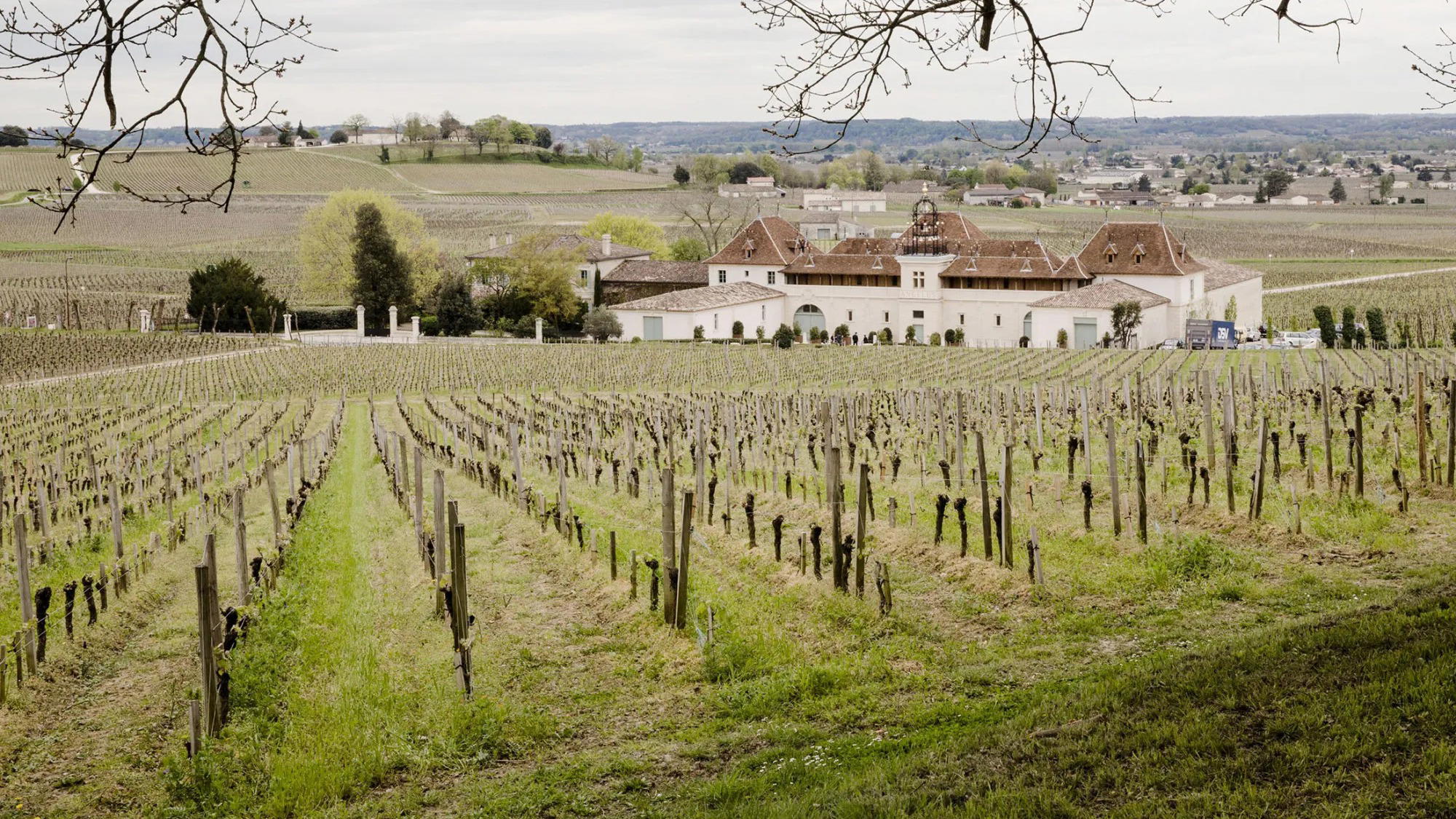
Château Tour Bayard is a small Montagne-Saint-Émilion estate working the Right Bank grammar of Merlot, Cabernet Franc and old-vine Malbec. Its 15 hectares of clay, limestone and gravel produce structured reds with modern polish, while the Malbec-heavy L’Angelot gives the estate a sharper editorial hook than many satellite-appellation names.
Pearl is the En Primeur Club membership app — saves, bookings, and concierge access live there. Same editors, same standards.
- Address
- Montagne, Libournais, Nouvelle-Aquitaine, Frankreich
- Directions
- Get directions
 Saves & bookings on Pearl
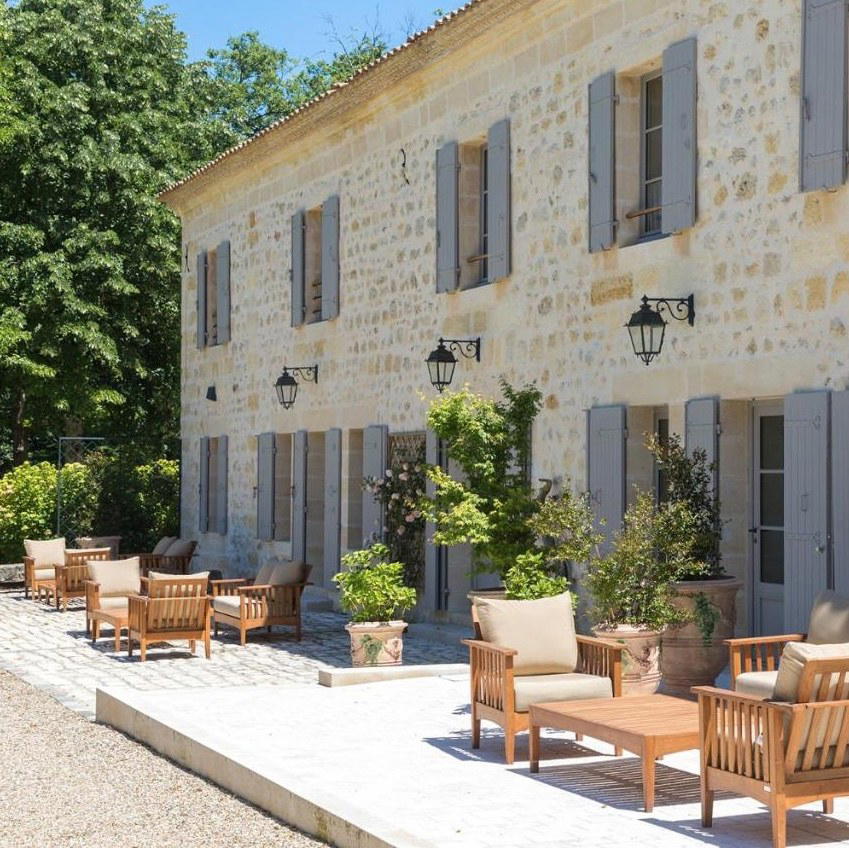
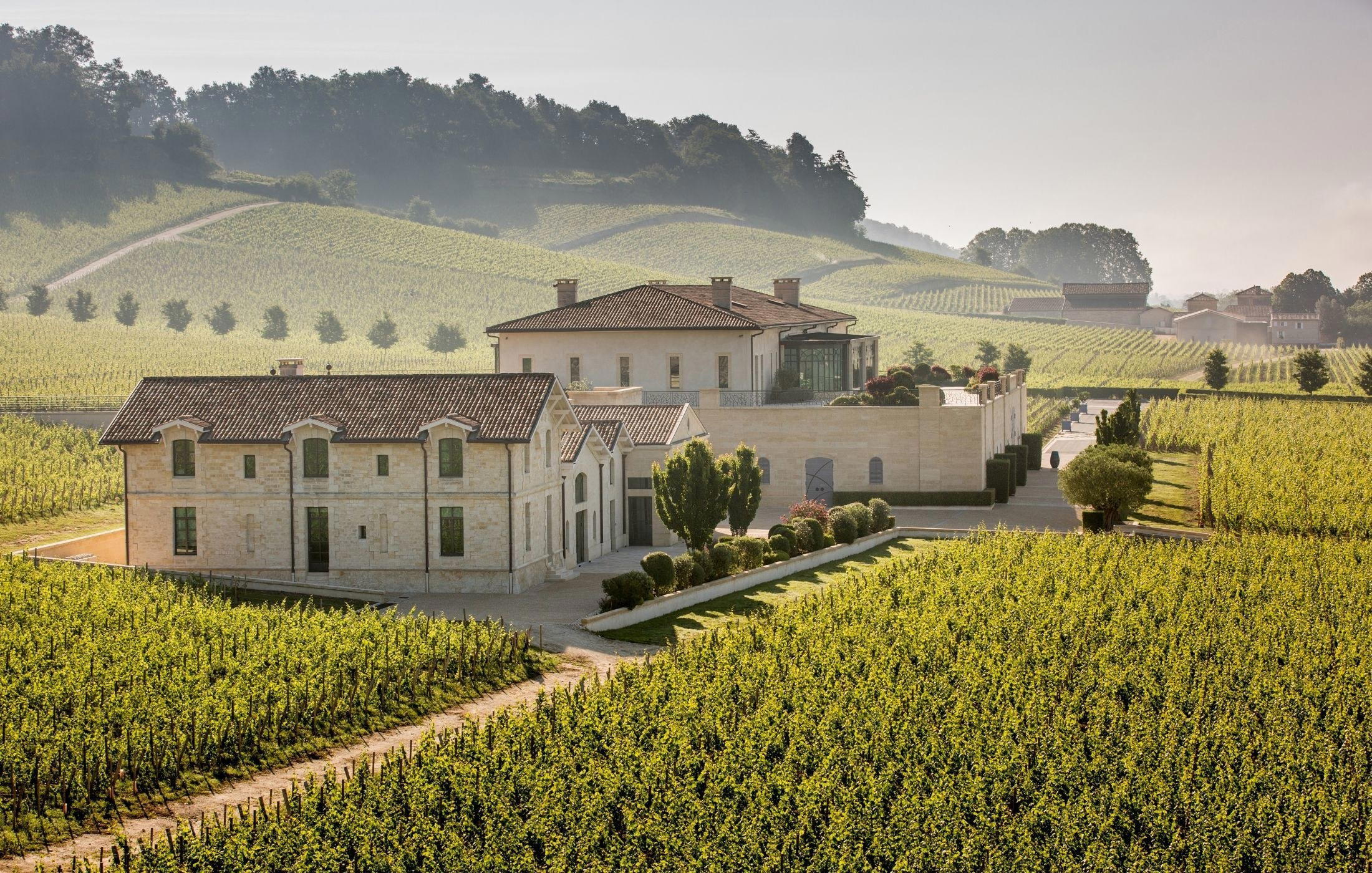
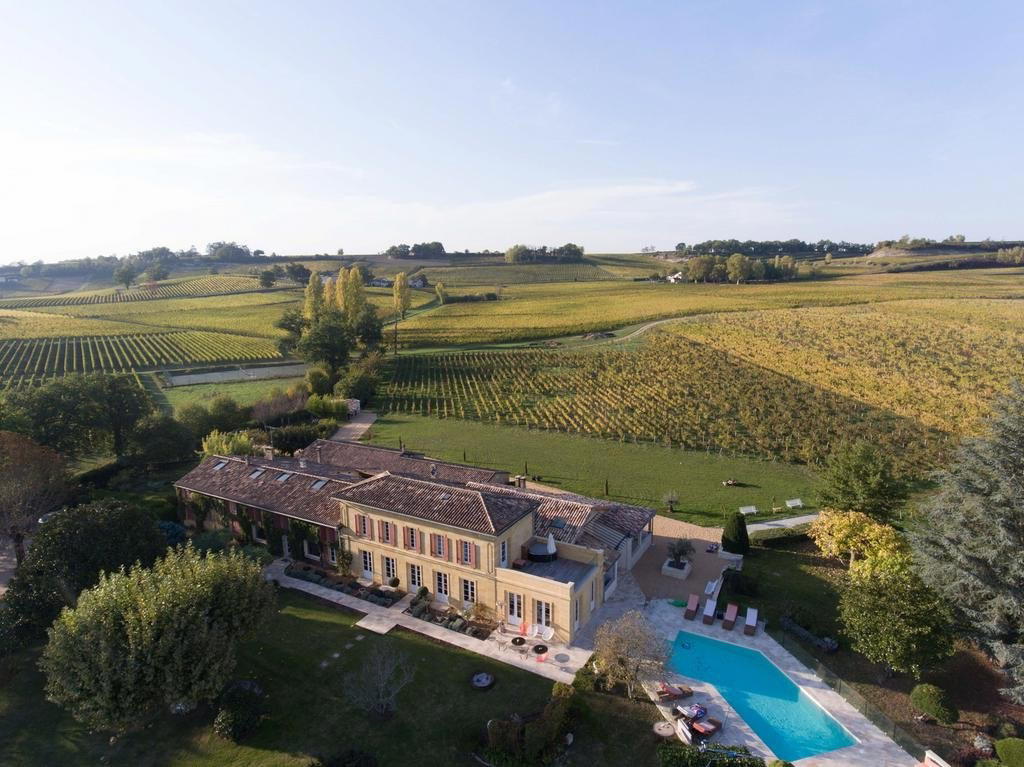
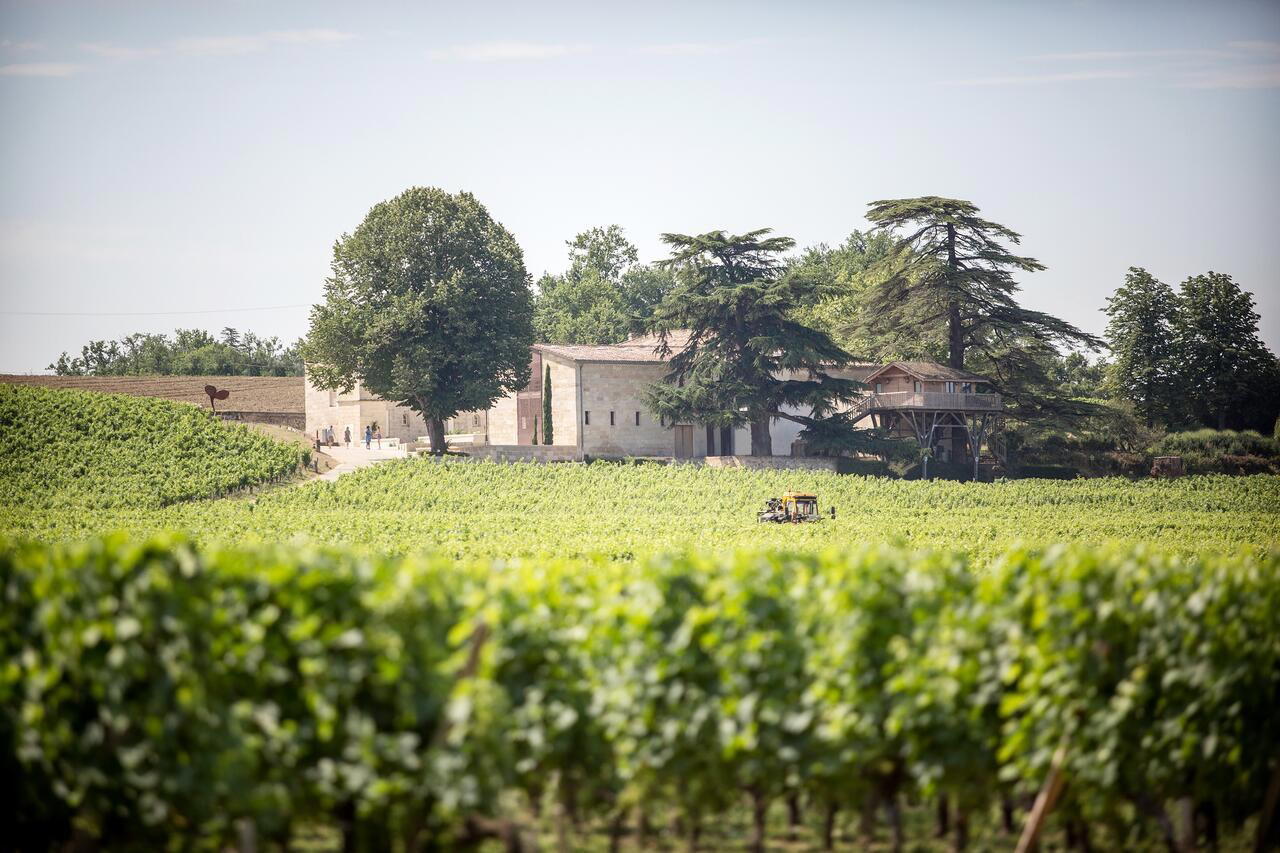
Château Tour Bayard is a traditional Right Bank Bordeaux estate in Montagne. The picture is intentionally simple: a rural vineyard setting, a focus on structured yet supple red wines, and a classic estate atmosphere rather than a polished visitor-center experience. In practical terms, that means the estate is best approached through the essentials already associated with it: place, style and mood. It sits within the Montagne frame, speaks in the language of Right Bank Bordeaux, and presents itself through red wines described with both power and refinement.
The wines are described as smooth, powerful and modern in style, with refined tannins. For readers planning around Montagne, the useful framing is not a long list of production details, but the estate’s clear identity: Right Bank Bordeaux reds in a quiet vineyard setting. That clarity is valuable, because it keeps expectations focused. This is not positioned here as a venue defined by spectacle, elaborate programming or a detailed technical profile, but by a more direct combination of vineyard atmosphere and composed red-wine character.
A traditional Right Bank Bordeaux estate in Montagne
Château Tour Bayard fits the more classic, rural side of Montagne wine travel. Expect the emphasis to fall on the estate and its red wines rather than on a highly staged hospitality format. The experience, as presented, belongs to the quieter register of Bordeaux touring: a property rooted in its vineyard context, with the interest coming from the sense of place and from wines that are framed as structured, supple and polished.
The style notes point toward structure, suppleness and polished tannins. That makes the estate most relevant for drinkers interested in modern Right Bank Bordeaux reds that retain a firm, composed frame. “Smooth” and “powerful” are useful words here because they suggest a wine profile that is not merely soft or easy, but also not presented as austere. The added reference to refined tannins gives the description a more finished shape: the wines are described as having strength, but also a degree of polish and control.
Specific claims about vineyard size, grape percentages, production volumes, winemaking vessels, vintage ratings or awards are not included here because they are not part of the available information. That absence matters for how the estate should be written about and visited. The strongest reading of Château Tour Bayard, based on the available description, is not technical or encyclopedic. It is editorial and practical: a traditional Montagne estate, Right Bank in character, with a red-wine identity that leans smooth, powerful, modern and tannin-refined.
The appeal is style and setting, not spectacle
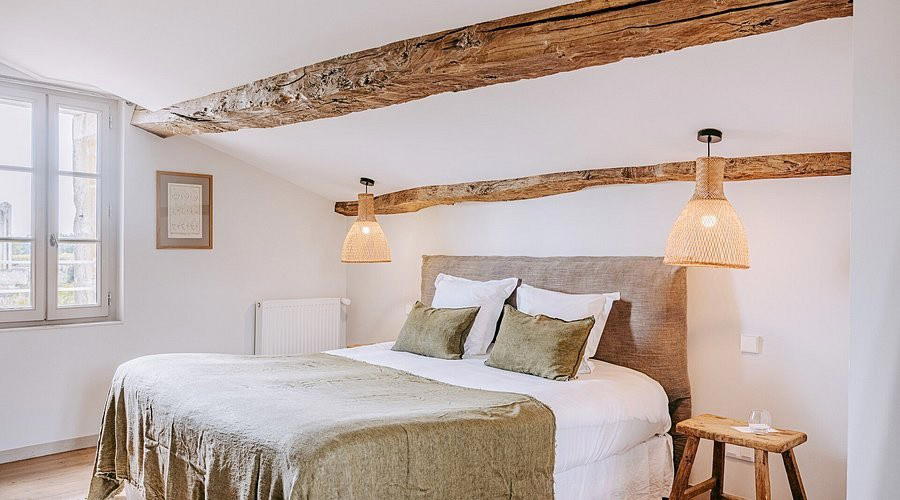
The strongest reason to place the winery on a Montagne itinerary is its combination of rural vineyard atmosphere and structured red-wine focus. It is presented as a classic estate rather than a sleek destination built around architectural display. That distinction is important for travelers deciding where to spend time. Some wine stops are chosen for design, scale or a carefully choreographed visitor experience; this one is more naturally understood through the traditional estate mood already described.
That low-key setting is part of the appeal. The guide’s description emphasizes a working Right Bank Bordeaux mood: traditional, quiet and focused on wines described as smooth, powerful and modern, with refined tannins. The appeal is therefore not a checklist of extras, but a coherent overall impression. The rural vineyard context supports the wine description, and the wine description gives the setting more purpose. Together they create a compact, classic profile: Montagne, red wines, structure, suppleness and a calm estate atmosphere.
For that reason, the winery will work well to readers who value restraint in a wine-country stop. The available description does not ask visitors to expect a dramatic landmark or a heavily produced hospitality setting. Instead, it points toward a more grounded encounter with a Right Bank Bordeaux estate, where the central interest is the relationship between place and wine style. The experience is framed by balance: traditional rather than flashy, modern in wine style yet still composed, powerful but softened by refined tannins.
How to place it in a Montagne wine itinerary
For a Montagne itinerary, the winery is best understood as a traditional Right Bank Bordeaux estate with a rural vineyard character. It is a natural fit for readers who want a grounded, less polished estate experience centered on structured yet supple reds. In a broader day of planning, it works as a stop defined by clarity rather than complexity: the reason to include it is the estate’s specific combination of Montagne setting, classic atmosphere and smooth, powerful, modern red-wine style.
Readers building a wider Montagne plan can pair the winery with other dining, hotel, bar and experience research in the area, while treating operational details as something to confirm directly before visiting. That confirmation remains important precisely because the available information here is focused on identity and style, not logistics. The safest approach is to use the estate description as a guide to fit and mood, then verify the practicalities separately before making firm plans.
Against a broader field of wine travel, the winery’s appeal is precise: Montagne, Right Bank Bordeaux, a classic rural estate setting, and red wines described as smooth, powerful and modern with refined tannins. It is not presented as a place that needs embellishment to be understood. Its value lies in a concise, recognizable profile: a traditional estate in a quiet vineyard context, offering a red-wine focus that combines structure, suppleness and polish.
Recognition history
Dated appearances from independent guides and award organizations, with the underlying list record or original source where available.
Falstaff Winery - Listed
Falstaff
Continue exploring
More in Montagne
Wineries in Montagne
Browse all →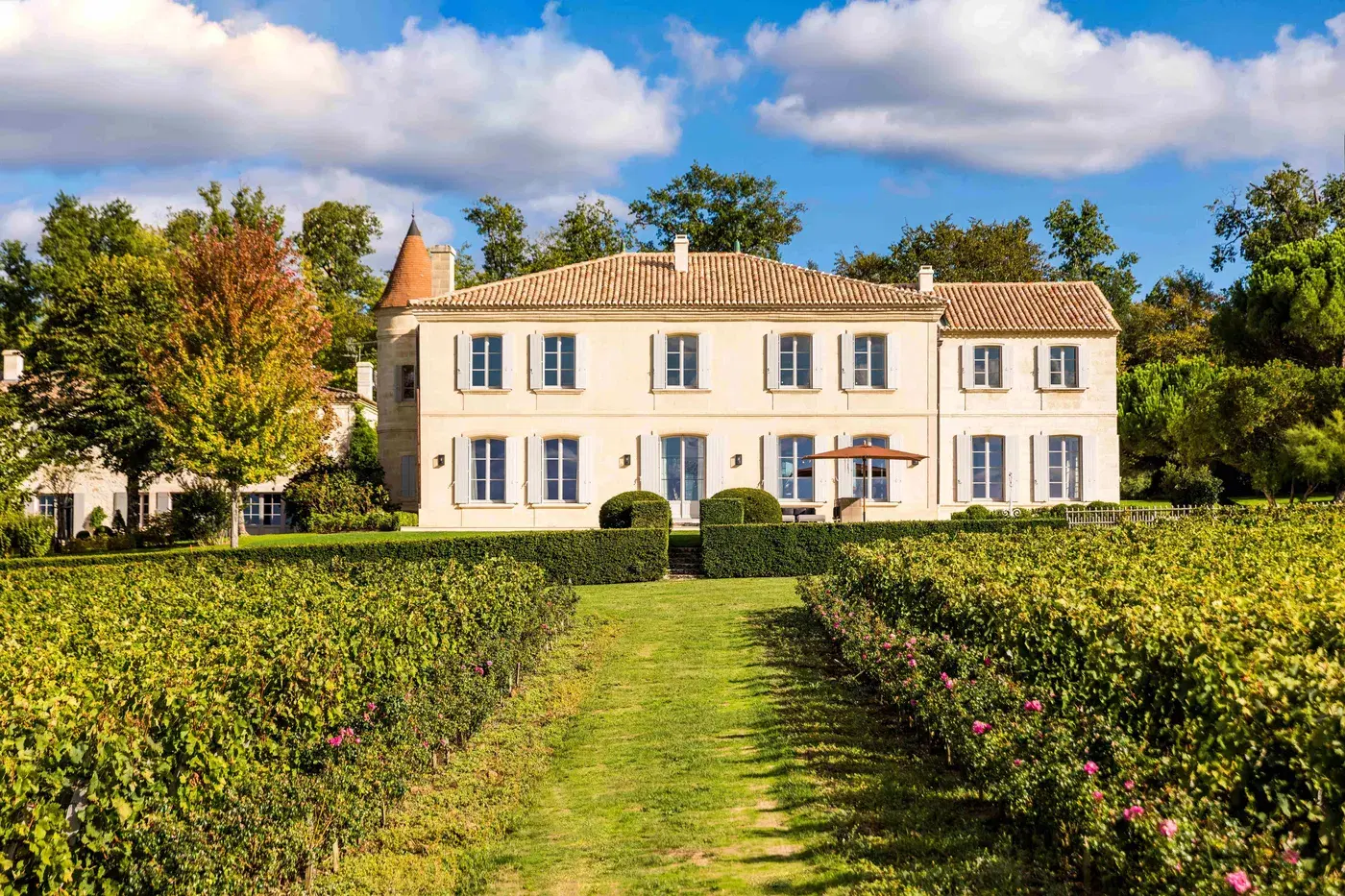
Bars in Montagne
Browse all →

Restaurants in Montagne
Browse all →
At a Glance
- Classic
- Rustic
- Quiet
- Wine Education
- Solo Exploration
- Romantic Getaway
- Sustainable
- Vineyard
- Montagne Saint Émilion AOC
- Merlot
- Cabernet Franc
- Malbec
- Still Red
Traditional Right Bank Bordeaux estate focused on structured yet supple reds, with a classic, rural vineyard setting rather than a polished visitor center; the wines are described as smooth, powerful and modern in style with refined tannins and expressive dark fruit.