
Michelin Plate
Our verdict
A Michelin Plate holder for 2024 and 2025, L'Escargot sits within Saumur's mid-range traditional dining tier, priced at €€ and located on Rue du Maréchal Leclerc. For visitors seeking a grounded, classically French meal in the Loire Valley, it is a reliable anchor point.

Pearl is the En Primeur Club membership app — saves, bookings, and concierge access live there. Same editors, same standards.
- Address
- 30 Rue du Maréchal Leclerc, 49400 Saumur, France
- Phone
- +33 2 41 51 20 88
- Hours
- Mon ClosedTue–Sat 12–1:30 PM, 7–8:45 PMSun Closed
- Website
- lescargot49.fr
- Directions
- Get directions
- Booking
- Book on the venue's website
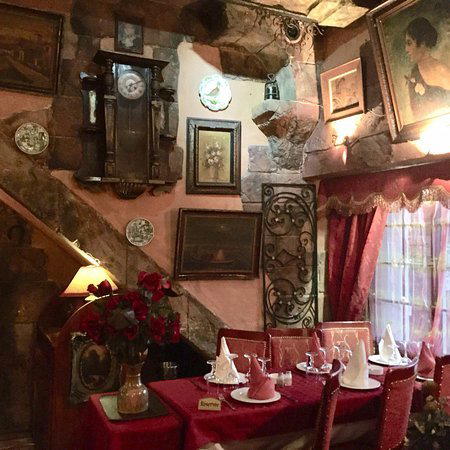
Traditional Cooking in a Loire Valley Town That Takes Its Table Seriously
Saumur sits at a particular intersection in French provincial dining: it is a wine town, a market town, and a place where locals eat with genuine conviction. The restaurants that endure here are not chasing trends from Paris or Lyon. They are working within a tradition of regional hospitality that goes back generations, one where a properly made sauce, a sourced-locally protein, and a well-kept cellar are the criteria by which a kitchen earns its reputation. L'Escargot, at 30 Rue du Maréchal Leclerc, occupies this territory.
What the Michelin Plate Signals in This Context
The Michelin Plate is worth understanding clearly. It is not a star, and it does not aspire to be read as one. Since Michelin introduced the Plate as a formal designation, it has functioned as a marker of good cooking at a non-starred level: the inspectors found something worth noting, something that justifies a detour for the right diner, without the tasting-menu formality or price escalation that accompanies the higher tiers. In Saumur, where the starred tier is thin and the gap between a casual bistro and a polished traditional table is meaningful, two consecutive Plate years is a signal that L'Escargot is operating with consistency and craft.
Among the town's traditional-cuisine addresses at the €€ price point, the Michelin recognition sets it apart. Le Boeuf Noisette occupies the same price band and cuisine category, making the two the most direct comparison within the traditional tier. For those who want to see how Saumur's modern-cuisine addresses operate by contrast, L'Alchimiste, L'Essentiel, L'Instinct, and La Table By Mi-K'L each represent the contemporary current running parallel to the classical one. The two currents serve different appetites: one rewards familiarity and execution, the other rewards invention.
The Cultural Weight of Traditional Cuisine in the Loire
French traditional cuisine is not a static category. It describes a set of techniques, ingredient relationships, and service conventions that evolved across centuries of regional practice, then got codified partly through the Michelin universe and partly through the influence of the grandes tables that define France's dining identity internationally. Houses like Auberge de l'Ill in Illhaeusern, Troisgros in Ouches, and Bras in Laguiole represent the pinnacle of that tradition in their respective regional registers, and they share with smaller practitioners like L'Escargot the underlying premise that good cooking is about place, product, and accumulated skill rather than novelty. The Michelin-starred end of that spectrum, including Mirazur in Menton, Flocons de Sel in Megève, and Alléno Paris au Pavillon Ledoyen, operates at a different scale of ambition and investment, but the lineage is shared.
In the Loire specifically, traditional cuisine carries the additional weight of one of France's most varied wine regions. Saumur's AOC whites, the Cabernet Franc-based reds of Saumur-Champigny, and the sparkling Crémant de Loire all present pairing opportunities that reward a kitchen working with local knowledge rather than against it. Traditional tables in this part of the country tend to approach the wine list as an extension of the food rather than a separate department, and the leading among them treat Saumur-Champigny with the same seriousness that Burgundy-adjacent restaurants bring to Pinot Noir. For a deeper look at what the region's producers are doing, our full Saumur wineries guide maps the appellation landscape with producer-level detail.
Traditional Cuisine as a Category, Not a Compromise
There is a tendency in contemporary food writing to treat traditional cuisine as the fallback option, the choice you make when you cannot get a table at the modern-cuisine restaurant you actually wanted. This reading is wrong, and it misunderstands what the tradition is capable of. A well-executed classical French menu demands as much technical discipline as any avant-garde tasting sequence: stocks built over hours, sauces that require precise emulsification and seasoning, proteins that must be handled with consistent timing. What traditional cuisine trades in theatre and surprise, it recovers in comfort and depth, in the kind of satisfaction that comes from a dish you recognise and that is nonetheless better than you expected.
Similar approaches to traditional-format cooking at the non-starred Michelin level appear in places like Auberge Grand'Maison in Mûr-de-Bretagne and Auga in Gijón, where the emphasis falls on product quality and classical technique over presentation novelty. The throughline in each case is a kitchen that has decided what it is and executes within that definition with care.
Planning a Meal and a Visit
L'Escargot sits on Rue du Maréchal Leclerc in central Saumur, within walking distance of the old town's main axis and close to the Loire riverfront. At the €€ price point, it places itself accessibly within the town's mid-range dining tier, which makes it a practical anchor for an afternoon or evening that might include the château, the troglodyte caves, or the wine town's tasting rooms before or after the meal. Booking ahead is advisable, particularly during the summer season when the Loire Valley draws steady visitor traffic; for a town of Saumur's size, the Michelin-recognised tables fill quickly on weekends.
For visitors building a broader stay, our Saumur hotels guide covers the accommodation tier from boutique properties to Loire-facing options. The bars guide maps the town's drinking scene, where Crémant de Loire by the glass is the sensible aperitif choice, and the experiences guide covers what the town and its surroundings offer beyond the table. The complete picture of Saumur's dining scene across all price points and cuisine styles is in our full Saumur restaurants guide.
Frequently asked questions
at L'Escargot?
At a table like this, the logical approach is to ask the server which preparations are drawing from seasonal Loire Valley produce at the time of your visit, and to follow the wine list toward Saumur-Champigny or a local white as the pairing framework. The cuisine type is traditional French, which typically foregrounds classic preparations, so house specialities tend to reflect the kitchen's longest-held techniques rather than recent additions to the menu.
Cost and Credentials
| Venue | Cuisine | Price | Awards | Notes |
|---|---|---|---|---|
| L'EscargotThis venue — the venue you are viewing | Traditional French Bistro | $30–50 | Michelin Plate | Not listed |
| L'Alchimiste | Modern French Bistro | $30–50 | Michelin Plate | Modern Cuisine |
| La Table du Château Gratien | Modern French Gastronomic | $50–100 | Michelin Plate | Modern Cuisine |
| Le Boeuf Noisette | Classic French Bistro | $30–50 | Michelin Plate | Traditional Cuisine |
| Masama | Latin-French Fusion Bistro | $20–30 | Michelin Plate | Fusion |
| La Table By Mi-K'L | Modern French Bistro | $30–50 | Michelin Bib Gourmand | Modern Cuisine |
Recognition history
Dated appearances from independent guides and award organizations, with the underlying list record or original source where available.
Michelin Plate
Michelin
Full recognition history (3 entries)
Michelin Plate
Michelin
Michelin Plate
Michelin
Continue exploring
More in Saumur
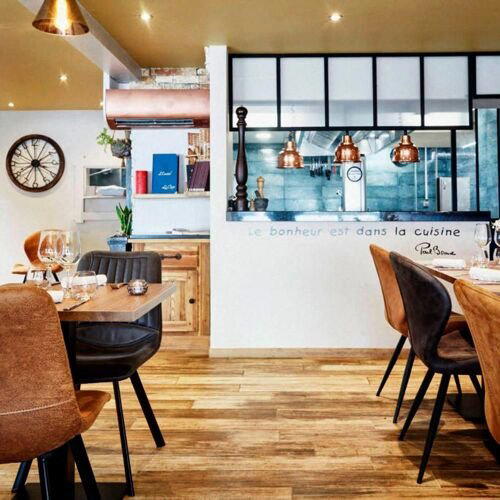
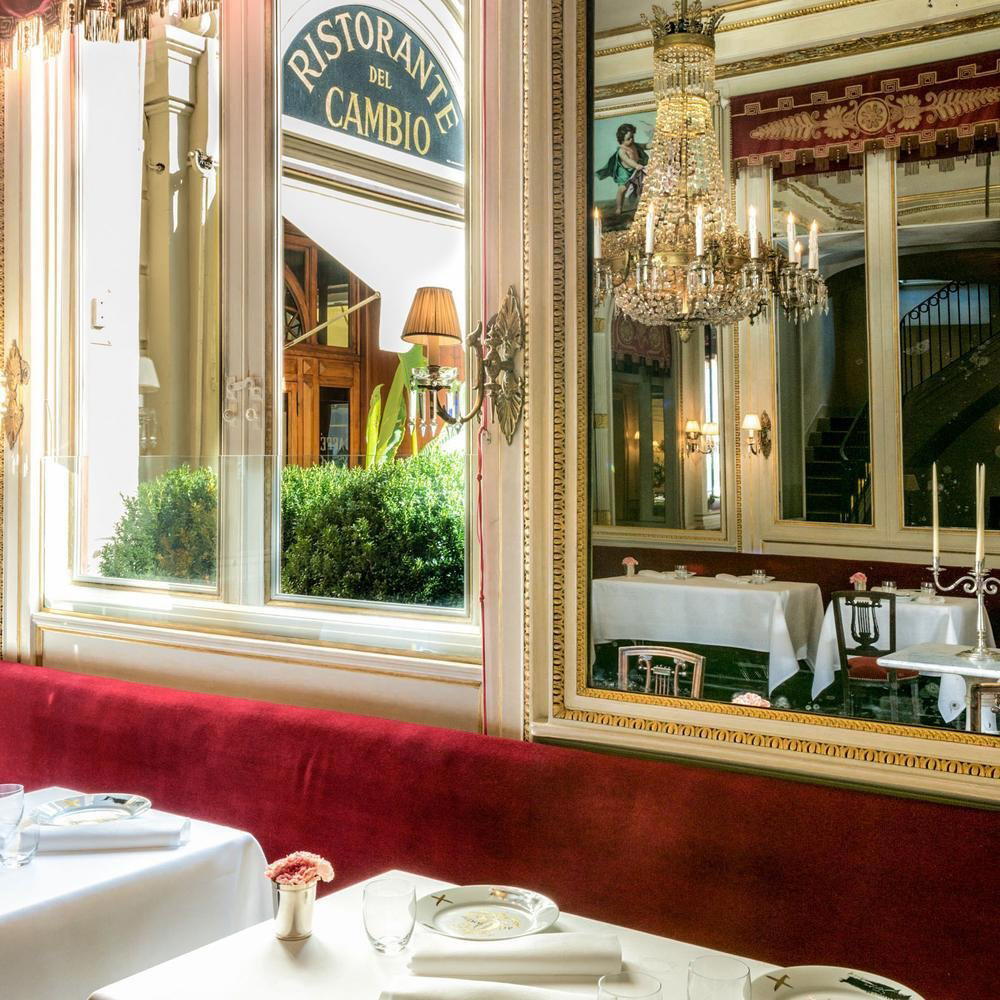
Restaurants in Saumur
Browse all →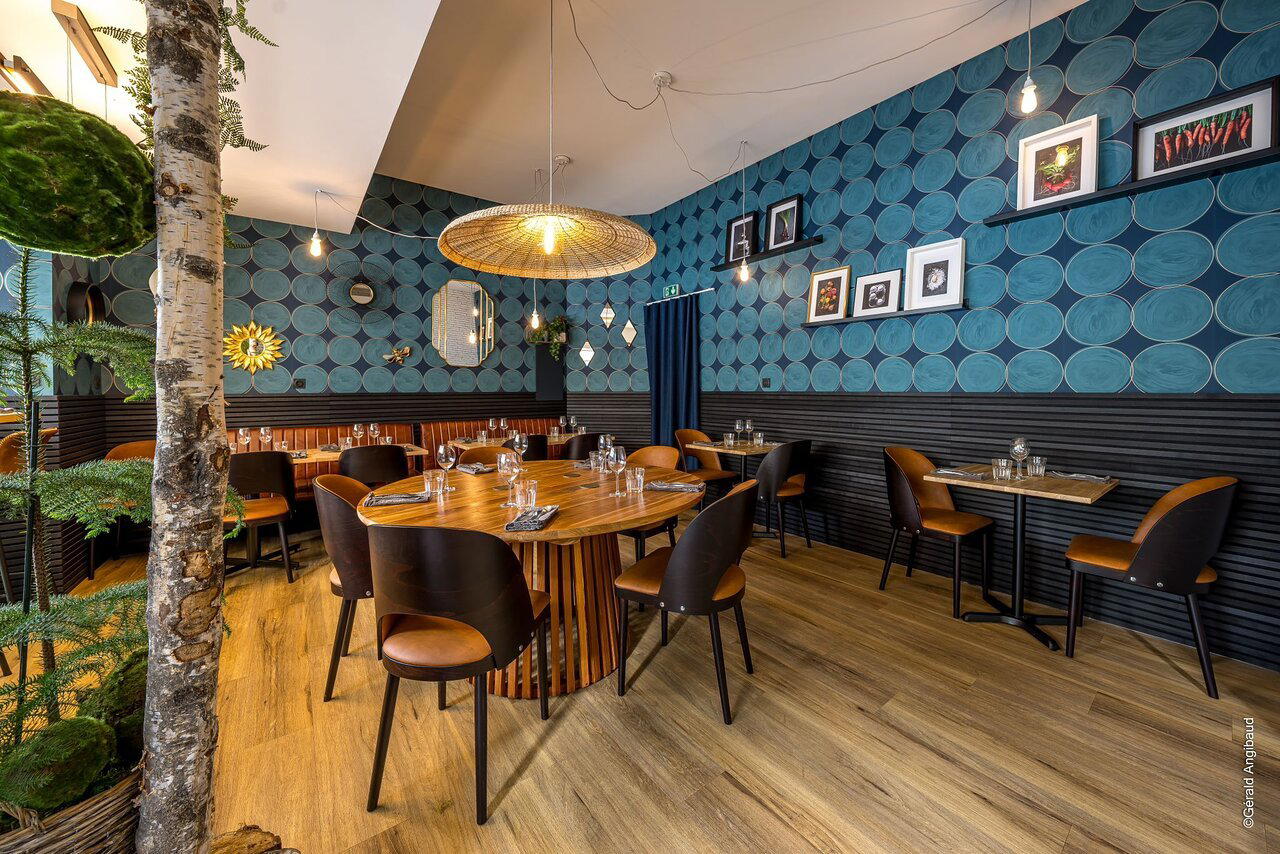
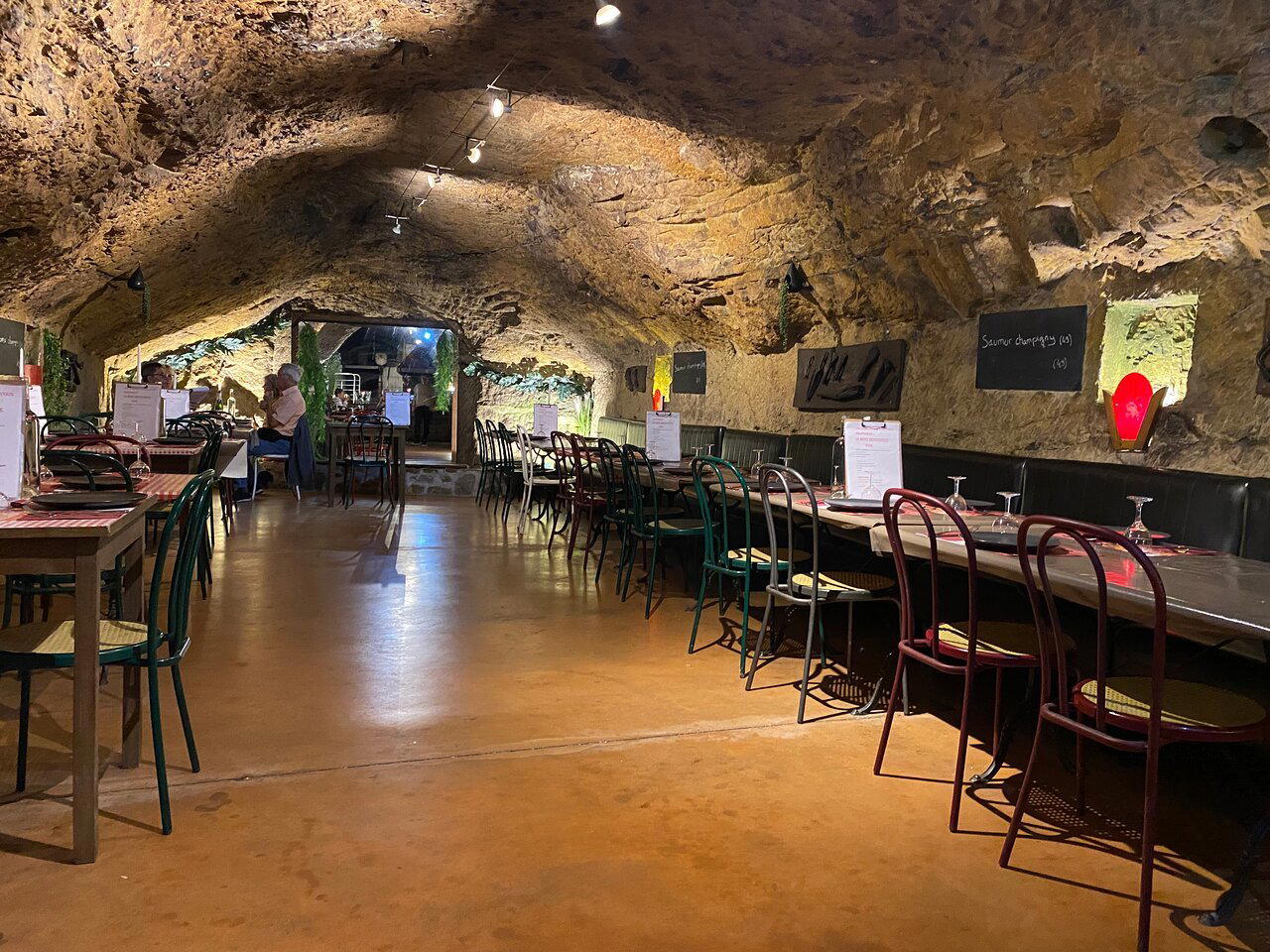
Bars in Saumur
Browse all →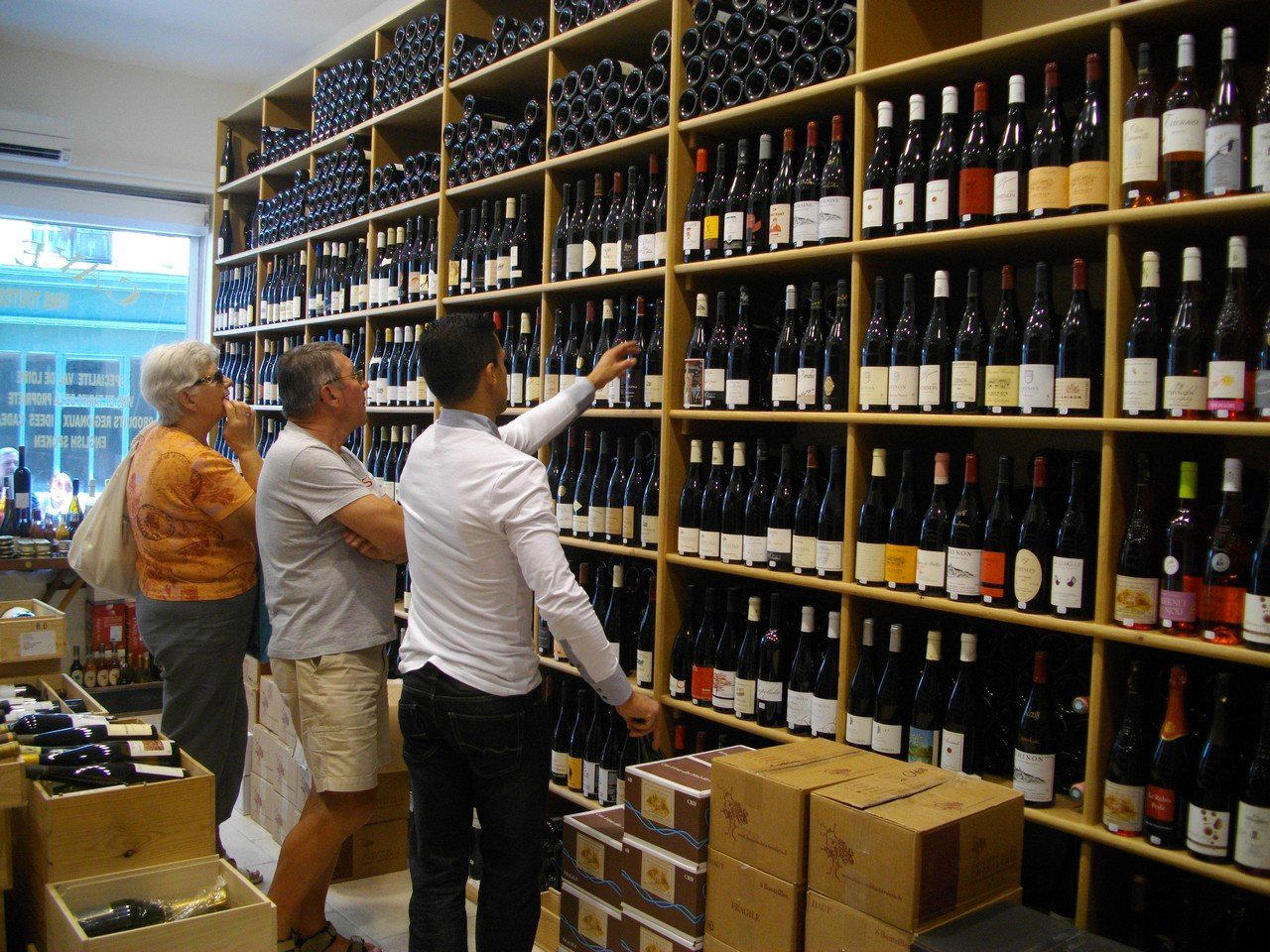
Hotels in Saumur
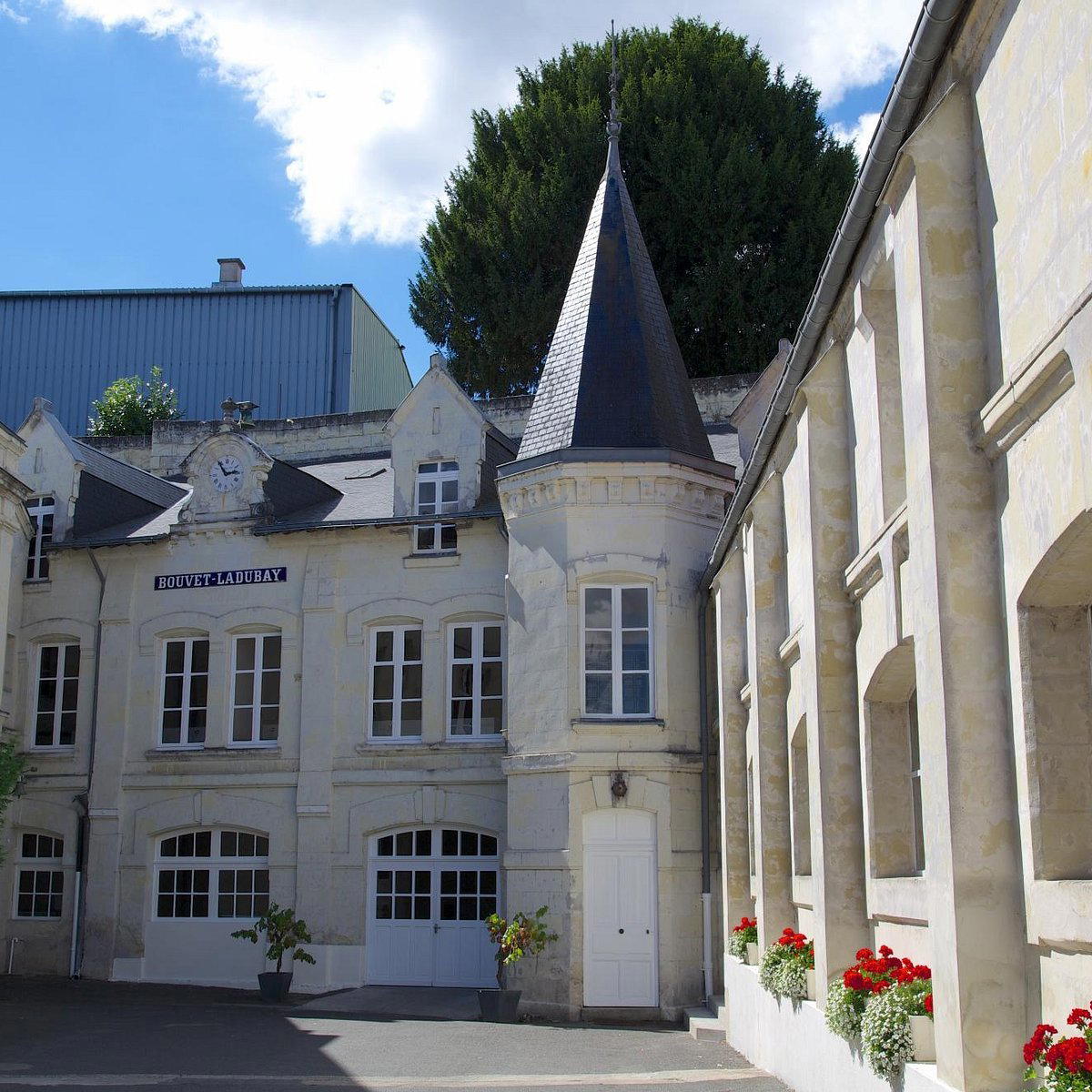
Browse all →

Details
- Elegant
- Cozy
- Sophisticated
- Date Night
- Special Occasion
- Terrace
- Extensive Wine List
- Local Sourcing
- Garden
- A La Carte
Current opening hours
- Monday
- Closed
- Tuesday
- 12–1:30 PM, 7–8:45 PM
- Wednesday
- 12–1:30 PM, 7–8:45 PM
- Thursday
- 12–1:30 PM, 7–8:45 PM
- Friday
- 12–1:30 PM, 7–8:45 PM
- Saturday
- 12–1:30 PM, 7–8:45 PM
- Sunday
- Closed
Hours can change for holidays and private events. Last verified .
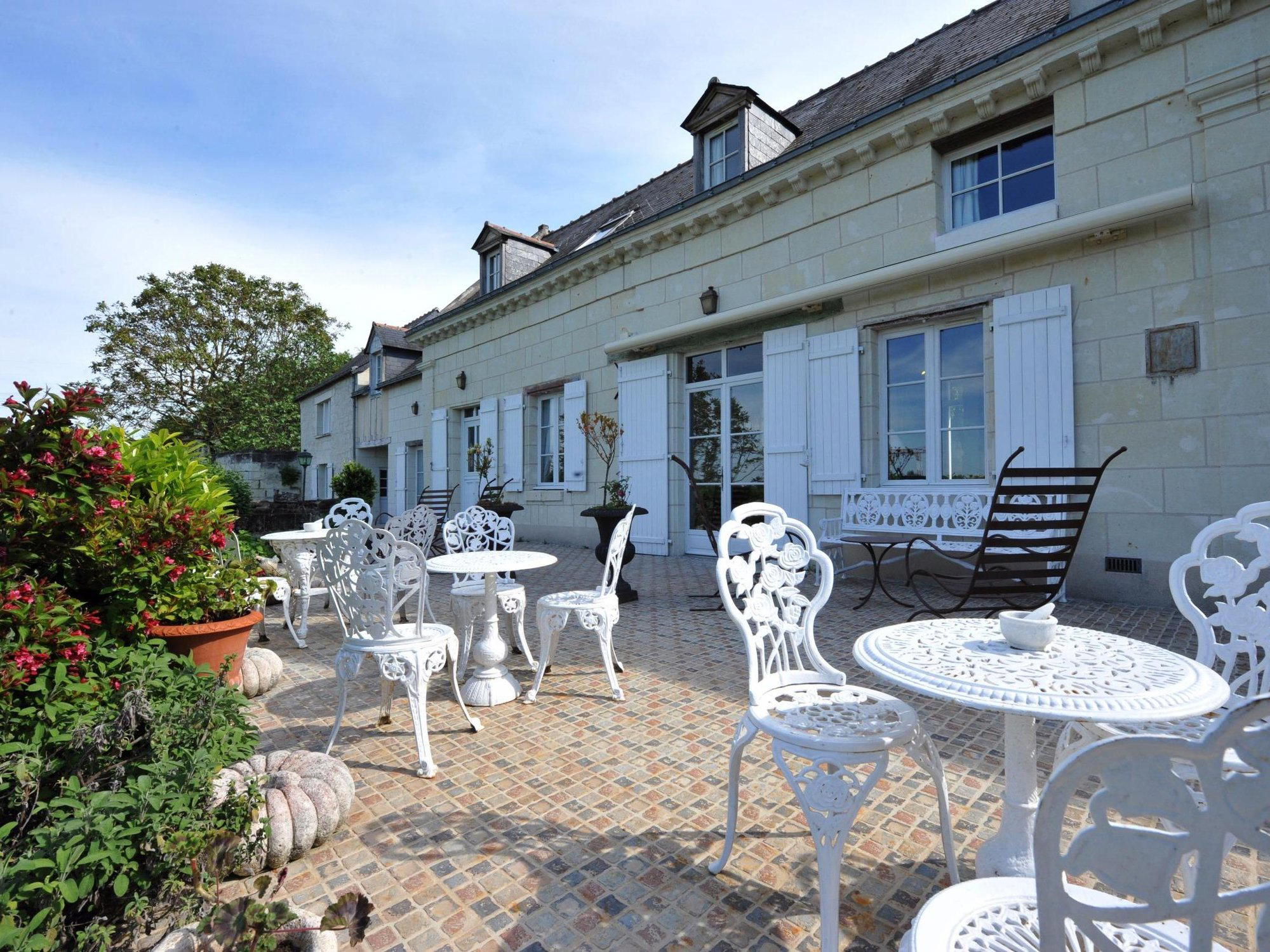
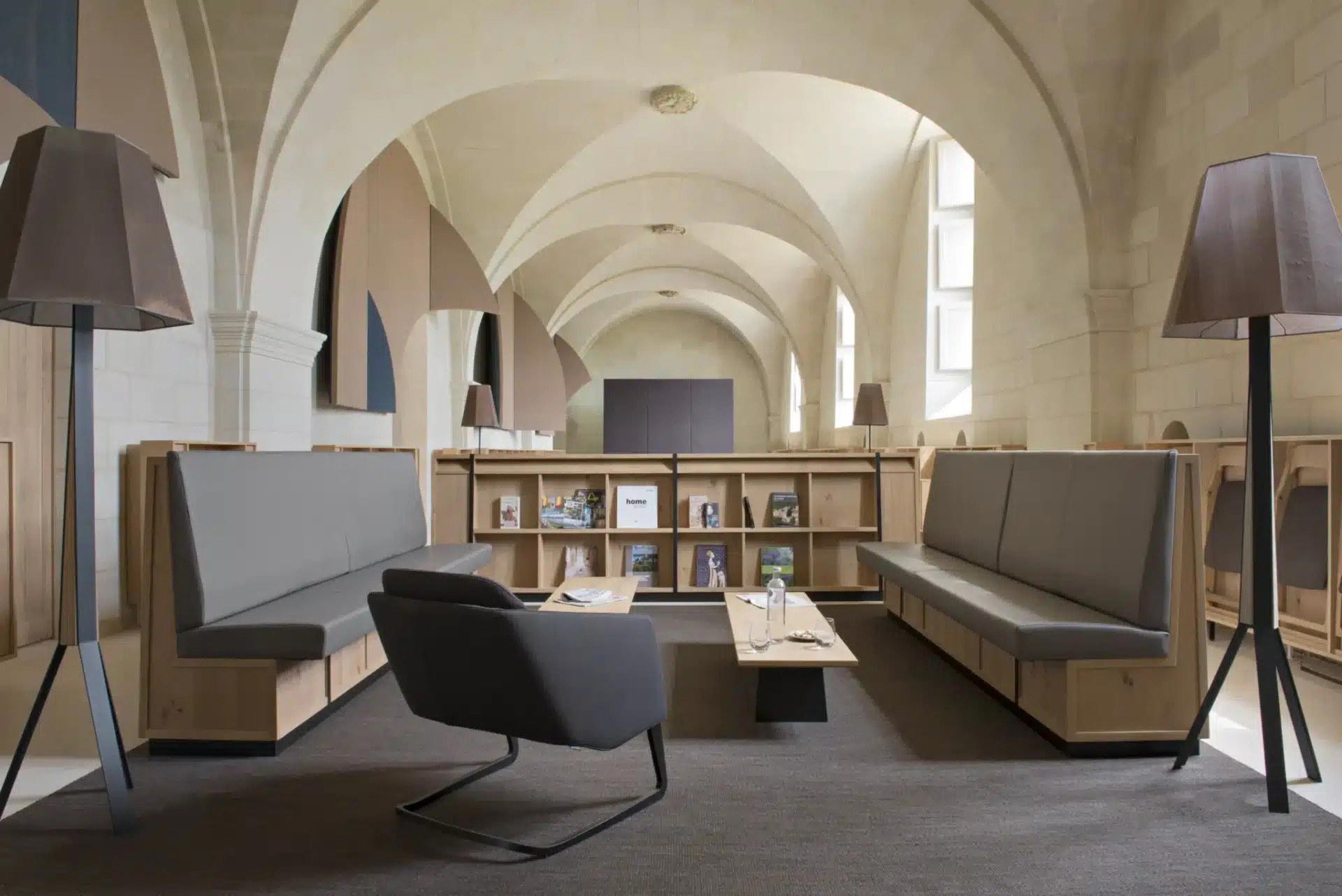
Pleasant contemporary setting with a super outdoor garden courtyard shaded for summer dining.