
Château de Fosse-Sèche brings Saumur into sharper focus through land rather than polish: Jurassic flint, gravel, iron oxide, biodynamic farming, and a medieval estate history shape the argument. The wines lean on Cabernet Franc, Cabernet Sauvignon, Chenin Blanc, and Chardonnay, with a quiet rural tasting format suited to travelers who care about soil, farming, and restraint.
Pearl is the En Primeur Club membership app — saves, bookings, and concierge access live there. Same editors, same standards.
- Address
- Brossay, Saumur, Center-Val de Loire, Frankreich
- Directions
- Get directions
 Saves & bookings on Pearl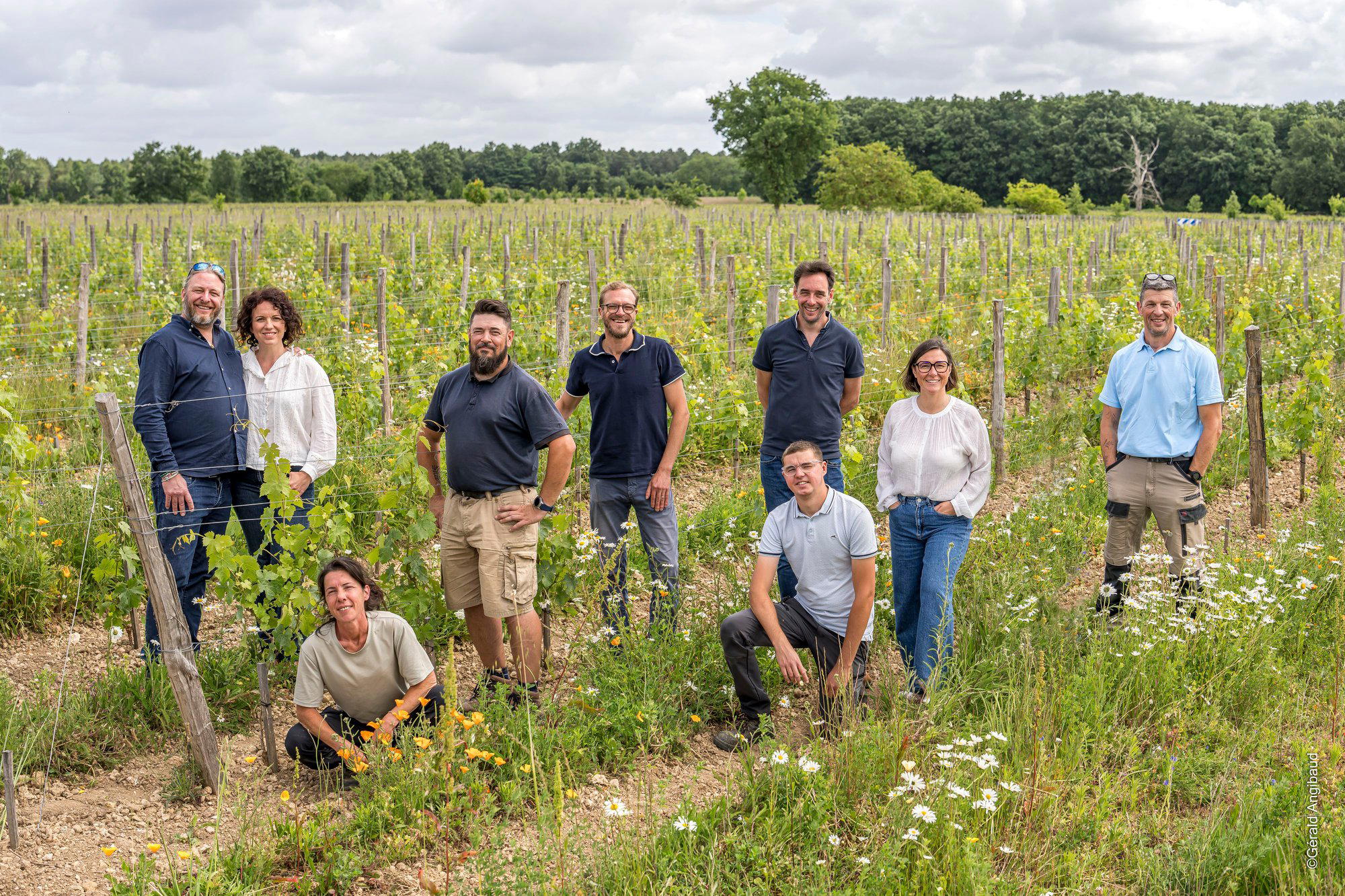
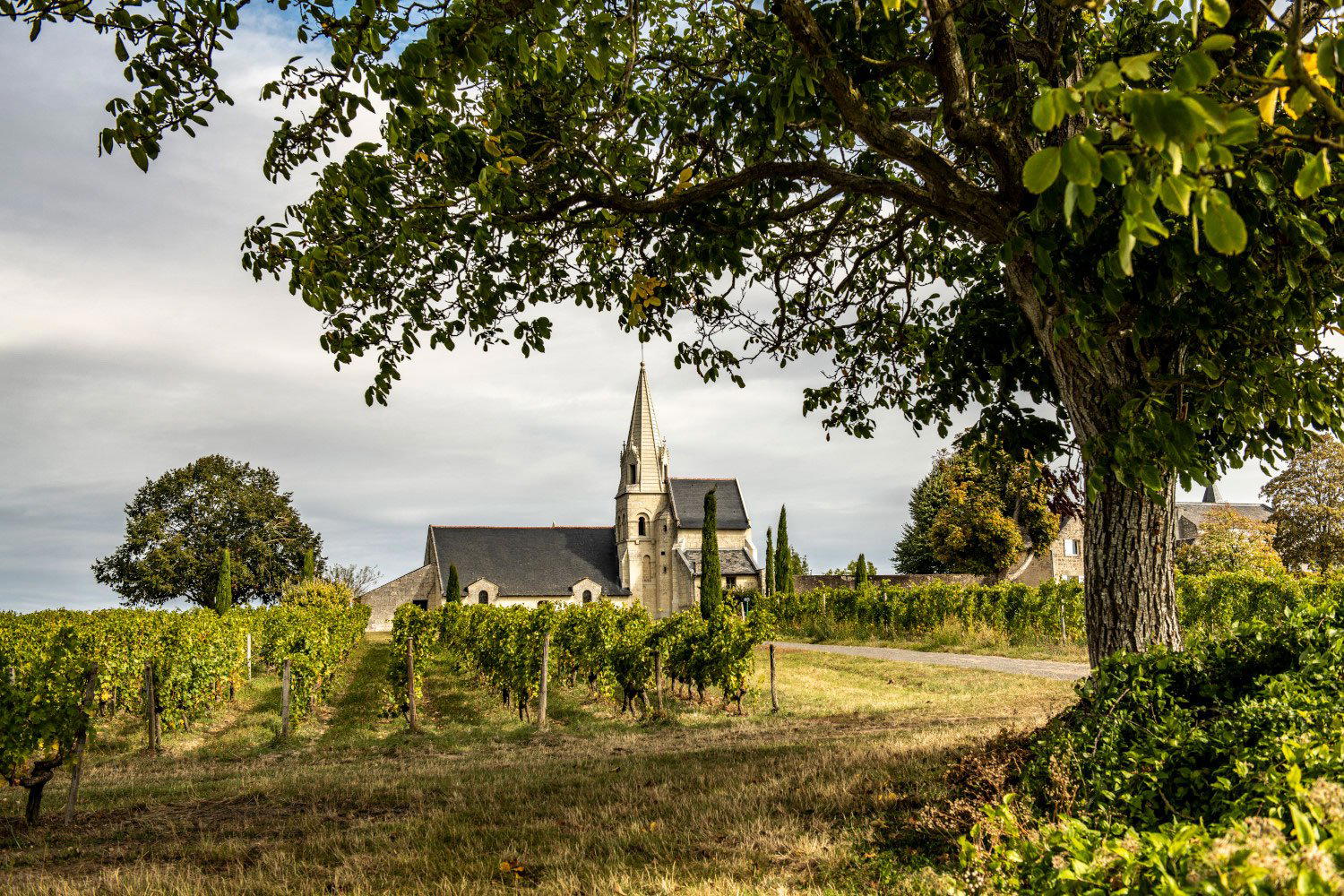
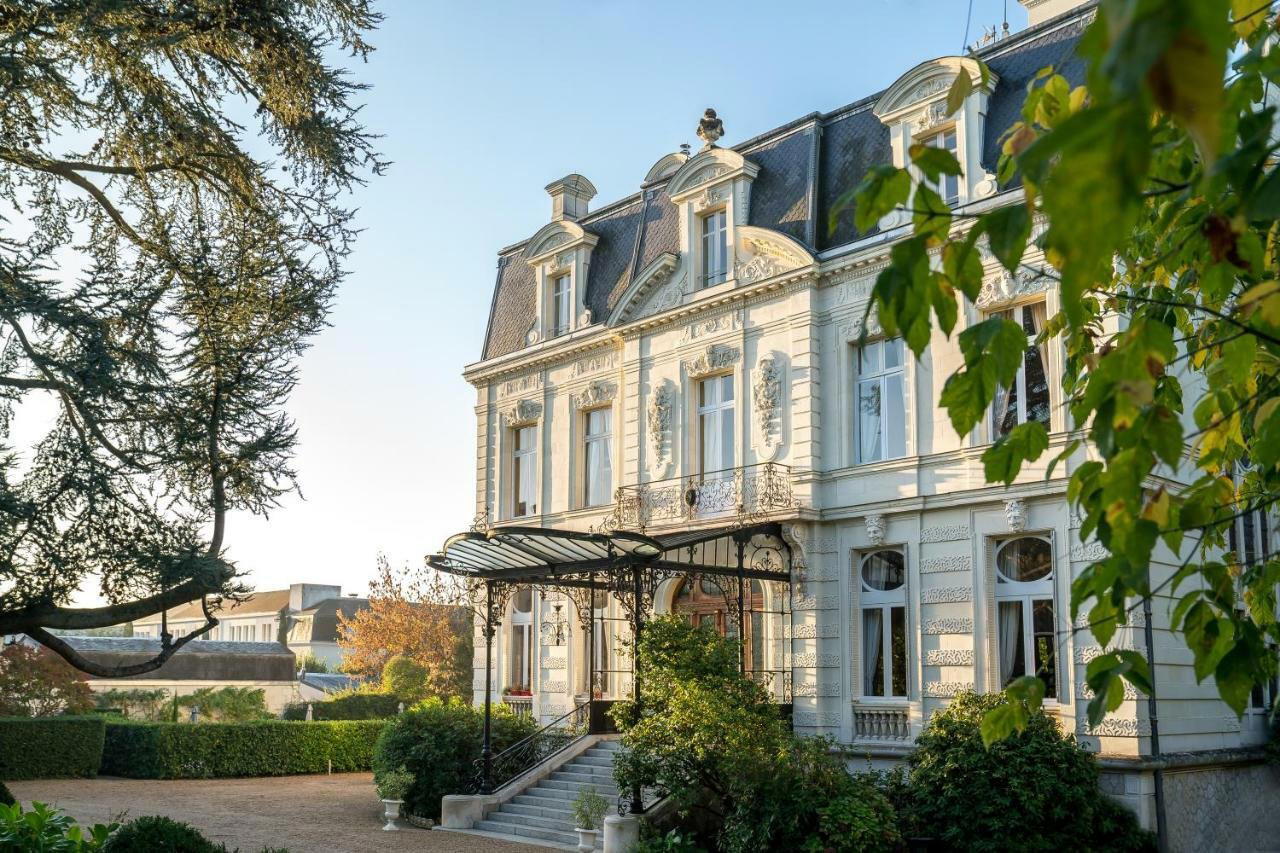
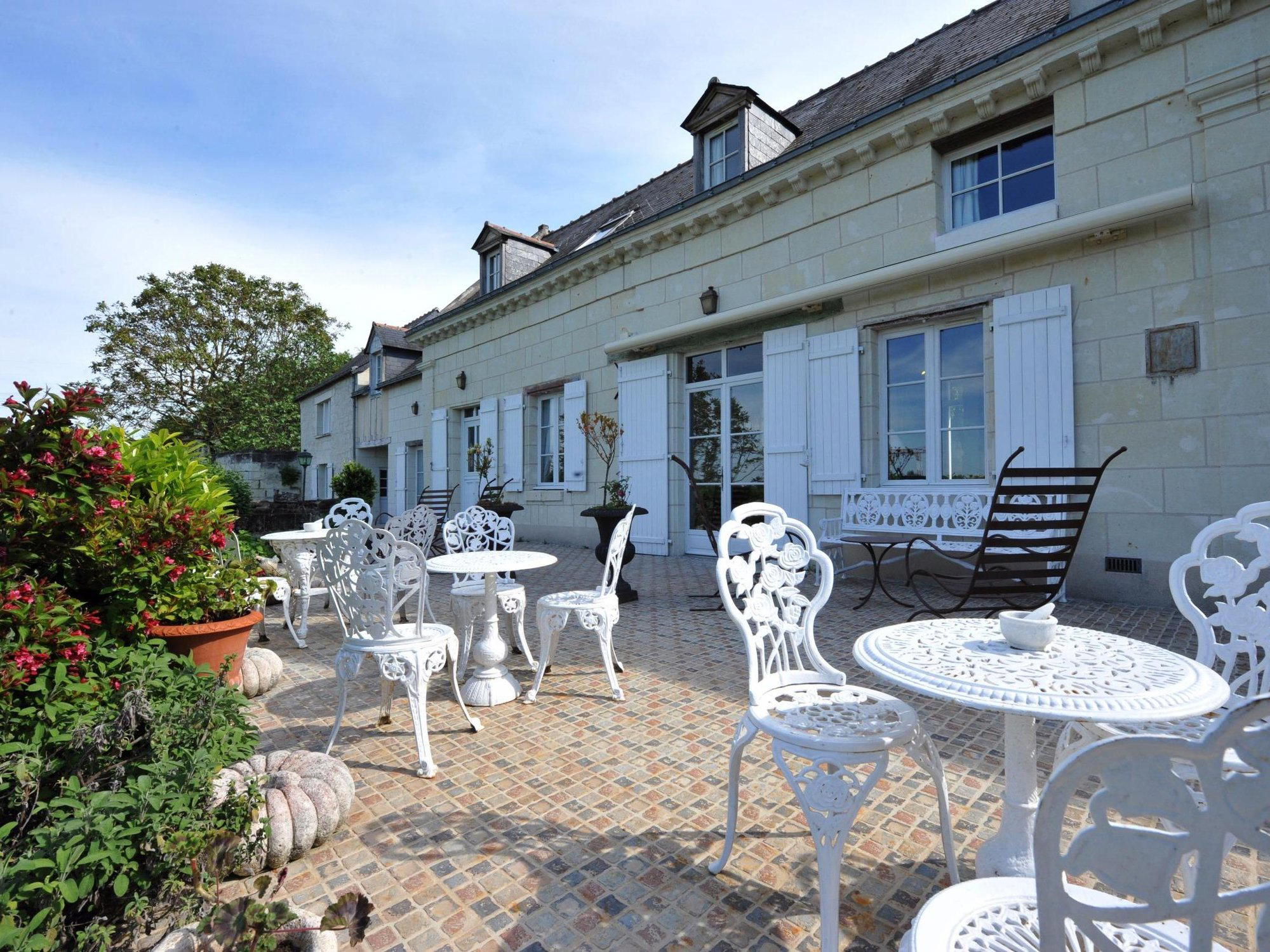
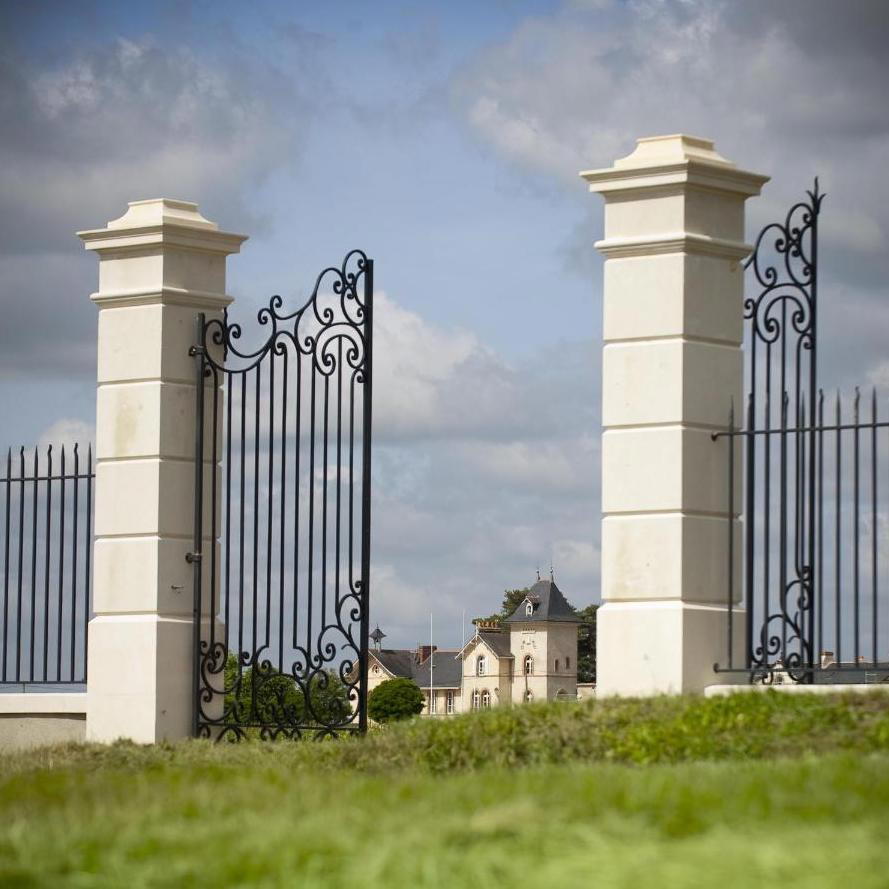
The approach to Château de Fosse-Sèche is countryside before anything else: old stone, open rural calm, and the quiet scale of a historic Middle-Age estate in Brossay. The picture is not one of urban polish or spectacle, but of a serene natural setting where biodiversity and low-intervention winemaking are central to the identity of the place.
For EP Club readers, the useful frame is simple: Château de Fosse-Sèche is best understood as a countryside wine estate with a rustic, scenic, and romantic atmosphere. Its wines are often described in terms of purity and energy, and the setting reinforces that impression: quiet, natural, and removed from a high-volume hospitality rhythm.
A countryside estate shaped by biodiversity and low-intervention winemaking
The strongest reading of Château de Fosse-Sèche begins with its setting. This is a historic estate in Brossay, surrounded by countryside, where the atmosphere is part of the appeal. Rather than relying on elaborate claims about format, cellar details, or specific services, the estate’s public identity is grounded in biodiversity, low-intervention winemaking, and a sense of rural stillness.
That makes it especially relevant for travelers who choose wine destinations by mood as much as by label. The winery reads as scenic, rustic, and romantic: the kind of place where the landscape and the sense of age around the estate matter to the experience.
Because only limited operating details are available here, the safest editorial approach is not to overstate the visit. EP Club can confirm the Brossay setting, the $$$ price positioning, the historic countryside character, and the estate’s association with biodiversity-focused, low-intervention winemaking. More specific claims about tours, tastings, grapes, cellar methods, certifications, hours, or booking procedures should be checked directly with the estate before planning around them.
A quiet estate for travelers drawn to rural wine settings
The winery is well suited to visitors who appreciate quiet wine-country atmosphere: natural surroundings, historic architecture, and a slower rural mood. The experience should not be framed as a city-style bar, restaurant, or high-energy venue. Its appeal is closer to a peaceful estate visit, with the wine identity connected to purity, energy, and a low-intervention point of view.
The estate’s countryside character also makes it a natural fit for romantic itineraries, scenic detours, and travelers who value place over spectacle. The information supports a serene and rustic reading, not a heavily programmed one, so expectations should stay flexible unless details are confirmed directly.
Travelers building a broader Brossay plan can treat the winery as one part of a quieter local itinerary. Other dining, lodging, drinking, and experience options in Brossay can be considered generically around the visit, but the winery remains the central named reference here.
Where it fits in a French wine itinerary
The winery is a Brossay estate for drinkers who care about countryside context, biodiversity, and low-intervention winemaking. The price positioning is $$$, but the value question is less about luxury signaling than about whether a visitor wants a calm, historic, natural setting associated with pure and energetic wines.
For travelers comparing wine stops, the winery should be framed on its strengths: a historic Middle-Age estate atmosphere, a rural Brossay setting, biodiversity, and low-intervention winemaking. Without additional confirmed details, it would be misleading to build the case around specific grapes, technical cellar practices, certifications, awards, scores, service formats, or appointment rules.
The editorial case is clear enough without embellishment: this is not a venue to describe through fabricated precision. The winery stands on a quieter set of facts, historic countryside character, a natural and romantic atmosphere, and a wine identity tied to biodiversity and low intervention. For the right visitor, that is the point.
Recognition history
Dated appearances from independent guides and award organizations, with the underlying list record or original source where available.
Falstaff Winery - Listed
Falstaff
Continue exploring
More in Brossay
Wineries in Brossay
Browse all →
Bars in Brossay
Browse all →
Restaurants in Brossay
Browse all →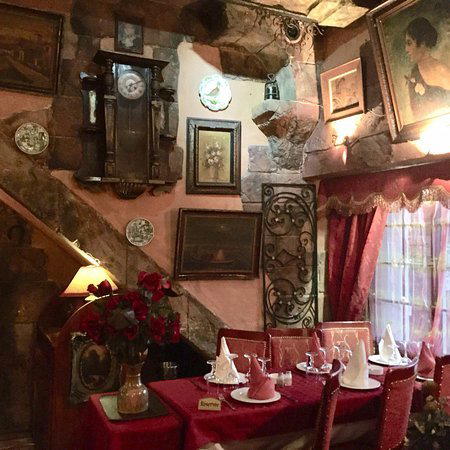
At a Glance
- Scenic
- Rustic
- Romantic
- Intimate
- Classic
- Romantic Getaway
- Wine Education
- Group Outing
- Special Occasion
- Solo Exploration
- Estate Grounds
- Vineyard Tour
- Historic Building
- Private Tasting
- Organic
- Biodynamic
- Sustainable
- Dry Farmed
- Vineyard
- Garden
- Saumur AOC
- Cabernet Franc
- Cabernet Sauvignon
- Chenin Blanc
- Chardonnay
- Still Red
- Still White
- Sparkling
- Pet Nat
- Seated Tasting
- Winemaker Led Tasting
- Estate Visit
Historic Middle-Age estate in the countryside with a serene, natural atmosphere focused on biodiversity and low-intervention winemaking, often described as pure, energetic wines from a quiet rural setting.