Cathiard
Cathiard brings Bordeaux-inflected ambition to a historic Napa estate shaped by ghost-winery stonework, Mayacamas slopes, and a red-wine program centered on Cabernet Sauvignon and Bordeaux-style blends. The appeal is not volume or spectacle; it is terroir, cellar architecture, and a tightly controlled hospitality format built around quiet estate immersion.

Pearl is the En Primeur Club membership app — saves, bookings, and concierge access live there. Same editors, same standards.
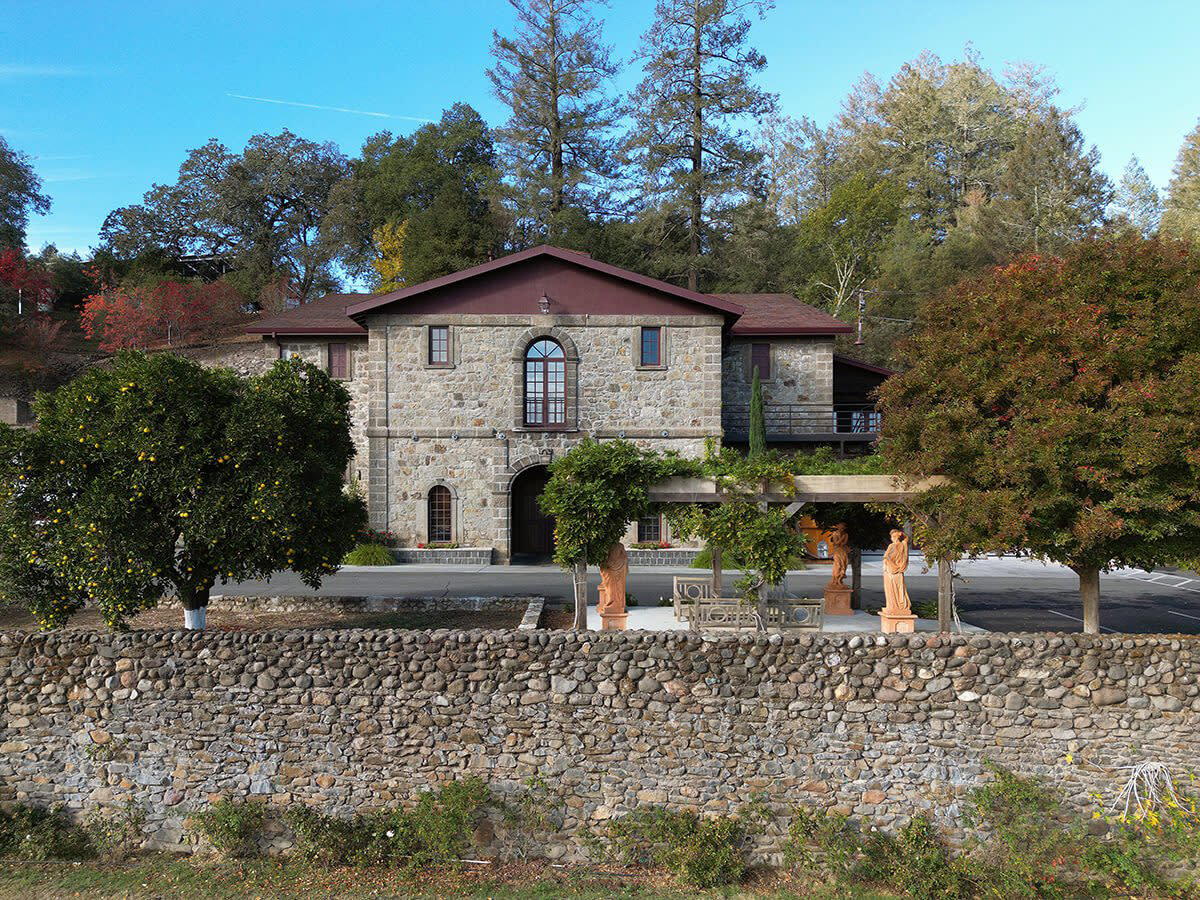
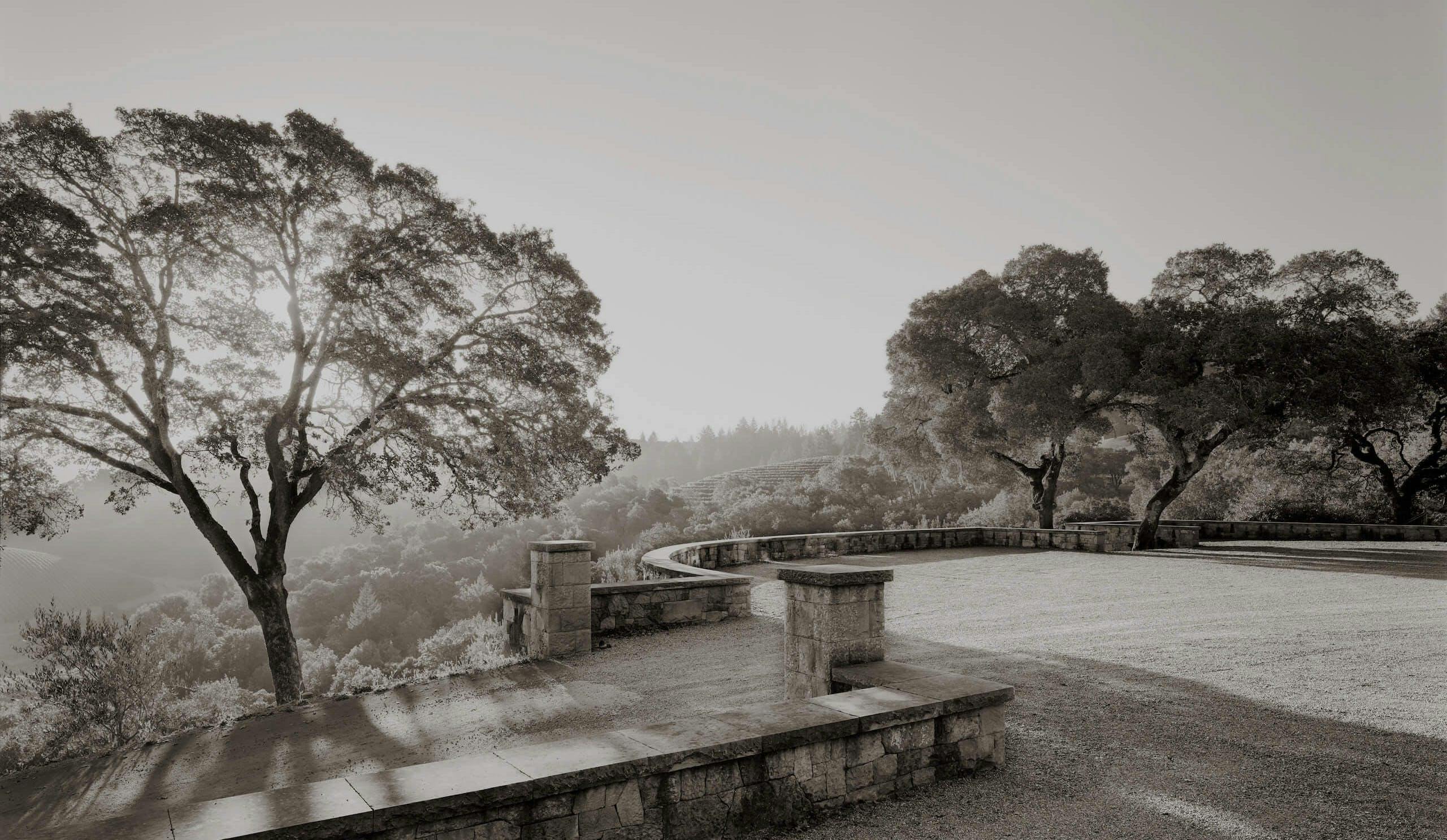
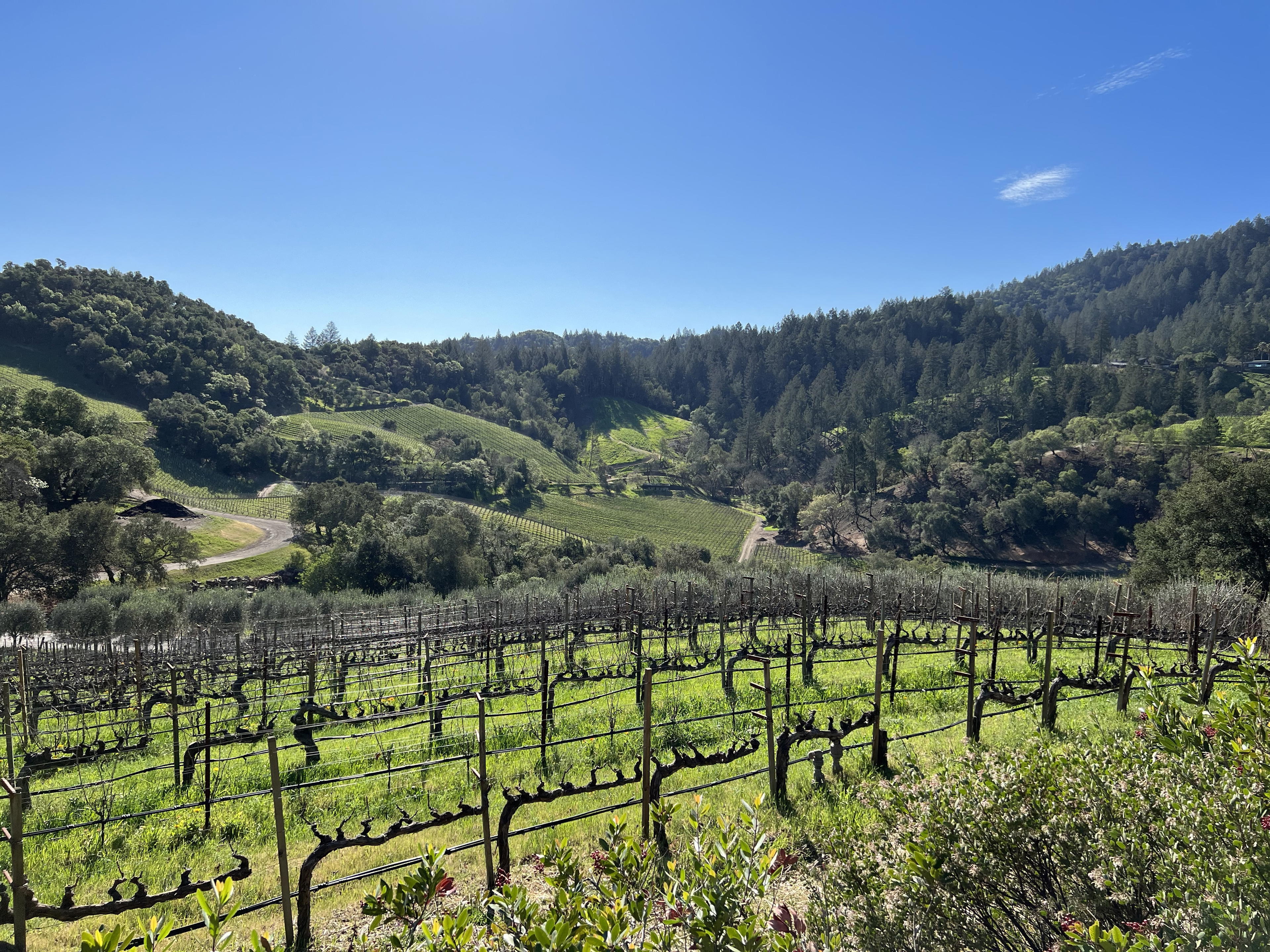
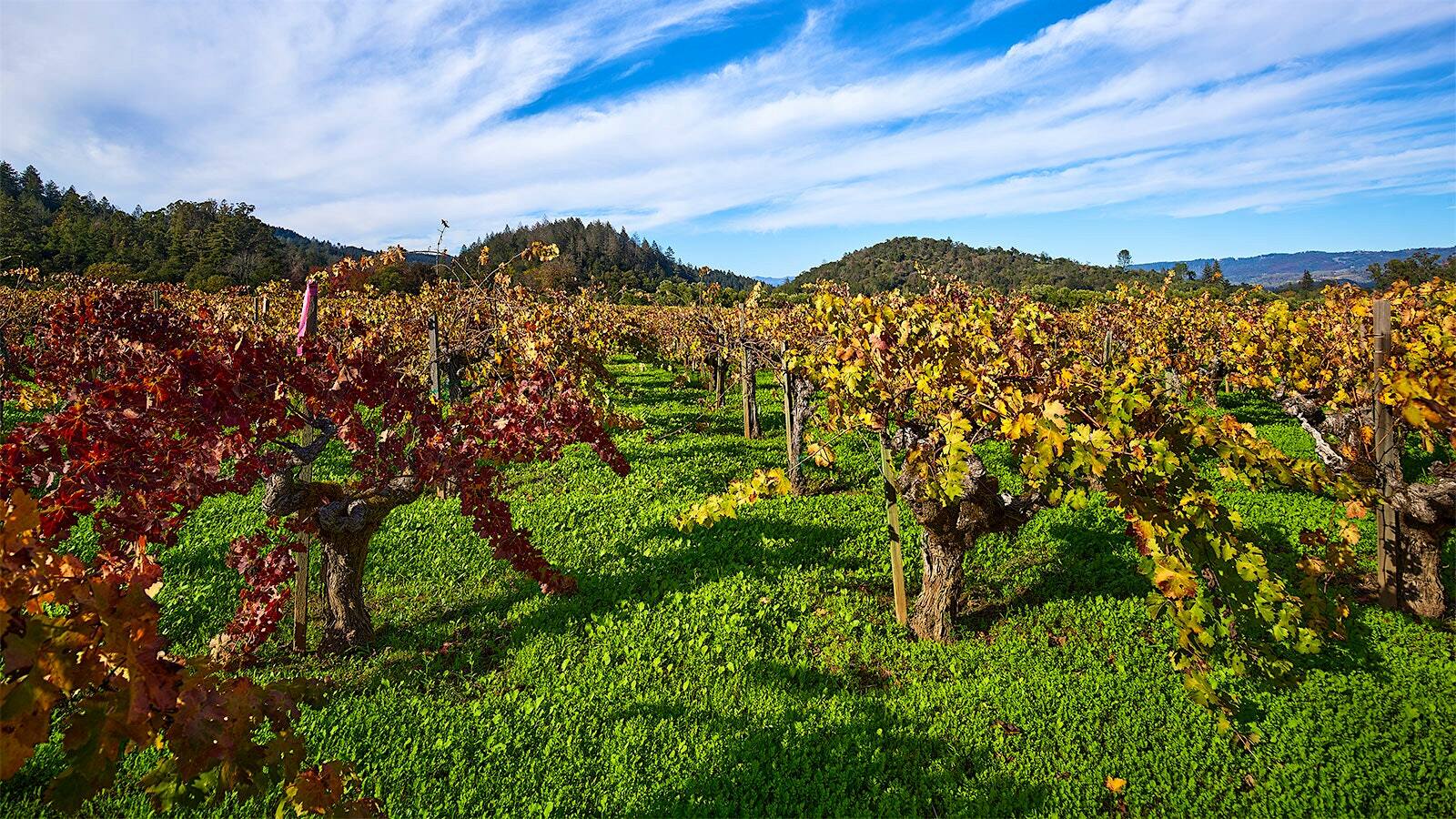
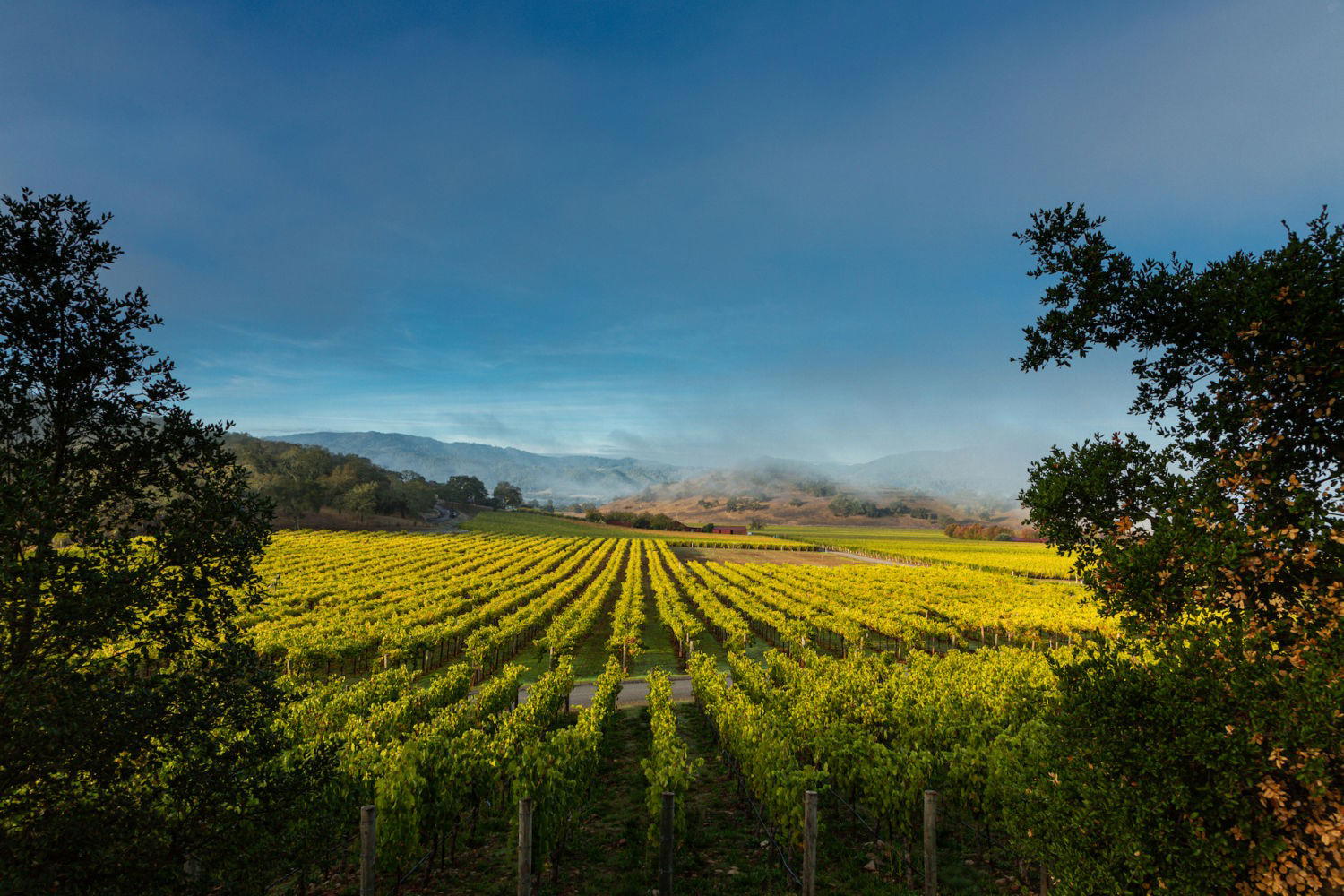
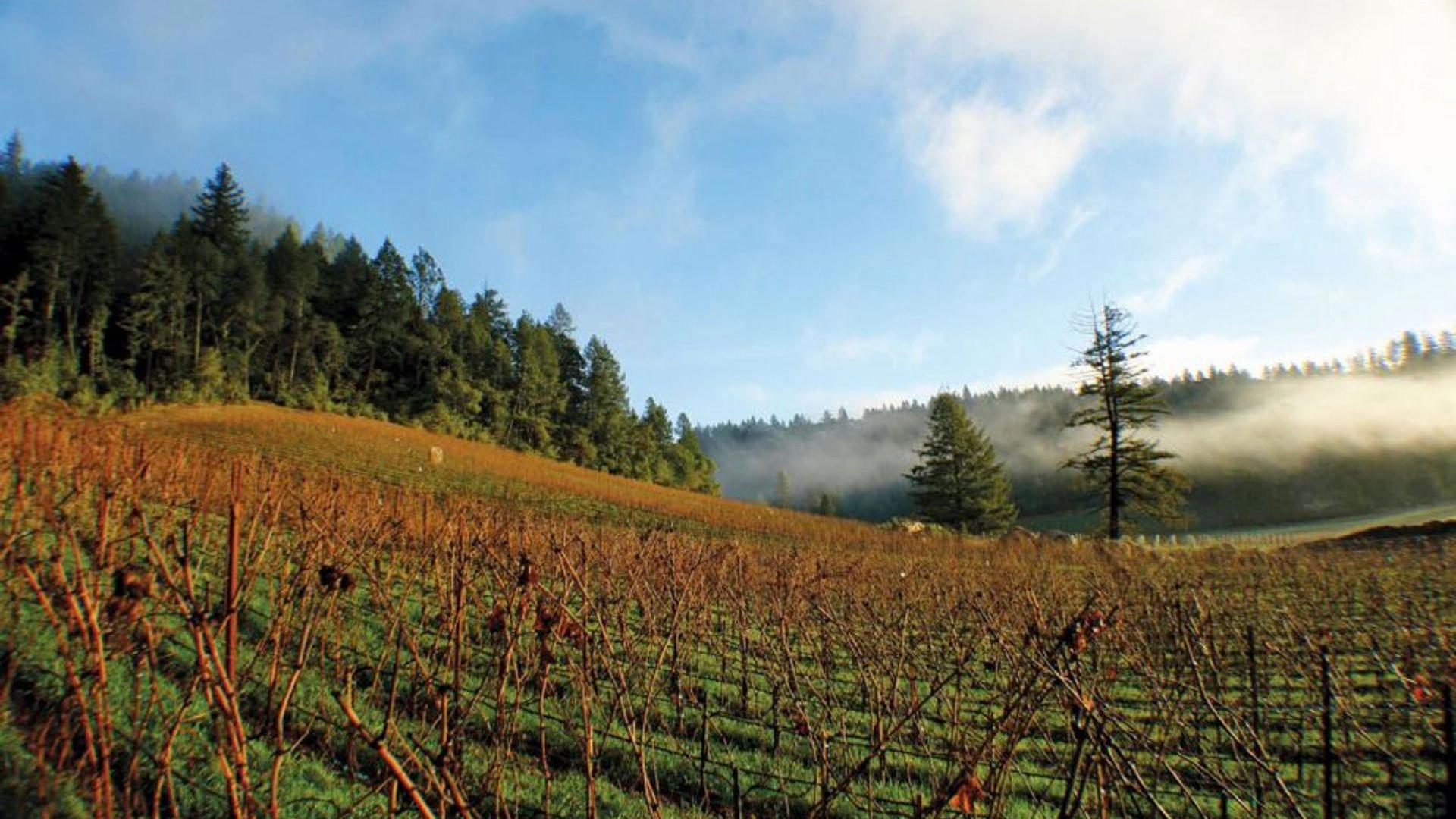
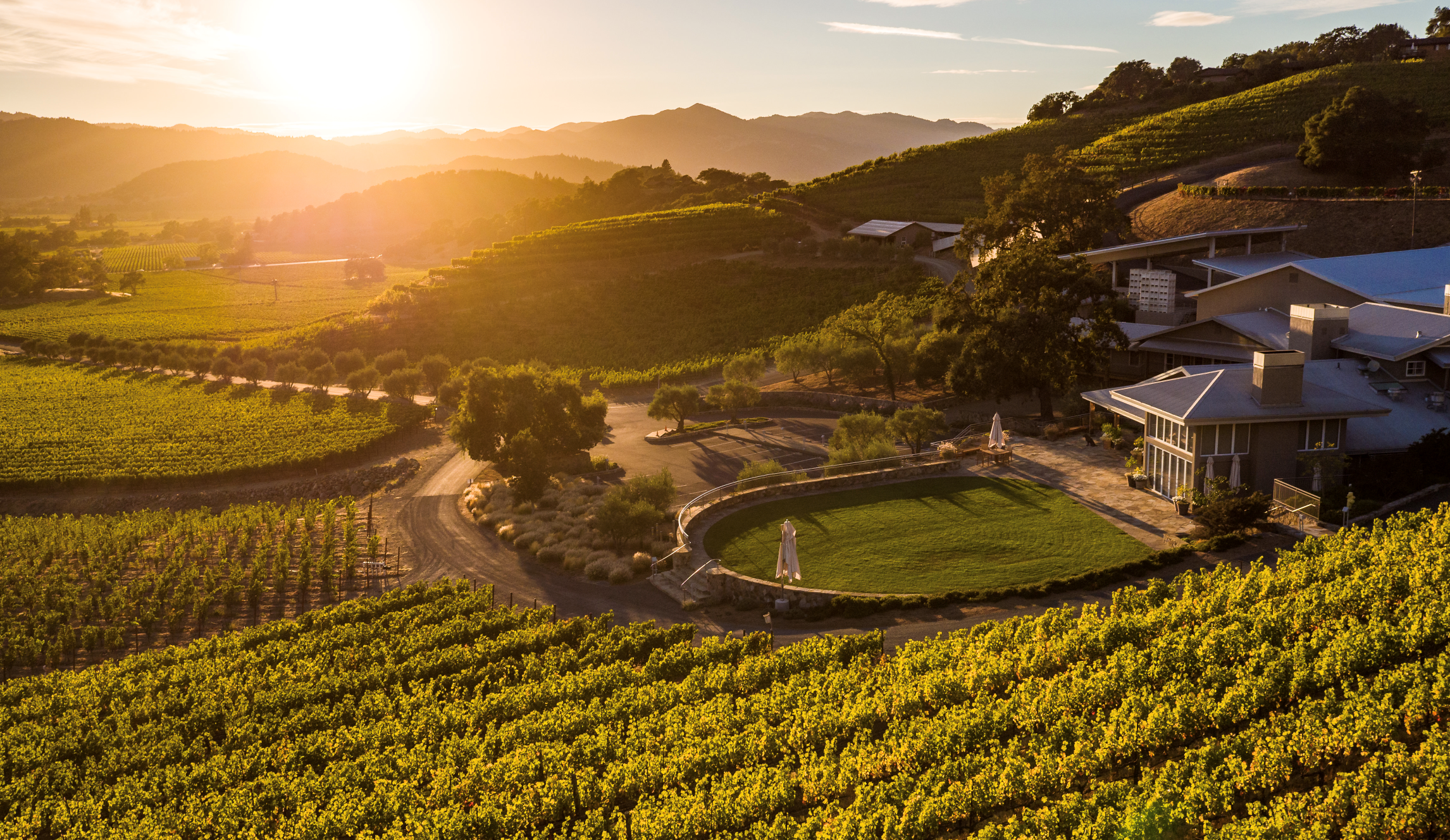
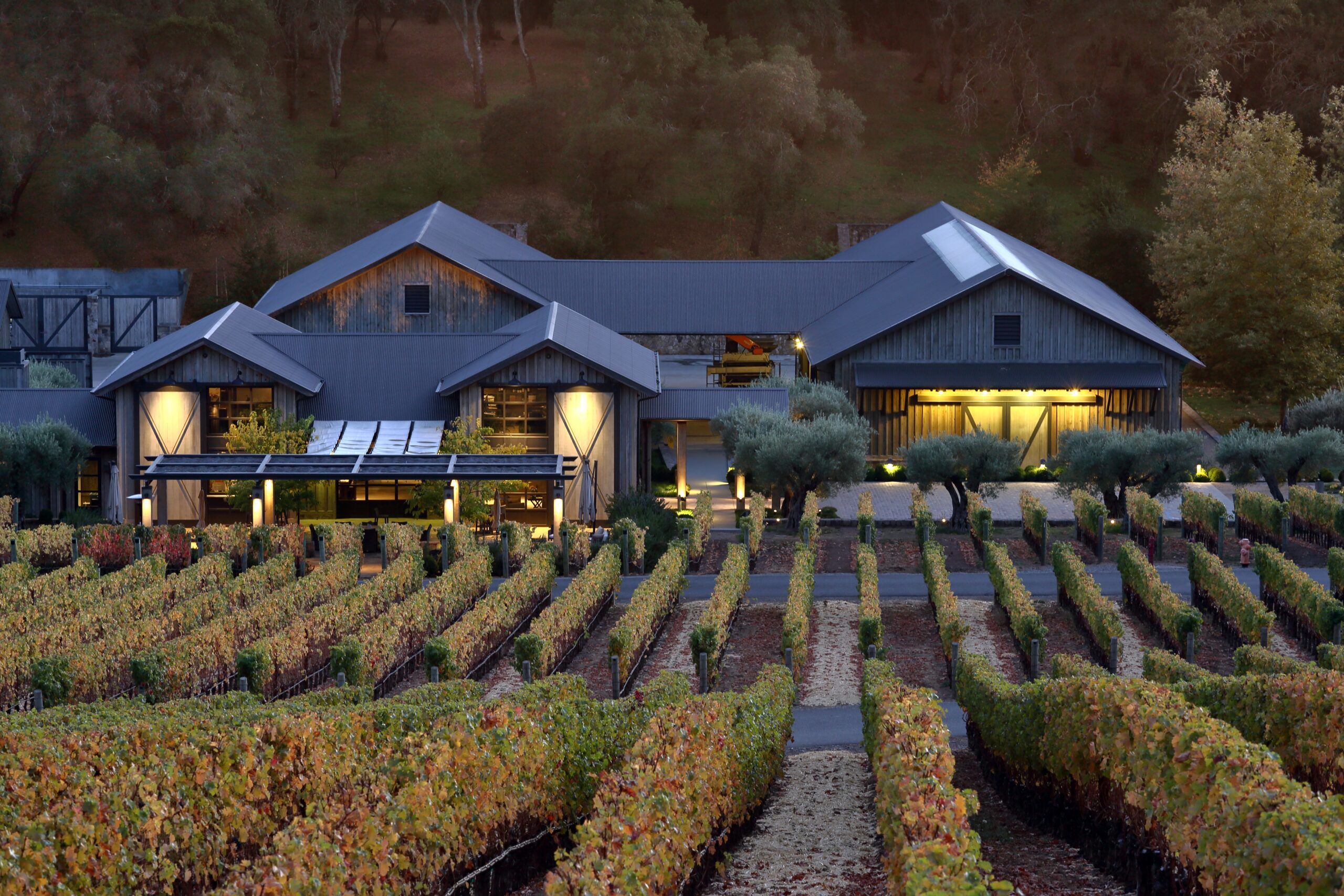
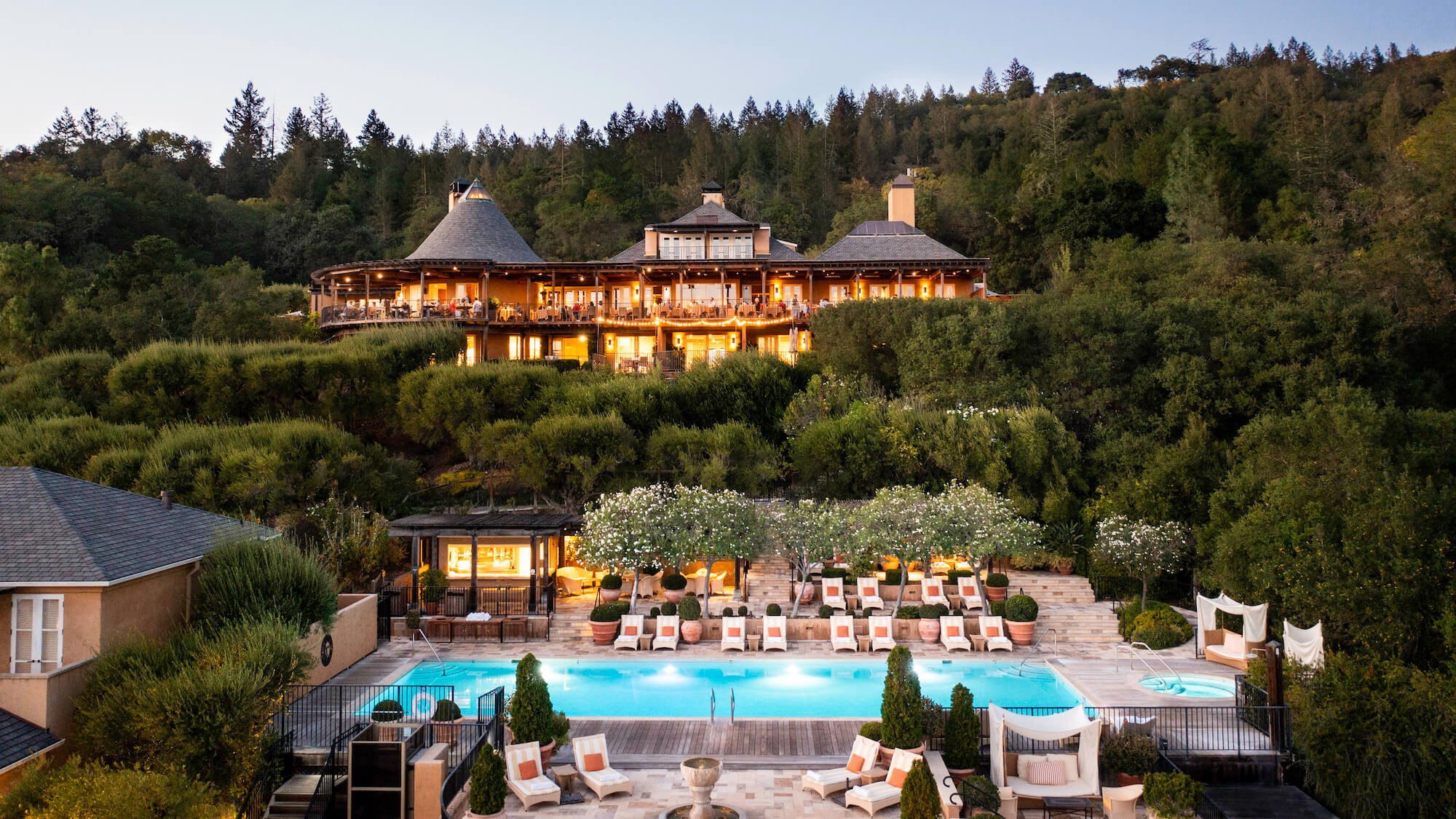
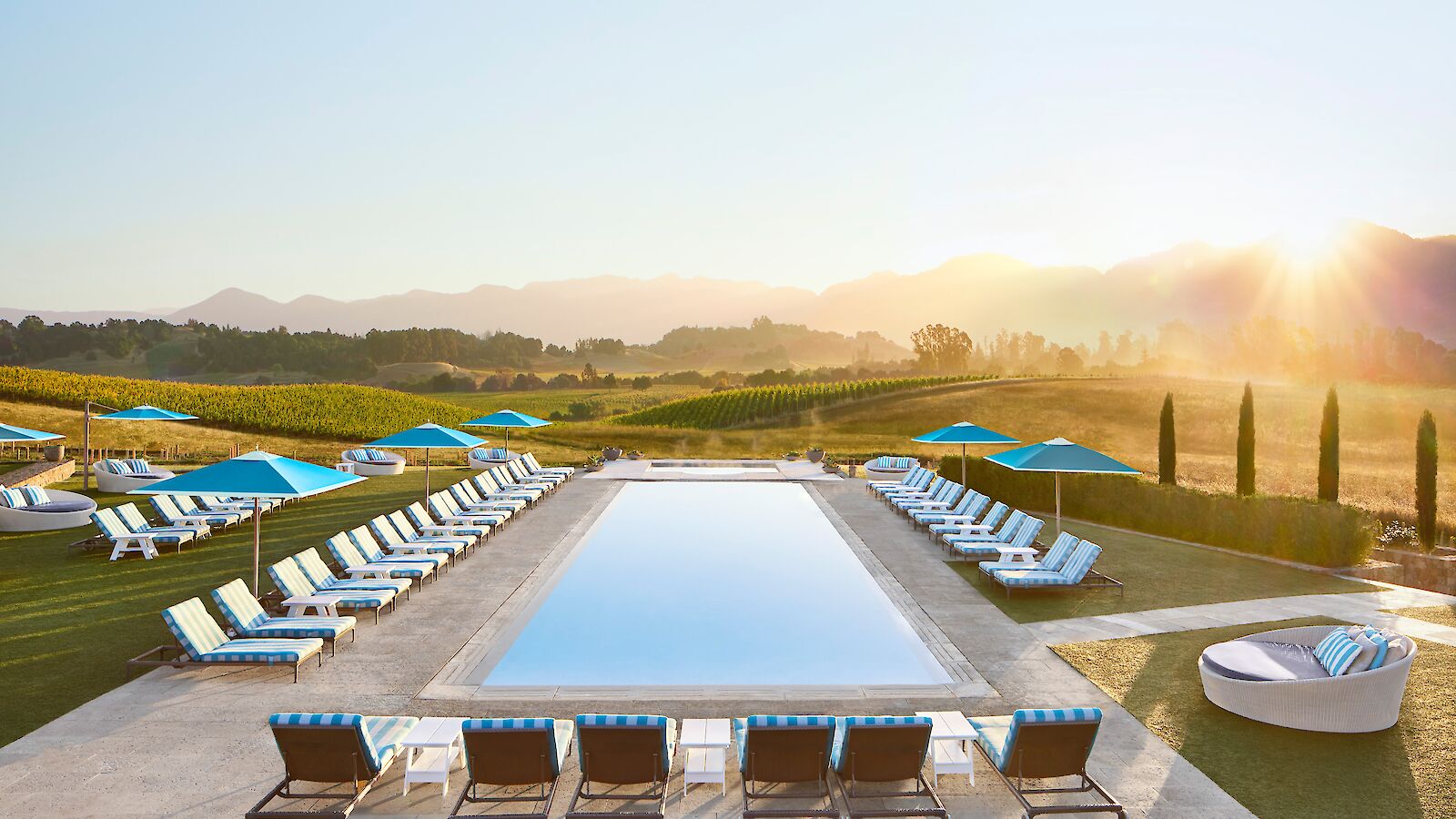
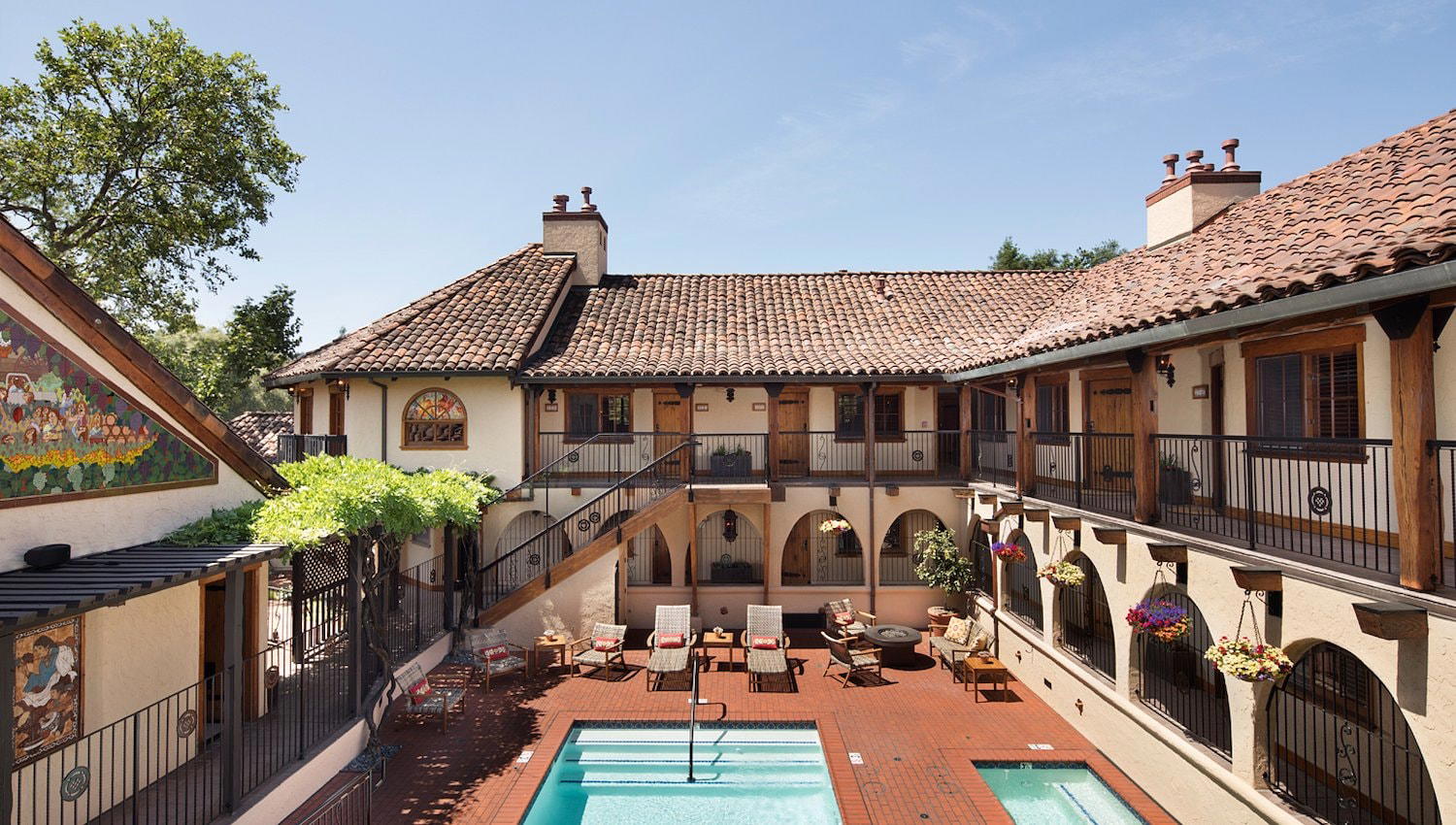
Stone, mountain air, and vineyard rows set the tone before the wine does. Cathiard occupies the quieter end of Napa luxury: an estate environment where ghost-winery architecture, forested Mayacamas slopes, and cellar craft matter more than tasting-room theater. The visual language is old Napa rather than resort Napa, with a stone gravity-flow winery, a horseshoe-shaped cellar cut into the mountain, and rows of vines wrapping the surrounding hillsides between Rutherford and St. Helena.
That physical setting is not decoration. In Napa, Cabernet Sauvignon often becomes a question of site discipline: how much warmth, slope, soil variation, and oak influence can be brought into balance before the wine starts reading as power alone. Cathiard’s answer is built around a small, estate-focused red program: Cabernet Sauvignon, Merlot, Cabernet Franc, and Malbec, expressed through limited-production Cabernet and Bordeaux-style blends. The reference point is clear without needing a manifesto: Rutherford dust, Mayacamas edge, Bordeaux cellar logic.
Rutherford dust through a Bordeaux lens
Napa’s premium red-wine identity remains Cabernet-led, but the more interesting estates are not all chasing the same expression. Some lean into valley-floor generosity; others work from altitude, volcanic material, and cooler mountain influence. Cathiard’s site language puts it in the latter conversation, with cabernet blocks at altitude, volcanic and sedimentary terroir, wildlife, biodiversity, and the Rutherford signature as part of the estate’s identity.
The property’s modern chapter began in 2022, though the land story reaches back to 1885, when James and William Rennie planted sixty acres of grapes across what are now the Rutherford and St. Helena AVAs. That matters because Napa’s ghost wineries are not merely picturesque ruins; they are reminders that the valley had a serious 19th-century wine culture before phylloxera, fire, and Prohibition interrupted it. Here, the stone gravity-flow winery gives the current project historical weight, while the rebuilt cellar infrastructure points toward precision rather than nostalgia.
The Bordeaux connection is also practical. Florence and Daniel Cathiard, associated with Château Smith Haut Lafitte, bring an Old World frame to a New World Cabernet site. That does not make the wines French in character; Napa fruit, Rutherford soils, and California light remain the raw material. But it does explain the estate’s focus on blend architecture, cellar patience, and controlled extraction rather than a broad portfolio designed for casual tasting flights.
A small red-wine portfolio with cellar seriousness
Production signals are unusually clear for a luxury estate still defining its public profile. Stainless steel, double-skin reverse small tanks, and a refurbished long horseshoe cellar suggest parcel-level handling and careful temperature control. The developing on-site cooperage is a sharper clue: in Cabernet and Bordeaux-style blends, oak is not a background accessory. Barrel choice, toast, and aging rhythm can decide whether structure feels integrated or imposed.
Named winemaking leadership includes Justine Labbé as General Manager and Head Winemaker, with Fabien Teitgen listed as Winemaker and Victor Kuncik as Assistant Winemaker. The broader team also includes dedicated hospitality and ambassador roles, which says something about the modern Napa model at this tier. Wine production and guest experience are no longer separate departments in spirit; for estates built around allocation, cellar access, and provenance, they operate as one continuous argument.
That argument is reinforced by the estate’s limited frame. Rather than presenting a broad catalogue, Cathiard concentrates on Cabernet Sauvignon and Bordeaux blends, a narrower lane that suits the Rutherford-Mayacamas context. The wines sit in the premium red category not because of trophy language, but because the format is expensive to execute: small scale, cellar investment, vineyard specificity, and a hospitality experience built around appointment-only access rather than walk-in volume.
Quiet estate hospitality, not tasting-room spectacle
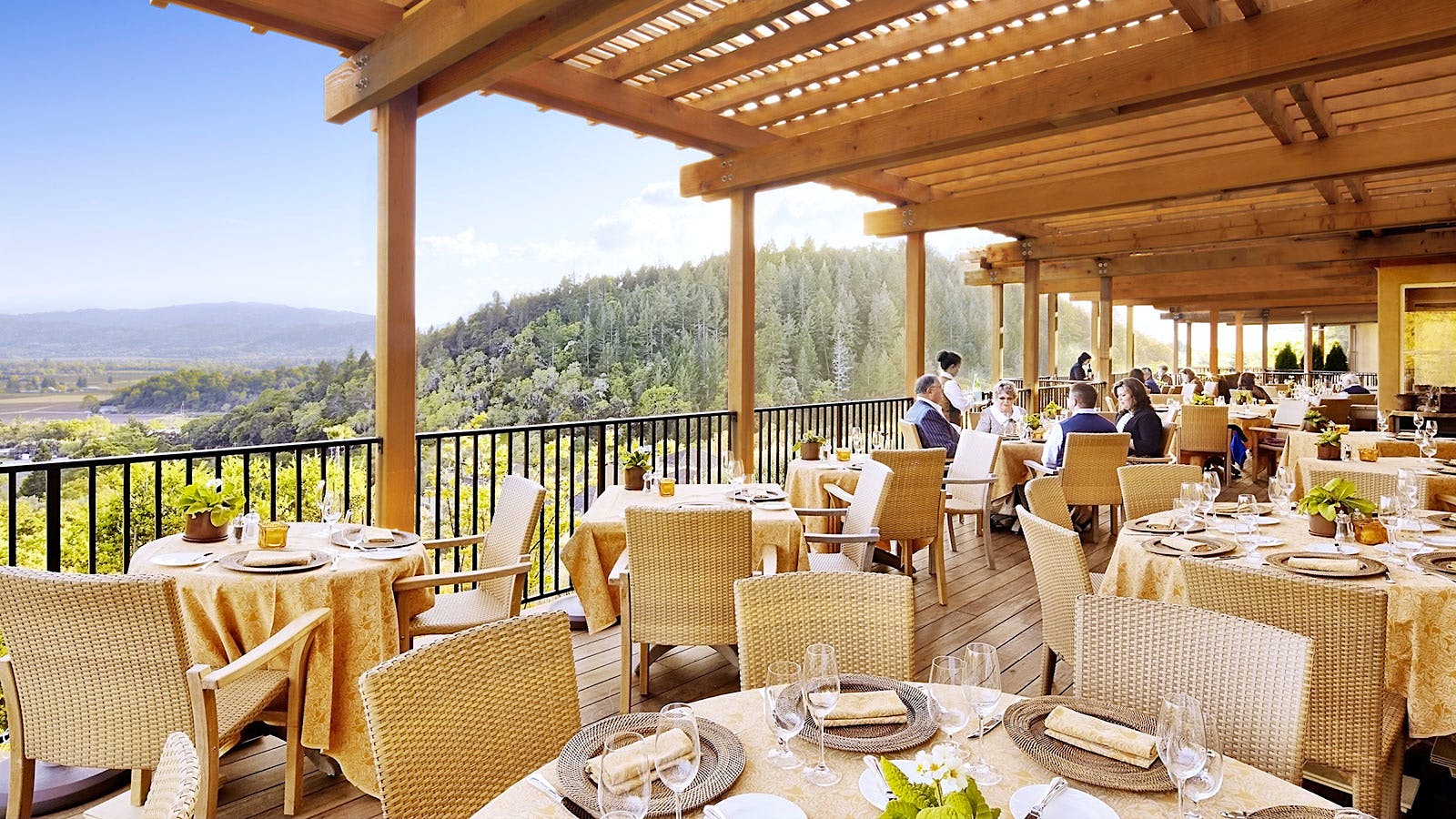
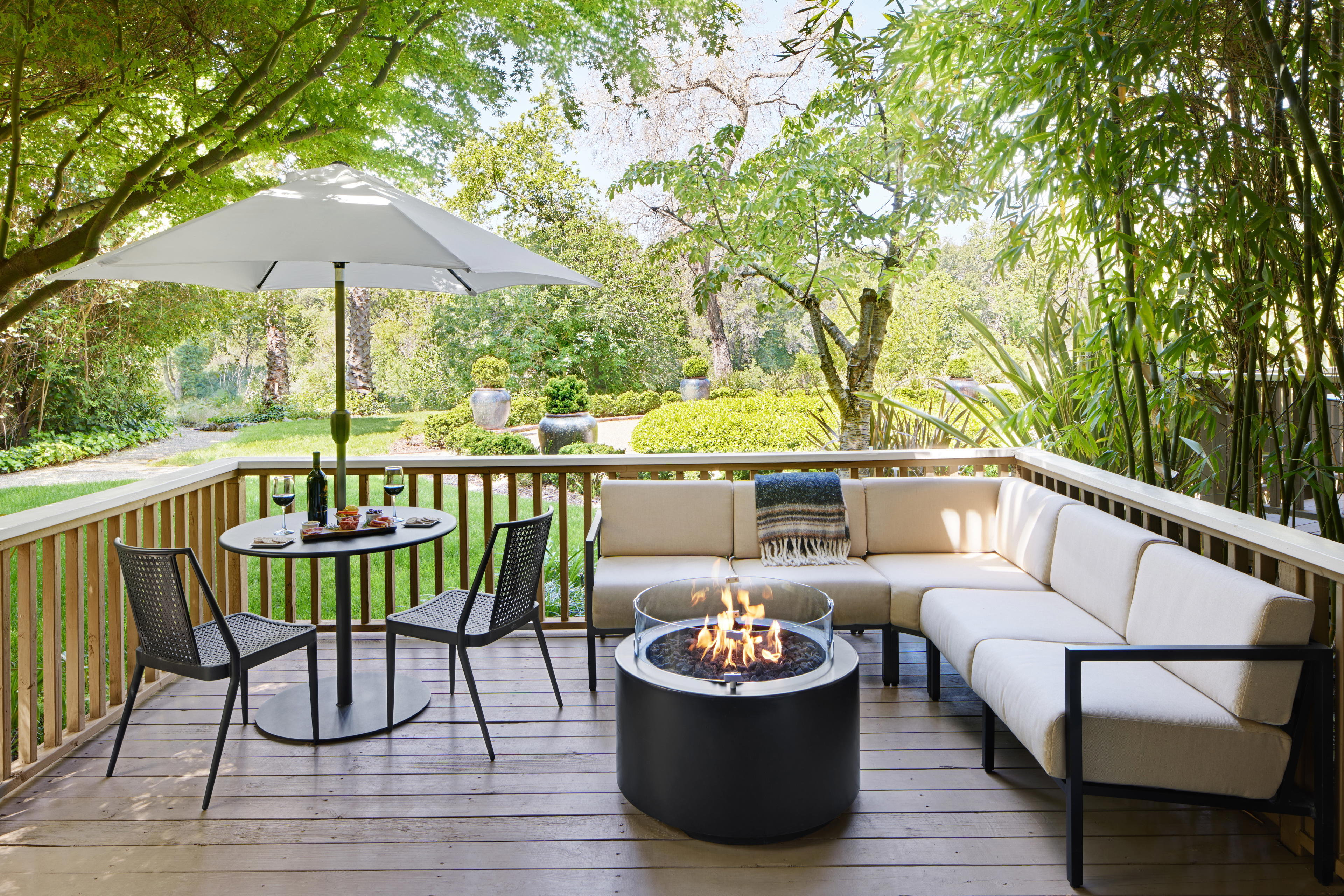
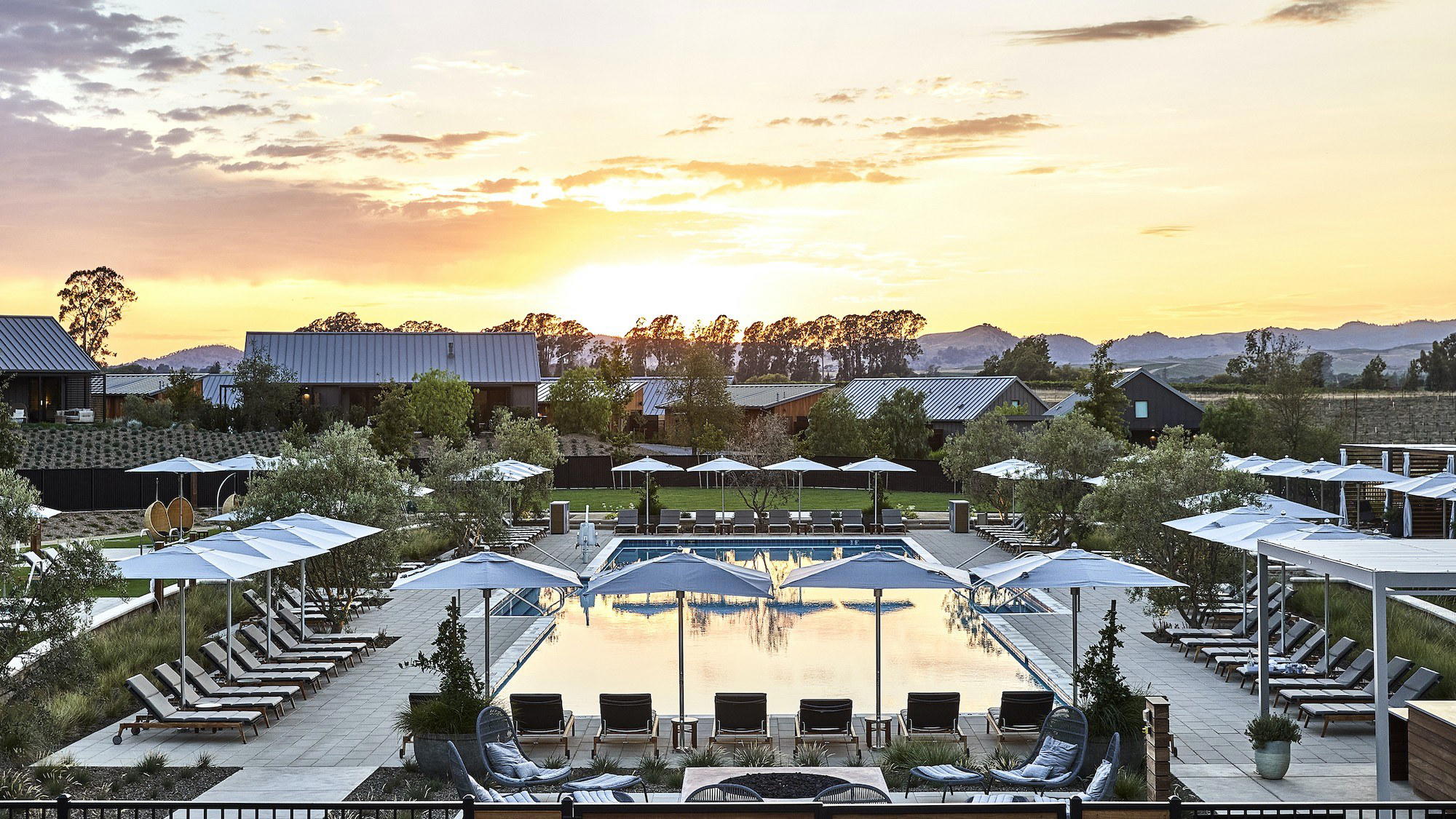
The experience is designed for visitors who want Napa to slow down. The setting is quiet, scenic, and intimate, with estate grounds, cave and barrel-room context, and private tasting formats part of the draw. Smart casual dress fits the tone: polished but not ceremonial. Outdoor seating, vineyard and mountain views, and a setting shaped by historic stone architecture make this a strong choice for wine education, a romantic getaway, or a special occasion where the surroundings should carry as much weight as the pour.
The practical rhythm is equally controlled. Visits are by appointment, with seated tasting, estate tour and tasting, and private tasting formats listed; typical duration runs 60 to 90 minutes. The experience is priced at $175 per person, and the estate supports English and French hosting. On-site parking, credit and debit card payment, shipping availability, and a wine club round out the planning picture. Food pairing is not part of the listed format, so the smarter Napa day is to place this as a focused wine stop rather than a substitute for lunch.
Cathiard is better read as a terroir-led estate visit than as a casual tasting-room drop-in. The strongest reasons to go are the historic ghost-winery setting, the revived mountain cellar, the Bordeaux-informed Cabernet program, and the sense that Napa’s past and present are being edited into one disciplined experience. For broader planning around the valley, use Our full Napa wineries guide, then build meals, stays, and after-hours plans through Our full Napa restaurants guide, Our full Napa hotels guide, Our full Napa bars guide, and Our full Napa experiences guide.
Readers mapping different expressions of wine country can also look beyond this estate’s Napa frame: Acacia Vineyard, Amuse Bouche Winery, Antica, Antica Napa Valley, Arietta, 00 Wines in Carlton, 13th Vineyard in Angwin, 50 West Vineyards in Aldie, »der Steiner« Hans Steiner in Podersdorf am See, and & Handwein in Mannheim.
At a Glance
- Elegant
- Scenic
- Romantic
- Classic
- Intimate
- Romantic Getaway
- Special Occasion
- Group Outing
- Wine Education
- Solo Exploration
- Historic Building
- Estate Grounds
- Cave Tasting
- Barrel Room
- Private Tasting
- Sustainable
- Vineyard
- Mountain
- Garden
- Napa Valley AVA
- Cabernet Sauvignon
- Merlot
- Cabernet Franc
- Malbec
- Still Red
- Seated Tasting
- Estate Tour + Tasting
- Private Tasting
Historic yet refined mountain estate blending Napa ghost-winery stone architecture with Bordeaux-inspired luxury, emphasizing nature, art, and meticulous craftsmanship in a serene, contemplative setting.