Carpineta Fontalpino

Falstaff Winery - 3 Stars
Carpineta Fontalpino is a family-run organic winery in Castelnuovo Berardenga, with Sangiovese at the center of its Chianti Classico identity. The estate’s small-scale tasting format, cellar focus, and Montaperti setting make it better suited to wine education and terroir reading than high-volume tourism.

Pearl is the En Primeur Club membership app, where members save venues, book tables and use the concierge.
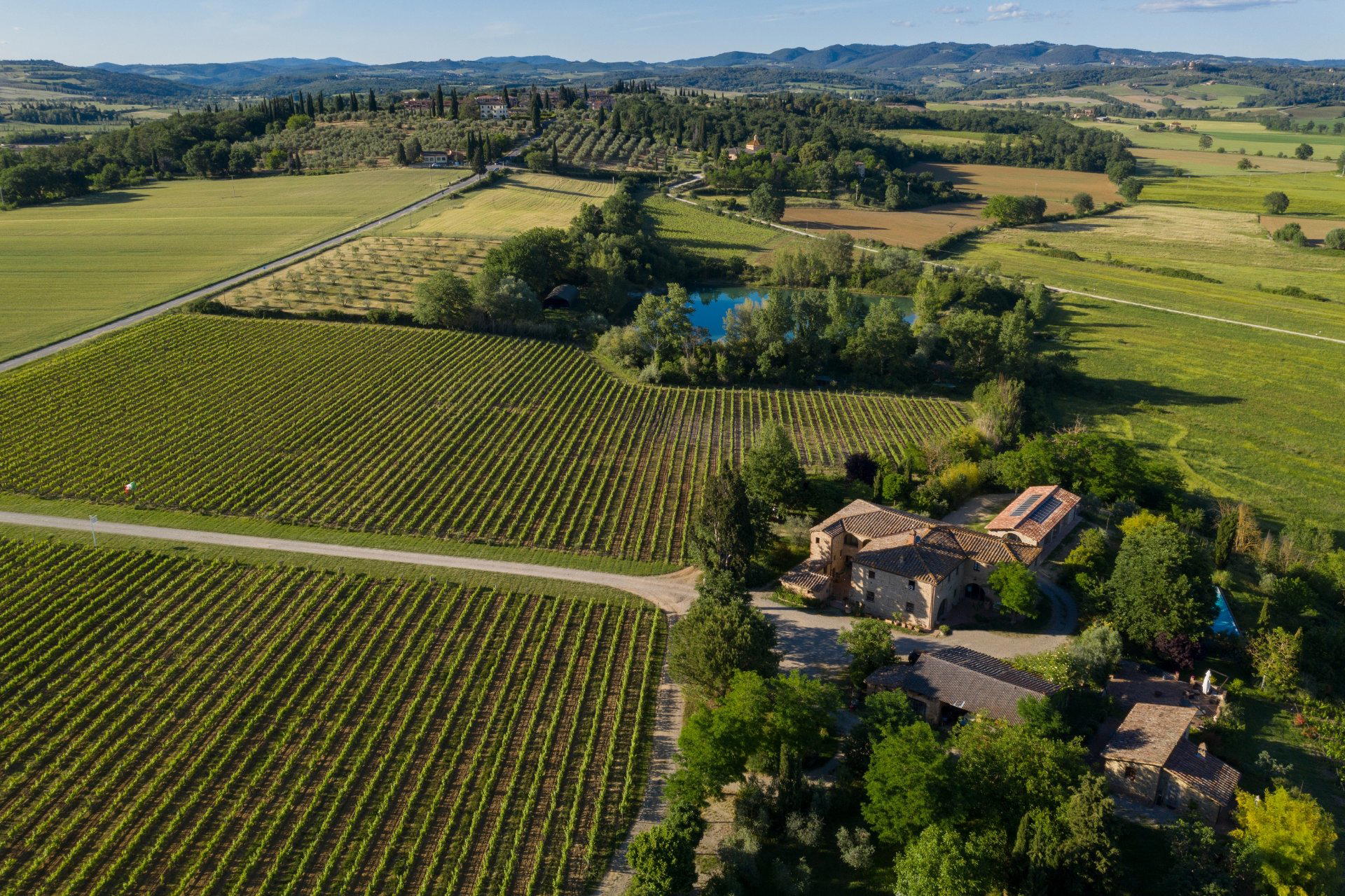
Approaching the southern side of Chianti Classico, the tone changes: the countryside feels less polished than the postcard hills farther north, and the wines often carry more firmness, warmth, and earth. That is the useful frame for Carpineta Fontalpino, a family-run organic estate near Montaperti in Castelnuovo Berardenga, where the point is not spectacle but the way Sangiovese behaves in this part of Tuscany.
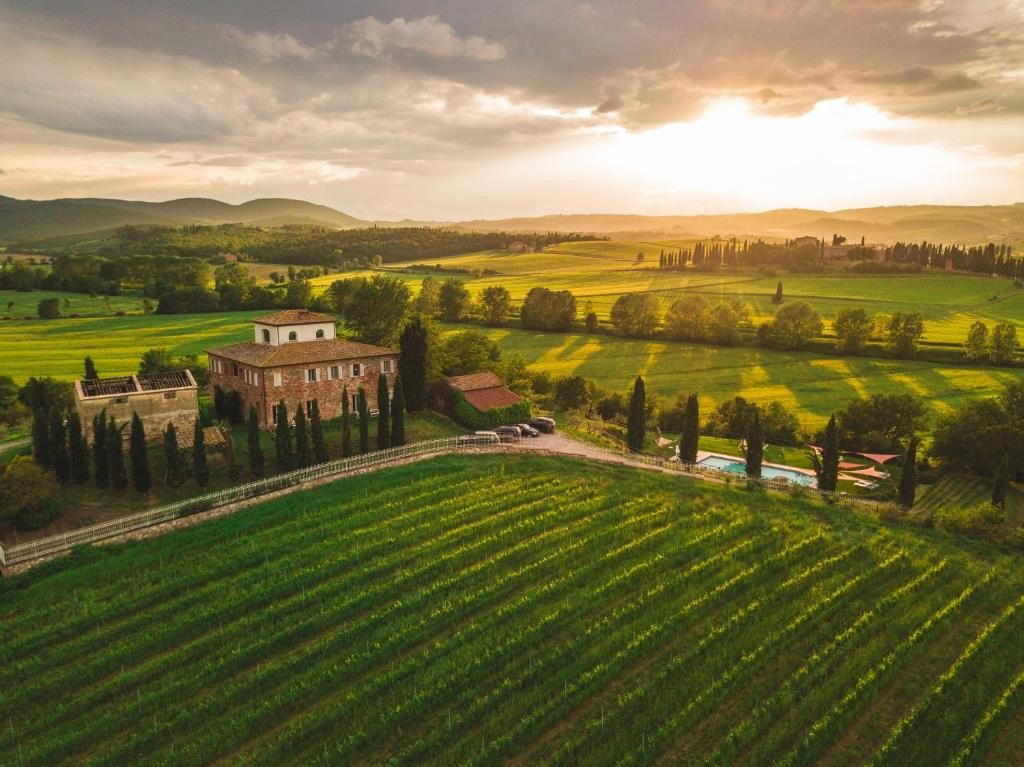
The estate belongs to the Cresti family and dates its modern winery history to 1967. Its scale is modest by Tuscan standards: about 90 hectares in total, with 30 hectares under vine. Sangiovese dominates the plantings at roughly 90 percent, supported by Merlot, Cabernet Sauvignon, Petit Verdot and Chardonnay. That ratio matters. In a region where international grapes can blur local identity, this is still a Sangiovese-led address, with Chianti Classico DOCG as the central reference point rather than a decorative label.
Southern Chianti Classico, read through Sangiovese
Castelnuovo Berardenga sits at the southern edge of the Chianti Classico denomination, where warmer exposures and limestone-rich soils tend to give Sangiovese structure rather than delicacy alone. Carpineta Fontalpino’s position near Montaperti places it in that register: the wines are built around red varieties, cellar tastings, and parcel awareness rather than a broad hospitality program. The estate’s cru approach, including single-vineyard bottlings such as Vigna Montaperto, reflects a wider movement in Chianti Classico toward naming specific sites instead of treating the appellation as a single flavor profile.
Organic farming is not a side note here. The estate’s production philosophy is explicitly organic, and the land also includes cultivation beyond vines, including Senatore Cappelli wheat. In practical wine terms, that places the property inside a smaller Tuscan category: estates that frame viticulture as land stewardship, not just bottle output. The portfolio spans still red, still white and sparkling wine, but the editorial reason to pay attention remains the Sangiovese core and how it translates the southern Chianti Classico edge.
Recognition gives the estate a useful external marker. The 2023 Chianti Classico Fontalpino received Tre Bicchieri from Gambero Rosso, while the 2016 Chianti Classico Dofana was rated 90 by Wine Spectator. Those signals do not make the visit about trophies; they place the wines inside a quality conversation that extends beyond local cellar-door charm. For travelers comparing Tuscan wineries, that distinction matters: this is not merely a pretty rural stop, but a producer with documented critical attention.
A cellar-led tasting rather than a hospitality production
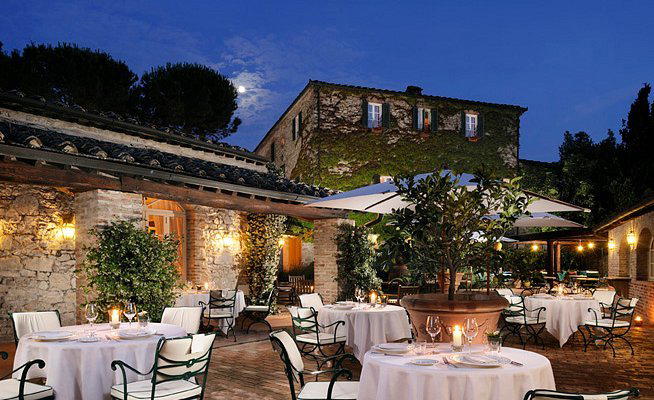
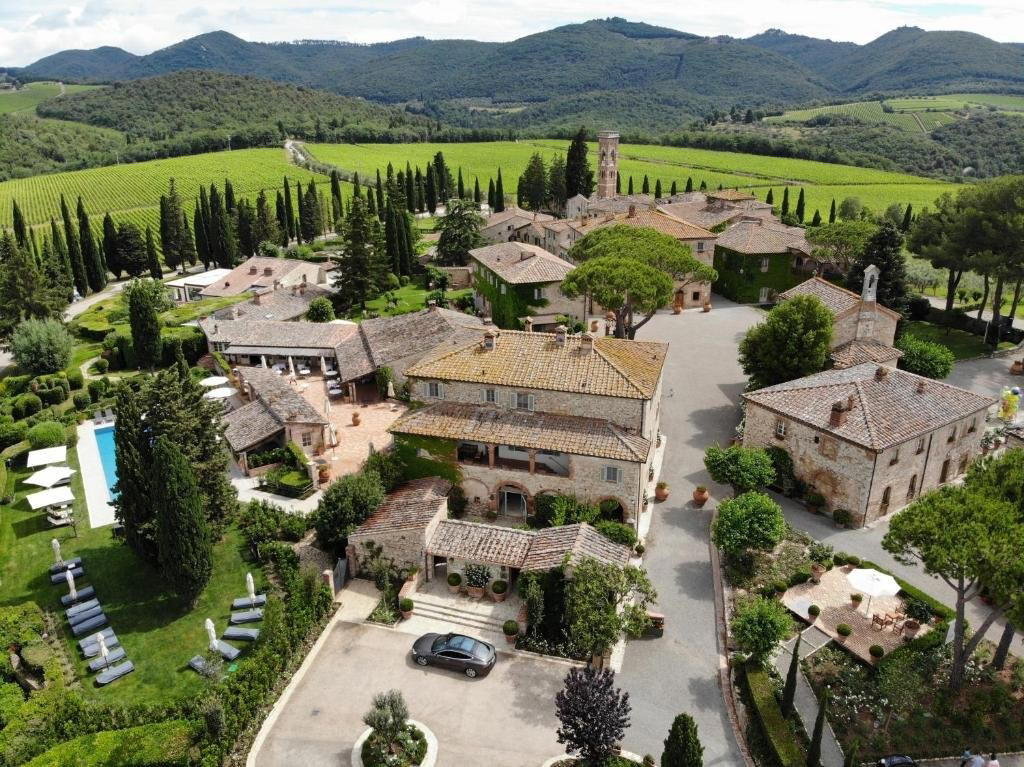
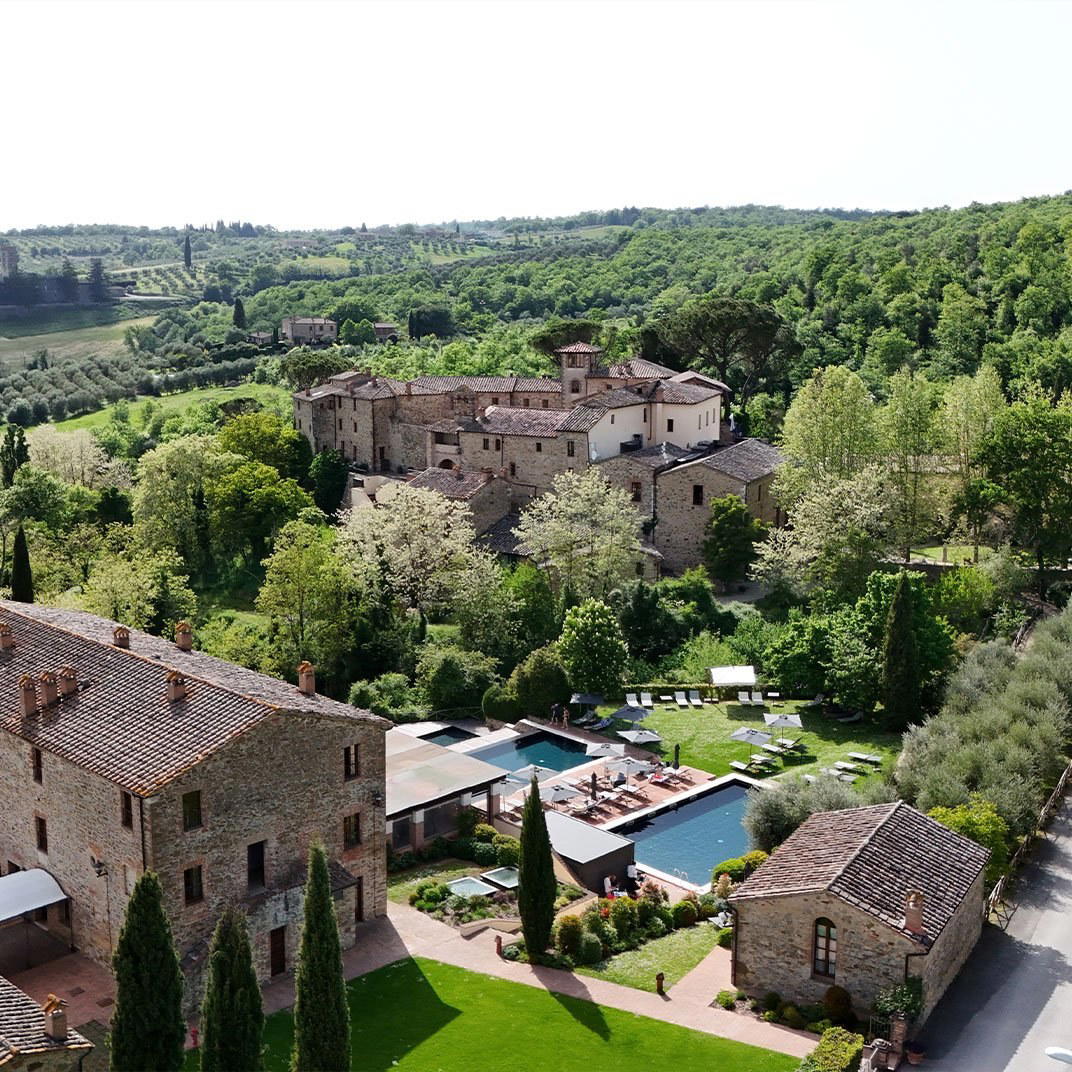
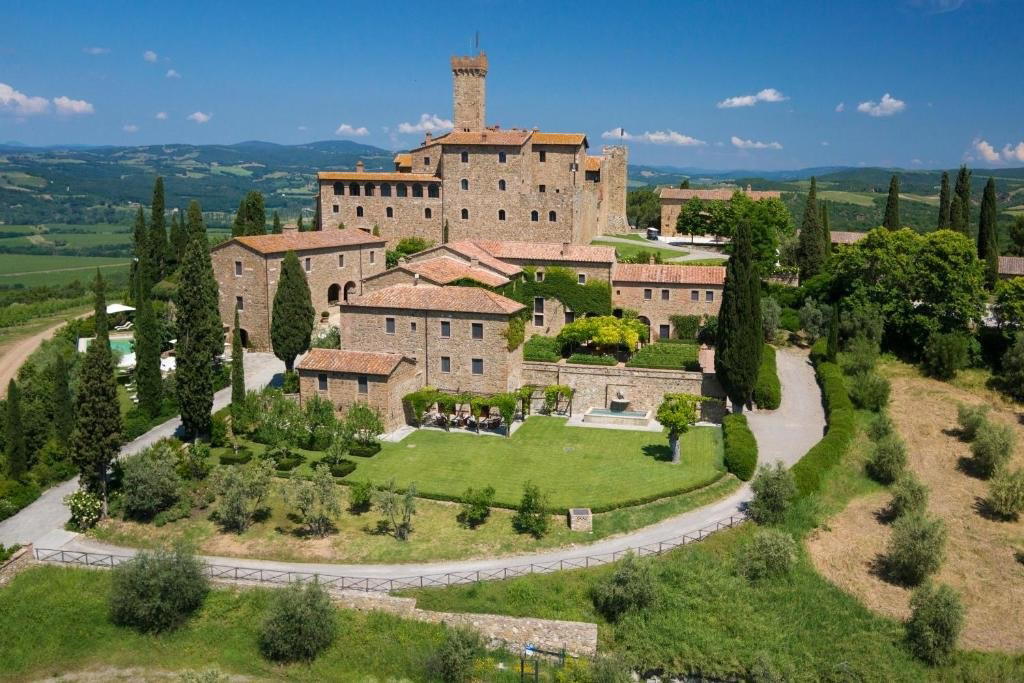
The visit format is small and quiet, with guided tasting and cellar tasting as the main modes. That makes the experience more useful for travelers who want to understand appellation, farming and grape behavior than for groups seeking a long lunch or a full-service estate day. The setting is rustic and family-run, with vineyard views and a historic building atmosphere, but the content is the cellar rather than theatre.
Gioia Cresti is the named winemaker, and her role is best understood as part of the estate’s generational continuity rather than as a personality-driven restaurant-style narrative. In Chianti Classico, where many estates now compete through architecture, luxury rooms or imported lifestyle cues, Carpineta Fontalpino reads more traditionally: organic farming, Sangiovese emphasis, cellar context, and a tasting format scaled for concentration.
The portfolio gives enough range to show the estate’s choices without overwhelming the visit. Chianti Classico anchors the tasting conversation, while Super Tuscan IGT bottlings bring in international varieties and sparkling Metodo Classico broadens the cellar’s frame. The useful question for a visitor is not how many wines can be tasted, but how clearly the flight separates appellation, grape composition and site. On that measure, the estate has the right ingredients: dominant Sangiovese plantings, a named appellation, and a cellar format built for explanation.
How to place it within a Castelnuovo Berardenga wine itinerary
Castelnuovo Berardenga rewards slower routing. The area is dense with wineries, but the stronger itineraries avoid stacking too many cellar visits into one day. Carpineta Fontalpino suits a focused Chianti Classico plan, especially for travelers who care about organic viticulture and Sangiovese-led wines. For broader planning around the area, EP Club’s local rails cover our full Castelnuovo Berardenga wineries guide, plus our full Castelnuovo Berardenga restaurants guide, our full Castelnuovo Berardenga hotels guide, our full Castelnuovo Berardenga bars guide and our full Castelnuovo Berardenga experiences guide.
Nearby winery research can also widen the regional picture without turning the day into a race. In Castelnuovo Berardenga, compare itinerary fit through Agricola Losi, Azienda Agricola Castello di Monastero, Bindi Sergardi, Boschetto Campacci and Canonica a Cerreto. For a wider European wine map, EP Club also indexes producers such as 3GP SRL in Treviso, 47 Anno Domini in Trebaseleghe, A Mano Wine in Noci, »der Steiner« Hans Steiner in Podersdorf am See and & Handwein in Mannheim.
The editorial verdict is clear: this is a low-key, terroir-first Tuscan winery for travelers who want Chianti Classico explained through farming, site and Sangiovese rather than through luxury staging. The case for going rests on its organic focus, family continuity since 1967, small production feel and external recognition from Gambero Rosso and Wine Spectator. In a region crowded with picturesque cellar doors, Carpineta Fontalpino is strongest when treated as a study in southern Chianti Classico discipline.
Recognition history
Dated appearances from independent guides and award organizations, with the underlying list record or original source where available.
Falstaff Winery - 3 Stars
Falstaff
Continue exploring
More in Castelnuovo Berardenga
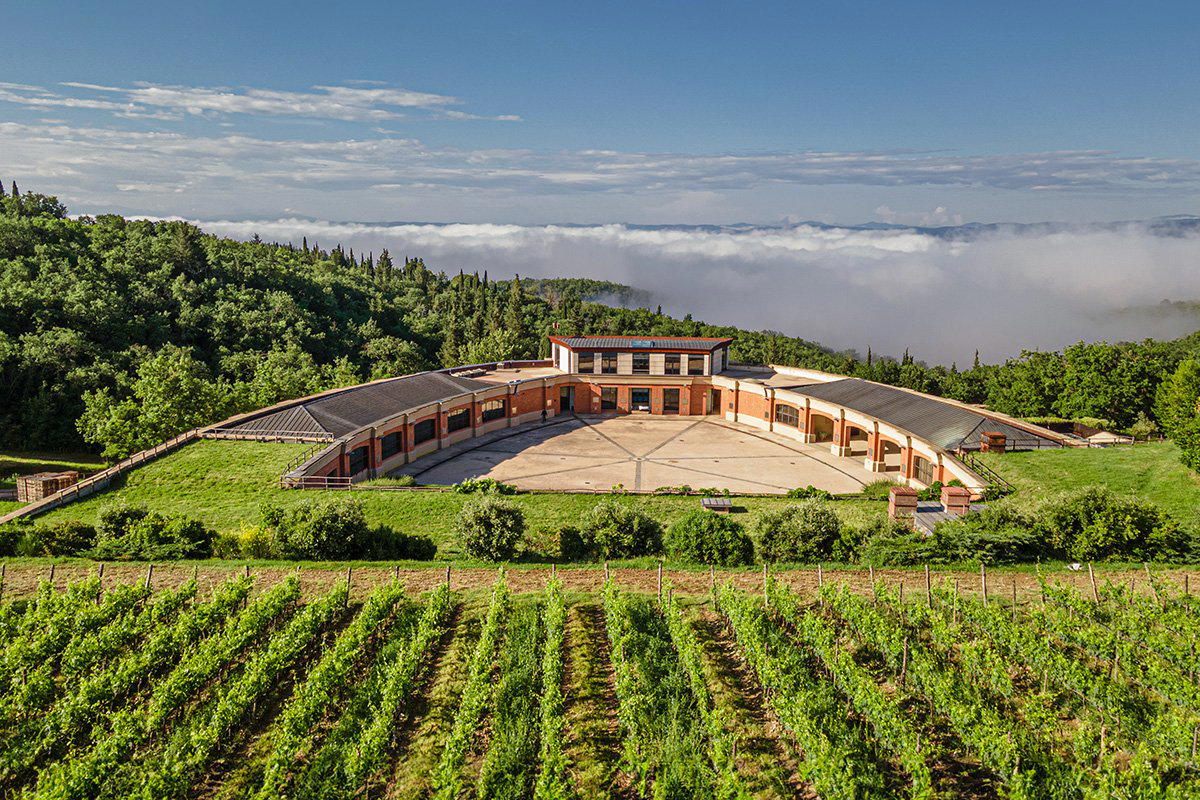
Wineries in Castelnuovo Berardenga
All wineries in Castelnuovo Berardenga →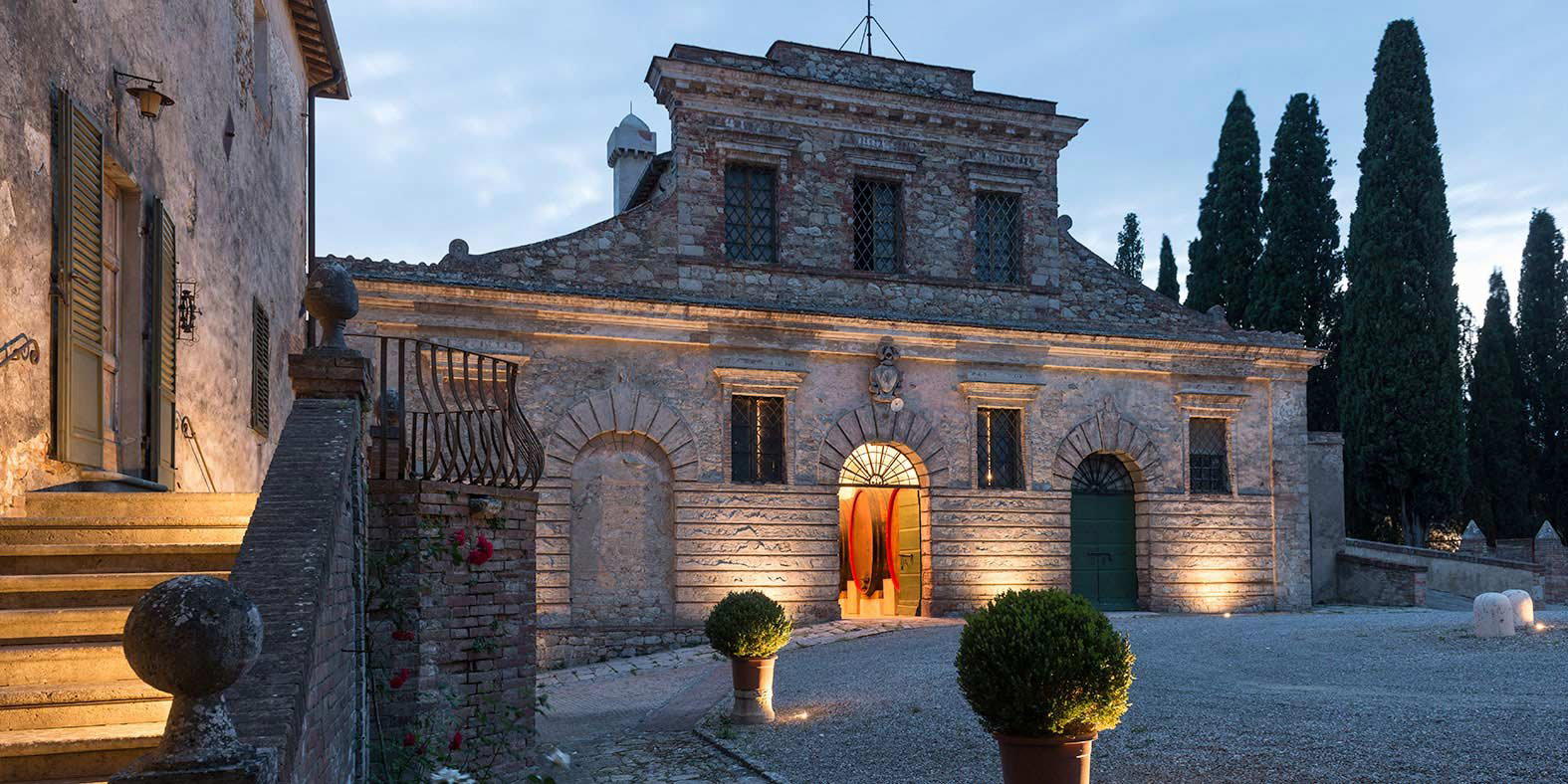
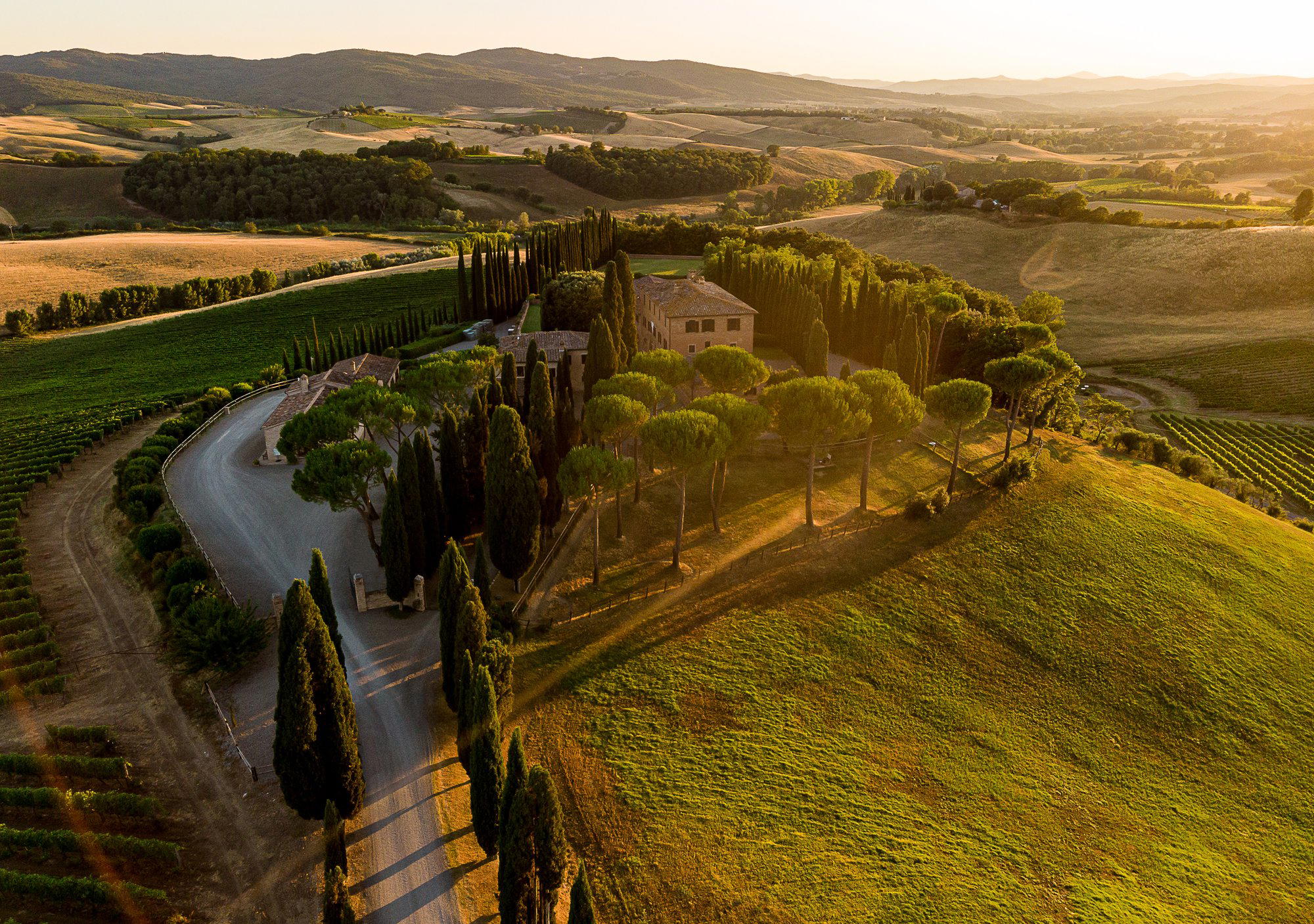
Bars in Castelnuovo Berardenga
All bars in Castelnuovo Berardenga →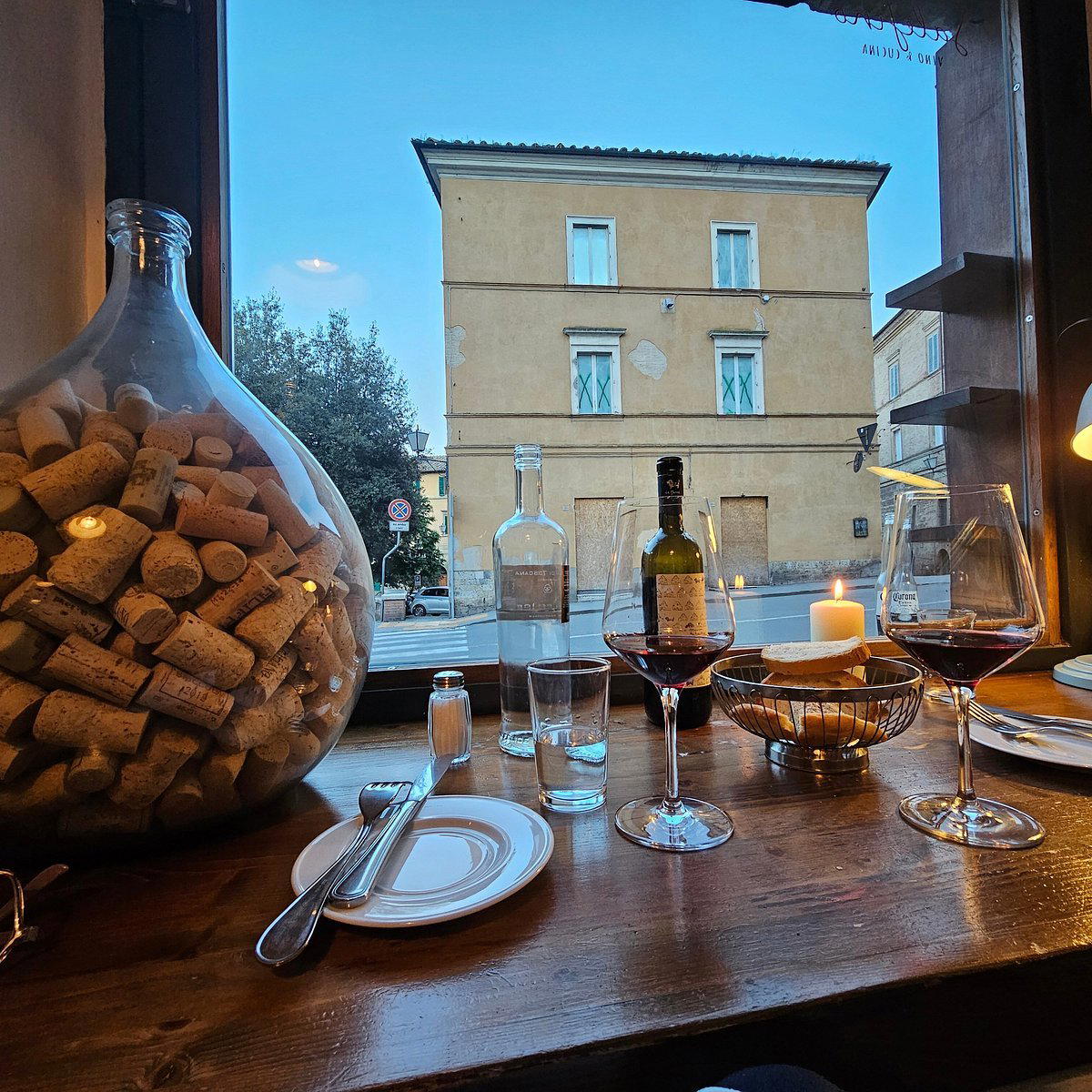
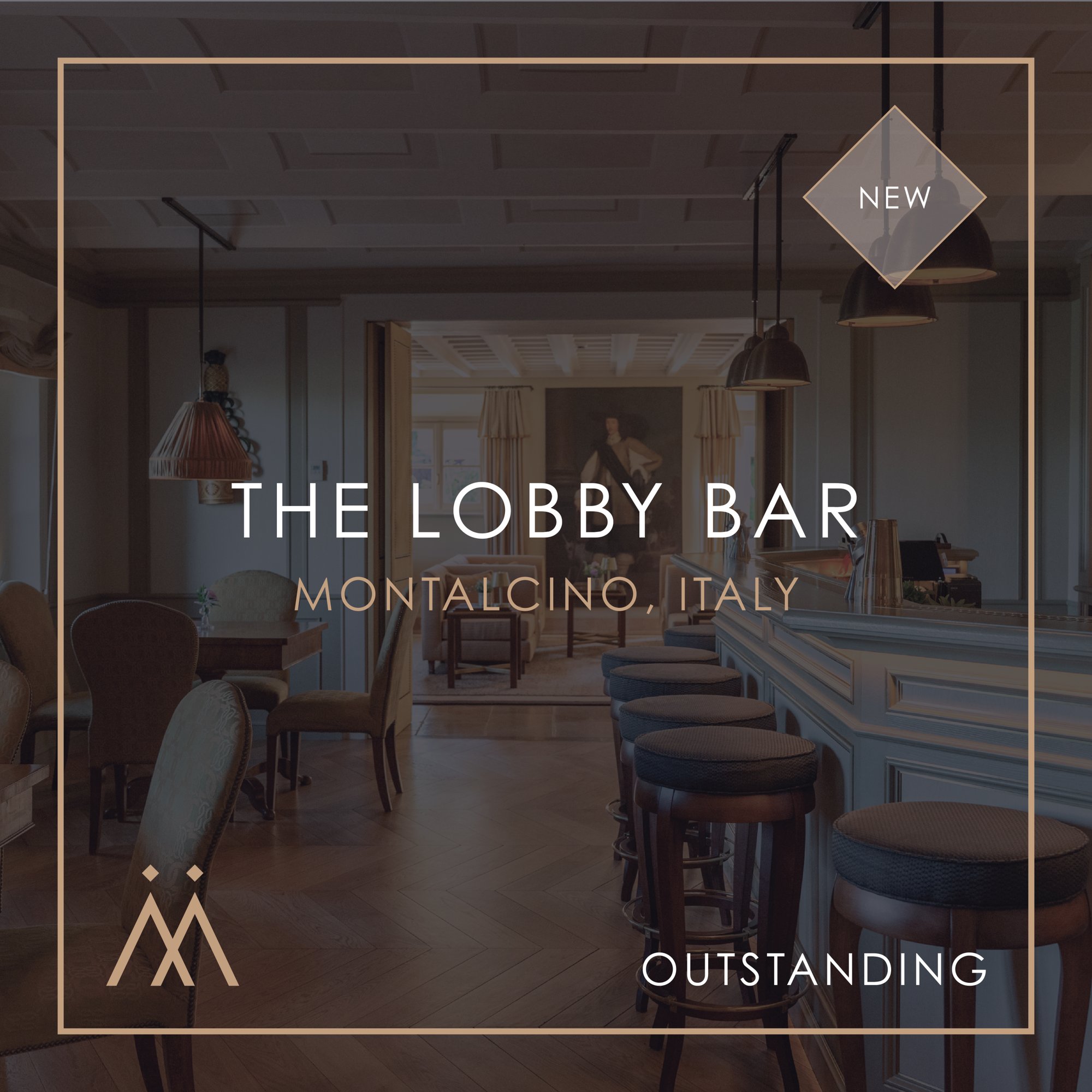
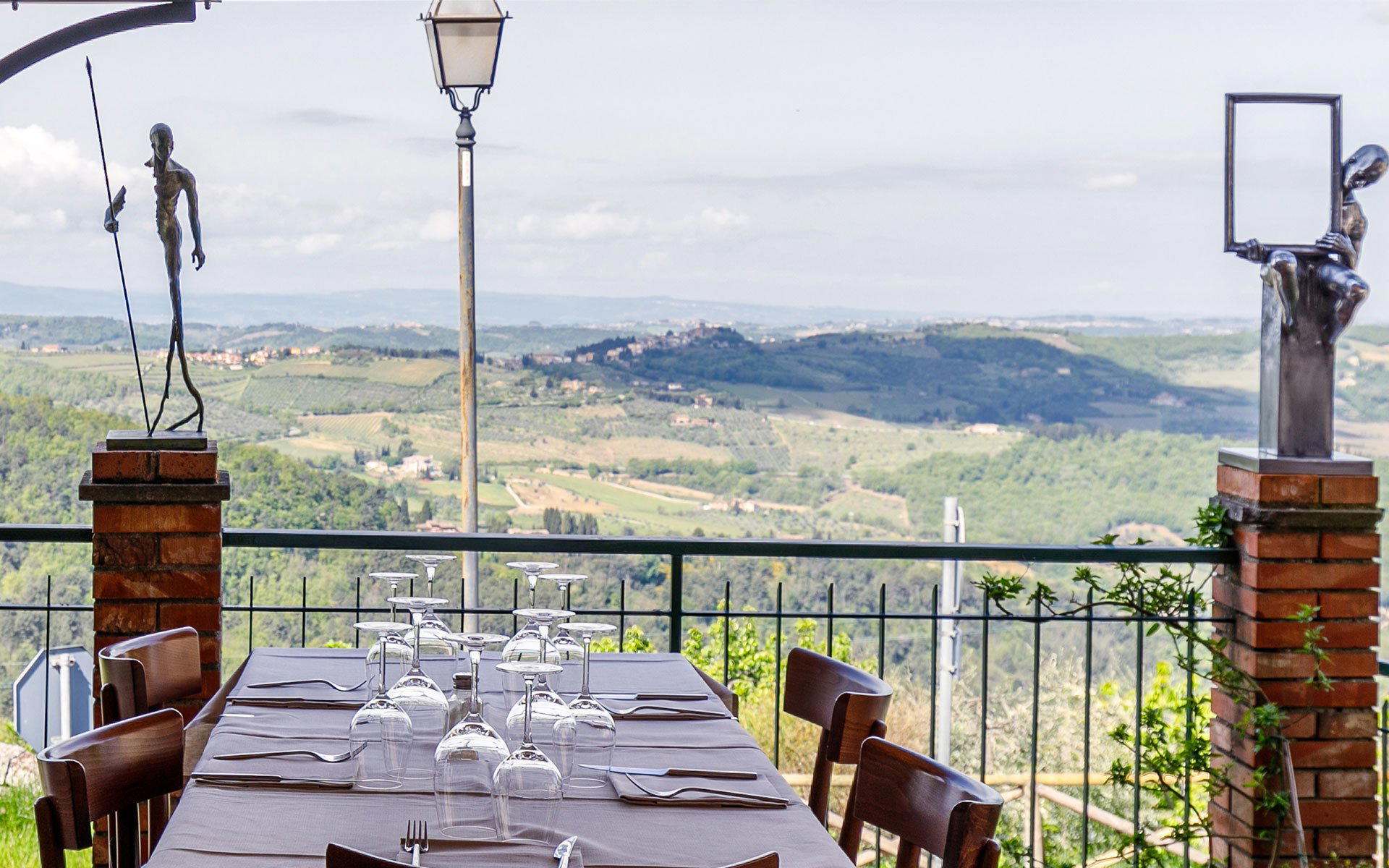
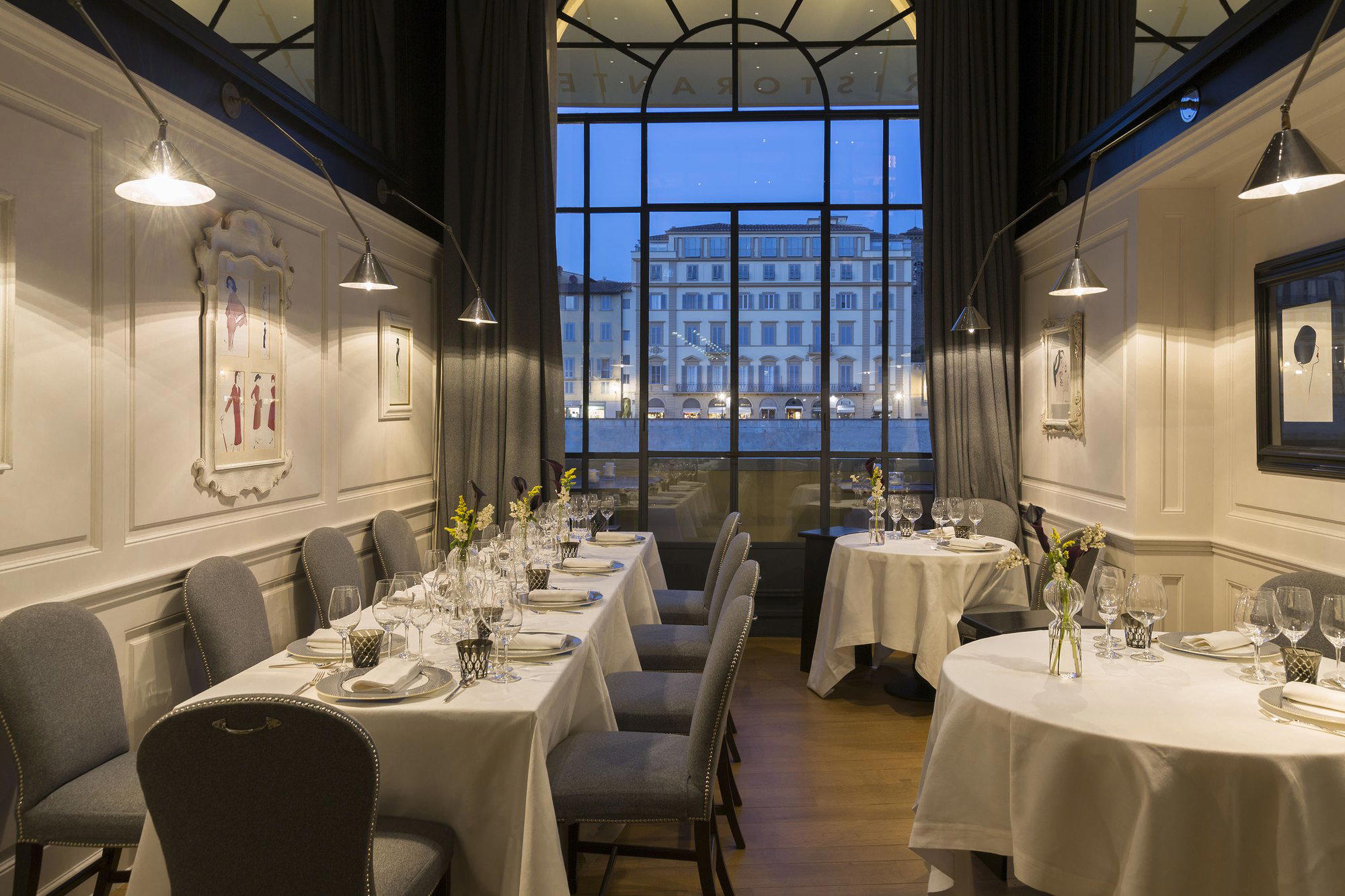
Restaurants in Castelnuovo Berardenga
All restaurants in Castelnuovo Berardenga →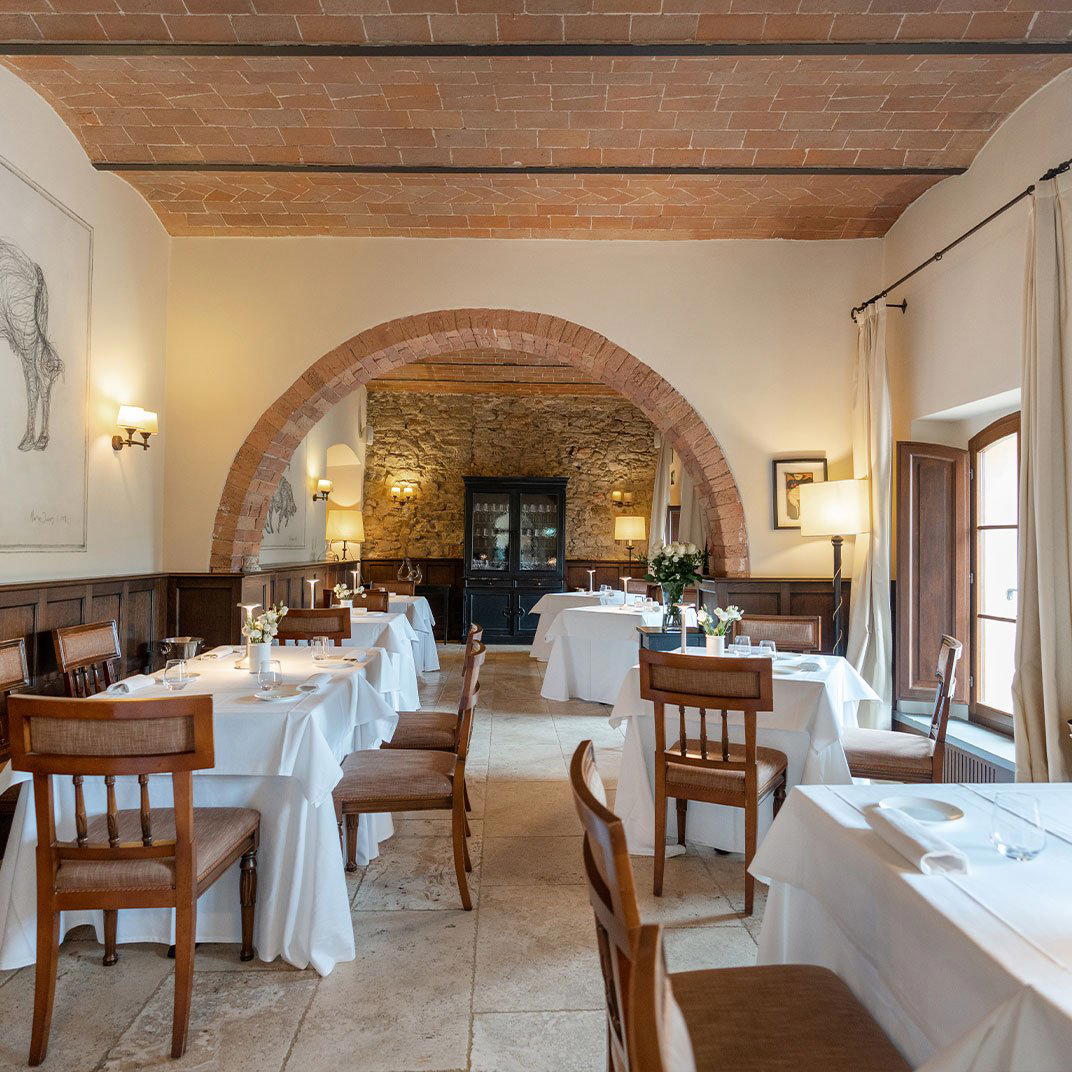
Details
- Scenic
- Rustic
- Classic
- Quiet
- Solo Exploration
- Special Occasion
- Wine Education
- Vineyard Tour
- Estate Grounds
- Historic Building
- Private Tasting
- Organic
- Vineyard
- Sangiovese
- Merlot
- Cabernet Sauvignon
- Petit Verdot
- Chardonnay
- Still Red
- Still White
- Sparkling
- Guided Tasting
- Cellar Tasting
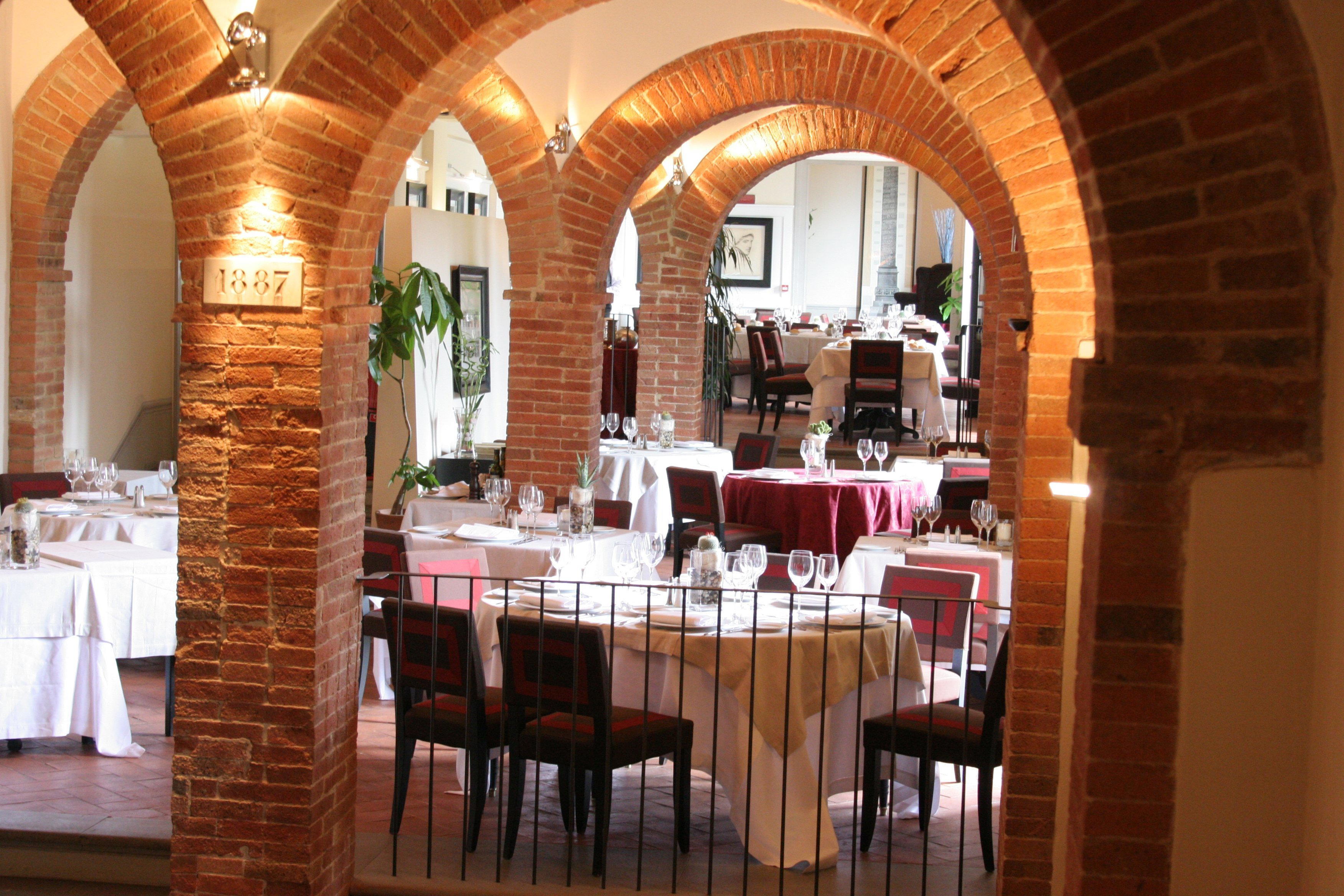
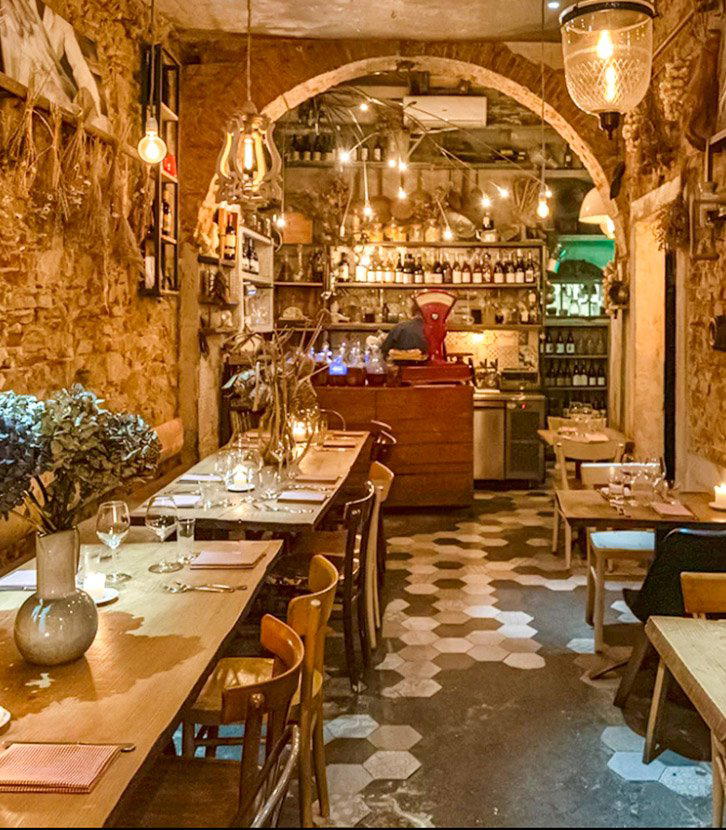
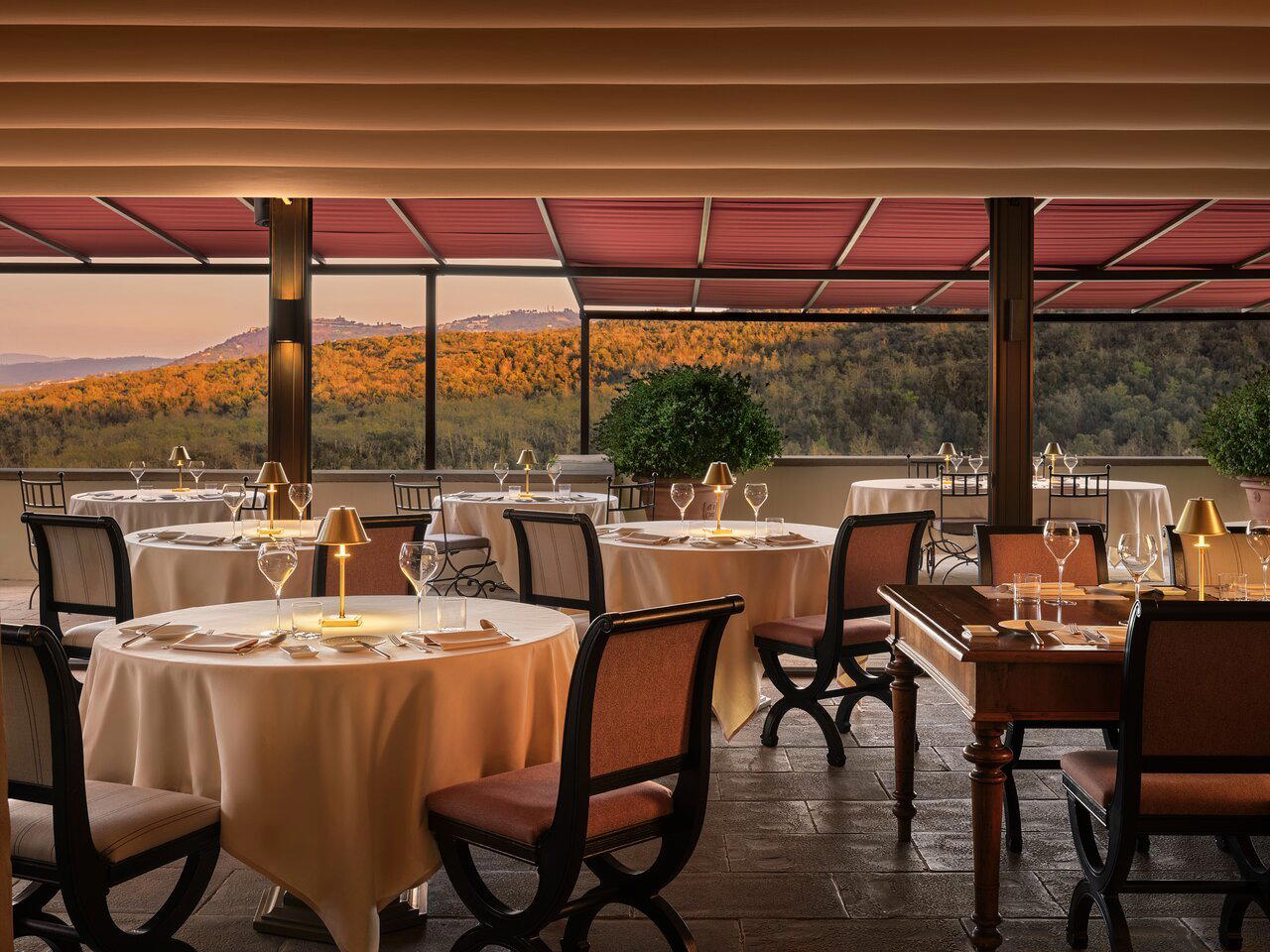
Authentic Tuscan, family-run winery atmosphere with an emphasis on organic farming and cellar tastings.