Caprili

Falstaff Winery - 3 Stars
Caprili belongs to Montalcino’s old guard: a Brunello estate founded in 1965, when the appellation was far smaller and less commercial than it is today. Its interest lies in terroir rather than theatre, with Sangiovese from the warmer Tavernelle sector shaped by sandy soils, sea-borne winds, organic farming, long macerations, and extended aging in large Slavonian oak.

Pearl is the En Primeur Club membership app, where members save venues, book tables and use the concierge.
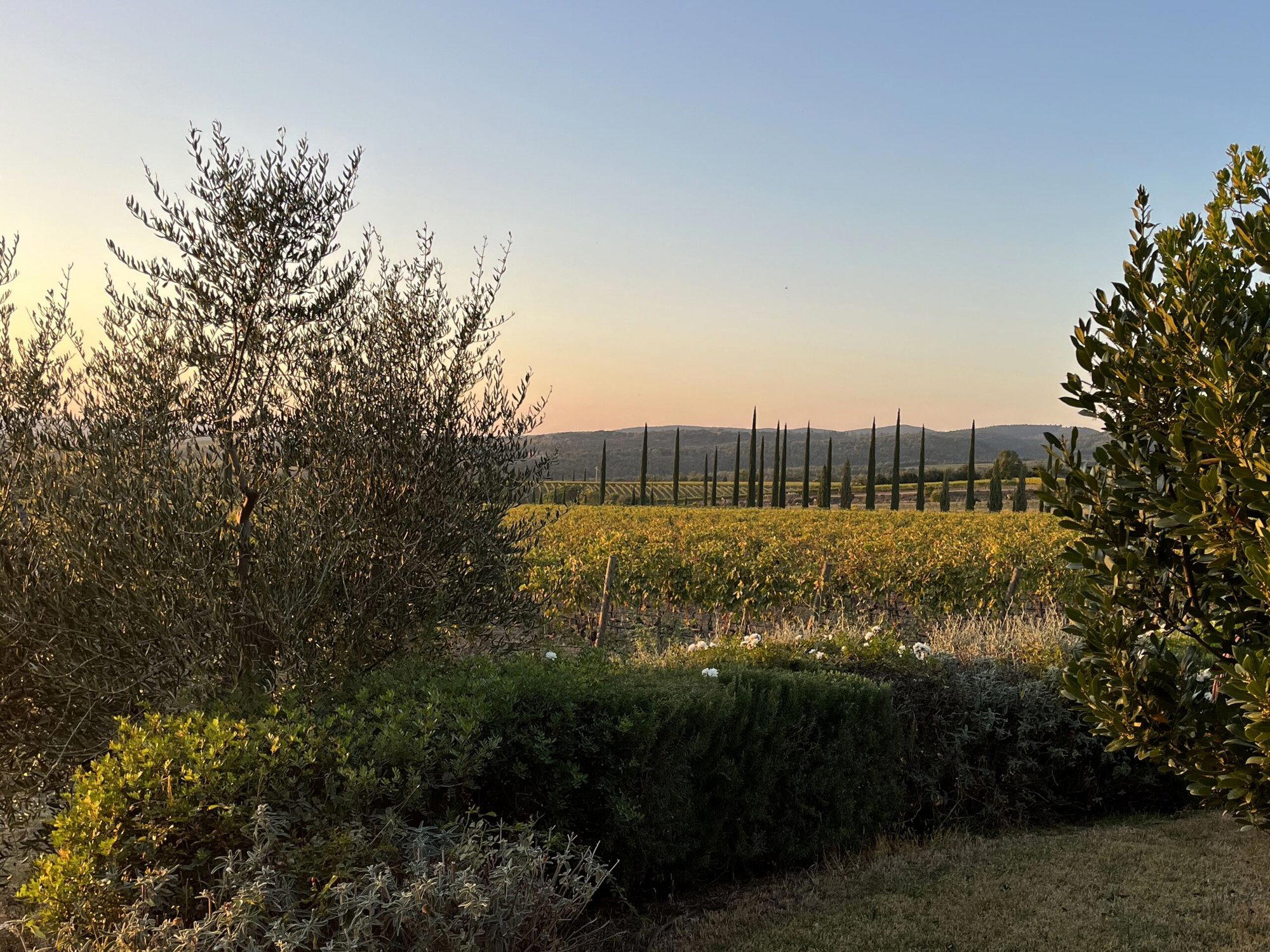
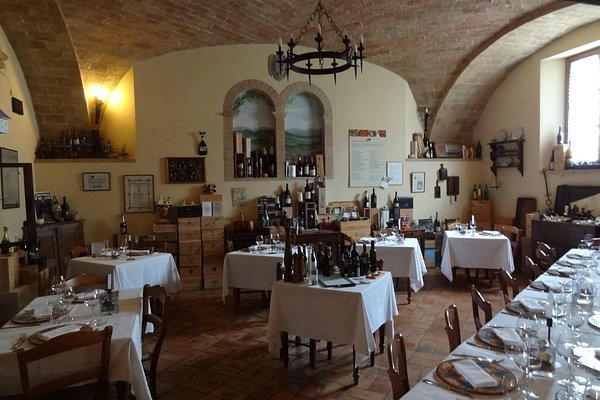
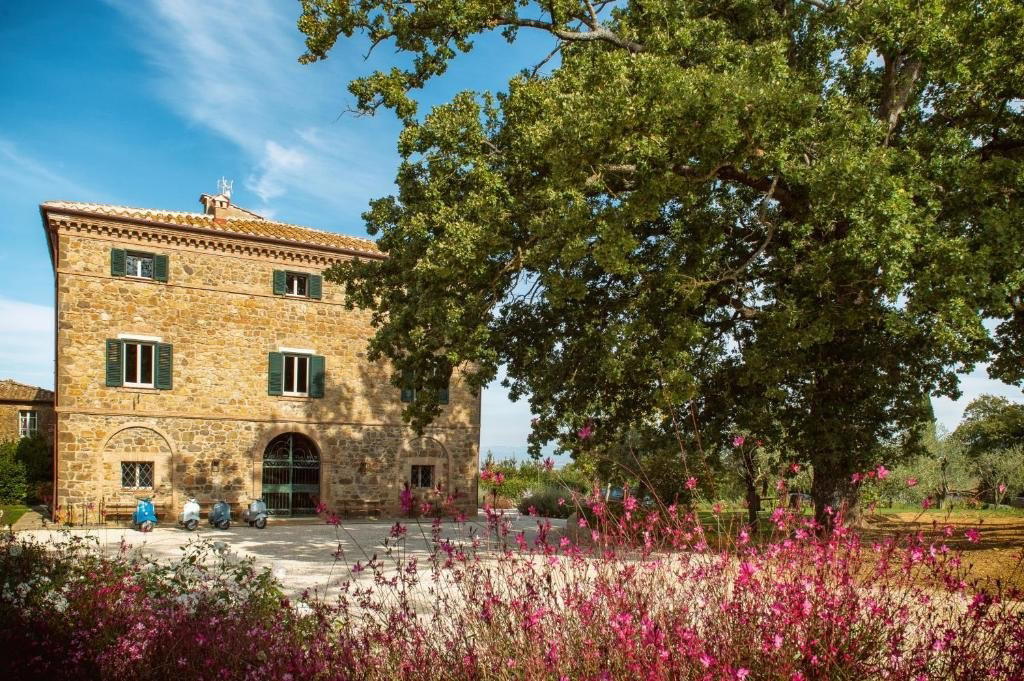
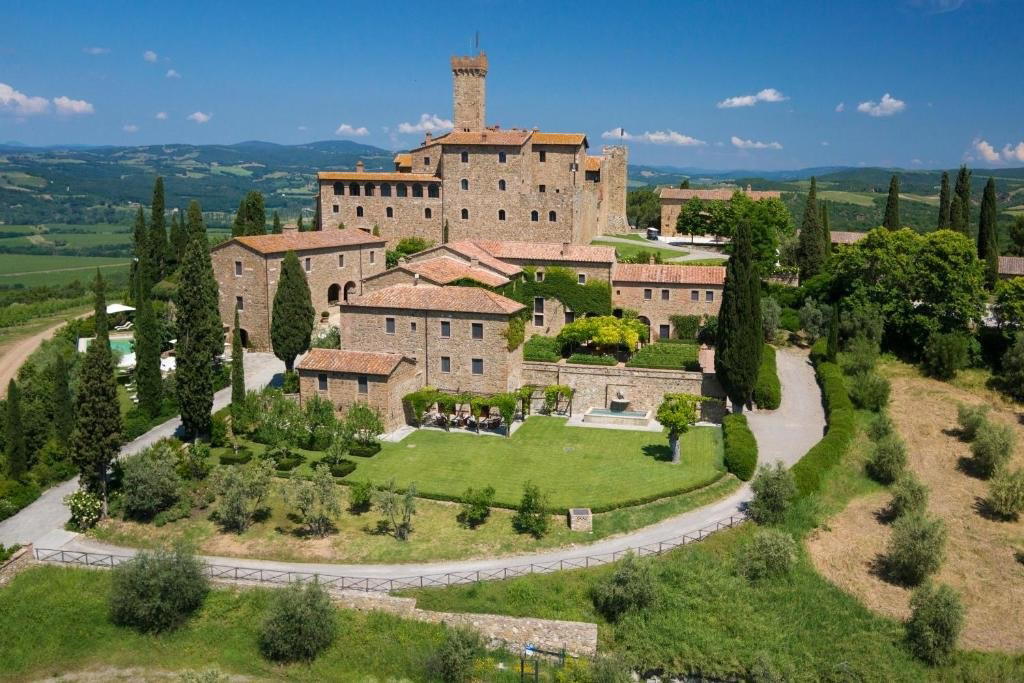
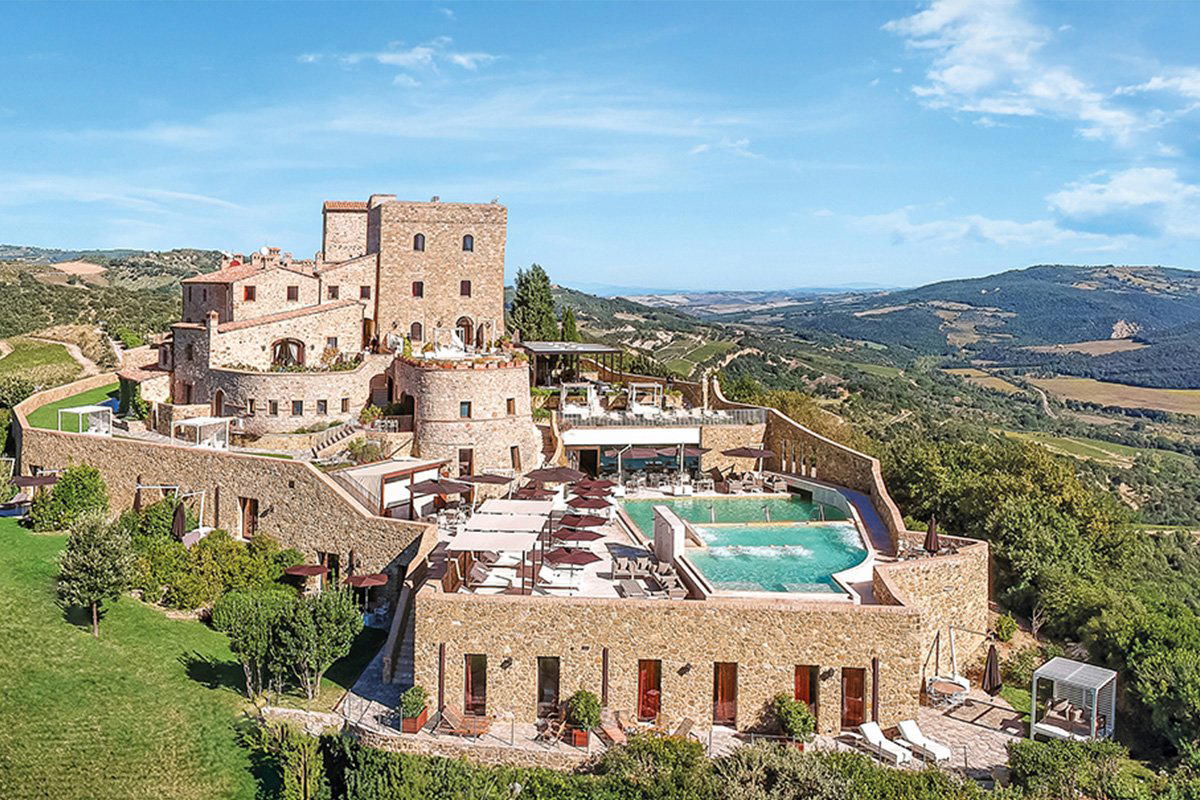
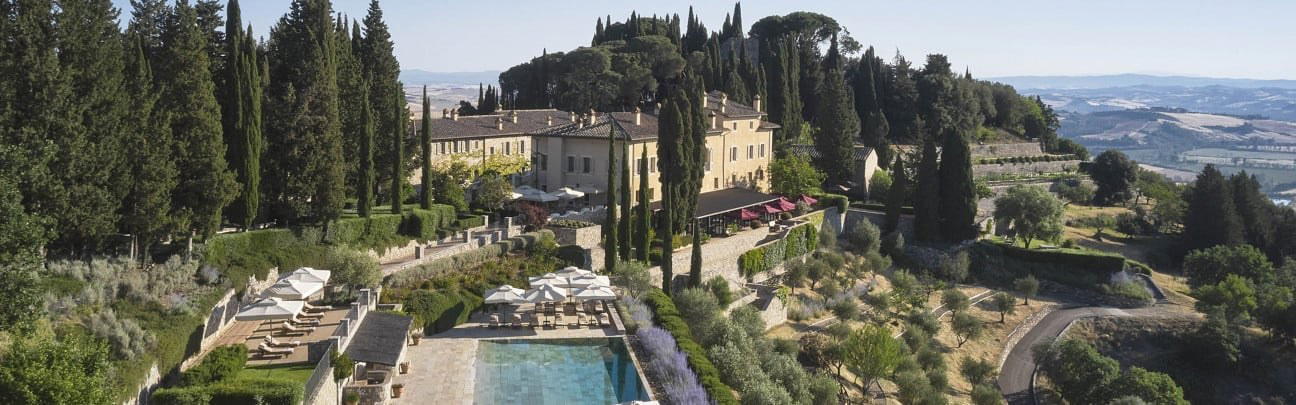
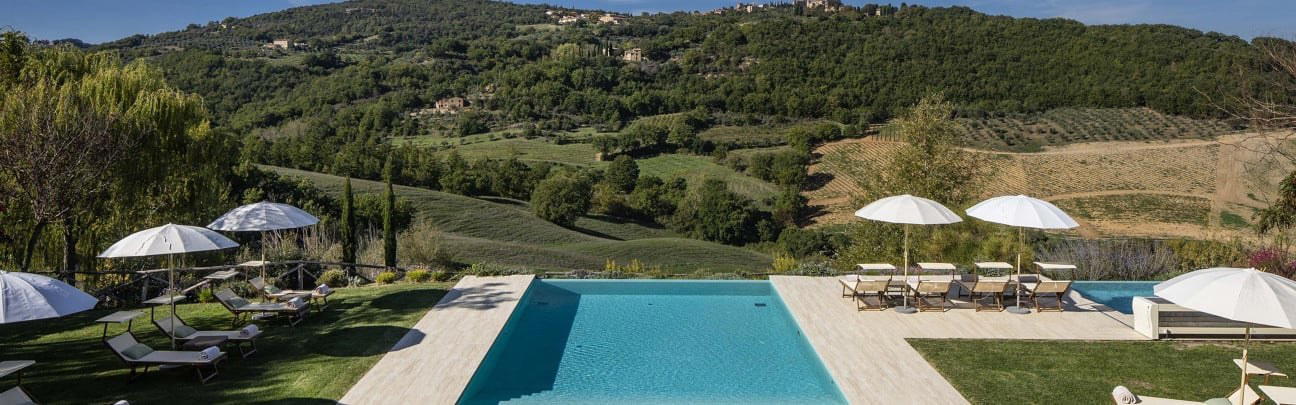
Approaching Caprili means entering a quieter register of Montalcino, where the vineyard rather than the tasting room sets the tone. The estate sits in the Tavernelle sector, southwest of Montalcino, a warmer part of the appellation where Sangiovese ripens with less struggle than in higher, cooler zones. The mood is traditional and understated, with the countryside doing more of the talking than architecture or hospitality choreography.
That matters because Brunello is often discussed through producer reputation, vintage charts, and bottle prices, yet the more useful lens here is place. Caprili was founded in 1965, when Montalcino had fewer than 20 producers; the appellation now counts well over 200. That long arc gives the estate a different kind of authority: not a luxury-wine identity built after Brunello became globally collectible, but a working position inside the region’s early modern history.
Warm Tavernelle fruit, sea winds, and the old Brunello grammar
Montalcino is not one uniform hillside. Altitude, exposure, and soil shift meaningfully across the commune, and Caprili’s vineyards occupy a band between 225 and 340 meters with south-southeast exposure. In a warmer sector, ripeness can arrive with confidence; the counterweight is airflow from the west, where sea-borne winds reduce disease pressure and help the estate farm organically. The result is not a story of polish for its own sake, but of balance won through site conditions.
The soil profile adds another clue. Caprili’s vineyards contain more sand than some other parts of the appellation, a detail that matters in Sangiovese because structure can turn severe when extraction, oak, and clay-heavy power all push in the same direction. Here the house style is framed around brightness and aromatic lift rather than blunt density. The Brunello remains 100% Sangiovese Grosso, but the site steers the wine toward a classical Tuscan register: dried cherry, leather, spice, and mineral notes are part of the estate’s established profile.
Winemaking follows a grammar associated with traditional Brunello: native-yeast fermentation in stainless steel, seven to eight days of fermentation, then 15 to 20 days of maceration. Aging is similarly old-school. Brunello spends three years in large neutral Slavonian oak casks, while the Riserva spends an additional year in botti. That use of large, neutral wood is central to the reading of the wines; oak is a vessel for time, not a flavoring device.
Scale also keeps the estate legible. The property covers 58 hectares, with 21 hectares planted to vine, and annual production is about 60,000 bottles across Brunello, Rosso di Montalcino, Moscadello di Montalcino, and a small Maremma component. Brunello accounts for about 35,000 bottles, while Riserva production is roughly 4,000 bottles. Those numbers place the estate in a middle zone: not microscopic, not industrial, and large enough for serious distribution without losing the vineyard-specific logic that makes the wines worth studying.
The Madre vineyard gives the Riserva its deeper historical line
The Madre vineyard is the estate’s most important internal reference point. Planted in the 1960s, it functions as the mother block for massale selection cuttings used elsewhere on the property. In a region where clonal material, replanting, and market pressure can flatten identity, that continuity has practical value. It keeps the estate’s Sangiovese genetics tied to its own history rather than to a generic template of what Brunello is supposed to taste like.
The Riserva comes from Madre fruit and receives four years in large cask. That extra year is not merely a premium-tier signal; in traditional Brunello, time in botti is part of how tannin and acidity are brought into proportion without adding new-oak sweetness. The standard Brunello and the Riserva therefore read as two interpretations of the same terrain rather than two separate brand exercises.
Giacomo Bartolommei now leads the estate and has served as the youngest president in the history of the Brunello di Montalcino Wine Consortium. That credential matters less as biography than as context: Caprili sits at the intersection of inherited Montalcino practice and a younger generation’s pressure for tighter quality. Yield reduction began in 2018, a change associated with greater concentration while keeping the traditional frame intact.
For travelers mapping Montalcino through wine rather than postcard scenery, this is the point. Caprili is not about spectacle. It is about how a warmer southwestern site, sandy soils, organic farming conditions, and large-cask aging translate into Brunello with old-region discipline. The estate tasting formats include estate and vertical tastings, which suit drinkers who want to compare development across releases rather than simply sample a current bottle.
Where Caprili fits in a Montalcino itinerary
Montalcino rewards visitors who build a route around contrasts: north versus south, altitude versus warmth, modern cellar ambition versus older agrarian continuity. Caprili belongs on the traditional side of that map. It is a strong fit for travelers who want Brunello explained through vineyard exposure, aging protocol, and family continuity rather than through design-led hospitality.
The broader itinerary should leave room for the town as well as the vineyards. EP Club’s city rails are useful for planning around tastings: see Our full Montalcino wineries guide, then pair cellar time with Our full Montalcino restaurants guide, Our full Montalcino hotels guide, Our full Montalcino bars guide, and Our full Montalcino experiences guide. Nearby winery research can extend through Aglieta Roberto, Agostina Pieri, Agricola Poggio Rubino, Aisna, and Altesino.
For a wider European wine map, contrast Montalcino’s Sangiovese grammar with 3GP SRL in Treviso, 47 Anno Domini in Trebaseleghe, A Mano Wine in Noci, »der Steiner« Hans Steiner in Podersdorf am See, and & Handwein in Mannheim. Caprili’s appeal is clearest when seen this way: not as an isolated estate, but as a study in how one Tuscan hill zone turns climate, soil, vine material, and time into a coherent Brunello language.
Recognition history
Dated appearances from independent guides and award organizations, with the underlying list record or original source where available.
Falstaff Winery - 3 Stars
Falstaff
Continue exploring
More in Montalcino
Wineries in Montalcino
All wineries in Montalcino →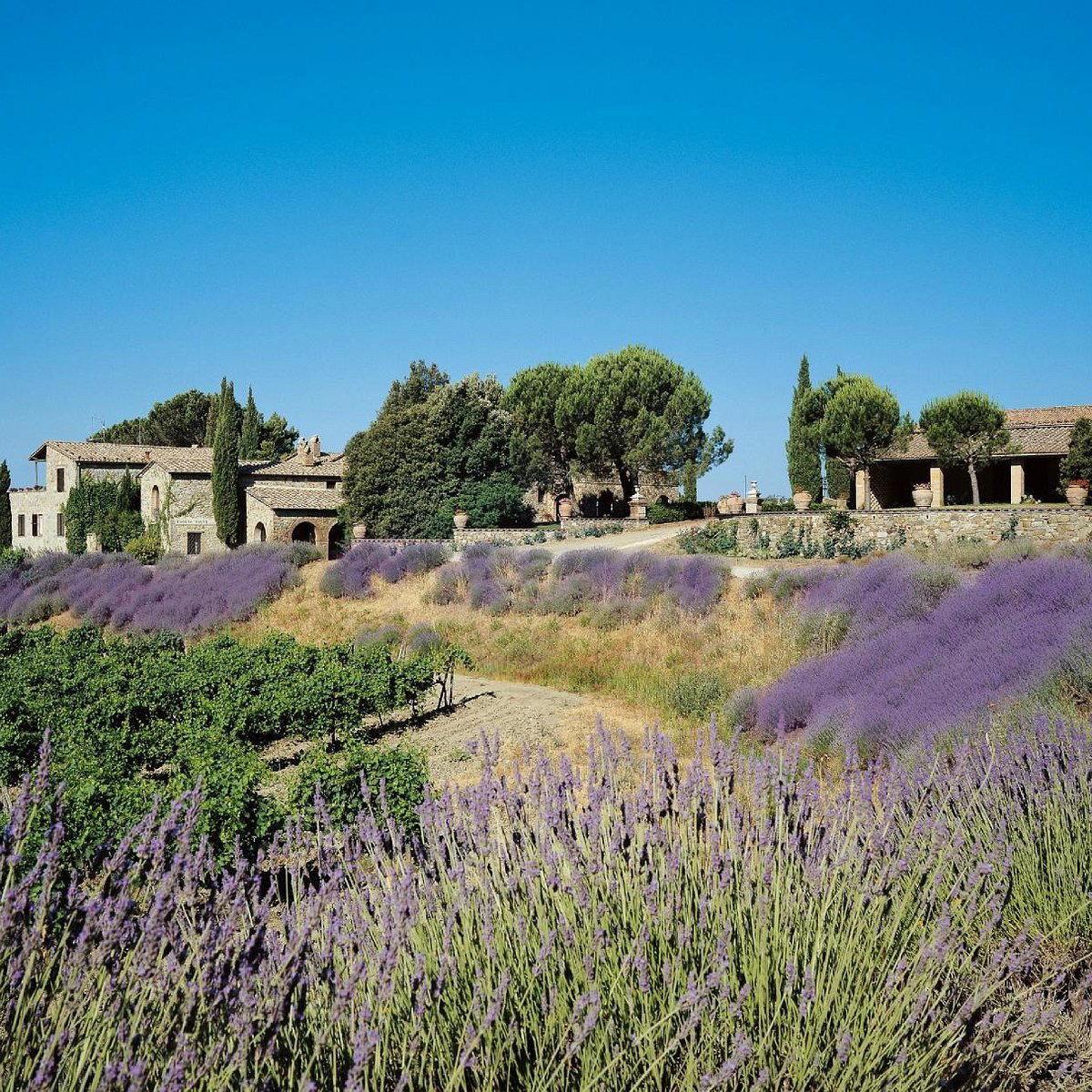
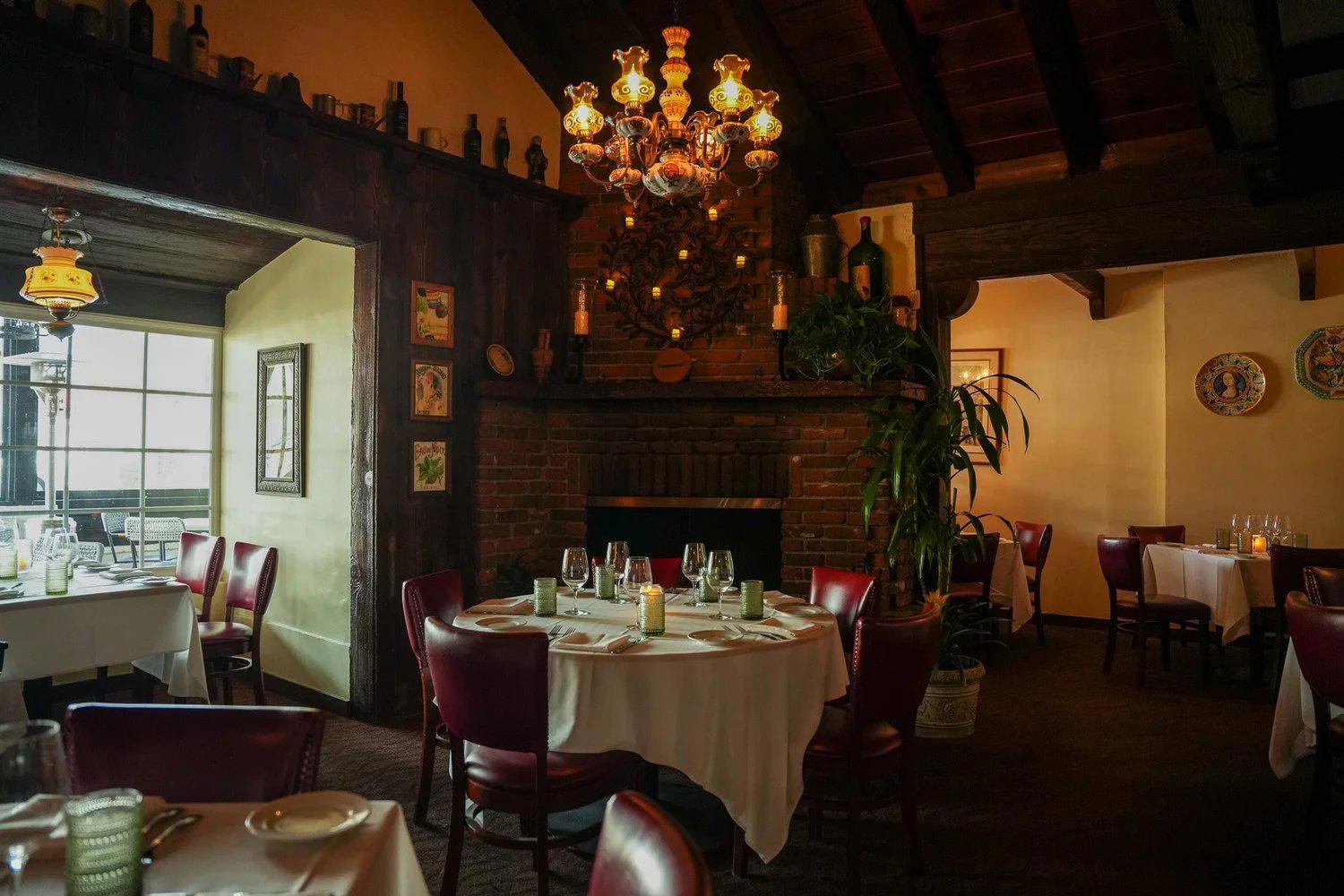
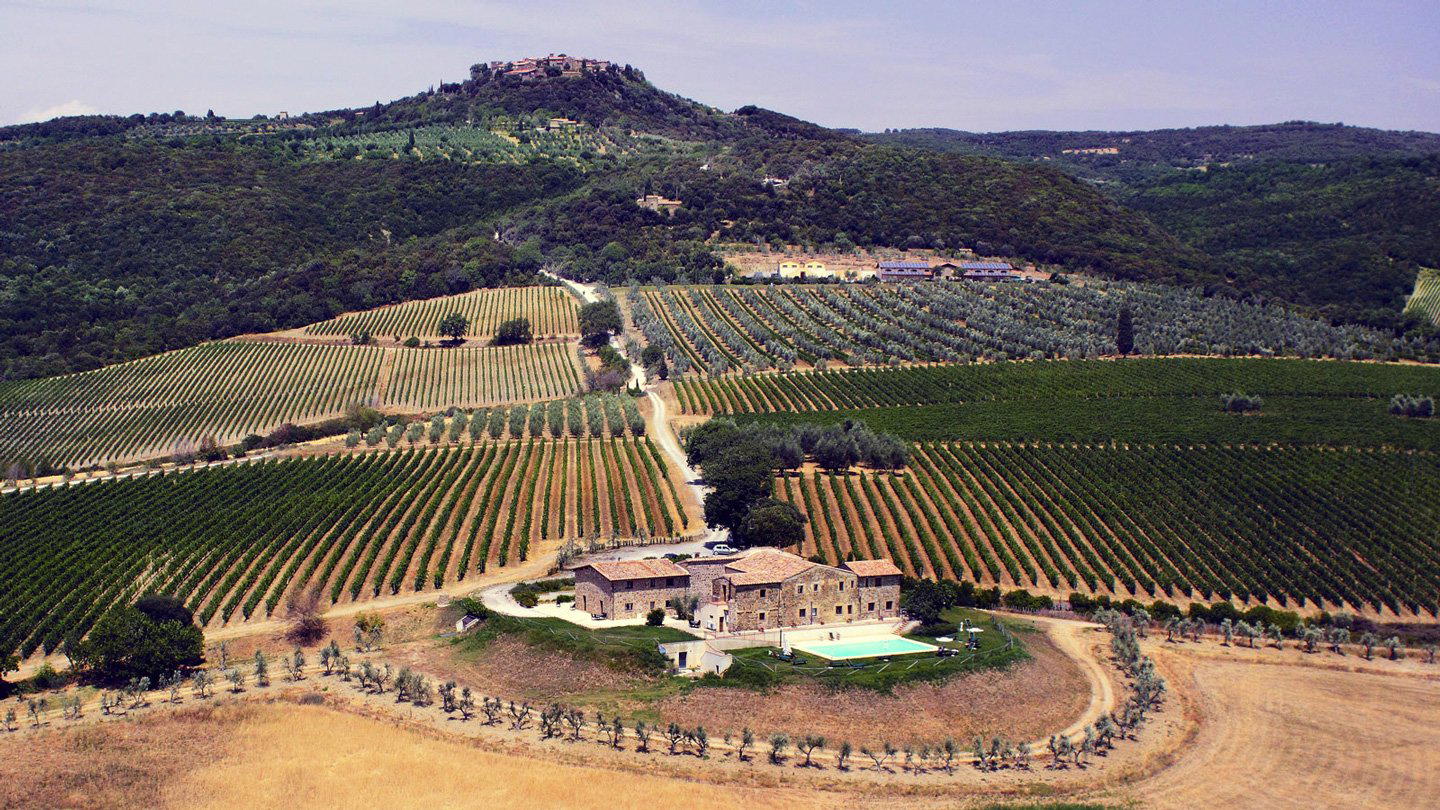
Bars in Montalcino
All bars in Montalcino →

Restaurants in Montalcino
All restaurants in Montalcino →
Details
- Classic
- Rustic
- Quiet
- Sophisticated
- Wine Education
- Special Occasion
- Group Outing
- Solo Exploration
- Vineyard Tour
- Barrel Room
- Historic Building
- Private Tasting
- Organic
- Vineyard
- Sangiovese
- Still Red
- Vertical Tasting
- Estate Tasting
Current opening hours
- Monday
- 9 AM–1 PM, 2–6 PM
- Tuesday
- 9 AM–1 PM, 2–6 PM
- Wednesday
- 9 AM–1 PM, 2–6 PM
- Thursday
- 9 AM–1 PM, 2–6 PM
- Friday
- 9 AM–1 PM, 2–6 PM
- Saturday
- Closed
- Sunday
- Closed
Hours can change for holidays and private events. Hours as of .
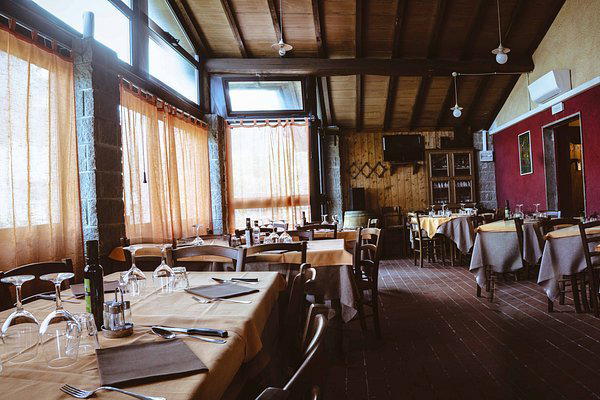
Traditional, understated, and authentic, with a historic estate feel and a warm, scenic countryside setting.