Naumi Hotel Wellington

Michelin Selected
Naumi Hotel Wellington occupies a Te Aro address that places guests within reach of the capital's cultural and political core. Selected by Michelin's 2025 hotel guide, it sits in a Wellington tier defined by design-led properties that compete on atmosphere and service precision rather than room count. For travellers who treat the hotel as part of the experience, not just a base, it warrants serious consideration.

Pearl is the En Primeur Club membership app — saves, bookings, and concierge access live there. Same editors, same standards.
- Address
- 10 Dunlop Terrace, Te Aro, Wellington, New Zealand
- Phone
- +64 4 913 1805
- Directions
- Get directions
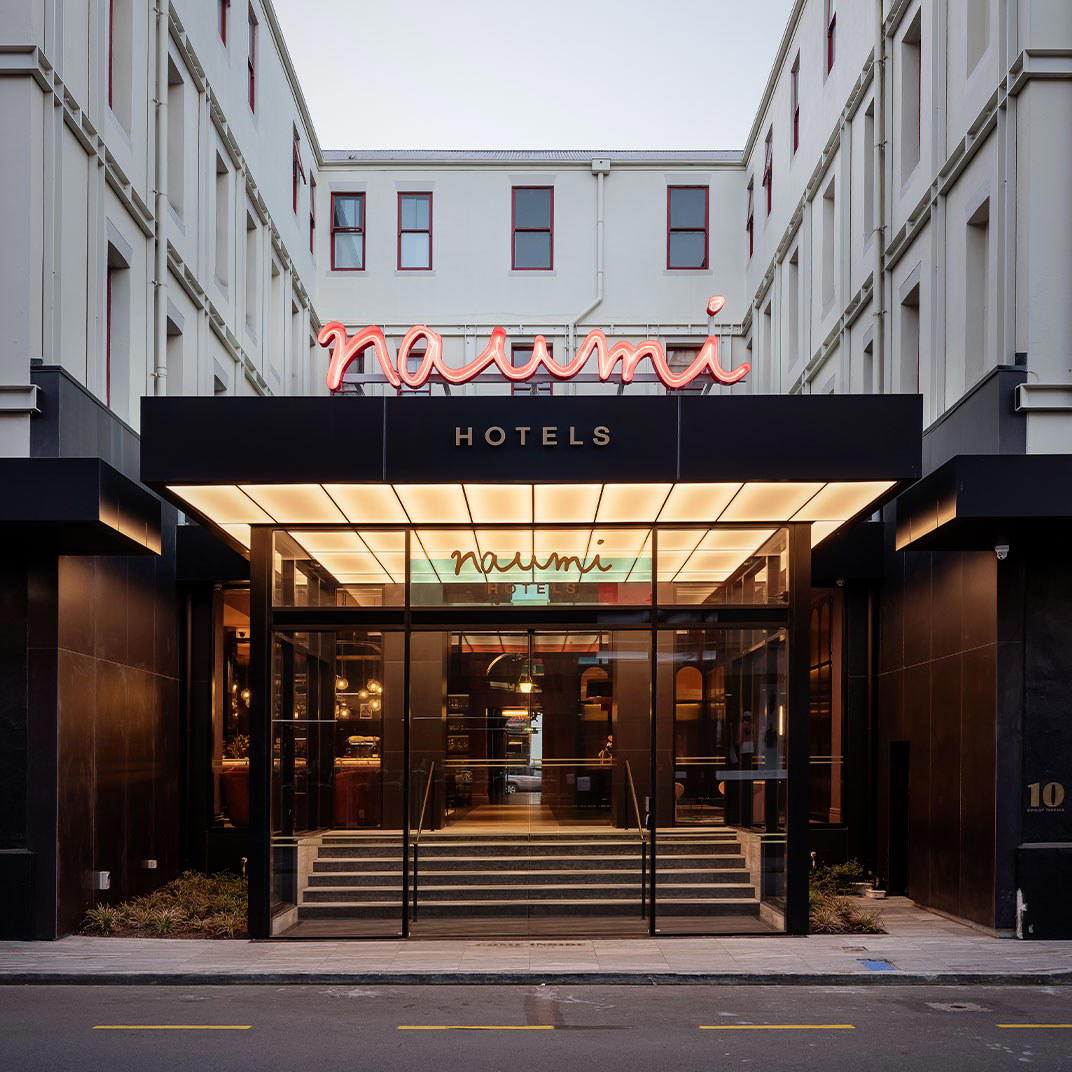
Wellington's Hotel Scene and Where Naumi Sits Within It
Wellington has a hotel problem that most small capitals share: there are relatively few properties that treat design and service as primary concerns rather than afterthoughts to a central location. The city's premium accommodation splits between large international business hotels on the waterfront and a smaller cohort of independently minded properties in Te Aro and the surrounding inner suburbs. Naumi Hotel Wellington belongs to the latter group, occupying a Dunlop Terrace address that keeps guests close to Cuba Street, the Te Papa precinct, and the parliamentary district without anchoring them in the corporate centre.
In Wellington's current accommodation market, that recognition carries weight. The city has comparatively few Michelin-selected properties, and selection signals that the hotel operates at a level where the guest experience is consistently managed rather than variable.
The Atmosphere on Arrival
Te Aro carries Wellington's counter-cultural credibility, a neighbourhood of mid-century commercial buildings converted into galleries, restaurants, and bars, with the southern end of Cuba Street functioning as the city's most concentrated strip of independent hospitality. Arriving at Naumi from that direction, the shift from street-level noise to the hotel's interior registers quickly. The property operates in the mode common to boutique hotels that have invested in atmosphere as a functional tool: the lobby is designed to be read immediately, communicating the register of the stay within the first minute rather than leaving guests to form impressions slowly over three days.
That kind of arrival experience is harder to engineer than it appears. In New Zealand's hotel market, where most mid-tier and premium properties default to a broadly Pacific-influenced neutrality, a hotel that makes a deliberate aesthetic statement occupies its own territory. It aligns Naumi more closely with properties like Ohtel Wellington and QT Wellington, where the visual language of the building is part of the offer, than with the larger chain hotels on Wakefield Street.
Service as the Differentiating Variable
Michelin's hotel selection process weighs service heavily, and for a property of Naumi's scale in Wellington, this is where the distinction from larger competitors becomes most legible. At big-footprint hotels, service consistency is a logistics problem solved through systems and training volume. At smaller, design-led properties, it becomes a culture problem: the staff either share a coherent sense of what the guest experience should feel like, or they don't, and guests notice the difference immediately.
The properties that hold Michelin recognition in smaller cities tend to have resolved this in favour of anticipatory rather than reactive service. That means the difference between a front desk that processes arrivals and one that registers context, remembers preferences across a stay, and adjusts without being prompted. For travellers arriving in Wellington on a multi-city New Zealand itinerary, perhaps connecting from Hotel Fitzroy Curated by Fable in Auckland or heading south toward Blanket Bay in Glenorchy, the Naumi's service register should feel consistent with the standard set elsewhere on the trip.
This is the test worth applying when comparing Naumi against Naumi Studio Wellington, the brand's second Wellington address. The two properties serve different purposes within the same city, and choosing between them depends on whether the traveller prioritises the atmospheric focus of the main hotel or a format better suited to longer stays or more flexible arrangements.
Wellington as a Base: What the Location Provides
A Te Aro location is a deliberate choice in Wellington's geography. The city is compact enough that most of the centre is walkable from any inner-suburb property, but Te Aro specifically places guests on the eating and drinking side of the city rather than the business or government side. The country's best-reviewed restaurant scene for its size is within a short walk, a concentration of quality that consistently draws comparisons with cities several times Wellington's population. For an assessment of what's worth booking during a stay, our full Wellington restaurants guide covers the current field in detail.
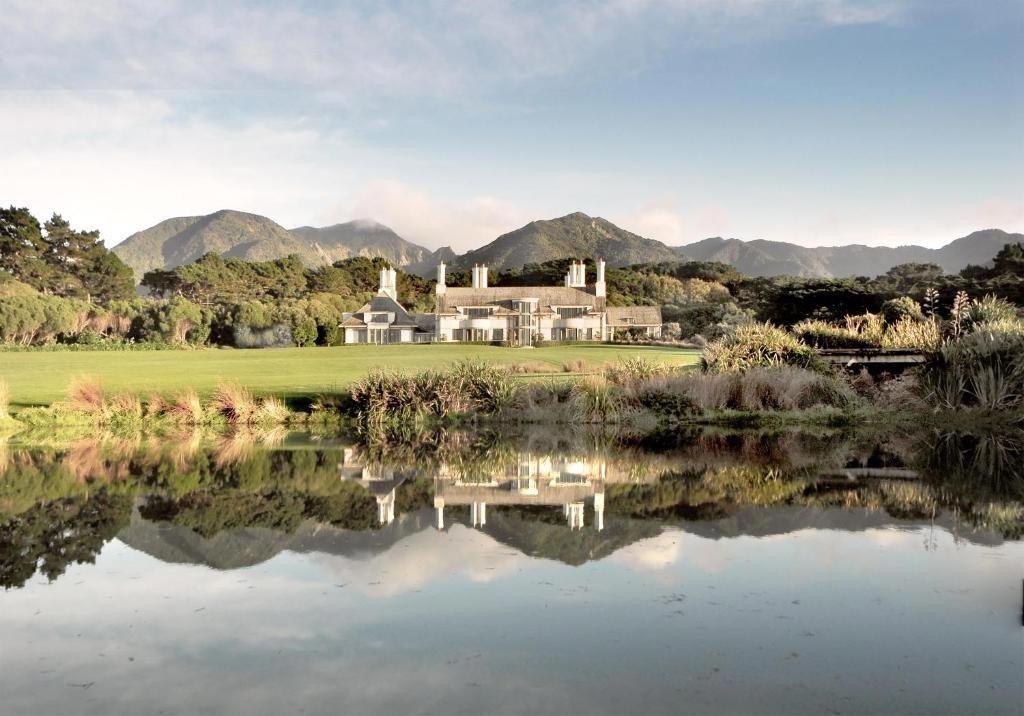
For travellers building a wider New Zealand itinerary, Wellington functions as a natural pivot point between the North and South Islands. Properties like Huka Lodge in Taupo, Wharekauhau Country Estate in Featherston (a short drive north of the city), and Fiordland Lodge Te Anau each represent a different geography and pace. Naumi Wellington sits at the urban end of that spectrum, the point on the itinerary where the city itself is the attraction rather than a staging ground for landscape.
The Competitive Set in Wellington
Placing Naumi accurately in Wellington's accommodation hierarchy requires looking at the properties it competes against rather than the brand tier it nominally belongs to. Drake Devonshire occupies a different style register; QT Wellington operates with more rooms and a louder aesthetic. Naumi's Michelin selection in 2025 effectively separates it from properties that have broader recognition for volume or location alone.
Internationally, the Michelin hotel selection now spans properties from The Fifth Avenue Hotel in New York City to Badrutt's Palace Hotel in St. Moritz and Hôtel de Paris Monte-Carlo. Wellington appearing in that same programme signals that the city's premium accommodation is being assessed against a global standard, not a regional one.
Planning a Stay: What to Know
Naumi Hotel Wellington sits at 10 Dunlop Terrace in Te Aro, within walking distance of the city's central restaurant and bar strip, the waterfront, and the national museum. Booking direct through the hotel's website or via the Naumi brand channels is the standard approach. Wellington's busiest periods track with parliamentary sitting schedules, the New Zealand Festival of the Arts in even-numbered years, and summer weekends from late November through February, when advance booking for the city's better-regarded small hotels is advisable. Travellers arriving by ferry from the South Island find the hotel a short taxi or rideshare from the Interislander terminal at the northern end of the waterfront.
Cuisine and Recognition
| Venue | Price | Awards |
|---|---|---|
| Naumi Hotel WellingtonThis venue — the venue you are viewing | Not listed | Michelin Selected |
| Drake Devonshire | $200–300 | Michelin Guide New Hotels New Hotel · Michelin Selected |
| Ohtel Wellington | $100–200 | Michelin Selected |
| Naumi Studio Wellington | Not listed | Michelin Selected |
| QT Wellington | $100–200 | Michelin Selected · Mr & Mrs Smith Seal of Approval |
Recognition history
Dated appearances from independent guides and award organizations, with the underlying list record or original source where available.
Michelin Selected
Michelin
Continue exploring
More in Wellington
Hotels in Wellington
Browse all →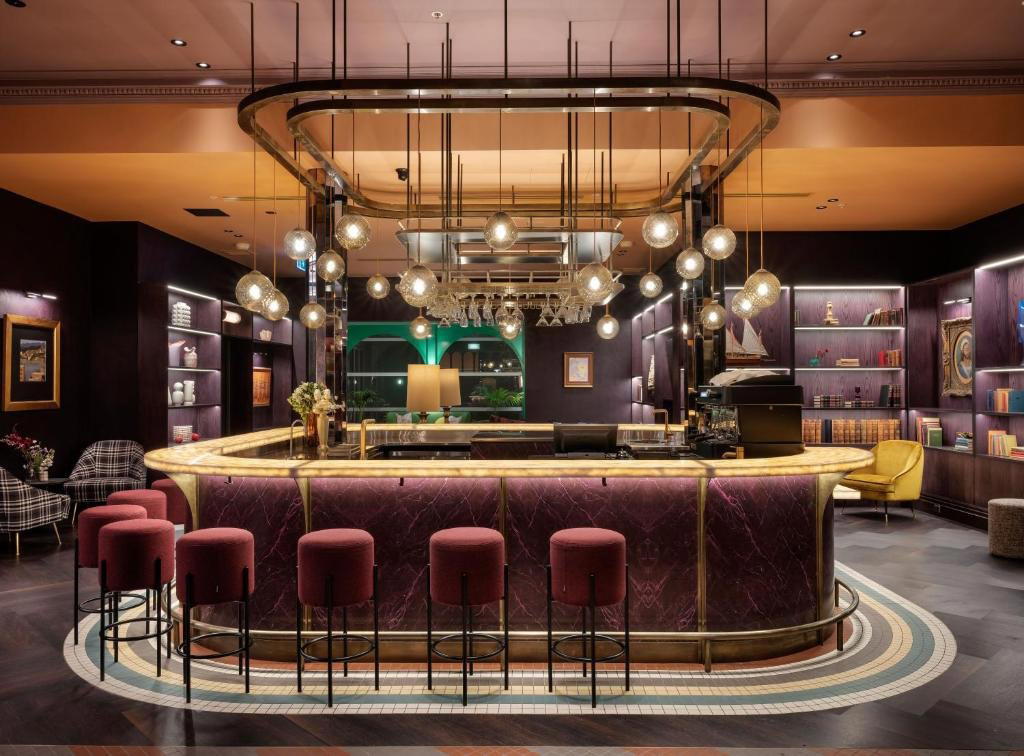
Details
- Whimsical
- Trendy
- Modern
- Elegant
- Bohemian
- Romantic Getaway
- Weekend Escape
- Design Destination
- Historic Building
- Pool
- Fitness Center
- Wi Fi
- Concierge
- Wheelchair Accessible
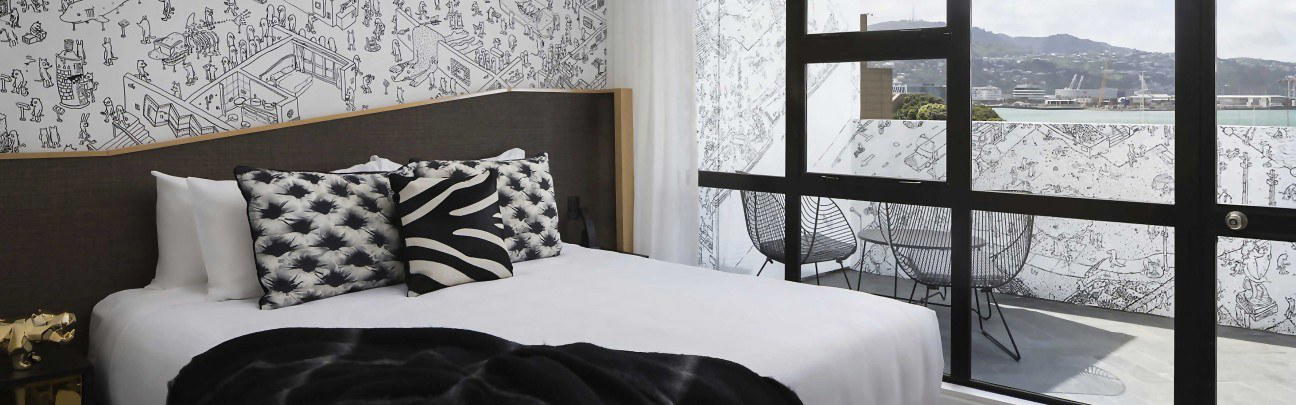
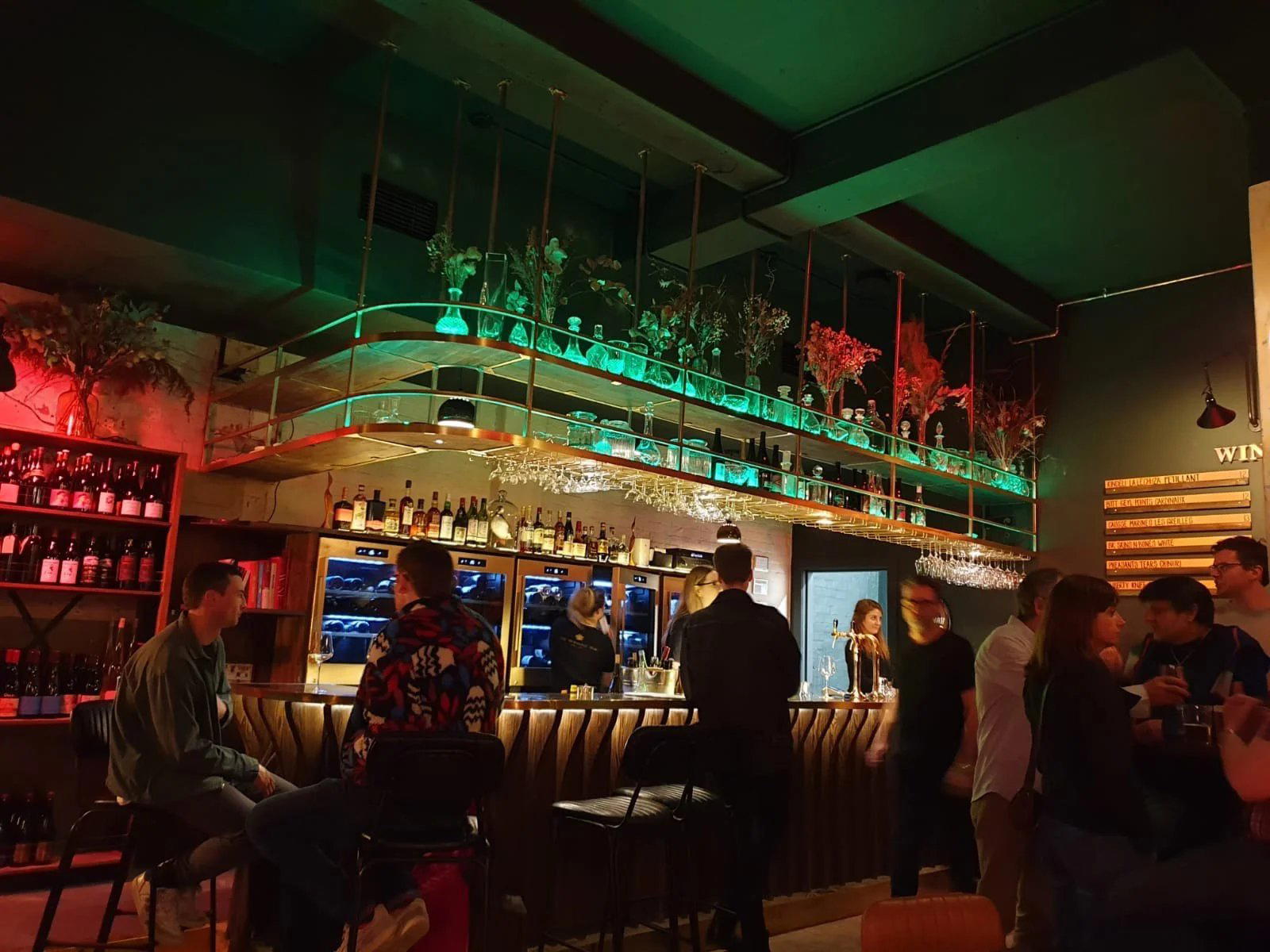
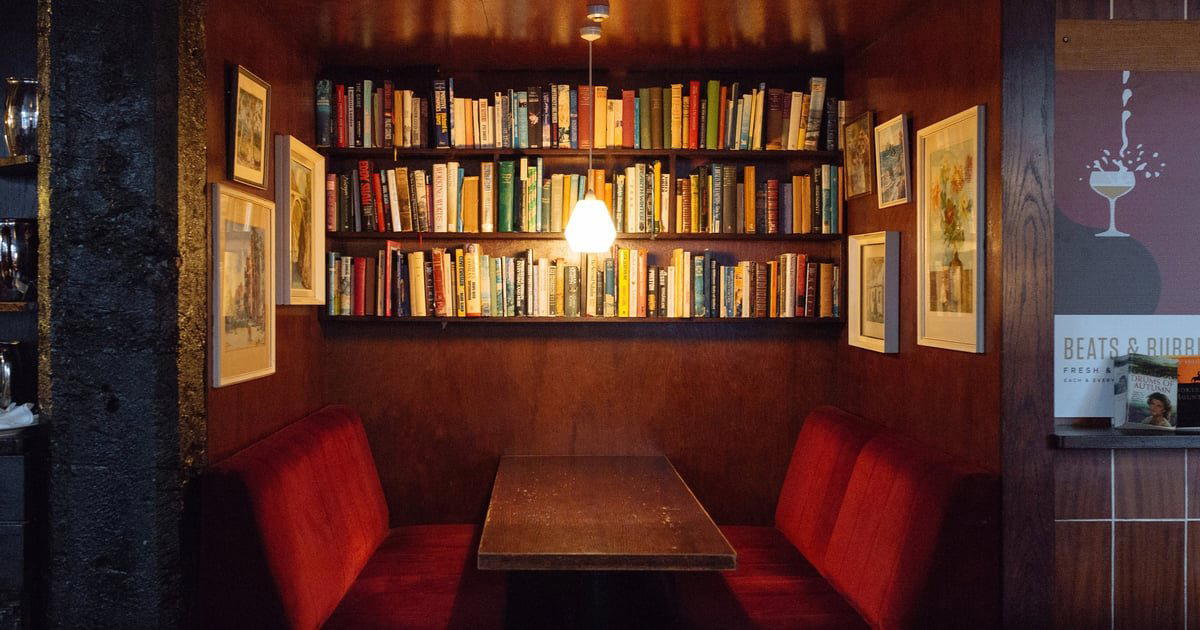
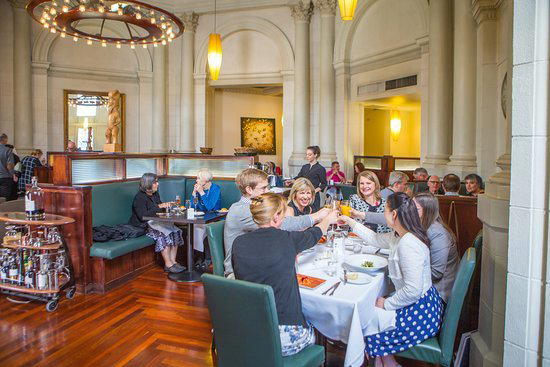
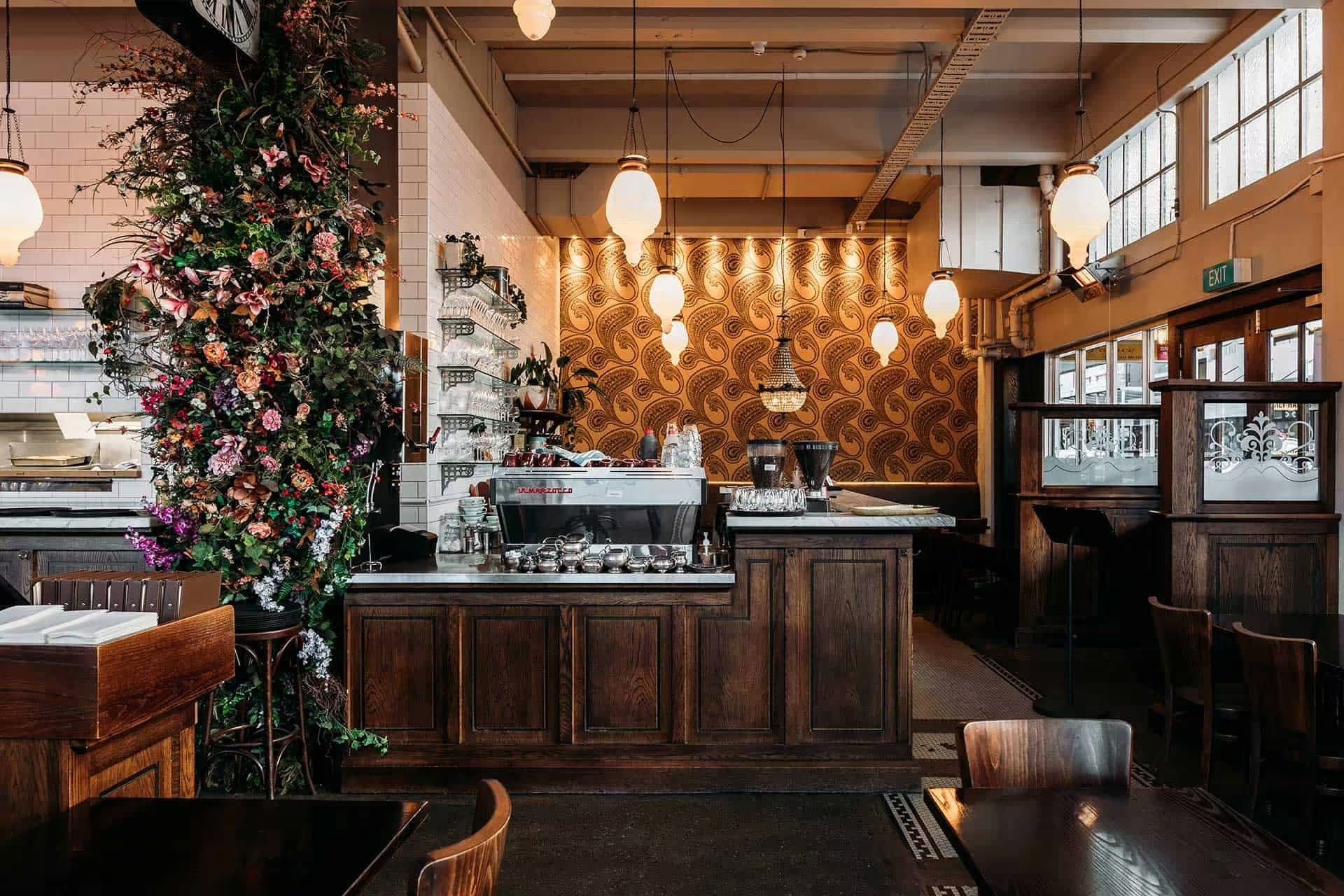
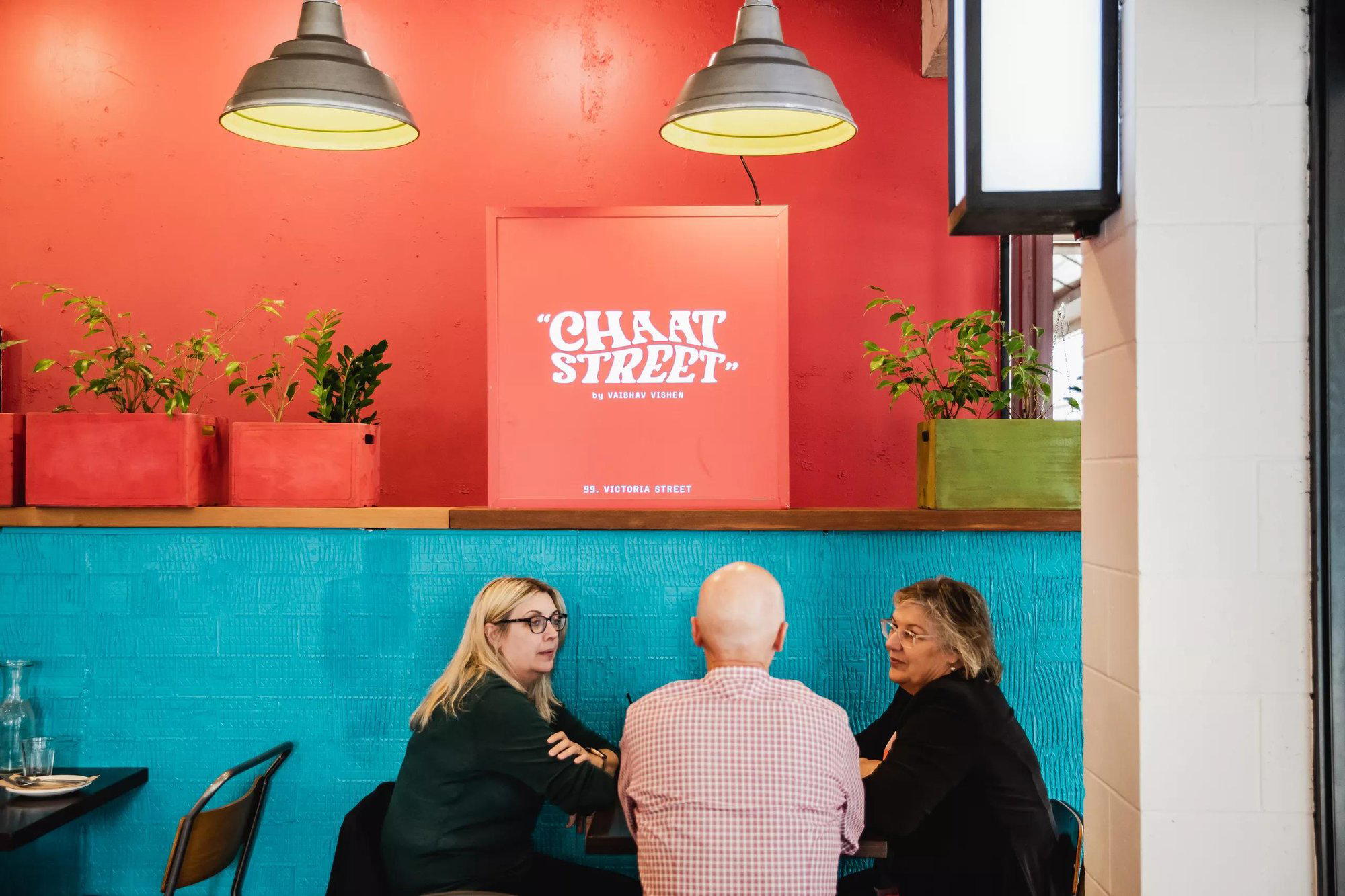
Color-drenched, dramatically lit spaces with playful murals, floral sculptures, and sultry red dining areas creating a dreamy, immersive maximalist atmosphere.