Charley Noble Eatery & Bar




Michelin Plate · Star Wine List · Cuisine Good Food Guide Selection
Our verdict
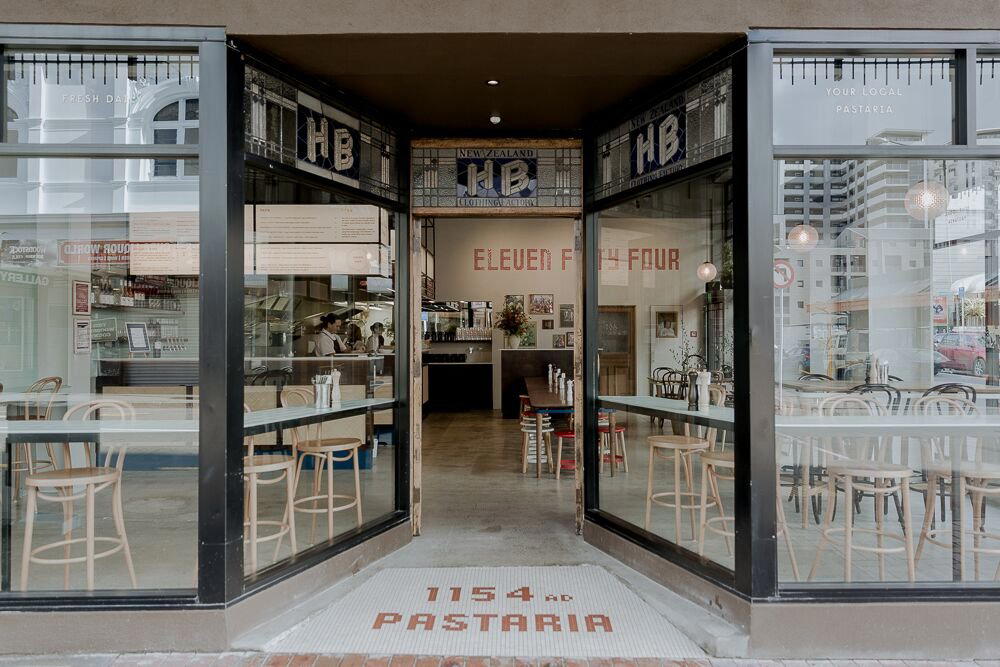
Charley Noble occupies a character-laden corner of Wellington's Post Office Square, inside the heritage Huddart Parker Building. The kitchen works within a New Zealand ingredient tradition that connects the capital's dining scene to its coastal and agricultural hinterland. For a city that punches hard on food, it sits in the mid-to-upper tier where provenance and produce do most of the talking.

Pearl is the En Primeur Club membership app — saves, bookings, and concierge access live there. Same editors, same standards.
- Address
- Ground Huddart Parker Building, 1 Post Office Square, Wellington 6011, New Zealand
- Phone
- +64 508 242 753
- Hours
- Mon–Thu 11:30 AM–9:30 PMFri 11:30 AM–10 PMSat 5–10 PMSun 5–9:30 PM
- Website
- charleynoble.co.nz
- Directions
- Get directions
- Booking
- Book on the venue's website
The menu
What to order
- Southern Station wagyu ribeye
- Oysters
- Ceviche
Post Office Square and the Architecture of Wellington Eating
Wellington's central dining scene has long organised itself around a handful of heritage buildings that give the city's restaurant culture a solidity that newer precincts can't replicate. Post Office Square, anchored by the Huddart Parker Building, is one of those anchors. The ground-floor address occupied by Charley Noble places it inside a tradition of Wellington restaurants that treat their physical context as part of the offer: high ceilings, stonework, the particular quality of light that comes through early-20th-century glazing. Arriving here, you're already in conversation with the city's mercantile past, and that conversation shapes what happens at the table. For a broader map of where this fits in Wellington's dining options, our full Wellington restaurants guide gives the competitive context.
New Zealand Provenance as a Kitchen Logic
The ingredient sourcing tradition that defines the better end of New Zealand restaurant cooking is not simply a marketing posture. It reflects genuine geographic logic: the country's relative isolation, its compressed range of climate zones from subtropical Northland to sub-Antarctic southern waters, and its deep fishing grounds and pastoral regions create a sourcing map with real variety. Wellington kitchens that work this tradition seriously can call on Marlborough salmon, Kaikoura crayfish, Hawke's Bay lamb, central North Island game, and a rotating cast of seasonal coastal and forest ingredients. The city's position at the southern tip of the North Island, with Cook Strait on its doorstep, means seafood access is structural rather than occasional.
This is the broader tradition Charley Noble sits within. The Huddart Parker address is a few minutes' walk from Wellington's working waterfront, and that proximity is not incidental in a city where the distance between the sea and the kitchen is measured in blocks rather than miles.
Wellington's Position in New Zealand's Fine Dining Geography
New Zealand's premium restaurant tier is geographically distributed in a way that differs from most comparable countries. Auckland carries volume and international footfall. Queenstown draws on tourism density. But Wellington has consistently produced a restaurant culture shaped by its political and professional population: smaller, more local in orientation, and less dependent on visitor cycles. That demographic produces a diner who eats out frequently, has broad reference points, and rewards kitchens that take sourcing and technique seriously without requiring spectacle.
The result is a city where mid-to-upper restaurants like Charley Noble compete primarily on food quality and sourcing credibility rather than on theatre or destination status. Further afield, Craggy Range in Havelock North and Elephant Hill in Napier represent the Hawke's Bay model, where wine region and kitchen work in tandem. Each of these represents a different expression of the same national ingredient tradition.
Beyond New Zealand, the sourcing-first approach that defines this tier has parallels in technically accomplished kitchens worldwide. Le Bernardin in New York City represents the apex of ingredient-driven seafood cooking in a global frame, while Atomix in New York City demonstrates how deep sourcing intelligence can anchor a tasting menu without the ingredient itself becoming the sole narrative.
The Heritage Room and What It Asks of a Restaurant
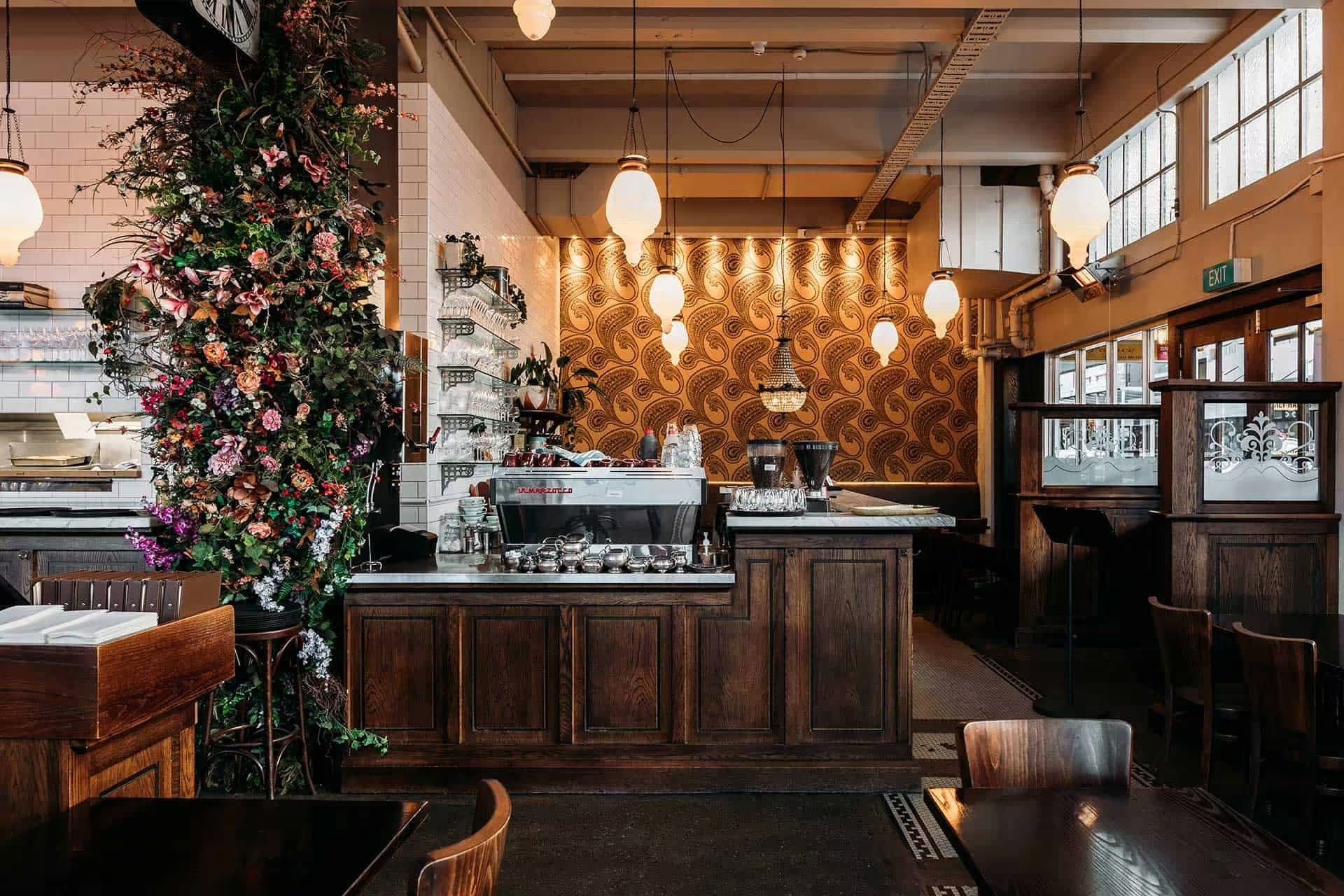
Heritage buildings impose obligations on the restaurants that occupy them. The Huddart Parker Building brings architectural weight that a blank-canvas fitout cannot manufacture. Wellington has seen enough restaurants attempt to build atmosphere through designed surfaces to recognise when a room earns it through its bones. The ground floor of a building with this kind of civic history places Charley Noble in a specific Wellington lineage: restaurants that have used central heritage addresses to signal a seriousness that extends beyond the plate. The physical setting is, in this sense, part of the sourcing story, connecting the kitchen to the city's commercial and cultural history rather than positioning it as a standalone experience.
For visitors building a Wellington itinerary around dining, the Post Office Square address makes Charley Noble walkable from most central accommodation and from the waterfront. Our full Wellington hotels guide covers the accommodation options in this part of the city, and for those extending their time in the capital, the Wellington bars guide, Wellington wineries guide, and Wellington experiences guide map the broader picture.
New Zealand Restaurants Worth Cross-Referencing
Any serious engagement with New Zealand's restaurant tier benefits from reading across the national scene. Blanket Bay in Glenorchy operates at the intersection of lodge hospitality and high-end New Zealand cooking. The Bay House in Westport represents the coastal West Coast model, where wild seafood and geographic remoteness define the sourcing logic. Cod and Lobster in Nelson, Fife Lane in Mount Maunganui, and Malabar Beyond India in Taupo each occupy distinct regional slots in a national dining picture that is more varied than its size might suggest. Reading Charley Noble against this spread clarifies what a Wellington-specific restaurant with a provenance-driven approach actually represents: a city kitchen with strong local supplier relationships and a diner base that understands what it is paying for.
Frequently asked questions
Is Charley Noble suitable for children?
Charley Noble occupies the ground floor of the Huddart Parker Building at Post Office Square, a formal heritage setting that leans toward adult dining occasions.
What is the atmosphere like at Charley Noble?
The Huddart Parker Building sets the architectural tone — a heritage structure in Wellington's civic centre that places immediate visual weight on any room it contains. Expect a formal register shaped by the building rather than by designed-in theatrics, consistent with Post Office Square's role as a anchor point in Wellington's central dining scene.
How does Charley Noble's location in the Huddart Parker Building shape the dining experience?
The Huddart Parker Building is one of Wellington's prominent heritage addresses at Post Office Square, and occupying its ground floor places Charley Noble within a distinct architectural context that most blank-canvas restaurants in the city cannot replicate. Heritage buildings impose their own spatial logic — ceiling height, material texture, and civic scale all become part of how a meal sits. That context puts Charley Noble in a specific subcategory of Wellington dining: restaurants where the room carries independent historical authority.
What's the signature dish at Charley Noble?
Wellington's better kitchens in this tier generally orient around New Zealand provenance sourcing, so the menu is likely to reflect seasonal, locally grounded produce. For current menu specifics, check directly with the restaurant.
How do I find Charley Noble?
Charley Noble is located at Ground Huddart Parker Building, 1 Post Office Square, Wellington 6011, New Zealand, Wellington.
Is Charley Noble reservation-only?
Given the heritage setting and Wellington's competitive central dining market, reservations in advance are a reasonable precaution, particularly for weekend services or larger groups.
Comparable Venues
Comparable venues nearby, for context on price, style, and recognition.
| Venue | Cuisine | Price | Awards | Notes |
|---|---|---|---|---|
| Charley NobleThis venue — the venue you are viewing | Modern Wood-Fired Steakhouse | $50–100 | Michelin Plate · Star Wine List | Not listed |
| Boulcott Street Bistro & Wine Bar | Modern European Bistro | $50–100 | Michelin Plate · Star Wine List | Wellington CBD |
| Noble Rot Wine Bar | Modern Wine Bar Fare | Not listed | Star Wine List · Cuisine Good Food Guide Selection | City Centre |
| Pravda | Modern European Steakhouse with New Zealand influences | Not listed | Not listed | Wellington CBD |
| Crumpet | Cocktail Bar | $20–30 | Not listed | Te Aro |
| Charley Noble Eatery & Bar | Modern Wood-Fired Steakhouse | $50–100 | Michelin Plate · Star Wine List | Te Aro |
Recognition history
Dated appearances from independent guides and award organizations, with the underlying list record or original source where available.
Michelin Plate
Michelin · 2026 Michelin Plate
Star Wine List
Star Wine List
Cuisine Good Food Guide Selection
Cuisine Good Food Guide
World's Best Wine Lists Awards WBWL 2-Star
World's Best Wine Lists Awards
Full recognition history (5 entries)
Cuisine Good Food Guide 1 Hat
Cuisine Good Food Guide
Continue exploring
More in Wellington
Restaurants in Wellington
Browse all →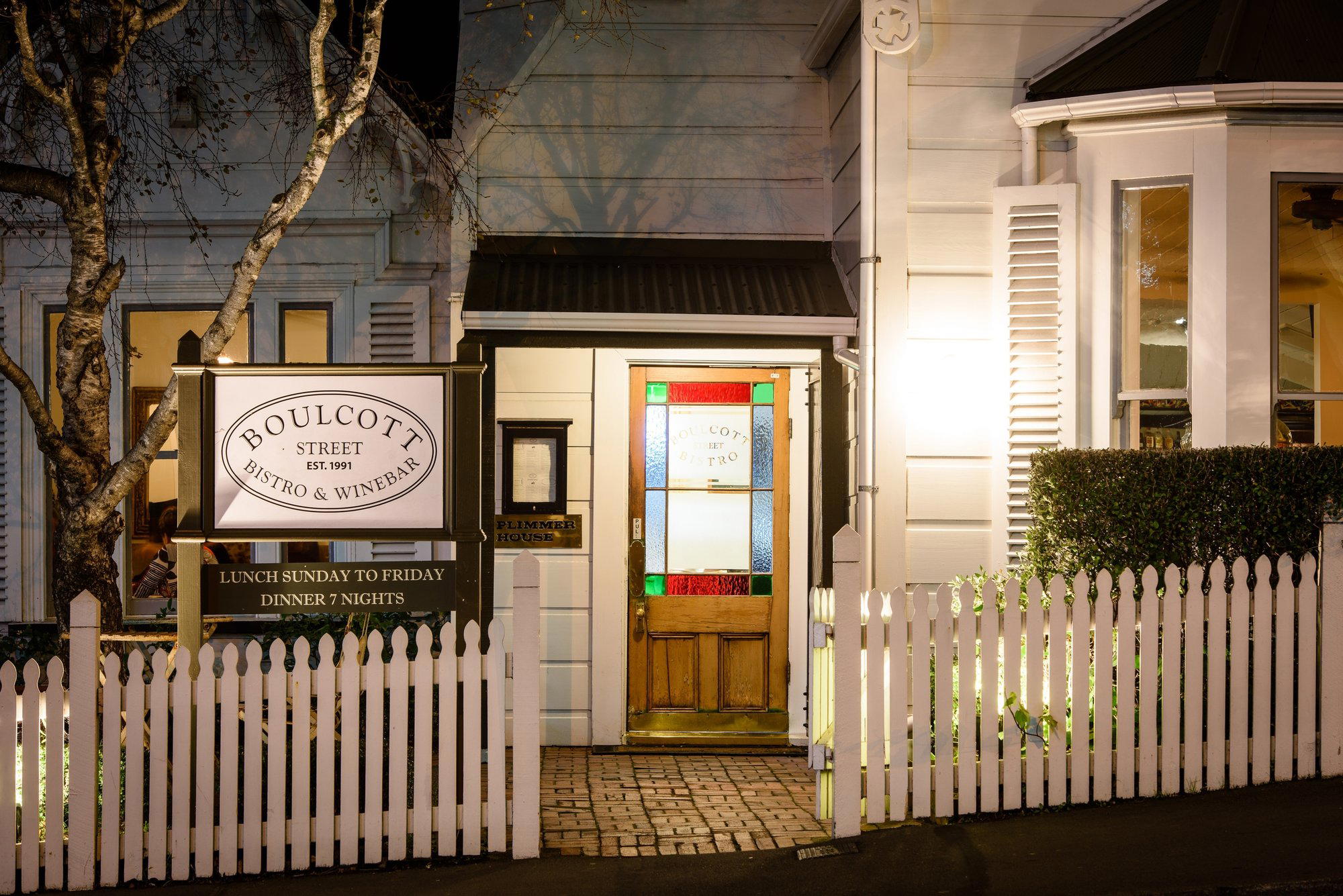
Details
- Lively
- Energetic
- Sophisticated
- Date Night
- Business Dinner
- Group Dining
- Special Occasion
- Open Kitchen
- Historic Building
- Extensive Wine List
- Craft Cocktails
- Local Sourcing
- A La Carte
- Wine
- Cocktails
- Gluten Free Options
Current opening hours
- Monday
- 11:30 AM–9:30 PM
- Tuesday
- 11:30 AM–9:30 PM
- Wednesday
- 11:30 AM–9:30 PM
- Thursday
- 11:30 AM–9:30 PM
- Friday
- 11:30 AM–10 PM
- Saturday
- 5–10 PM
- Sunday
- 5–9:30 PM
Hours can change for holidays and private events. Last verified .
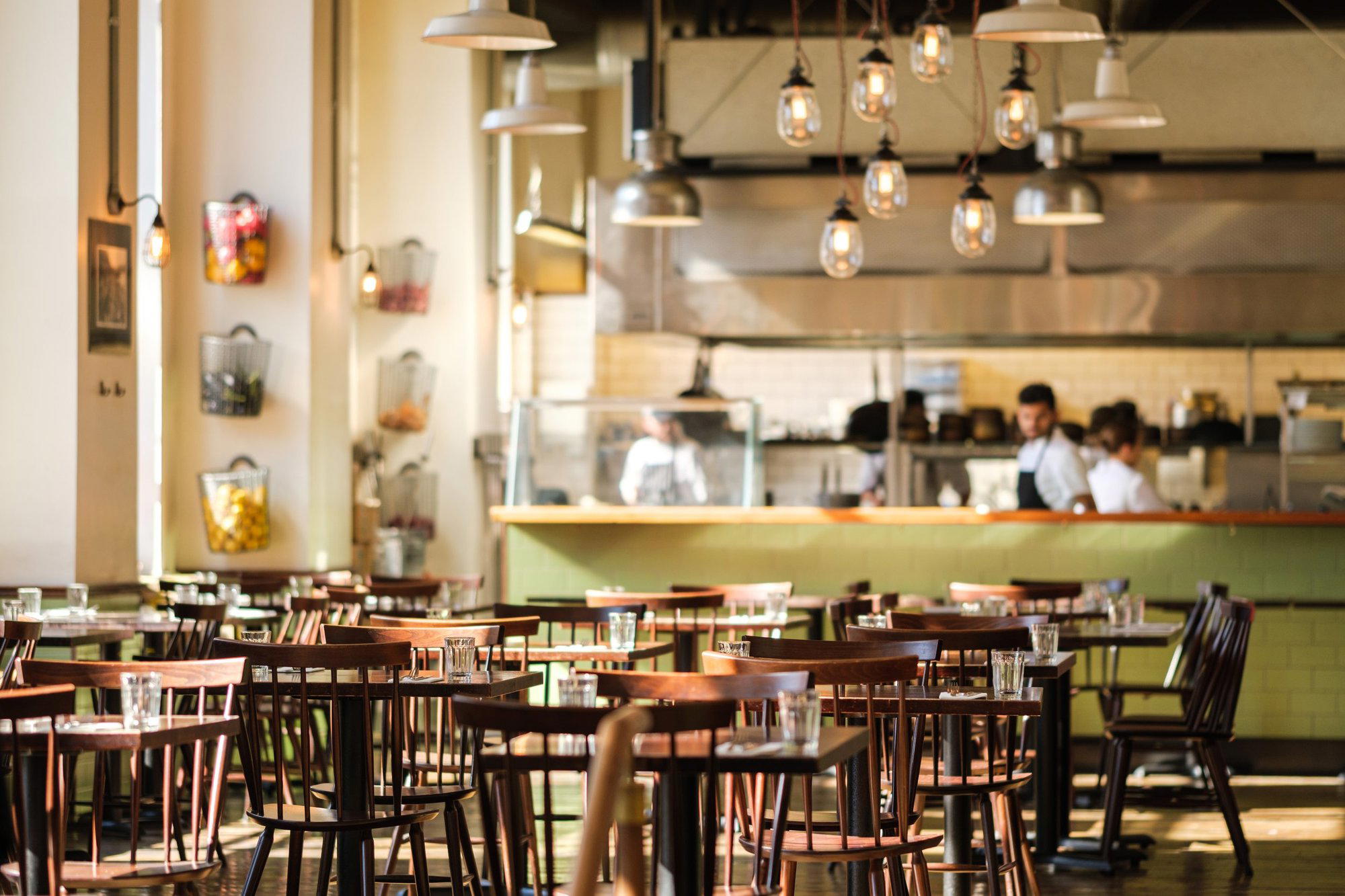
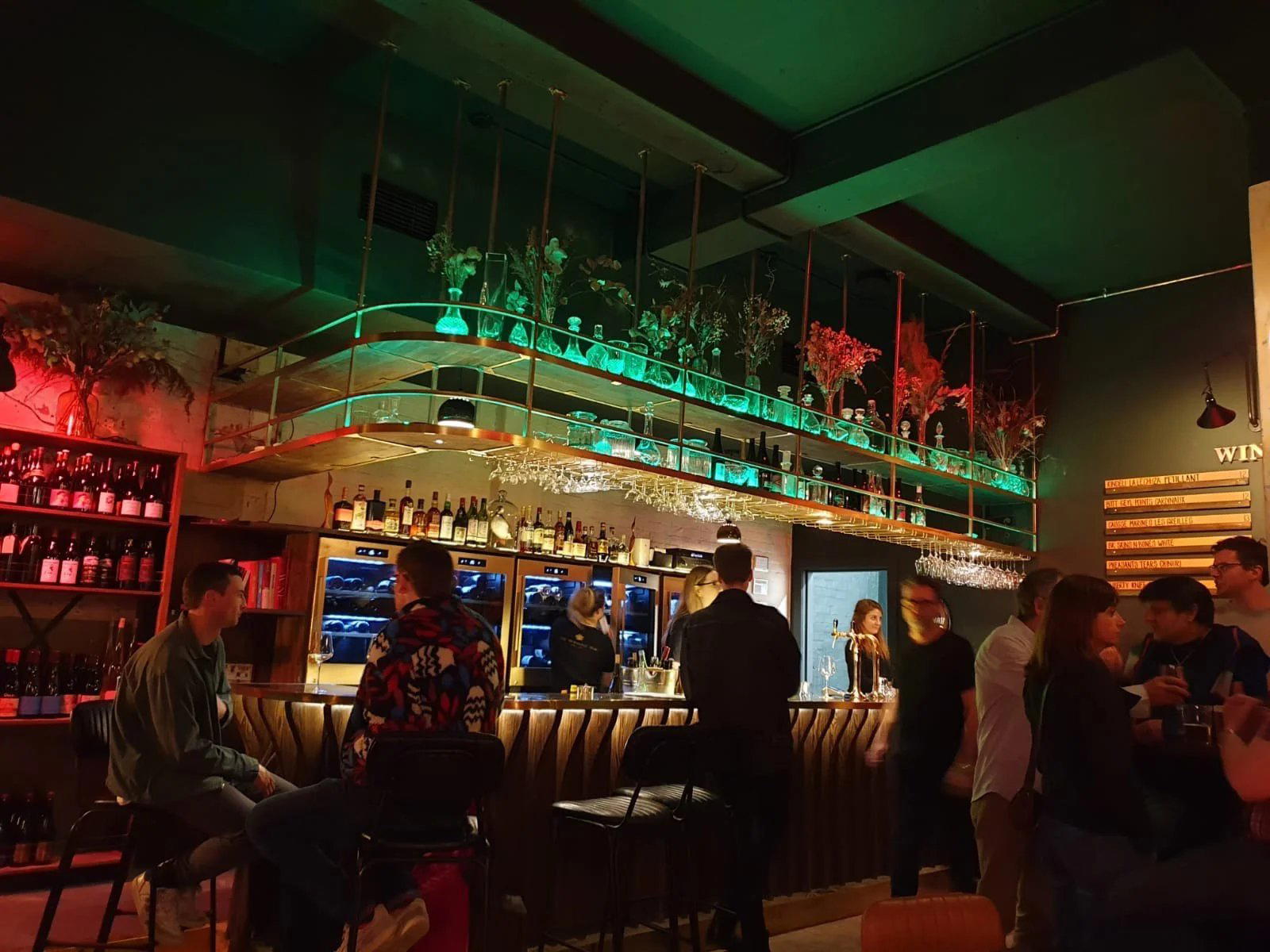
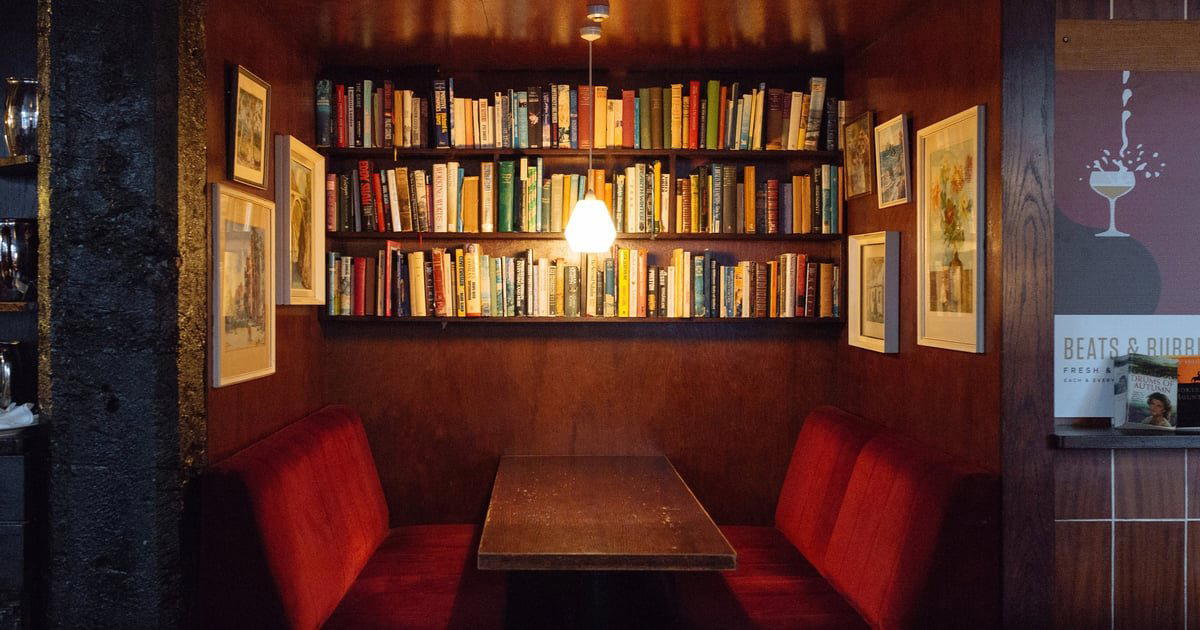
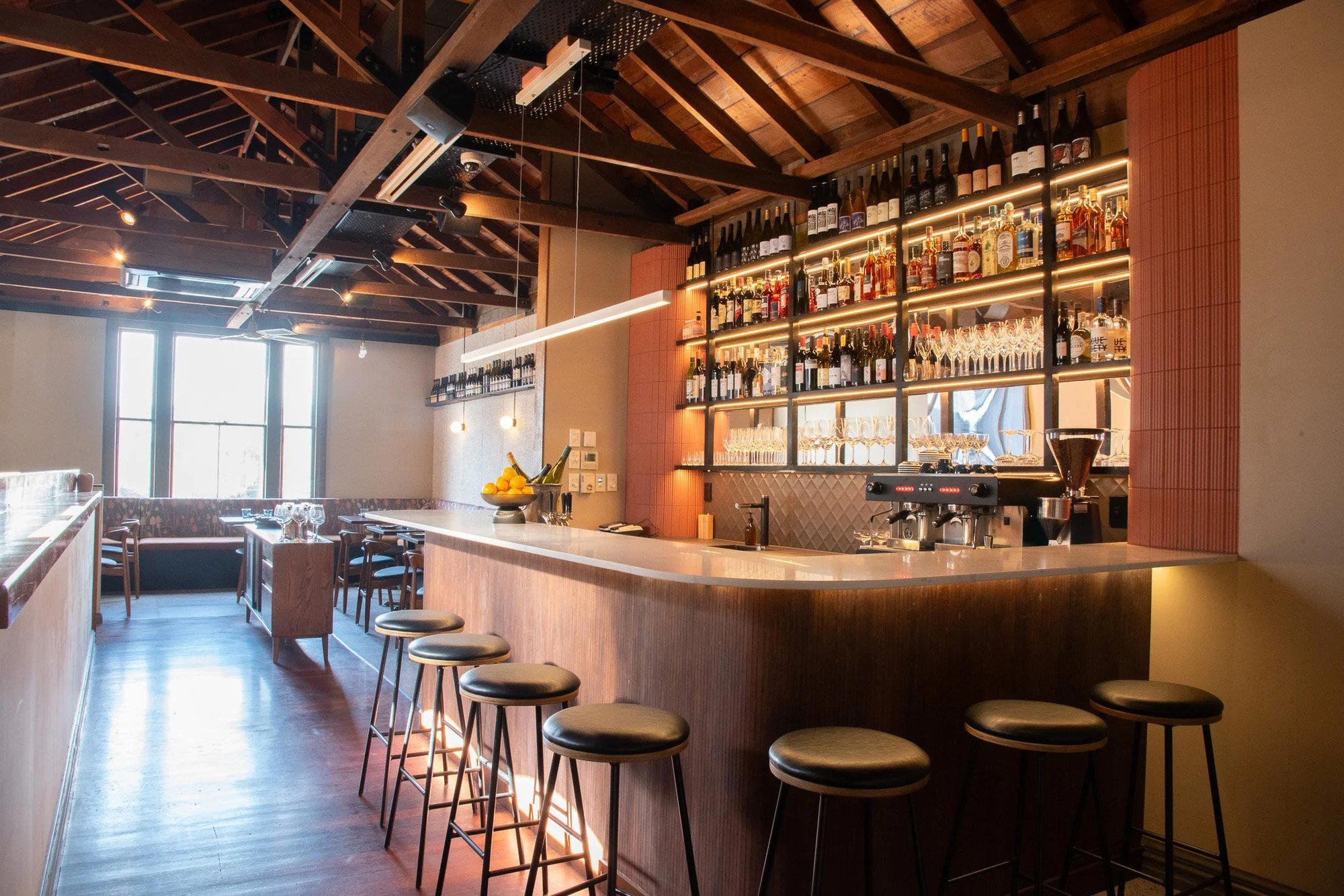
Bustling, energetic dining hall in a beautiful historic building with high ceilings, huge windows, natural light, and views of the mesmerizing woodfired open kitchen.