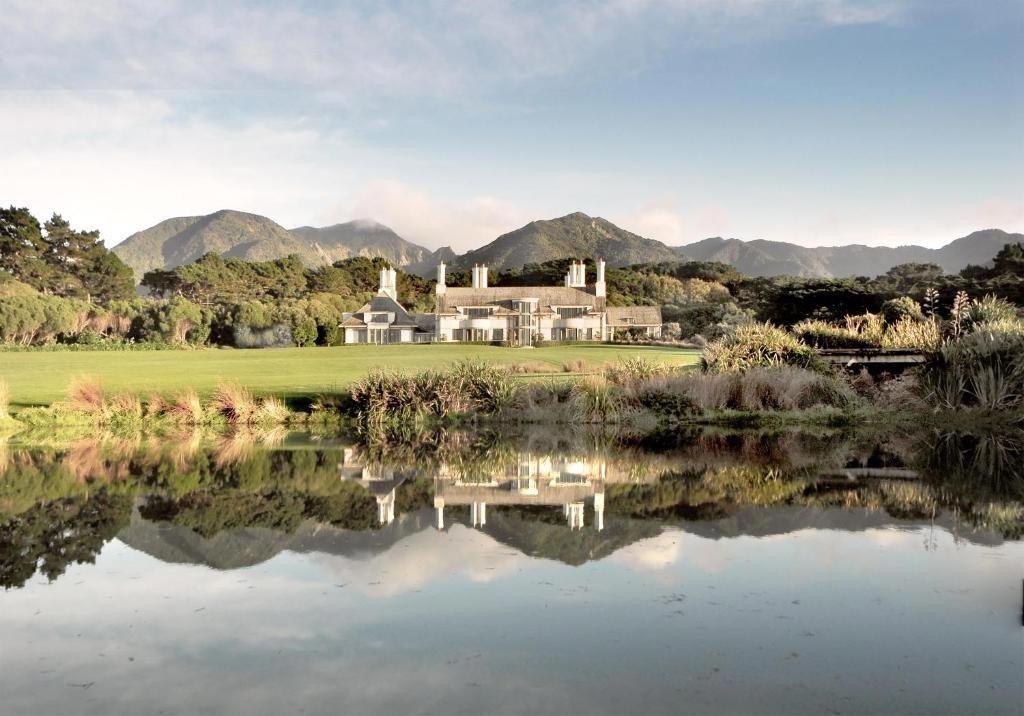
James Sedgwick Distillery (Three Ships & Bain’s)
James Sedgwick Distillery, home to Three Ships Whisky and Bain's Cape Mountain Whisky, operates out of Wellington in South Africa's Western Cape and holds a Pearl 1 Star Prestige rating from EP Club (2025). As the only grain and malt whisky distillery producing at scale in South Africa, it represents a distinct chapter in the southern hemisphere spirits story. Visitors come for tasting experiences that trace how local grain, climate, and maturation conditions shape a genuinely regional whisky character.
 Discover on Pearl
Pearl is the En Primeur Club membership app — saves, bookings, and concierge access live there. Same editors, same standards.
Where South African Whisky Found Its Footing
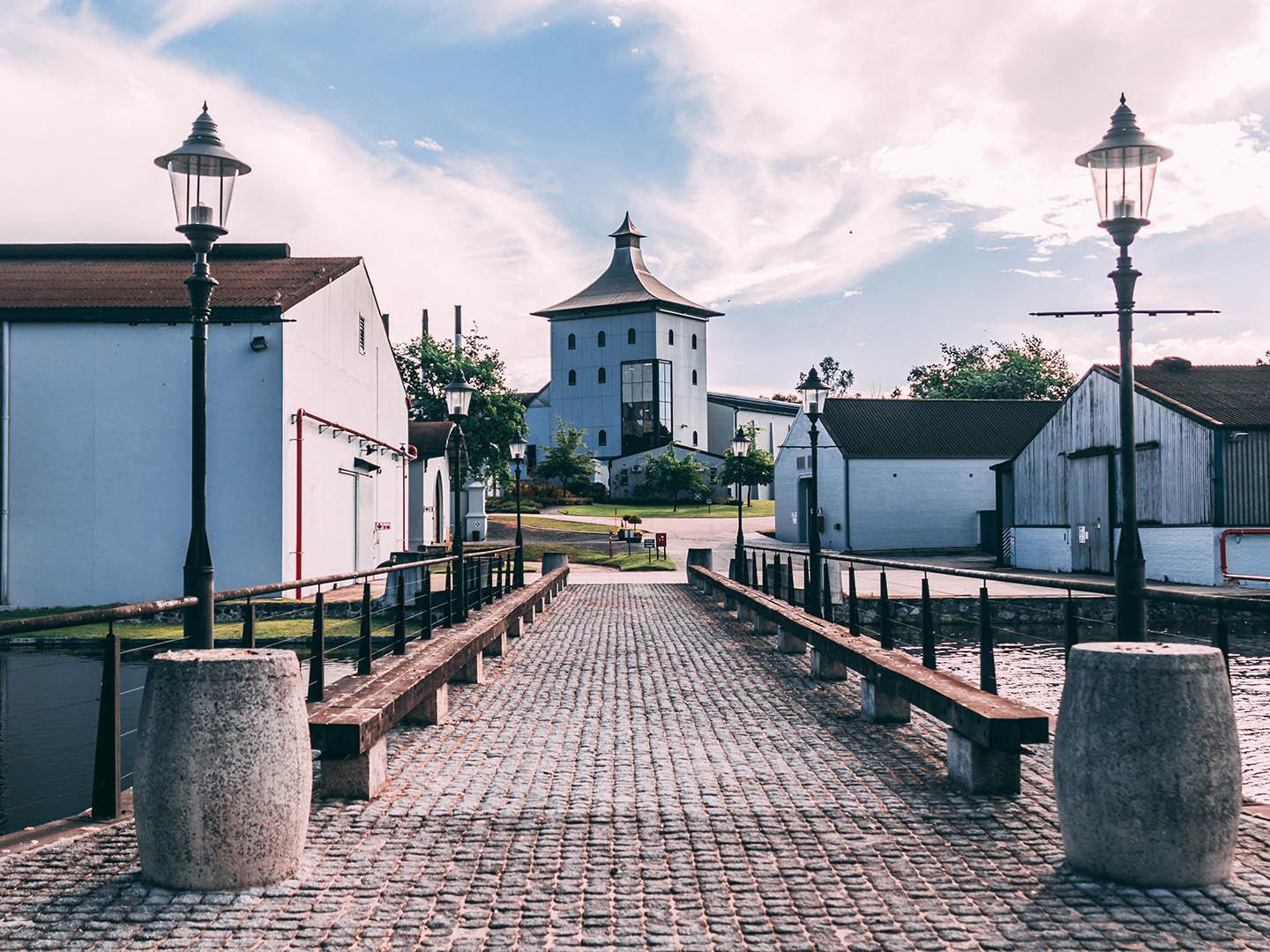
The drive into Wellington from Cape Town takes around an hour along the N1, the Hawequa Mountains rising to the north as the valley opens out into fruit orchards and vineyards. This is wine country by reputation, home to estates like Bosman Family Vineyards and Diemersfontein, but at 79 Stokery Road, the smell of copper and grain announces something different. James Sedgwick Distillery is a whisky distillery in Wellington, Western Cape, with one award to its name. The stills are not decorative. The warehouses hold barrels in active use. What you are stepping into is a production environment that happens to open its doors, not the reverse.
That distinction matters. Much of the premium spirits tourism that has grown across Scotland, Ireland, and Kentucky leans heavily on heritage theatre: polished visitor centres, curated nostalgia, carefully lit oak casks. South Africa's whisky scene is younger and less rehearsed, and the Sedgwick experience reflects that. The context here is not centuries of tradition but rather the specific conditions of the Cape: the summer heat, the winter rainfall, the locally grown grain, and the creative use of wine and fortified wine casks drawn from the surrounding winelands. For visitors who have toured Aberlour in Aberlour or tracked down allocation whisky in Scotland, the Sedgwick operation offers a counterpoint worth examining on its own terms.
Two Whiskies, Two Different Arguments
The distillery produces under two labels that sit at different points in the category. Bain's Cape Mountain Whisky is a single grain expression, made from South African yellow maize and double matured in first-fill bourbon barrels. It has collected international recognition, including a World's Leading Grain Whisky award at the World Whiskies Awards, which places it in a measurable global peer context. Three Ships, the older of the two brands, operates across a broader range, including blended and single malt expressions, and represents the more traditional whisky-building project on the site.
The coexistence of a grain and a malt program under one roof is not common at the scale Sedgwick operates. Most distilleries at the premium end of the New World spirits market specialize. Sedgwick produces both, which gives the tasting experience an unusual breadth: visitors can move across grain character and malt character in a single session, using locally matured casks as the connective tissue. For those who have worked through the single-vineyard Pinot programs at Ata Rangi in Martinborough or Felton Road Wines in Bannockburn, the logic of place-driven maturation will be familiar, even if the base spirit is different.
The Tasting Format and What It Teaches
Distillery tours at Sedgwick move through the production areas before arriving at the tasting component, which anchors the visit. The format prioritizes understanding over ceremony. Guides walk through the grain sourcing, the distillation equipment, and the warehousing conditions, all of which directly inform what ends up in the glass. In a climate that accelerates maturation compared to Scotland or Ireland, the relationship between time in barrel and flavour extraction is compressed and, at Sedgwick, deliberately managed rather than left to chance.
The tasting itself covers both labels and typically includes expressions that show the effect of different cask treatments. South African wine-country adjacency is a practical advantage here: access to Sherry-style fortified casks, port-style casks, and first-fill wine barrels from the surrounding Western Cape region is easier and cheaper than importing finishing casks from Europe. The result is a maturation toolkit that differs from what a Scottish or Irish distillery would deploy by default. Whether that produces better or worse whisky is a matter of preference, but it does produce different whisky, and that difference is the editorial point of the visit.
Wellington's wine route draws a steady flow of visitors, particularly during harvest season from February through April, and the distillery tour schedule runs on set departure times. The broader Wellington guide covers the surrounding estates and helps sequence a day that includes both wine and spirits without overlap. Combining Sedgwick with a visit to the vineyards on the same road makes geographic sense and gives the day a comparative tasting logic.
Placing Sedgwick in the New World Spirits and Wine Context
New World premium drinks production has developed a consistent pattern over the past two decades: establish credibility through international award recognition, build export markets before domestic ones, and use geography as a story rather than just a location. Sedgwick has followed this arc. Bain's international award profile preceded widespread domestic recognition, and the distillery's identity is now partly shaped by how it is perceived in export markets, particularly the UK and parts of Asia.
The parallel with New Zealand wine is instructive. Producers like Cloudy Bay Vineyards in Blenheim and Wairau River Wines in Rapaura built international reputations on regional specificity, the argument that Marlborough Sauvignon Blanc from a particular valley tasted like nowhere else. Sedgwick makes a related argument for grain whisky from the Cape. The yellow maize base, the first-fill bourbon maturation, the Wellington climate: these are not interchangeable with Kentucky corn whiskey or Speyside single malt, and the distillery's pitch is that the difference is the point.
For those whose frame of reference runs to wine rather than spirits, the structure of the argument is similar to what drives visits to Craggy Range in Hastings or Greystone Wines in Waipara: the interest lies in how a specific combination of place, raw material, and production discipline produces something that could not have come from somewhere else. Bain's World's Leading Grain Whisky recognition provides the external validation that makes the regional argument credible rather than promotional.
Visitors with a broader spirits curiosity might also compare the Sedgwick experience against estate-level operations in other categories: Kumeu River Wines in Kumeu and Rippon Vineyard in Wānaka both run tasting experiences where production transparency is part of the draw, where you see or smell the process before you assess the result. Sedgwick operates in the same register. The production site is the context for the tasting, not an afterthought to it.
Planning the Visit
James Sedgwick Distillery is located at 79 Stokery Road, Wellington 7655, in the Western Cape. Wellington sits roughly 70 kilometres northeast of Cape Town, accessible by road along the N1. The town itself is compact, and the distillery is reachable without a dedicated driver, though given that a tasting is the purpose of the visit, The Wellington wine route runs through the same valley, making it logical to sequence the day around both wine and spirits stops. For timing, the quieter winter months, May through August, tend to offer more availability and a less crowded tasting room than the busy harvest-period weekends. Those interested in comparing the broader South African premium drinks scene will find Accendo Cellars in St. Helena, Achaia Clauss in Patras, and Adelaida Vineyards in Paso Robles useful reference points for how other regions have built premium identities around local raw materials and climate-driven production.
Continue exploring