
Falstaff Winery - 4 Stars
Bodega Alegre Valgañon gives Sajazarra a compact, terroir-led Rioja address focused on old vineyards, mixed plantings, and the cooler Atlantic-continental edge of Rioja Alta. The appeal is not scale or spectacle, but a small-batch urban winery translating the Obarenes area through Tempranillo, Viura, Garnacha, Garnacha Blanca, Rojal, and Calagraño.

Pearl is the En Primeur Club membership app — saves, bookings, and concierge access live there. Same editors, same standards.
- Address
- Sajazarra, La Rioja, Spanien
- Directions
- Get directions
Approaching wine in Sajazarra means reading Rioja at a smaller scale: stone, river, vineyard edges, and the Obarenes relief pressing close rather than the broad, polished image of the region built by larger cellar brands. Bodega Alegre Valgañon belongs to that more granular Rioja. It is an urban winery in the center of Sajazarra, but its real subject is the surrounding vineyard mosaic: more than 15 hectares across 17 parcels, with old vines and mixed plantings shaping wines that look back to earlier Rioja grammar rather than to international gloss.
The immediate context matters. Rioja can be shorthand for oak-aged Tempranillo, yet the northwestern edge of Rioja Alta is colder, more Atlantic-continental, and more complicated than that summary allows. Around Sajazarra and Fonzaleche, calcareous alluvial soils, rounded stones, sandstone-influenced clay-limestone, and deeper clay-limestone profiles give the wines a different register. This is the zone where white grapes have not been pushed to the margins. Viura, Garnacha Blanca, Rojal, and Calagraño sit alongside Tempranillo and Garnacha, not as decorative varieties but as structural tools in a historical style.
Old Rioja habits, recast through small parcels
The strongest argument for the winery is its refusal to treat Rioja tradition as a museum piece. The house Tinto is produced at about 20,000 bottles and follows an older regional logic: roughly 70 percent Tempranillo, 10 percent Viura, and 20 percent Garnacha, with fruit drawn from Rioja Alta and the Najerilla valley. That blend matters because it restores white grapes to a role they long held in the region’s reds, adding lift and tension rather than simply chasing color and weight.
White program is just as revealing. The white Alegre Valgañon is produced at more than 10,000 bottles, led by Viura with Garnacha Blanca and small amounts of Rojal and Calagraño. Part of the fruit sees skin contact, and the wine moves through a mix of vessels including concrete, fudres, and barrels. The Clarete, produced at about 5,500 bottles, points directly to the Montes Obarenes tradition, where pale, high-acid mixed-color wines carried local identity before modern category boundaries hardened.
At the smaller end of the range, the parcel wines make the project more serious. Garnacha de Cárdenas is produced in under 3,000 bottles. Blanco de 3º Año, just over 1,000 bottles, spends 40 months in oak in reference to older Rioja white-wine practice. Las Llanas comes from a centenarian vine and is fermented with skins for a month before aging in stoneware and barrel. La Calleja, Carra Santo Domingo, Bahierra, and Cárdenas are not branding flourishes; they signal a producer thinking plot by plot in a region too often flattened into village or crianza labels.
The Obarenes edge gives the wines their tension
Terroir is often used lazily in wine writing, but here the physical conditions explain the style. Fonzaleche contributes clay-limestone over sandstone with a layered structure. Sajazarra brings calcareous alluvial terrain with rounded stones and deeper clay-limestone soils capable of more vigor and firmer tannin. The area is cold and Atlantic-continental, with drought stress significant enough that the team has re-grafted some Tempranillo vines and, in 2024, planted three hectares on keyline with Viura, Garnacha Tinta, and Garnacha Blanca.
That adaptation is not a footnote. Rioja’s future will not be decided only in trophy cellars or by longer barrel programs; it will also be decided in places where growers reconsider grape mix, water behavior, exposure, and vine material. Bodega Alegre Valgañon’s small-batch production, roughly 40,000 to 50,000 bottles annually, gives it room to act with precision. The winery’s sustainable philosophy reads less like a certification slogan and more like a farming stance: preserve old-vine material, work multiple parcels separately, and let climate pressure change the vineyard rather than forcing the same formula every year.
Eva Valgañón and Óscar Alegre give the project its technical spine. Both are agronomists from Rioja who studied oenology in Piedmont, and their combined background helps explain why the wines sit between historical recovery and modern exactness. The biography is useful only because it clarifies the result: a bodega using old Rioja references, field-blend logic, concrete, stoneware, fudres, barrels, skin contact, and long white-wine aging without turning the cellar into nostalgia theatre.
How to place it in a Sajazarra wine itinerary
For travelers, the appeal is strongest for those who want Rioja outside the standard grand-bodega circuit. The format is small, quiet, and appointment-led, with private tasting and tasting-room formats listed rather than a high-volume visitor operation. Casual dress fits the setting. Street parking is the practical baseline. There is no food-pairing program listed, and the experience should be read as wine education and place interpretation rather than a leisure-lunch stop.
Recognition has followed the bottles rather than a hospitality machine. Carra Santo Domingo 2023 has appeared with 95-point scores from Robert Parker and James Suckling through merchant listings, while the 2022 Tinto has been listed at 93 points from Robert Parker. Falstaff has also covered the 2018 Tinto. Those signals place the wines in the conversation among Rioja drinkers who care about freshness, old-vine parcels, and historical blends, not just oak hierarchy.
Use Sajazarra as the frame rather than a mere pin on a map. Nearby context can include Castillo de Sajazarra, while broader planning sits in our full Sajazarra wineries guide, our full Sajazarra restaurants guide, our full Sajazarra hotels guide, our full Sajazarra bars guide, and our full Sajazarra experiences guide. For a wider Spanish and European winery map, compare planning notes across 3 Ases Bodegas y Viñedos in Quintanilla De Arriba, 4Kilos Vinícola in Felanitx, Aalto Bodegas y Vinedos in Quintanilla De Onesimo Valladolid, Abadia de Aribayos in Moraleja Del Vino, Abadía Retuerta in Sardón de Duero, Abel Mendoza Monge in San Vicente de la Sonsierra, Acústic Celler in Els Guiamets, »der Steiner« Hans Steiner in Podersdorf am See, and & Handwein in Mannheim.
Recognition history
Dated appearances from independent guides and award organizations, with the underlying list record or original source where available.
Falstaff Winery - 4 Stars
Falstaff
Continue exploring
More in Sajazarra
Wineries in Sajazarra
Browse all →
Restaurants in Sajazarra
Browse all →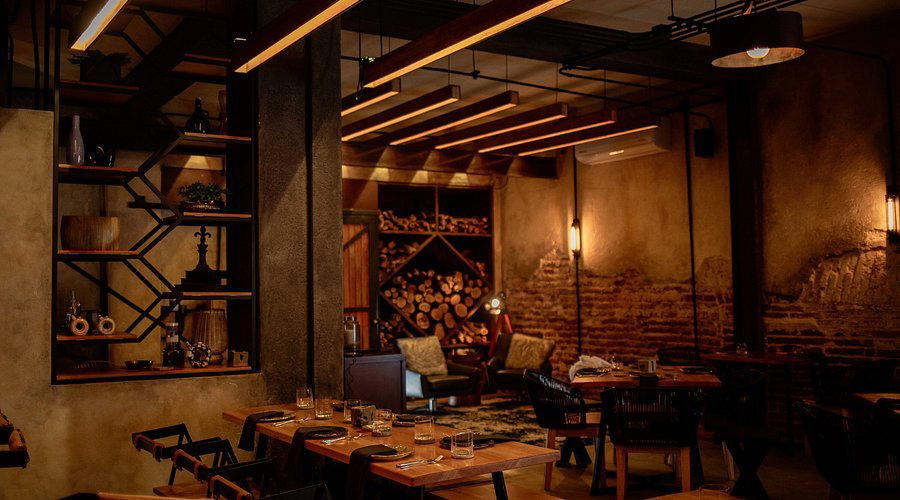
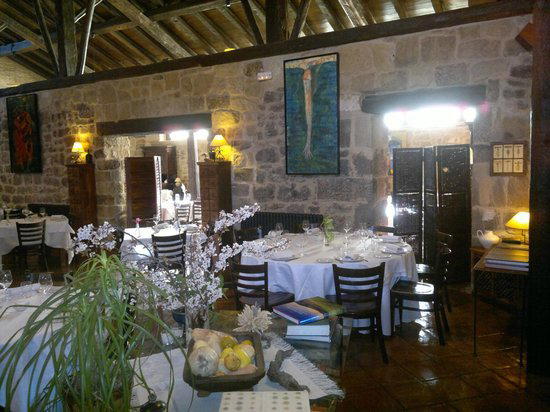
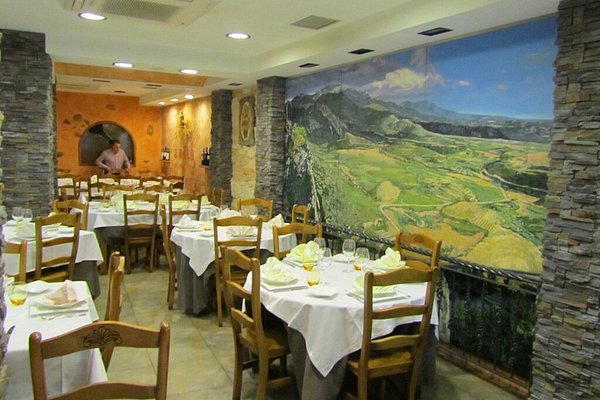
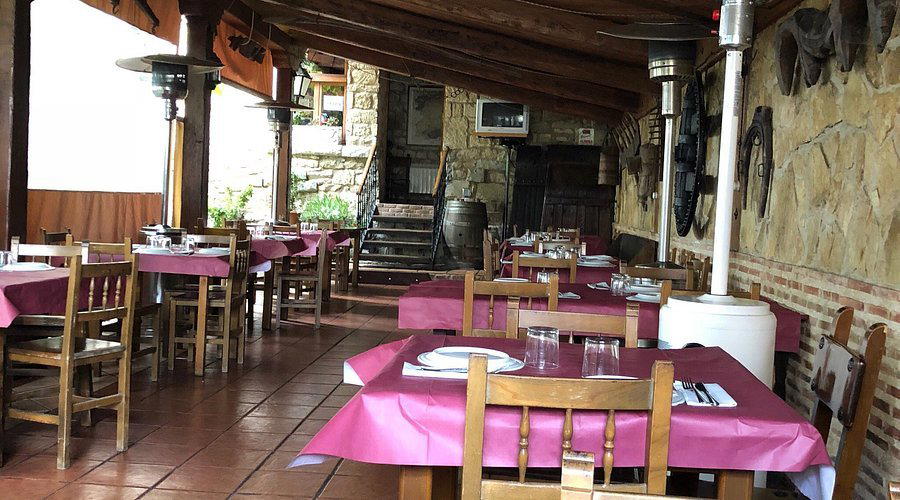
Details
- Rustic
- Intimate
- Quiet
- Scenic
- Solo Exploration
- Group Outing
- Wine Education
- Special Occasion
- Historic Building
- Design Destination
- Private Tasting
- Sustainable
- Vineyard
- Mountain
- Tempranillo
- Viura
- Garnacha
- Garnacha Blanca
- Rojal
- Calagraño
- Still Red
- Still White
- Still Rosé
- Tasting Room
- Private Tasting
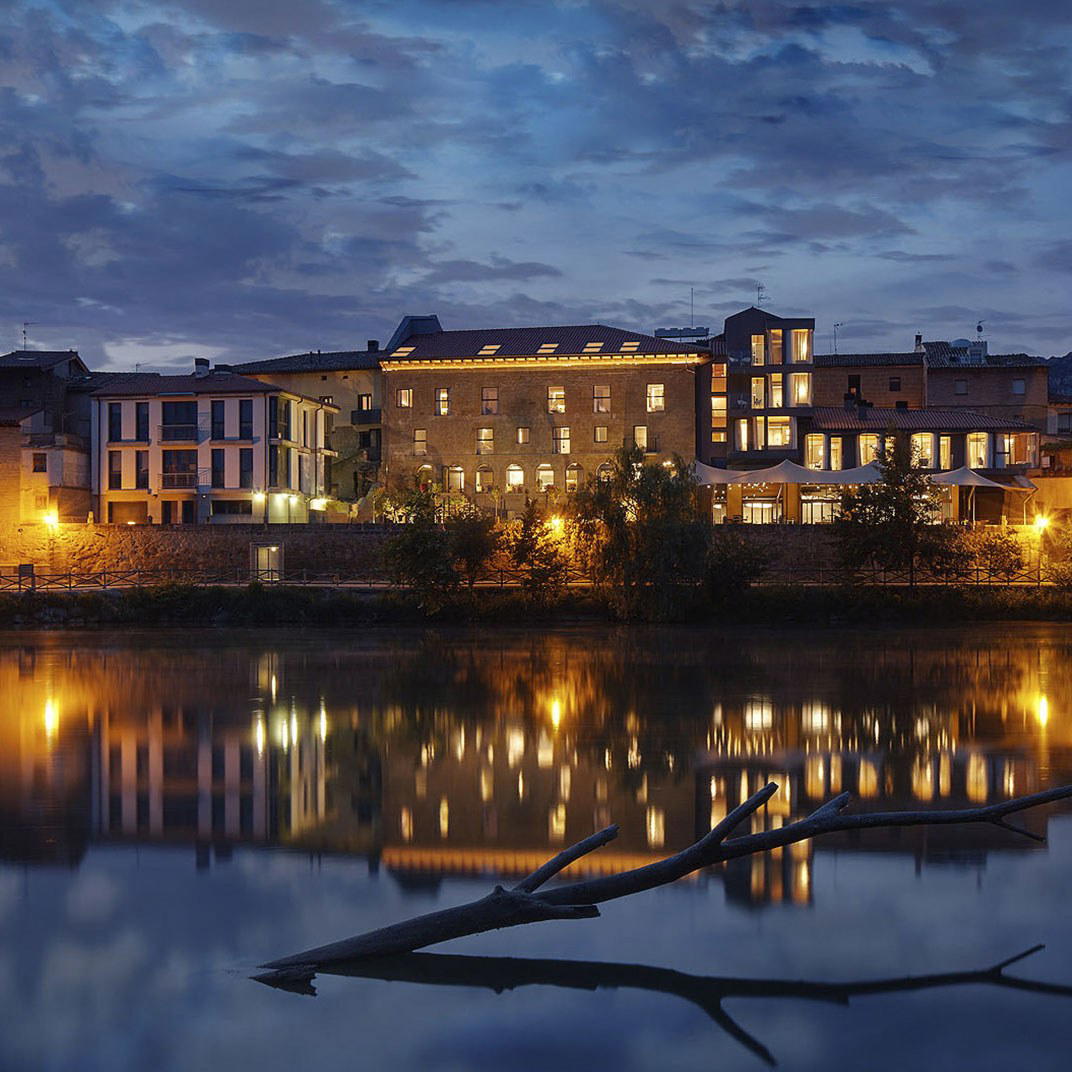
A small, characterful urban winery with a strong sense of place: centered in Sajazarra, framed by the Río Tirón and the Obarenes landscape, and presented as a deliberate, identity-driven project rooted in old vineyards and historic Rioja traditions.