Lamadrid Estate Wines

Falstaff Winery - Listed
The estate sits within a comparable set of serious, terroir-focused producers working the piedmont zone at the foot of the Andes, where elevation and alluvial soils define the regional conversation as much as any individual label.

Pearl is the En Primeur Club membership app — saves, bookings, and concierge access live there. Same editors, same standards.
- Address
- Roque Sáenz Peña 8450 Las Compuertas, M5549 Luján de Cuyo, Mendoza
- Phone
- +54 261 476-2165
- Website
- lamadridwines.com
- Directions
- Get directions
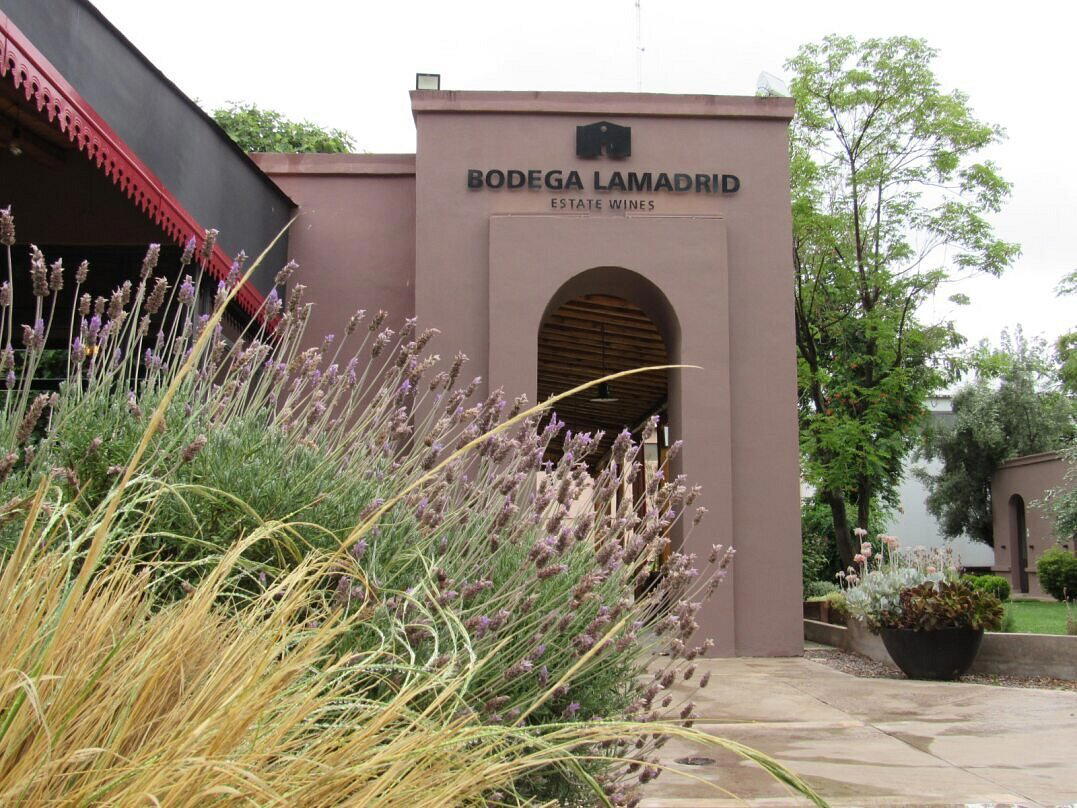
Las Compuertas and the Altitude Question
Within Luján de Cuyo, the Las Compuertas district operates at the upper register of the sub-appellation's elevational range, where the diurnal temperature swings are wide enough to preserve acidity in Malbec that lower-lying blocks can't reliably achieve. This is the part of Mendoza where the winemaking conversation shifts from volume and approachability toward structure, phenolic precision, and longer-term cellar potential. Lamadrid Estate Wines, addressed at Roque Sáenz Peña 8450 in that district, places itself squarely inside that conversation.
Las Compuertas draws its name from the irrigation gates that historically controlled water flow from the Mendoza River into the piedmont vineyards below. That agricultural infrastructure is inseparable from the district's identity: these are old farming lands, with vine stock that in some cases predates the modern Argentine wine industry's export orientation. Producers working here tend to emphasize heritage and site over technology, and critical recognition tends to follow the estates that manage to translate terroir fidelity into bottle consistency across vintages.
In the context of Luján de Cuyo, where the producer count is high and quality variation is wide, a Prestige-tier rating functions as a meaningful filter. It places Lamadrid in a cohort where the expectation is not merely competent Malbec production but a demonstrable commitment to site expression, cellar discipline, and wine that rewards attention beyond the glass.
The broader pattern in Mendoza's critical reception is instructive here. That positioning is a choice with real consequences for how a wine is received internationally, and the Pearl 2 Star signal suggests Lamadrid has made and sustained that choice. For comparison, similarly-rated producers in the region such as Chakana Winery and Durigutti Winemakers each occupy distinct stylistic niches within Luján de Cuyo, which underlines that a Prestige rating reflects quality commitment rather than a single house style.
Luján de Cuyo in the Argentine Wine Hierarchy
Luján de Cuyo became Argentina's first officially designated wine appellation of origin in 1993, a status that reflects the district's historical importance to the country's wine identity rather than a recent marketing exercise. The appellation covers elevations roughly between 900 and 1,100 metres above sea level, with its most prized sub-districts — Perdriel, Agrelo, Vistalba, and Las Compuertas — each carrying recognisably different soil and microclimate profiles. Las Compuertas sits at the higher end of that range, where sandy loam soils over clay subsoil and the proximity to the Andes create conditions that Malbec translates into wines with more vertical structure and less of the plush, immediate fruit character associated with lower-altitude blocks.
Producers working at this elevation compete internationally against a reference set that includes premium Cahors from France, where Malbec's European expression is leaner and more tannic, and against Chilean Carménère producers working the Colchagua valley's cooler zones. Argentine Malbec at altitude has carved a distinct position in that conversation: richer than Cahors in fruit weight, but capable of the structural complexity that puts it in serious cellaring territory. The estates recognised at Prestige tier within Luján de Cuyo, including Lamadrid, are the ones most consistently making wine that justifies that international comparison. Elsewhere in Argentina, producers such as Bodega El Esteco in Cafayate and Bodega Colomé in Molinos are pursuing high-altitude expression in Salta, where elevations above 2,000 metres push the style toward even greater tension and acidity.
How Lamadrid Fits the Las Compuertas Producer Profile
The Las Compuertas district has not attracted the same level of international marketing investment as, say, Vistalba or Perdriel, which means some of its most serious producers remain relatively under-discussed outside specialist circles. That dynamic has a direct effect on discovery: wines earning critical recognition from estates in this zone often reach consumers through allocation rather than retail shelf presence, and the pathway to acquiring them runs through winery visits and direct relationships rather than conventional retail channels.
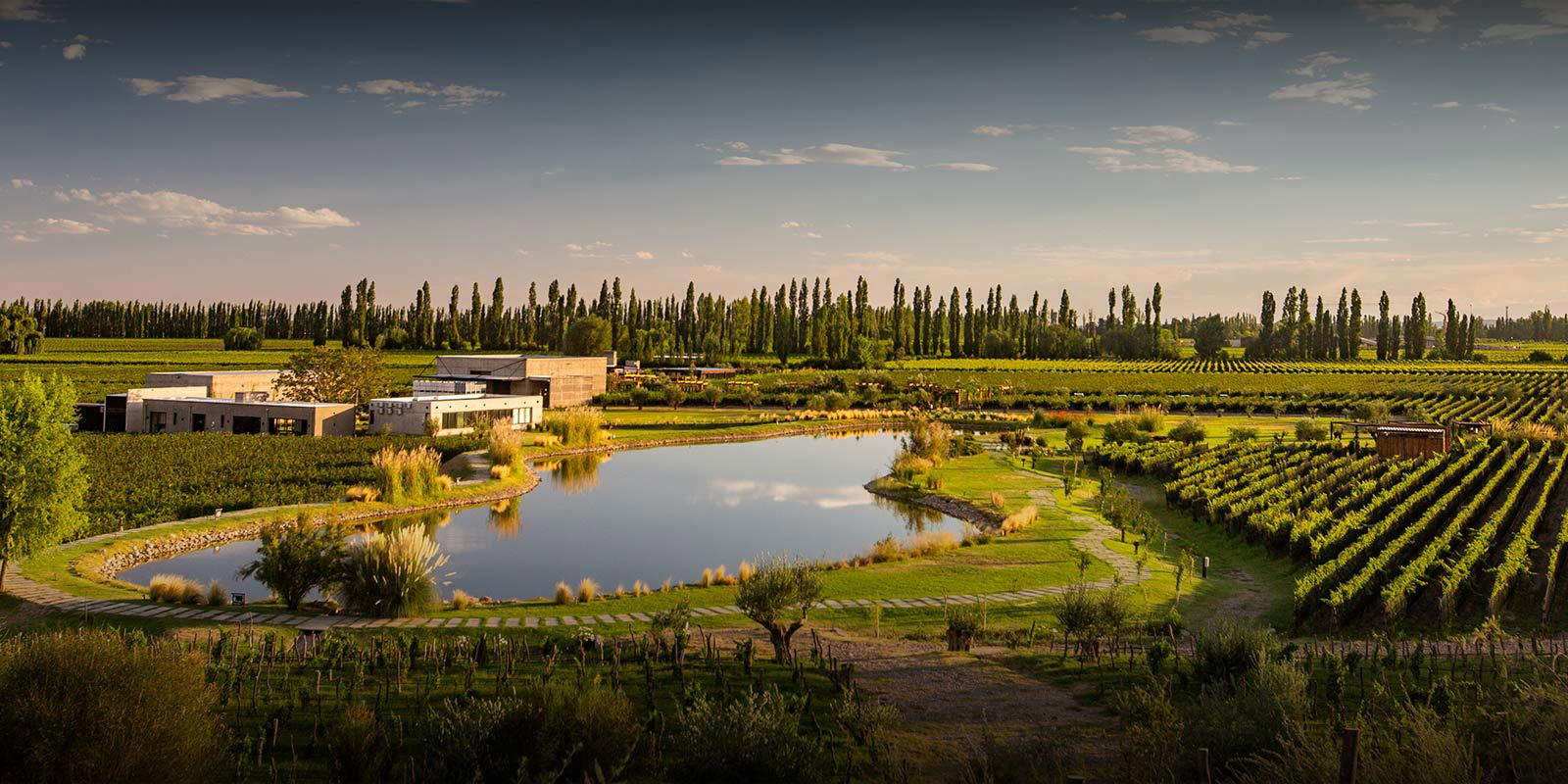
Lamadrid's physical address on Roque Sáenz Peña places it within the agricultural corridor that characterises Las Compuertas, an area where vineyard blocks are often interspersed with poplar windbreaks and irrigation channels in a landscape that reads as working farmland rather than the manicured estate aesthetic common to more tourist-oriented parts of Mendoza. That agricultural directness is, for many serious wine visitors, a positive signal: it suggests priorities oriented toward viticulture rather than hospitality infrastructure.
For visitors planning a broader Luján de Cuyo itinerary, the district's geography rewards a focused approach. Producers in the Prestige tier tend to benefit from appointments made in advance, and the sub-appellation's road network is navigable by car from the city of Mendoza in under 30 minutes. Our full Luján de Cuyo restaurants guide covers the broader planning context, including dining options in the appellation and the surrounding area. For those extending their Argentine wine exploration beyond Mendoza, Escorihuela Gascón in Godoy Cruz and Rutini Wines (La Rural) in Tupungato represent useful reference points at different elevational profiles and stylistic registers.
Planning a Visit
Mendoza's wine country follows a seasonal rhythm that shapes the experience at any serious estate. Harvest runs from late February through April, when vineyard activity is at its most visible and the atmosphere across the appellation is more animated than at any other point in the calendar. Winter months (June through August) bring cold nights and dormant vines, but the visitor pressure drops considerably and cellar access tends to be more substantive. Spring, from September through November, is when the vineyards are at their most photogenic, with new growth against the snow-capped Andes as backdrop.
Booking a visit to Lamadrid directly through the estate is the advised approach for Prestige-tier properties, where the experience is typically calibrated to smaller groups and advance scheduling matters. While specific booking details for Lamadrid are not published here, the pattern across comparable Las Compuertas estates is that email contact, made at least a week in advance, is the standard approach. Visitors arriving without an appointment at serious production-focused estates in this district rarely get meaningful cellar or tasting access. For those comparing across regions internationally, the Prestige-tier format here is broadly analogous to the experience at estate-focused producers such as Accendo Cellars in St. Helena or Bodega DiamAndes in Tunuyán, where appointment discipline and small-group formats define the visit quality.
Cuisine Lens
Comparable venues nearby, for context on price, style, and recognition.
| Venue | Cuisine | Price | Awards | Notes |
|---|---|---|---|---|
| Lamadrid Estate WinesThis venue — the venue you are viewing | Malbec, Cabernet Franc | Not listed | Falstaff Winery - Listed | Not listed |
| Bodega Alta Vista | Malbec, Cabernet Sauvignon | $20–30 | Falstaff Winery - Listed | Chacras de Coria |
| Bodega Finca La Anita | Malbec, Cabernet Sauvignon | $30–50 | Not listed | Alto Agrelo |
| Bodega Weinert | Malbec, Cabernet Sauvignon | Not listed | Falstaff Winery - Listed | Luján de Cuyo |
| Bodega Vistalba | Malbec, Cabernet Sauvignon | Not listed | Not listed | Vistalba |
| Las Perdices | Malbec, Syrah | Not listed | Not listed | Agrelo |
Recognition history
Dated appearances from independent guides and award organizations, with the underlying list record or original source where available.
Falstaff Winery - Listed
Falstaff
Continue exploring
More in Luján de Cuyo
Wineries in Luján de Cuyo
Browse all →
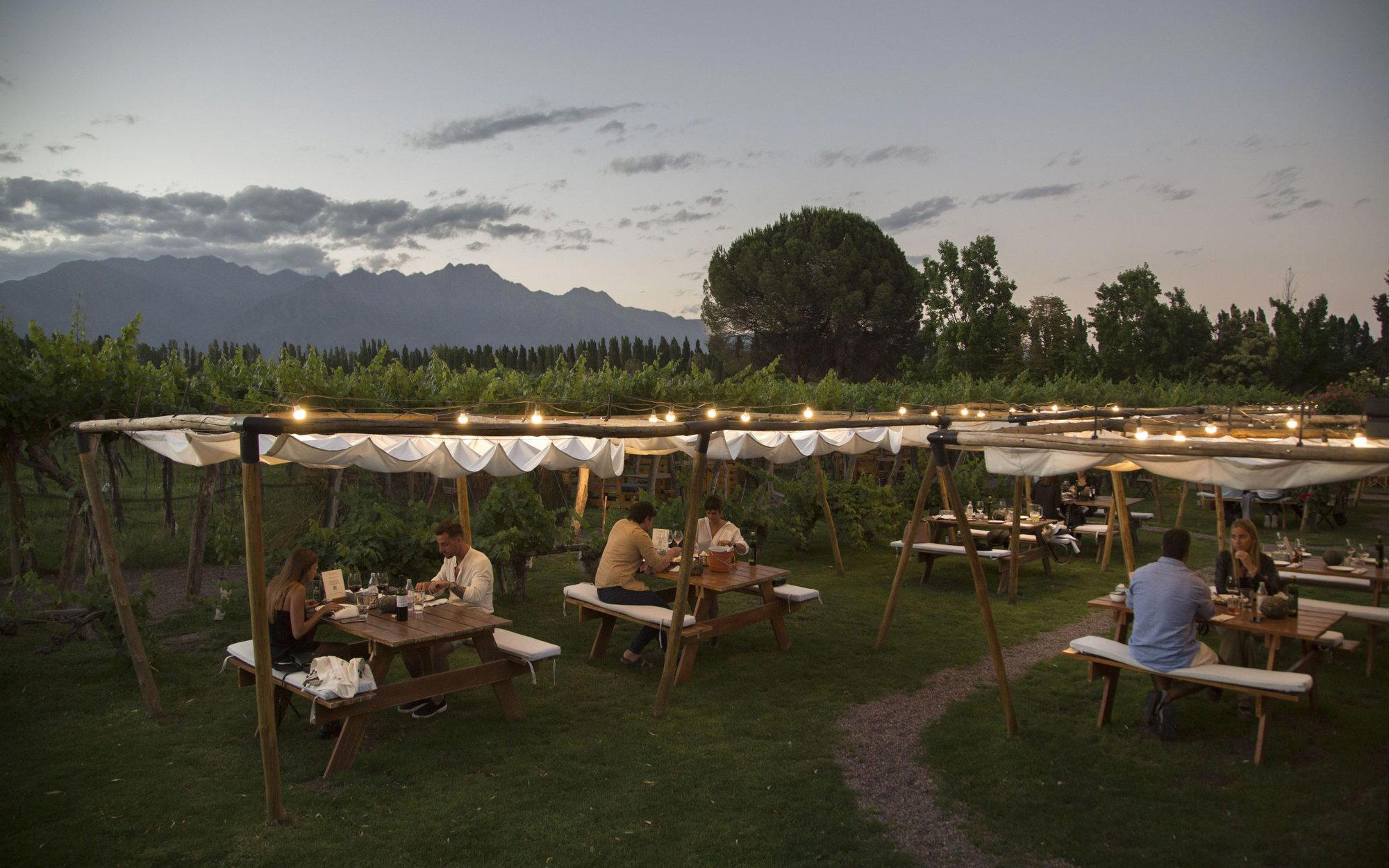
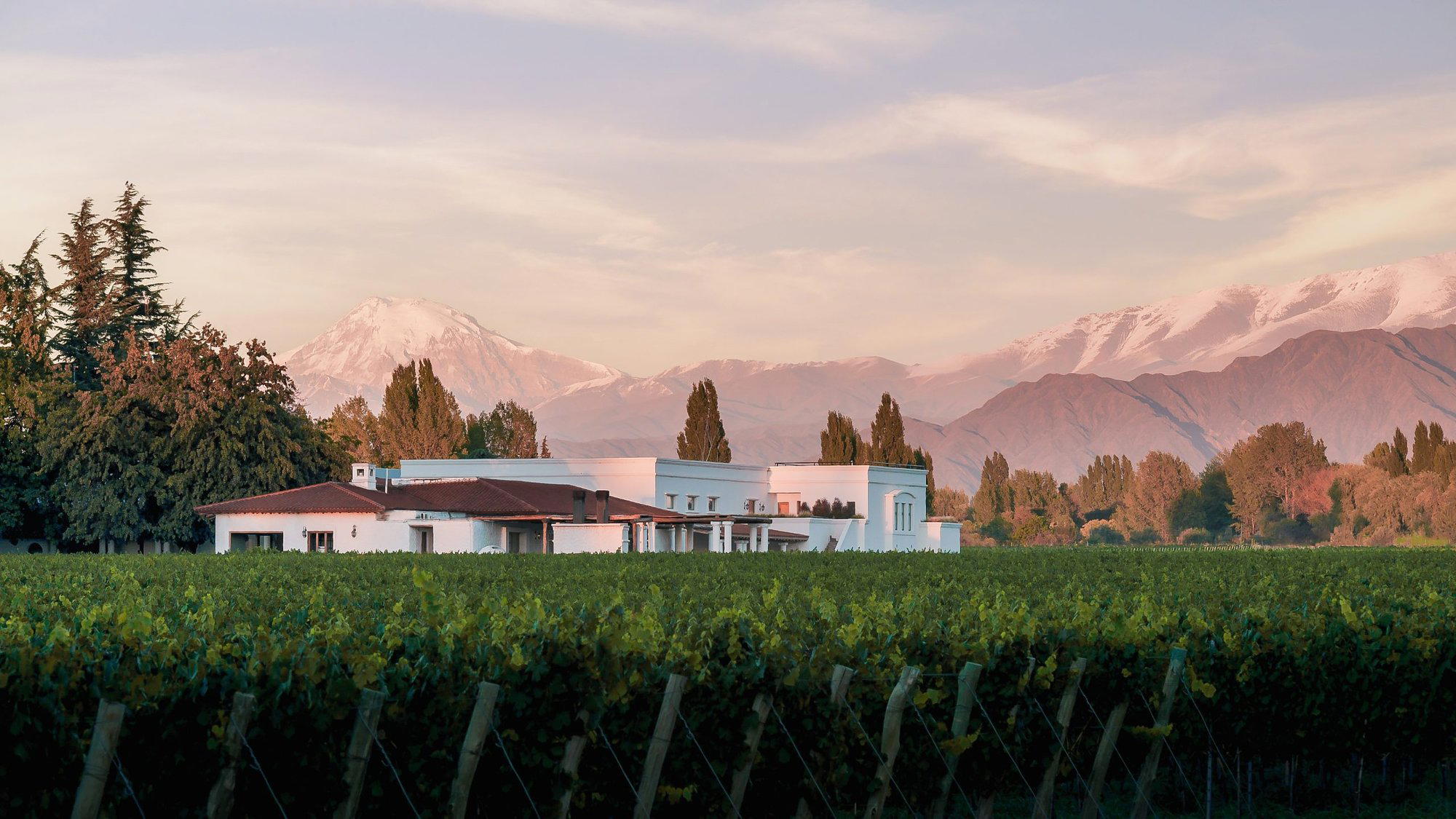
Bars in Luján de Cuyo
Browse all →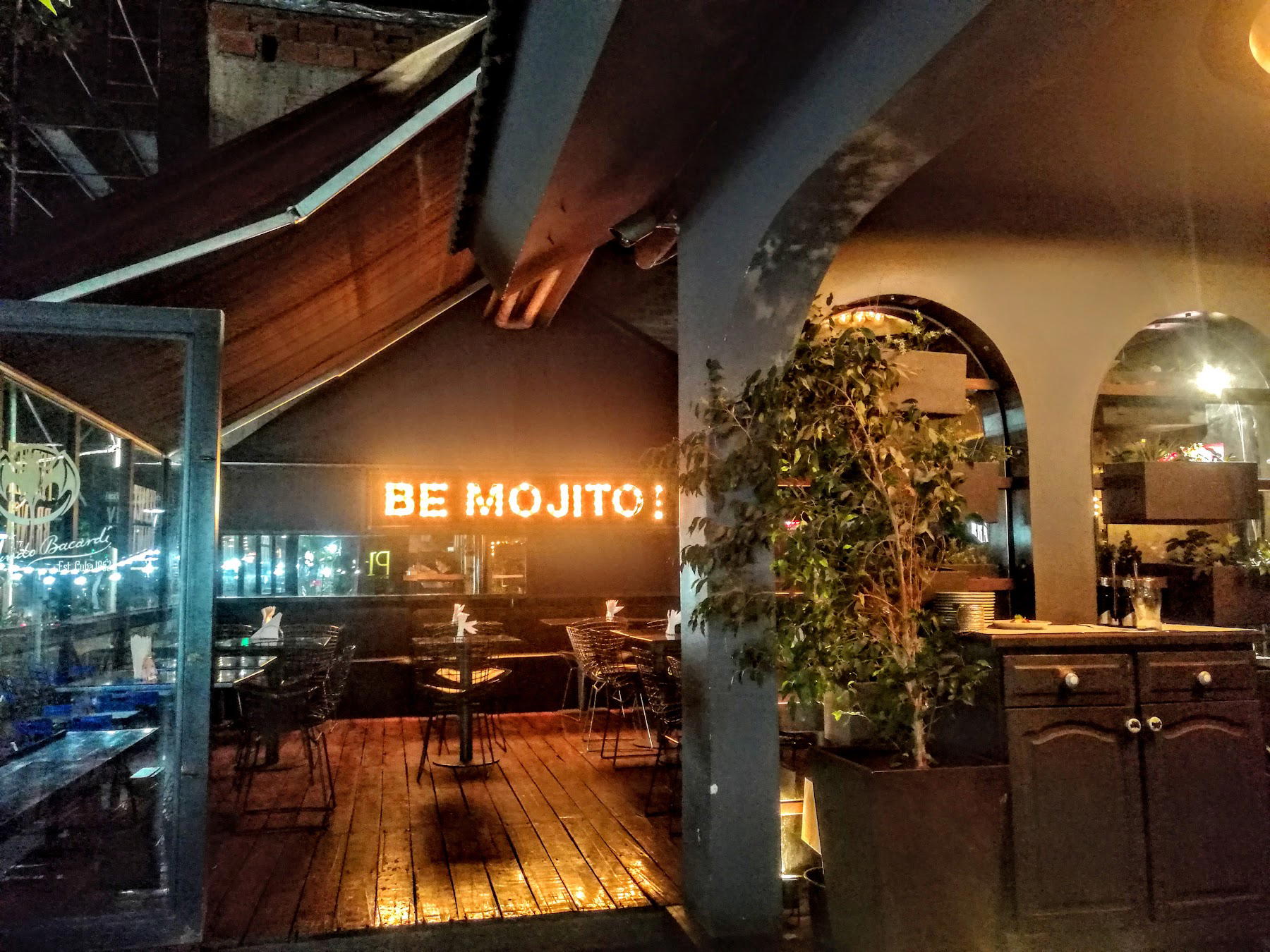
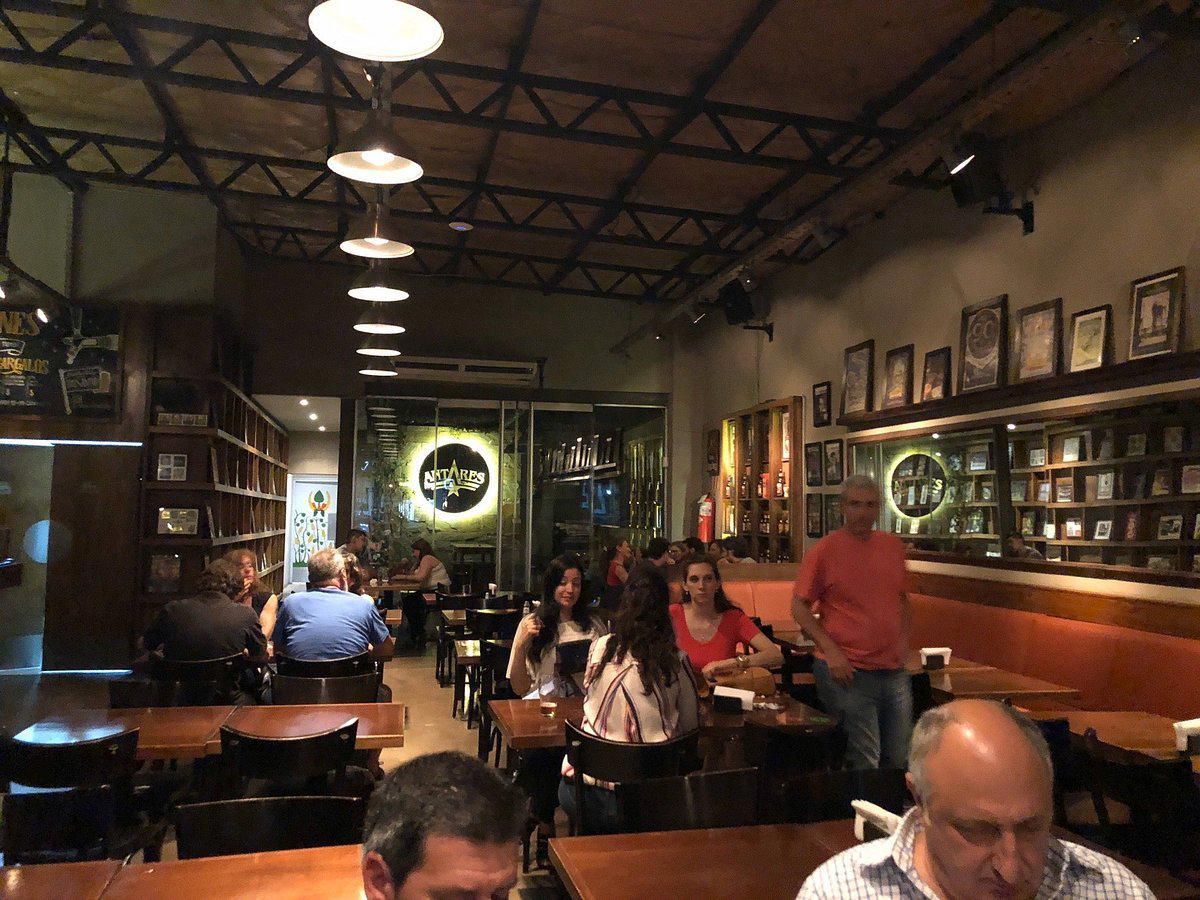
Restaurants in Luján de Cuyo
Browse all →

Details
- Rustic
- Elegant
- Scenic
- Intimate
- Romantic Getaway
- Group Outing
- Wine Education
- Special Occasion
- Vineyard Tour
- Estate Grounds
- Picnic Area
- Panoramic View
- Wine Cellar
- Sustainable
- Organic
- Vineyard
- Mountain
- Garden
- Malbec
- Cabernet Franc
- Cabernet Sauvignon
- Bonarda
- Chardonnay
- Sauvignon Blanc
- Still Red
- Still White
- Still Rosé
- Orange
- Cave Tasting
- Barrel Room
- Private Tasting
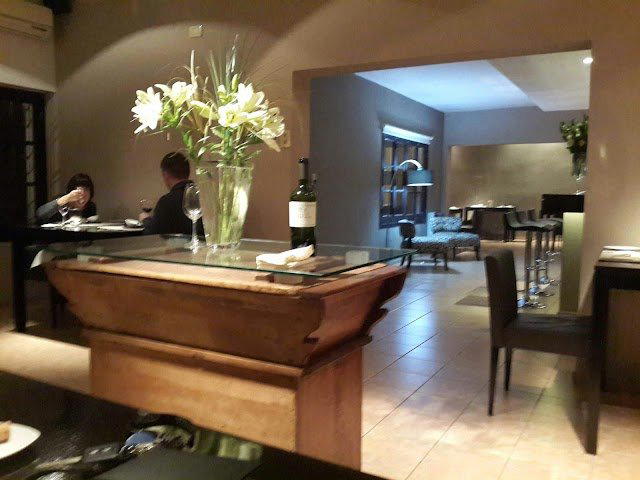
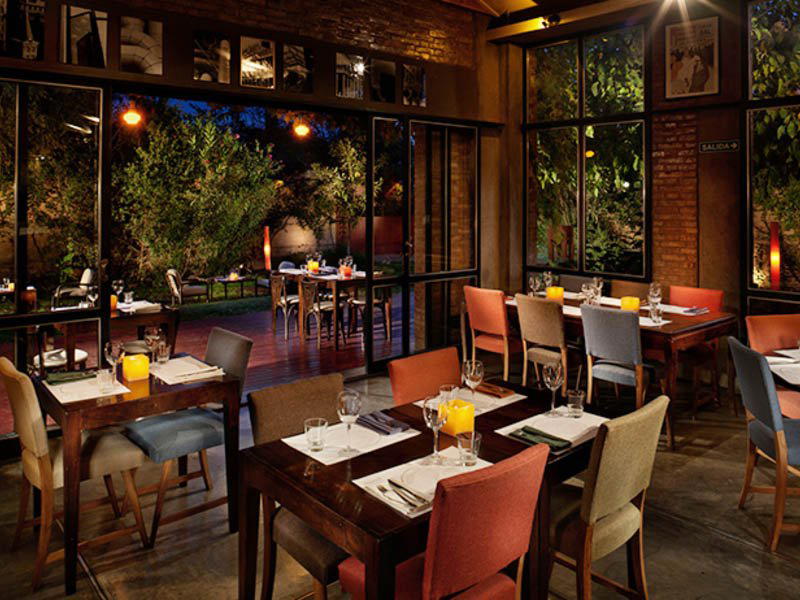
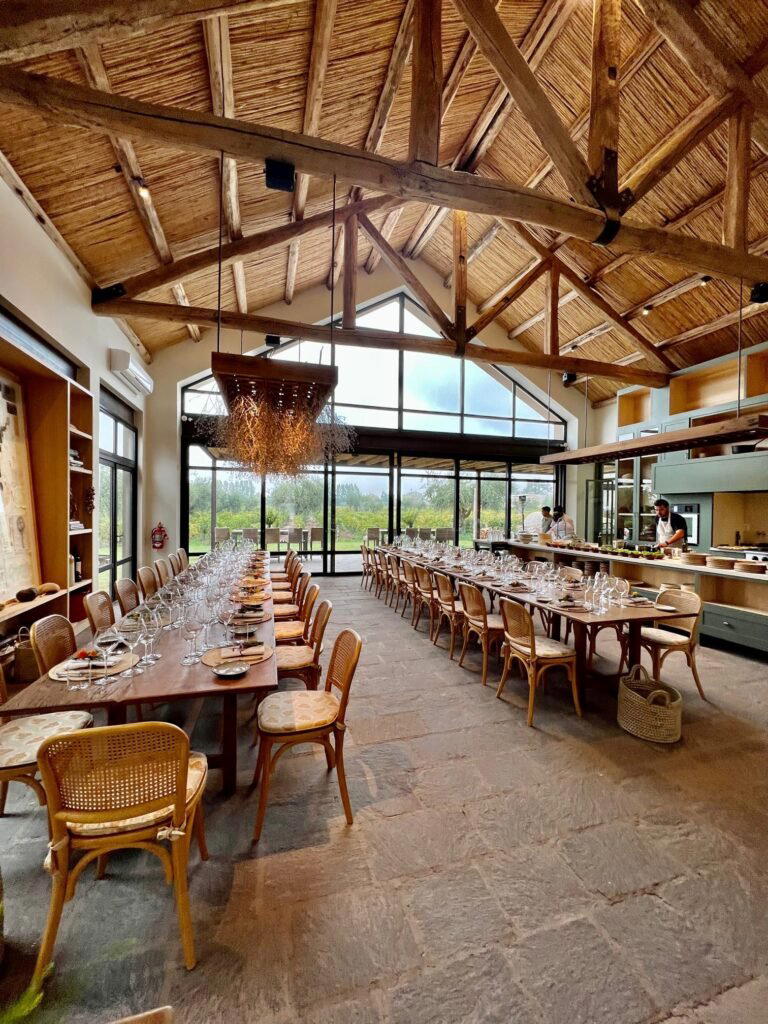
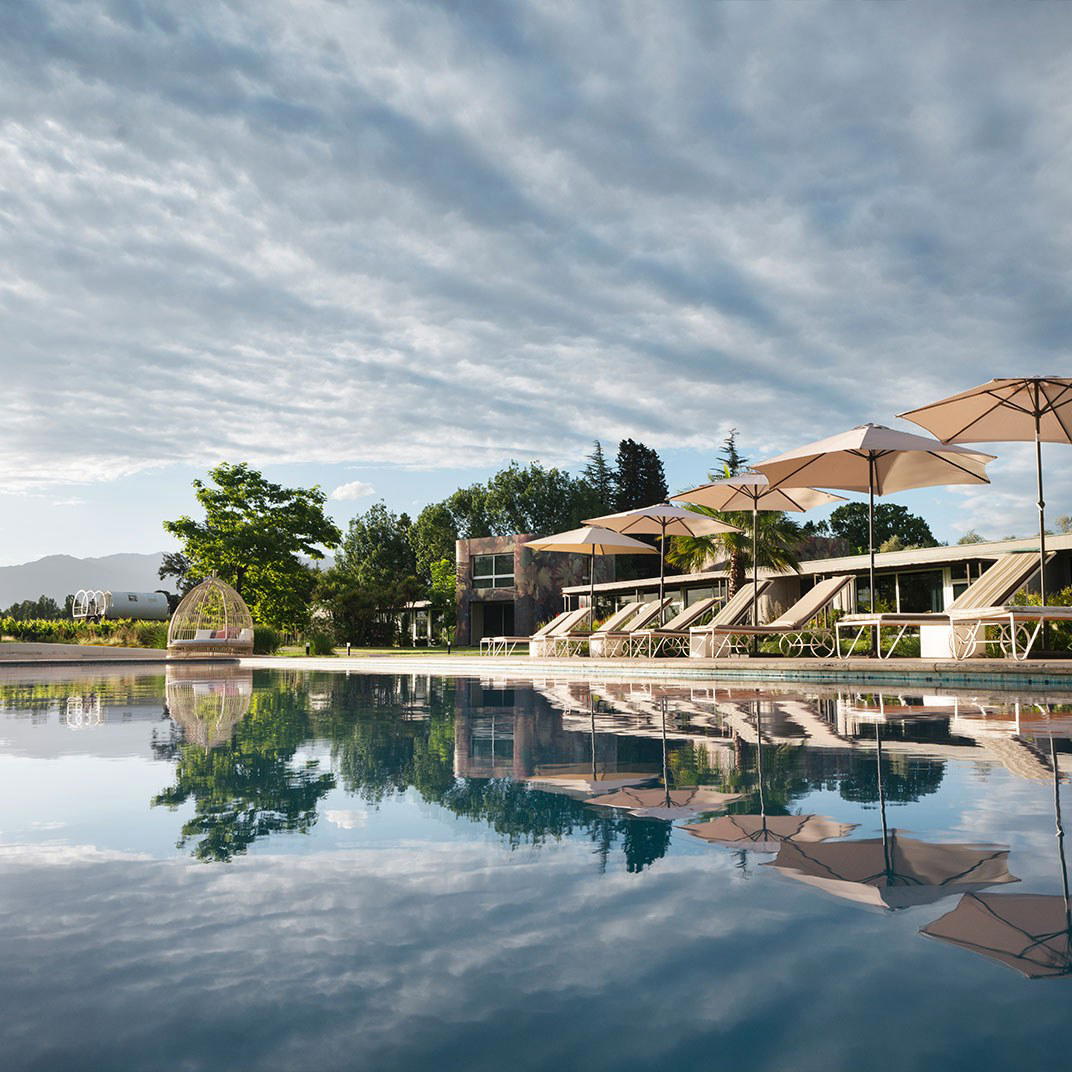
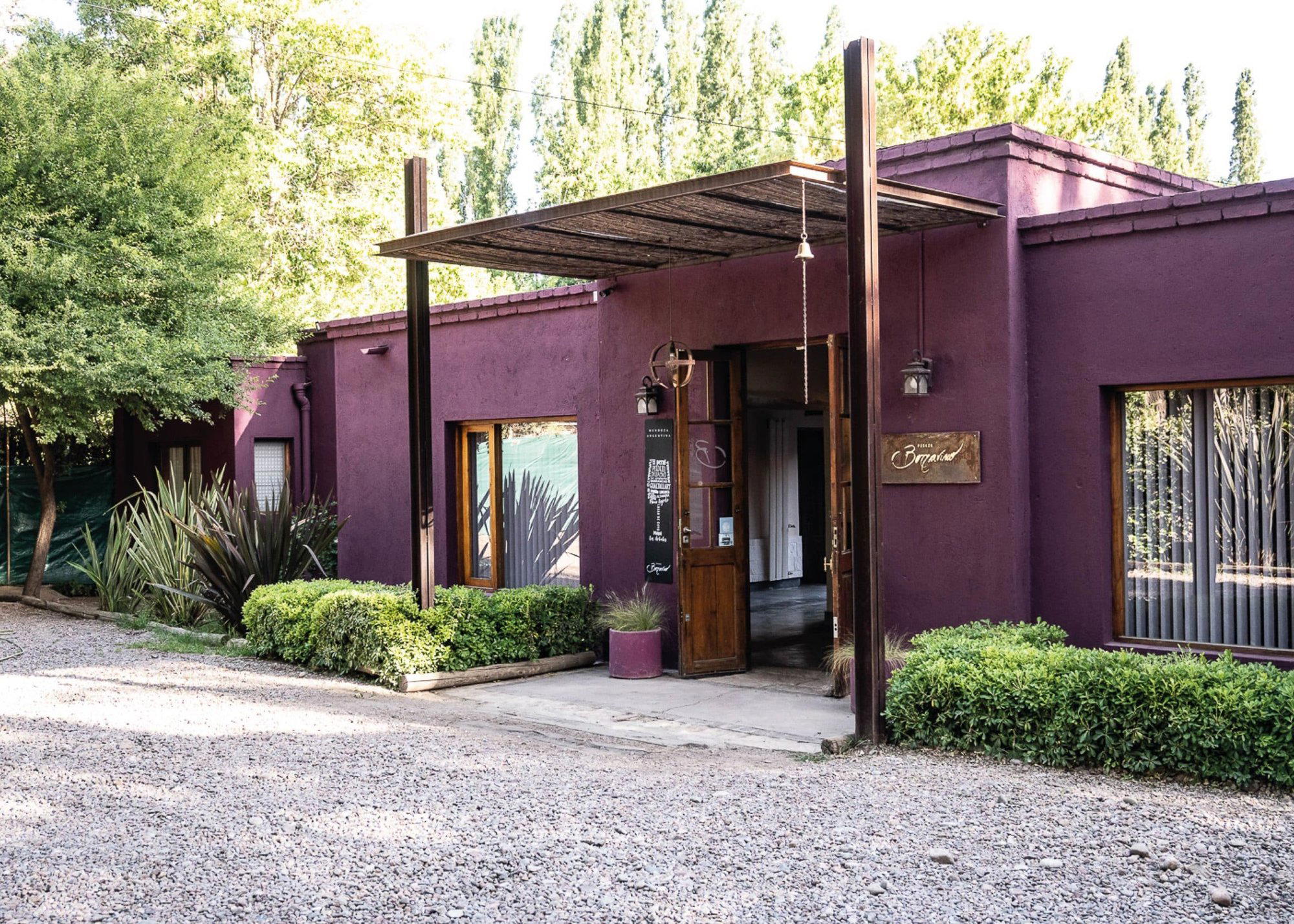
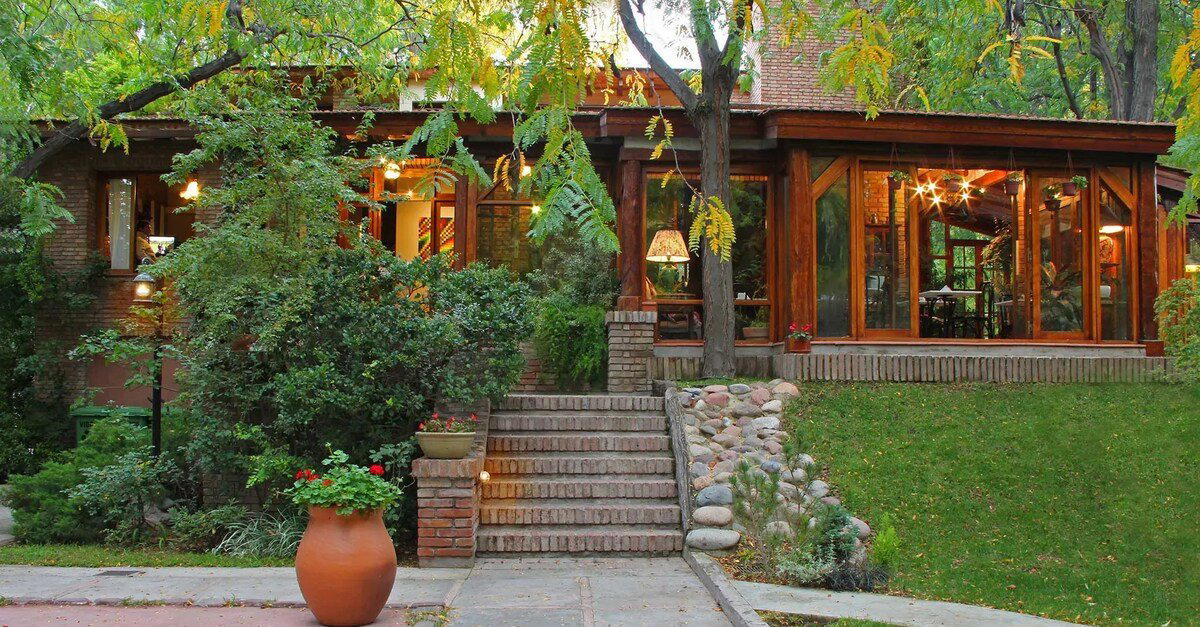
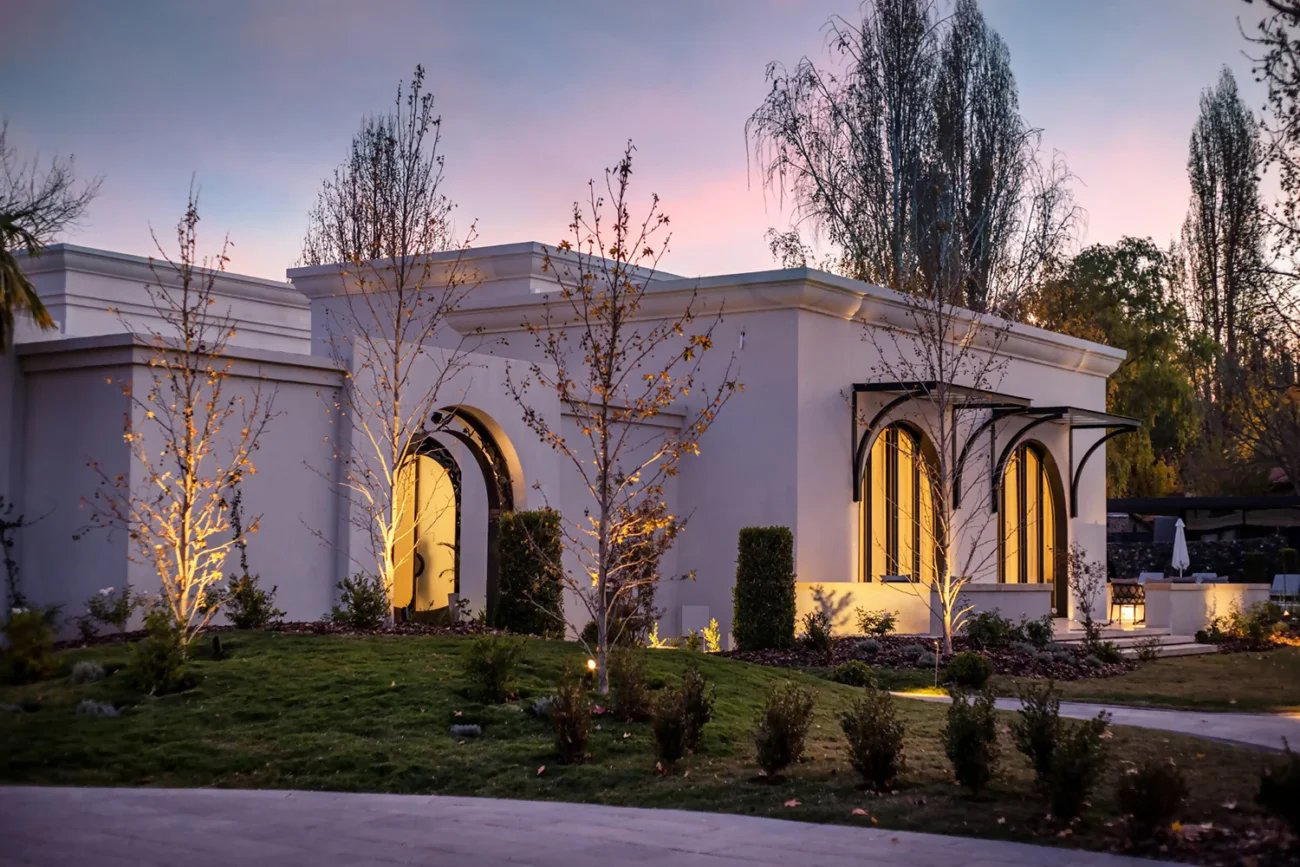
Relaxed and welcoming with spectacular garden views of the Andes, warm human service, and cozy indoor tastings by open fire.