Bodega Del Fin del Mundo sits in the wine-producing valley of San Patricio del Chañar in Neuquén, Patagonia — a region that has built a credible identity on high-altitude, cold-climate viticulture far south of the Mendoza mainstream.
- Address
- Ruta Provincial 8 Km 9, San Patricio del Chañar, Neuquén, Argentina
- Phone
- +542994855004
- Website
- bodegadelfindelmundo.com
- Directions
- Get directions
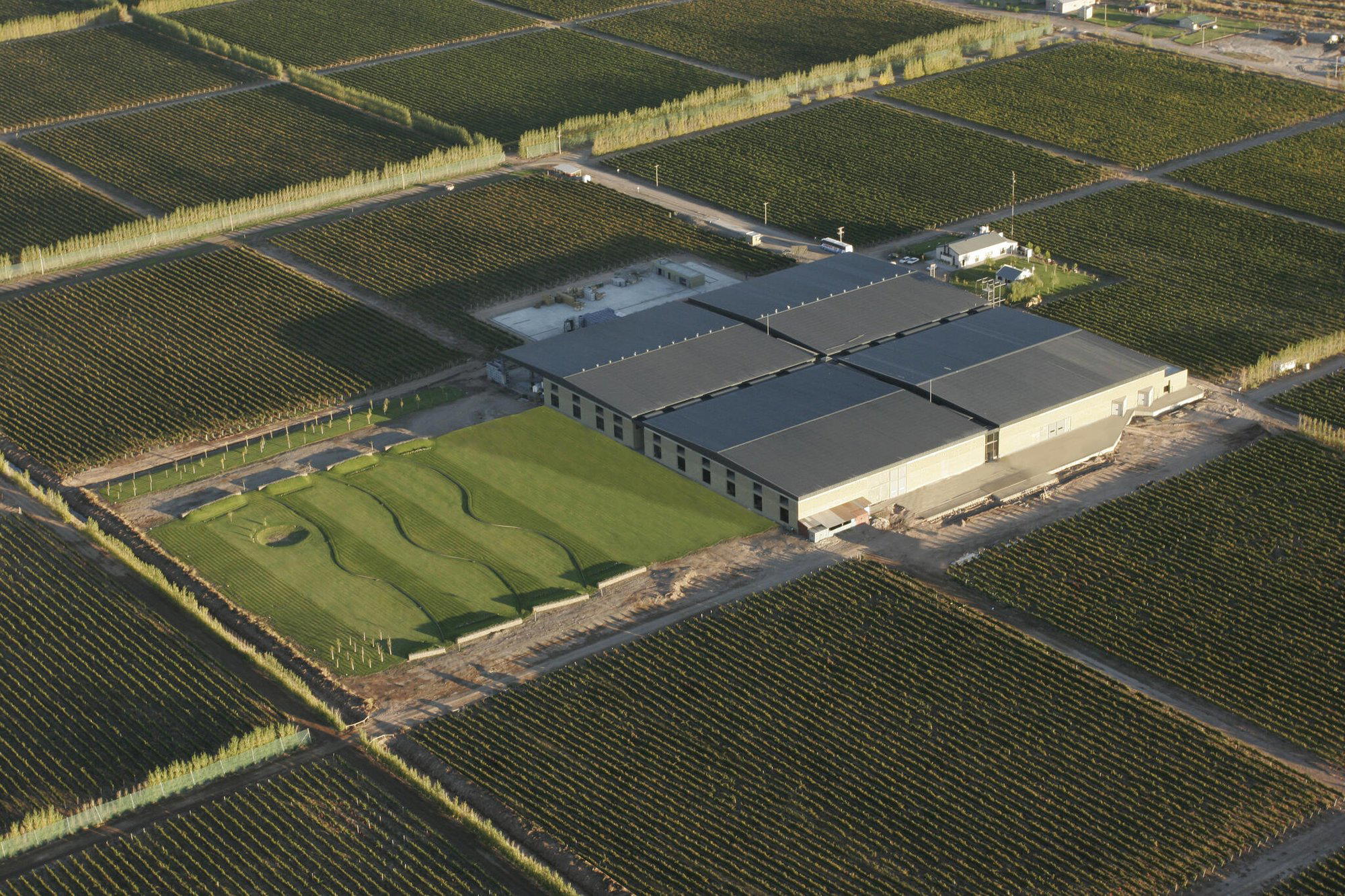
Where Patagonia Meets the Vine
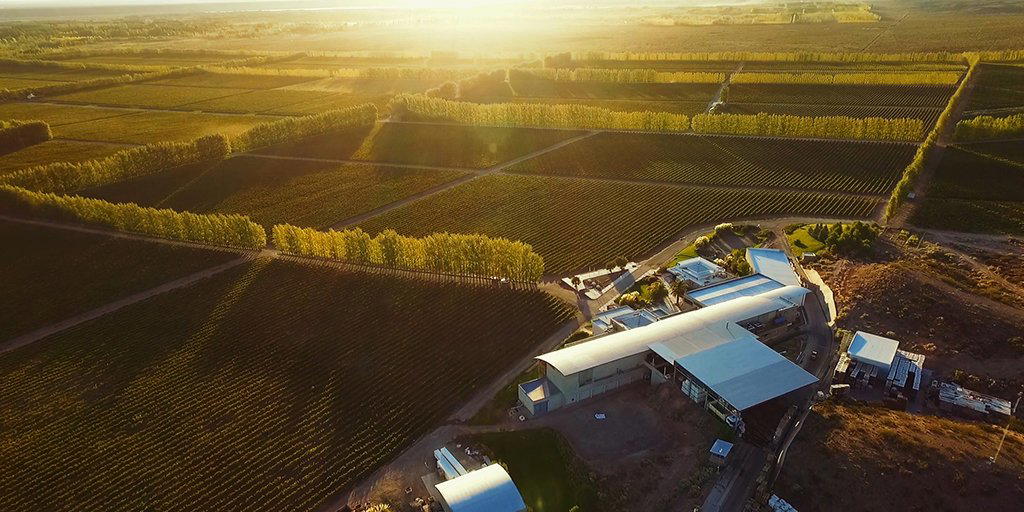
The road into San Patricio del Chañar is a study in Patagonian contrast: desert plateau giving way to irrigated vineyard blocks, the Andes appearing as a white-edged horizon to the west, and wind that moves through the rows with enough force to reshape how you think about ripening. Bodega Del Fin del Mundo sits along Ruta Provincial 8, roughly nine kilometres from the town centre, and the approach itself frames what the visit is about. This is not a wine country that asks you to forget geography. It insists you reckon with it.
The name — End of the World — is not hyperbole so much as a practical description of what this part of Neuquén represents within Argentine viticulture. San Patricio del Chañar lies well south of the Mendoza axis that has historically defined the country's wine identity, and the producers here, including Del Fin del Mundo and neighbours like Familia Schroeder, have spent the past two decades building the case that Patagonian terroir produces structurally distinct wines rather than merely cool-climate variants on a Mendoza template.
The Patagonian Wine Context
Argentine wine has always been geographically uneven in its international profile. Mendoza absorbs most of the critical attention, with producers like Bodega Norton in Luján de Cuyo, Escorihuela Gascón in Godoy Cruz, and Terrazas de los Andes anchoring the export conversation. The northern end of the country has its own premium voice, most visibly through Bodega El Esteco in Cafayate and the high-altitude ambitions of Bodega Colomé in Molinos. Neuquén sits outside both of these gravitational centres, which is partly what makes it worth understanding on its own terms.
The valley of San Patricio del Chañar was developed deliberately as a wine zone, with irrigation infrastructure enabling cultivation in what is otherwise semi-arid Patagonian steppe. Vineyard elevations here are lower than Mendoza's high-altitude benchmarks, but the latitude, around 38 degrees south, produces longer growing seasons with significant diurnal temperature variation. The result is fruit that tends toward natural acidity and aromatic precision rather than the concentration-first profile associated with warmer Argentine appellations. Malbec, Pinot Noir, and Chardonnay are the varieties that have established clearest regional identity in Neuquén, with each benefiting differently from the cool nights and extended hang time.
For readers comparing Argentine producers more broadly, the Rutini Wines operation in Tupungato and Bodega DiamAndes in Tunuyán offer useful Mendoza reference points, while Bodega Trapiche represents the large-scale end of the country's production spectrum. Del Fin del Mundo operates in a different register from all of these: a Patagonian estate with regional specificity as its primary credential.
The Tasting Experience at Del Fin del Mundo
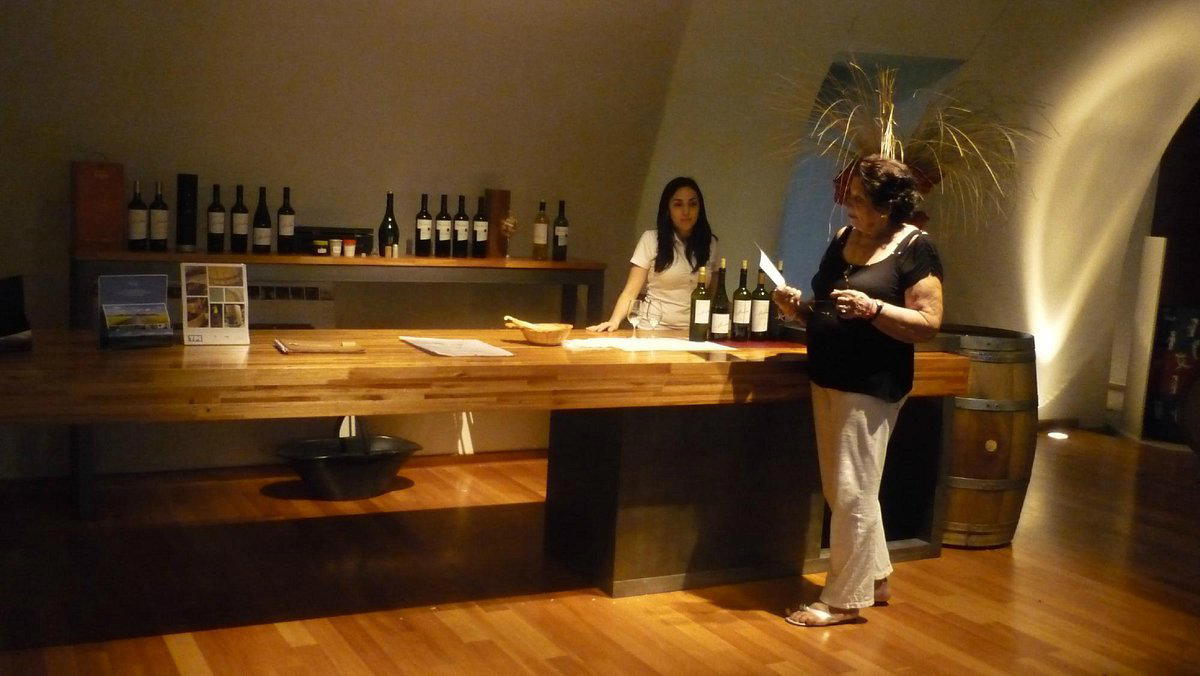
In the context of Patagonian wine tourism, that recognition matters practically: the region draws a smaller volume of international visitors than Mendoza, and the bodegas that have invested in structured tasting programs have become reference points for the wine tourism circuit in Neuquén.
Tasting room visits in this part of Argentina tend to operate against a backdrop that is impossible to separate from the wine in front of you. The volcanic soil profiles of Neuquén, the Andean snowmelt that feeds irrigation, and the wind that is present on nearly every day of the year are not decorative talking points during a guided tasting. They are the conditions that produced the glass of Malbec or Pinot Noir sitting on the counter. Producers in this valley have generally built their visitor formats around that connection, and Del Fin del Mundo, given its scale and recognition, represents one of the more developed expressions of that approach in the region.
Visiting from Neuquén city requires a drive of roughly 65 kilometres north along the RN-7 before turning into the valley. The journey is part of the experience: the Patagonian plateau opens up, the wind picks up, and by the time you arrive at the bodega, the geography has made its argument for why wines from here taste the way they do. Planning around a morning or early afternoon arrival gives you the leading light against the vineyard and mountain backdrop, and avoids the afternoon wind peaks that can make outdoor terrace time less comfortable.
Neuquén's broader drinks scene has grown beyond wine in recent years. Bosque Craft Gin and Patagonia Whisky Co. reflect a parallel interest in Patagonian terroir as an ingredient source for spirits, using regional botanicals and water in ways that parallel what the valley's winemakers have done with cold-climate viticulture. For visitors building a multi-day itinerary around Neuquén province, the combination of wine and spirits producers offers a coherent narrative about what this geography produces when it is treated as a serious source of flavour rather than a remote curiosity.
Placing Del Fin del Mundo in the Premium Argentine Tier
Argentine wine's international reputation has been built largely on Malbec, and the variety remains the country's clearest export signal. But the wines that have attracted critical attention in the past decade are increasingly coming from estates where restraint, site specificity, and structural precision matter more than sheer fruit weight.
For comparison with international reference points, the allocation-driven model of Accendo Cellars in St. Helena or the heritage depth of Aberlour in Speyside illustrate how regional provenance functions as a quality signal in competitive premium categories. Del Fin del Mundo operates in the same logic, with Patagonian origin serving as the primary differentiator in a market where Argentine wine's generic identity has been both its asset and its ceiling. The Fratelli Branca Distillery in Buenos Aires is another Argentine producer whose international recognition has helped define what Argentine craft can mean beyond the obvious categories.
Planning a Visit
The bodega is located at Ruta Provincial 8, Km 9, San Patricio del Chañar, in Neuquén province. The town of San Patricio del Chañar sits within a concentrated wine-producing corridor that also includes Familia Schroeder, making it practical to structure a full day across multiple producers. The leading visiting season runs from late November through April, when the harvest window and post-harvest months align with the most activity at the bodegas. Winter visits are possible but the valley's wind and cold make outdoor elements of the experience more challenging.
Booking in advance is advisable rather than optional for the premium tasting formats; Argentina's wine tourism infrastructure has tightened considerably in the past several years, and the producers in San Patricio del Chañar with serious reputations operate structured programs rather than drop-in counters. For full context on eating and drinking across the province, see our full Neuquén restaurants guide.
Category Peers
| Venue | Price | Awards |
|---|---|---|
| Bodega Del Fin del MundoThis venue — the venue you are viewing | Not listed | Not listed |
| Bodega El Esteco | Not listed | Falstaff Winery - Listed |
| Bodega Norton | Not listed | Michelin Plate · Falstaff Winery - Listed |
| Chakana Winery | Not listed | Falstaff Winery - Listed |
| Cheval des Andes | Not listed | Falstaff Winery - Listed |
| Escorihuela Gascón | $30–50 | Not listed |
Continue exploring
More in Neuquén
Details
- Rustic
- Scenic
- Wine Education
- Solo Exploration
- Vineyard Tour
- Vineyard
- Malbec
- Cabernet Sauvignon
- Merlot
- Pinot Noir
- Chardonnay
- Tannat
- Still Red
- Still White
- Sparkling
- Cave Tasting