Bodega Cerro del Toro

Bodega Cerro del Toro brings serious winemaking credentials to Uruguay's Maldonado coast, earning a Pearl 2 Star Prestige rating in 2025. Positioned in Piriápolis, the bodega operates in a wine region shaped by Atlantic proximity and the thermal moderation of the Río de la Plata basin. For those exploring Uruguay's growing fine-wine circuit, it belongs on the itinerary alongside the country's better-documented producers.
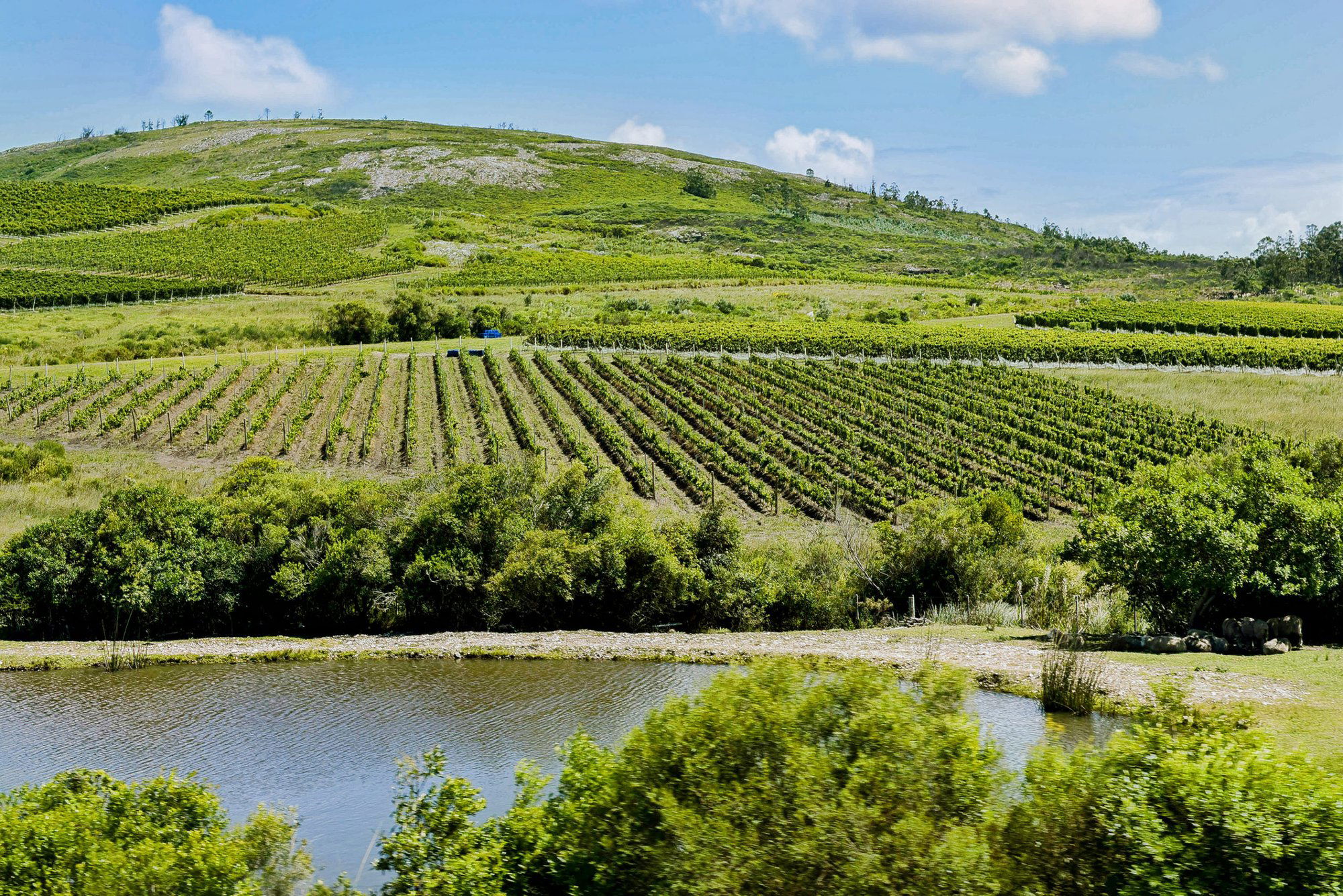
Where the Atlantic Coast Meets the Vine
Uruguay's east coast wine story is still being written, and Piriápolis is one of its less-examined chapters. The Maldonado Department sits roughly equidistant between the capital and Punta del Este, and its coastal character shapes everything from land prices to vine stress. The Atlantic influence here is real and measurable: maritime air moderates summer heat, fog can prolong hang time, and the diurnal temperature swings that define premium wine regions globally arrive here with an ocean modifier that inland appellations like Canelones simply do not share. Our full Piriápolis wineries guide maps this emerging geography across several producers, but Bodega Cerro del Toro has distinguished itself with a 2025 Pearl 2 Star Prestige award — a recognition that places it in a narrower tier than most producers operating along this coastline.
That award matters as context. Uruguay's wine industry has long been dominated by producers anchored around Montevideo and Canelones, where established bodegas like Bodega Bouza in Montevideo and Varela Zarranz in Canelones have built reputations over decades. The east coast, by contrast, is younger in winemaking terms, and producers here are still establishing their reference points. A prestige-tier recognition for a Piriápolis bodega signals something worth paying attention to: that the coastal terroir is beginning to produce wines with sufficient character and consistency to be judged alongside Uruguay's more established names.
Terroir Reading: What the Land Is Saying
The argument for coastal Maldonado as serious wine country rests on a few concrete factors. The soils in this part of Uruguay are typically granite-influenced, ancient bedrock that drains well and forces roots to search deep for water and nutrients. That stress, managed correctly, concentrates flavour in ways that richer alluvial soils do not. Tannat, Uruguay's signature grape and the variety most closely associated with national identity, responds particularly well to this kind of low-fertility pressure — the thick skins that make it tannic and dense in warm, fertile conditions become more expressive and structured when the vine has to work.
Atlantic proximity adds a second variable. The Río de la Plata basin and the South Atlantic moderates what would otherwise be a hot continental summer. Producers working in Maldonado describe a longer, more gradual ripening season compared to areas further inland or north , a condition that preserves acidity and allows phenolic development to catch up with sugar accumulation. The result, at its leading, is wine with both concentration and freshness, a combination that has defined Uruguay's international positioning since Tannat began attracting attention from European and North American importers in the 2000s and 2010s.
For comparison, Bodega Oceánica José Ignacio in Maldonado has been one of the reference points for what Maldonado coastal terroir can deliver. Cerro del Toro's prestige recognition positions it as part of the same regional conversation, though each producer along this coast works a distinct microclimate shaped by elevation, distance from water, and aspect.
Piriápolis in the Wider Uruguayan Wine Circuit
Uruguay's wine geography is more dispersed than its size might suggest. The country's best-known wine corridor runs through Canelones, where producers like Bodega Carrau in Las Piedras have operated for generations. The southwest, around Colonia del Sacramento, offers a different character , older producers like Bodega Los Cerros de San Juan working a quieter, more pastoral register. Further afield, Campotinto in Carmelo and Cerro Chapeu (Carrau) in Rivera represent the northern frontier, where altitude and different soil types produce wines with their own regional signature.
Piriápolis slots into this circuit as an eastern outpost with a coastal identity that none of those other areas share so directly. The town itself is one of Uruguay's oldest beach resorts, built in the early twentieth century around the vision of a single developer and still carrying that slightly theatrical, pre-modern holiday character , wide promenades, a castle-like hotel on the hill, a small port. The winery operates in this environment, which means a visit to Cerro del Toro can be embedded naturally into a wider east coast itinerary that also includes Punta del Este, José Ignacio, and the Atlantic beaches of Maldonado. Travellers already exploring the region for its food and hospitality will find our full Piriápolis restaurants guide, our full Piriápolis hotels guide, our full Piriápolis bars guide, and our full Piriápolis experiences guide useful for building out the visit.
How Cerro del Toro Sits in Uruguay's Award Tier
The Pearl 2 Star Prestige designation in 2025 places Bodega Cerro del Toro in a selective category. Uruguay has a growing number of producers receiving international attention, but prestige-tier recognition at the 2-star level requires consistency across a portfolio rather than a single strong wine. This is meaningful because coastal producers in emerging regions frequently produce one headline bottling and struggle with the broader range , the award signal here suggests a more complete programme.
The comparison set for Cerro del Toro within the Uruguayan fine-wine tier would include producers oriented toward structured, age-worthy Tannat or coastal-influenced white and rosé expressions. Gin Pinares (Sacramento Spirits) in Punta del Este represents a different category within the broader Maldonado drinks economy, while internationally, the conversation around coastal terroir and prestige recognition extends well beyond South America , producers like Abadía Retuerta in Sardón de Duero illustrate how single-estate prestige models work when terroir expression is the organising principle. Even whisky distillers such as Aberlour in Aberlour demonstrate how place-specific identity, consistently communicated across a range, underpins long-term prestige positioning.
Planning a Visit
Piriápolis is approximately 90 kilometres east of Montevideo along the Ruta Interbalnearia, making it a manageable day trip from the capital or a natural stop on the way to Punta del Este. The town is well-served by intercity bus routes from Montevideo's Tres Cruces terminal, and the journey takes roughly 90 minutes depending on stops. For visitors arriving by car from the capital or from Punta del Este, the coastal road offers direct access. Given that Cerro del Toro's phone and website details are not publicly listed in current records, arriving during standard business hours or contacting the bodega through local tourism channels in Piriápolis is advisable before making a dedicated trip. The 2025 Pearl 2 Star Prestige recognition means interest in the bodega is growing, and it is reasonable to expect that visit logistics will become more formalised as the producer's profile rises.
In Brief
- Location: Piriápolis, Maldonado Department, Uruguay
- Award: Pearl 2 Star Prestige (2025)
- Regional context: Part of Uruguay's Atlantic coastal wine corridor, distinct from the Canelones heartland
- Getting there: Approximately 90 minutes by bus from Montevideo; well-positioned for east coast itineraries combining Piriápolis, Maldonado, and Punta del Este
- Booking: No public website or phone currently listed; local tourism contacts in Piriápolis are the recommended first point of contact
Frequently Asked Questions
What's the general vibe of Bodega Cerro del Toro?
Cerro del Toro operates in Piriápolis, a historic beach resort town with a quieter, more low-key character than the more commercially developed Punta del Este to the east. The bodega's 2025 Pearl 2 Star Prestige recognition places it in the serious fine-wine tier of Uruguay's coastal producers, so the sensibility leans toward wine-focused visits rather than high-volume tourism. If you are already in the Maldonado Department for the beaches or the hospitality scene, integrating a winery visit here fits naturally into a day structured around the coastline.
What's the must-try wine at Bodega Cerro del Toro?
Specific wine names and current releases are not confirmed in available records, so we will not fabricate a recommendation. What the 2025 Pearl 2 Star Prestige award does indicate is that the bodega is producing at a level that warrants seeking out across its range rather than fixating on a single bottling. Uruguay's coastal Maldonado producers working with Tannat and, in some cases, white and rosé expressions from varieties suited to Atlantic-influenced growing conditions are the logical place to start any inquiry when you arrive. Ask directly at the bodega about what is currently pouring.
What should I know about Bodega Cerro del Toro before I go?
Public contact details including a website and phone number are not currently listed for Bodega Cerro del Toro, which means advance planning requires going through local Piriápolis tourism resources or arriving at the property during standard operating hours. The bodega earned a Pearl 2 Star Prestige award in 2025, which raises the likelihood of visitor interest increasing over the next year or two , earlier in that cycle tends to mean smaller groups and more direct access. Piriápolis itself is compact and easy to cover on foot or by car, so the bodega visit can be paired with the town's other offerings without requiring complex logistics.
Should I book Bodega Cerro del Toro in advance?
Given that no public booking platform or phone number is currently available, the practical approach is to contact the bodega through Piriápolis's local tourism office or to visit directly. As a Pearl 2 Star Prestige-recognised producer in a city with growing wine tourism interest, visit windows may become tighter as awareness builds , the 2025 award is recent enough that the bodega is likely still in the early phase of formalising visitor infrastructure.
How does Bodega Cerro del Toro fit into Uruguay's broader fine-wine geography?
Cerro del Toro represents the Maldonado coastal tier of Uruguayan wine, a distinct category from the Canelones-centred producers that have historically dominated the country's export narrative. The Pearl 2 Star Prestige recognition in 2025 positions it alongside producers making wines where Atlantic influence and granite-based soils contribute measurably to the finished wine's character. For visitors building a Uruguay wine itinerary, Cerro del Toro offers an eastern, coastal counterpoint to the more accessible wineries around Montevideo and the southwest.
In Context: Similar Options
These are the closest comparables we have in our database for quick context.
| Venue | Cuisine | Price | Awards | Notes |
|---|---|---|---|---|
| Bodega Cerro del Toro | Pearl 2 Star Prestige (2025) | This venue | ||
| Bodega Bouza | ||||
| Varela Zarranz | ||||
| ANCAP Alcoholes | ||||
| Antigua Bodega Stagnari | ||||
| Artesana |
Access the Cellar?
Our members enjoy exclusive access to private tastings and priority allocations from the world's most sought-after producers.
Access the Concierge