Amora Adelaide is a sparse-data hotel listing, which makes the editorial question less about amenities and more about fit within Adelaide’s fast-changing accommodation scene. Treat it as a city-stay

Pearl is the En Primeur Club membership app, where members save venues, book tables and use the concierge.
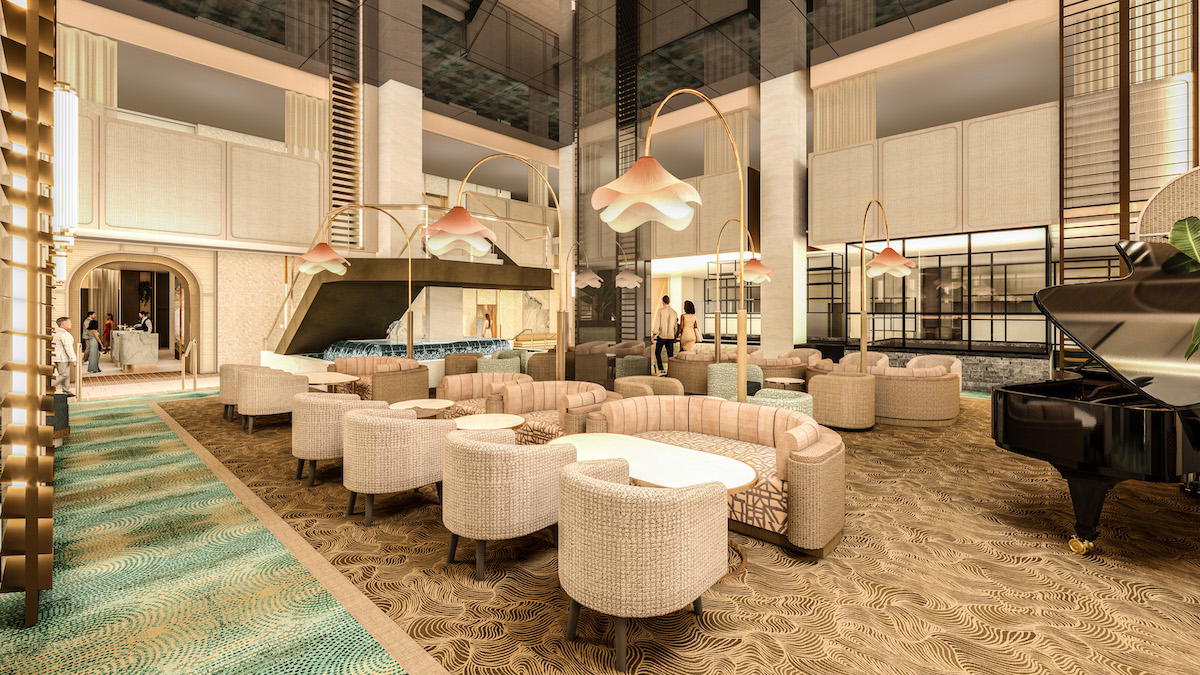
First Impressions: Reading the Hotel Through Adelaide’s Design Mood
Approaching a hotel in Adelaide is rarely about spectacle first. The city’s stronger hospitality language tends to be quieter: gridded streets, civic stone, parkland edges, and a dining culture that looks outward to wine country while keeping a compact urban rhythm.
Adelaide’s hotel scene has changed because the city is no longer treated merely as a convenient base for Barossa, McLaren Vale, and Adelaide Hills trips. The centre itself has become a tighter proposition, with festival traffic, university corridors, laneway dining, North Terrace institutions, and riverfront development all pulling different travellers into different pockets. In that setting, the design question matters. It should be judged against the reader’s need: a sleep-focused city base, a dining-led weekend anchor, or a hotel with enough architectural character to carry part of the trip.
That distinction is where Amora Adelaide needs careful planning. The more useful move is comparison. For a city hotel with more established brand signals, readers may compare it with Adelaide Marriott. For art-led accommodation in the metropolitan area, Art Series - The Watson offers a different premise. Amora Adelaide should be researched against these categories rather than accepted as a fixed label.
The Adelaide Hotel Scene Has Split Into Clearer Camps
Adelaide used to be easier to classify: business hotels in the city, country-house stays in the hills, and winery-region accommodation for travellers willing to leave town. That map has become more layered. A guest can now choose between central full-service hotels, art-branded properties, stadium-adjacent rooms, heritage estates, romantic follies, and lodges that behave more like destination retreats than city accommodation. Amora Adelaide sits in the middle of this decision tree because its record does not supply enough evidence to define a sharper identity.
The comparison set matters. Mount Lofty House & Estate speaks to the Adelaide Hills tradition, where architecture, gardens, and wine-country access form the stay. Oval Hotel at Adelaide Oval belongs to a city-sport-and-parkland conversation, with location doing heavy editorial work. Sequoia Lodge moves the traveller into a retreat model. Thorngrove Manor is closer to theatrical architecture than conventional hotel keeping.
For design-minded travellers, Adelaide rewards specificity. The city’s character is not built from a single visual code. North Terrace carries institutional weight; the East End reads more restaurant-and-bar oriented; the riverbank has become a larger events and entertainment corridor; the hills introduce sandstone, gardens, and slower pacing. A hotel’s address, view line, lobby language, and room plan can shift the experience sharply.
What the Sparse Record Tells a Careful Traveller
There is editorial value in absence. It would be irresponsible to describe a lobby, rooms, restaurant, spa, design materials, or service rhythm without source data. The useful conclusion is narrower and more practical: Amora Adelaide should be treated as a candidate for direct verification, especially for travellers who care about design consistency, room size, or proximity to a specific Adelaide itinerary.
This is particularly true in Adelaide, where hotel choice often depends on the trip’s centre of gravity. A wine-focused traveller may care less about a dramatic lobby and more about exit routes toward the hills. A festival traveller may need foot access to venues and late-night dining. A business traveller may value check-in efficiency and transport convenience. A design-led traveller should ask for photographs of the exact room category, not just general property images, because Australian hotels can vary sharply between renovated public spaces and older room stock. That advice applies broadly, but it becomes more pressing when the public record is thin.
Trust signals are also limited here. In practical terms, that places the burden on recent guest documentation, direct confirmation, and comparison against better-documented Adelaide alternatives.
Design Angle: Why Physical Context Matters More Than Labels
Hotel design in Adelaide works differently from design in Sydney, Melbourne, or the Gold Coast. Sydney often sells harbour theatre. Melbourne trades heavily on heritage shells, laneway culture, and restaurant density. The Gold Coast leans into resort scale, beachfront architecture, and high-rise leisure. Adelaide’s stronger design hotels tend to succeed when they understand proportion: how a room relates to walkable streets, how a lobby handles daylight, how the building sits between civic formality and relaxed eating culture.
That is why architecture is not a decorative subject here. It is the way a traveller reads value. A hotel with a modest public profile can work well if its rooms are quiet, its circulation is simple, and its location shortens the day. A hotel with heavy visual branding can feel tiring if the plan fights the guest. With Amora Adelaide, the missing style field means there is no verified basis for claims about materials, architects, views, or atmosphere. The correct approach is to ask design questions before booking: what year were the rooms last refreshed, which room types have natural light, whether windows open, where lifts sit relative to rooms, and whether public areas reflect the images used online.
Australia’s stronger design hotels show how broad the field has become. The Tasman in Hobart operates through heritage layering. Capella Sydney in Sydney reads through civic restoration and scale. The Calile in Brisbane uses climate, pool culture, and urban resort planning as its grammar. Southern Ocean Lodge in Kingscote is a coastal-lodge proposition, while Emirates One&Only Wolgan Valley in Wolgan Valley is tied to landscape immersion in the literal sense. These are not direct substitutes for an Adelaide city hotel, but they show why design labels need evidence.
Who Should Consider It
Amora Adelaide makes the most sense for travellers prepared to verify the essentials directly and compare the answers against their itinerary. If the trip is restaurant-led, start with location and transport. Adelaide’s dining culture rewards short transitions, especially if the evening moves from aperitif to dinner to a final drink. Our full Adelaide restaurants guide is the better planning companion for that side of the trip, because a hotel decision should support the dining map rather than sit apart from it.
If the trip is design-led, compare Amora Adelaide with hotels whose identities are easier to read from the record. Art-driven travellers may look again at Art Series - The Watson. Travellers who want a larger city-hotel frame may compare Adelaide Marriott and Eos by SkyCity. Those willing to leave the centre for atmosphere should assess Mount Lofty House & Estate, Sequoia Lodge, and Thorngrove Manor. The right choice depends less on status and more on the trip’s geography.
For readers benchmarking beyond South Australia, useful contrasts include JW Marriott Gold Coast Resort & Spa in Surfers Paradise, Mondrian Gold Coast in Gold Coast, Osborn House in Bundanoon, and The Darling at The Star Gold Coast in Broadbeach. Each belongs to a different Australian accommodation type: resort, design hotel, country retreat, and entertainment precinct hotel. Amora Adelaide should be booked only after its own category becomes clear through current direct information.
Planning Notes: How to Book Without Guesswork
The practical move is simple: confirm before committing. Ask for the exact room category, cancellation terms, check-in and check-out times, parking arrangements, breakfast format, and any renovation notices. If the rate changes materially between platforms, treat the lower price with caution until inclusions and payment terms are clear.
Timing also matters in Adelaide. The city’s calendar can tighten during major festivals, university periods, sports fixtures, wine events, and holiday weekends. Even without venue-specific booking data, a cautious traveller should plan earlier for late summer and early autumn, when Adelaide’s cultural schedule draws heavier demand. For a flexible midweek stay, the risk is usually lower, but room quality and location should still be confirmed.
International comparisons help sharpen expectations. The Hotel Windsor in Melbourne carries a heritage-city-hotel frame. Spicers Sangoma Retreat in Blue Mountains is a retreat model. 57 Hotel in Surry Hills points toward urban practicality, while Bondi Beach House in Bondi Beach is tied to neighbourhood beach culture. The Olsen Melbourne - Art Series in South Yarra shows how a named design concept can anchor a stay. Farther afield, The Fifth Avenue Hotel in New York City, Hôtel de Paris Monte-Carlo in Monte Carlo, and Badrutt's Palace Hotel in St. Moritz demonstrate the opposite condition: hotels whose public identities are heavily documented. Amora Adelaide requires a more verification-led booking style.
Comparison Snapshot
| Venue | Price | Awards |
|---|---|---|
| Amora AdelaideThis venue (the venue you are viewing) | Not listed | Not listed |
| Art Series - The Watson | $100–200 | Michelin Selected |
| Mount Lofty House & Estate | $300–500 | 1 Michelin Key · Virtuoso Luxury Hotel Partner |
| Adelaide Marriott | $200–300 | Michelin Selected |
| Thorngrove Manor | $1,000–1,500 | 2 Michelin Keys |
| Eos by SkyCity | $200–300 | Michelin Selected |
Continue exploring
More in Adelaide
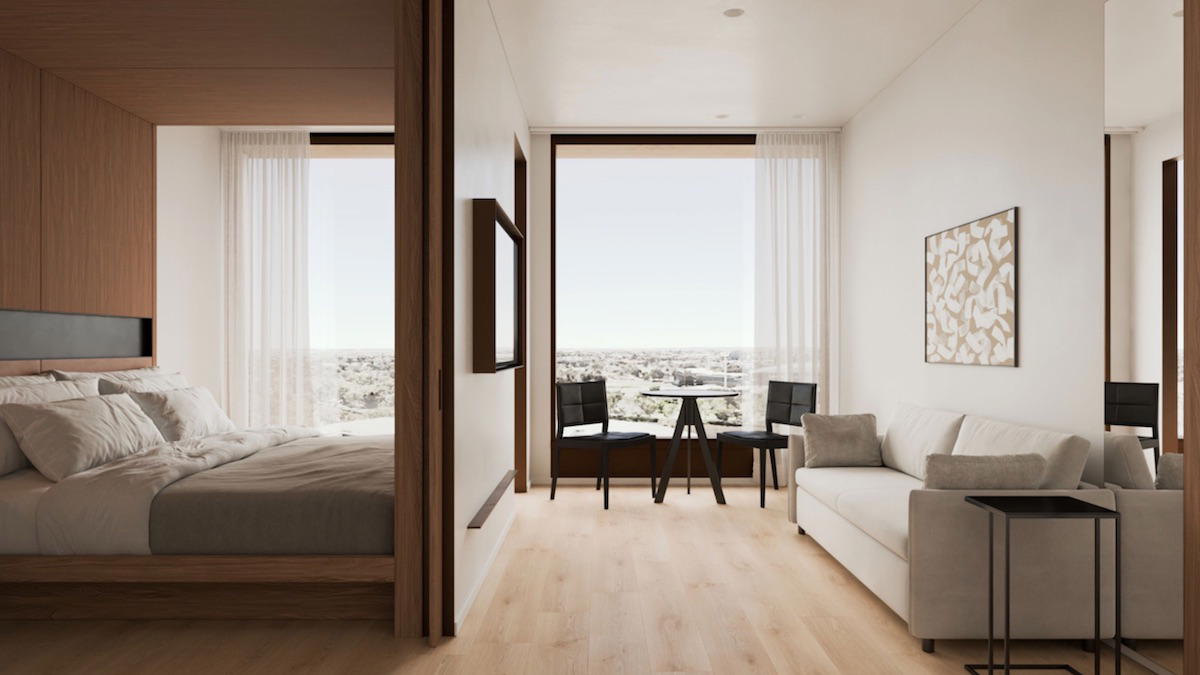
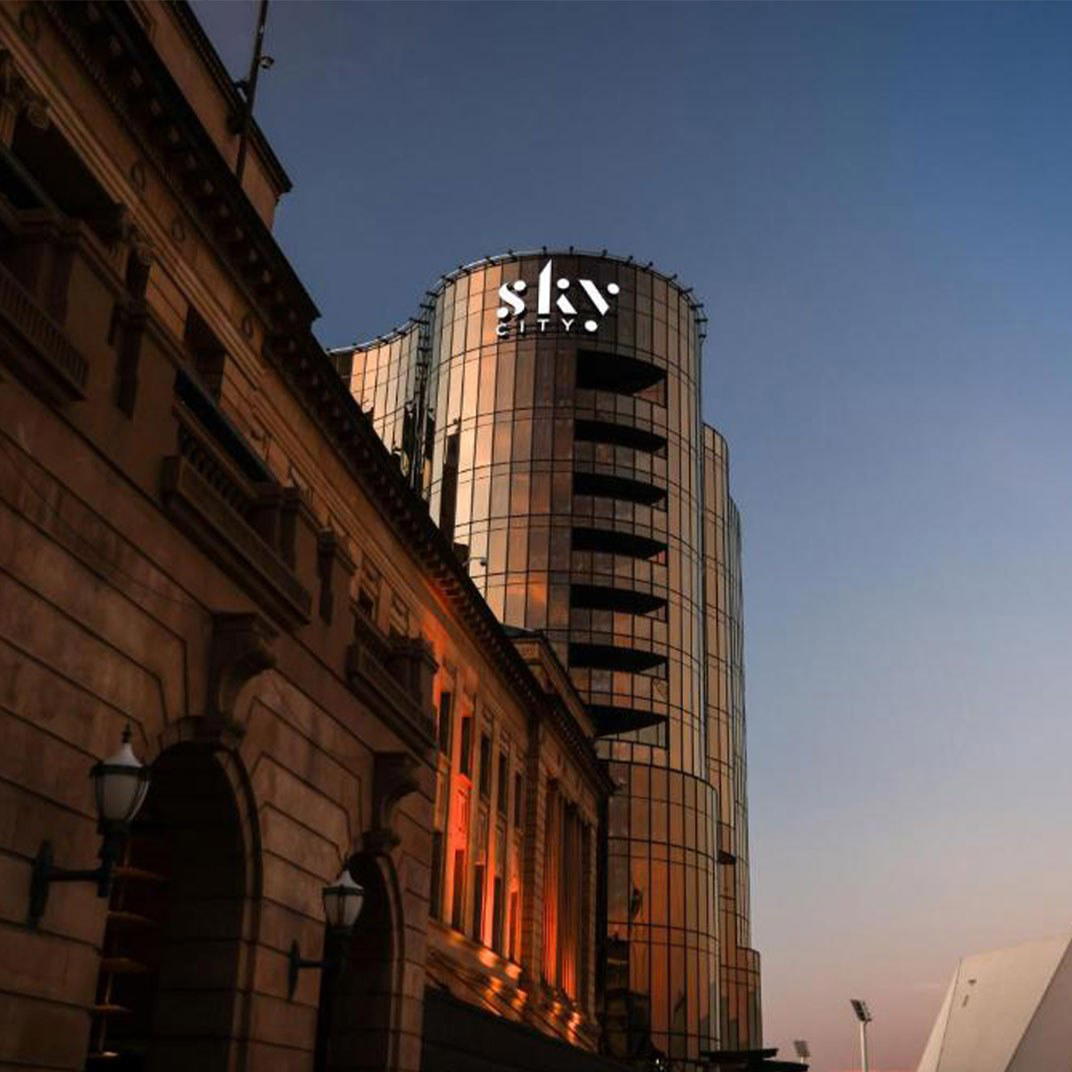
Hotels in Adelaide
All hotels in Adelaide →
Bars in Adelaide
All bars in Adelaide →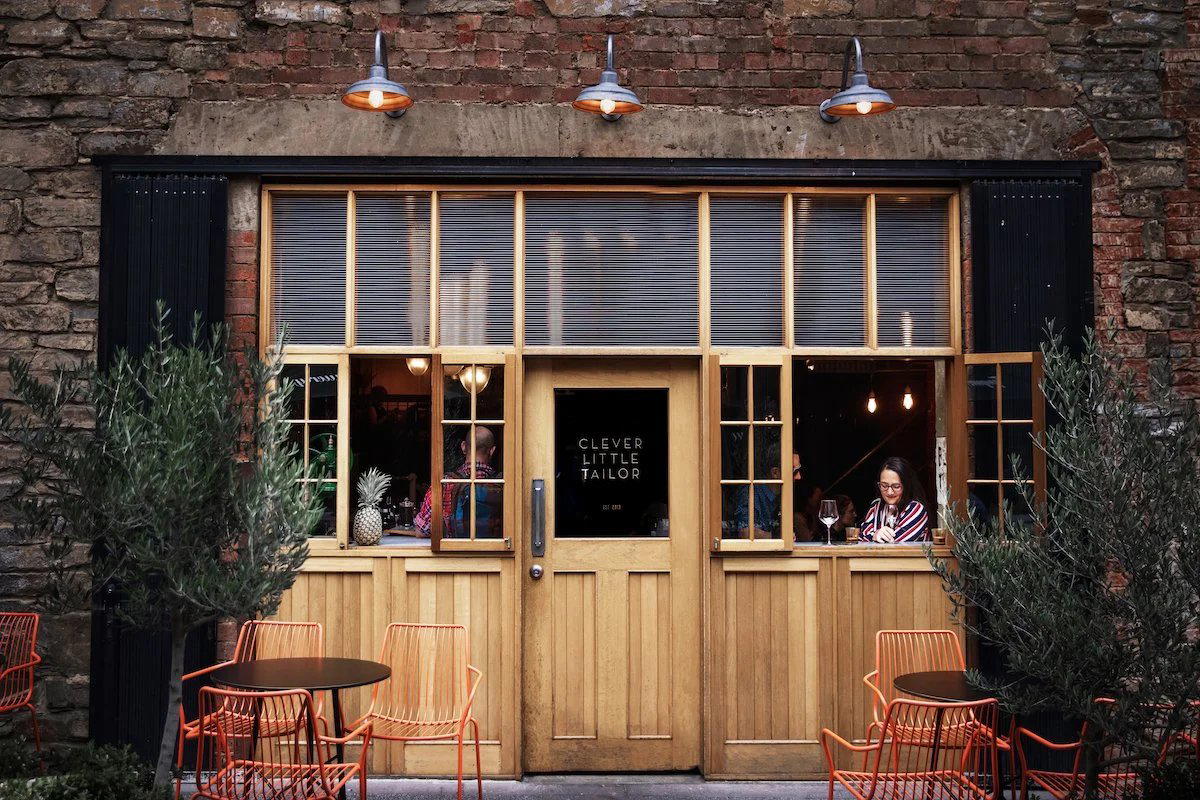
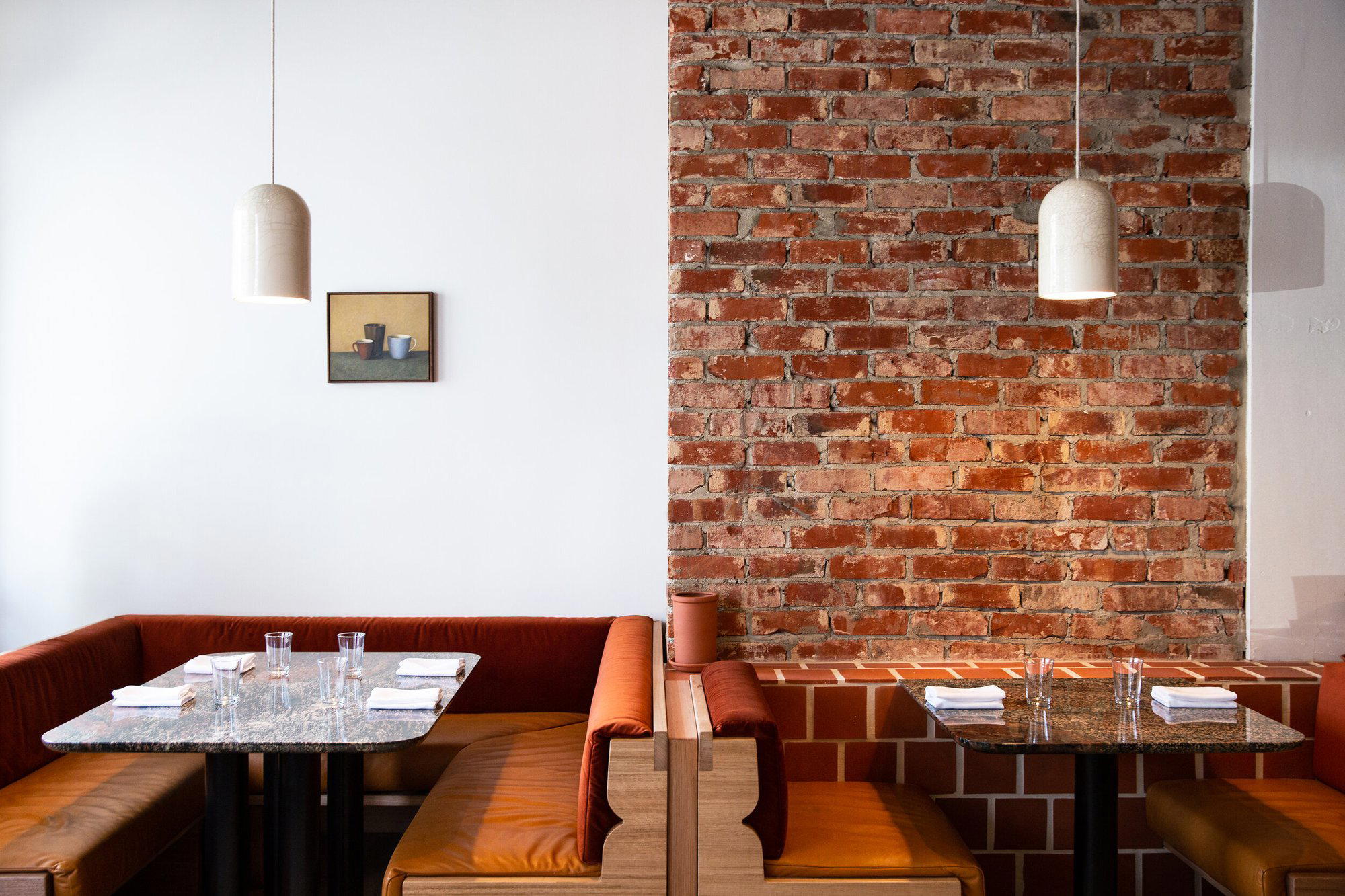
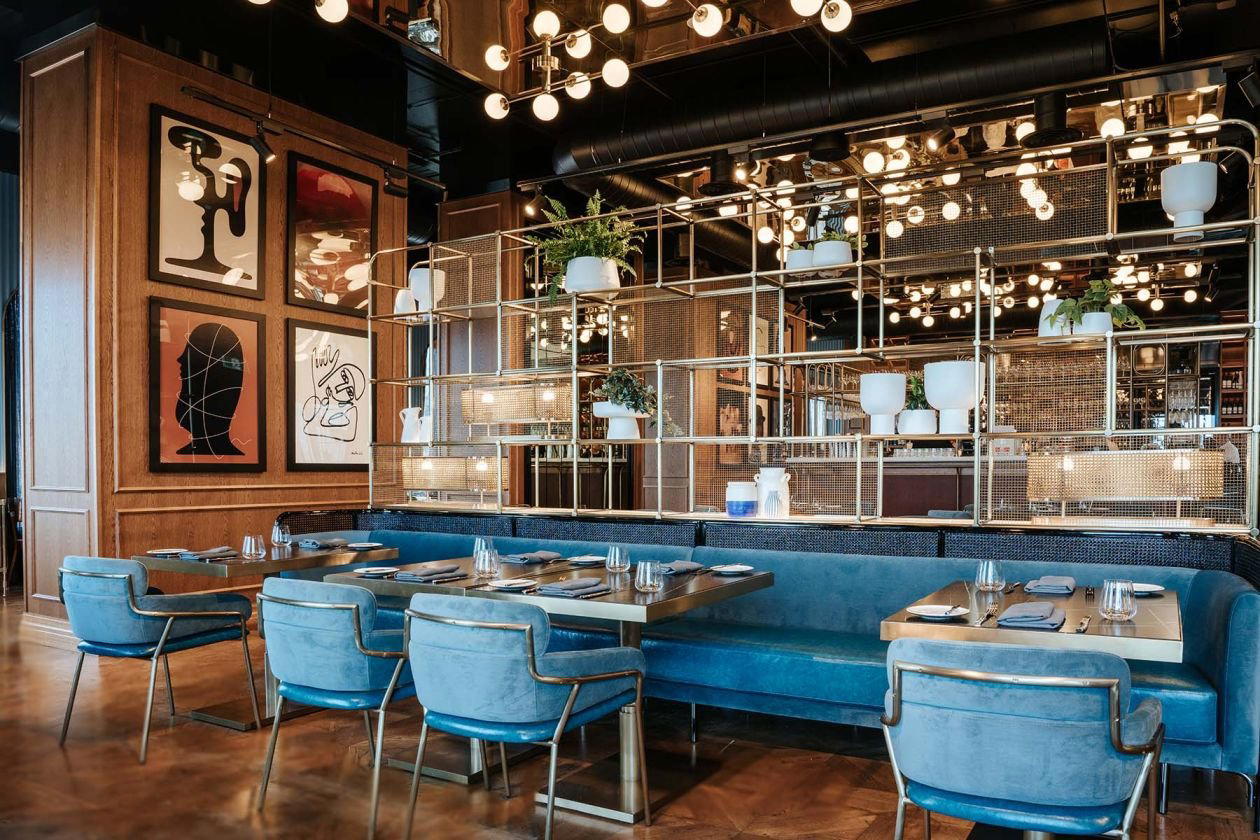
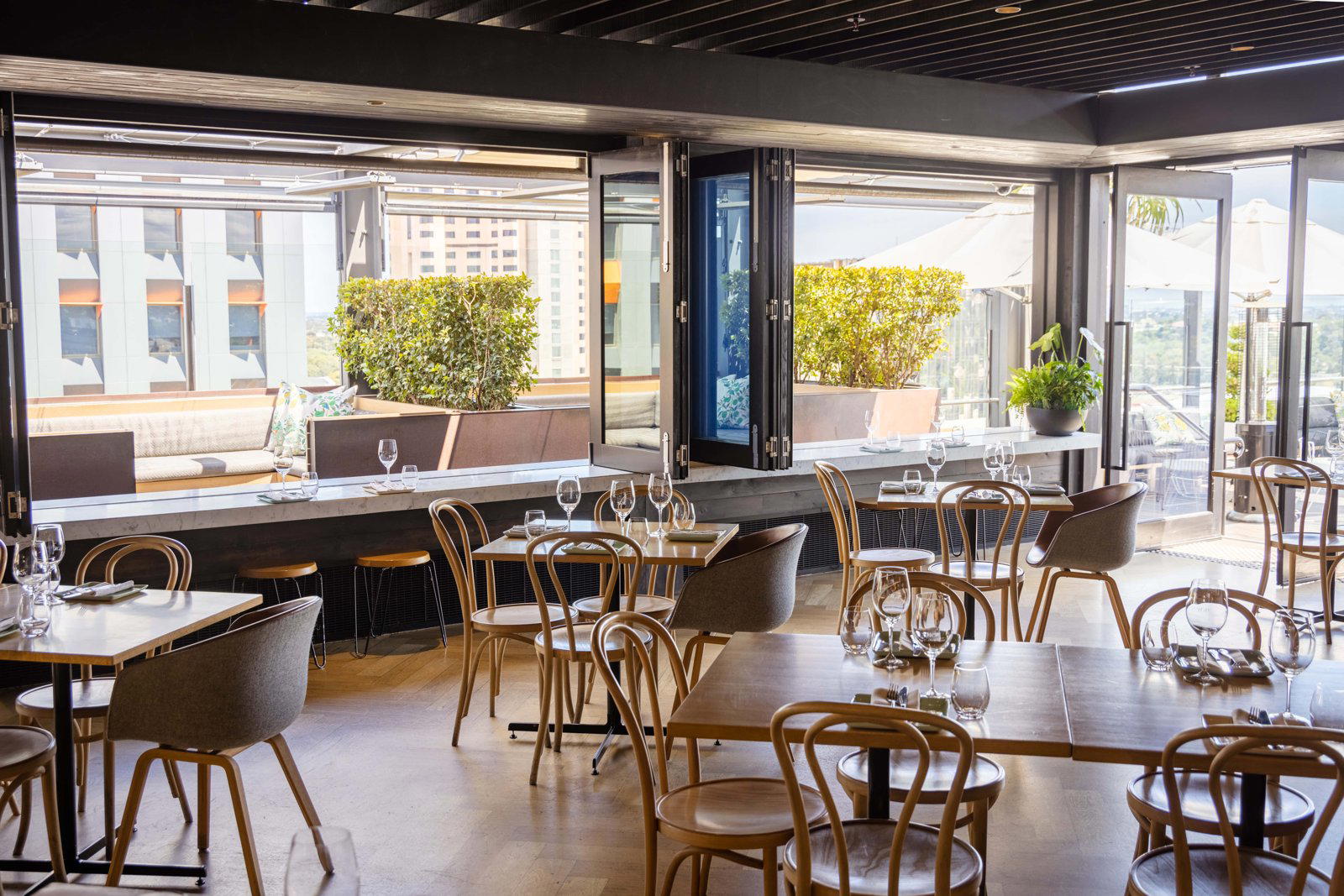
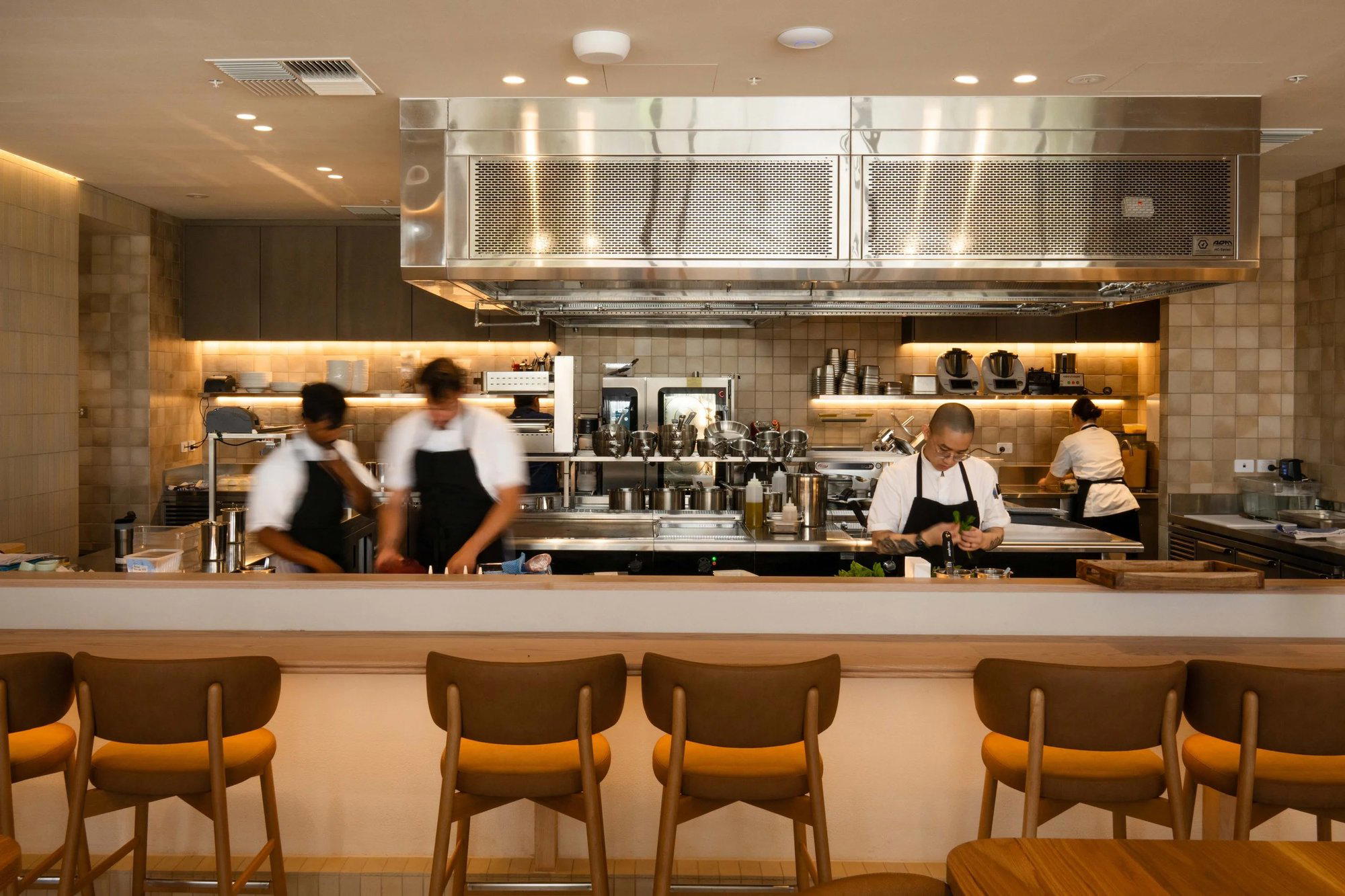
Details
- Sophisticated
- Modern
- Elegant
- Well Known
- Business Trip
- Weekend Escape
- Celebration
- Group Retreat
- Destination Wedding
- Design Destination
- Historic Building
- Wi Fi
- Pool
- Fitness Center
- Room Service
- Business Center
- Valet Parking
- Street Scene
- Elevator
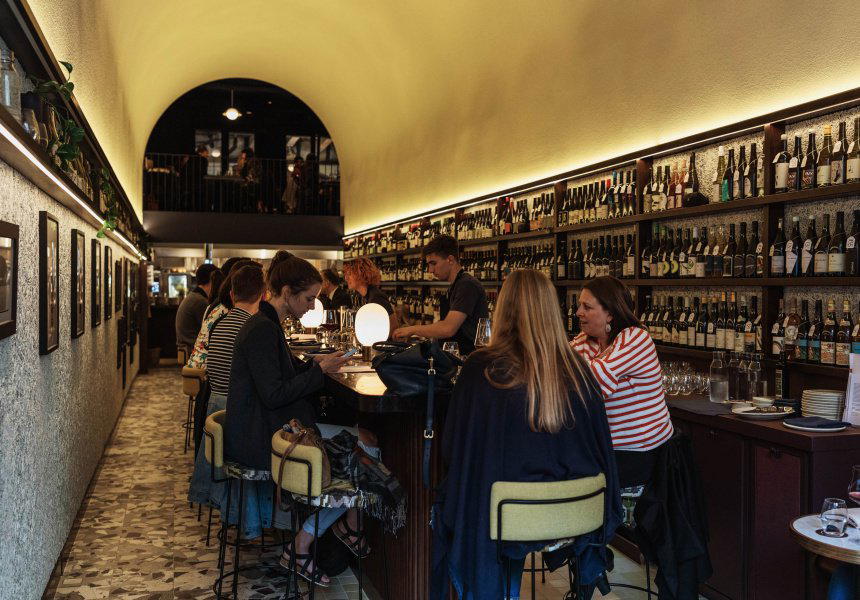
Refined, business‑class luxury with a grand reimagined lobby, brasserie café and updated bars and restaurants, aiming for an elegant, contemporary atmosphere that reflects South Australia’s landscapes and city energy.