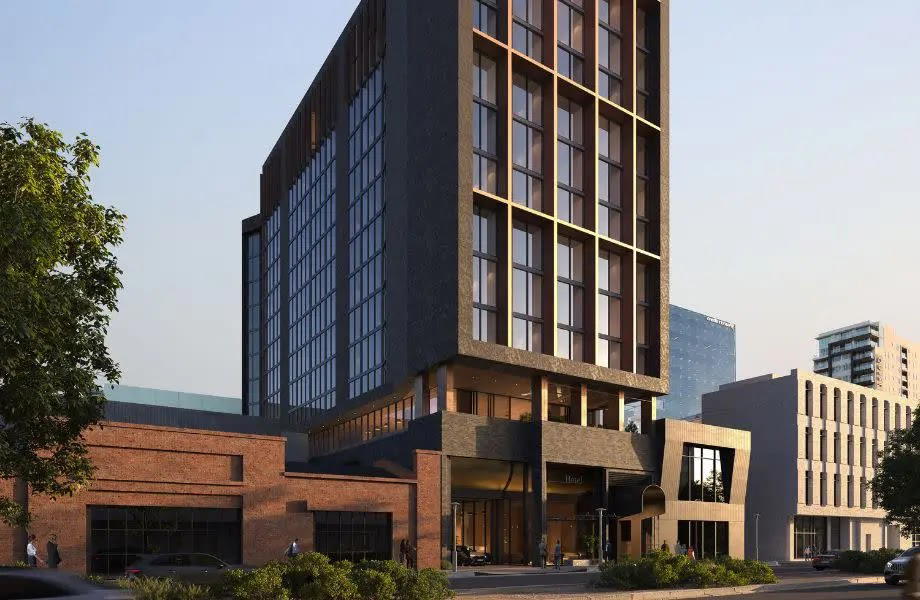
Hilton Adelaide East End is best read through Adelaide’s city-hotel dining culture: central accommodation used as a base for market mornings, wine-region day trips, and restaurant-led evenings. With for room count, pricing, awards, or in-house culinary leadership, the useful assessment is comparative: it belongs in the city-stay conversation rather than the estate-retreat or destination-resort category.

Pearl is the En Primeur Club membership app — saves, bookings, and concierge access live there. Same editors, same standards.
- Address
- 299 Pirie Street, Adelaide SA
- Website
- hilton.com
- Directions
- Get directions
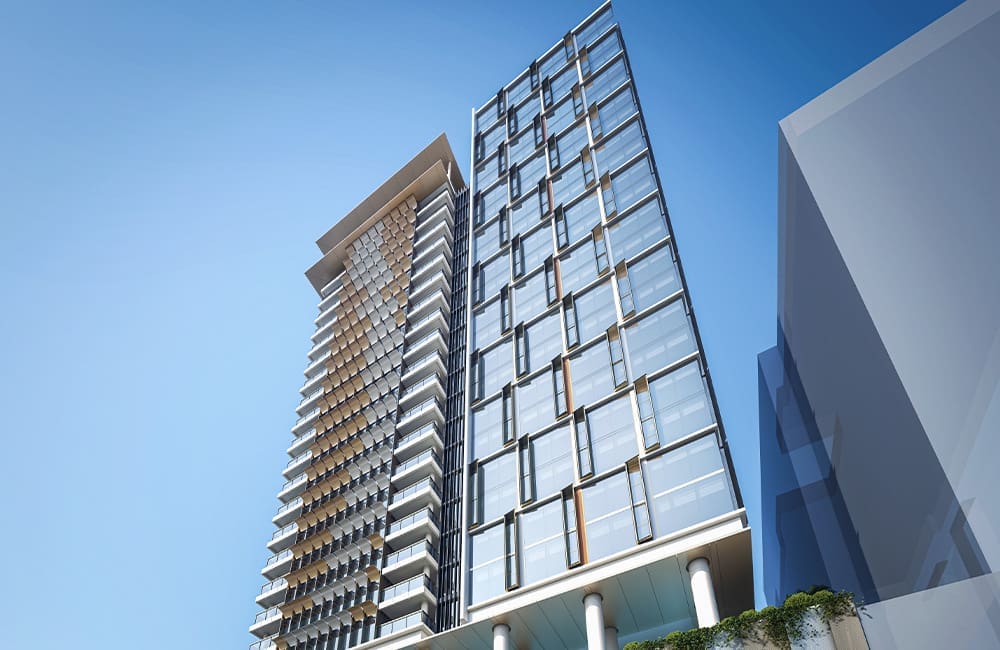
Adelaide's hotel dining question starts at street level
Approaching a city hotel in Adelaide, the first signal is rarely a lobby chandelier. It is the rhythm outside: office workers cutting across the grid, restaurant tables filling after dark, and the pull of laneways, markets, wine bars, and theatre traffic within a compact centre. Hilton Adelaide East End should be read in that frame. The useful question is not whether a hotel can claim resort drama, but whether it gives a traveller a credible base for Adelaide’s eating and drinking map.
Adelaide rewards hotels that understand proximity. The city’s food identity is unusually compressed: Central Market culture, North Terrace institutions, East End dining, small bars, and the cellar-door gravity of the Hills, McLaren Vale, and Barossa all sit within a practical itinerary. A hotel dining programme in this city does not need to dominate the trip. It needs to connect sensibly with the city’s restaurant and wine habits, leaving enough room for a serious lunch, a market-led morning, and a bar crawl that does not require complex transport.
That absence matters editorially. It means the property should not be sold through invented tasting menus, claimed accolades, or named culinary personalities. The more accurate reading is contextual: this is a city-hotel proposition in Adelaide, and the dining angle depends on how a guest uses the surrounding scene as much as any internal restaurant or bar.
The dining programme is part of a larger Adelaide pattern
Australian city hotels have spent the past decade moving away from anonymous all-day dining toward restaurants and bars that carry local credibility. In Sydney and Melbourne, that shift has often meant chef-led hotel restaurants, lobby bars with serious wine lists, and room service menus that borrow from the city’s dining language rather than the old international-hotel template. Adelaide’s version is quieter but more interesting, because the city already has a strong produce story and a wine culture that travellers understand before they arrive.
For a hotel in central Adelaide, the dining programme is judged against three pressures. First, it has to serve business travellers who need breakfast, a reliable drink, and low-friction meals. Second, it has to satisfy leisure travellers who have come for restaurants, galleries, festivals, or wine country. Third, it has to avoid pretending that the hotel alone can contain the city’s food appeal. Adelaide’s serious advantage is the combination of market produce, Mediterranean and Asian migrant food traditions, and direct access to major South Australian wine regions. A hotel meal has to sit within that ecology.
That is why comparison helps. Eos by SkyCity sits closer to the casino-and-entertainment hotel model, where restaurants, gaming, bars, and riverfront activity form a self-contained precinct. Oval Hotel at Adelaide Oval draws its identity from stadium architecture and event culture. Adelaide Marriott belongs to the international-brand city-hotel set, while Amora Adelaide and Art Series - The Watson point to different versions of urban lodging. Against that field, the East End address suggests a guest who wants the city’s dining district to do a meaningful share of the work.
What the East End changes about the stay
Adelaide’s East End has a different travel logic from a resort address in the Hills or a grand country-house stay. It is built for short walks, late dinners, coffee runs, theatre nights, and quick decisions. The suburb-level character matters because Adelaide is not a city where every visitor wants a car every day. A central base allows the first evening to be simple: arrive, drop bags, choose a restaurant or bar nearby, then save the wine-country itinerary for the next morning.
The East End also suits travellers who treat hotel dining as part of a sequence rather than the full event. Breakfast may happen in the hotel or nearby, lunch is shaped by Central Market produce or a winery booking, and dinner can move through the city’s restaurants without the pressure of a long transfer. For that reason, the hotel’s exact in-house culinary details are less decisive than they would be at a remote lodge. The city itself supplies the extended dining room.
Readers planning around food should use the broader Adelaide network rather than judging a stay in isolation. Our full Adelaide restaurants guide gives the restaurant side of the equation, while Our full Adelaide bars guide is more useful for the after-dinner part of the night. Wine-driven trips should also check Our full Adelaide wineries guide, because many Adelaide stays succeed or fail on how well the daytime wine plan is structured.
How it compares with Adelaide's retreat hotels
Adelaide’s accommodation market splits into two clear instincts. One is the central hotel: practical, walkable, useful for dining and business, and shaped by the city grid. The other is the escape property: quieter, more scenic, and designed around the stay itself. The distinction matters more than brand labels, because the right choice changes the structure of every meal.
Mount Lofty House & Estate, Sequoia Lodge, and Thorngrove Manor belong to the hills-and-hideaway conversation. Those stays encourage longer time on property, slower mornings, and meals planned around the setting. A central East End hotel reverses that order. The value lies in access: dinner can be chosen late, a drink can become a second venue, and a morning appointment does not require a country-road transfer.
That city-versus-retreat divide is common across Australian luxury travel. The Tasman in Hobart uses a heritage-city setting as a gateway to restaurants and waterfront culture. Capella Sydney in Sydney works through CBD scale and architectural restoration. The Calile in Brisbane is tied to a dining-and-retail precinct. On the other side, Southern Ocean Lodge in Kingscote, Emirates One&Only Wolgan Valley in Wolgan Valley, and Osborn House in Bundanoon ask guests to make the property the main event. Adelaide’s East End sits firmly in the former camp: the hotel is the base, the city is the programme.
Where the dining emphasis should sit
That does not make the dining programme irrelevant. It changes the standard of judgment. A hotel restaurant in this category should be assessed for breakfast reliability, bar usefulness, wine relevance, and how naturally it supports a night out in the East End.
Adelaide is a strong wine city, so beverage intelligence carries weight. A hotel bar that understands South Australian labels, aperitif timing, and pre-theatre pacing will serve the traveller better than a generic luxury script. The same applies to food. The city’s dining character is shaped by produce and proximity: seafood from South Australian waters, market vegetables, Italian and Greek influence, modern Asian dining, and the confidence that comes from being close to acclaimed wine regions. A hotel does not need to perform all of that alone, but it should not feel detached from it.
International comparisons sharpen the point. Melbourne Place in Melbourne sits in a city where hotel restaurants compete with a dense independent dining scene. Mondrian Gold Coast in Gold Coast works in a leisure market where design and beach culture shape expectations. JW Marriott Gold Coast Resort & Spa in Surfers Paradise leans toward resort infrastructure. Overseas, The Fifth Avenue Hotel in New York City, Hôtel de Paris Monte-Carlo in Monte Carlo, and Badrutt's Palace Hotel in St. Moritz operate in cities where hotel dining can be a destination in itself. Adelaide asks for a lighter hand: the hotel should connect guests to the city’s food culture rather than monopolise it.
Planning the stay around meals, wine, and timing
Confirm current rates, cancellation terms, room type, breakfast inclusion, dining hours, and any bar or restaurant arrangements directly through the official booking channel before fixing restaurant reservations or winery transport. During festival periods, major sporting weekends, and high-demand wine-travel dates, Adelaide’s central accommodation can tighten quickly, so hotel and dinner planning should be treated as one itinerary.
The smartest approach is to decide what the hotel must do. If the trip is built around city restaurants, the East End setting has clear utility. If the priority is long lunches in wine country, check transfer timing before committing to late city dinners. If the stay is business-led, breakfast practicality and evening bar access may matter more than room drama. If the trip is romantic or retreat-focused, compare the city option with the Adelaide Hills properties before choosing. That decision is not about rank; it is about rhythm.
For rooms, the responsible advice is simple: choose the category that matches sleep, light, workspace, and budget needs after verifying current inventory. Travellers who care about quiet should ask about room position relative to lifts, service areas, and street exposure. Travellers using the hotel as a dining base should prioritise check-in timing, late arrival handling, and breakfast arrangements over extra square metres they may barely use.
Comparable venues nearby, for context on price, style, and recognition.
| Venue | Cuisine | Price | Awards | Notes |
|---|---|---|---|---|
| Hilton Adelaide East EndThis venue — the venue you are viewing | New-build flagship within a mixed-use CBD precinct, blending hotel, residential, and lifestyle uses in a connected urban hub. | Not listed | Not listed | Not listed |
| Art Series - The Watson | Art-inspired luxury boutique with self-contained suites and residences | $100–200 | Michelin Selected | Walkerville |
| Little National Hotel Adelaide | Contemporary luxury boutique hotel designed for modern travellers. | Not listed | Not listed | North Terrace |
| Crystalbrook Sam Hotel | Luxury, sustainability-led urban hotel bringing Crystalbrook’s forward-thinking five-star hospitality to Adelaide. | Not listed | Not listed | Adelaide CBD |
| Eos by SkyCity | Modern luxury integrated with entertainment complex, showcasing sleek design in polished gold and mirrored glass as part of major urban redevelopment. | $200–300 | Michelin Selected | Adelaide Central Business District |
| Mount Lofty House & Estate | Historic boutique luxury estate with modern extensions | $300–500 | 1 Michelin Key · Virtuoso Luxury Hotel Partner | Crafers |
Continue exploring
More in Adelaide
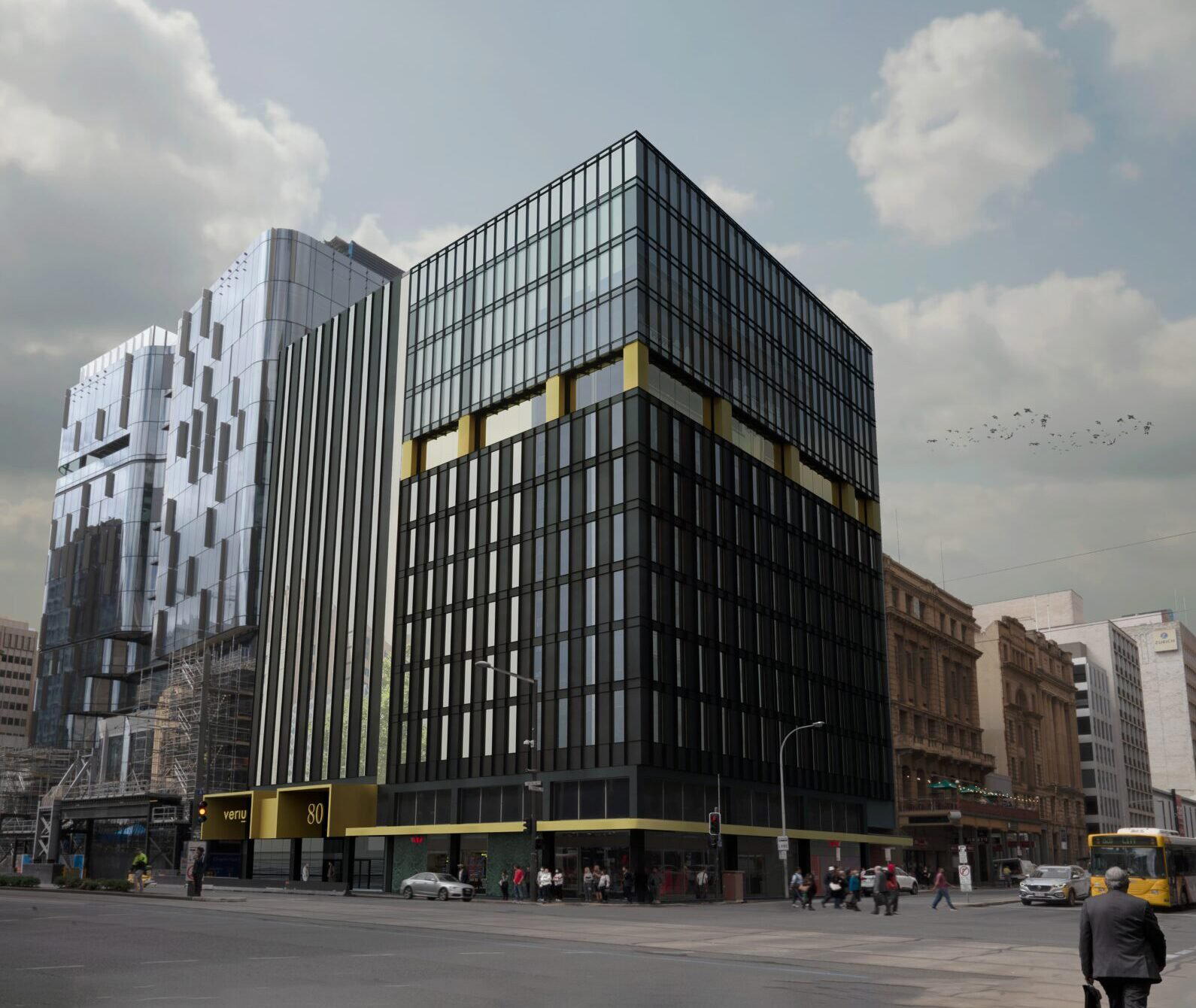
Hotels in Adelaide
Browse all →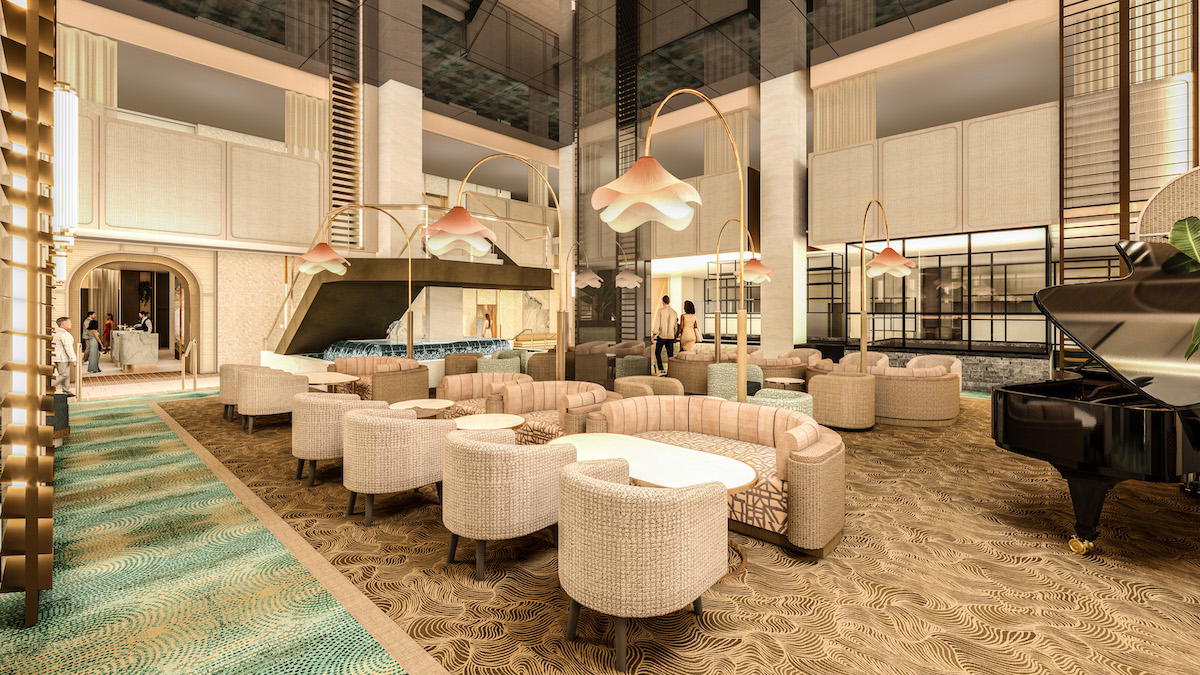
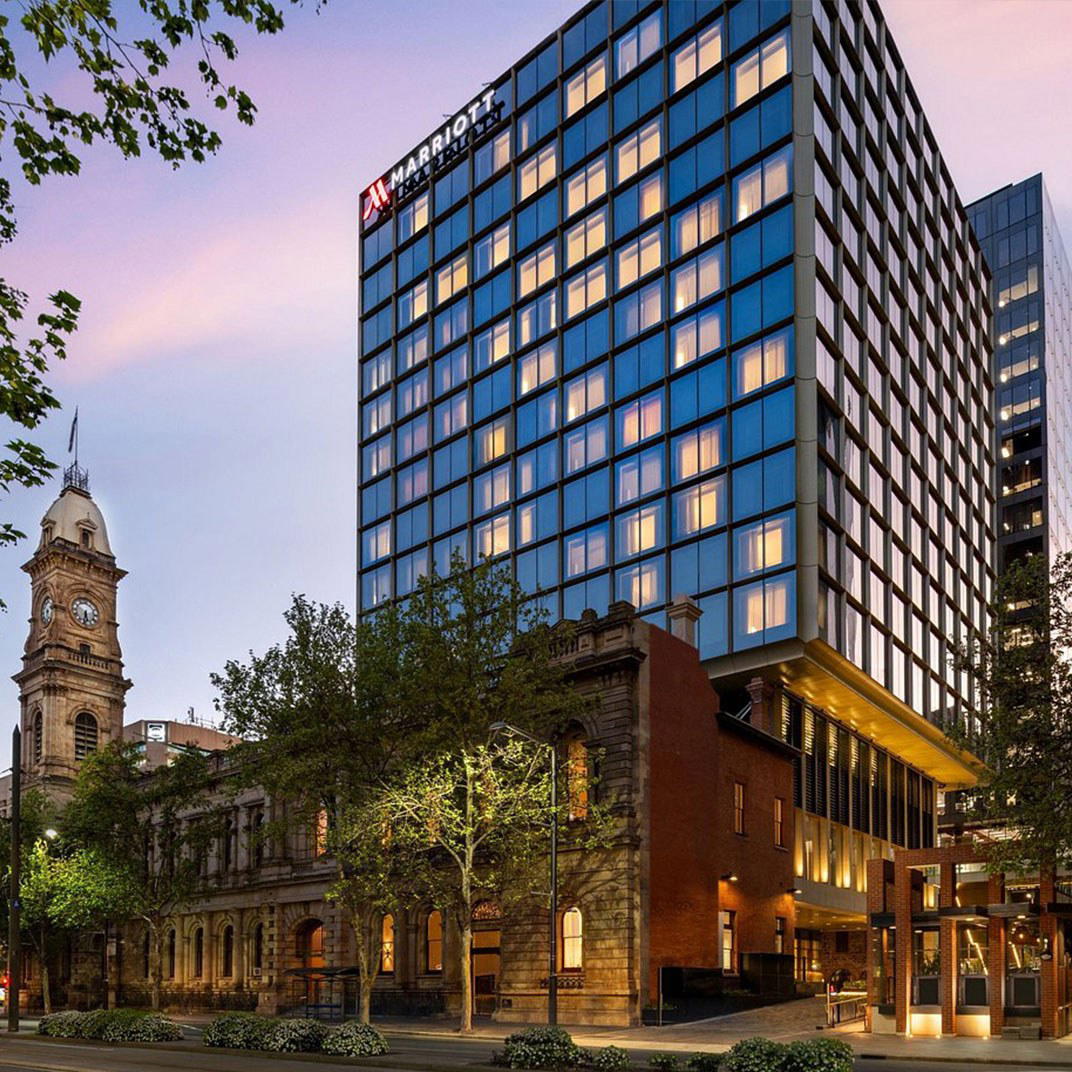
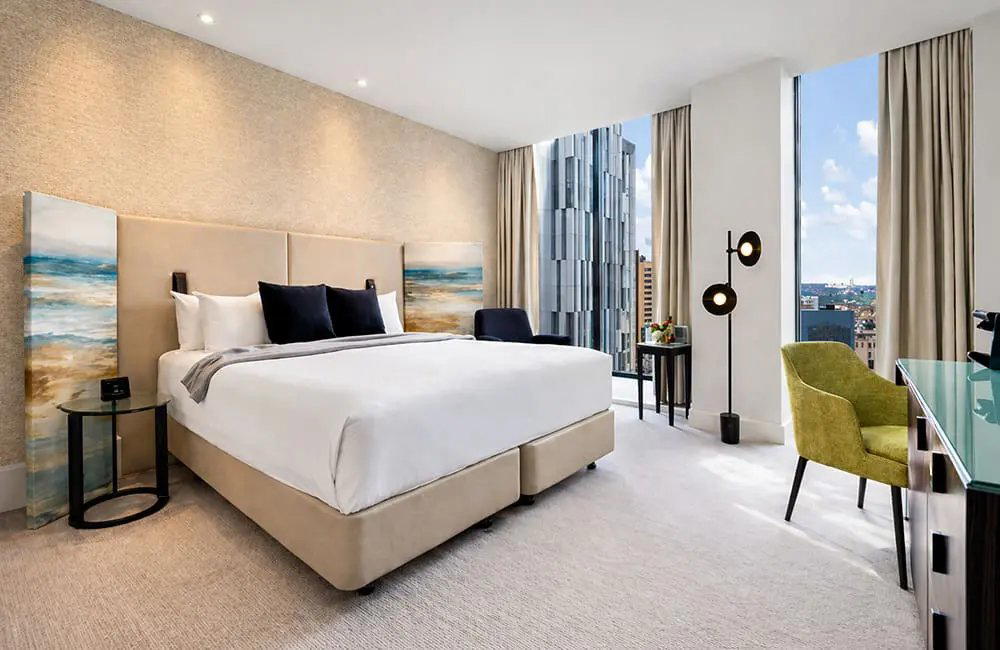
Bars in Adelaide
Browse all →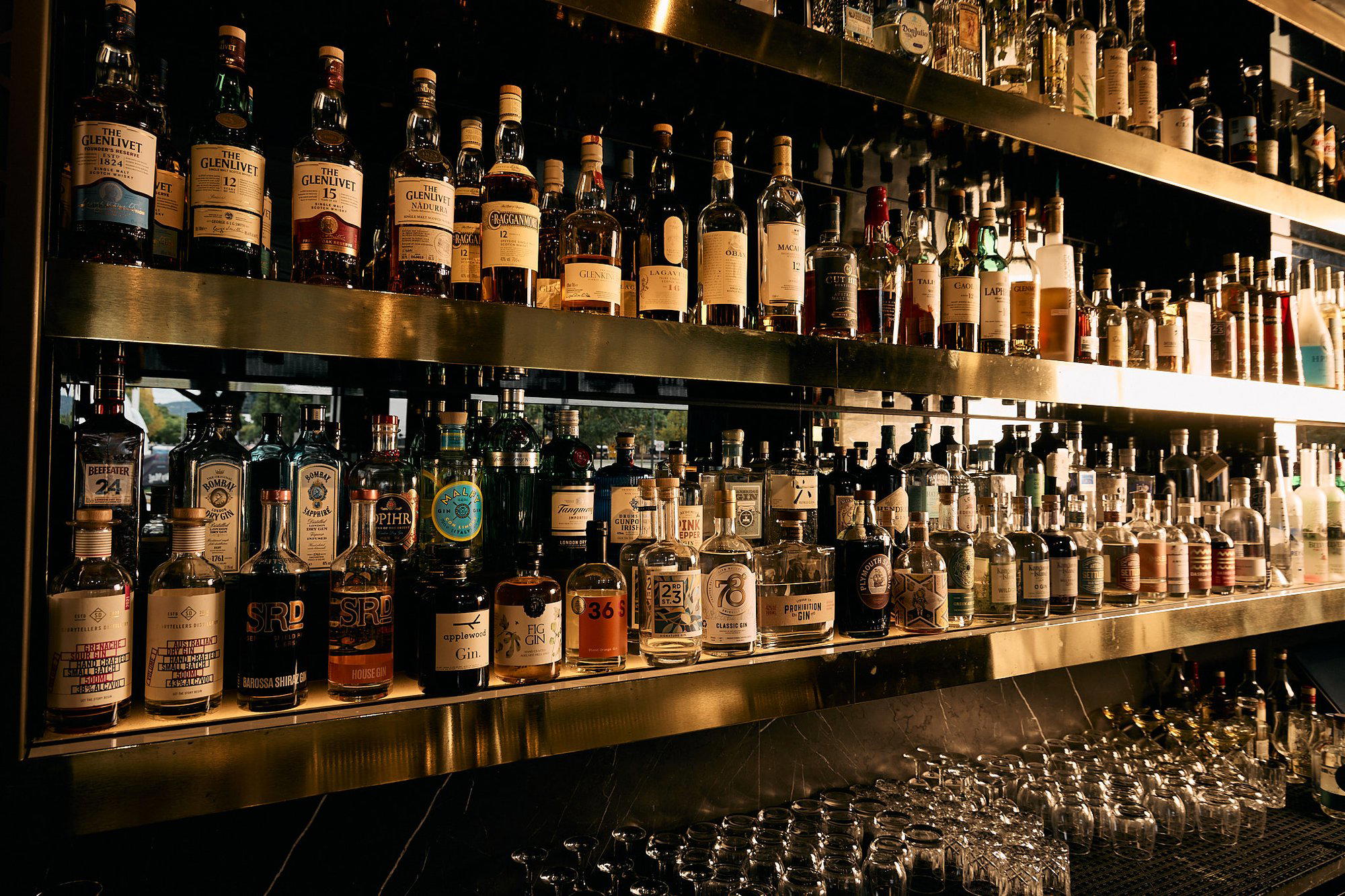
Restaurants in Adelaide
Browse all →
Details
- Modern
- Trendy
- Sophisticated
- Business Trip
- Weekend Escape
- Group Retreat
- Celebration
- Design Destination
- Panoramic View
- Terrace
- Pool
- Fitness Center
- Business Center
- Meeting Rooms
- Wi Fi
- Skyline
- Street Scene
- Elevator
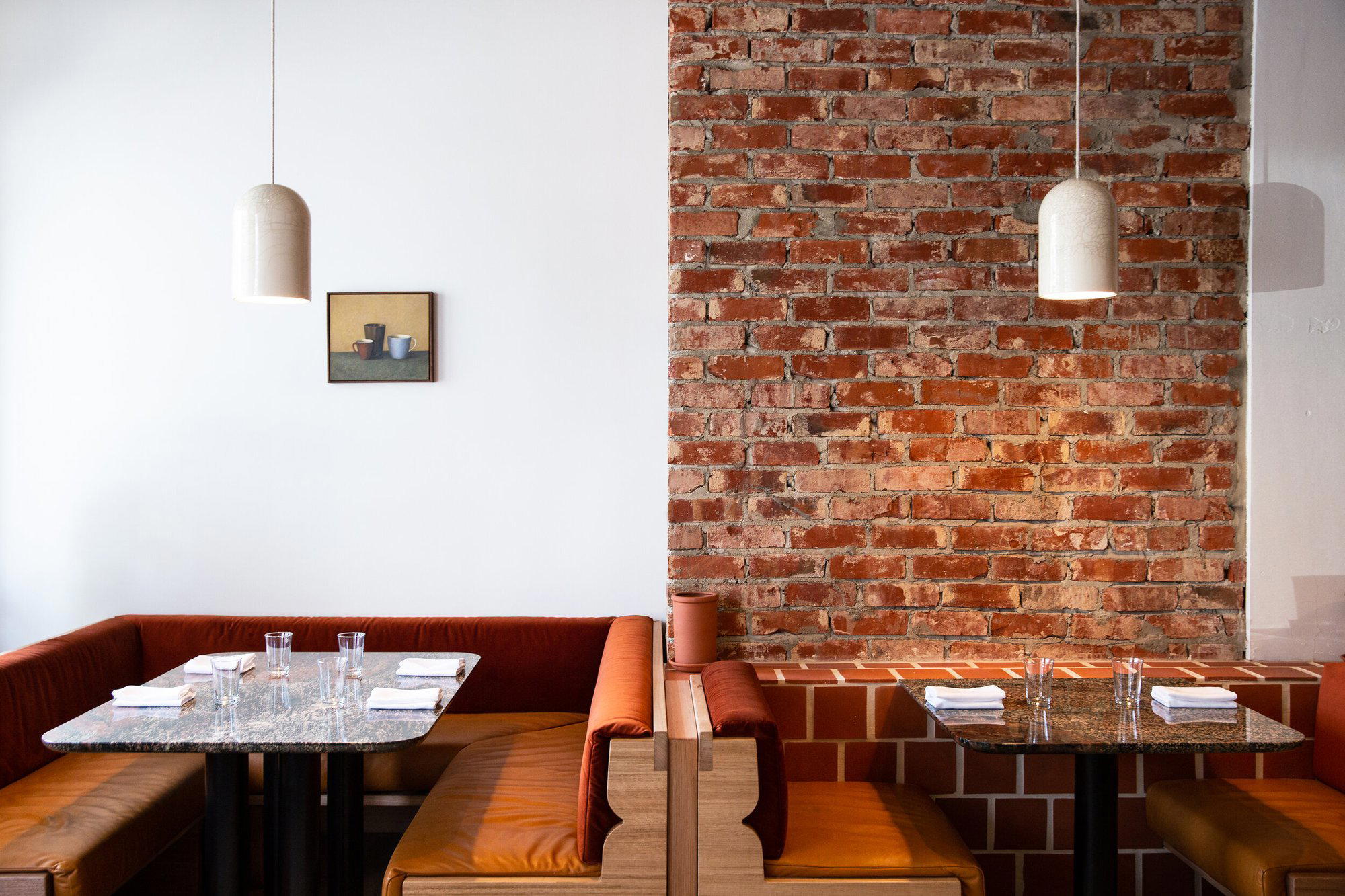
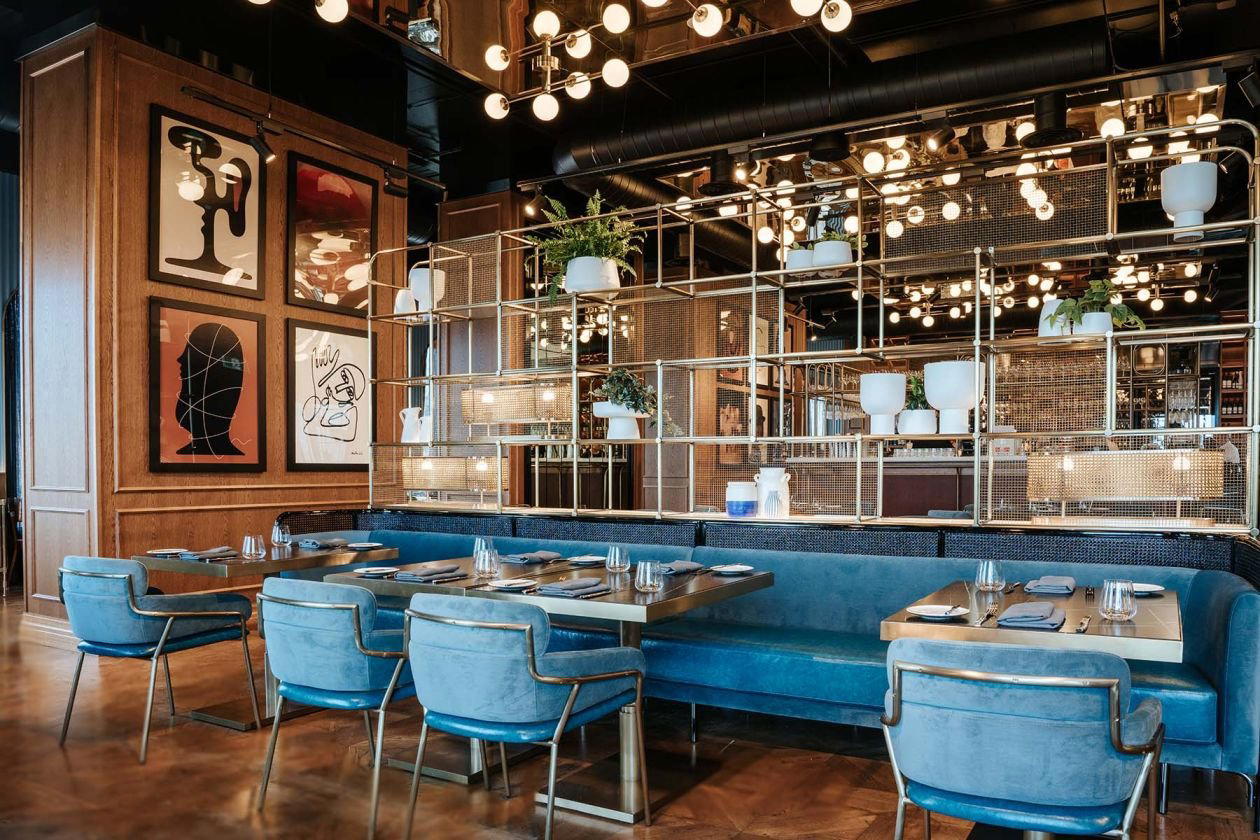
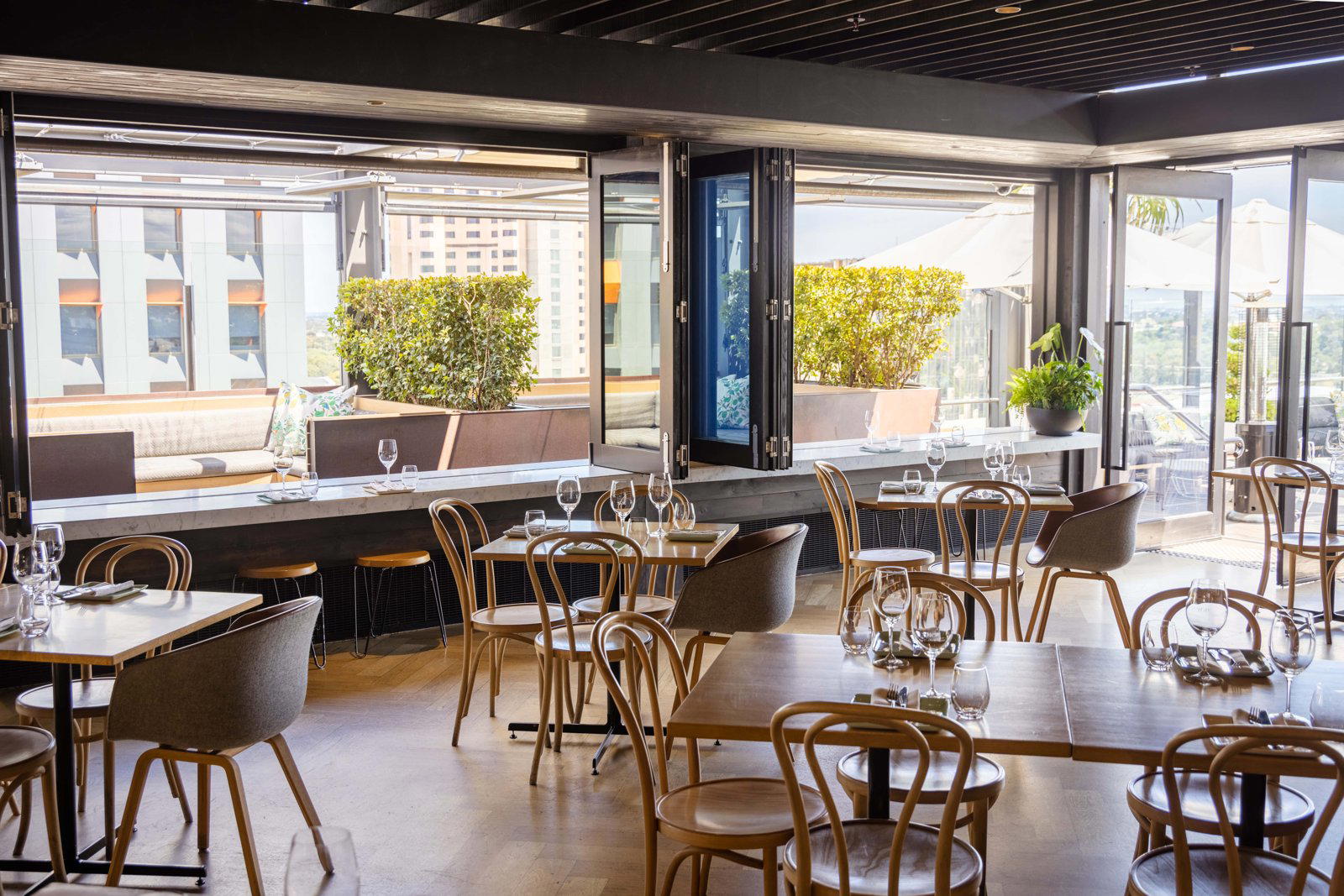
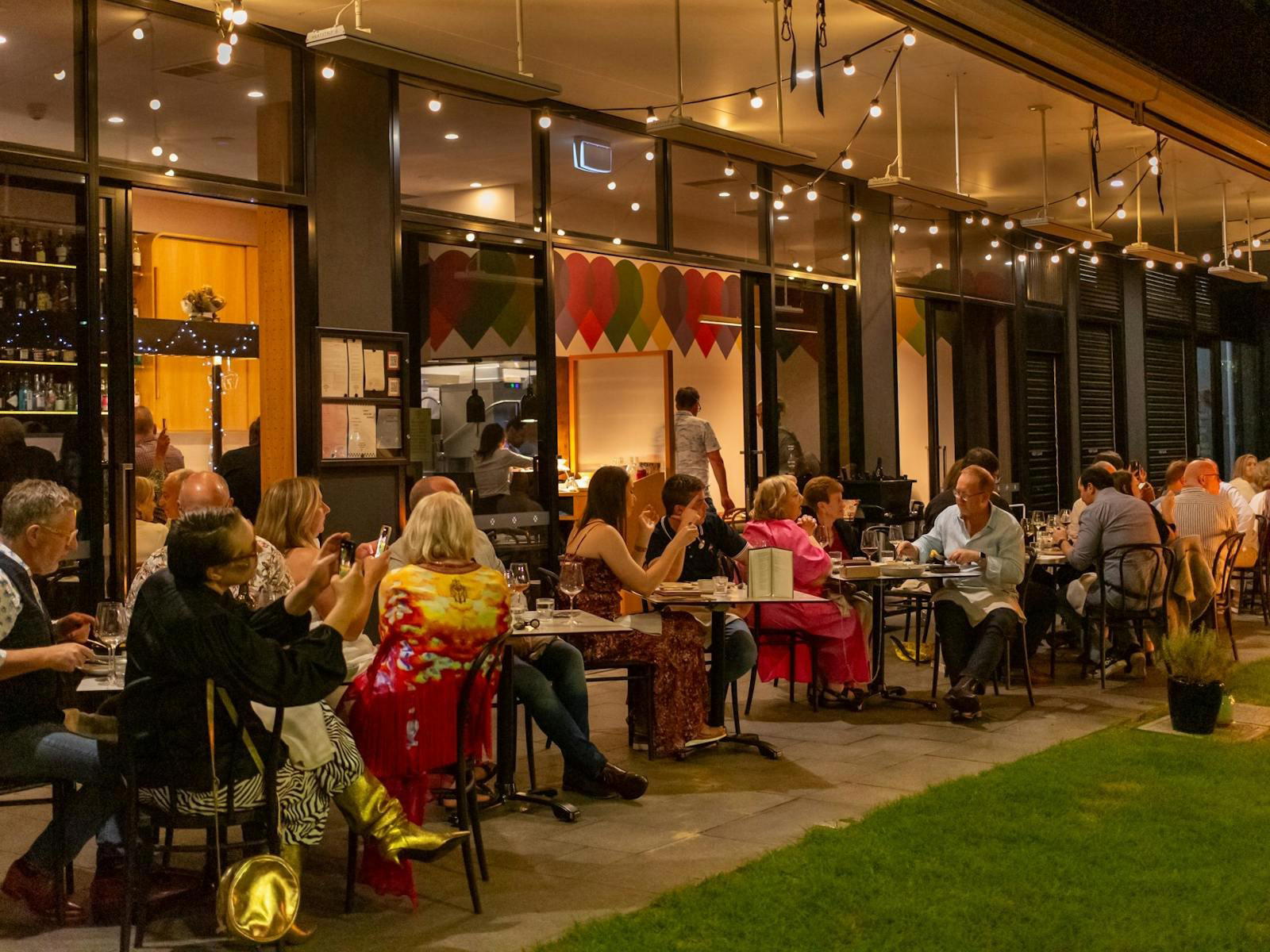
A contemporary, design-led flagship hotel with lively public spaces and a relaxed city-lifestyle feel, positioned within a bustling mixed-use precinct focused on social connection and wellbeing.